September 8, 2026 · 5 min read
International trade policies can feel distant, but their ripples often reach the most unexpected corners of our landscapes, impacting the very products that define local economies and cultures. When tariffs come into play, the spotlight often shines on major industries, yet it's often the unique, regionally specific goods that feel the most distinctive pinch.
Beyond the usual headlines, America's diverse geography yields a bounty of specialty products, each with a fascinating story woven into its soil, climate, and community. These are the unsung heroes of American agriculture and craft, products that might soon find their cross-border journey to Canadian tables a little more challenging. Join us on a curious journey to uncover these remarkable places and the distinct goods they produce.
1. Georgia's Legally Sweet Secret
Vidalia, Georgia, USA
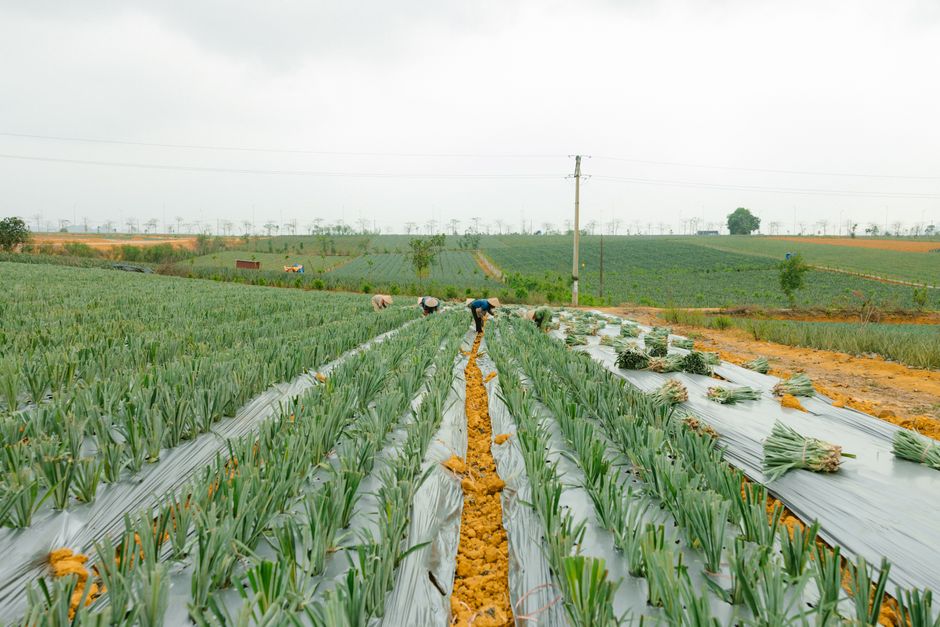
The unique sweetness of Vidalia onions isn't a marketing gimmick; it's a taste protected by law and rooted in distinct soil.
Grown exclusively in a specific 20-county region of Georgia, Vidalia onions owe their mild, non-pungent flavor to the low sulfur content in the sandy loam soil. This peculiar geological condition prevents the onions from producing the harsh compounds found in most varieties. Since the 1980s, the "Vidalia" name has been trademarked and federally protected, ensuring that only onions grown and harvested within this precise area can carry the coveted label, making them a truly regional delicacy.
2. Wisconsin's Tart Cherry Capital
Door County, Wisconsin, USA
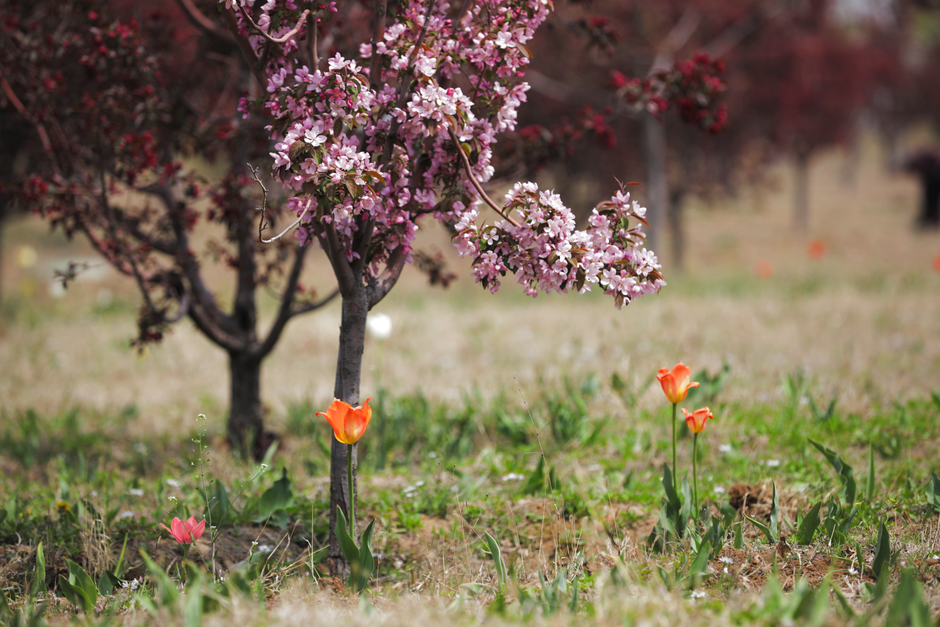
This scenic peninsula, often called the "Cape Cod of the Midwest," boasts a microclimate perfectly suited for growing a specific tart cherry that flavors pies nationwide.
Door County's unique geography—a long peninsula surrounded by the waters of Lake Michigan and Green Bay—creates a temperate microclimate ideal for Montmorency tart cherries. The lake effect delays spring blooming, protecting blossoms from early frosts, and extends the growing season. While the region is known for its picturesque lighthouses and charming towns, the cherry industry has been a backbone for generations, with orchards coloring the landscape in spring and drawing visitors for harvest in summer.
3. The Indigenous Grain of Minnesota's Waters
Northern Minnesota, USA
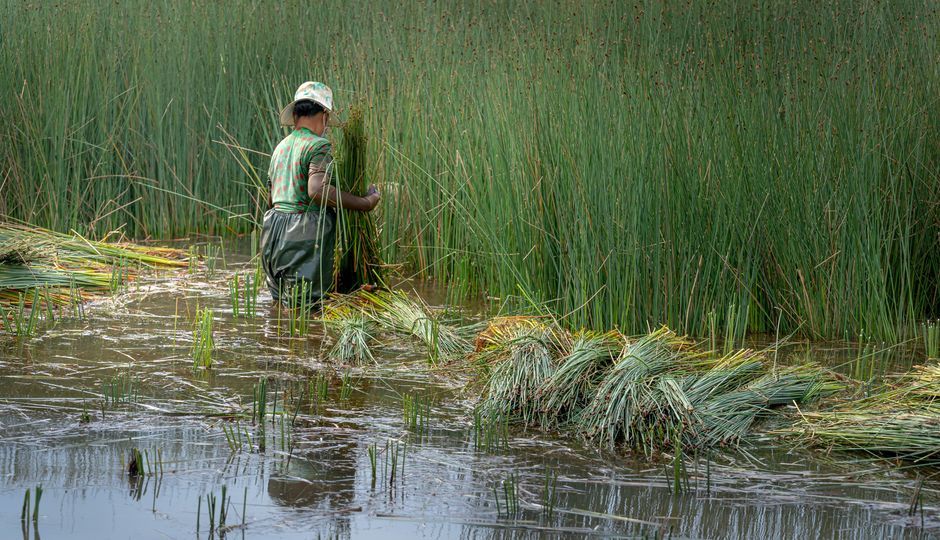
The "wild rice" you find in stores often isn't truly wild, unlike the ancient grain still traditionally harvested by the Ojibwe people in Minnesota's pristine lakes.
True wild rice (Zizania aquatica), or 'Manoomin' in Ojibwe, is an aquatic grass native to the shallow lakes and rivers of the Great Lakes region. Unlike its cultivated counterpart, genuine wild rice is traditionally hand-harvested from canoes by Ojibwe communities using methods passed down for centuries, gently knocking the ripe grains into the boat. This practice not only preserves a cultural heritage but also ensures a distinct, nutty flavor and texture far removed from commercially grown varieties, making it a truly unique product tied to its watery landscape.
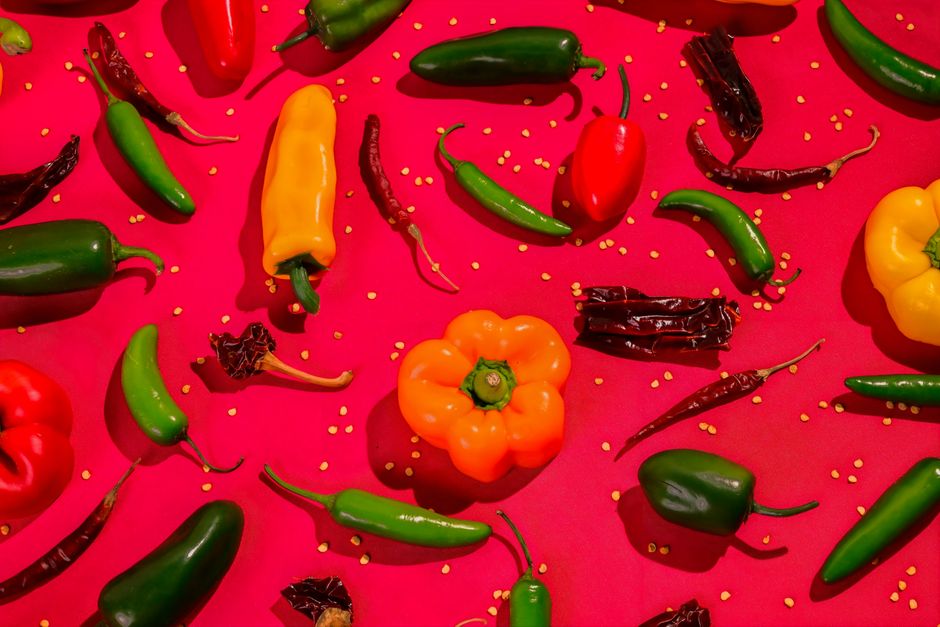
4. The Fiery Heart of New Mexico
Hatch Valley, New Mexico, USA
These famed green chiles, known for their distinctive smoky, earthy heat, thrive only in the specific volcanic soil and high desert climate of a small New Mexico valley.
The Hatch Valley, a fertile flood plain along the Rio Grande in southern New Mexico, is the exclusive home of the legendary Hatch chile. The region's unique combination of hot days, cool nights, and nutrient-rich volcanic soil—fed by the Rio Grande—imbues these chiles with a flavor profile impossible to replicate elsewhere. Each August, the annual Hatch Chile Festival draws tens of thousands, celebrating a harvest that fuels New Mexico's culinary identity and ships roasted chiles across the nation, making it a cornerstone of regional agriculture.
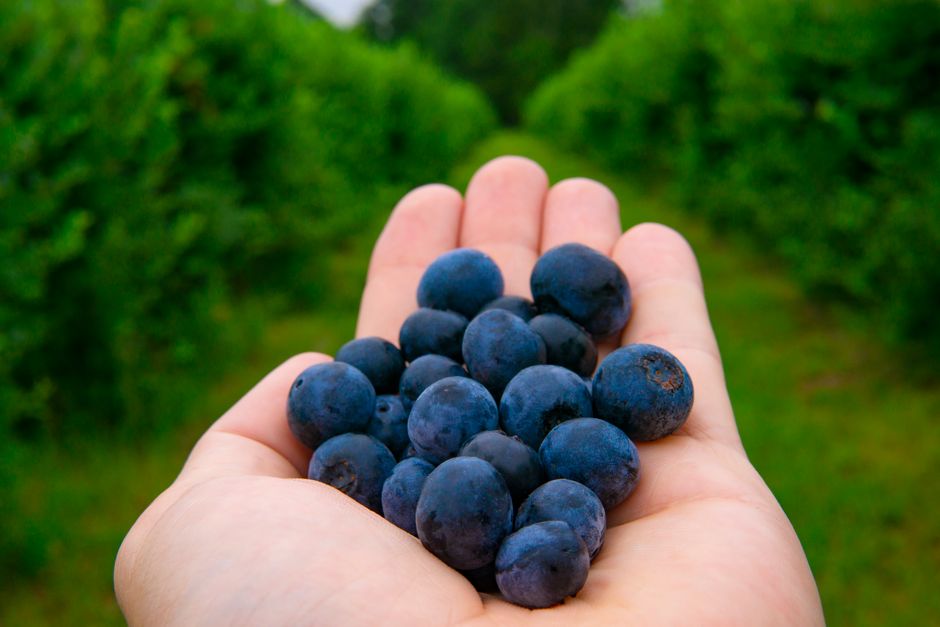
5. Maine's Wild, Ancient Blue
Downeast Maine, USA
These small, intensely flavorful wild blueberries aren't planted but have grown naturally in Maine's glacial soil for thousands of years, thriving in a unique ecosystem.
Unlike cultivated highbush blueberries, Maine's lowbush blueberries are a wild crop, indigenous to the region and propagated by nature for millennia. They flourish in the acidic, nutrient-poor soil left behind by glaciers, making Downeast Maine one of the few places in the world where they grow in abundance. Traditionally harvested by raking, these smaller, more intensely flavored berries are a staple of the state's economy and culinary heritage, cherished for their robust taste and antioxidant properties, deeply tied to the land's geological past.
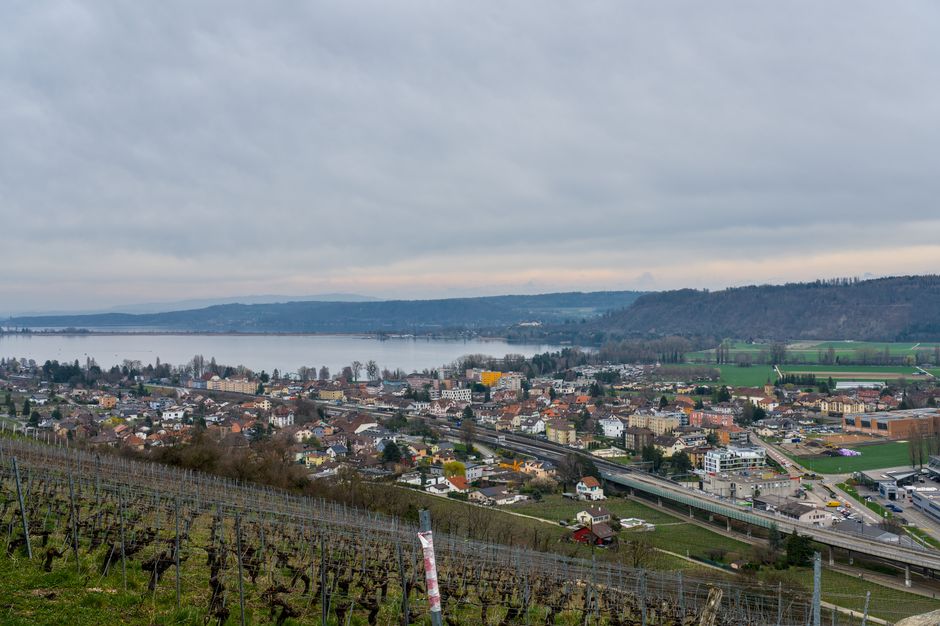
6. New York's Cold-Climate Wine Gem
Finger Lakes Region, New York, USA
While California dominates, the Finger Lakes region of New York produces world-class Riesling wines, thanks to its unique glacial lakes moderating vineyard temperatures.
The deep, narrow Finger Lakes, carved by glaciers, act as thermal regulators for the surrounding vineyards, absorbing heat in summer and releasing it in winter. This "lake effect" extends the growing season and protects delicate grapevines, particularly Riesling, from extreme temperature swings. Wineries here leverage the cool climate to produce crisp, aromatic Rieslings with a distinct minerality and vibrant acidity, earning international acclaim and establishing the region as a serious contender in the global wine scene, far from the sun-drenched vineyards of the West Coast.

7. Oregon's Coastal Dairy Legacy
Tillamook, Oregon, USA
The creamy, sharp cheddar from Tillamook is more than just cheese; it's the product of a farmer-owned cooperative committed to quality for over a century, shaped by Oregon's lush coastal pastures.
Nestled on the Oregon Coast, the Tillamook Creamery represents a century-old legacy of dairy farming. What began in 1909 as a farmer-owned cooperative, born from a need to pool resources and standardize cheese quality, has grown into an iconic American brand. The region's abundant rainfall and mild climate create ideal conditions for lush, green pastures, which in turn produce high-quality milk. This unique environment, combined with time-honored cheesemaking traditions, gives Tillamook cheese its distinctive flavor, deeply connecting the product to its coastal landscape and community.
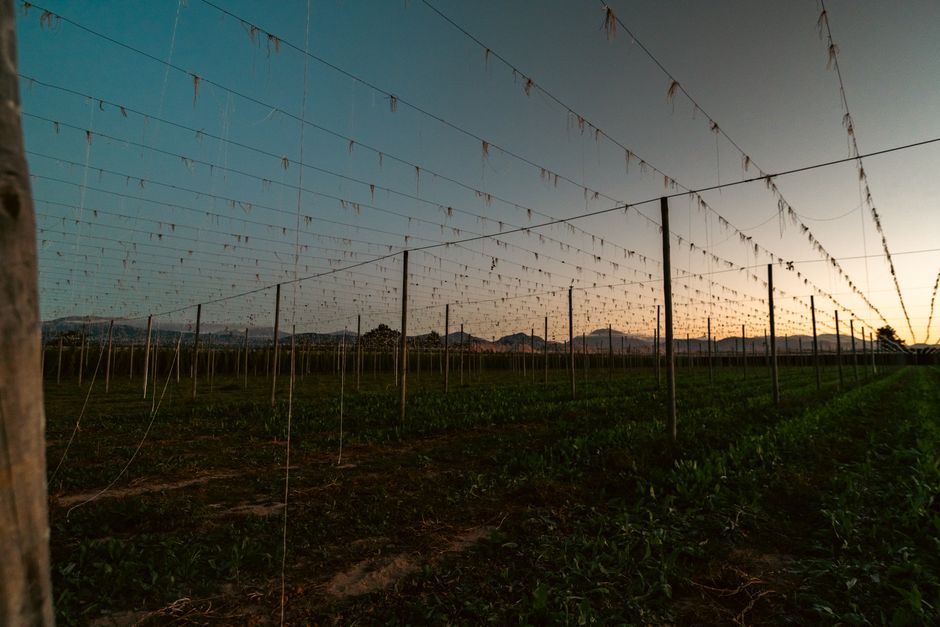
8. The Global Heart of Craft Beer Hops
Yakima Valley, Washington, USA
Nearly three-quarters of all hops grown in the United States, and a significant portion of the world's supply, come from this arid valley in Washington State, fueled by glacial meltwater.
Despite its desert-like climate, the Yakima Valley is a global powerhouse for hop production, thanks to an intricate irrigation system fed by rivers originating in the Cascade Mountains. The combination of intense summer sun, cool nights, and nutrient-rich volcanic soil provides perfect conditions for growing a vast array of hop varieties crucial for the craft beer industry worldwide. From bittering hops to aromatic varieties, the valley's farms are at the forefront of agricultural innovation, making it an unexpected nexus for a global beverage trend, all powered by ancient glaciers.
Frequently asked questions
How do international tariffs impact local products?
Tariffs, essentially taxes on imported goods, can significantly affect local products by making them more expensive in foreign markets. This can reduce demand for a product, impacting the livelihoods of growers, producers, and the regional economies dependent on that trade.
Are there specific regions known for unique agricultural products in the US?
Absolutely. The United States boasts incredible agricultural diversity, with many regions specializing in unique products due to specific climates, soil compositions, or cultural traditions. From New Mexico's Hatch Valley chiles to Maine's wild blueberries, these areas offer distinct flavors and stories.
How can I discover these lesser-known food-producing regions when I travel?
Researching local festivals, farmer's markets, and regional culinary tours is a great start. Exploring travel blogs focused on food tourism or heritage trails can also reveal hidden gems. Many regions also have dedicated tourism boards promoting their agricultural heritage.
How does the AllTours.ai app help me explore places like these?
AllTours.ai enhances your travel by providing AI-powered audio tours. Simply point your phone camera at a landscape or landmark, and the app instantly narrates its history, geology, and culture in your language, bringing the stories of these unique places and their products to life as you explore.
Related guides
Photography via Pexels. AllTours.ai is an AI audio tour guide — point your camera at any landscape and hear its story.