
September 6, 2026 · 4 min read
Lake Ontario. The name is straightforward, reflecting its Indigenous origins as "beautiful lake" or "lake of shining waters." But does "Ontario" truly capture the immense geological forces, the pivotal historical events, or the countless human stories etched into its shores? It's a lake of surprising depths, both literal and metaphorical.
If we were to rename it, what would we call it? Perhaps "Lake of Whispers" for its haunted islands, or "Lake of Turning Tides" for its battlefields. To truly understand, we must venture beyond the well-trodden paths and explore its lesser-known nooks, each holding a unique, vibrant secret. Here are eight places that suggest what would be a better name for Lake Ontario.
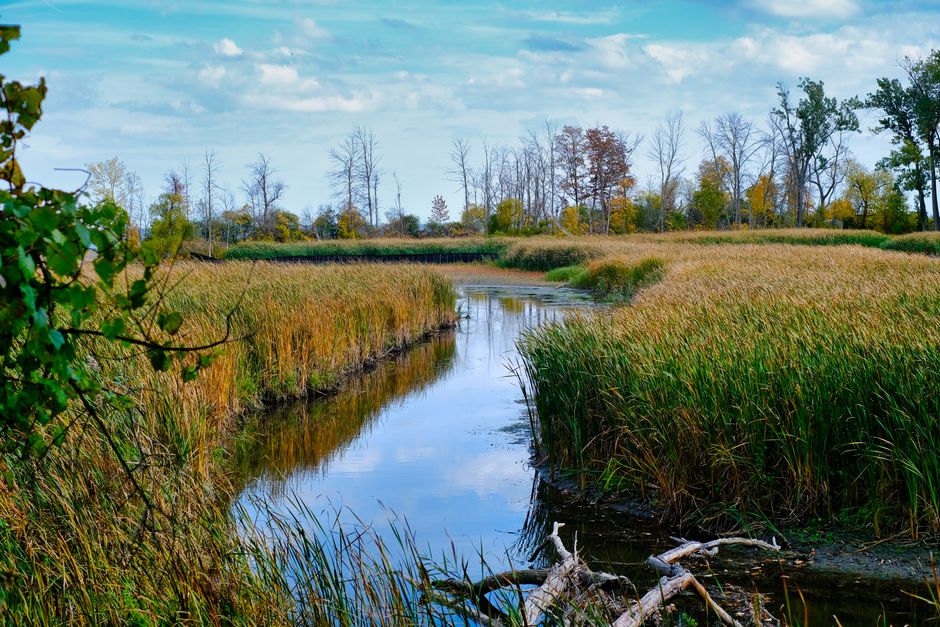
1. The War's Pivotal Retreat
Forty Mile Creek, Grimsby, Ontario, Canada
Where American forces, after invading Upper Canada, suffered a disastrous retreat during the War of 1812.
Following their victory at the Battle of Stoney Creek, British and Indigenous forces pushed the American invaders back to Forty Mile Creek. The American fleet, meant to evacuate their troops, was scattered by a storm, forcing a chaotic land retreat. This pivotal moment secured British control over the Niagara Peninsula, turning the tide of the war and shaping the Canada-US border.

2. The Lake's Haunted Outpost
Near Kingston, Ontario, Canada
An island rumored to be haunted by the spirits of shipwrecked sailors and ancient Indigenous guardians.
Off the coast of Kingston lies Snake Island, often called Ghost Island by locals. Its history is steeped in tales of shipwrecks and tragic drownings in Lake Ontario's often treacherous waters. Oral traditions also speak of ancient Indigenous burial grounds, lending to the island's eerie mystique and the whispers of unseen presences carried on the lake winds.
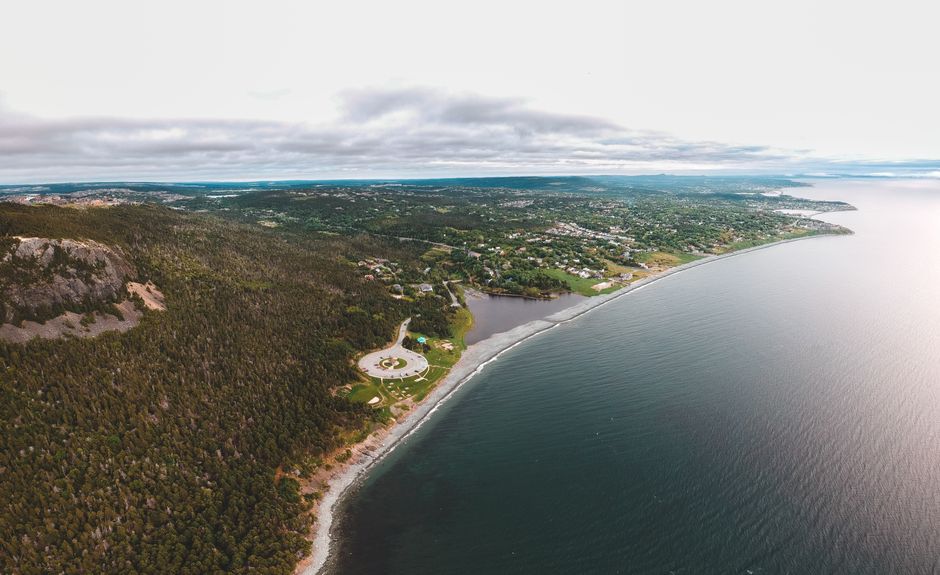
3. The Boot-Shaped Bird Haven
Presqu'ile Provincial Park, Brighton, Ontario, Canada
A unique, boot-shaped geological formation vital for migrating birds and early maritime history.
Presqu'ile, meaning "almost an island" in French, is a sandspit peninsula extending into Lake Ontario. Its distinctive shape is a result of glacial deposits and lake currents over millennia, creating diverse habitats. This geography makes it a critical stopover for thousands of migratory birds, and historically, a strategic point for lighthouses guiding vessels across the lake.
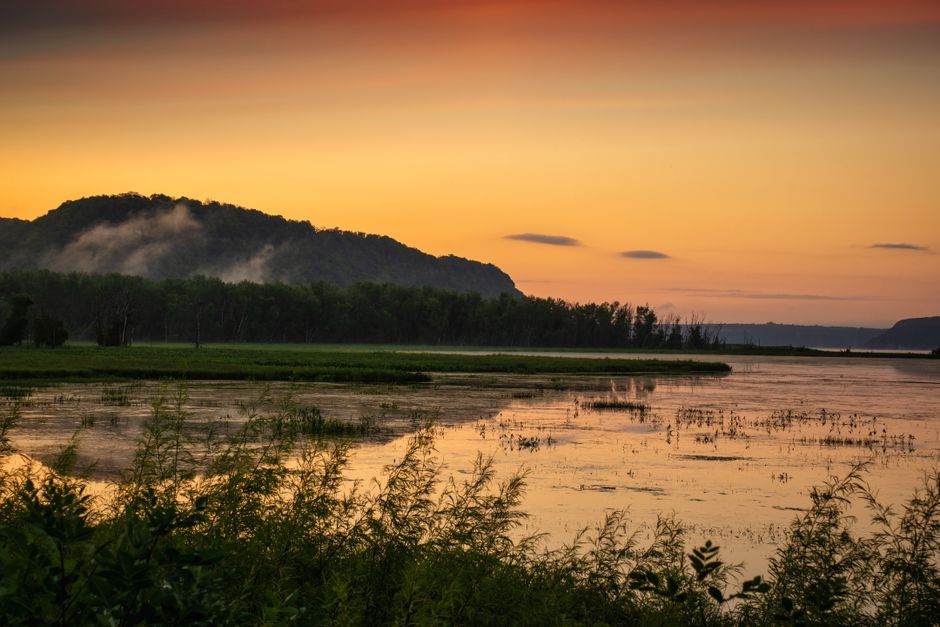
4. The Rescued Ancient Delta
Braddock Bay Fish & Wildlife Management Area, Hilton, New York, USA
A critical wetland in New York, formed by an ancient river delta, that narrowly escaped industrialization.
Braddock Bay, a vast complex of wetlands and barrier beaches, is the remnant of a much larger ancient delta where the Genesee River once flowed into Lake Ontario. This ecologically vital area provides essential habitat for migratory birds and fish. Decades ago, it narrowly escaped plans to be dredged and industrialized into a major deep-water port, preserving its natural state for generations.
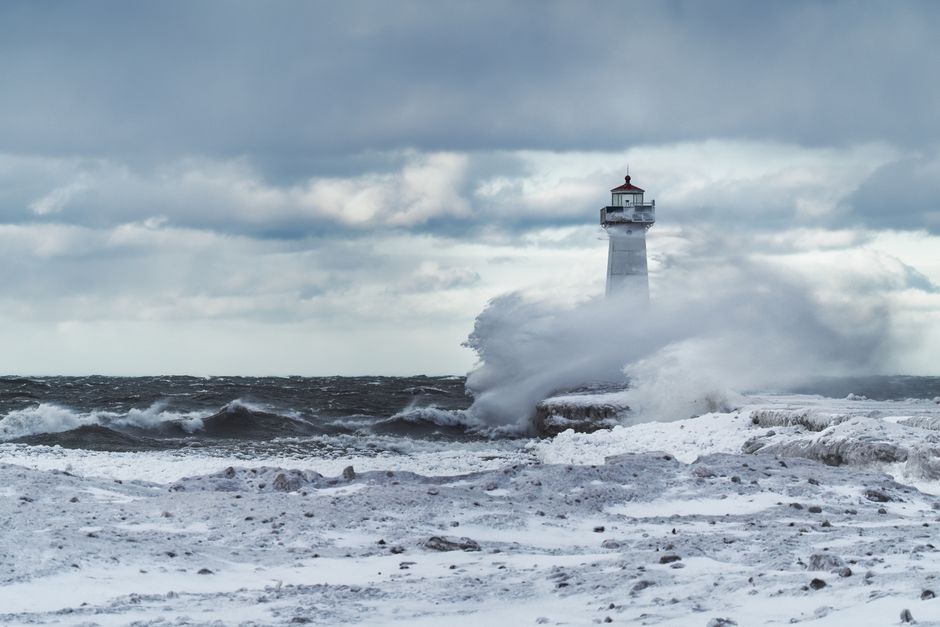
5. Beacon of Freedom
Sodus Point, New York, USA
A historic lighthouse guarding a deep natural harbor, once a key stop on the Underground Railroad.
Sodus Bay, one of Lake Ontario's deepest natural harbors, made Sodus Point a crucial port for commerce and, secretly, for freedom. The Sodus Bay Lighthouse, established in the 1800s, watched over vessels carrying cargo and, at times, escaping enslaved people seeking passage to Canada on the Underground Railroad. The lighthouse museum today tells tales of both maritime history and human courage.
6. The Village That Negotiated Peace
Pultneyville, New York, USA
A small village on the New York shore, raided by British forces during the War of 1812, resulting in a surprising parley.
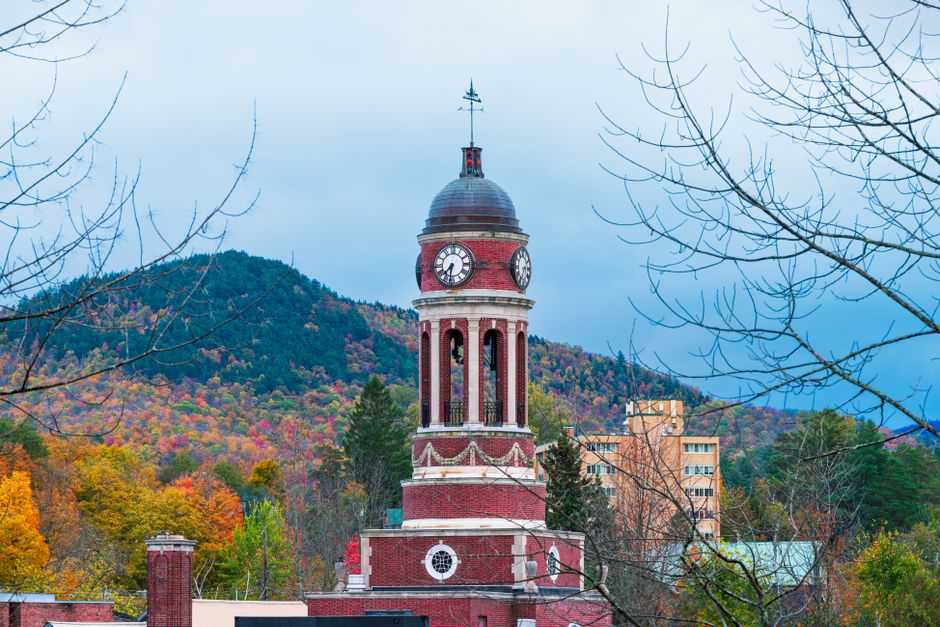
During the War of 1812, the quiet village of Pultneyville faced a British landing party seeking supplies. Rather than a fierce battle, a parley ensued. Local residents, led by their minister, negotiated with the British commander, promising provisions in exchange for the village's safety. This unusual agreement prevented further destruction, a unique footnote in the war's history.

7. The Gingerbread Village
Grimsby, Ontario, Canada
A lakeside community of vibrantly painted, gingerbread-trimmed cottages, originally built for Methodist camp meetings.
Grimsby Beach is home to a charming collection of "Painted Ladies" cottages, resembling a Victorian fantasy. These small, brightly coloured homes, adorned with intricate gingerbread trim, originated as temporary tents for Methodist camp meetings in the late 19th century. Over time, they evolved into permanent, whimsical dwellings, reflecting a unique blend of religious retreat and lakeside leisure.
8. Island of Ancient Seas
Prince Edward County, Ontario, Canada
A region where ancient bedrock creates unique microclimates for vineyards, once an island carved by glacial meltwater.
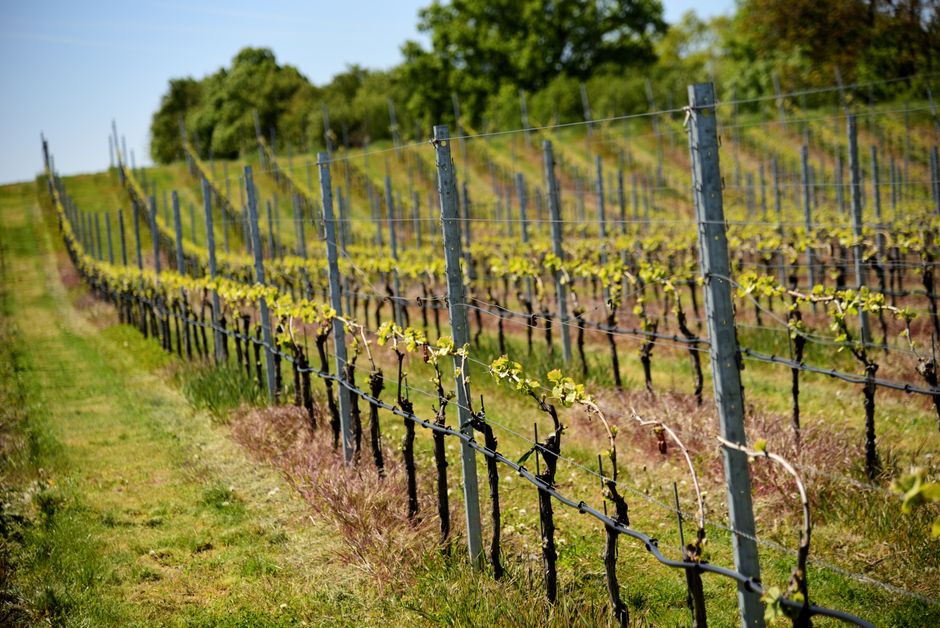
Prince Edward County, geologically distinct, was once an island until a land bridge formed. Its limestone bedrock, part of the Trenton Group formation, was laid down millions of years ago when the area was a tropical sea. This ancient geology, combined with the lake's moderating effects, creates distinctive microclimates ideal for its acclaimed vineyards, a stark contrast to its glacial origins.
Frequently asked questions
Why is Lake Ontario called Ontario?
The name "Ontario" comes from the Huron (Wyandot) language, often interpreted as "beautiful lake" or "lake of shining waters." It's one of the five Great Lakes, sharing its name with the Canadian province it borders.
What are some unique geological features of Lake Ontario?
Lake Ontario is the smallest of the Great Lakes by surface area but is quite deep, reaching 244 meters. Its basin was carved by glacial erosion, and its shores feature dramatic bluffs, sandy spits like Presqu'ile, and ancient limestone formations.
Are there any islands in Lake Ontario?
Yes, Lake Ontario has several islands, particularly in its eastern basin near Kingston and the Thousand Islands region (which technically extends into the St. Lawrence River). Some, like Snake Island, hold unique historical or natural significance.
How can I learn more about these hidden gems around Lake Ontario?
To truly immerse yourself in the stories of Lake Ontario's hidden gems, consider using the AllTours.ai app. Simply point your phone camera at a landmark or landscape, and the app will narrate its history, geology, and culture in your language, bringing the stories to life as you explore.
Related guides
Photography via Pexels. AllTours.ai is an AI audio tour guide — point your camera at any landscape and hear its story.