August 29, 2026 · 5 min read
The question 'What’s one place you’d recommend I visit in the USA?' often brings to mind iconic landmarks – the Grand Canyon, Times Square, the Golden Gate Bridge. These places are legendary for a reason, drawing millions with their undeniable allure. But America’s vast tapestry holds countless other threads, rich with history, geology, and culture, waiting just beyond the well-trodden path.
For the curious traveler eager to uncover a different kind of marvel, the USA offers a treasure trove of lesser-known wonders. We’ve curated a list of extraordinary destinations that promise not just breathtaking views, but profound stories you won't find on a typical postcard. Prepare to see America through a new lens.
1. The Lost Metropolis of the Mississippians
Cahokia Mounds State Historic Site, Illinois
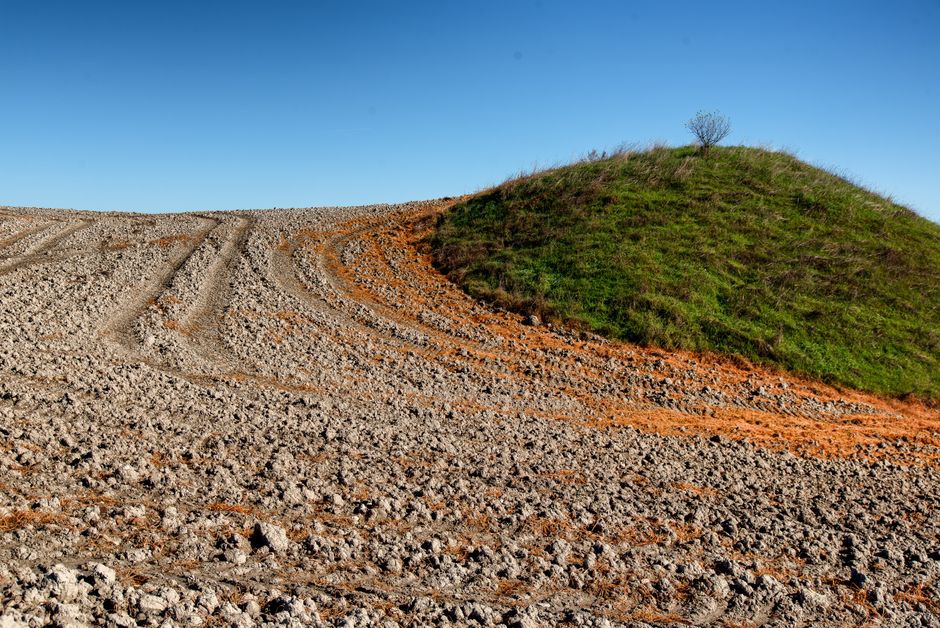
Before Europeans arrived, a city larger than 13th-century London thrived in what is now Illinois, built by a sophisticated pre-Columbian civilization.
Cahokia Mounds preserves the remains of the largest and most complex pre-Columbian settlement north of Mexico. Its central feature, Monks Mound, is the largest earthen construction in North America, a testament to the advanced engineering and social structure of the Mississippian people who inhabited this city from roughly 1050 to 1200 CE. Imagine a bustling urban center with plazas, residential areas, and ritualistic structures, all built without the use of metal tools or the wheel.
2. Where Ancient Stargazers Built Empires
Chaco Culture National Historical Park, New Mexico
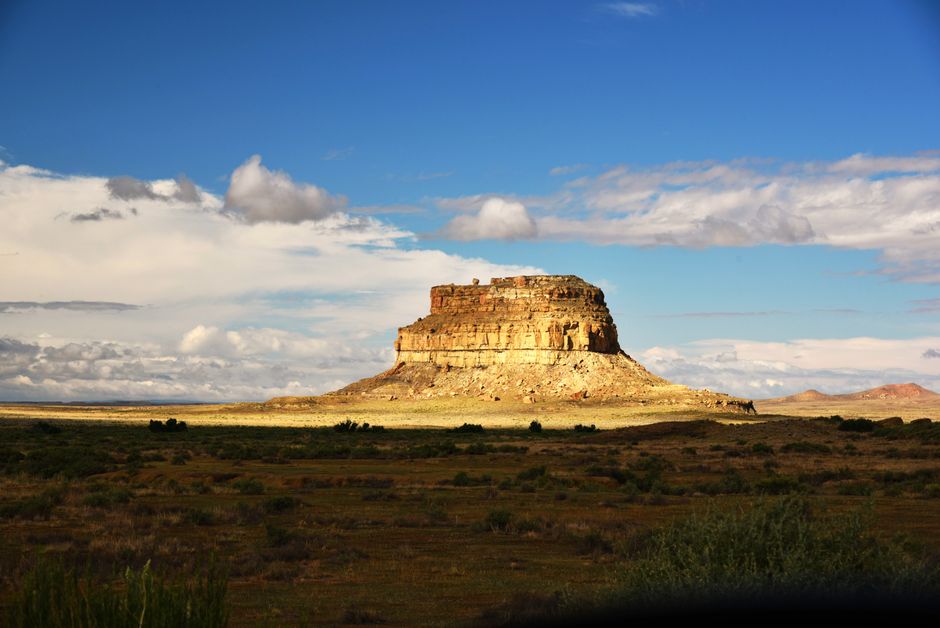
Within a remote canyon in New Mexico lie monumental stone structures, precisely aligned with celestial events, built by Ancestral Puebloans over a thousand years ago.
Chaco Canyon was a major center of Ancestral Puebloan culture, housing complex "great houses" like Pueblo Bonito and Chetro Ketl. These massive, multi-story masonry structures, some with hundreds of rooms, were not merely dwellings but sophisticated public and ceremonial buildings. Their precise astronomical alignments suggest a deep understanding of the cosmos, used to mark solstices and equinoxes, making Chaco a pilgrimage site and a hub of ancient knowledge in the American Southwest.
3. A Remote Island Fortress with a Ghostly Past
Dry Tortugas National Park, Florida
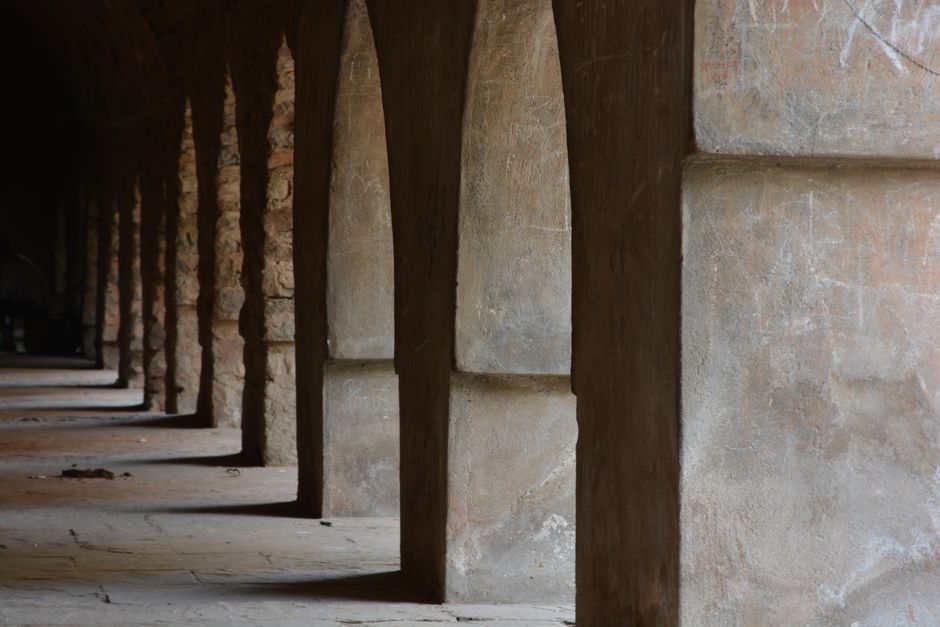
Seventy miles west of Key West, a massive 19th-century fort stands on a tiny island, holding tales of Civil War prisoners, shipwrecks, and an impossible dream.
Dry Tortugas National Park is a cluster of seven small islands, home to Fort Jefferson, the largest masonry fort in the United States. Built to protect the vital shipping lane of the Gulf of Mexico, it was never fully completed and never saw battle, but served as a Union prison during the Civil War. Its remote location, accessible only by ferry or seaplane, contributes to its otherworldly feel, combining pristine coral reefs and abundant marine life with a haunting historical presence.
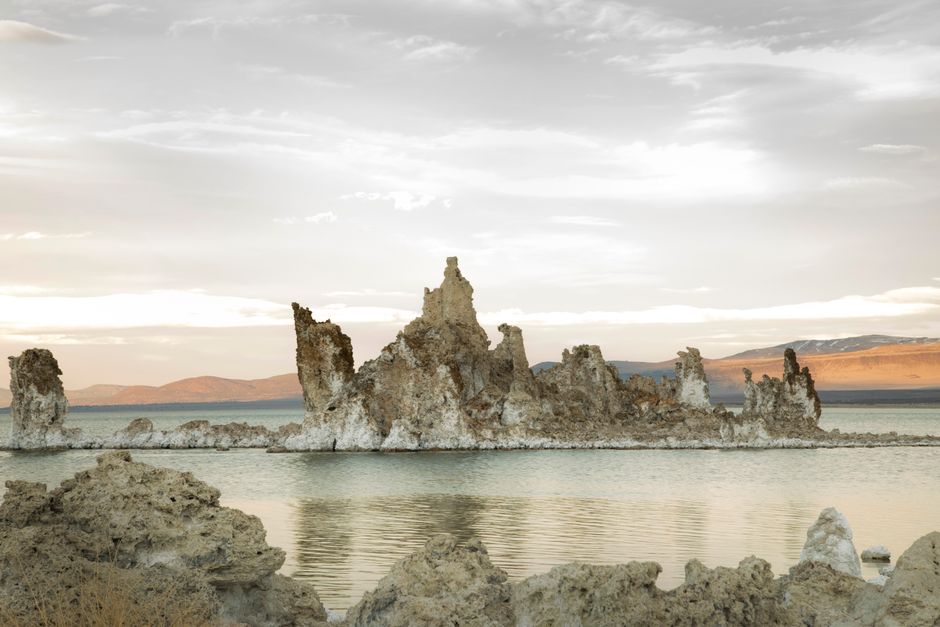
4. The Surreal Landscape of Calcium Carbonate Towers
Mono Lake Tufa State Natural Reserve, California
On the eastern edge of the Sierra Nevada, a vast, ancient saline lake is famed for its "tufa towers," bizarre limestone spires that rise from its hypersaline waters.
Mono Lake is an ancient saline lake, predating the Sierra Nevada mountains themselves, lacking an outlet to the ocean. Its unique chemistry supports an unusual ecosystem of brine shrimp and alkali flies, feeding millions of migratory birds. The tufa towers formed underwater when calcium-rich springs met the carbonate-rich lake water, precipitating limestone. As the lake level dropped due to water diversion, these otherworldly formations became exposed, creating a stark, beautiful, and ecologically vital landscape.
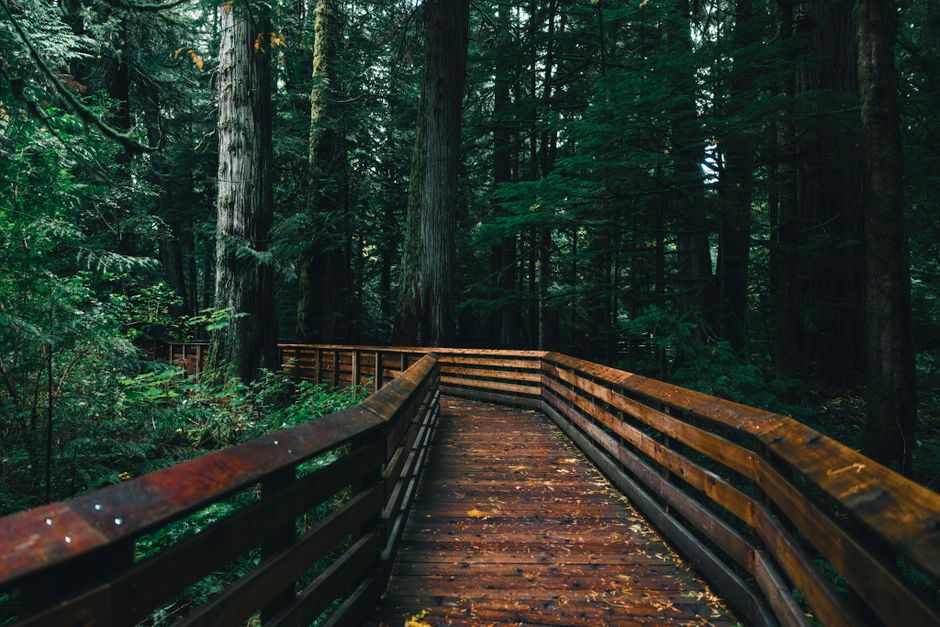
5. Eastern Giants: The Last Primeval Forest
Congaree National Park, South Carolina
Deep in South Carolina lies the largest intact tract of old-growth bottomland hardwood forest in the southeastern United States, home to some of the tallest trees in eastern North America.
Congaree National Park protects a rare floodplain ecosystem, where the Congaree River regularly overflows its banks, nourishing a magnificent forest. This ancient woodland boasts an impressive collection of champion trees – the tallest known specimens of their species – including towering bald cypress and water tupelo. Visitors can explore via boardwalks elevated above the cypress-tupelo swamp, offering a unique perspective on this primeval landscape and its incredible biodiversity, a living testament to what much of the East Coast once looked like.
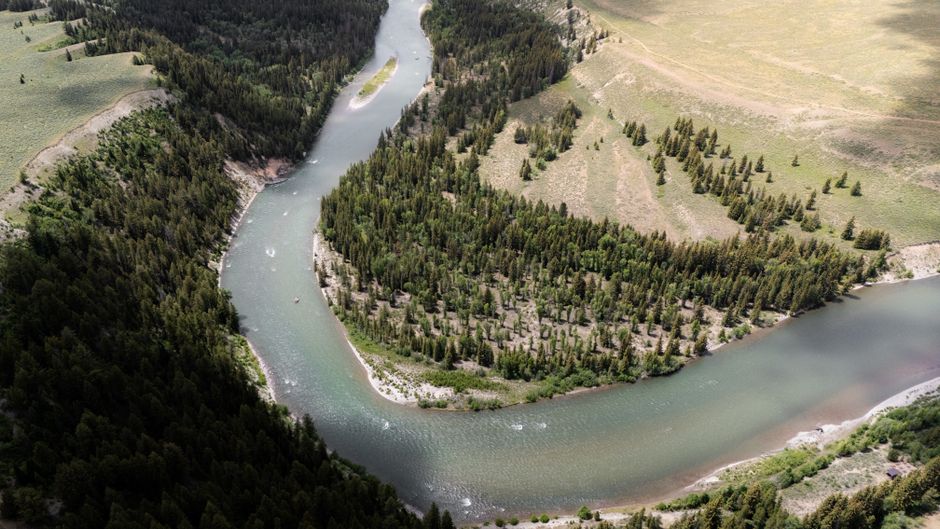
6. North America's Deepest River Gorge
Hells Canyon National Recreation Area, Idaho/Oregon
Carved by the Snake River, Hells Canyon is the deepest river gorge in North America, plunging over 7,900 feet from rim to river at its deepest point, surpassing even the Grand Canyon.
This immense chasm along the Idaho-Oregon border offers a dramatic and rugged wilderness experience. Unlike the Grand Canyon, Hells Canyon is largely roadless, preserving its wild character. Its steep, basaltic walls tell a geological story of volcanic activity and relentless erosion. The canyon is a haven for diverse wildlife, from bighorn sheep to peregrine falcons, and its powerful rapids challenge experienced whitewater rafters, while ancient petroglyphs hint at its long human history.
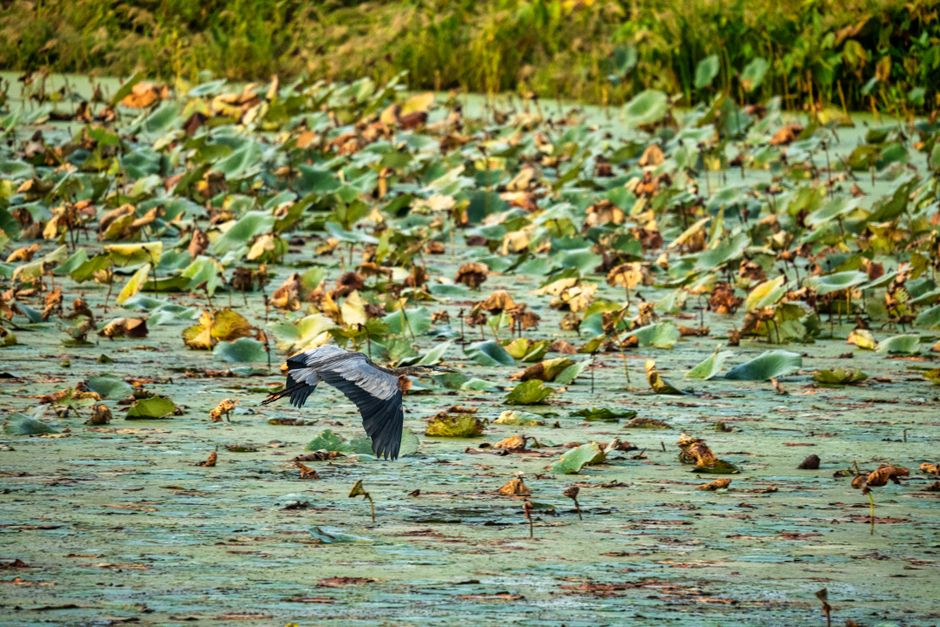
7. The Swamp of Secrets and Sanctuary
Great Dismal Swamp National Wildlife Refuge, Virginia/North Carolina
This vast, foreboding swamp, once considered impenetrable, was a critical haven for thousands of runaway slaves and Native Americans seeking freedom before the Civil War.
The Great Dismal Swamp, spanning parts of southeastern Virginia and northeastern North Carolina, is far from dismal in its ecological richness and historical significance. Its dense forests, tangled vegetation, and dark, tannin-stained waters created a natural fortress. This challenging environment became a sanctuary for "maroons"—runaway slaves and Indigenous peoples who formed self-sufficient communities deep within the swamp, often remaining undetected for generations. Today, it's a vital wildlife refuge, but its hushed trails still echo with untold stories of resilience and survival.
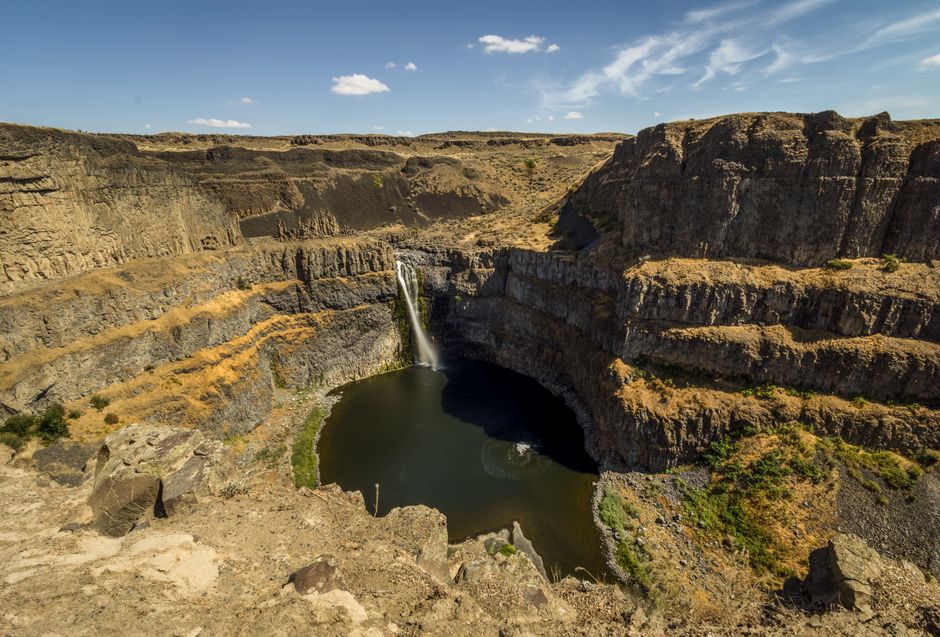
8. The Legacy of Catastrophic Ice Age Floods
Palouse Falls State Park, Washington
Palouse Falls is the last active waterfall on the ancient Missoula Floods path, a geological wonder carved by colossal ice age deluges that reshaped the landscape of eastern Washington.
The Missoula Floods, a series of cataclysmic events at the end of the last ice age, carved out entire canyons and scoured the scablands of the Pacific Northwest. Palouse Falls dramatically illustrates this power, where the Palouse River plunges over 200 feet into a churning basalt canyon. This stunning natural feature, designated the official state waterfall of Washington, offers a direct visual link to these immense geological forces, presenting a landscape unlike any other created by the sheer volume and speed of ancient floodwaters.
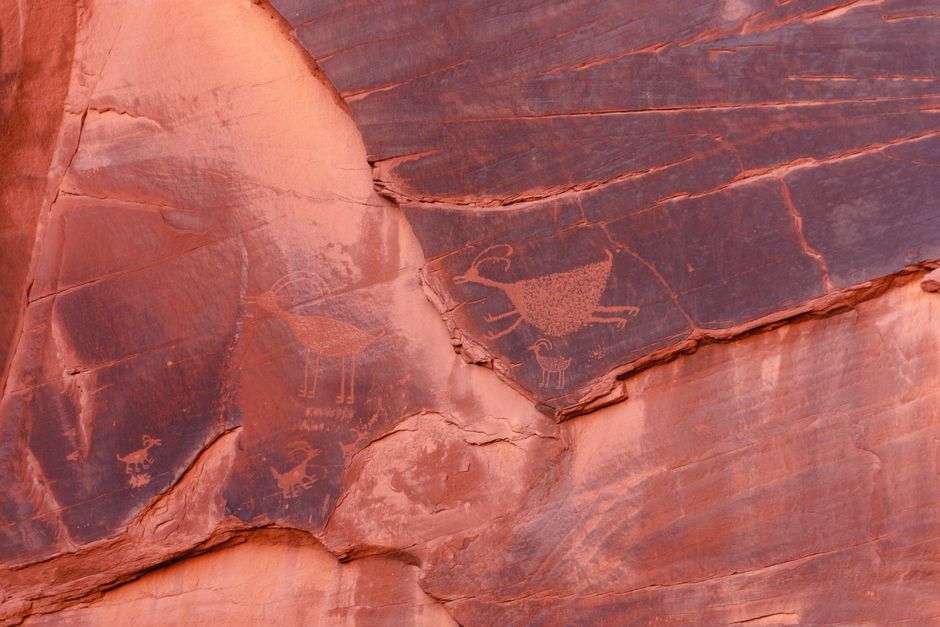
9. Where Ancient Art Meets Petrified Forests
Valley of Fire State Park, Nevada
Nevada's oldest state park is a striking expanse of Aztec sandstone, where 3,000-year-old petroglyphs adorn crimson cliffs and ancient petrified wood lies scattered across the desert floor.
Valley of Fire State Park, named for its fiery red rock formations that appear to glow in the sun, offers a vivid journey through geological time. The park is renowned for its petroglyphs carved by early Basketmaker and Paiute peoples, depicting animals, human figures, and abstract symbols. Beyond the ancient art, visitors can discover petrified logs, remnants of prehistoric forests that once covered this region, now turned to stone, a silent testament to millions of years of geological change and diverse ecosystems.
Frequently asked questions
How do I find these lesser-known places in the USA?
Research is key! Start by looking at National Parks, National Monuments, and State Parks that aren't typically on the most-visited lists. Local tourism boards or specialized travel blogs often highlight unique regional attractions.
Are these underrated locations safe for solo travelers?
Generally yes, but as with any travel, common sense precautions apply. Many of these locations are wilderness areas, so inform someone of your itinerary, carry appropriate gear, and be aware of local conditions and wildlife.
What's the best time of year to visit these unique US sites?
It varies greatly by location. Desert sites like Chaco Culture or Valley of Fire are best in cooler spring or fall. Swamps and forests like Congaree or Great Dismal Swamp can be pleasant in spring and fall, but hot and humid in summer. Always check the specific park or site's website for seasonal advice.
How can the AllTours.ai app enhance my visit to these places?
AllTours.ai transforms your phone into an AI audio tour guide. Simply point your camera at a landmark or landscape, and the app instantly narrates its deep history, geology, and culture in your preferred language. It's like having a local expert reveal the hidden stories of even the most obscure locations.
Related guides
Photography via Pexels. AllTours.ai is an AI audio tour guide — point your camera at any landscape and hear its story.