July 16, 2026 · 4 min read
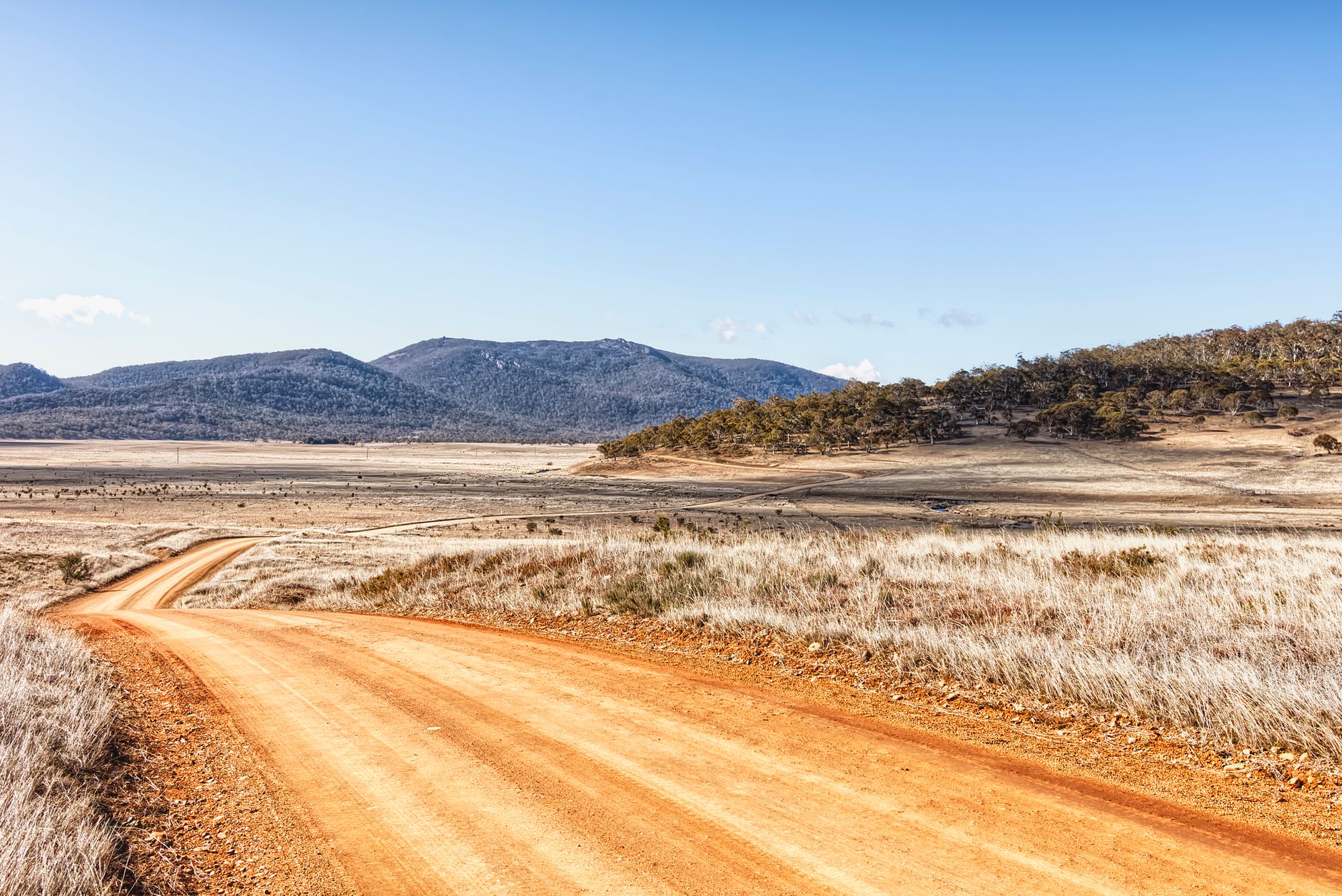
The hum of tires on asphalt, the blurring landscape beyond the window, and the freedom to turn down any unmarked dirt track – these are the hallmarks of a country road trip. There's a particular kind of allure in leaving the well-trodden routes, a magnetic pull towards the quiet corners and forgotten spaces that don't feature on glossy travel brochures.
But what’s the appeal of road trips through country areas, and why do people enjoy exploring places off the beaten path? It’s often the promise of genuine discovery: finding an unexpected geological marvel, a town with a peculiar past, or a landscape etched with stories rarely told. These are the destinations where history whispers from crumbling walls, where nature displays its most eccentric artistry, and where every turn reveals a narrative waiting to be uncovered.
1. The Diamond Ghost Town in the Sands
Kolmanskop, Namibia
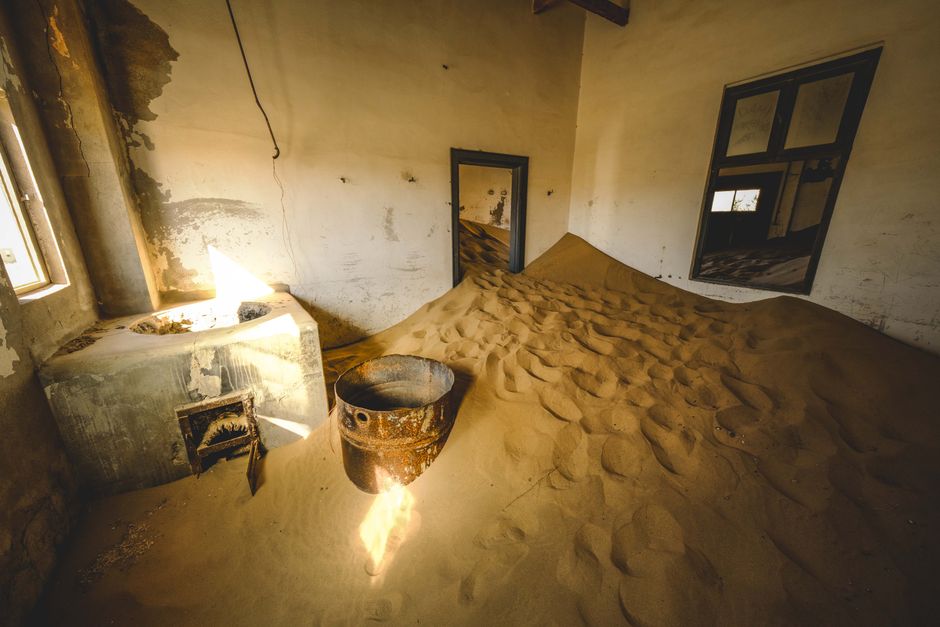
Once a bustling diamond mining town, Kolmanskop now lies abandoned, slowly being reclaimed by the Namib Desert.
In the early 20th century, Kolmanskop thrived as prospectors flocked to its diamond-rich lands. Grand houses, a hospital, and even a bowling alley materialized in the desert. However, when richer diamond fields were found further south, the town was gradually deserted. Today, visitors can walk through houses where sand dunes have breached walls and filled rooms, a stark visual of nature's relentless power.
2. The Town Burning Beneath
Centralia, Pennsylvania, USA
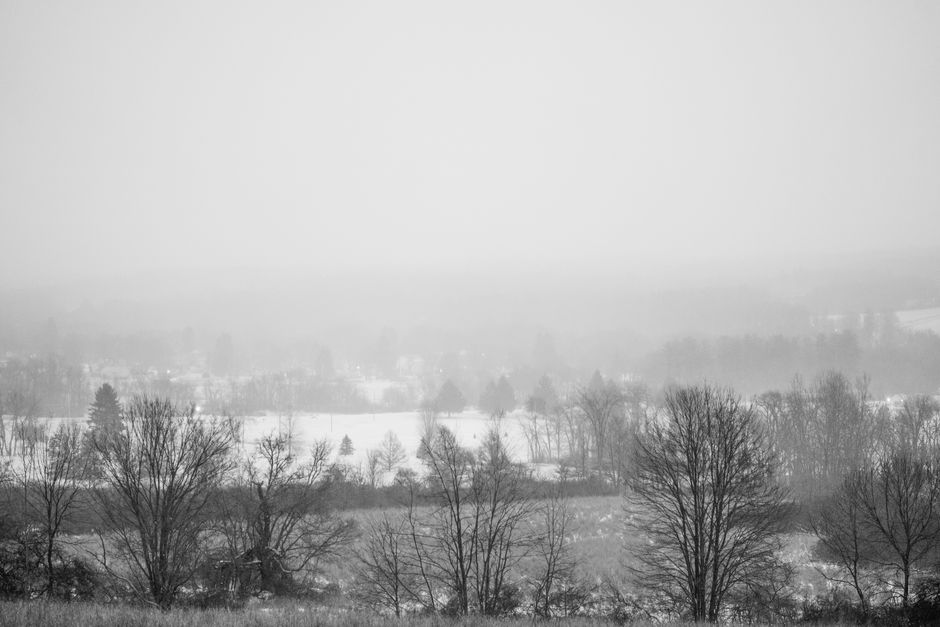
This once-thriving coal town has been slowly burning underground for over 60 years, forcing its residents to flee.
In 1962, a landfill fire ignited an exposed coal seam in Centralia, leading to an inferno that continues to rage deep beneath the surface. What remains is a ghost town with smoke occasionally rising from cracks in the ground, roads buckled by heat, and eerie 'no trespassing' signs. It stands as a chilling monument to an environmental disaster and a community's slow, forced exodus.
3. The Enigmatic Crooked Forest
Gryfino, Poland
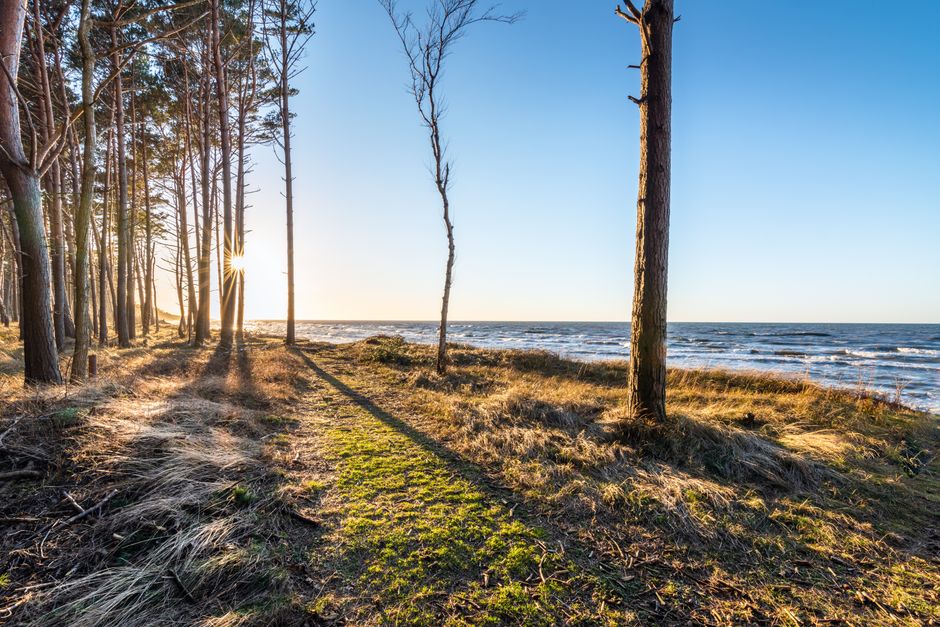
Hundreds of pine trees in this Polish forest grow with a distinct 90-degree bend at their base, their origin a persistent mystery.
Situated outside Gryfino, the "Krzywy Las" or Crooked Forest is home to around 400 pine trees that all bend sharply northwards just above ground level, before curving back upright. Planted in the 1930s, theories range from specialized farming techniques to wartime tank damage or even unusual gravitational pulls. No definitive explanation exists, making a walk through its peculiar groves a truly surreal experience.
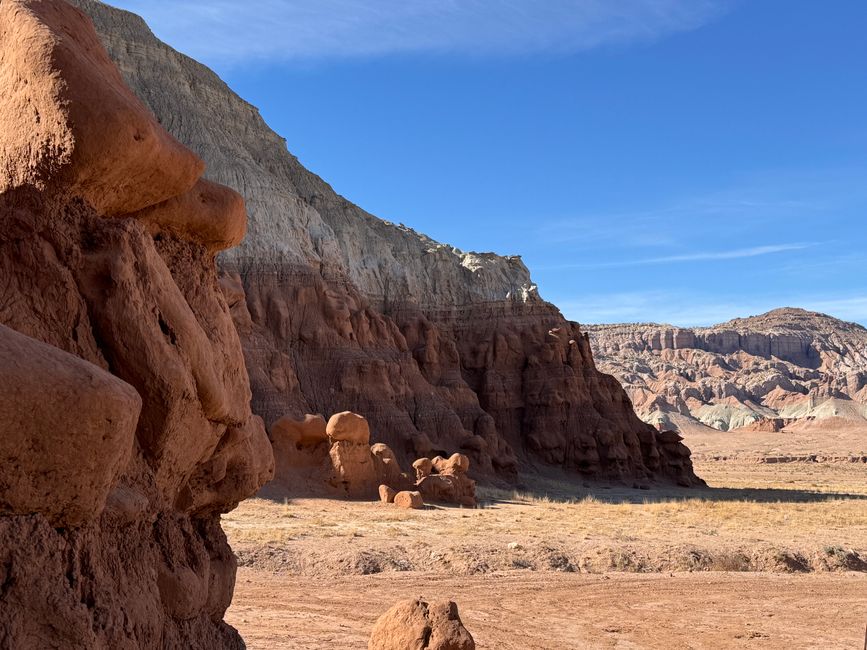
4. The Valley of Whimsical Stone Figures
Goblin Valley State Park, Utah, USA
Thousands of bizarre, mushroom-shaped sandstone hoodoos fill this remote valley, resembling a gathering of mischievous goblins.
Far from Utah's more famous national parks, Goblin Valley offers a landscape unlike any other. Soft sandstone formations, called hoodoos, have been eroded by wind and water into squat, rounded shapes that inspire immediate comparisons to fantastical creatures. Visitors are encouraged to wander freely among these natural sculptures, creating a unique sense of exploration in a truly alien environment.
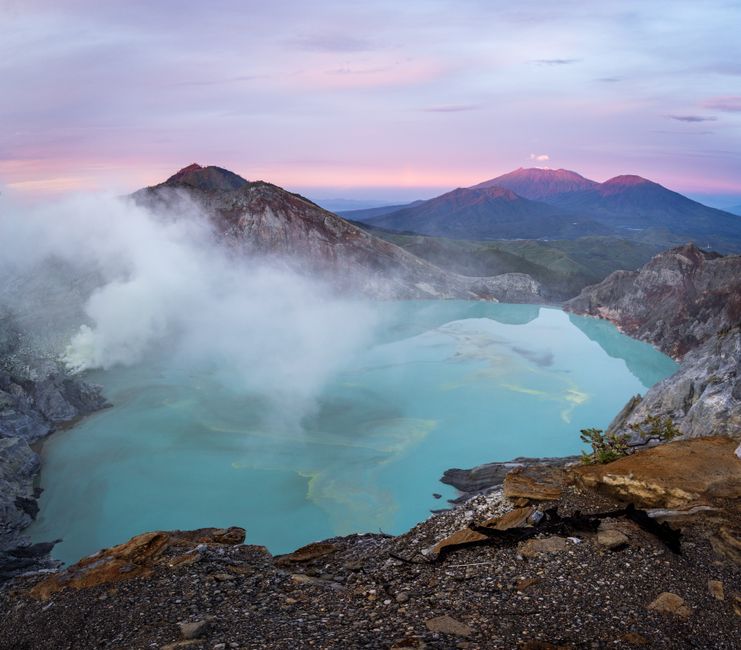
5. The Lakes That Change Their Hues
Mount Kelimutu, Flores, Indonesia
This remote Indonesian volcano holds three crater lakes, each capable of independently changing its color due to varying mineral compositions.
High on the summit of Mount Kelimutu, three strikingly different volcanic lakes exist side-by-side. Their waters have been observed shifting from blue to green, red, black, or even white, sometimes within hours, sometimes over months. Local legends attribute these changes to ancestral spirits, while geology points to specific mineral reactions. Witnessing their dynamic palettes is a rare glimpse into Earth's ever-active chemistry.
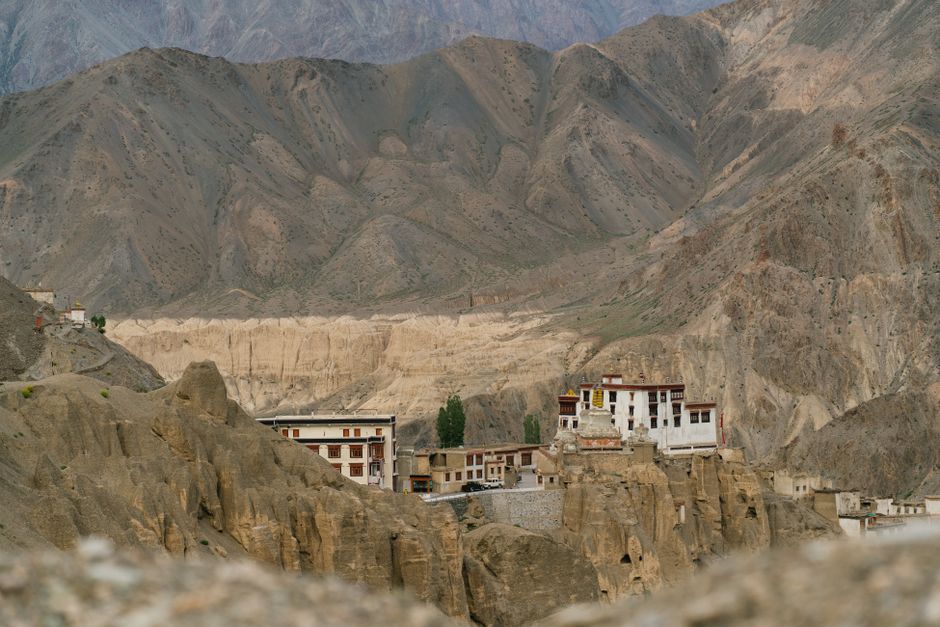
6. The Cliff-Hanging Monastery of the Himalayas
Phugtal Monastery, Zanskar, Ladakh, India
This ancient Buddhist monastery is built directly into the mouth of a massive natural cave, clinging dramatically to a cliff face in a remote Himalayan gorge.
Accessible only by foot after a trek through rugged terrain, Phugtal Monastery appears almost organically grown from the mountainside. Dating back to the 12th century, its network of mud and timber structures are integrated into the cave itself, offering shelter to monks and travelers for centuries. It's a testament to human devotion and resilience in one of the world's most isolated and breathtaking landscapes.
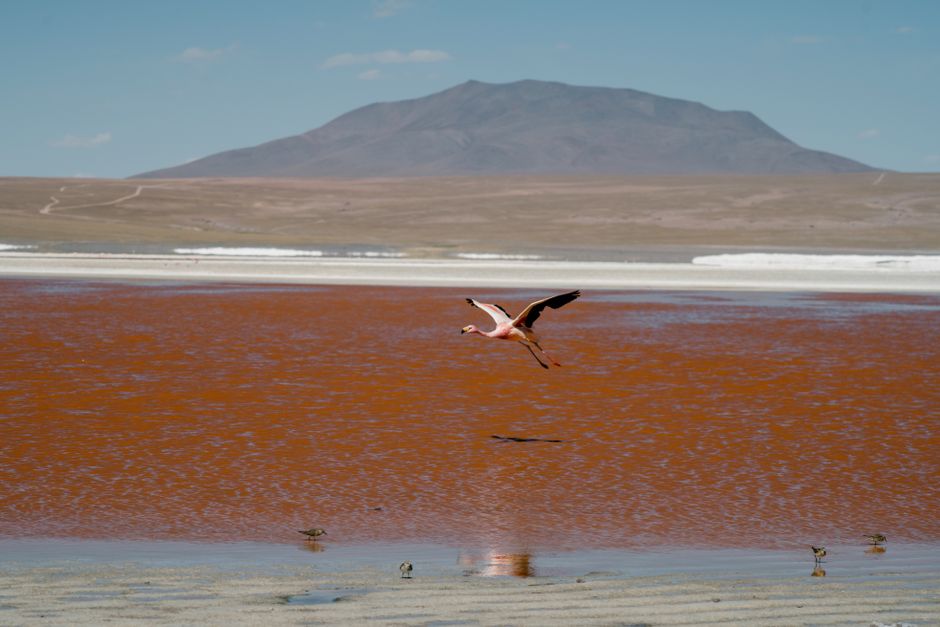
7. The High-Altitude Red Lagoon
Laguna Colorada, Bolivia
This shallow, high-altitude lake glows a vivid blood-red, a surreal phenomenon caused by algae and mineral deposits in its waters.
Situated in the Eduardo Avaroa Andean Fauna National Reserve, Laguna Colorada is a spectacular sight. Its crimson waters, contrasted by white borax islands and the surrounding Andean peaks, create a palette of incredible natural beauty. This unique ecosystem also serves as a crucial breeding ground for three species of flamingos, adding splashes of pink to the already vibrant tableau.
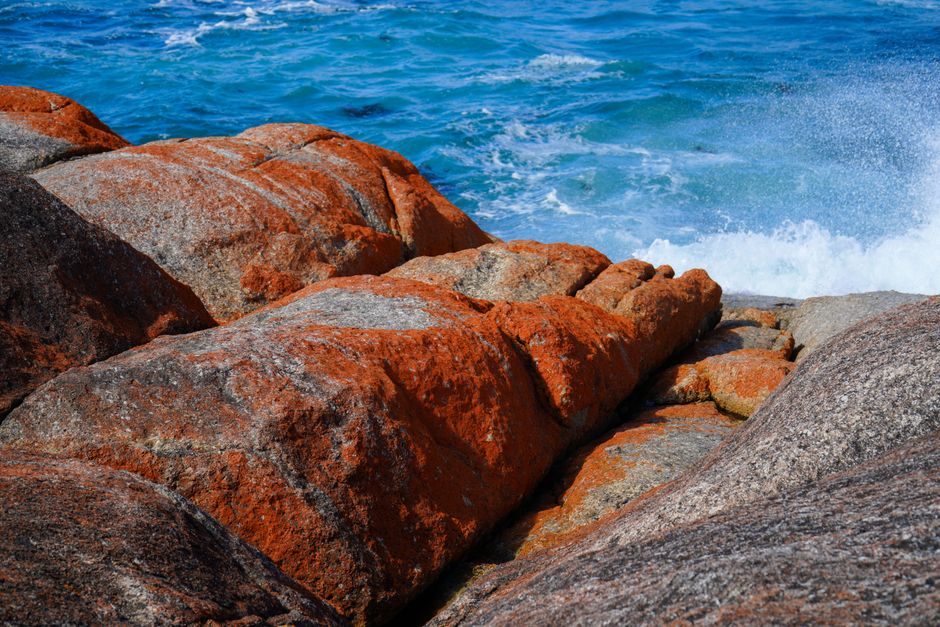
8. The Ocean Wave in the Outback
Wave Rock, Hyden, Western Australia
Far inland, a giant granite cliff face has been naturally sculpted over millennia to perfectly resemble a towering ocean wave about to break.
Rising 15 meters high and stretching 110 meters long, Wave Rock is an extraordinary geological formation. The striking 'wave' shape is a result of millions of years of weathering and erosion, particularly by rainwater runoff. Its vertical stripes of red, grey, and yellow are formed by minerals deposited by water flowing down its face, making it a natural masterpiece in the heart of the Australian bush.
Frequently asked questions
Why are off-the-beaten-path destinations often more rewarding?
Lesser-known spots often provide a more authentic and immersive experience. Without the crowds, you can connect more deeply with the local culture, history, and natural environment, uncovering unique stories that major tourist hubs rarely offer.
What are the challenges of exploring remote country areas?
Challenges can include limited infrastructure, unreliable cell service, and fewer amenities like gas stations or restaurants. It’s crucial to plan ahead, carry essentials, and inform someone of your itinerary, especially when venturing into very isolated regions.
How can I find genuinely underrated places for a road trip?
Research local history, look for geological oddities on maps, or search for "ghost towns" or "unusual landmarks" in specific regions. Local tourism boards for smaller towns or niche travel blogs can also be great resources for discovering hidden gems beyond mainstream guides.
How can AllTours.ai enhance my discovery of these hidden stories?
AllTours.ai turns your phone into an AI audio guide. Simply point your camera at any landscape or landmark, and the app instantly narrates its history, geology, and culture in your language, bringing the unique stories of these off-the-beaten-path places to life.
Related guides
Photography via Pexels. AllTours.ai is an AI audio tour guide — point your camera at any landscape and hear its story.