July 22, 2026 · 4 min read
Travel is often about embracing the unexpected, but sometimes, the unexpected is a cultural misstep that could have been avoided. Beyond forgetting your adapter or misplacing your passport, the most surprising mistakes travelers make often involve a simple failure to adapt to a different country's standards – not out of malice, but pure ignorance.
These aren't errors found in guidebooks; they're subtle blunders that highlight the vast differences in how people live, interact, and respect their surroundings. We've collected some vivid examples from truly unique, lesser-known spots around the globe, revealing what happens when travelers miss crucial historical, geological, or cultural cues.
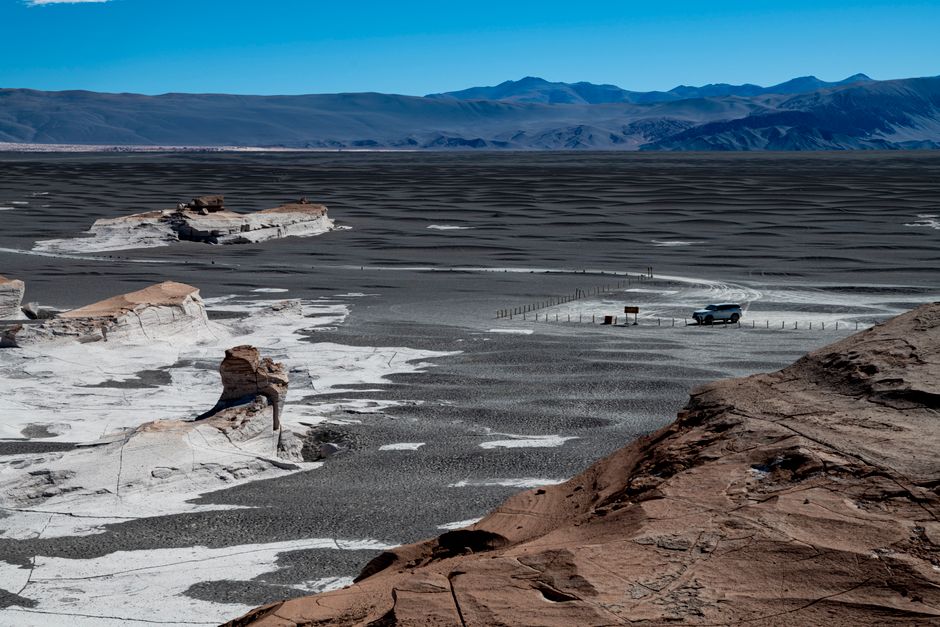
1. The Desert's Delicate Living Rocks
Atacama Desert, Chile
Visitors often fail to grasp that seemingly inert desert formations are actually ancient, fragile life forms, leading to inadvertent damage.
The Atacama Desert, one of the driest places on Earth, harbors secrets far older than humanity. In its salt lagoons, you can find stromatolites, layered structures built by microbial mats – some of the earliest life forms on our planet. A common mistake is treating these areas as mere geological curiosities, unaware that touching or disturbing them can destroy millennia of delicate growth, disrupting a living, breathing part of Earth's deep history.
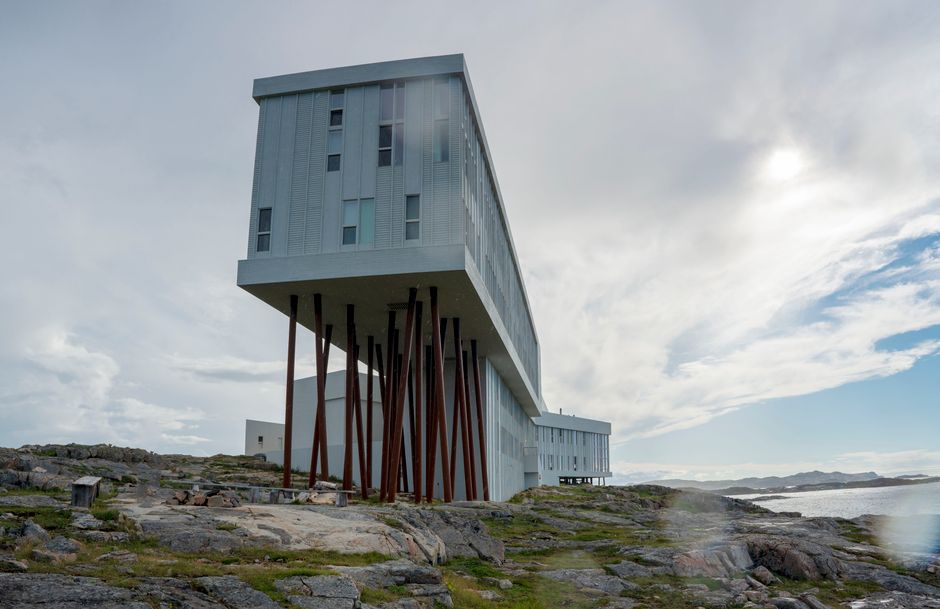
2. Fogo Island's Unspoken Schedule
Fogo Island, Newfoundland, Canada
Travelers expecting standard tourist efficiency often misunderstand that on Fogo Island, community and nature set the true timetable.
On remote Fogo Island, life operates on a rhythm dictated by the sea and community, not rigid schedules. The traditional punt, a small wooden fishing boat, is a potent symbol of this self-reliant culture. A surprising mistake is for visitors to become frustrated when a planned activity is postponed because 'the fish are running' or a neighbor needs help. This reflects a disconnect from the island's deep-rooted fishing heritage and the communal priorities that genuinely shape daily life.
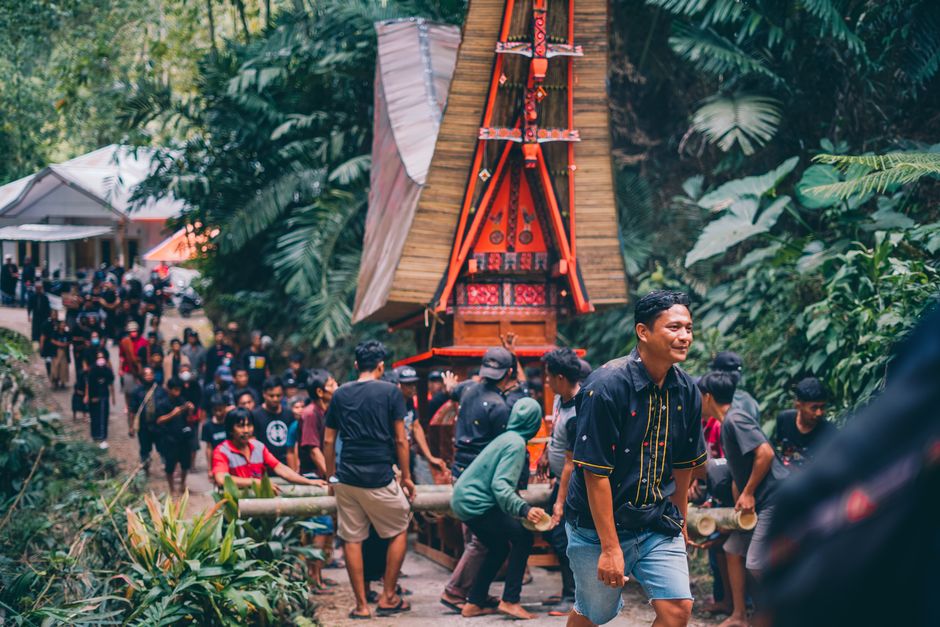
3. The Living and the 'Sick' in Toraja
Tana Toraja, Sulawesi, Indonesia
Visitors often misinterpret the elaborate, months-long Torajan funeral rites, failing to grasp the profound cultural significance of treating the deceased as 'sick' members of the family.
In Tana Toraja, death is not an ending but a lengthy transition. Deceased family members are often kept in the home for months or even years, treated as 'sick' (tomanurung) and conversed with, before an elaborate funeral ceremony (Rambu Solo) takes place. A surprising mistake is to view these deeply spiritual and social events as morbid spectacles, rather than profound expressions of love, respect, and community participation that honor ancestors and reinforce family bonds.
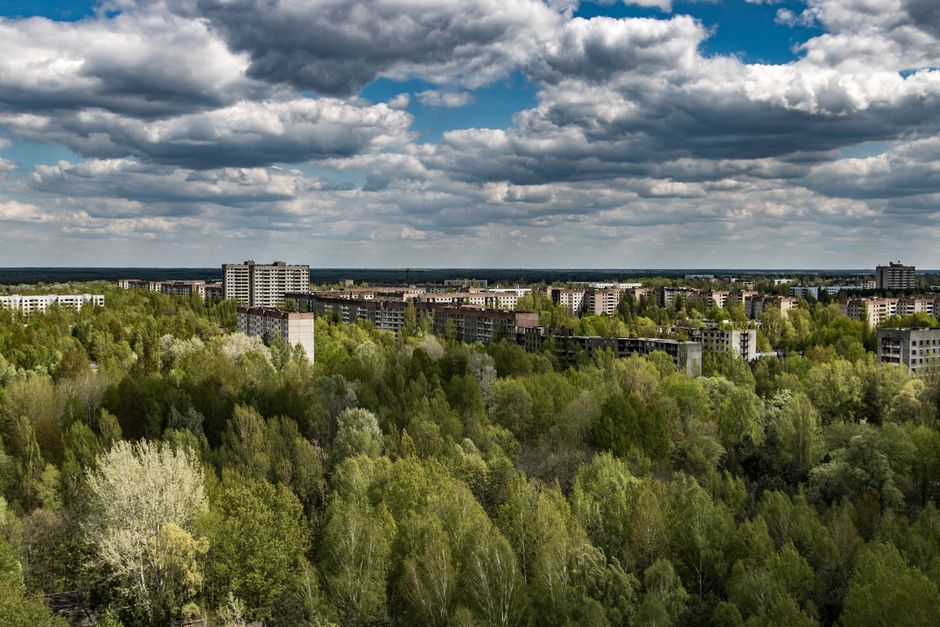
4. Chernobyl's Silent Red Forest
Chernobyl Exclusion Zone, Ukraine
Underestimating the lingering radiation dangers, particularly in specific ecological anomalies like the 'Red Forest,' is a profound and dangerous mistake.
While parts of the Chernobyl Exclusion Zone are surprisingly reclaimed by nature, specific areas remain highly hazardous. The 'Red Forest' is one such place, where pine trees absorbed massive radiation doses after the 1986 disaster, turning a striking ginger-red and dying. A profound mistake is straying from guided paths or ignoring warnings, treating the Zone as just a historical curiosity without understanding that invisible, lethal radiation hotspots persist, making vigilance and strict adherence to safety protocols paramount.
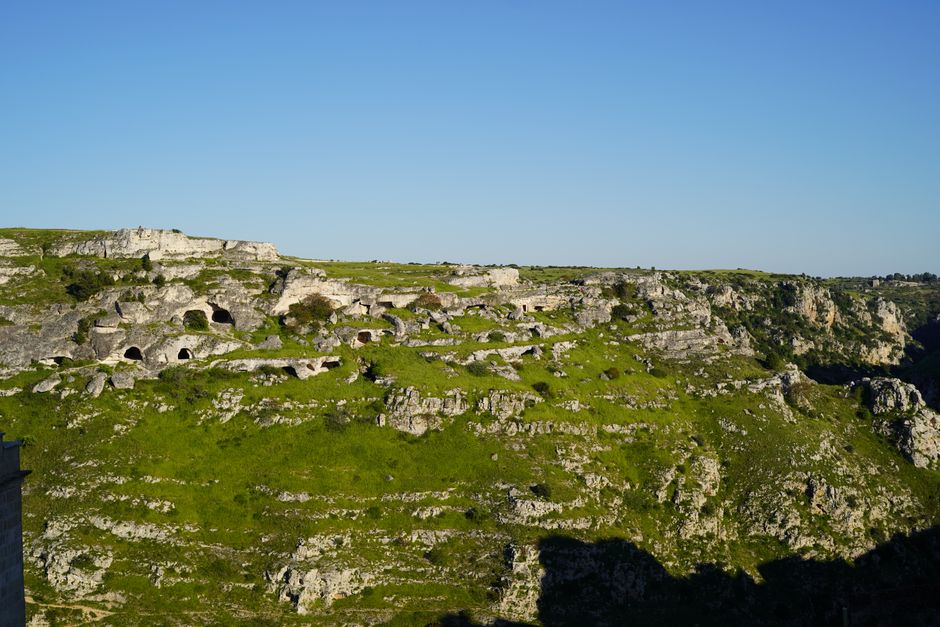
5. Matera's Hidden Waterways
Matera, Italy
Travelers often miss the ingenuity and hardship behind Matera's picturesque cave dwellings, overlooking the complex ancient water systems that sustained life.
Matera's Sassi, ancient cave dwellings carved into rock, appear charmingly rustic today, but for centuries, they represented extreme poverty and a struggle for survival. A surprising mistake is to see only the picturesque surface, rather than appreciating the ingenious, millennia-old water collection systems, like the massive underground cistern known as Palombaro Lungo. These hidden waterways were vital for life in a city without a river, highlighting the remarkable human adaptation to a challenging environment.
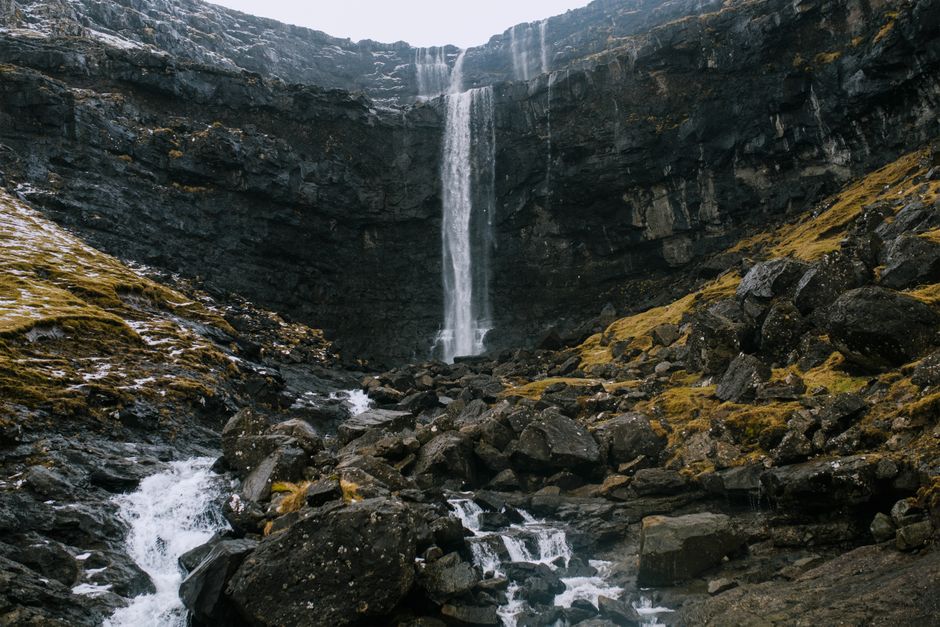
6. Faroe Islands' Private Paths
Faroe Islands, Denmark
Many visitors mistakenly assume open access to the Faroe Islands' dramatic landscapes, unaware that much of the land is privately owned and crucial for local livelihoods.
The stunning, rugged landscapes of the Faroe Islands attract hikers and photographers, but a common and surprising mistake is assuming open access to all areas. Much of the land is privately owned, primarily by sheep farmers. Straying from marked paths, flying drones over private property, or failing to pay small fees for specific trails can lead to trespassing, disturbing livestock, and frustrating locals who are trying to manage increased tourism while protecting their traditions and livelihoods.
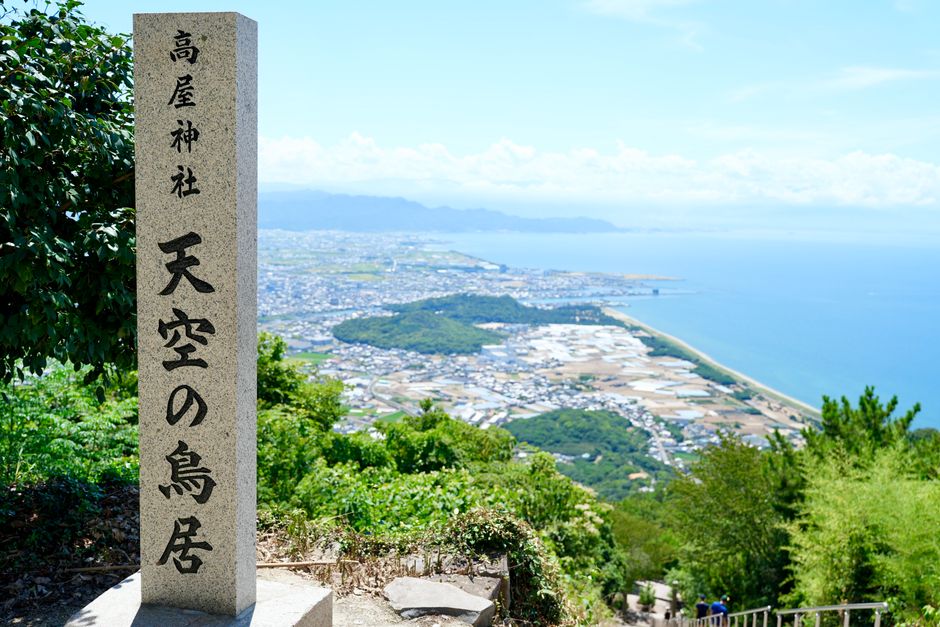
7. Shikoku's Gift of O-settai
Shikoku Island, Japan
Pilgrims on Shikoku often misunderstand the profound cultural significance of 'o-settai,' the unsolicited acts of kindness offered by locals, sometimes attempting to pay for them.
The Shikoku Pilgrimage, a 1,200 km circuit of 88 Buddhist temples, is steeped in the tradition of 'o-settai.' This refers to unsolicited acts of kindness—food, drink, lodging—offered by locals to pilgrims (henro), rooted in a belief that the pilgrim represents Kobo Daishi himself. A surprising mistake is attempting to pay for o-settai, which can be seen as disrespectful, as it misinterprets a deeply spiritual and communal offering as a mere transaction, missing the true spirit of the pilgrimage.
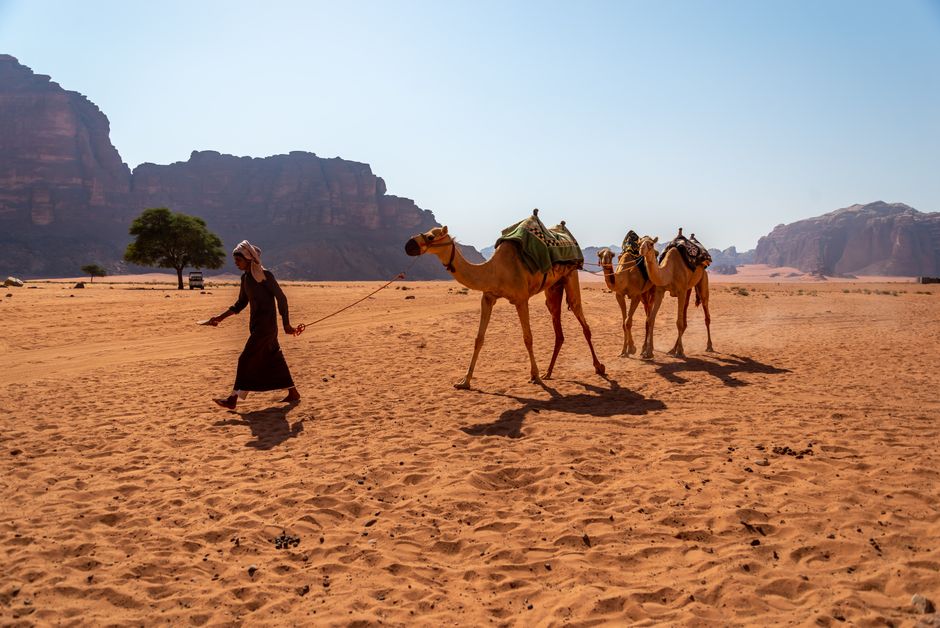
8. Wadi Rum's Tea Rituals
Wadi Rum, Jordan
Travelers often fail to grasp the profound cultural significance of sharing tea with Bedouin hosts in Wadi Rum, leading to inadvertent social blunders.
In Wadi Rum, the Bedouin tradition of hospitality is paramount, and sharing tea (chai) is more than just a drink; it's a ritual of welcome, conversation, and bonding. A surprising mistake is to refuse tea or a shared meal without a valid, respectful reason, as this can be perceived as an insult to the host's generosity and effort to connect. Visitors accustomed to more transactional social norms might miss these subtle yet crucial cues that define Bedouin social interaction and respect.
Frequently asked questions
How can I research local customs before I travel?
Beyond general guidebooks, seek out dedicated cultural etiquette guides, travel blogs written by locals or long-term residents, and forums specific to your destination. Pay attention to subtle social norms around greetings, dining, dress, and photography, as these vary widely even within regions.
What are common cultural faux pas to avoid?
Common mistakes include inappropriate dress in religious sites, taking photos without permission, being overly loud in quiet places, public displays of affection in conservative cultures, or misinterpreting gestures. Always observe how locals interact and try to mirror their behavior.
Is it rude to bargain in all countries?
No, bargaining is expected and even a cultural norm in many markets, especially in parts of Asia, Africa, and the Middle East. However, in many Western countries, fixed prices are the standard, and attempting to bargain would be considered rude or unusual. Always gauge the situation and observe local practices.
How does AllTours.ai help me adapt to new places?
AllTours.ai enhances your understanding of new environments by providing instant, context-rich audio narratives. Simply point your phone camera at a landmark or landscape, and the app will explain its history, geology, and cultural significance in your language, helping you grasp local nuances and avoid cultural missteps in real-time.
Related guides
Photography via Pexels. AllTours.ai is an AI audio tour guide — point your camera at any landscape and hear its story.