September 11, 2026 · 4 min read
The question "What’s wrong with ultraprocessed food?" often leads to discussions about ingredients lists and nutritional labels. But to truly understand the answer, we need to look beyond the packaging and explore the landscapes, histories, and cultures that have shaped human sustenance for millennia. Real food, in its purest sense, isn't just about what's *in* it, but where it comes from, how it's prepared, and the stories it carries.
Join us on a journey to lesser-known corners of the world, where the very ground beneath your feet tells a profound story about traditional foodways. These places, often overlooked by mainstream tourism, reveal ingenious methods of cultivation, preservation, and community that offer a vivid counterpoint to the industrial food systems of today, implicitly showing us what true nourishment really means.
1. The Cradle of the Potato
Chiloé Archipelago, Chile
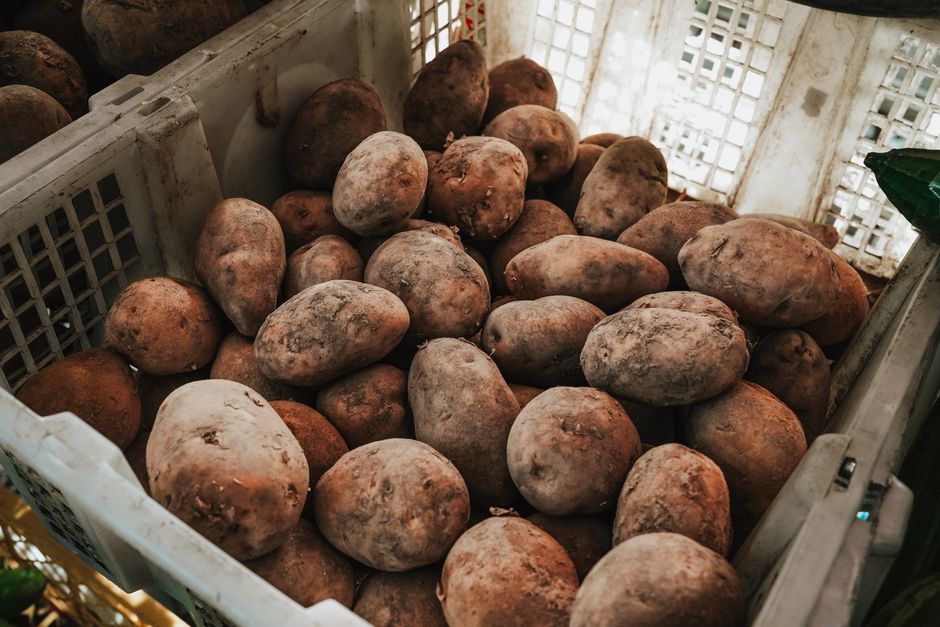
This island group holds the genetic blueprint for thousands of potato varieties, many of which never left its shores.
For millennia, the indigenous Huilliche people of Chiloé cultivated a staggering diversity of potatoes, adapting them to the island’s unique climate. Unlike the few commercial varieties found globally today, these ancient strains boast a spectrum of colors, textures, and disease resistances. Their deep connection to this staple crop illustrates a food system built on biodiversity and local knowledge, a stark contrast to the often single-source ingredients of modern food manufacturing.

2. Floating Gardens of the Aztecs
Xochimilco, Mexico City, Mexico
Long before modern hydroponics, the Aztecs fed a sprawling metropolis using ingenious floating farms called chinampas.
In the heart of what is now Mexico City, the ancient Aztecs constructed chinampas, artificial islands woven from reeds and mud, to cultivate crops on shallow lakebeds. These remarkably fertile plots provided fresh produce, flowers, and medicinal plants for millions, creating a sustainable food source that recycled nutrients from the water. This labor-intensive, localized system offered a direct connection between cultivation and consumption, a world away from today's industrial food supply chains.
3. Sustenance in Stone Walls
Fuggerei, Augsburg, Germany
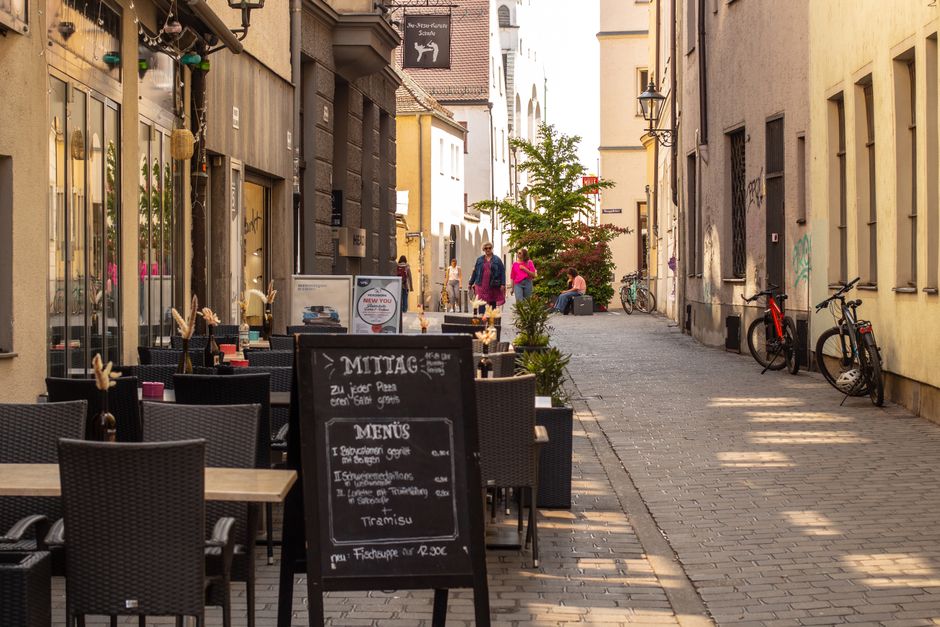
The world's oldest social housing complex has provided simple, local food security for its residents for over 500 years.
Founded in 1521 by Jakob Fugger, the Fuggerei provided homes for Augsburg’s needy citizens, along with a daily portion of food and bread. While the specific provisions changed over centuries, the underlying principle remained: local, basic sustenance within a tight-knit community. Residents often grew vegetables in small garden plots or relied on goods from nearby markets, demonstrating a historical model of food provision focused on community and unadulterated staples, far removed from mass-produced convenience foods.
4. The Arctic's Ancient Preservative
Lofoten Islands, Norway
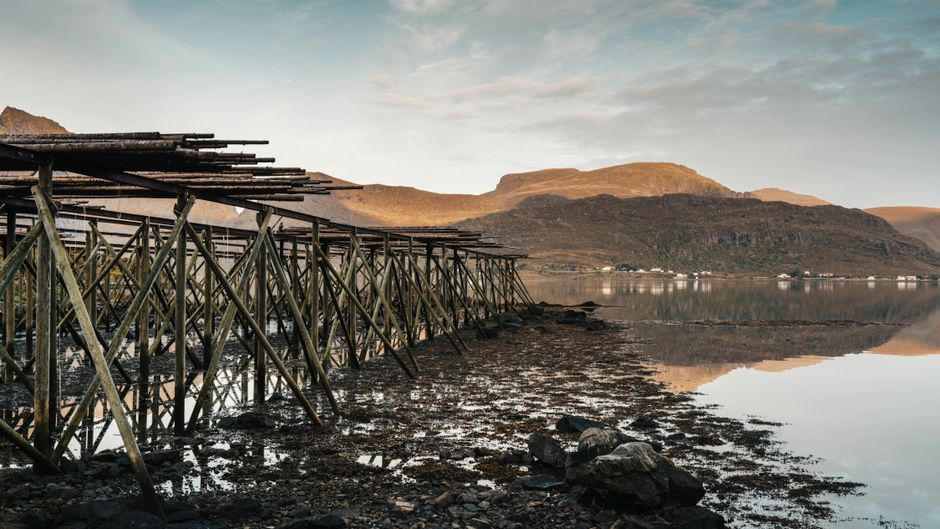
For over a thousand years, the Arctic winds of Lofoten have naturally transformed cod into a protein-rich delicacy without a single additive.
The Lofoten Islands are famous for their towering wooden racks where cod are hung to dry in the crisp Arctic air. This age-old tradition produces "stockfish," a naturally preserved food that retains its nutrients and can last for years without refrigeration or chemical processing. The simple combination of sun, wind, and fresh cod created a vital food source for centuries, showcasing a natural method of ensuring food security that stands in stark contrast to modern industrial food preservation techniques.
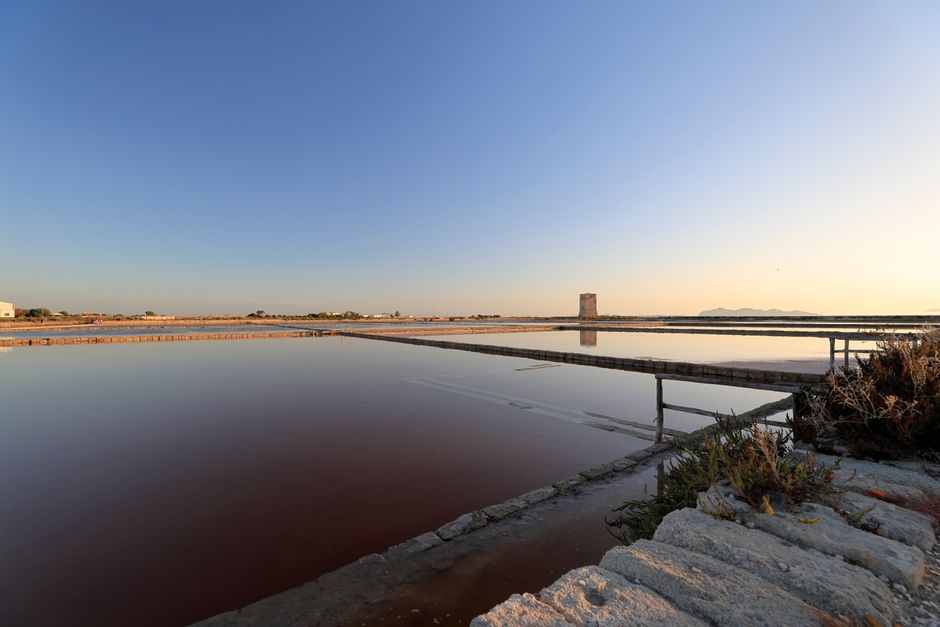
5. Salt Marshes and Slow Food
Trapani Salt Pans, Sicily, Italy
These ancient salt pans don't just produce seasoning; they represent centuries of preserving food naturally and shaping a region's entire culinary identity.
The shimmering salt pans of Trapani, with their windmills and pyramids of white crystals, have been harvesting sea salt since Phoenician times. This salt, essential for preserving fish, meats, and vegetables before refrigeration, was a cornerstone of traditional Sicilian diets. The process is entirely natural: seawater evaporates under the sun and wind, leaving behind pure salt. This slow, elemental method of food preparation and preservation highlights a deep respect for natural processes, a stark counterpoint to the synthetic additives often found in ultraprocessed products.
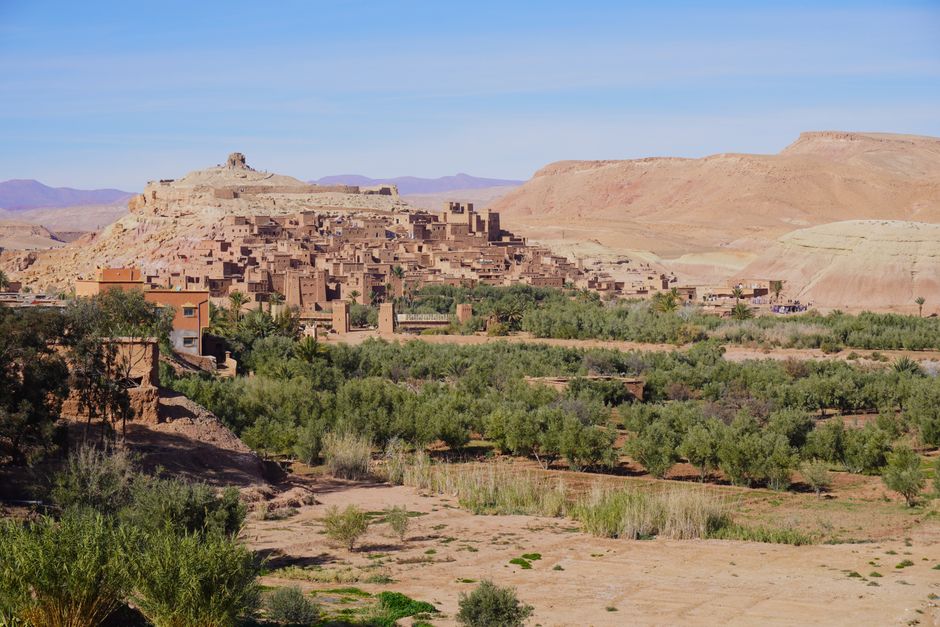
6. Desert Oases and Date Palms
Ait-Ben-Haddou, Morocco
This fortified village, a UNESCO site, thrived on its ability to cultivate and preserve essential foods in the harsh Sahara climate.
Ait-Ben-Haddou, an iconic Ksar along the former trans-Saharan trade route, demonstrates remarkable ingenuity in sustaining life in an arid environment. Its inhabitants traditionally relied on date palms, olive trees, and cereals grown in small, irrigated gardens. Dates, a calorie-dense and naturally sweet fruit, were often dried for long-term storage, providing vital sustenance for journeys and lean times. This self-sufficient approach to food, utilizing local resources and traditional preservation, offers a glimpse into a diet far removed from industrially produced goods.
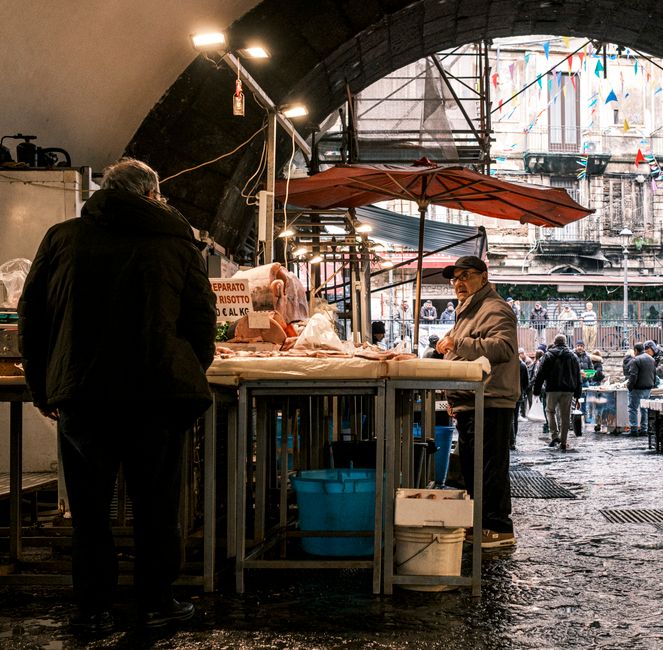
7. The Roots of "Good, Clean, Fair"
Bra, Piedmont, Italy
This small Italian town is the birthplace of the Slow Food movement, a global philosophy that champions local, traditional, and unadulterated food.
In 1986, journalist Carlo Petrini started the Slow Food movement in Bra, a response to the opening of a McDonald's near the Spanish Steps in Rome. Its philosophy champions "good, clean, and fair" food: tasty and culturally appropriate, produced without harming the environment or animals, and providing fair conditions for producers. Bra's local markets and traditional eateries embody this ethos, offering a living counter-narrative to the global proliferation of convenience foods and highlighting the value of food integrity and culinary heritage.
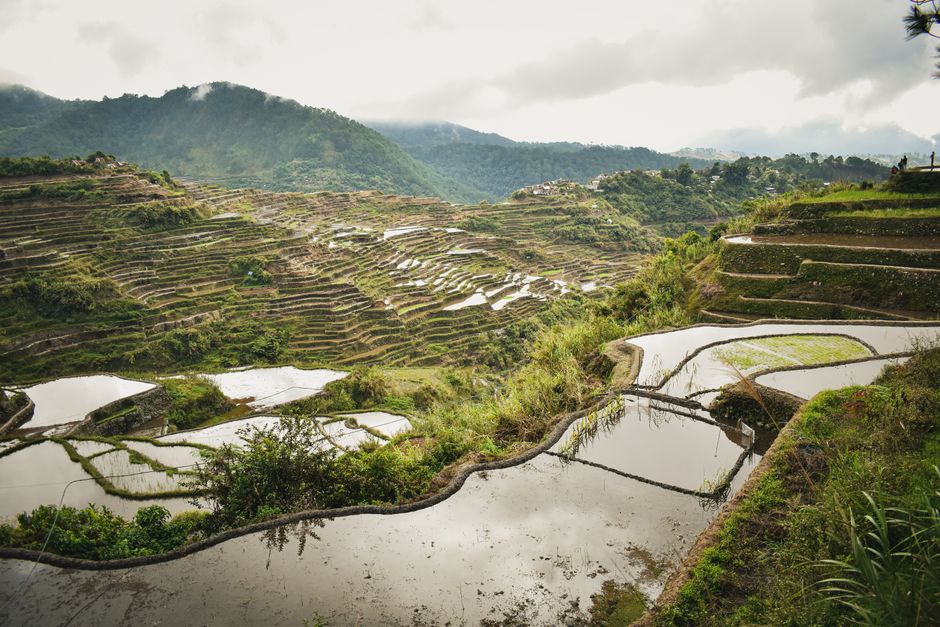
8. Rice Terraces: A Living Legacy
Ifugao Rice Terraces, Philippines
These "Stairways to Heaven" are an ancient marvel of engineering, sustaining communities with biodiverse, locally grown rice for 2,000 years.
Carved into the mountainsides of Ifugao by indigenous people, these magnificent rice terraces are a testament to sustainable agriculture and deep ecological knowledge. For two millennia, the Ifugao have cultivated unique rice varieties, alongside fish and edible snails in the flooded paddies, creating a self-sustaining ecosystem. This intricate system provides a diverse, unprocessed diet directly from the land, contrasting sharply with the standardized, often nutrient-depleted ingredients found in much of today's globally traded food.
Frequently asked questions
What makes a food "ultraprocessed"?
Ultraprocessed foods typically contain industrial formulations of ingredients like sugar, oils, fats, salt, anti-caking agents, and artificial flavors. They are often convenient, mass-produced, and designed for maximum palatability and shelf life, rather than nutritional density.
Are all processed foods bad for you?
No, not all processed foods are bad. Simple processing, like grinding grains into flour, pasteurizing milk, or freezing vegetables, can make food safe, accessible, and extend its shelf life without significantly altering its nutritional value. The concern lies with *ultraprocessed* foods, which undergo extensive industrial modification.
How can I identify ultraprocessed foods when traveling?
Look for foods with long ingredient lists that include substances you wouldn't typically find in a home kitchen, such as high-fructose corn syrup, hydrogenated oils, artificial colors, or a variety of emulsifiers and stabilizers. Prioritize fresh produce, whole grains, and meals made from scratch with recognizable ingredients.
How can AllTours.ai help me discover traditional foodways?
AllTours.ai allows you to point your phone camera at a landmark, landscape, or even a local market, and it narrates its history, geology, and culture in your language. Imagine standing in an ancient olive grove or a traditional fishing village, and instantly hearing the stories behind its food production, culinary traditions, and how locals have sustained themselves for centuries.
Related guides
Photography via Pexels. AllTours.ai is an AI audio tour guide — point your camera at any landscape and hear its story.