August 28, 2026 · 4 min read
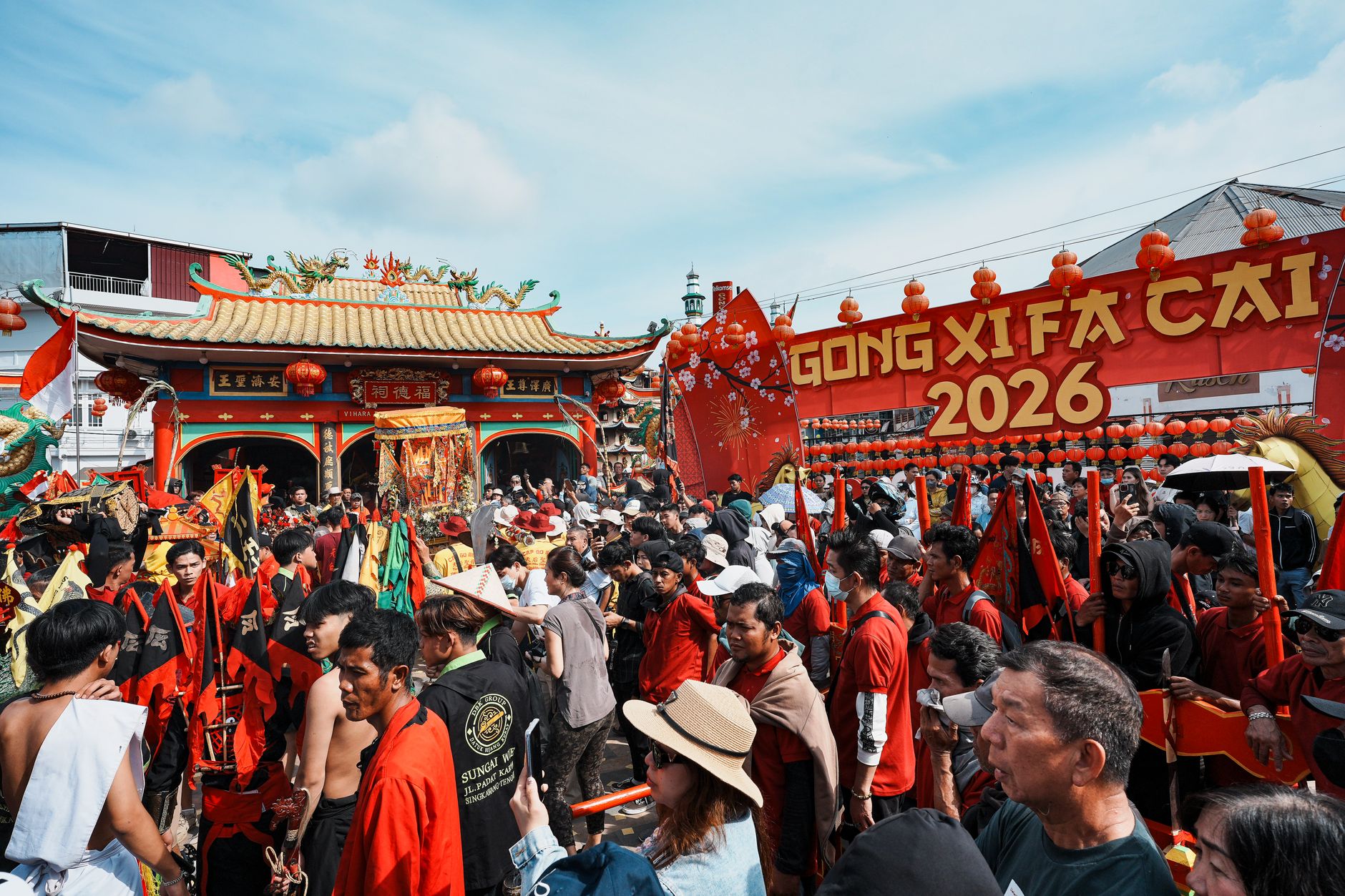
Indonesia, an archipelago of thousands of islands, is often celebrated for its stunning beaches and volcanic landscapes. But beneath the surface of popular tourist spots lies a vibrant tapestry of ancient traditions, kept alive through countless festivals and ceremonies. These aren't just performances; they are the living heartbeats of communities, offering a rare glimpse into unique belief systems and ways of life.
If you're wondering where is the best place in Indonesia to experience a traditional festival that truly feels authentic, the answer lies far from the usual tourist trails. We've curated a list of lesser-known spots, each with a profound story to tell, where you can witness customs that have endured for centuries, connecting people to their ancestors, their land, and the spiritual world. Prepare to have your understanding of celebration redefined.
1. Mentawai Shamanic Dances
Siberut Island, Mentawai Islands, Indonesia
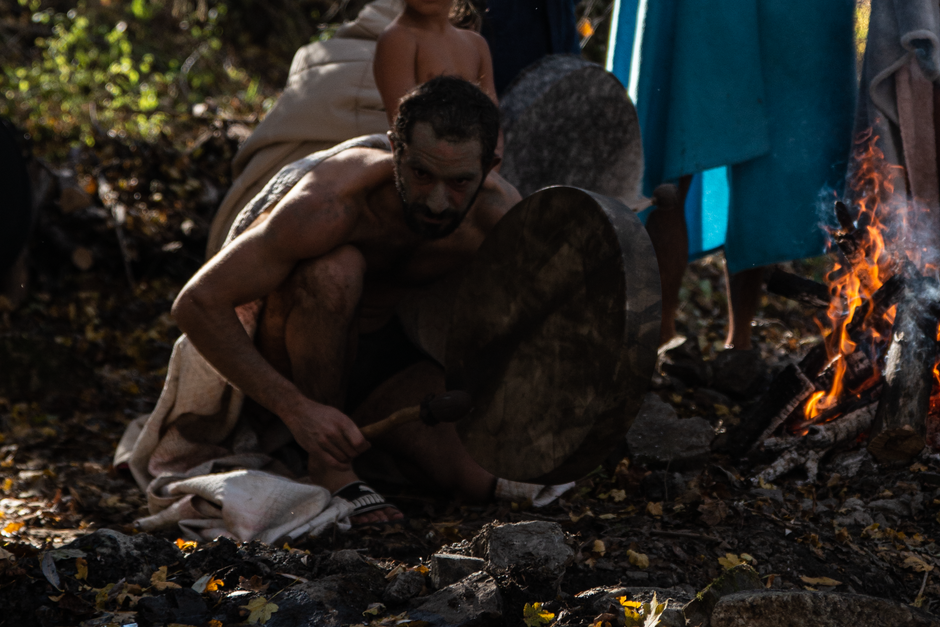
Shamans in the Mentawai Islands adorn themselves with flowers and feathers, connecting with ancestral spirits through trance dances and ancient rituals.
Deep within the rainforests of Siberut, the indigenous Mentawai people, or "Flower Children," maintain a profound animistic belief system. Their Sikerei shamans are central figures, serving as healers and spiritual intermediaries. Witnessing a Puja Sabuat or other customary ceremony involves intricate body tattoos, traditional loincloths, and rhythmic drumming, all aimed at harmonizing the human and spirit worlds.
2. Sumba's Ritual Horseback War
Prailiang Village, Sumba, Indonesia
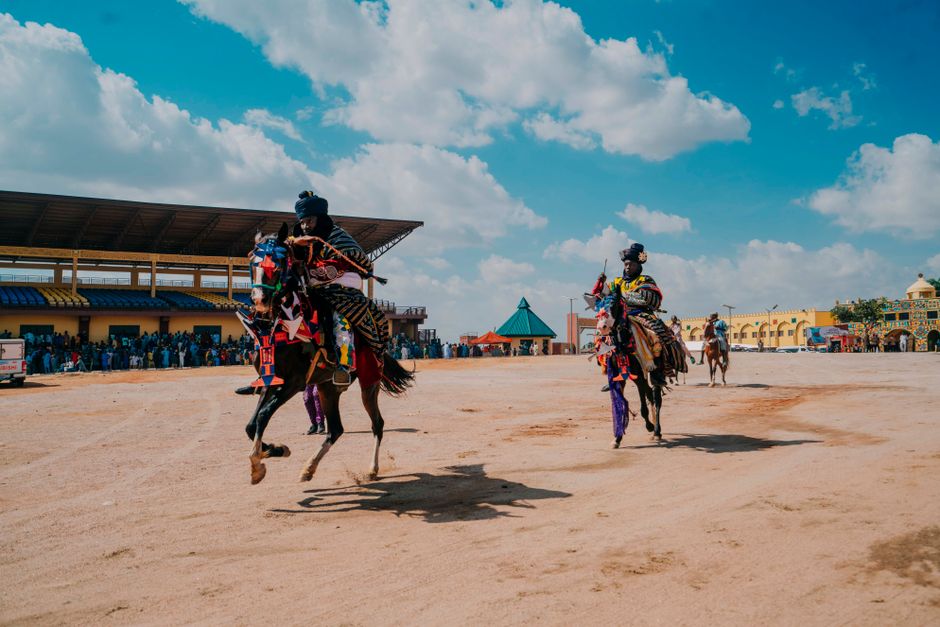
On Sumba, the Pasola festival sees hundreds of bare-chested horsemen engage in a ritual spear-throwing battle to appease ancestral spirits and ensure a bountiful harvest.
Pasola is an ancient harvest ritual, a spectacular display of horsemanship and bravery unique to Sumba. Held annually in different villages (typically Kodi, Lamboya, Gaura, Wanokaka), it involves two groups of warriors on horseback, throwing blunt wooden spears at each other. The spilling of blood is believed to fertilize the earth and guarantee a successful rice crop, embodying the island's deep-rooted Marapu animist faith.
3. Bali Aga's Pandan War
Tenganan Pegeringsingan, Bali, Indonesia
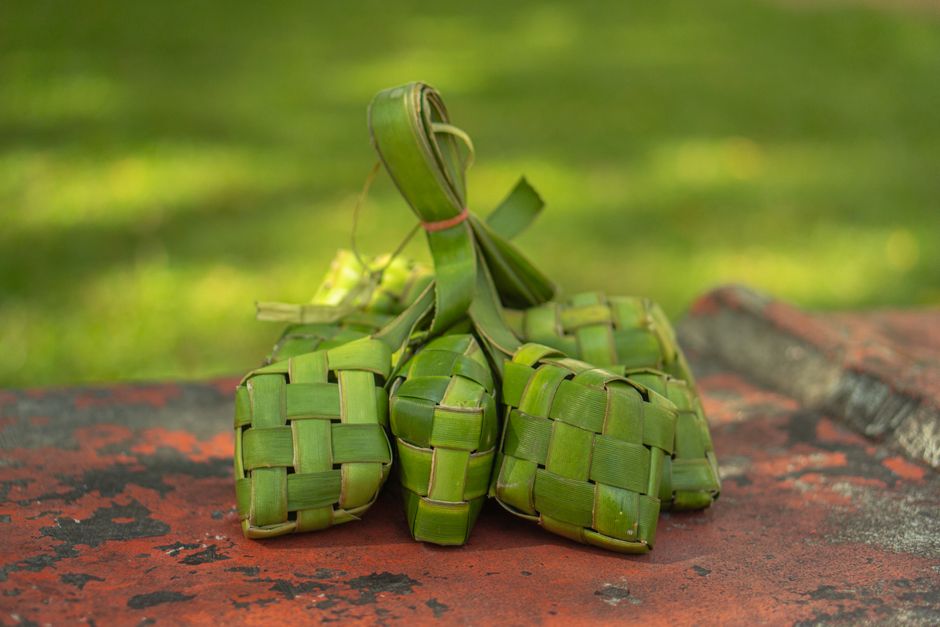
In the ancient village of Tenganan, young men engage in the Mekare-kare, a sacred "Pandan War" using thorny pandan leaves, as an offering to the god Indra.
Tenganan Pegeringsingan is one of Bali's oldest villages, home to the Bali Aga people who preserve pre-Hindu traditions. During the Usaba Sambah festival, the Mekare-kare ritual takes place. Participants, bare-chested and armed with bundles of thorny pandan leaves, clash in mock combat, their blood offerings believed to honor the deity Indra, god of war and rain, and ensure community prosperity.
4. Nias Warrior Stone Jumping
Bawomataluo Village, Nias Island, Indonesia
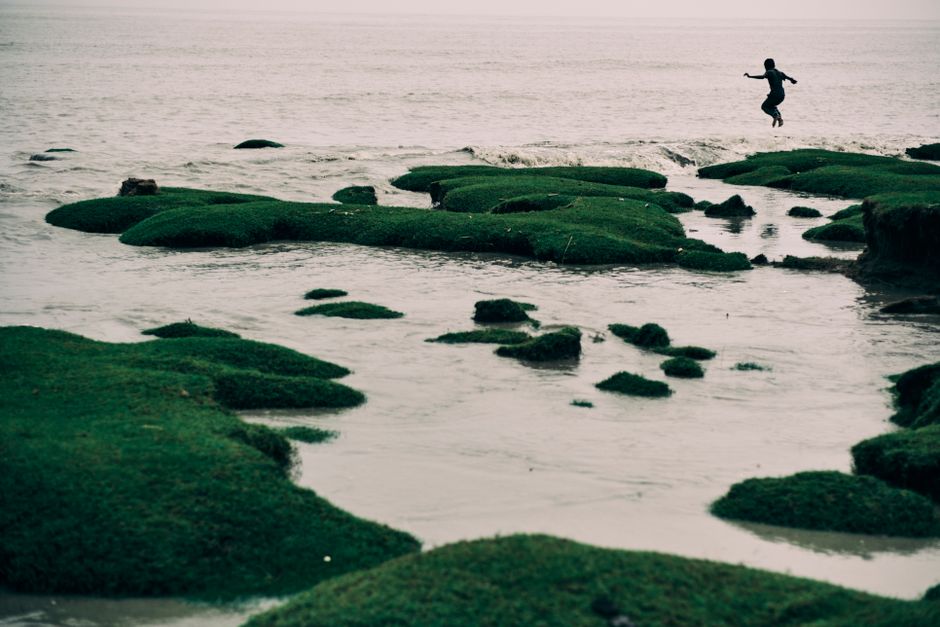
Young men on Nias Island prove their bravery by leaping over two-meter-high stone monoliths, a tradition originally a test for warriors returning from battle.
Fahombo, or "stone jumping," is an iconic ritual on Nias Island, historically performed by adolescent boys to prove their strength and agility before they could be considered men and warriors. In villages like Bawomataluo, designated jumpers launch themselves over formidable stone structures, sometimes adorned with sharp spikes, demonstrating a skill passed down through generations that once protected their communities.
5. Flores Megalithic Ancestor Rituals
Bena Traditional Village, Ngada, Flores, Indonesia
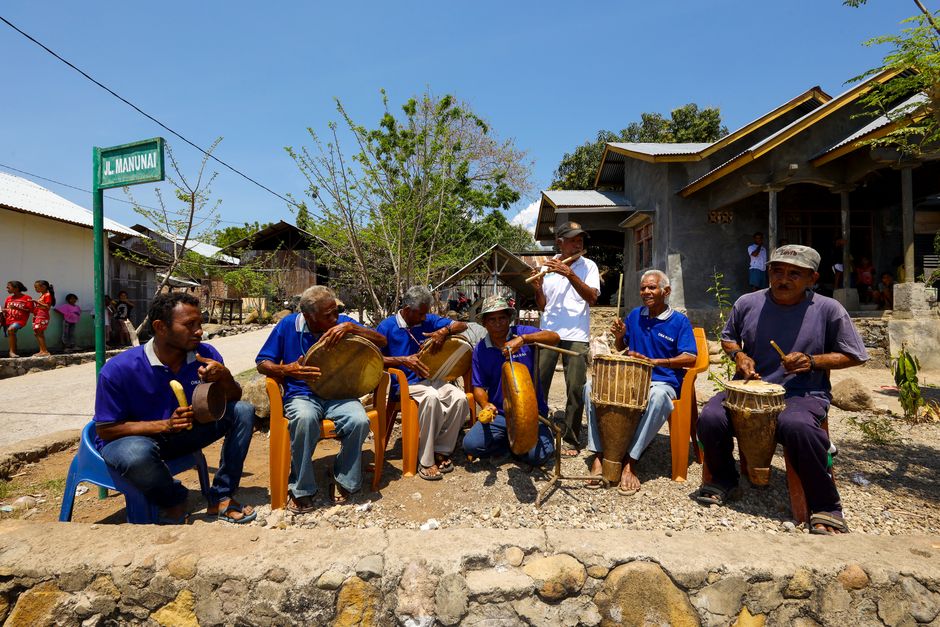
In Bena village, ancient stone monoliths and thatched-roof houses form an ancestral altar where communal rituals connect the living with their male and female forebears.
Bena is a well-preserved megalithic village nestled beneath Mount Inerie. Its unique architecture features two rows of ancestral houses facing each other, with Ngadhu (male ancestral shrines resembling miniature huts) and Bhaga (female ancestral shrines resembling small houses) in the central courtyard. Annual ceremonies, often harvest-related, involve animal sacrifices and communal feasts, reinforcing the strong bond between the villagers and their ancestral spirits.
6. Baduy Dalam's Sacred Pilgrimage
Kanekes Village, Banten, Java, Indonesia
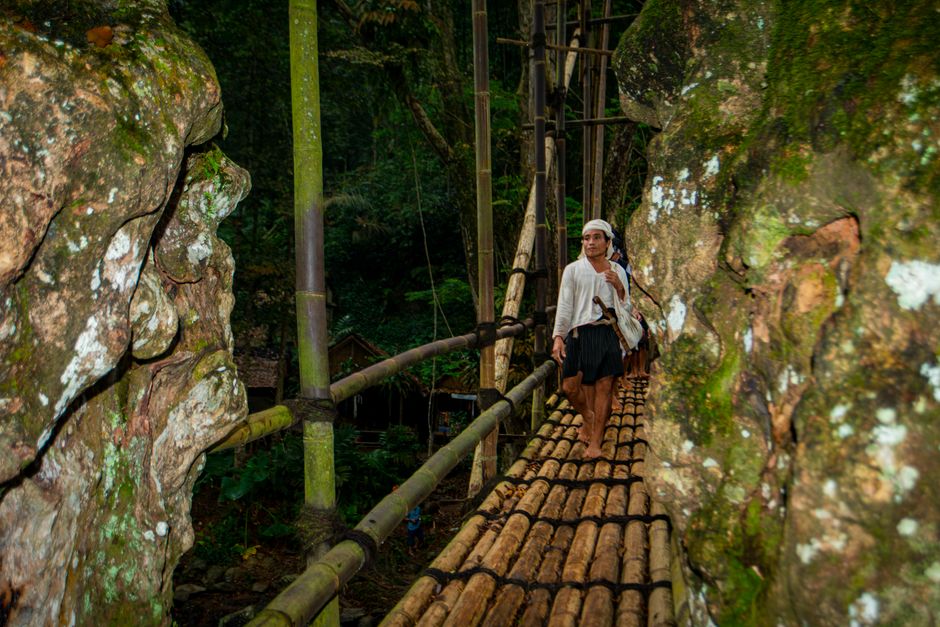
The isolated Baduy Dalam people undertake the annual Seba pilgrimage on foot, carrying offerings to local authorities, a testament to their strict adherence to ancient customs and self-imposed isolation.
The Baduy Dalam are an indigenous community in West Java who strictly reject modern technology and outside influences, living according to pikukuh (ancient customary law). Their annual Seba ceremony is a unique, days-long walking pilgrimage from their remote villages to the provincial capital. This ritual act of loyalty and gratitude to the government, accompanied by traditional offerings, underscores their commitment to their ancestors and their traditional way of life.
7. Kei Island's Maritime Customs
Ohoi Debut, Kei Besar Island, Maluku, Indonesia
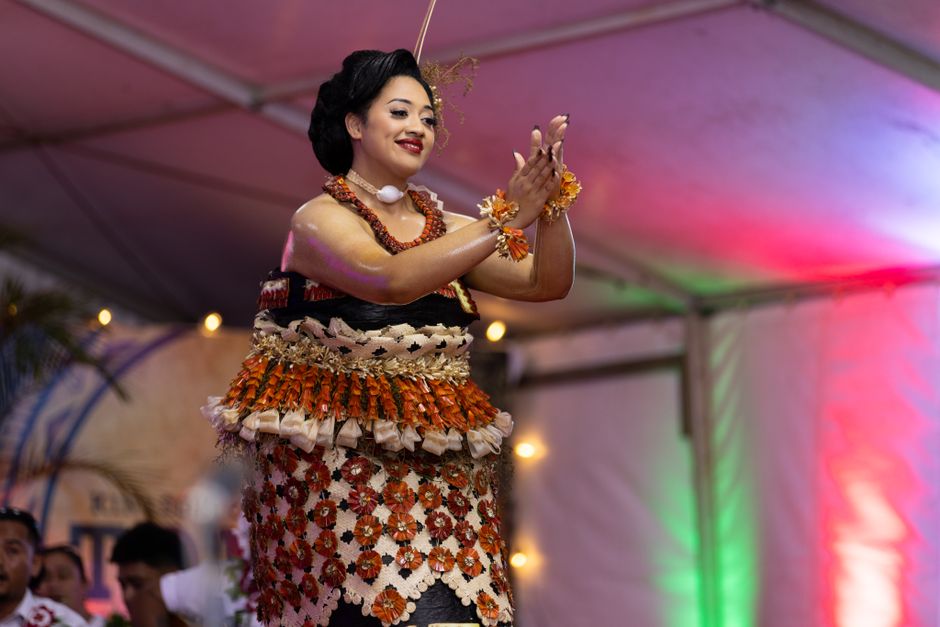
On the remote Kei Islands, communities uphold Adat Faan, a unique customary law, through ceremonies that often involve sea offerings and traditional boat races, reflecting their deep connection to the ocean.
The Kei Islands in Maluku are known for their pristine beaches and rich marine life, but also for Adat Faan, an ancient customary law that governs every aspect of life. Festivals here, such as the Pesta Rakyat or specific harvest rituals like Metra Nuhun for sea produce, are often deeply intertwined with the ocean. These ceremonies feature traditional dances, communal feasts, and offerings to ancestral spirits believed to reside in the sea, ensuring prosperity and protection for their seafaring communities.
Frequently asked questions
What is the best time of year to experience traditional festivals in Indonesia?
Festival timings in Indonesia vary greatly by region and often follow lunar calendars or agricultural cycles. Researching specific festival dates for your chosen destination well in advance is crucial, as they can shift year to year. Generally, the dry season (May to September) might be easier for travel, but some significant festivals occur during the rainy season.
Are these traditional festivals open to tourists?
Most traditional festivals are open to respectful visitors, as they are community events rather than private rituals. However, it's essential to observe local customs, dress modestly, and always ask for permission before taking photos, especially of people or sacred objects. Engaging with a local guide can enhance your experience and ensure cultural sensitivity.
How can I find accurate information about festival dates in lesser-known areas?
Finding precise dates for remote festivals can be challenging. Start by checking regional tourism board websites, searching local news archives, or reaching out to cultural organizations dedicated to specific indigenous groups. Often, the most reliable information comes directly from local villagers or community leaders closer to the event time.
How can AllTours.ai help me understand these complex traditions?
AllTours.ai enhances your festival experience by providing on-the-spot cultural and historical context. Simply point your phone camera at a landmark, a traditional house, or even a ceremonial object, and the app narrates its significance, origin, and cultural meaning in your preferred language, offering deeper insights into the traditions unfolding around you.
Related guides
Photography via Pexels. AllTours.ai is an AI audio tour guide — point your camera at any landscape and hear its story.