November 5, 2026 · 4 min read
Dublin is a city of stories, and many of its best tales are told around a table laden with comforting food. Beyond the well-trodden tourist paths lie culinary gems where the aroma of slow-cooked stew mingles with the murmur of local accents, offering a true taste of Ireland's heritage.
Forget the generic menus; this guide will lead you to authentic, traditional Irish cuisine in Dublin, just like the locals enjoy. Prepare to discover hearty breakfasts, robust pub fare, and dishes steeped in history, each bite a connection to the city's rich past and vibrant culture.
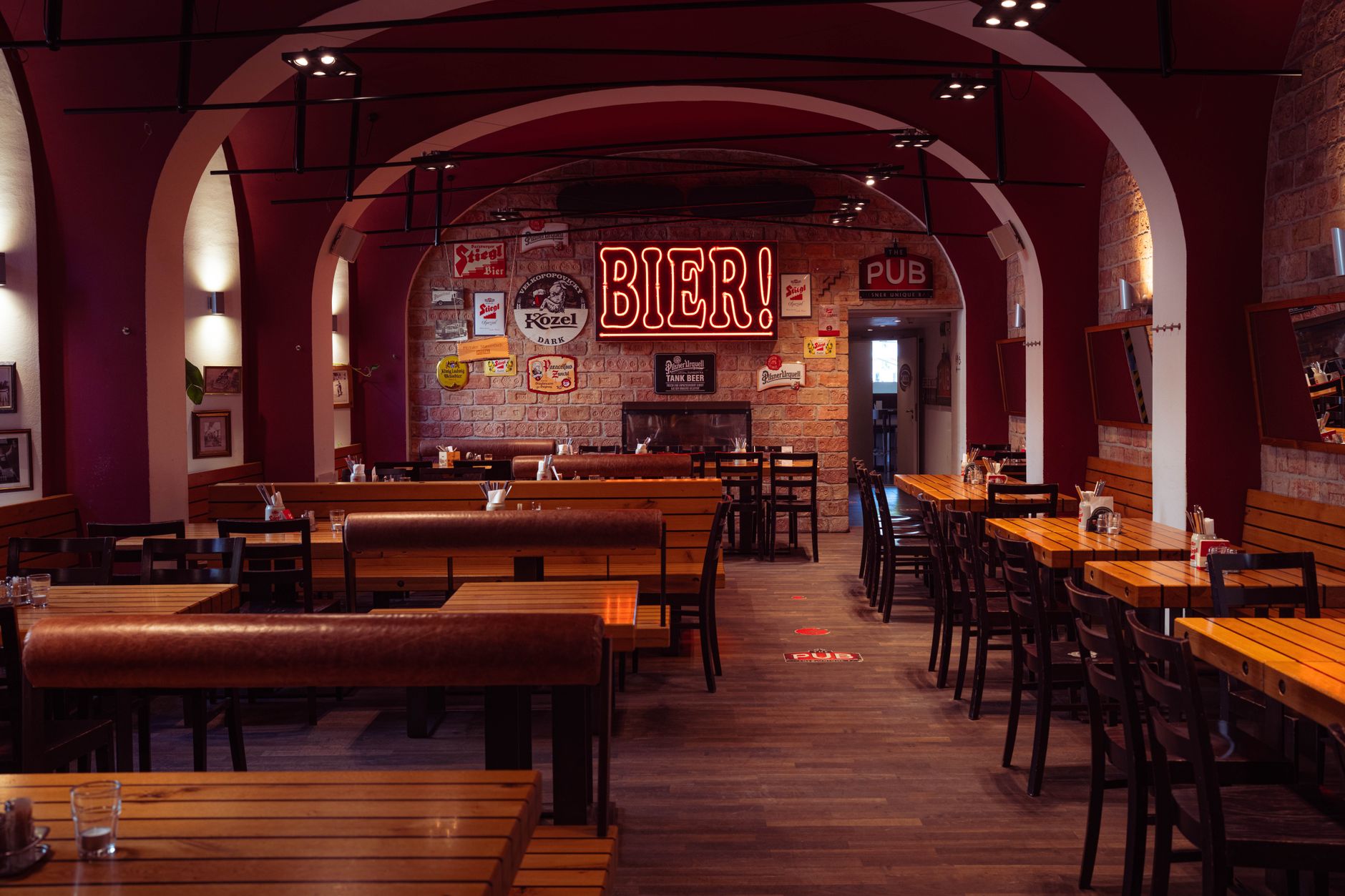
1. Gravediggers' Grub
John Kavanagh's, Dublin, Ireland
The pub earned its nickname because its back door once led directly into Glasnevin Cemetery.
John Kavanagh's, affectionately known as 'The Gravediggers,' has been pouring pints and serving simple, honest fare since 1833. Its unofficial name comes from its unique history: a direct gateway once connected the pub to Glasnevin Cemetery, allowing gravediggers to slip in for a quick pint without disturbing mourners. Today, it’s a time capsule where you can enjoy hearty Irish stew or a classic coddle, often amidst quiet conversation, far from the city's usual bustle.
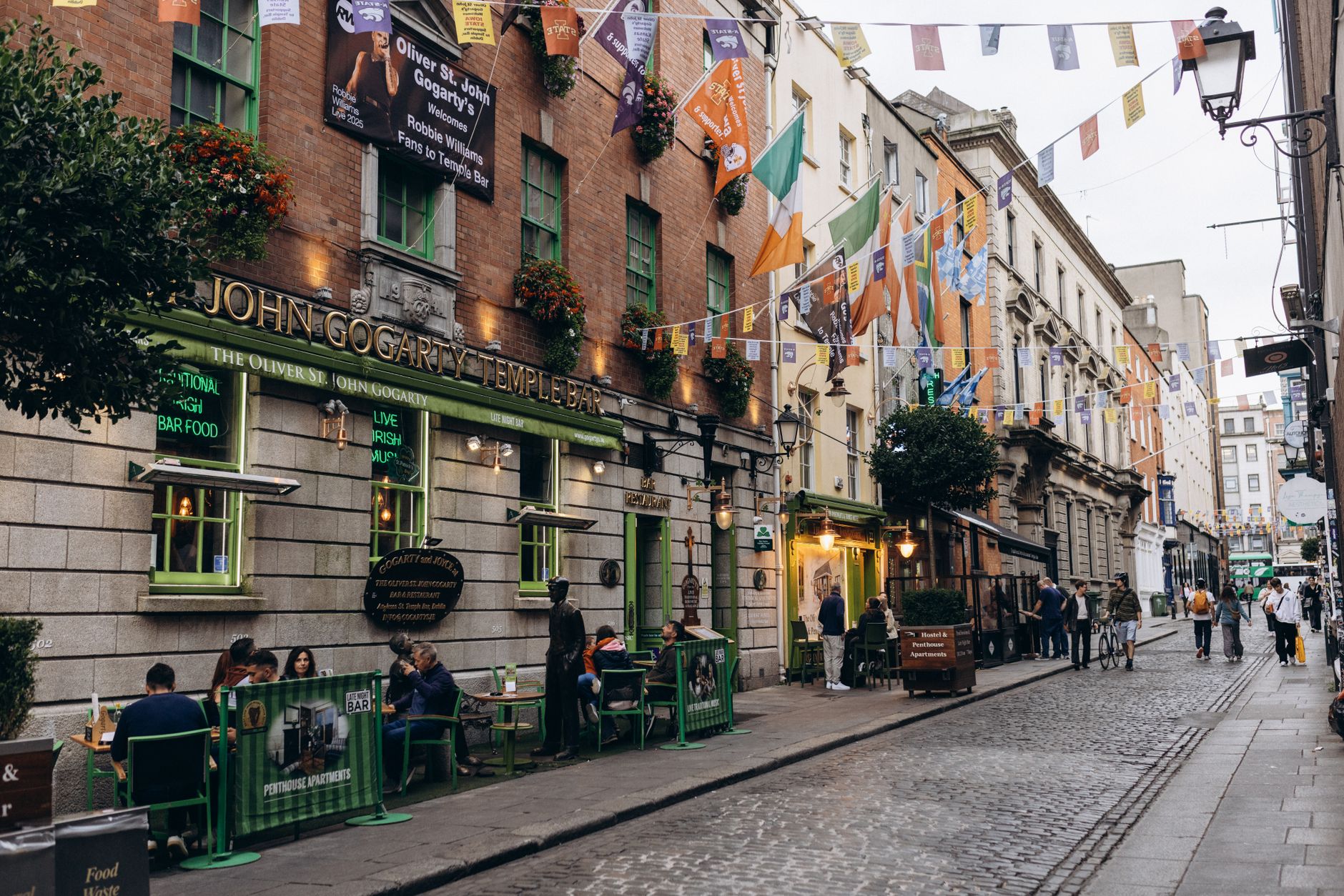
2. The Gastropub's Hidden History
L. Mulligan Grocer, Dublin, Ireland
This gastropub champions nose-to-tail eating long before it became trendy, using every part of the animal from local farms.
L. Mulligan Grocer, tucked away in Stoneybatter, redefines traditional Irish food with a contemporary twist while holding true to its roots. Their commitment to local, sustainable produce means their menu is a dynamic showcase of Irish ingredients. They're renowned for their inventive take on dishes like black pudding and their dedication to supporting small Irish producers, making it a true taste of Ireland's evolving culinary landscape. Their ethos predates the modern 'nose-to-tail' movement, rooted in historical Irish resourcefulness.
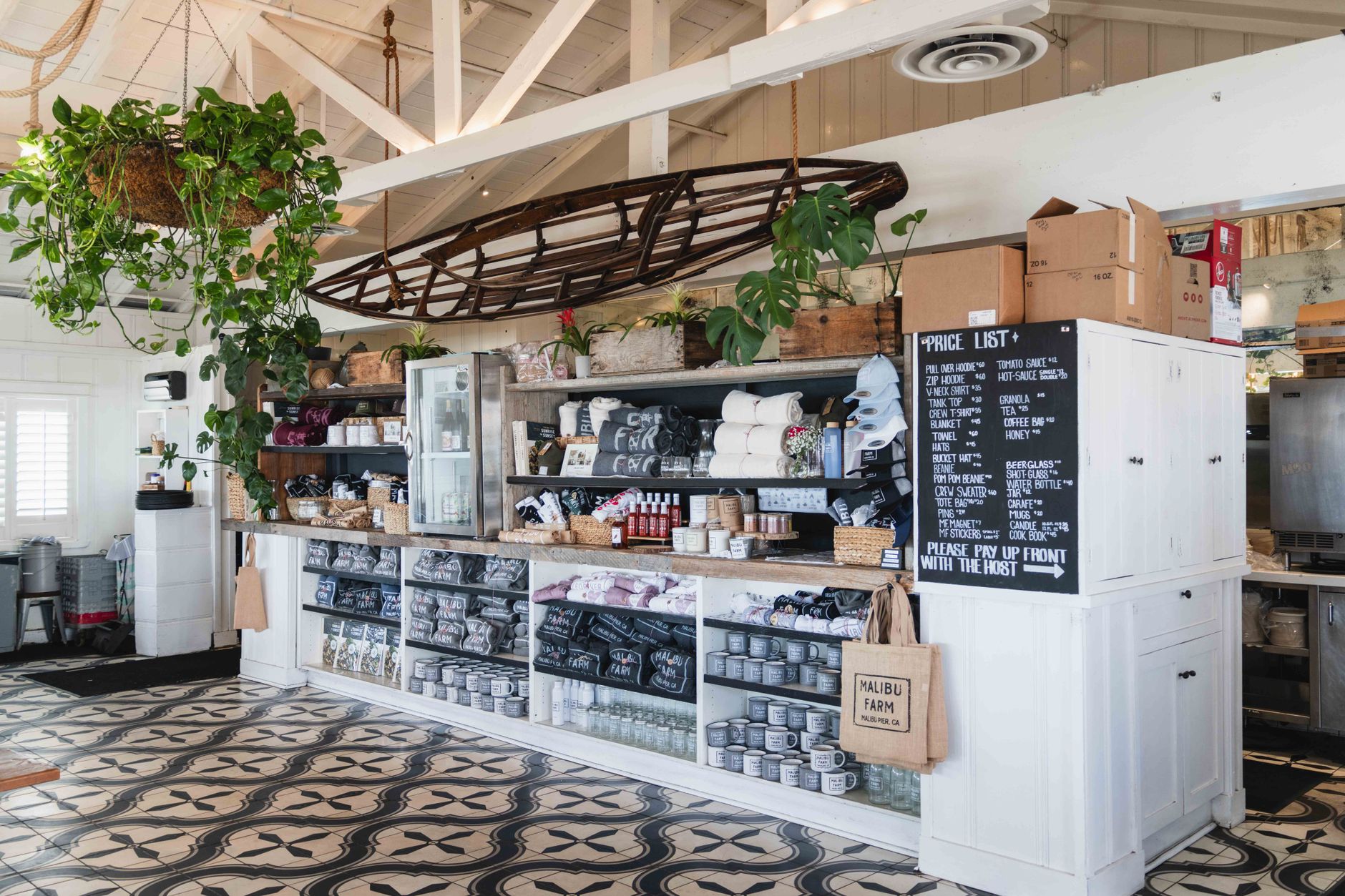
3. Canal-side Comfort
O'Connell's of Portobello, Dublin, Ireland
This pub sits on a site that was once a key staging post for canal barges transporting goods into Dublin.
O'Connell's of Portobello, nestled beside the Grand Canal, offers a genuine taste of local Dublin life. Before the advent of railways, the canals were vital arteries, and this spot would have been bustling with barge traffic, offloading goods that fueled the city. Today, it's a beloved local, known for its friendly atmosphere and reliable, hearty pub grub—think comforting shepherd's pie and excellent pints, enjoyed overlooking the tranquil waters where history once flowed.
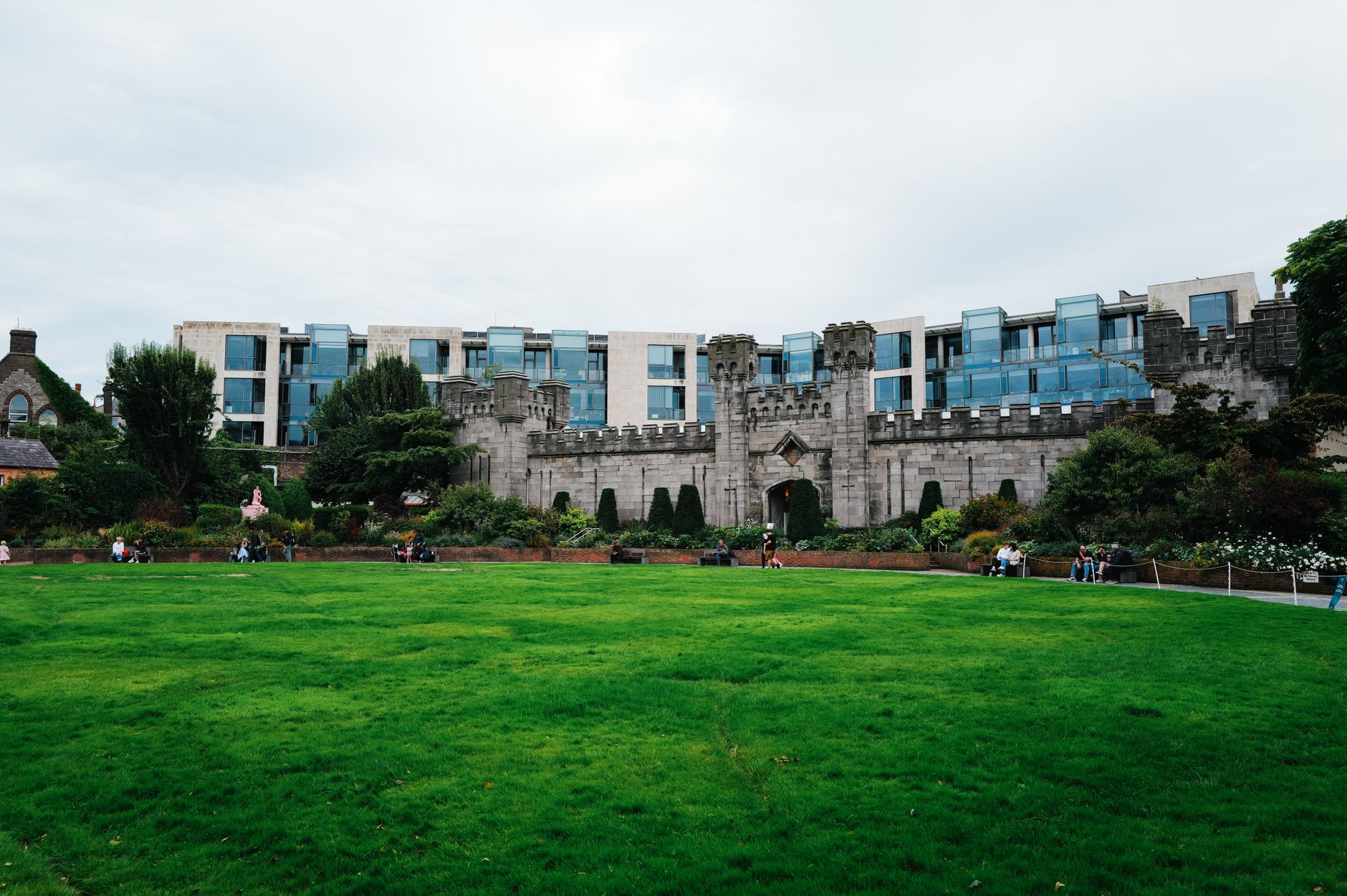
4. The Bachelor's Bold History
The Bachelor's Inn, Dublin, Ireland
This pub played a surprising role as a meeting point for Irish Volunteers during the 1916 Easter Rising.
The Bachelor's Inn, discreetly located near the Liffey, holds a fascinating secret from Ireland's fight for independence. Before the 1916 Easter Rising, it served as a covert meeting place for members of the Irish Volunteers, who would gather here to plan crucial strategies. Today, it maintains its unassuming charm, offering a genuine pub experience where you can enjoy a classic full Irish breakfast or a warming bowl of soup, steeped in history.
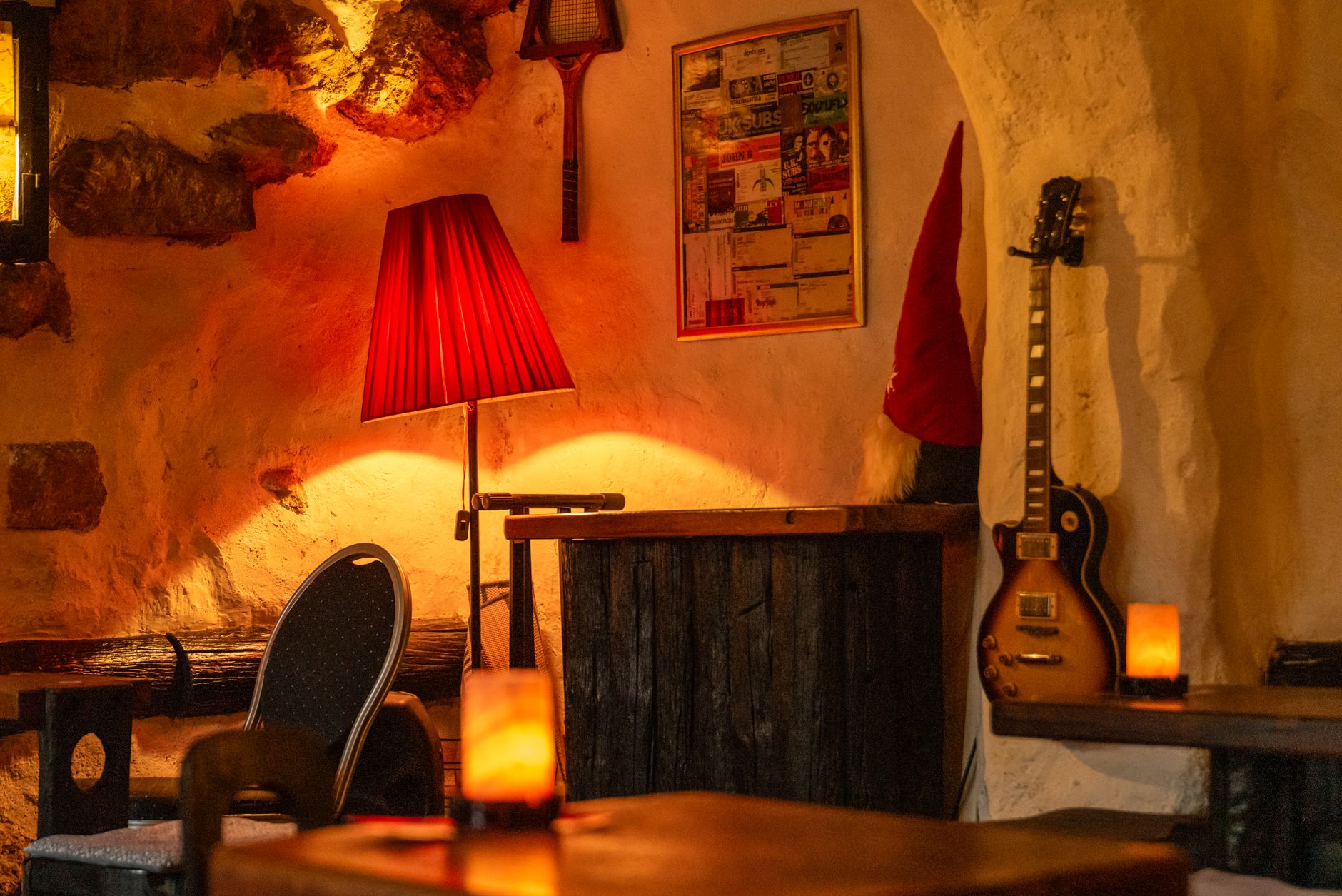
5. The Confession Box's Secret
The Confession Box, Dublin, Ireland
This pub was reputedly where locals would discreetly confess their sins to priests who would frequent the establishment.
Tucked away on Marlborough Street, The Confession Box is a tiny, unassuming pub with a uniquely Dublin story. Lore suggests that priests from the nearby Pro-Cathedral would stop in for a pint, and locals, perhaps feeling the weight of their conscience, would informally 'confess' their sins over a drink. Today, it’s a snug spot for a pint and a chat, offering simple, unfussy pub fare like toasted sandwiches or a bowl of stew, carrying whispers of its past.
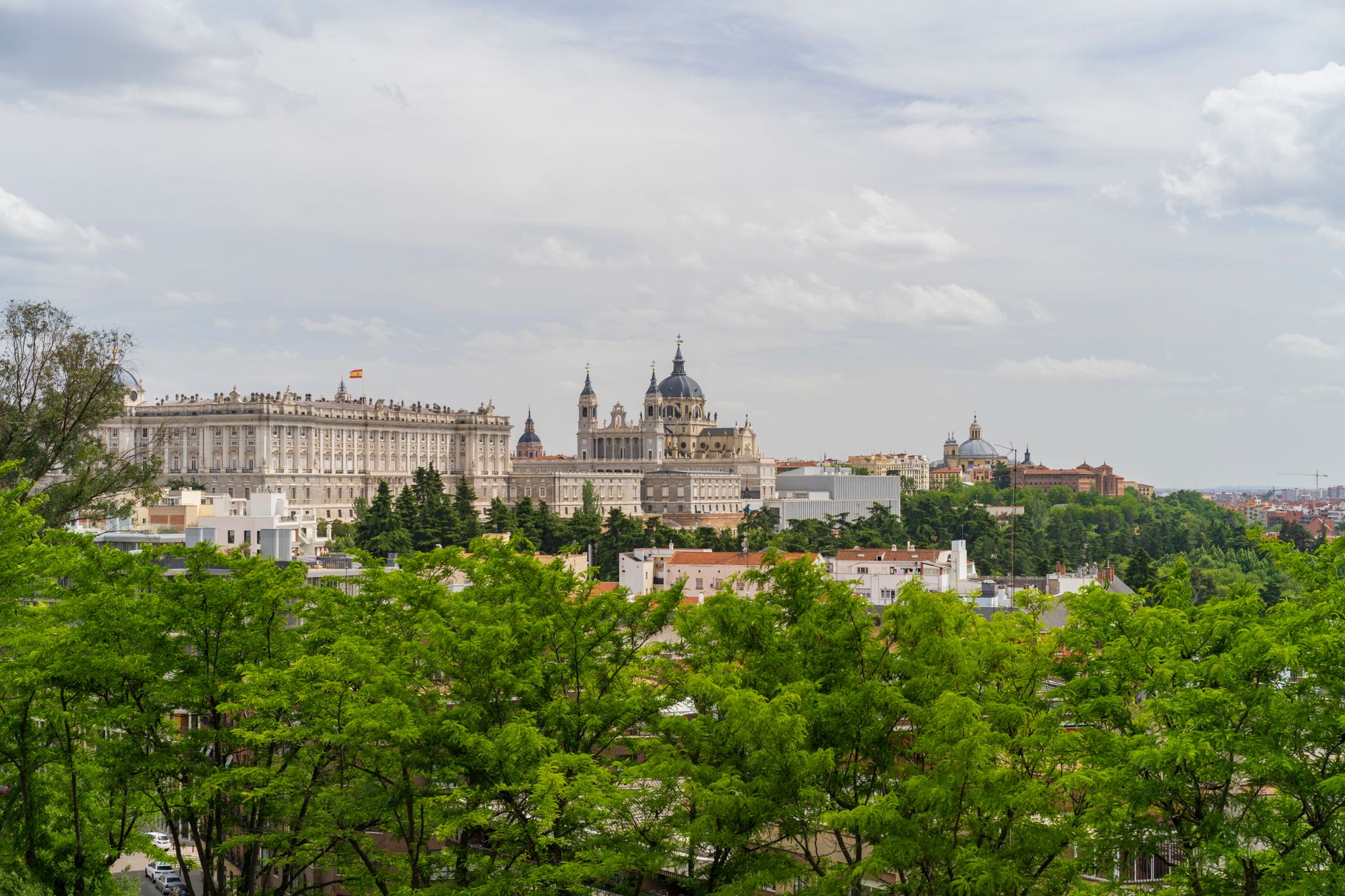
6. The Victorian Vaults
Ryan's of Parkgate Street, Dublin, Ireland
Ryan's boasts an original Victorian snug, offering a peek into Dublin's rigid social divides of the past.
Ryan's of Parkgate Street, established in 1896, is a beautifully preserved Victorian pub that feels like stepping back in time. Its most striking feature is the original snugs – private booths with their own doors and bells – which allowed women and those of a higher social standing to drink discreetly, away from the main bar. Today, these snugs offer a unique dining experience where you can enjoy classic Irish comfort food like hearty beef and Guinness pie in an atmosphere steeped in history.
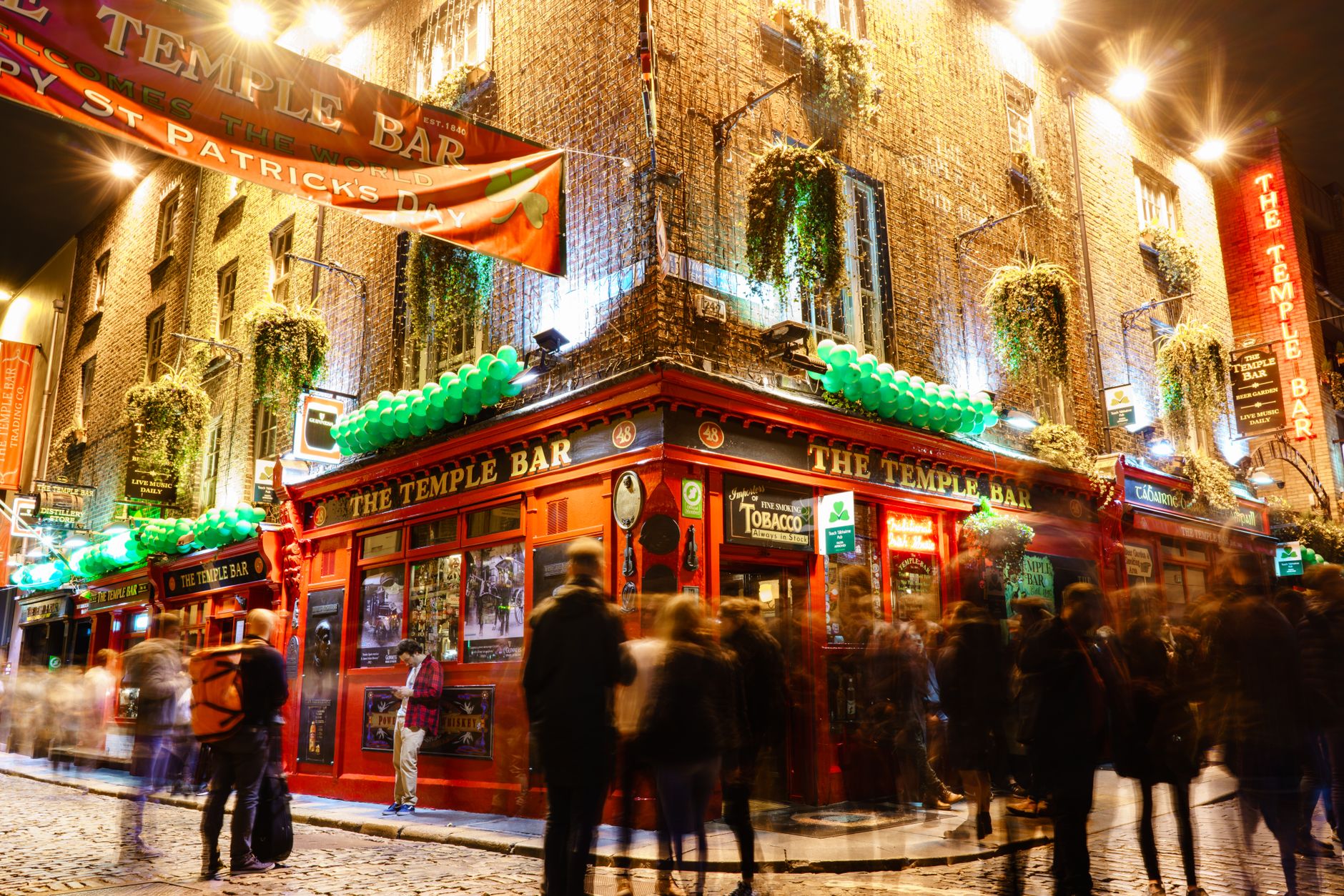
7. The Celt's Musical Bites
The Celt Bar, Dublin, Ireland
Before becoming a popular traditional music venue, this area of Dublin was historically home to many of the city's old publishing houses and printworks.
The Celt Bar, located in an area once thrumming with the printing presses of Dublin's literary past, offers a vibrant experience of traditional Irish culture. While it's known for its nightly live traditional music sessions, it also serves up honest, hearty Irish fare. You can dig into generous portions of Irish stew or a full Irish breakfast, all while soaking in the lively atmosphere that echoes generations of Dublin storytelling and song.
Frequently asked questions
What is a traditional Irish breakfast?
A traditional Irish breakfast is a substantial meal featuring rashers (bacon), sausages, black pudding, white pudding, fried eggs, baked beans, grilled tomatoes, mushrooms, and toast or soda bread. It’s a hearty way to start the day, often served all day in many pubs and cafes across Dublin.
What is Coddle, and where can I find it in Dublin?
Dublin Coddle is a traditional working-class dish, a comforting stew made with layers of pork sausages, rashers, potatoes, and onions, often simmered in a clear broth. It's a true taste of Dublin's culinary heritage. While not on every menu, look for it in older, more traditional pubs, especially those proud of their local roots, like The Gravediggers or some gastropubs offering seasonal specials.
Are there vegetarian options in traditional Irish restaurants?
While traditional Irish cuisine is often meat-heavy, most establishments in Dublin are now very accommodating to vegetarians. You'll commonly find vegetarian full Irish breakfasts, vegetable soups, hearty salads, and sometimes vegetarian takes on traditional stews or pies, often featuring lentils or root vegetables. Don't hesitate to ask your server for options.
How can AllTours.ai enhance my Dublin food experience?
AllTours.ai can deepen your appreciation for Dublin's culinary scene by providing instant historical and cultural context for the places you visit. Point your phone camera at a historic pub, a bustling market, or even a landmark near your chosen eatery, and the app will narrate its unique story, from its architectural heritage to its role in local folklore, making your food journey even richer.
Related guides
Photography via Pexels. AllTours.ai is an AI audio tour guide — point your camera at any landscape and hear its story.