July 19, 2026 · 4 min read
Vienna's culinary landscape is famously rich, from grand coffee houses to iconic Schnitzel establishments. But venture beyond the well-trodden paths, and you'll discover a vibrant local food scene, brimming with authentic flavors and stories that often go untold.
To truly experience where to eat in Vienna like a local, you need to seek out the neighborhood gems: the bustling markets with centuries of history, the unassuming Beisls where recipes have been perfected over generations, and the sweet spots that have invented new traditions. These are the places where Vienna's past and present meet on your plate.
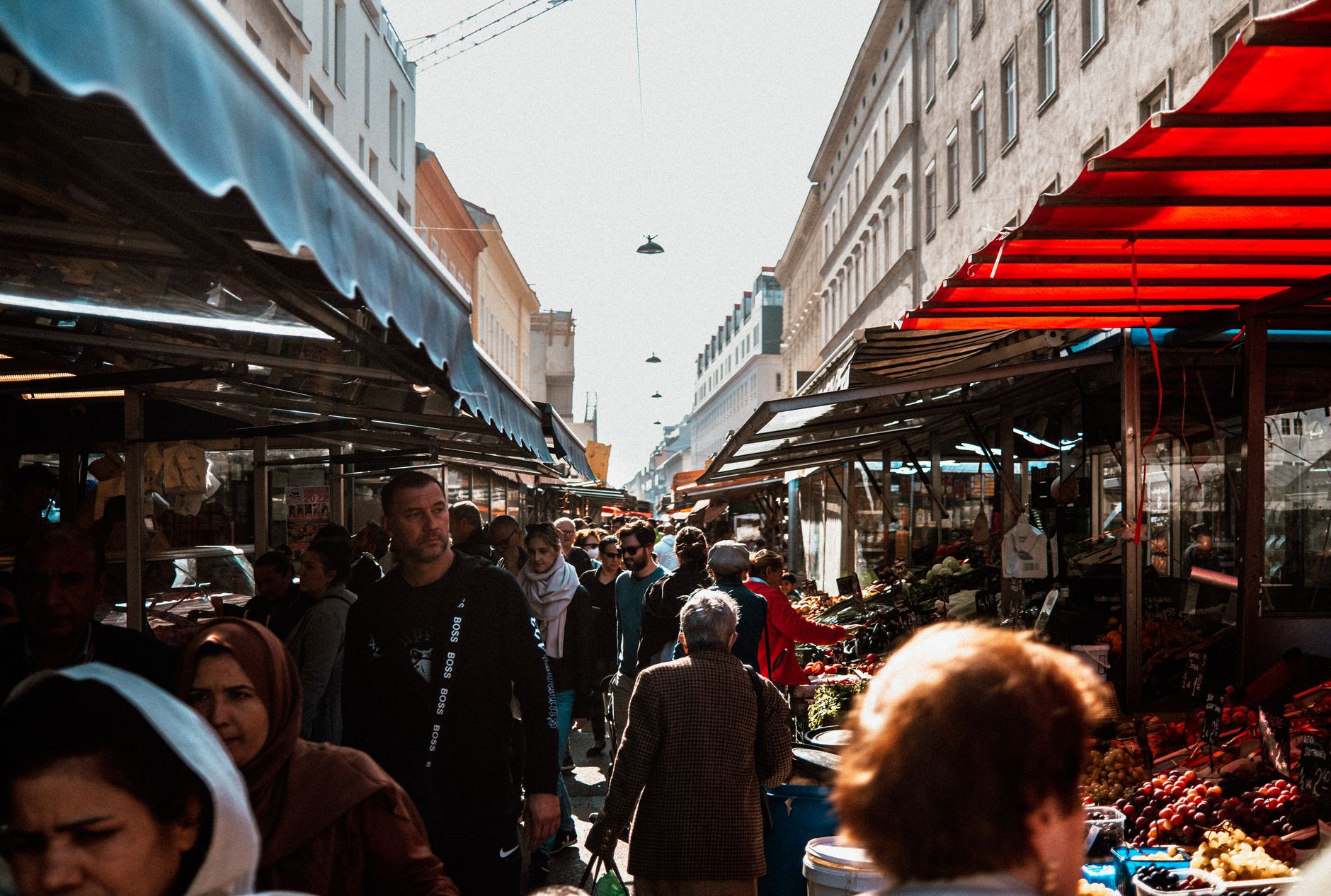
1. Leopoldstadt's Culinary Mosaic
Karmelitermarkt, Vienna, Austria
Once the heart of Vienna's vibrant Jewish quarter, this market offers a glimpse into a multicultural past reflected in its food stalls today.
Stroll through Karmelitermarkt and discover a rich tapestry of flavors. Located in Leopoldstadt, historically a melting pot, the market has evolved from its origins as a Jewish trading hub. Today, you'll find everything from Middle Eastern spices to traditional Austrian produce, alongside charming cafes and eateries that honor its diverse heritage. It’s a true neighborhood meeting point.
2. The Century-Old Beisl
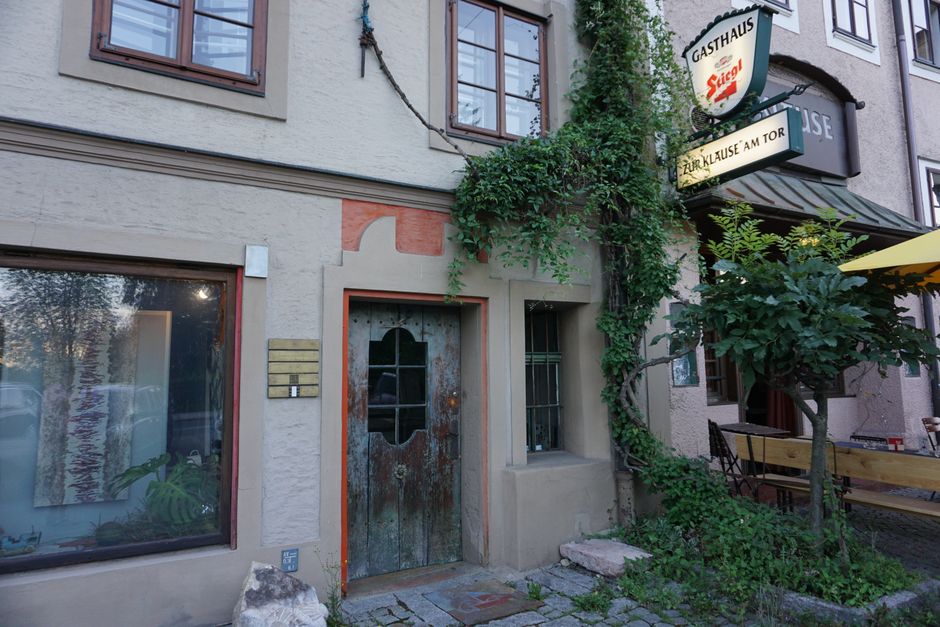
Gasthaus Kopp, Vienna, Austria
This unassuming Beisl has been serving traditional Viennese fare for over a century, a testament to its unchanged recipes and loyal local following.
Enter Gasthaus Kopp and feel the weight of Viennese culinary history. Tucked away in Leopoldstadt, this establishment prides itself on classic dishes like Beinfleisch (boiled beef) and Zwiebelrostbraten (roasted beef with onions), prepared just as they were generations ago. It’s a no-frills, authentic experience where time seems to slow down, and the focus remains firmly on hearty, well-prepared food.

3. Stammersdorf's Wine Legacy
Heuriger Wieninger, Vienna, Austria
Stammersdorf is one of Vienna's last true wine villages, where the 'Heuriger' tradition of serving new wine directly from the grower dates back to Empress Maria Theresia.
Escape the city bustle for a true Heuriger experience at Wieninger in Stammersdorf. Here, you'll taste young wines (Heuriger) produced from the surrounding vineyards, often accompanied by traditional Jause (cold platters). The right to sell new wine directly was granted by Empress Maria Theresia in 1784, making this practice a deeply rooted part of Viennese culture. It's a taste of history with every sip.
4. A Taste of the Poppy Seed Region
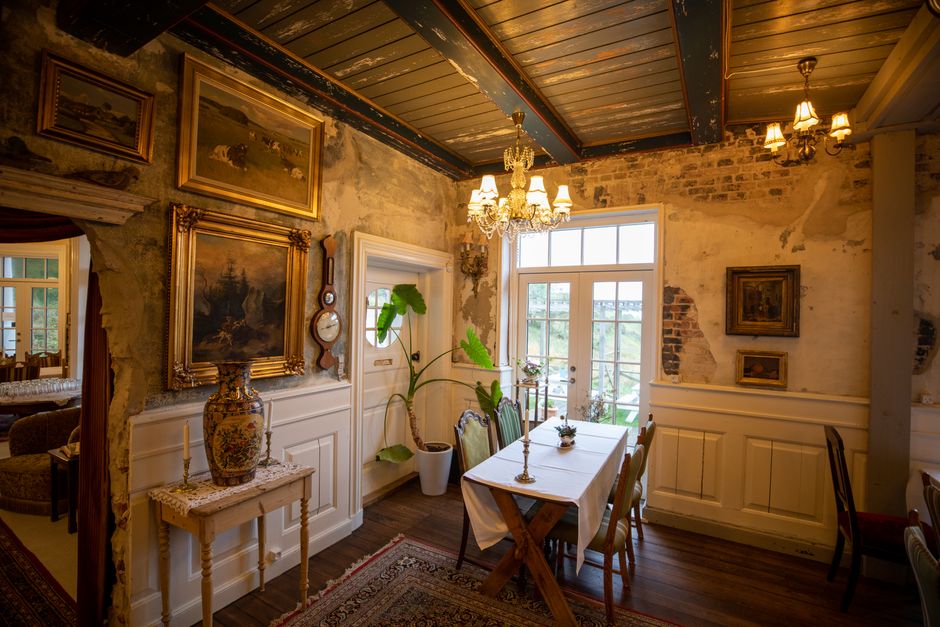
Waldviertlerhof, Vienna, Austria
Specializing in cuisine from the Waldviertel region, this Beisl introduces diners to a unique part of Austria where poppy seeds are a culinary cornerstone.
Waldviertlerhof transports your palate to the eponymous region of Lower Austria, famous for its poppy seed cultivation. Expect dishes like Mohnnudeln (poppy seed noodles) and Mohnzelten (poppy seed pastries), showcasing the distinct flavors of this area. Beyond the poppy, their menu features robust, traditional Austrian cooking, offering a genuine glimpse into regional gastronomy rarely found in central Vienna.
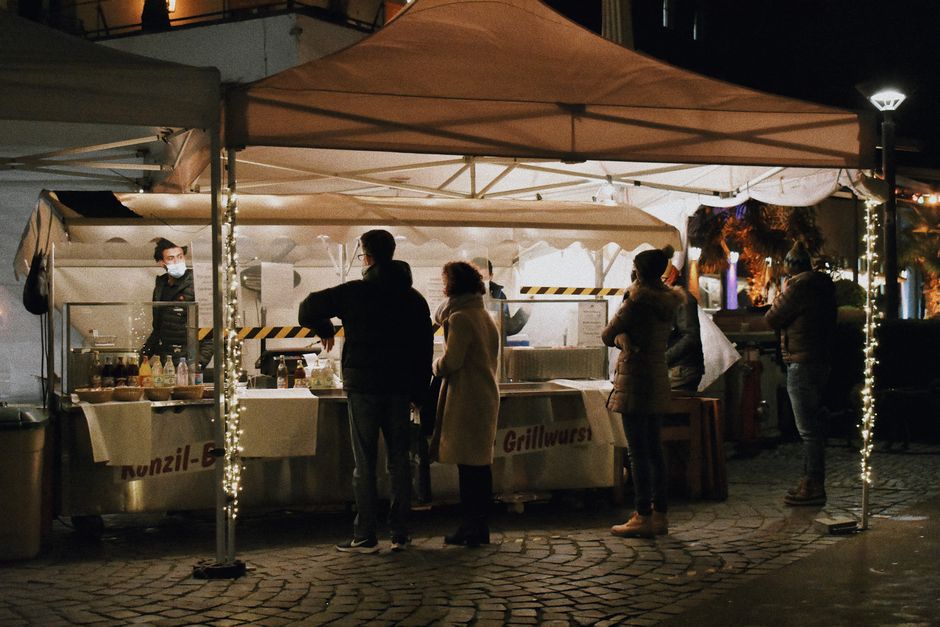
5. Vienna's Oldest Sausage Stand
Würstelstand Leo, Vienna, Austria
Vienna's oldest existing Würstelstand, founded in 1928, has fueled generations of Viennese workers and night owls with its classic sausages.
For an essential Viennese street food experience, head to Würstelstand Leo near Praterstern. Operating since 1928, it has seen decades of history unfold while serving up Käsekrainer (cheese-filled sausage), Bratwurst, and Burenwurst. This iconic stand is more than just fast food; it's a social institution, a place where locals grab a quick, satisfying bite, often late into the evening.
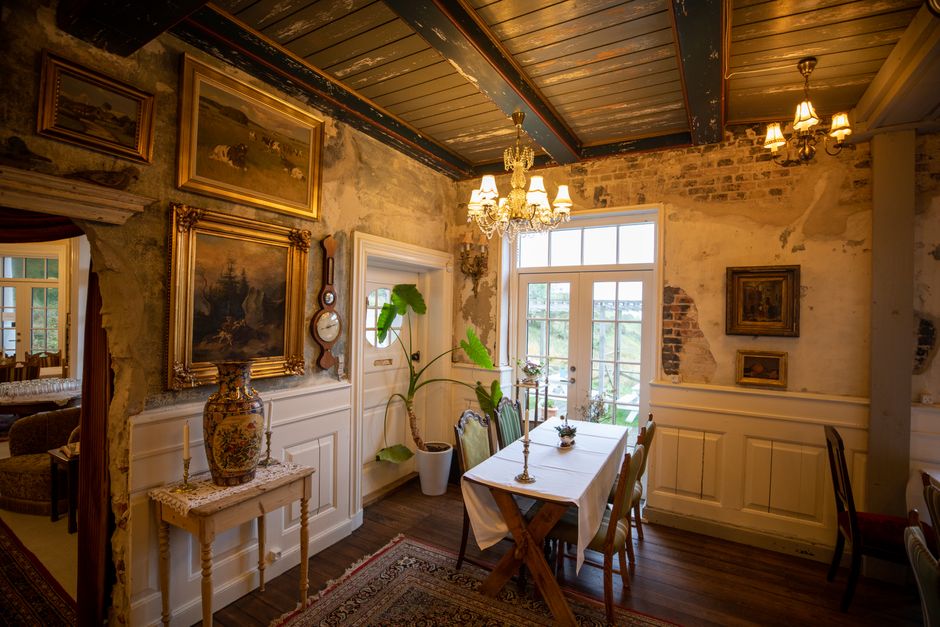
6. The Inventor of Ice Cream Dumplings
Tichy Eissalon, Vienna, Austria
This legendary ice cream parlor is home to the original "Eismarillenknödel" (ice cream apricot dumplings), an innovative dessert created here that cleverly marries two iconic Austrian flavors.
Tichy Eissalon on Reumannplatz is a Viennese institution, especially famous for its Eismarillenknödel. Invented by the Tichy family in the 1950s, these unique treats feature apricot ice cream encased in a light crumb coating, mimicking traditional fruit dumplings. It's a beloved summer staple, offering a sweet, creamy taste of post-war Viennese ingenuity and a delightful twist on classic Austrian desserts.
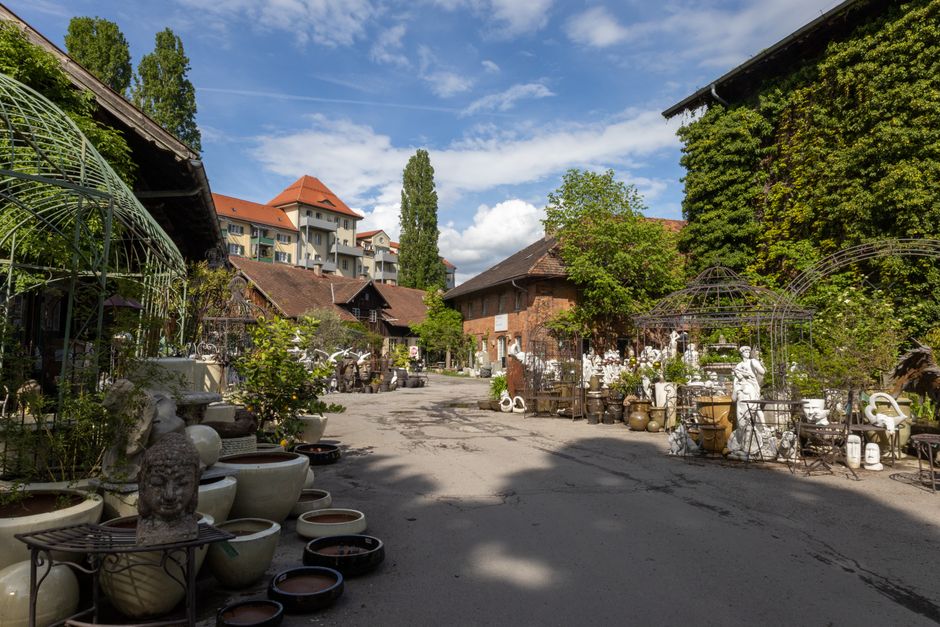
7. Ottakring's Ottoman Echoes
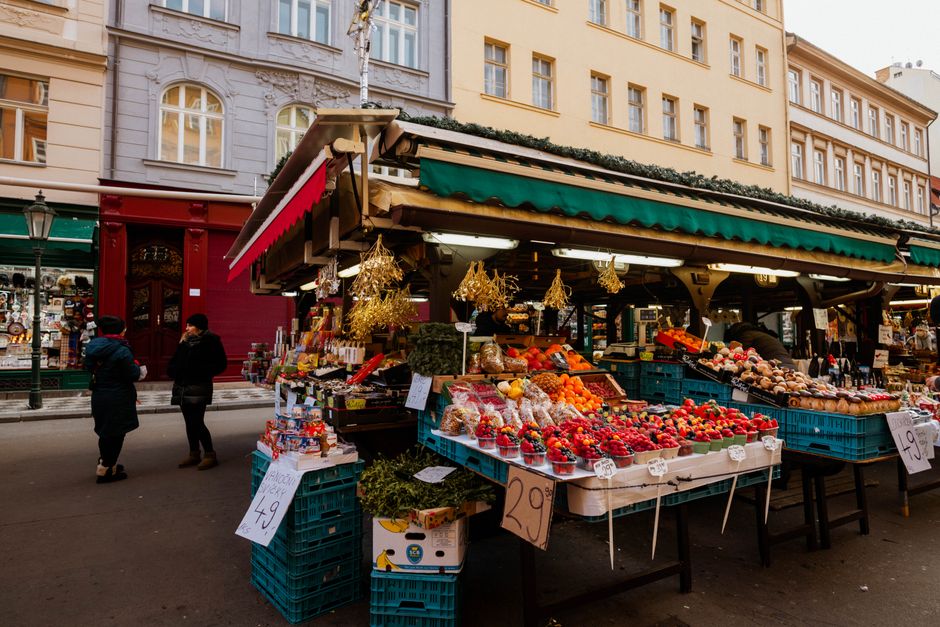
Brunnenmarkt, Vienna, Austria
This bustling market in Vienna's most multicultural district echoes its historical role as a vibrant trading hub, where Ottoman influences shaped both goods and gastronomy.
Dive into the vibrant chaos of Brunnenmarkt in Ottakring, Vienna's longest street market. Its lively atmosphere and diverse offerings reflect centuries of trade and migration, particularly with significant Ottoman and Balkan influences. You'll find an array of exotic spices, fresh produce, and affordable street food from various cultures, offering an authentic, sensory journey through Vienna's global connections.
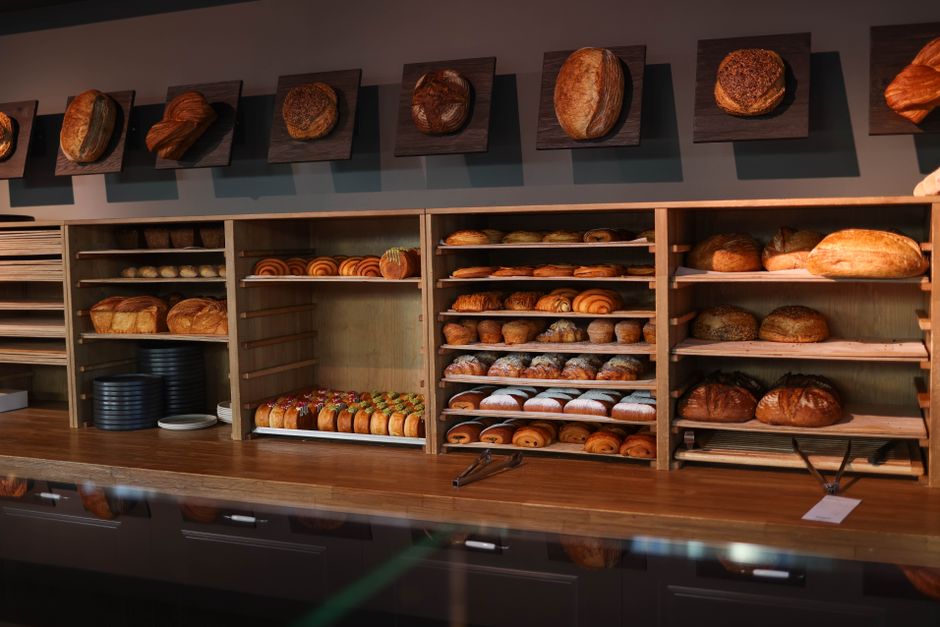
8. Vienna's Artisan Bread Tradition
Bäckerei Felzl, Vienna, Austria
While seemingly modern, Felzl upholds an ancient Viennese baking tradition, using long-fermentation methods that trace back to the city's historical emphasis on quality bread as a staple.
Bäckerei Felzl, with several locations across Vienna, represents the revival and respect for traditional bread-making. Their artisanal loaves, especially the sourdoughs, reflect techniques passed down through generations. Historically, good bread was fundamental to Viennese diets, and Felzl continues this legacy, proving that even a simple loaf can tell a story of craftsmanship and a deep connection to local ingredients.
Frequently asked questions
What is a Beisl in Vienna?
A Beisl is a traditional, often unassuming, Viennese pub or restaurant. They are characterized by their cozy, sometimes rustic atmosphere, serving hearty Austrian comfort food like Schnitzel, Goulash, and Tafelspitz, alongside local beers and wines. Beisls are where locals gather for an authentic, unpretentious dining experience.
What traditional Viennese dish should I try beyond Schnitzel?
Beyond Wiener Schnitzel, explore dishes like Tafelspitz (boiled beef with horseradish), Goulash (a rich beef stew), or Palatschinken (thin pancakes, often filled with apricot jam). For something more unique, try Mohnnudeln (poppy seed noodles) or a classic Kaiserschmarrn (shredded pancake) for dessert.
Are Viennese markets good for eating?
Absolutely! Viennese markets like Karmelitermarkt and Brunnenmarkt are fantastic for experiencing local food culture. You can find fresh produce, artisanal cheeses, regional specialties, and a wide array of international street food at very reasonable prices. They offer a vibrant, sensory dining adventure beyond traditional restaurants.
How can AllTours.ai enhance my food exploration in Vienna?
AllTours.ai transforms your culinary journey by providing instant audio narratives about the history, culture, and even geology connected to the places you're eating in. Point your phone at a traditional Beisl, a bustling market, or even a specific dish, and the app will narrate its fascinating background, bringing your food experience to life.
Related guides
Photography via Pexels. AllTours.ai is an AI audio tour guide — point your camera at any landscape and hear its story.