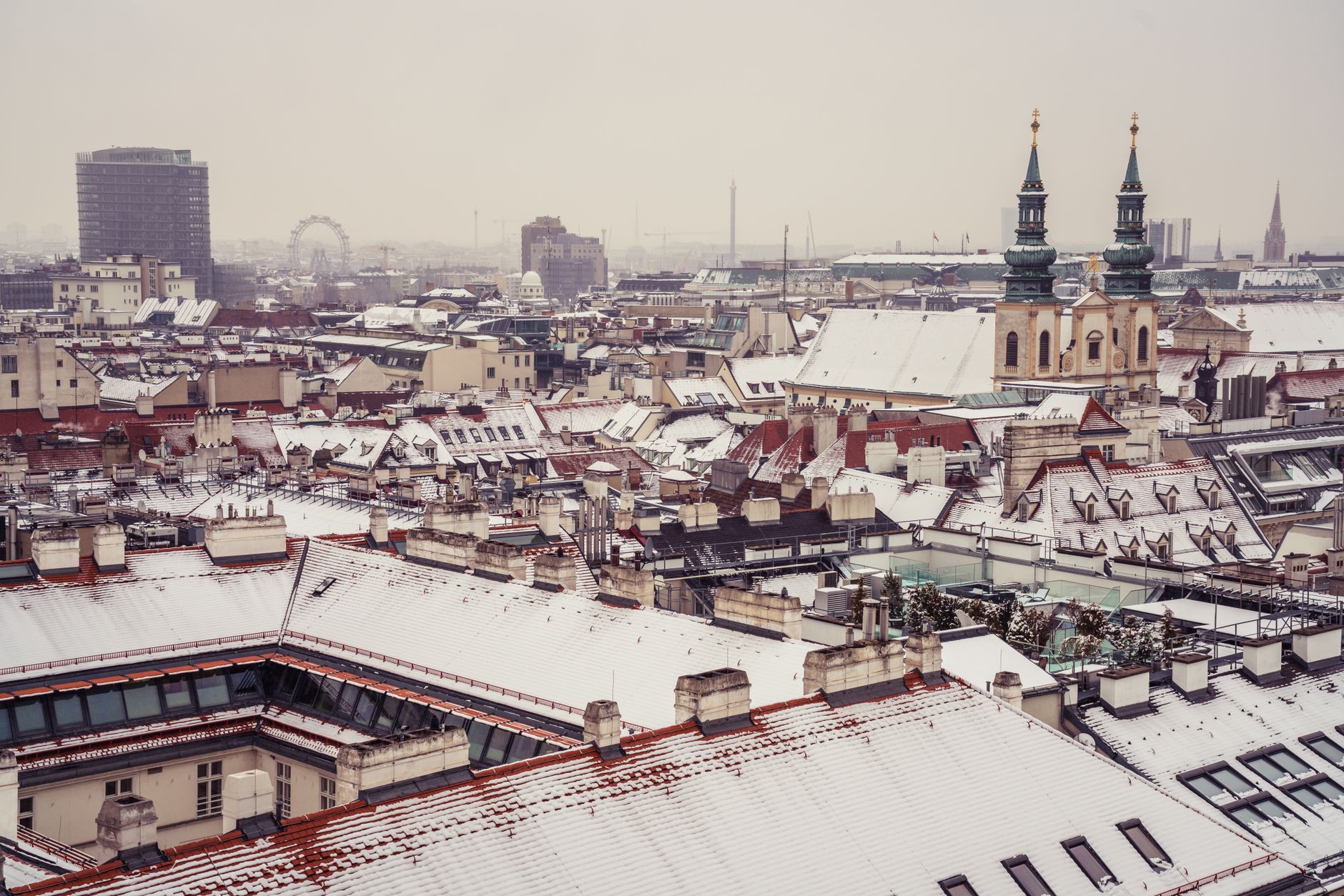
July 16, 2026 · 4 min read
Vienna in a single day might sound like a whirlwind, but with a focused itinerary, you can peel back layers of imperial grandeur and discover surprising corners. Beyond the grand palaces, the city hums with lesser-known stories—of architectural trickery, peculiar street names, and art that blends with nature.
This route is crafted for the curious traveler, optimized for '1 day in Vienna' searches, guiding you through a tight, walkable journey. Prepare to uncover the unique history, hidden gems, and unexpected cultural quirks that make Vienna truly unforgettable, even in a short visit.
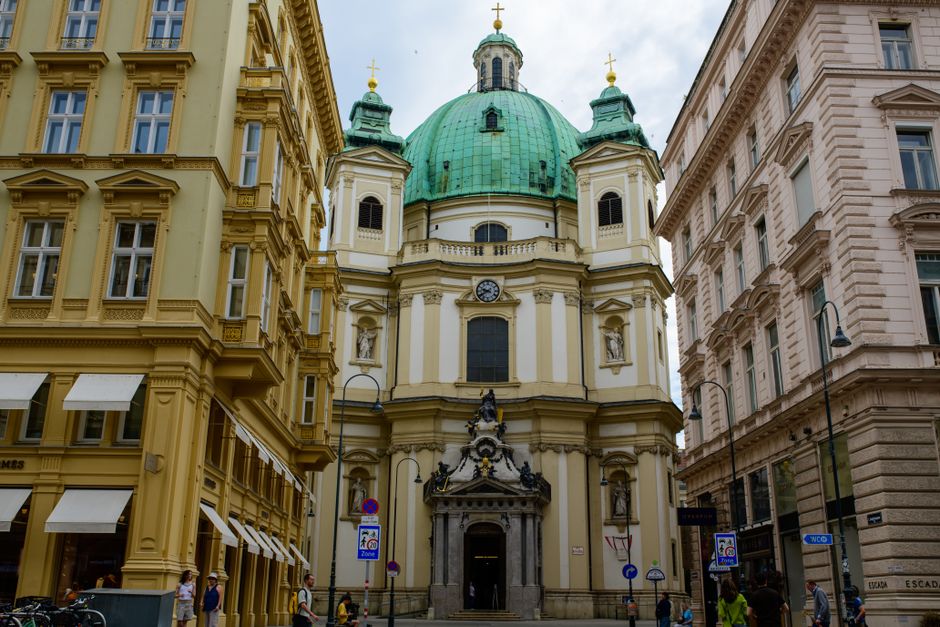
1. The Dome's Deception
Peterskirche, Vienna, Austria
The church's grand dome creates an optical illusion, appearing much larger and taller from the inside than from its exterior.
Built on the alleged site of Vienna's oldest church, the current Baroque masterpiece was completed in the 18th century. Its elaborate interior, filled with frescoes and stucco, culminates in a breathtaking dome painting that cleverly uses perspective to expand its perceived height, a subtle architectural trick often missed by passersby. It's an intimate, dramatic space compared to the larger Stephansdom.
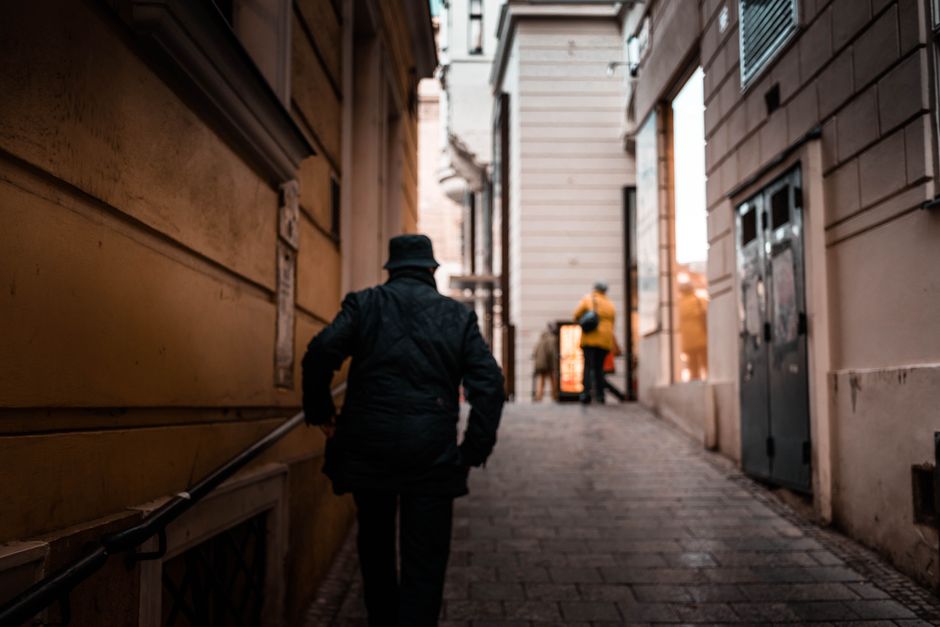
2. Blutgasse: The Butcher's Legacy
Blutgasse, Vienna, Austria
Despite its ominous name, 'Blood Alley' doesn't refer to violence but to the medieval butchers who once worked nearby.
Tucked away near Stephansdom, this charming, quiet alleyway leads through a collection of medieval courtyards. The name likely derives from the 'Blutbänke,' or blood banks, where butchers processed their wares, letting blood drain away into the gutters. Today, it’s a tranquil escape, preserving a quiet slice of old Vienna far from the bustling main thoroughfares.
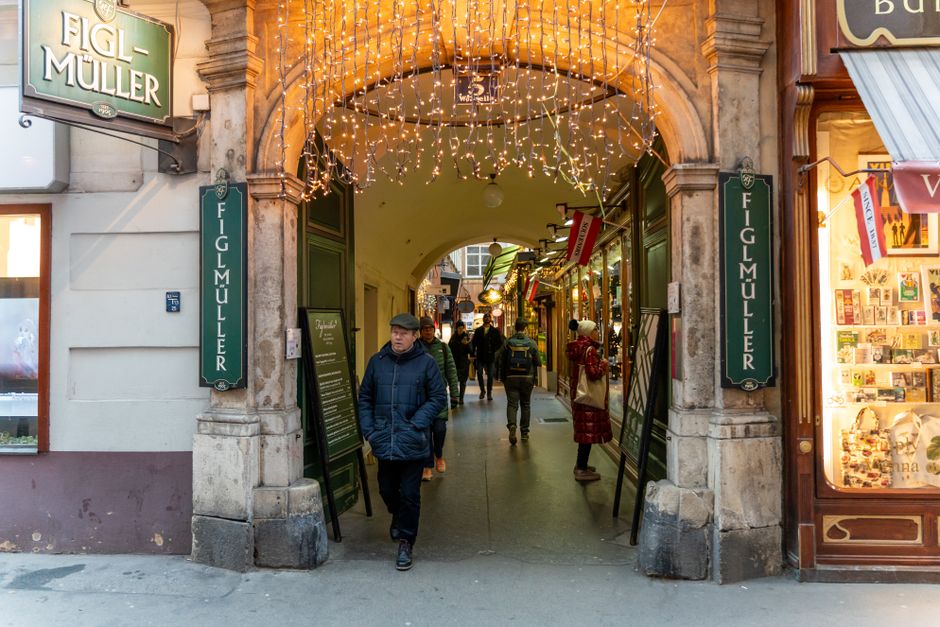
3. Ankeruhr: A Clockwork History
Ankeruhr, Vienna, Austria
Each hour, this Art Nouveau clock unveils a parade of historical figures, offering a miniature history lesson in motion.
Spanning two buildings on Hoher Markt, the Ankeruhr is a magnificent mechanical clock built between 1911 and 1914. Intricately designed, it features twelve significant historical figures – from Marcus Aurelius to Haydn – who slowly move across the bridge. The grand procession at noon, accompanied by music, brings centuries of Vienna's past to life in a captivating public spectacle.
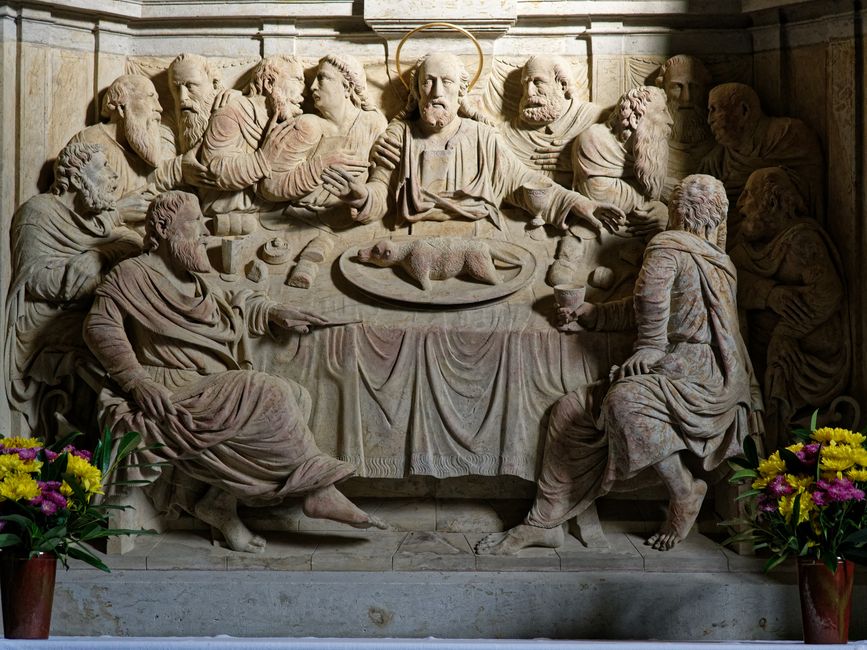
4. Da Vinci's Viennese Double
Minoritenkirche, Vienna, Austria
This Gothic church houses a colossal, true-to-scale mosaic copy of Leonardo da Vinci's 'The Last Supper.'
Founded in the 13th century, the Minoritenkirche is one of Vienna's oldest and most architecturally significant churches. Its real surprise, however, is inside: a stunning 19th-century mosaic measuring 9.18 x 4.47 meters. Commissioned by Emperor Franz I, it's a remarkably detailed reproduction of Da Vinci's masterpiece, a unique artistic treasure outside of Milan, painstakingly created over years.
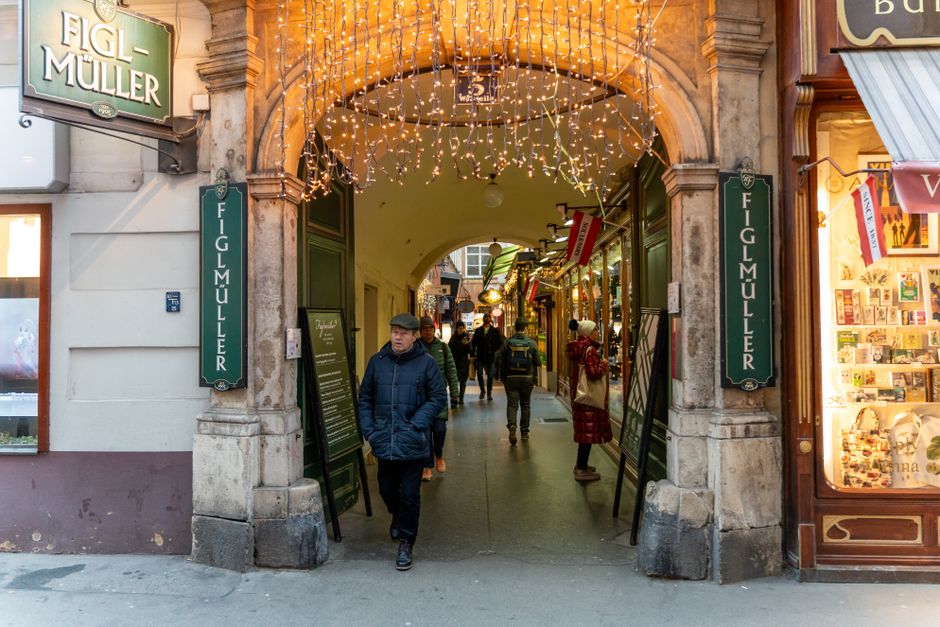
5. Vienna's First Shopping Arcade
Palais Ferstel & Freyung Passage, Vienna, Austria
This ornate 19th-century passage was one of Vienna's very first covered shopping arcades, a precursor to modern malls.
Step into the Freyung Passage, a grand arcade within the historic Palais Ferstel, built by Heinrich von Ferstel. Opened in 1860, its elegant architecture, glass roof, and intricate details reveal its original purpose as a sophisticated commercial and social hub. It was a place where Viennese society would promenade and shop in style, long before the advent of grand department stores, offering a glimpse into early urban leisure.
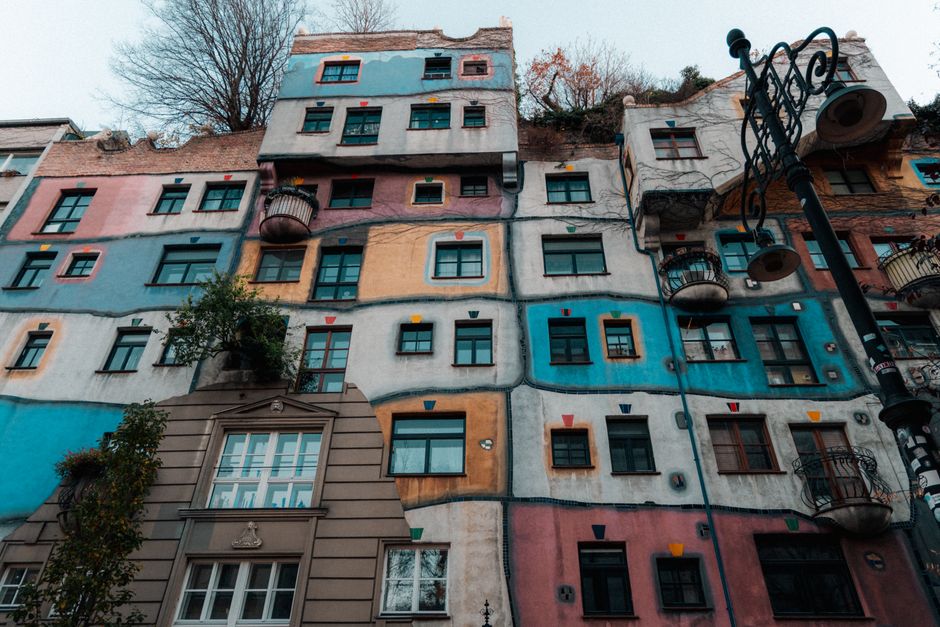
6. The House of Tree Tenants
Hundertwasserhaus, Vienna, Austria
This wildly unconventional apartment building features 'tree tenants' growing from its windows, paying rent in oxygen and beauty.
Designed by artist Friedensreich Hundertwasser, this vibrant residential building challenges traditional architecture norms. Completed in 1986, it boasts uneven floors, bright colors, and vegetation growing on roofs and out of windows. Hundertwasser believed humans should live in harmony with nature, blurring the lines between art, architecture, and ecology, making each tree an integral, living part of the dwelling and its community.
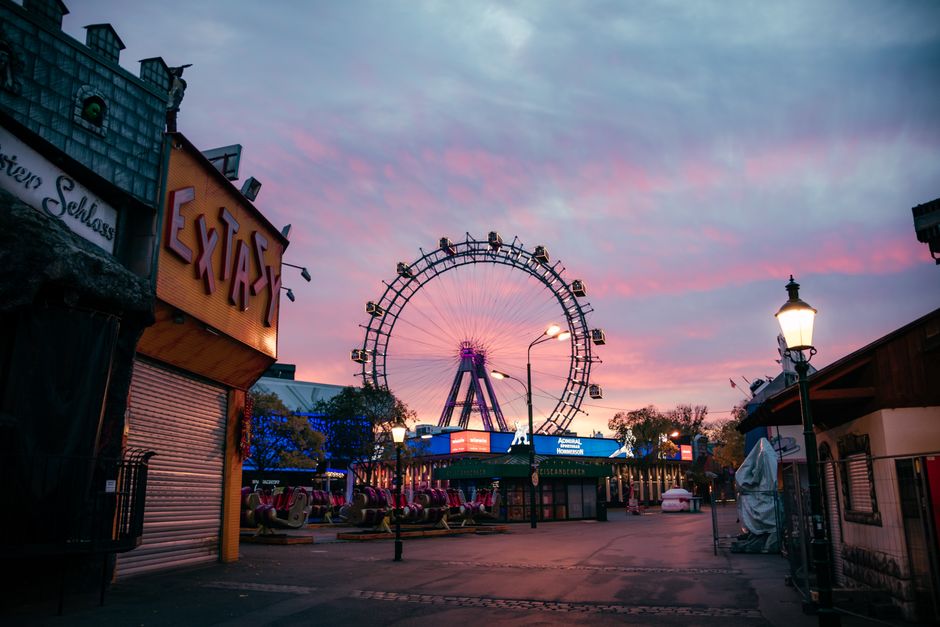
7. Prater's Imperial Hunting Grounds
Prater (Green Prater), Vienna, Austria
Beyond its famous amusement park, the Prater was once an imperial hunting ground, later opened to the public by a reforming emperor.
While many know the Prater for its Giant Ferris Wheel and amusement rides, much of its vast area remains a peaceful green oasis. Emperor Joseph II opened this former imperial hunting ground to the public in 1766, transforming it into a place for leisure and recreation. Explore the quieter 'Green Prater' paths for a serene escape, offering a historical perspective beyond the modern thrills.
Frequently asked questions
What's the best way to get around Vienna for a one-day trip?
Vienna's city center is very walkable, making it ideal for exploring on foot. For longer distances between attractions, the efficient public transport system (U-Bahn, trams, buses) is excellent. A 24-hour pass is a good option if you plan to use it frequently.
Is Vienna expensive for a day trip, and how can I budget?
Vienna can be moderate to expensive. To save money, consider packed lunches, use public transport, and look for free attractions like parks or walking tours. Many churches offer free entry, though donations are welcome. Focus on experiences rather than extensive shopping or high-end dining.
What's the best time of year to visit Vienna for a single day?
Spring (April-May) and Autumn (September-October) offer pleasant weather, fewer crowds than summer, and beautiful scenery. The mild temperatures are perfect for walking and outdoor exploration. Winter can be magical with Christmas markets, but also colder and shorter daylight hours.
How can AllTours.ai enhance my Vienna exploration?
AllTours.ai brings the stories of Vienna to life as you walk. Simply point your phone camera at any landmark or landscape, and the app instantly narrates its history, geology, and culture in your preferred language. It's like having a personal expert guide revealing the hidden details of every street, building, and park.
Related guides
Self-guided audio tours
Walk these places stop by stop — free five-stop story tours you can take at your own pace:
Photography via Pexels. AllTours.ai is an AI audio tour guide — point your camera at any landscape and hear its story.