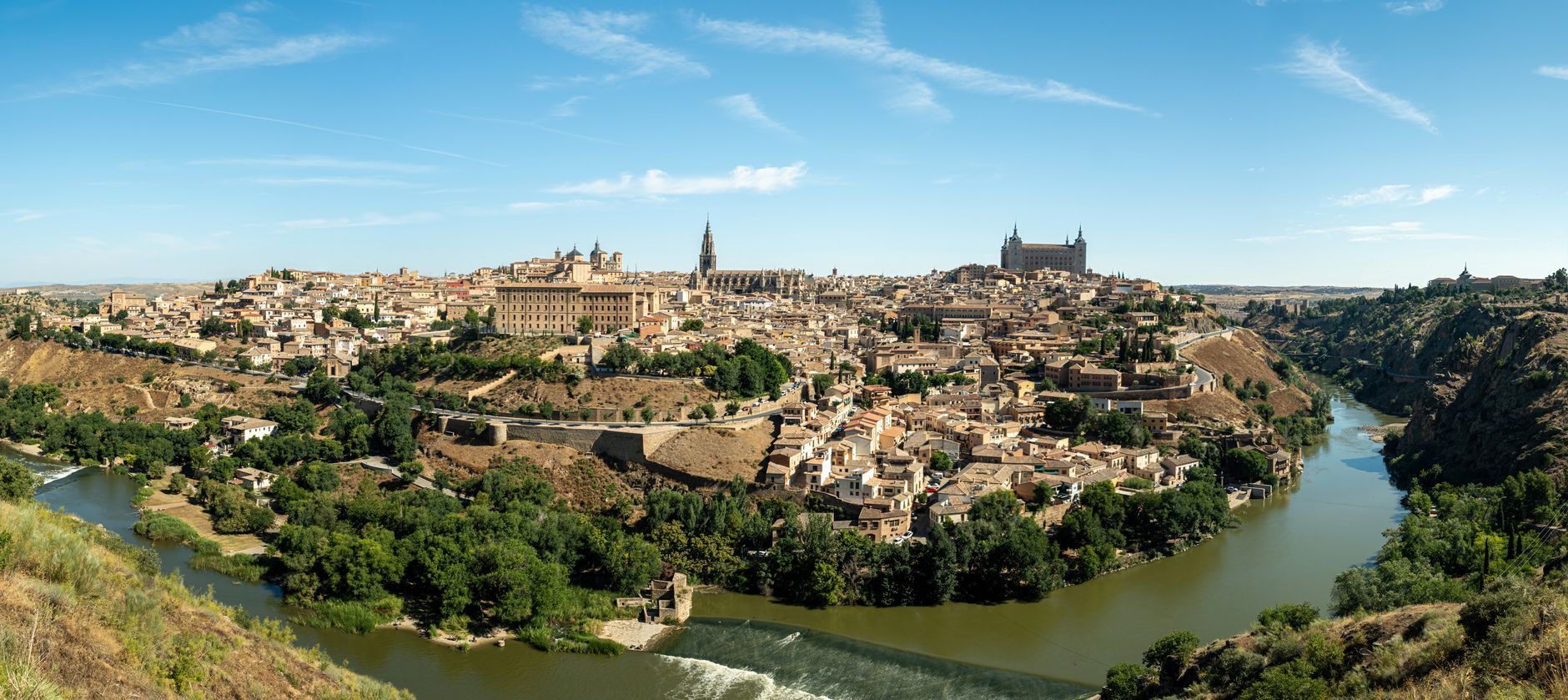
September 24, 2026 · 4 min read
Spain often conjures images of bustling Barcelona, regal Madrid, or the sun-drenched beaches of the Costa del Sol. While these destinations have their charm, many travelers seek a deeper, more authentic experience—one that doesn't deplete their savings. The question often arises: Which Spanish city offers the best immersion without being too expensive?
The good news is that Spain is brimming with incredible, lesser-known cities and towns that offer profound cultural immersion, stunning history, and vibrant local life, all at a fraction of the cost of the major hubs. We've curated a list of forgotten strongholds, artistic havens, and architectural marvels that promise an unforgettable journey beyond the well-trodden path.
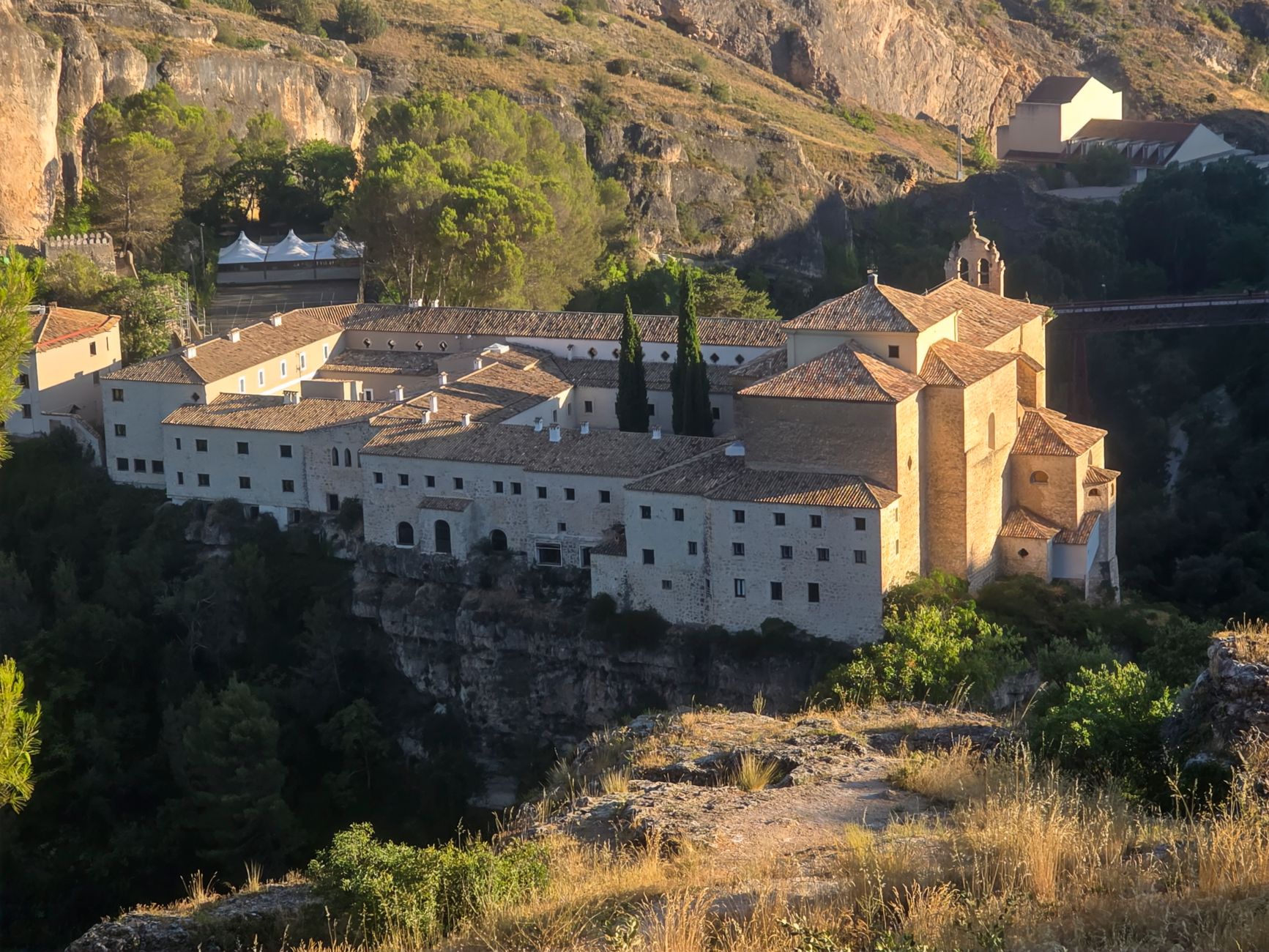
1. The City of Hanging Houses
Cuenca, Spain
Perched precariously on a sheer cliff face, Cuenca's iconic "hanging houses" defy gravity and centuries.
These medieval dwellings, known as *Casas Colgadas*, extend over the Huécar gorge, a testament to ingenious historic architecture. A UNESCO World Heritage site, Cuenca’s old town is a labyrinth of narrow streets, hidden squares, and stunning viewpoints, offering a unique blend of natural drama and human ingenuity far from common tourist trails.
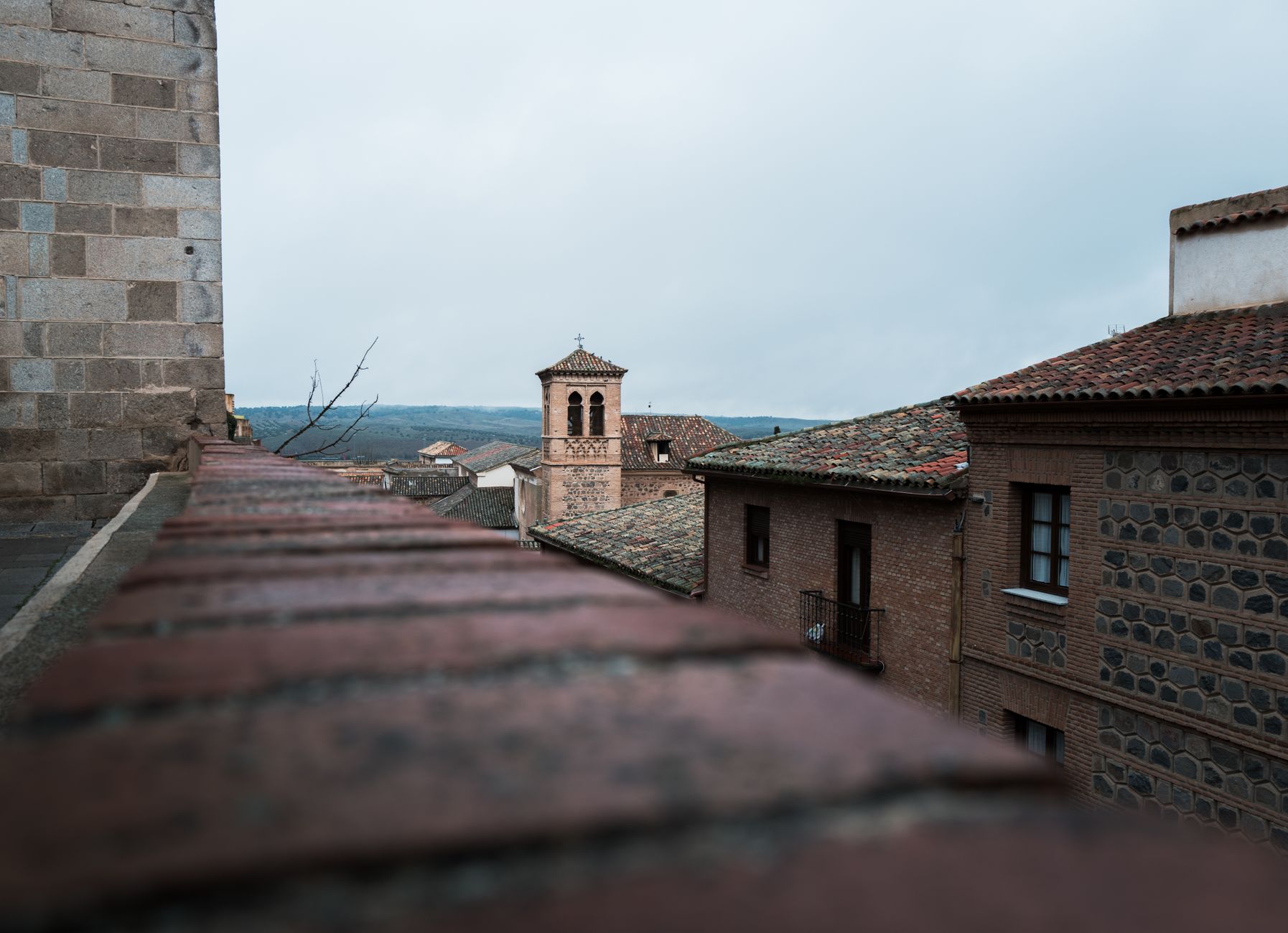
2. The Conquistador's Medieval Stronghold
Cáceres, Spain
This UNESCO city, a real-life set for fantasy epics, hides a history more powerful than any fiction.
Cáceres boasts one of the best-preserved medieval and Renaissance old towns in Europe. Its ancient walls enclose a labyrinth of palaces, fortified houses, and cobbled squares, reflecting Roman, Moorish, and Christian influences. Many conquistadors hailed from this region, leaving behind a legacy of grand architecture funded by New World wealth, creating a unique historical tapestry.
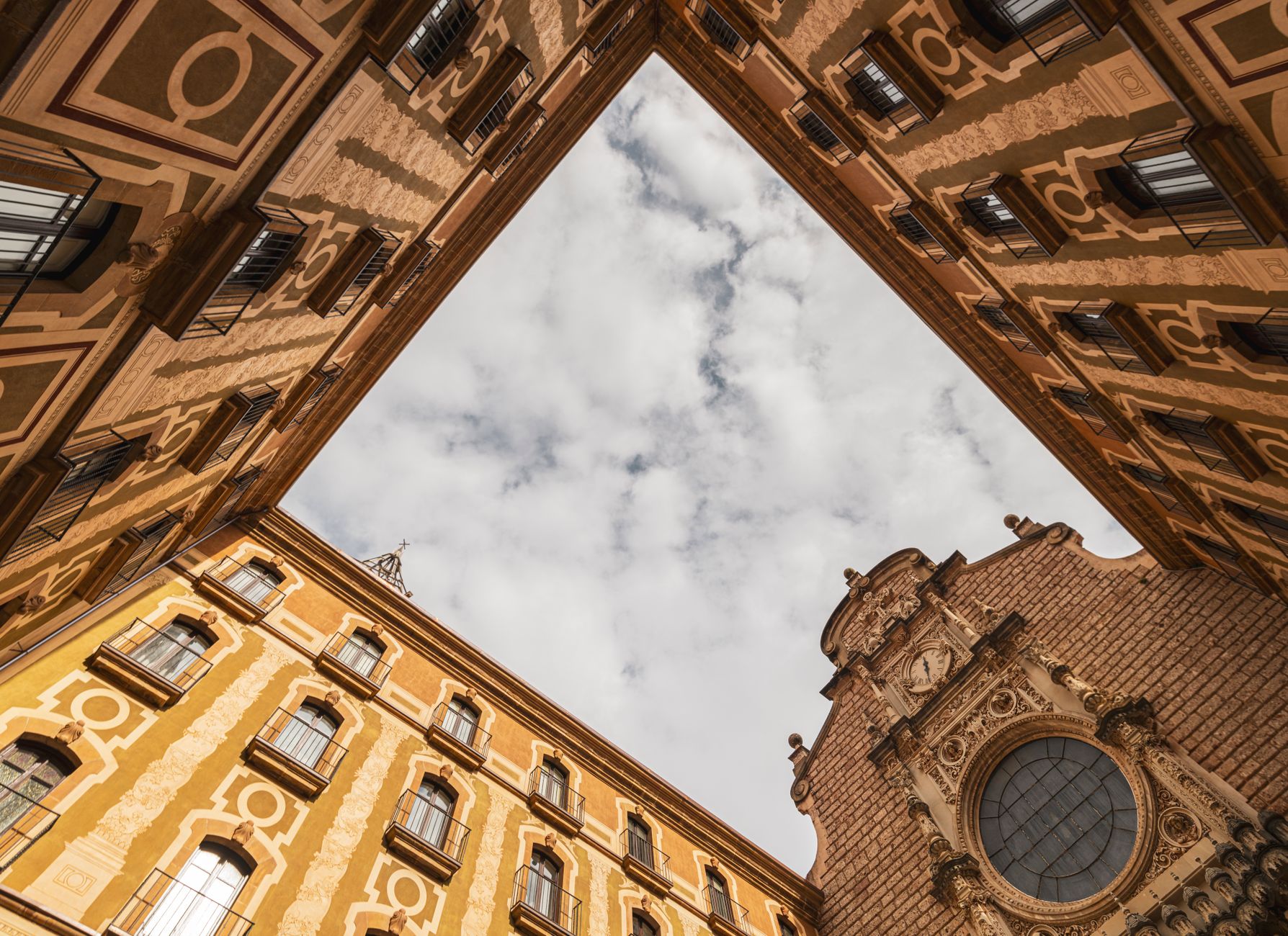
3. The City of Star-Crossed Lovers
Teruel, Spain
Two mummified lovers lie eternally side-by-side in a city adorned with a unique architectural style.
Teruel is renowned for the tragic legend of Diego and Isabella, Spain's own Romeo and Juliet, whose beautifully sculpted tombs are a pilgrimage site. Beyond this poignant romance, the city is a UNESCO World Heritage site celebrated for its exquisite Mudéjar architecture, a fusion of Islamic and Gothic styles visible in its towers and intricate brickwork, offering a distinct visual identity.
4. Walking the Undefeated Roman Walls
Lugo, Spain
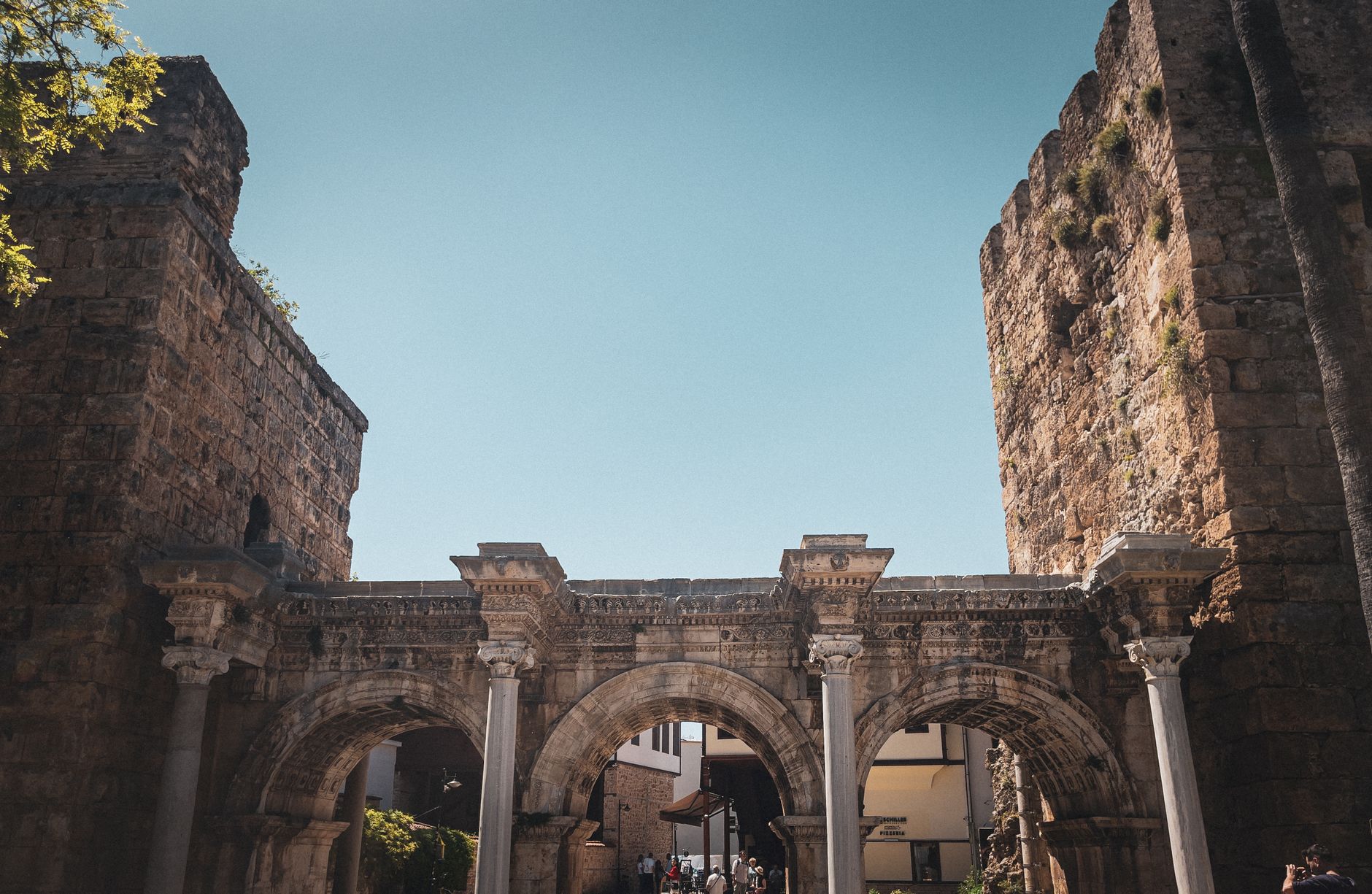
Lugo is the only city in the world still fully encircled by perfectly preserved, walkable Roman walls.
A UNESCO World Heritage site, Lugo's 3rd-century Roman walls stretch over 2 kilometers, featuring 71 surviving towers and ten gates. These ancient fortifications have never been breached, offering an unparalleled glimpse into Roman military engineering and urban planning. Walking atop them provides continuous panoramic views of both the historic city and the surrounding Galician landscape.
5. Andalusia's Ancient Overlook
Carmona, Spain
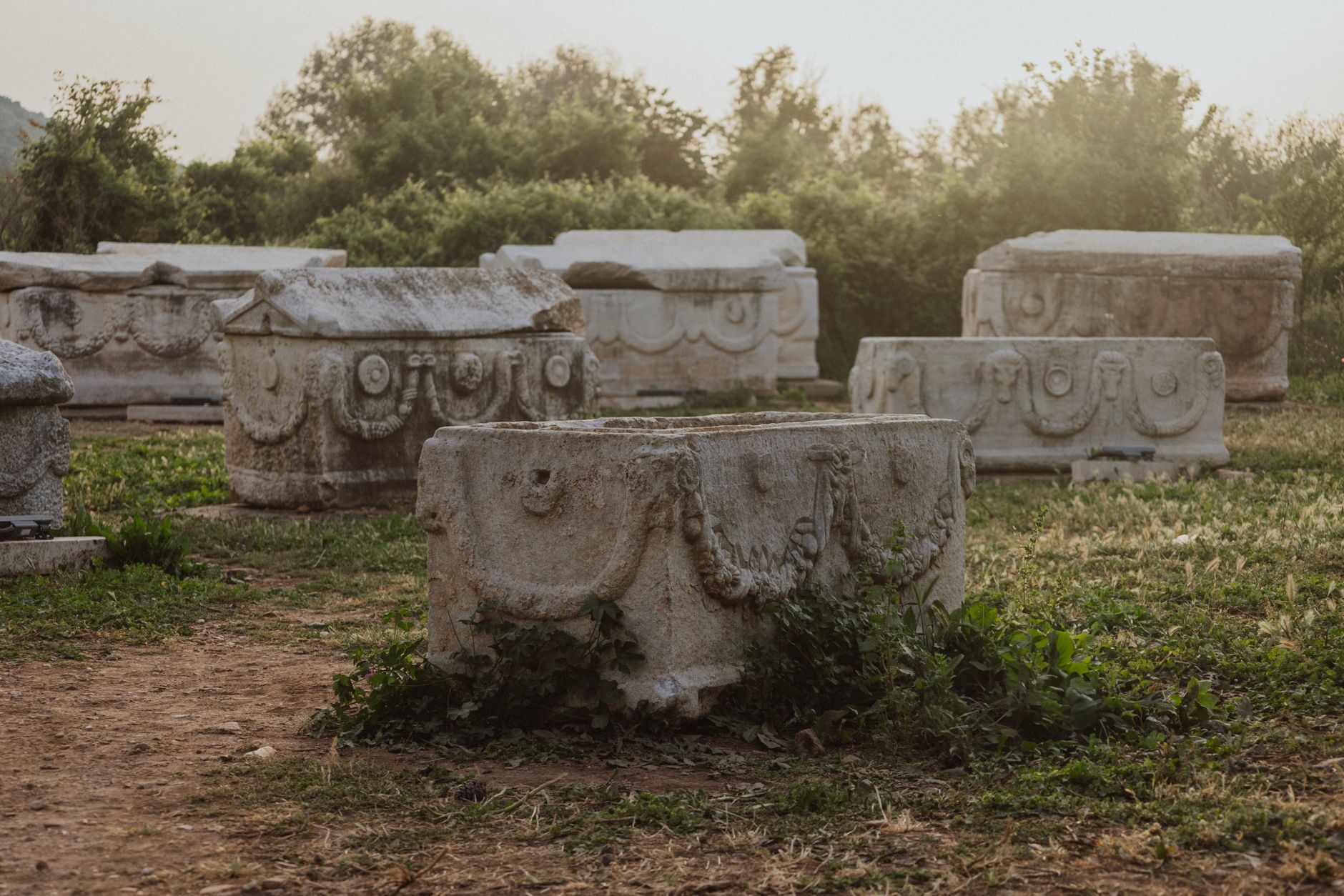
Beneath its charming white-washed streets, Carmona conceals a vast Roman necropolis and an ancient amphitheater.
Perched on a hill overlooking the fertile plains of the Vega del Corbones, Carmona boasts layers of history stretching back thousands of years. Its impressive Roman necropolis, with thousands of tombs carved into the rock, and a well-preserved amphitheater reveal its significance as a major Roman settlement. Above ground, the Alcázar de la Puerta de Sevilla and its picturesque old town offer authentic Andalusian charm.
6. Cradle of the Pre-Romanesque
Oviedo, Spain
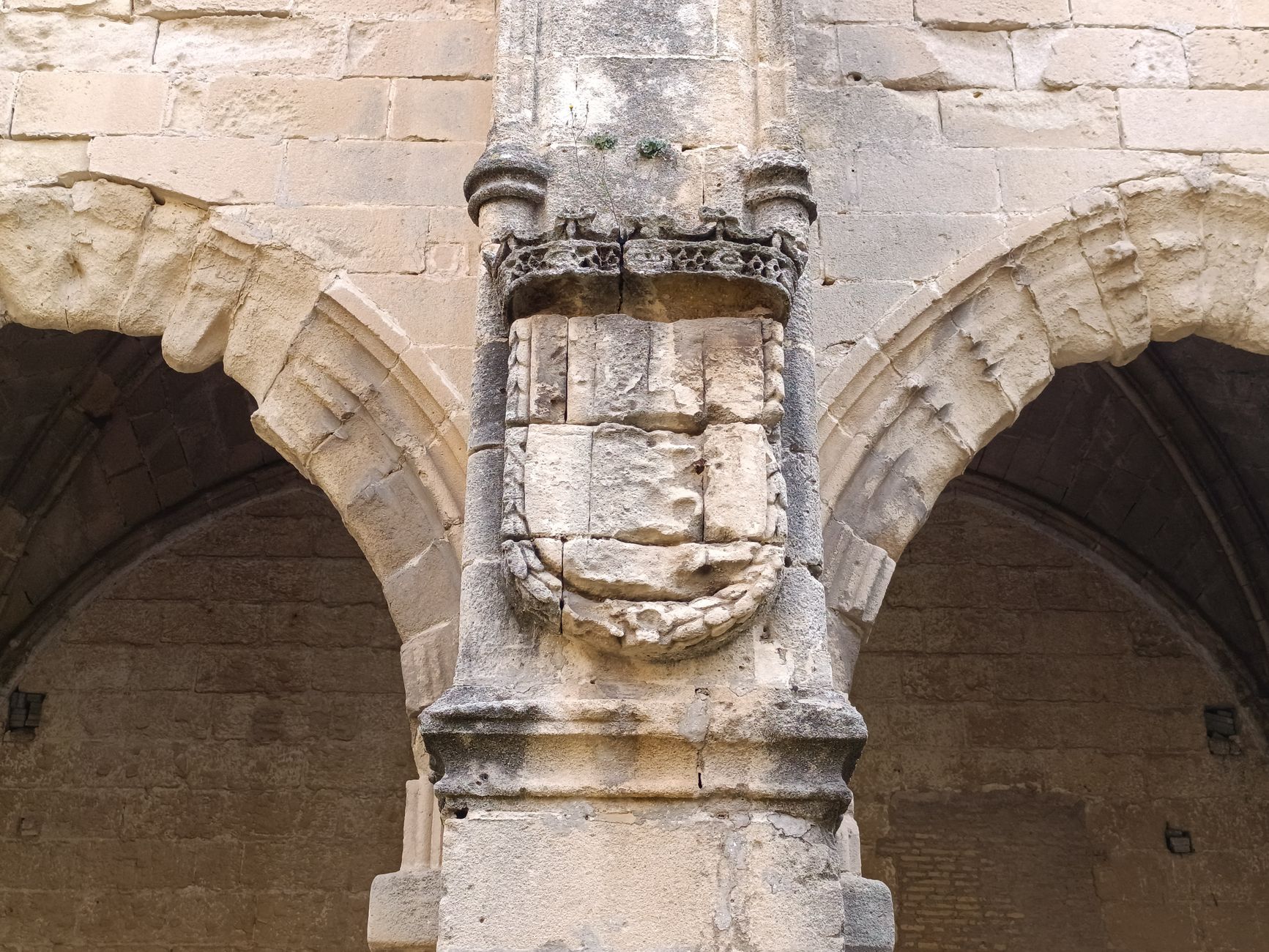
Home to some of Europe’s earliest and most unique Christian architecture, predating the grand Romanesque style.
Oviedo, the capital of Asturias, holds a treasure trove of pre-Romanesque monuments, several of which are UNESCO World Heritage sites. These 9th-century churches, like Santa María del Naranco and San Miguel de Lillo, showcase a distinct architectural style from the Kingdom of Asturias, representing a crucial phase in European art history. The city also offers a vibrant cider culture and a relaxed, elegant atmosphere.
7. The Pantheon of Kings' Forgotten Frescoes
León, Spain
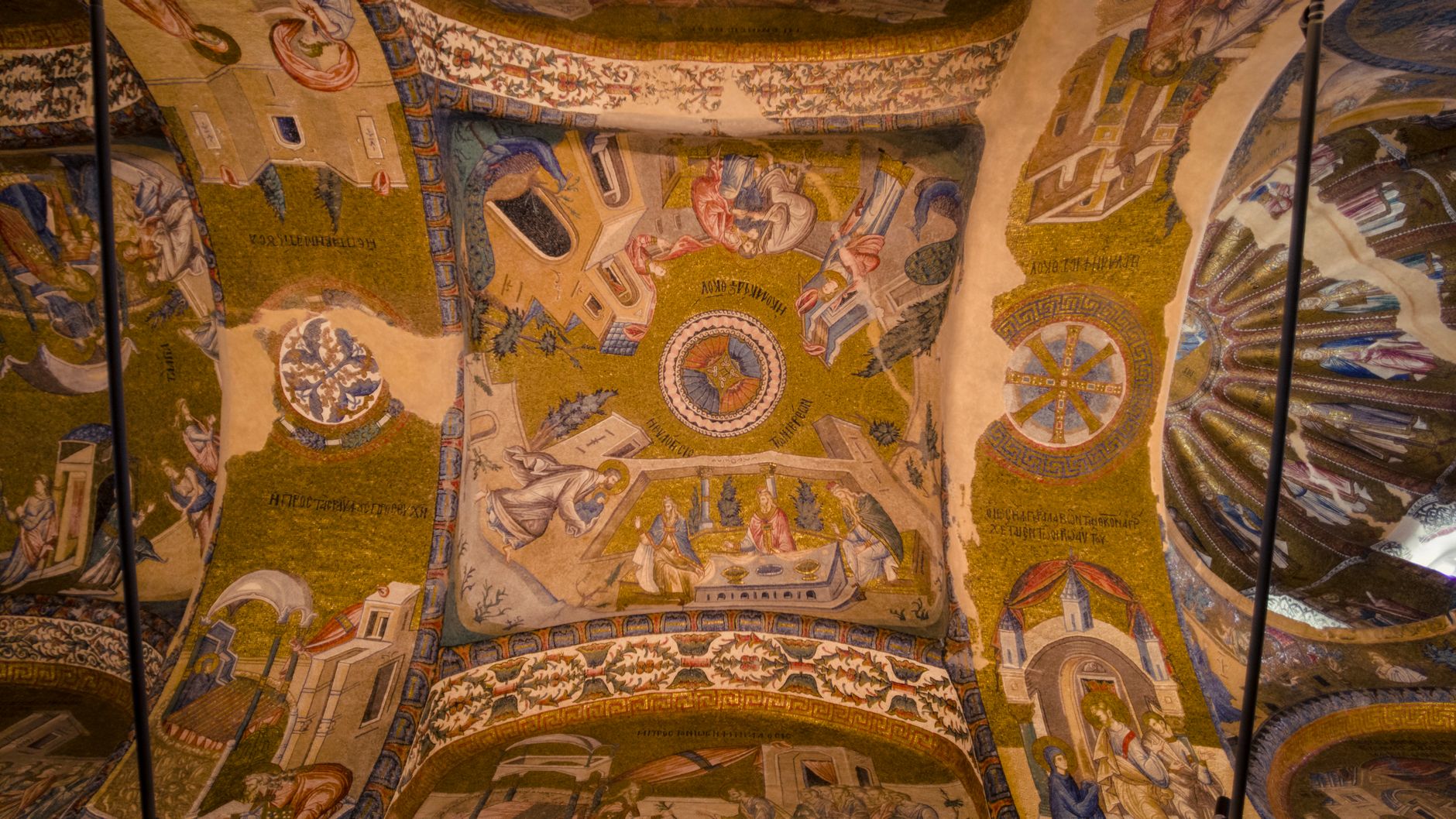
Its magnificent basilica houses a "Sistine Chapel of Romanesque art," a royal pantheon with stunning 11th-century frescoes.
The Basilica of San Isidoro in León is a masterpiece, particularly its Royal Pantheon, which serves as the burial place for 11th and 12th-century kings and queens of León. Its ceiling and walls are adorned with incredibly well-preserved Romanesque frescoes, depicting biblical scenes and daily life, earning it the moniker. León also boasts a spectacular Gothic cathedral and a rich culinary scene, making it a compelling cultural stop.

8. The Car-Free Medieval Gem
Pontevedra, Spain
An innovative city that transformed its historic center into a pedestrian paradise, winning international acclaim.
Pontevedra has gained global recognition for its pioneering urban planning, effectively banning cars from its compact and beautiful old town. This transformation has revitalized its medieval streets, squares, and *praza*s, allowing visitors to fully immerse themselves in its Galician atmosphere without traffic noise. The city’s well-preserved historic core is a joy to explore on foot, with lively plazas and excellent seafood restaurants.
Frequently asked questions
Is it really possible to travel in Spain without spending a lot?
Absolutely. While major cities like Madrid and Barcelona can be pricey, many smaller cities and towns offer incredible value. Accommodation, food, and local transport are often significantly cheaper, allowing for a deeper cultural experience without breaking the bank.
What's the best way to get around these lesser-known Spanish cities?
Spain has an excellent public transport network. High-speed trains connect many major cities, and regional trains or buses can take you to smaller towns. Once there, most historic centers are walkable, especially in places like Pontevedra.
Are these cities safe for solo travelers?
Yes, Spain is generally very safe for solo travelers, and these smaller, more authentic cities are no exception. Standard precautions apply, but you'll find a welcoming atmosphere. Many locals are happy to help, even with a language barrier.
How can AllTours.ai help me explore these unique Spanish destinations?
AllTours.ai is your personal AI audio tour guide. Simply point your phone camera at a landmark, a historical building, or even a natural landscape in any of these cities, and the app will instantly narrate its rich history, geological formation, and cultural significance in your preferred language, bringing every detail to life.
Related guides
Photography via Pexels. AllTours.ai is an AI audio tour guide — point your camera at any landscape and hear its story.