September 13, 2026 · 5 min read
Recent discussions among some Canadians regarding a potential boycott of US goods and travel have sparked debate on both sides of the border. These conversations often stem from evolving political landscapes, trade disagreements, or differing policy perspectives, leading many to wonder about the potential economic and cultural ripple effects across North America.
While such discussions underscore the dynamic relationship between these two closely tied nations, they also invite us to look beyond immediate headlines and explore the enduring, rich tapestry of stories woven into the very fabric of the United States. From ancient civilizations that rivaled European cities to geological anomalies shaped by cataclysmic events, America's landscapes are replete with fascinating, often overlooked narratives that transcend contemporary politics.
1. America's Forgotten Metropolis
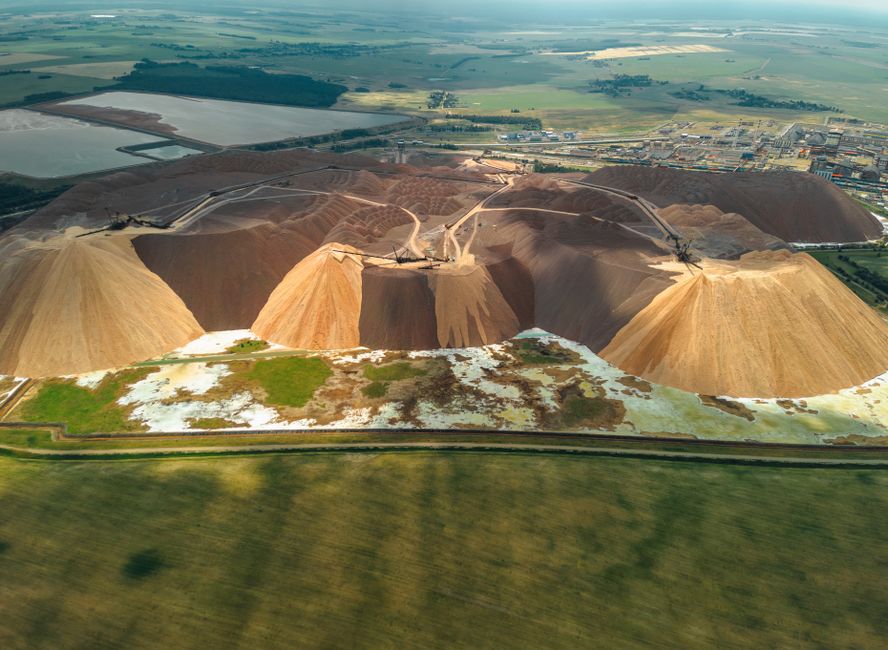
Collinsville, Illinois, USA
Just across the Mississippi from modern St. Louis lies the remnants of a bustling pre-Columbian city, once larger than London.
Before European arrival, Cahokia was the largest and most sophisticated pre-Columbian settlement north of Mexico, peaking around 1050-1200 AD with an estimated population of 10,000-20,000. Its central feature, Monks Mound, is the largest earthen structure in North America, a testament to the complex Mississippian culture that thrived here. This vast urban center featured advanced planning, elaborate social structures, and a sophisticated understanding of astronomy, evidenced by its woodhenges.
2. The Scars of an Ice Age Flood
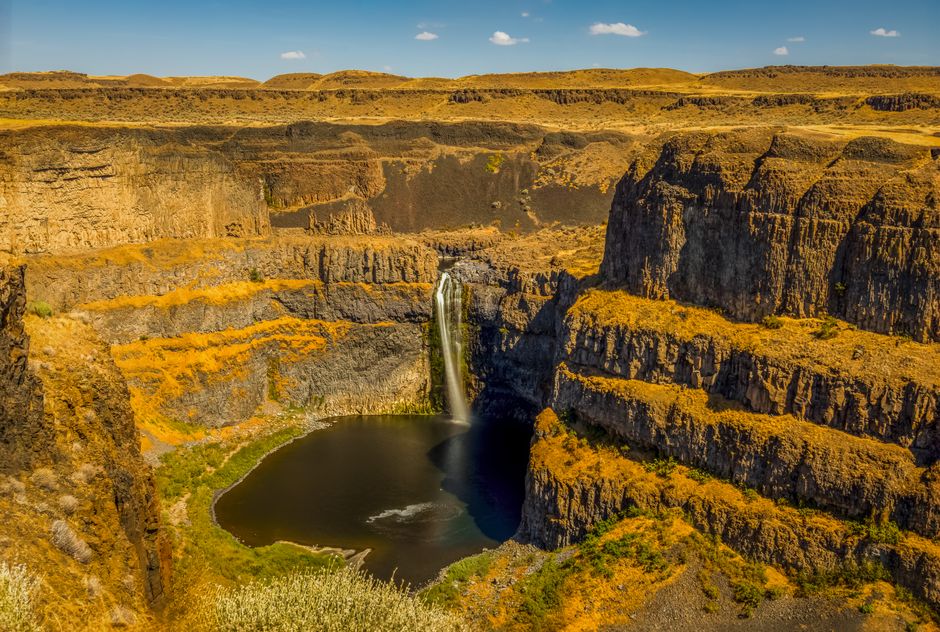
LaCrosse, Washington, USA
Palouse Falls wasn't carved by a slow-moving river, but by catastrophic megafloods at the end of the last Ice Age.
This dramatic waterfall and canyon are a stark geological reminder of the Missoula Floods, a series of cataclysmic events that occurred over 10,000 years ago when ice dams broke, unleashing massive torrents across eastern Washington. These floods scoured the landscape, carving out the Palouse River's current course and leaving behind the channeled scablands. The falls plunge into a deep canyon, revealing layers of ancient basalt rock, a testament to the sheer power of water on an unimaginable scale.
3. Remote Fort, Untouched Reefs
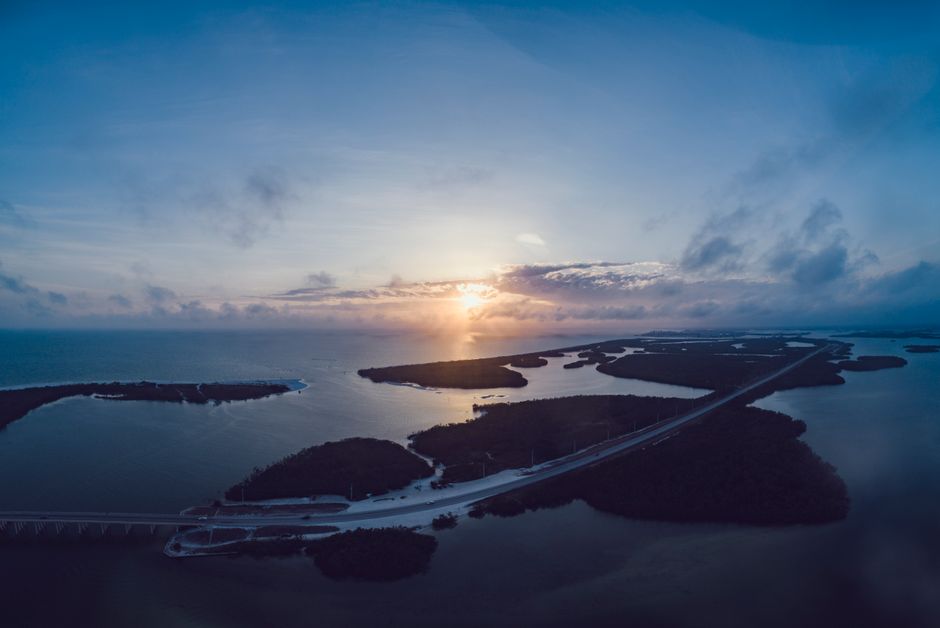
Key West, Florida, USA
Seventy miles west of Key West, a remote island fort tells tales of Civil War prisons and vibrant marine life.
Accessible primarily by ferry or seaplane, Dry Tortugas National Park is a cluster of seven small islands, dominated by the massive 19th-century Fort Jefferson. This imposing hexagonal brick fortress, never fully completed or armed, served as a Union prison during the Civil War, famously housing Dr. Samuel Mudd, implicated in Lincoln's assassination. Beyond its historical significance, the park is a vital natural habitat, boasting pristine coral reefs, abundant sea turtle nesting grounds, and a rich diversity of birdlife, making it a unique blend of history and ecological wonder.
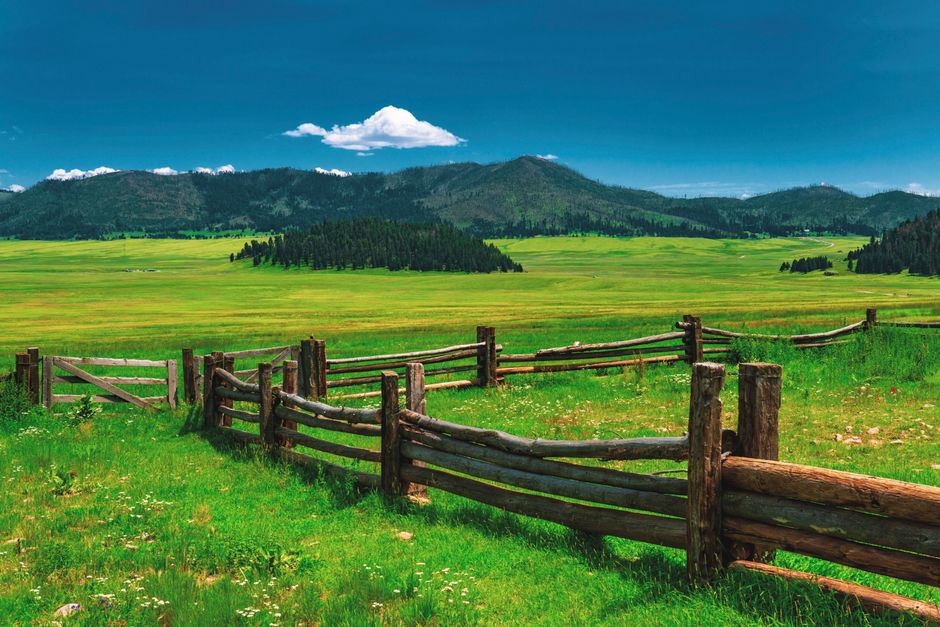
4. A Supervolcano's Grassy Heart
Jemez Springs, New Mexico, USA
This vast, circular grassland is actually the collapsed crater of an ancient supervolcano, still simmering with geothermal activity.
Valles Caldera is one of the largest calderas in the world, formed by a series of massive volcanic eruptions millions of years ago, the last one occurring roughly 1.25 million years ago. Today, its 13-mile-wide crater floor is a spectacular high-altitude grassland, dotted with dome-shaped resurgent volcanoes, hot springs, and streams. This unique ecosystem supports diverse wildlife, including large elk herds, and has been a significant cultural landscape for indigenous peoples for millennia, offering both scientific intrigue and breathtaking natural beauty.
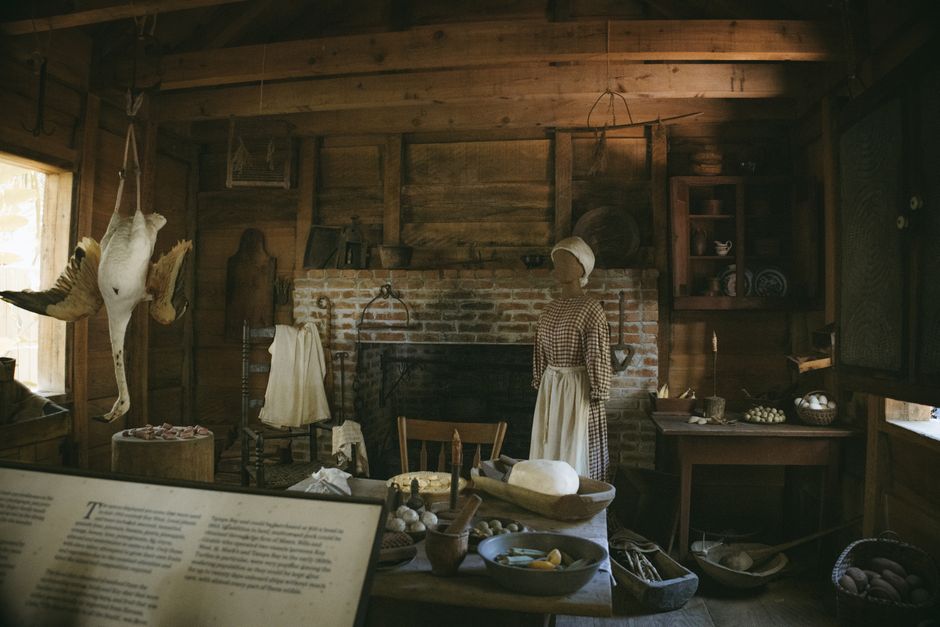
5. A Utopian Vision in the Heartland
Amana, Iowa, USA
For over 80 years, seven German Pietist villages here lived a communal life, sharing all property and resources.
Founded in the mid-19th century by German Inspirationists seeking religious freedom, the Amana Colonies established a unique communal society that thrived until 1932. Residents lived a self-sufficient life, with each village having its own kitchens, bakeries, and workshops, all property held in common. While the communal system ended during the Great Depression, the colonies retain much of their distinct German heritage, architecture, and craft traditions, offering a glimpse into an extraordinary experiment in utopian living in the American heartland.
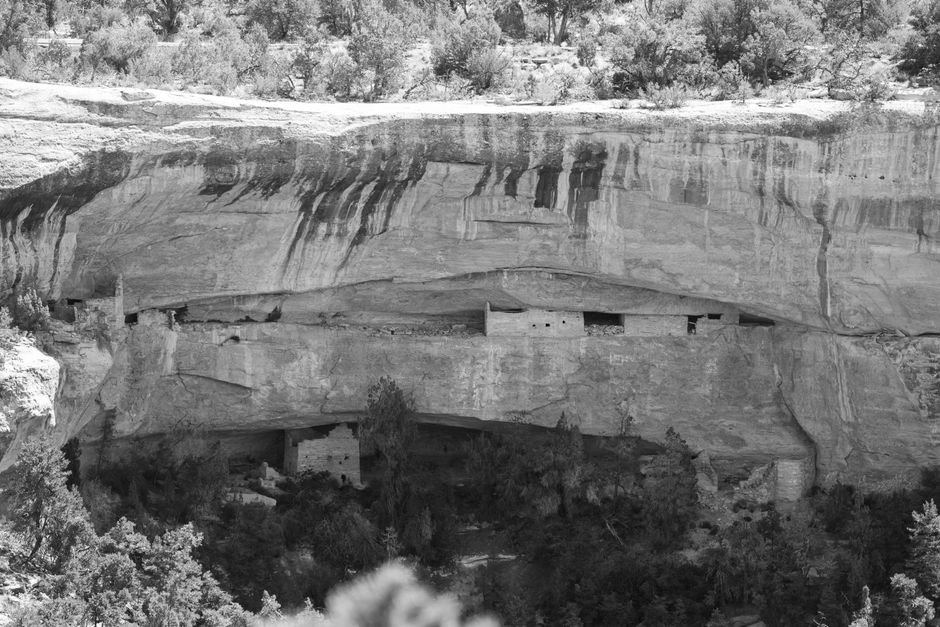
6. Homes Carved into Nature's Shelters
Silver City, New Mexico, USA
Tucked high in natural caves, these well-preserved dwellings were built by the Mogollon people over 700 years ago.
The Gila Cliff Dwellings offer a rare and intimate look into the lives of the Mogollon culture, who inhabited this rugged wilderness between the late 1200s and early 1300s. Constructed within naturally occurring caves in the cliffs of the Gila Wilderness, these sophisticated stone and mud dwellings provided shelter and defense. The site includes approximately 40 rooms across several caves, showcasing the ingenuity and resourcefulness of a people who adapted to and thrived in a challenging desert mountain environment, leaving behind a tangible link to their ancient world.
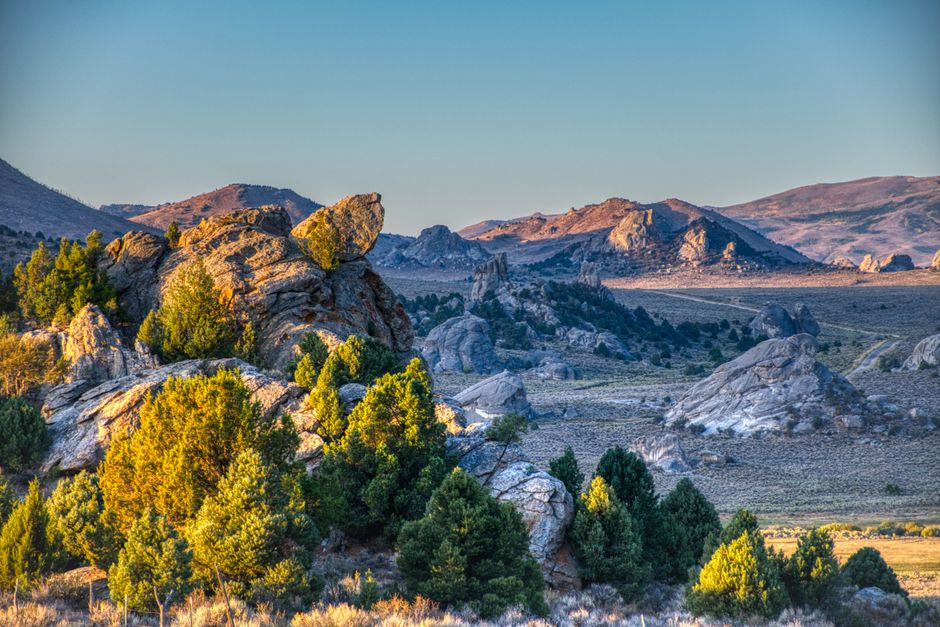
7. The Pioneers' Granite Canvas
Almo, Idaho, USA
Towering granite spires here bear the inscribed names of thousands of pioneers who passed through on the California Trail.
Known as the "Register of the Desert," the City of Rocks was a vital landmark and resting spot for emigrants traveling west on the California Trail in the mid-19th century. Its extraordinary granite formations, sculpted by millennia of erosion, rise dramatically from the high desert landscape. Pioneers, including many famous figures, etched their names, dates, and messages into the soft monzonite rock, creating a unique historical record. Today, it remains a popular destination for rock climbers and history enthusiasts, offering a tangible connection to America's westward expansion.
8. An Ancient River Flows North
Glen Jean, West Virginia, USA
This "new" river is actually one of the oldest in the world, renowned for flowing against the grain—from south to north.
Despite its name, the New River is geologically ancient, estimated to be between 10 and 360 million years old, making it one of the oldest rivers on Earth, second only to the Nile. Its unusual north-flowing direction is a relic of pre-continental drift drainage patterns, cutting a deep, rugged gorge through the Appalachian Mountains. Now a national park, the gorge is a biodiversity hotspot, home to unique flora and fauna, and offers world-class whitewater rafting, climbing, and hiking, all against a backdrop of breathtaking, ancient geology.
Frequently asked questions
What is the main reason for Canadians discussing a boycott of the US?
The discussion often arises from political disagreements, trade disputes (like softwood lumber or dairy), or concerns over US policies impacting Canadian interests. It's typically a response to perceived economic or diplomatic slights or a desire to influence policy decisions.
What would be the economic impact of a significant Canadian boycott on US trade?
While Canada is a major trading partner for the US, a widespread boycott, especially of consumer goods or tourism, could impact specific US border states and industries. However, the intertwined nature of the economies makes a truly comprehensive, long-term boycott challenging and costly for both sides.
Are there alternatives to visiting popular US tourist destinations?
Absolutely. The US is vast, offering countless underrated national parks, historic sites, and cultural experiences far from the typical tourist routes. From ancient indigenous cities to geological wonders shaped by megafloods, there's a wealth of unique stories waiting to be discovered across the country.
How can the AllTours.ai app enhance my travel experience to these lesser-known sites?
AllTours.ai uses your phone's camera to identify landmarks and landscapes, then narrates their history, geology, and culture in your language. Imagine pointing your camera at Cahokia Mounds or Valles Caldera and instantly hearing its millennia-old story, bringing these hidden gems to vivid life as you explore.
Related guides
Photography via Pexels. AllTours.ai is an AI audio tour guide — point your camera at any landscape and hear its story.