July 19, 2026 · 4 min read
Provincetown, Massachusetts, is more than just a picturesque cape-end town; it's a vibrant tapestry woven from art, rebellion, and deep-rooted history. For an iconoclast like John Waters, the appeal lies not just in its scenic beauty, but in its unapologetic embrace of the unconventional. He found a creative haven in this seaside idyll, a place where the fringe is celebrated and the past whispers tales of daring individuals.
To truly understand why John Waters moved to Provincetown, you need to look beyond the bustling Commercial Street. Its true character emerges in its hidden corners, its remote shores, and its buildings with storied pasts. These are the places that shaped P'town's unique identity, offering glimpses into the lives of artists, radicals, and rugged seafarers who made this town their own.
1. The Dune Shacks' Isolated Artistry
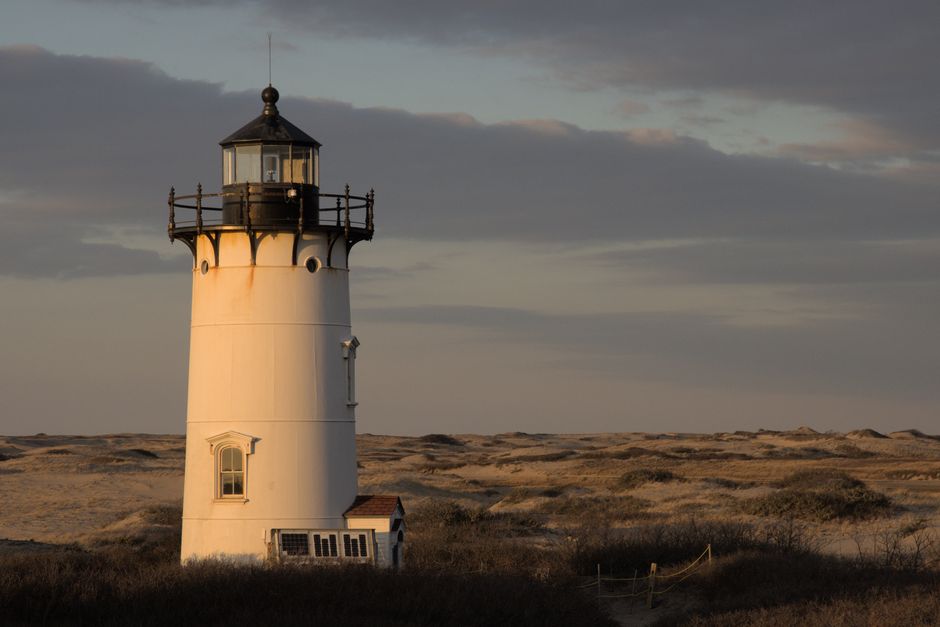
Peaked Hill Bars Historic District, Provincetown, USA
Remote shacks in the dunes once housed famed artists and writers living off the grid, creating masterpieces in stark isolation.
Tucked away in the vast, shifting dunes of the Cape Cod National Seashore, these rustic shacks offered a refuge for creatives like Eugene O'Neill and Jack Kerouac. With no electricity or running water, residents embraced a minimalist existence, drawing inspiration from the raw, untamed landscape. This deliberate detachment from the modern world fostered a unique artistic freedom, shaping many significant American works.
2. Mary Heaton Vorse's Radical Salon
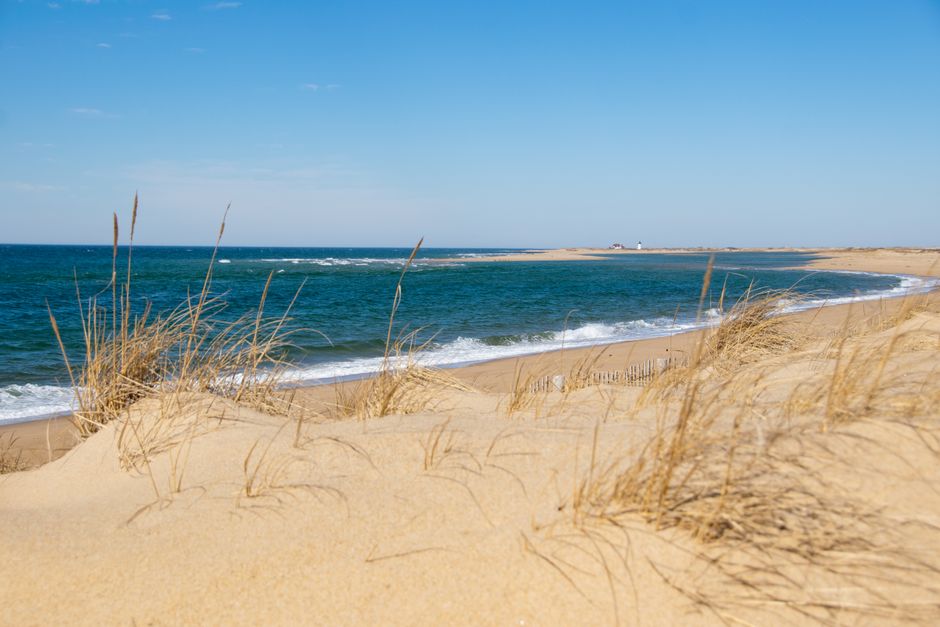
Mary Heaton Vorse House, Provincetown, USA
This unassuming house was once a hotbed for socialist thinkers and avant-garde artists, a crucible for radical American ideas.
Mary Heaton Vorse, a pioneering journalist and labor activist, hosted a salon here that drew a who's who of early 20th-century American intelligentsia. Figures like John Reed and Louise Bryant debated politics and art, shaping the intellectual landscape of their time. The house became a vital center for the Provincetown Players, an influential experimental theater group that revolutionized American drama, launching Eugene O'Neill's career.
3. A Schooner Sails Through the Library
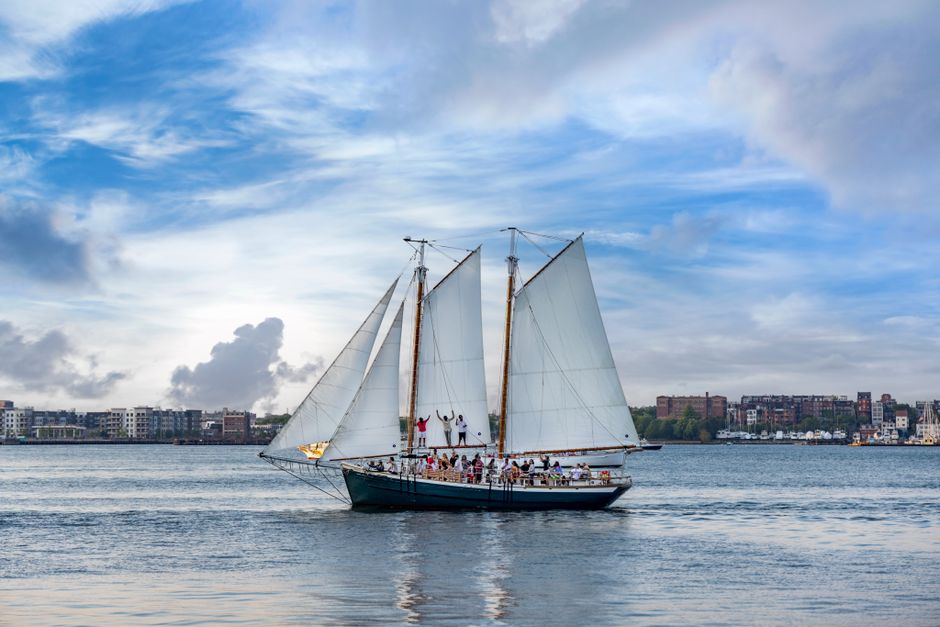
Provincetown Public Library, Provincetown, USA
Inside a former Methodist church, a meticulously crafted, half-scale fishing schooner 'sails' above the bookshelves.
The Provincetown Public Library, housed in a grand 1860 former church, boasts an unexpected centerpiece: the Rose Dorothea. This exact replica of a Grand Banks fishing schooner hangs majestically in the main hall. Built by local craftsmen, it honors Provincetown's rich Portuguese fishing heritage and the real Rose Dorothea, which won the 1907 Lipton Cup. It's a whimsical, yet deeply reverent, tribute to the town's maritime past.
4. Heroism at Old Harbor Station
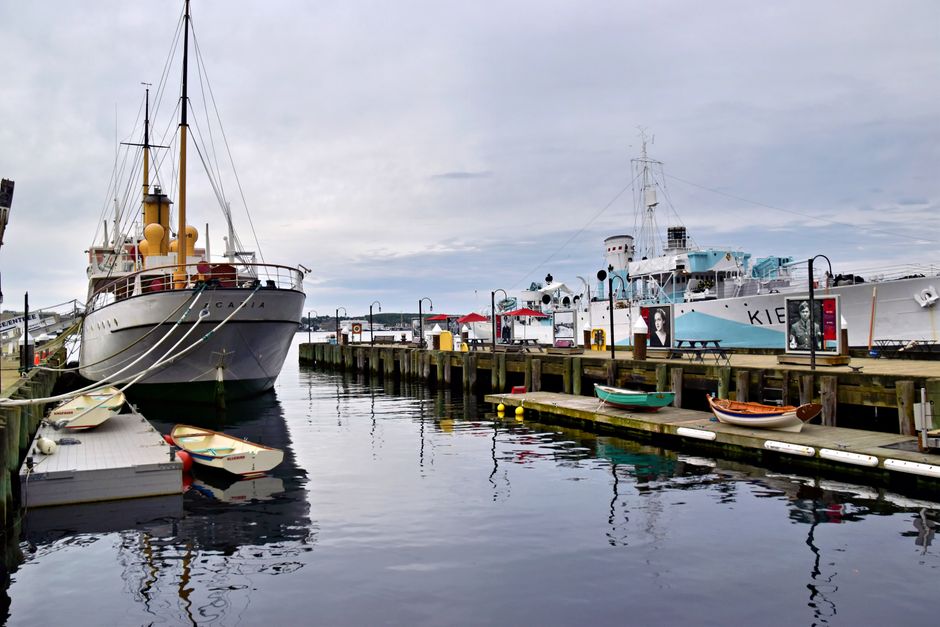
Old Harbor Life-Saving Station Museum, Provincetown, USA
At a remote beach, an historic station recounts the harrowing bravery of lifesavers who rescued countless shipwrecked sailors.
Relocated from Chatham to Race Point Beach, the Old Harbor Life-Saving Station stands as a testament to the U.S. Life-Saving Service. From this isolated outpost, crews launched surfboats into raging storms, often risking their own lives to save others from the treacherous waters off Cape Cod. The museum preserves the stories and equipment of these unsung heroes, offering a stark reminder of the ocean's power and human resilience.
5. The Unseen 'Sinking Ship'
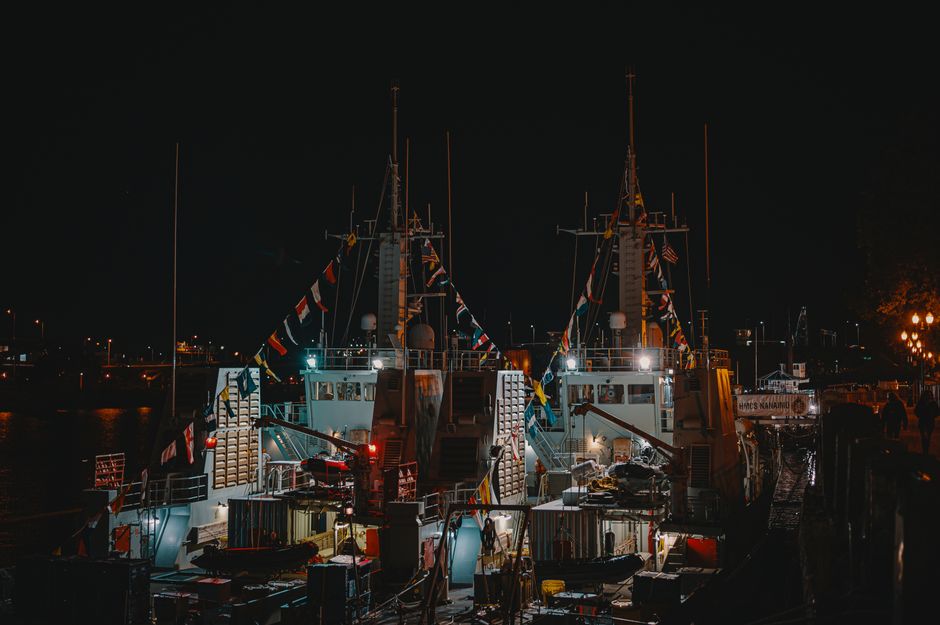
MacMillan Pier, Provincetown, USA
Past the bustling pier, a skeletal, leaning wooden structure known locally as 'The Sinking Ship' stands as a weathered monument to time and tides.
While tourists crowd the front of MacMillan Pier, few venture to its far end where this enigmatic structure resides. It's a remnant of an older section of the pier, or perhaps a long-abandoned dock, battered by decades of storms and sea spray. Its precarious tilt and decaying timber create a haunting, photogenic silhouette against the harbor, a favorite spot for local artists and those seeking a quieter view of P'town's working waterfront.
6. Long Point's Vanished Village
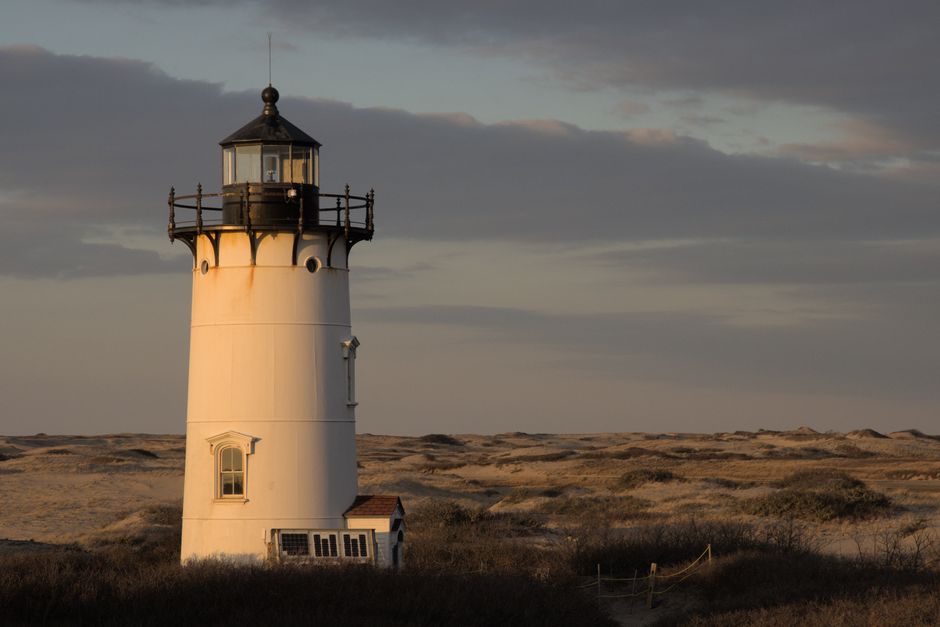
Long Point Lighthouse, Provincetown, USA
Reaching this isolated lighthouse reveals not just a beacon, but the ghost of a bustling 19th-century fishing and salt-making village that vanished into the sand.
Accessible by a long walk across the breakwater or by ferry, Long Point was once a self-sufficient community with a schoolhouse, stores, and homes. Its inhabitants, mostly salt workers and fishermen, thrived there for decades before the shifting sands and economic changes forced them to relocate to Provincetown proper. Today, only the historic lighthouse and a few foundations remain, whispering tales of a resilient community that once stood against the elements.
7. Portuguese Square's Enduring Heart
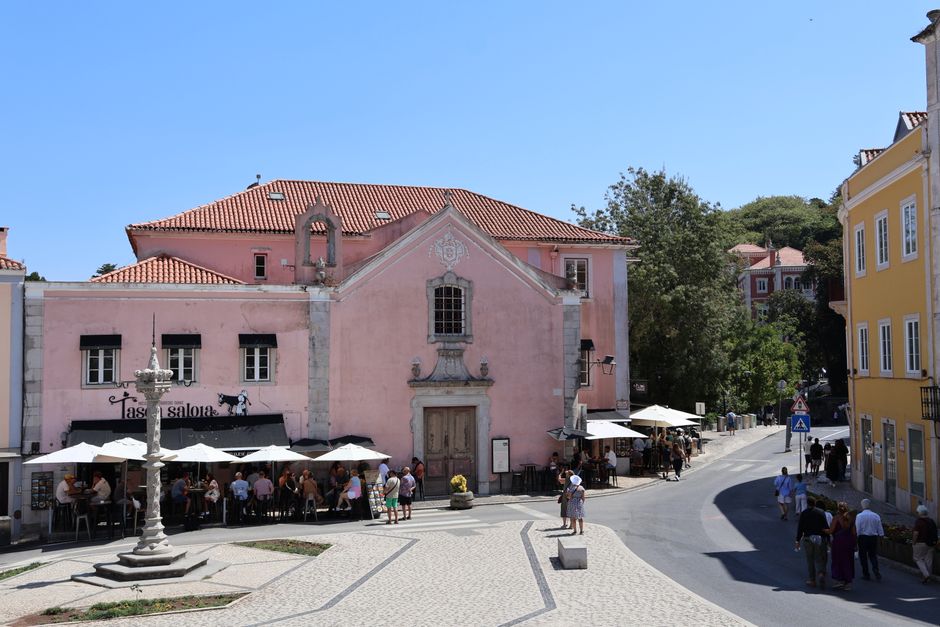
Portuguese Square, Provincetown, USA
Beyond the monuments, this square embodies the deep, enduring cultural legacy of the Portuguese fishing families who built much of Provincetown.
While often viewed as a stop on the way to the pier, Portuguese Square is the vibrant heart of a community whose roots run deep. The traditions, language, and work ethic of Portuguese immigrants shaped Provincetown's identity more than any other group, particularly its fishing industry. Look closely at the surrounding buildings and businesses; they are often still family-owned, representing generations of dedication to the town's maritime spirit and cultural heritage.
Frequently asked questions
Is Provincetown a good place to visit in the off-season?
Provincetown offers a distinct charm in the off-season, with quieter streets, brisk beach walks, and a focus on local culture. Many art galleries and restaurants remain open, and the natural beauty of the Cape Cod National Seashore is especially serene without the summer crowds.
What is Provincetown known for culturally?
Culturally, Provincetown is renowned for its vibrant arts scene, LGBTQ+ friendliness, and a rich history as an artists' colony and a haven for radical thinkers. It boasts numerous galleries, live performance venues, and a year-round creative community.
Are there historical walking tours available in Provincetown?
Yes, Provincetown has several historical walking tours that delve into its Pilgrim landing site, maritime past, and artistic heritage. Many focus on specific themes or neighborhoods, offering a deeper understanding of the town's unique character.
How can AllTours.ai help me explore Provincetown?
AllTours.ai transforms your phone into an AI audio tour guide. Simply point your camera at a landmark, a historical building, or even a natural landscape in Provincetown, and the app will instantly narrate its history, geological significance, and cultural stories in your preferred language. It's like having a local expert by your side, ready to reveal the hidden narratives of every spot you encounter.
Related guides
Photography via Pexels. AllTours.ai is an AI audio tour guide — point your camera at any landscape and hear its story.