September 7, 2026 · 4 min read
In an era of rapid technological advancement, from AI transforming daily tasks to space tourism inching closer to reality, it's striking how little the core experience of commercial air travel has evolved. While internal systems have become more sophisticated and flights marginally more efficient, the fundamental design of aircraft and the process of flying largely resemble what they were decades ago.
But perhaps this perceived stagnation in the 'how' of travel allows us to appreciate the enduring 'where' even more. The world is full of places that tell stories of immense stability, slow geological artistry, or human ingenuity that has stood the test of millennia. These are the destinations that remind us that true wonder often comes from what resists rapid change.
1. The Dawn of Civilization: Göbekli Tepe
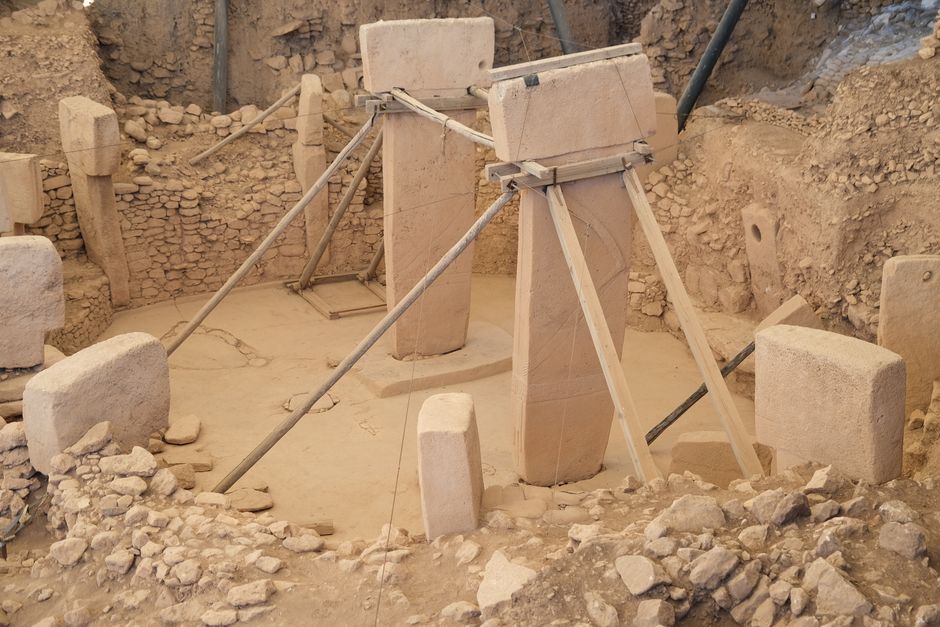
Göbekli Tepe, Turkey
Discovered in the 1990s, this site rewrites the timeline of human civilization and the origins of monumental architecture.
Predating Stonehenge by 6,000 years and the Egyptian pyramids by 7,000, Göbekli Tepe features massive carved stone pillars arranged in circular enclosures. Its construction by hunter-gatherers challenges the long-held belief that complex societies only emerged after agriculture. This sophisticated ceremonial site suggests that collective human effort and belief systems might have driven early settlement, not just the need for food.
2. Earth's Ancient Eye: The Richat Structure
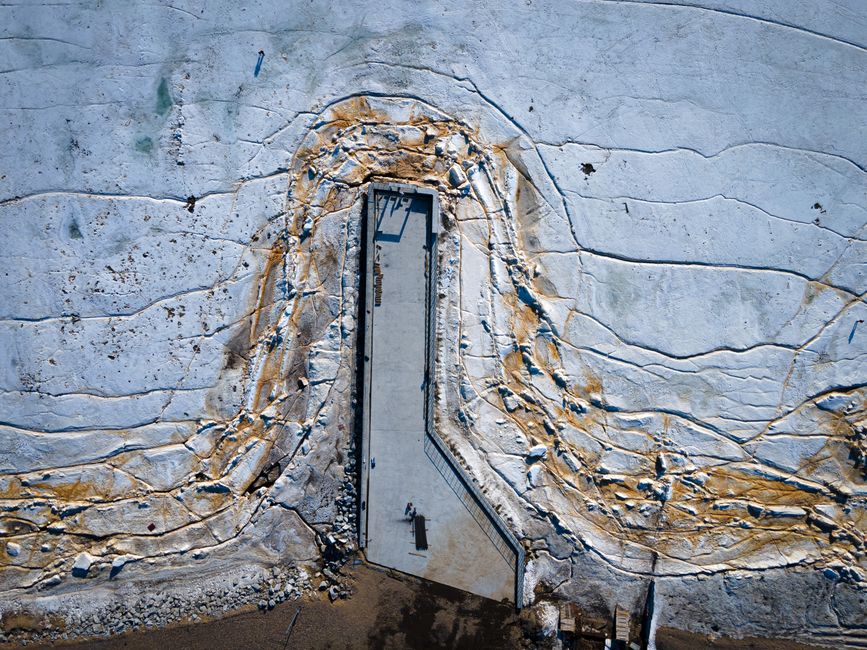
Richat Structure, Mauritania
From space, this vast circular geological feature resembles a colossal eye, yet its origins are entirely natural, sculpted over millions of years.
Once speculated to be a meteorite impact crater due to its perfect circularity, the Richat Structure is now understood as a deeply eroded geological dome, nearly 30 miles (50 kilometers) in diameter. Layers of sedimentary rock, pushed upwards and then worn away by wind and water, reveal concentric rings of different rock types. It's a testament to Earth's immense, slow-acting forces, a landscape that has patiently evolved over eons.
3. Neolithic Preservation: Skara Brae
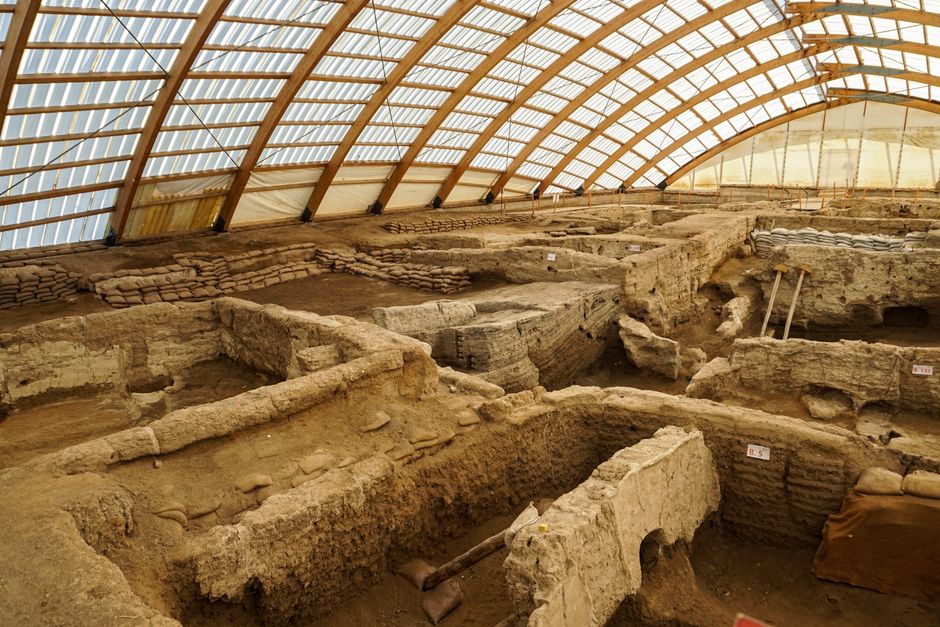
Skara Brae, Scotland
Buried by sand for millennia, this Neolithic village offers an astonishingly preserved glimpse into sophisticated ancient life predating the pyramids.
On the windswept Orkney Islands, Skara Brae emerged from sand dunes after a storm in 1850, revealing stone-built houses complete with beds, dressers, and storage boxes, all remarkably intact. Dating back 5,000 years, this UNESCO World Heritage site showcases a level of community planning and domestic comfort far beyond what was once imagined for prehistoric peoples. Its enduring presence, hidden from time, speaks to the resilience of human ingenuity.
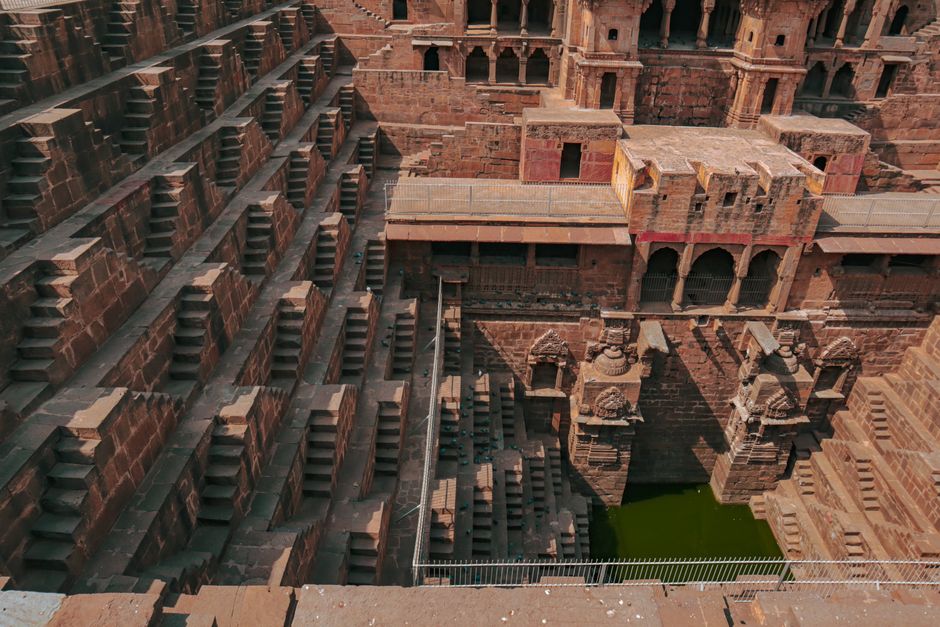
4. The Thousand-Year Thirst Quencher: Chand Baori
Chand Baori, India
This colossal 10th-century stepwell descends 13 stories into the earth with 3,500 narrow steps, a breathtaking architectural solution to water scarcity.
Located in the village of Abhaneri, Rajasthan, Chand Baori is one of the deepest and largest stepwells in India, built over a thousand years ago to provide reliable access to water in an arid region. Its intricate geometric design, a mesmerizing pattern of steps crisscrossing down to the water, also served as a cool communal gathering space during intense summer heat. This functional artistry stands as an enduring monument to ancient hydraulic engineering.
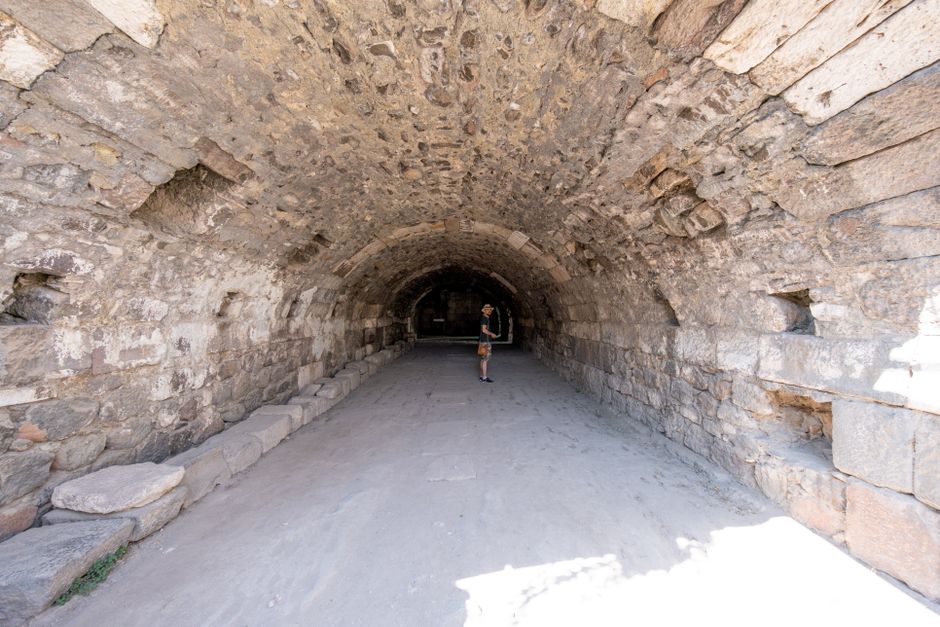
5. The Subterranean Metropolis: Derinkuyu Underground City
Derinkuyu Underground City, Turkey
Capable of sheltering 20,000 people along with their livestock and food supplies, this multi-level underground city was carved over centuries.
In Turkey's Cappadocia region, Derinkuyu is the deepest of several underground cities, extending over 18 stories below the surface. Equipped with ventilation shafts, wells, stables, churches, and even wineries, it was a self-sufficient refuge from invaders, used by early Christians for centuries. The meticulous planning and sheer scale of this subterranean world reveal an extraordinary human capacity for survival and community building, a marvel of ancient engineering hidden in plain sight.

6. Living Starlight: Waitomo Glowworm Caves
Waitomo Glowworm Caves, New Zealand
Deep within these caves, millions of tiny glowworms create a living, starry sky, a natural spectacle that has captivated visitors for over a century.
Located on New Zealand's North Island, the Waitomo Caves are famous for their unique resident, Arachnocampa luminosa – a species of glowworm found only here. These bioluminescent larvae hang from the cave ceilings, emitting a soft, ethereal blue-green light to attract prey, creating an otherworldly constellation that mirrors the night sky. This natural wonder, largely unchanged for millennia, offers a timeless spectacle of Earth's quiet, persistent magic.

7. The Ribbon of Time: The Wave
The Wave, Arizona, USA
A swirling masterpiece of Navajo Sandstone, this geological formation is a living canvas sculpted by wind and water over 190 million years.
Tucked away in the Paria Canyon-Vermilion Cliffs Wilderness, 'The Wave' is a fragile, ribbon-like rock formation renowned for its sinuous, undulating patterns and vibrant colors. Formed from ancient sand dunes that lithified into sandstone and were then eroded over eons, its delicate beauty is a testament to the slow, persistent artistry of geological processes. Access is highly restricted to preserve its pristine state, making it a truly exclusive, enduring natural wonder.
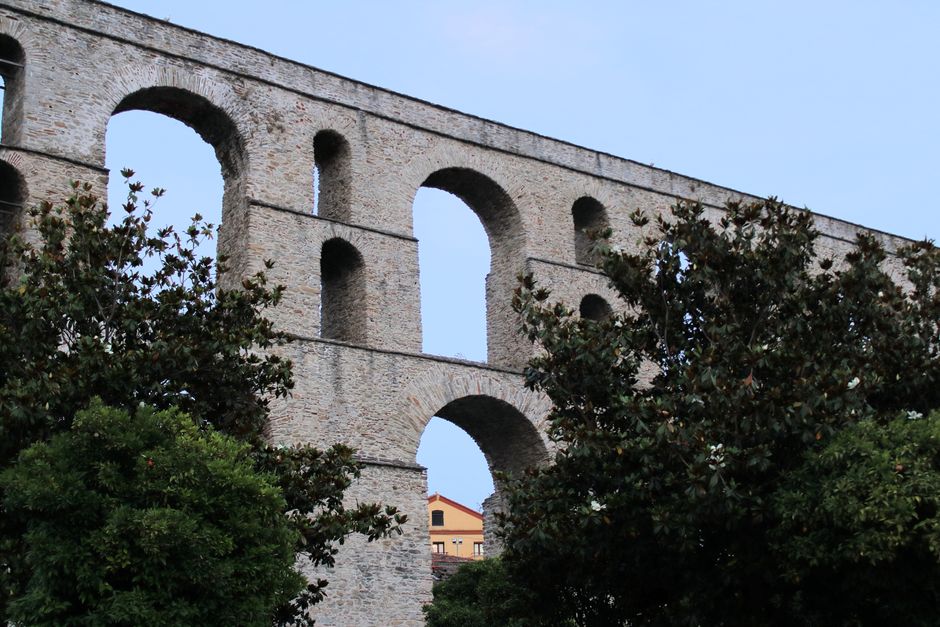
8. Roman Engineering's Enduring Masterpiece: Pont du Gard
Pont du Gard, France
This towering Roman aqueduct, built nearly 2,000 years ago, still stands as an awe-inspiring testament to ancient engineering and enduring functionality.
Part of a 50 km (31 mi) aqueduct system that supplied water to the Roman city of Nîmes, the Pont du Gard is a three-tiered bridge towering almost 50 meters (160 feet) high. Constructed entirely without mortar, its massive stones were precisely cut to fit together, creating a structure that has withstood millennia of floods and wear. It's a powerful reminder that some of humanity's oldest innovations were built to last, often outperforming many modern constructions.
Frequently asked questions
Why do commercial airplanes look so similar over decades?
Aircraft design is heavily optimized for efficiency, safety, and aerodynamics, leading to a largely unchanging, tube-and-wing configuration. Significant innovations often involve internal systems, materials, and engines rather than radical external redesigns, prioritizing proven reliability and cost-effectiveness for airlines.
What technological breakthroughs have impacted air travel the most?
Key breakthroughs include the development of jet engines for faster, higher flights, advanced navigation systems like GPS, composite materials for lighter aircraft, and sophisticated air traffic control. While passenger experience has evolved with in-flight entertainment and cabin design, these core innovations underpin modern aviation.
Are there any radically different aircraft designs on the horizon?
While incremental improvements continue, truly radical designs like blended wing bodies or hypersonic jets face substantial regulatory, economic, and engineering hurdles for widespread commercial viability. Most future innovations focus on sustainability, such as electric or hydrogen propulsion, within familiar airframe designs to meet environmental goals.
How does the AllTours.ai app enhance travel experiences?
AllTours.ai transforms your smartphone into a personal AI audio tour guide. Simply point your camera at a landmark, landscape, or interesting feature, and the app instantly narrates its history, geology, and cultural significance in your preferred language, offering a rich, context-aware exploration of any place you visit.
Related guides
Photography via Pexels. AllTours.ai is an AI audio tour guide — point your camera at any landscape and hear its story.