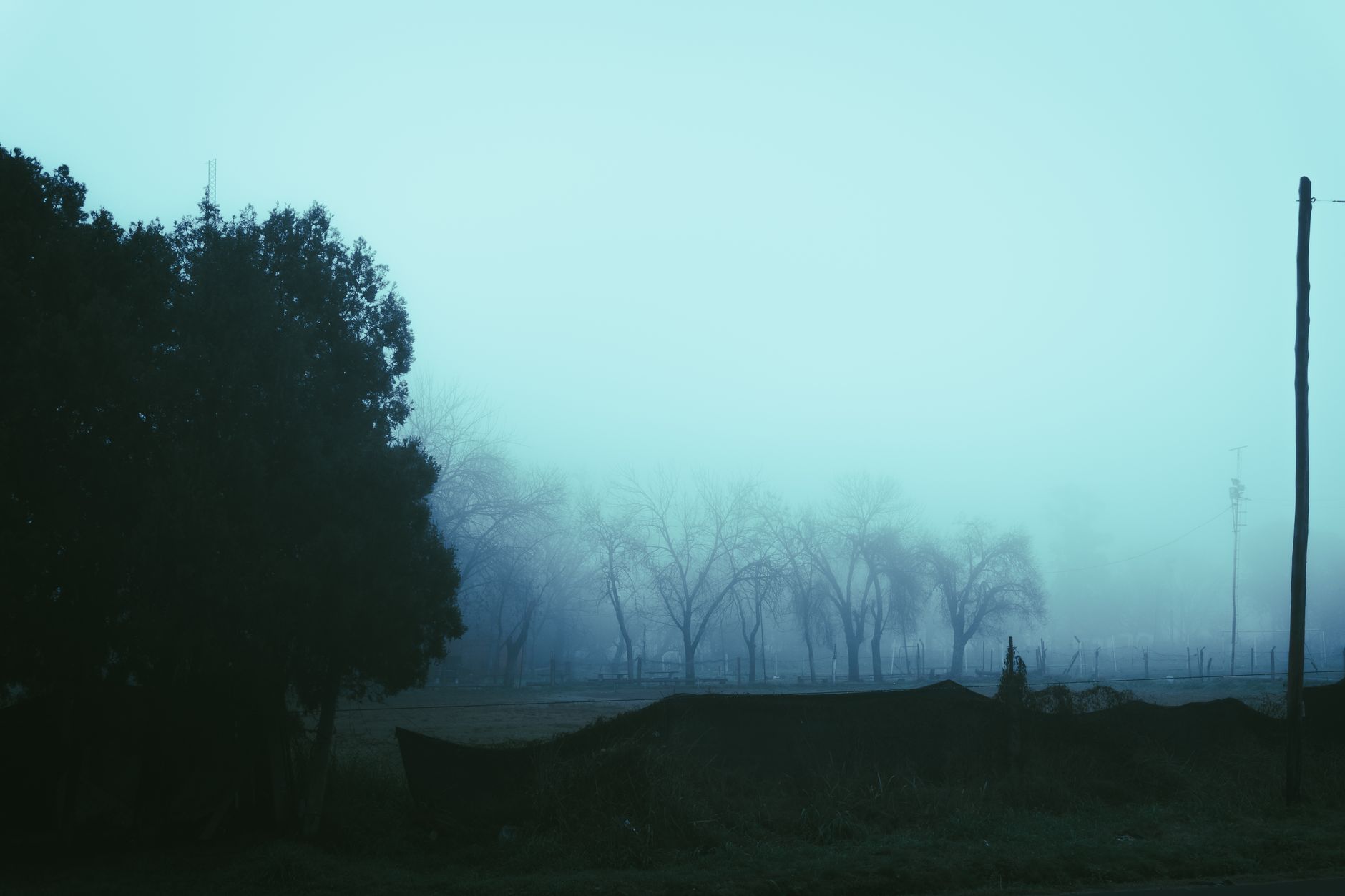
September 3, 2026 · 5 min read
July brings sunshine and long days, but it also often brings sweltering heat. For many travelers, the idea of spending time outdoors in the peak of summer can feel more like a challenge than a vacation. But what if there were ways to embrace the outdoors without melting? The secret isn't just seeking shade; it's finding places where nature itself provides the ultimate air conditioning, coupled with stories so compelling they'll make you forget the temperature entirely.
Forget the crowded beaches and overheated city squares. We've uncovered a list of genuinely cool destinations – from subterranean wonders to high-latitude marvels and water-kissed hideaways – each offering a unique escape from the summer sun. These are the spots where cool breezes, ancient depths, or icy mists become part of an unforgettable narrative, proving that comfortable outdoor exploration in July is not just possible, but extraordinary.
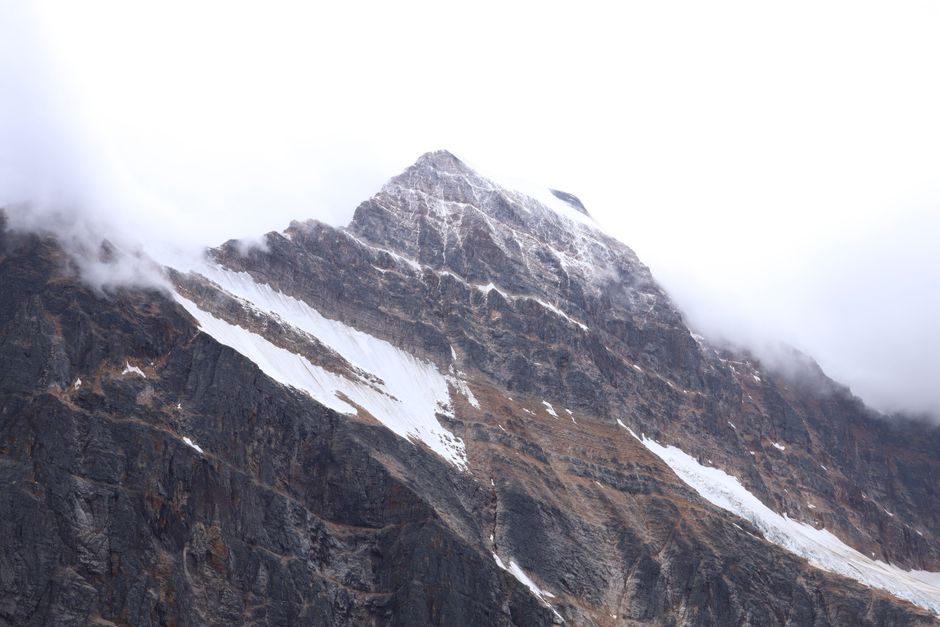
1. The World's Steepest Face
Auyuittuq National Park, Baffin Island, Canada
This granite monolith boasts the world's greatest sheer vertical drop, over a mile without a break.
Deep within the Arctic Circle's Auyuittuq National Park, Mount Thor rises dramatically, a testament to geological power. Its west face plunges a staggering 1,250 meters (4,101 feet) at an average angle of 105 degrees, making it an overhang. This remote peak, part of the Baffin Mountains, offers a landscape of glaciers and fjords, ensuring July temperatures remain crisp and invigorating. It's a place where the air itself feels ancient, far removed from summer's heat.
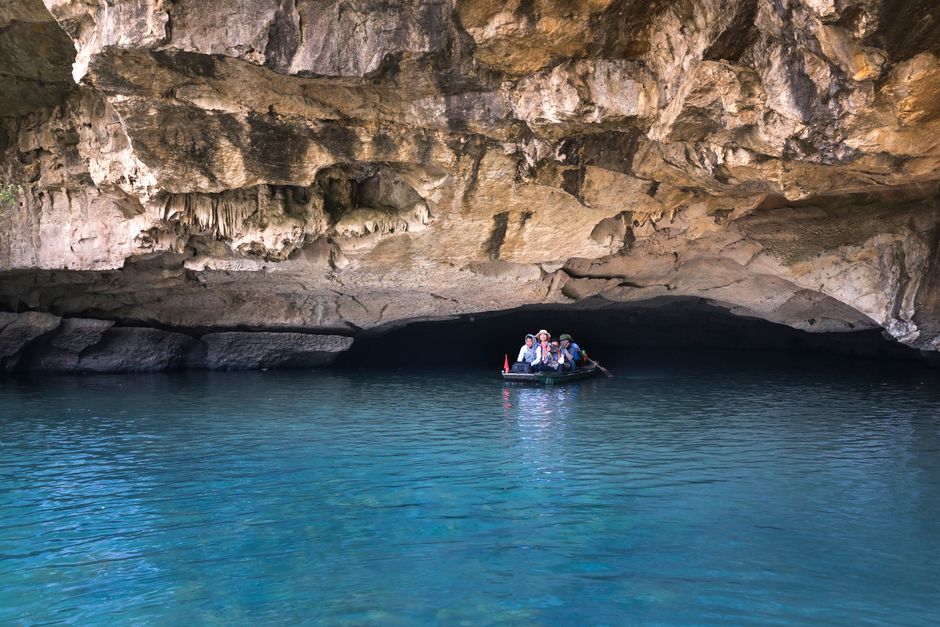
2. Underworld of Living Stars
Waitomo, North Island, New Zealand
Glide through an underground river beneath thousands of tiny bioluminescent worms creating a living galaxy.
Beneath the rolling hills of Waitomo lies a labyrinth of caves where a unique species, Arachnocampa luminosa, transforms darkness into a celestial spectacle. These glowworms hang from the cave ceilings, emitting a soft, ethereal blue-green light to attract prey, creating an illusion of a starlit night sky. The consistent cool, damp air within these limestone caverns offers a natural refuge, making it an ideal escape from any summer warmth above ground. A silent boat ride reveals this breathtaking, otherworldly natural wonder.
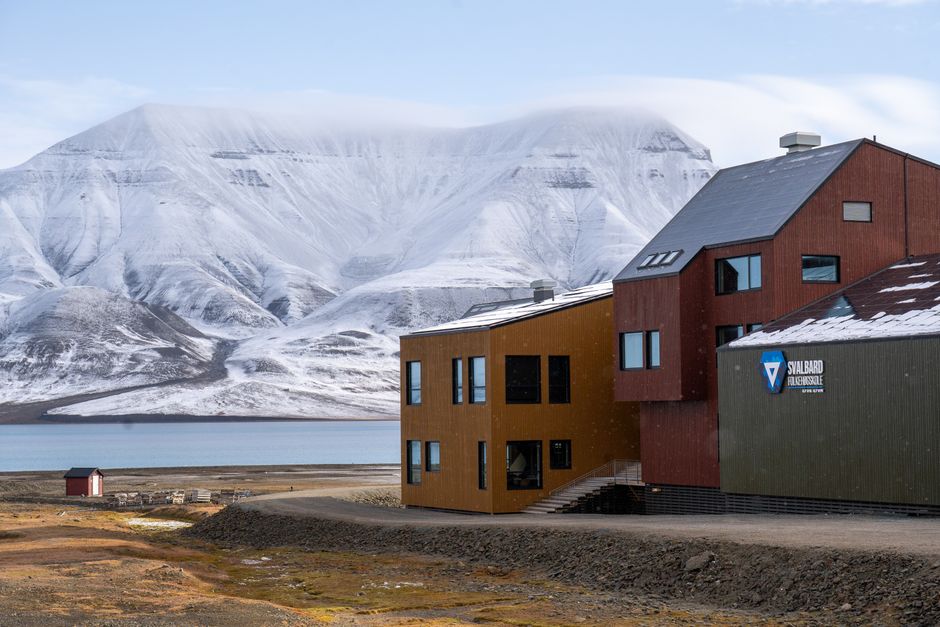
3. The Doomsday Seed Bank
Spitsbergen, Svalbard, Norway
Carved into an Arctic mountain, this vault safeguards the world's plant diversity against global catastrophe.
Deep inside a remote Arctic mountain on the island of Spitsbergen, the Svalbard Global Seed Vault stands as humanity's ultimate agricultural backup plan. Buried beneath permafrost, its natural refrigeration ensures a constant temperature of -18°C (0°F), ideal for preserving up to 4.5 million crop varieties. While public entry is restricted, the sheer concept of this 'Noah's Ark of seeds' in such an extreme, perpetually cool environment offers a powerful narrative, a testament to global foresight against an unforgiving backdrop of ice and rock, making July feel like a distant memory.
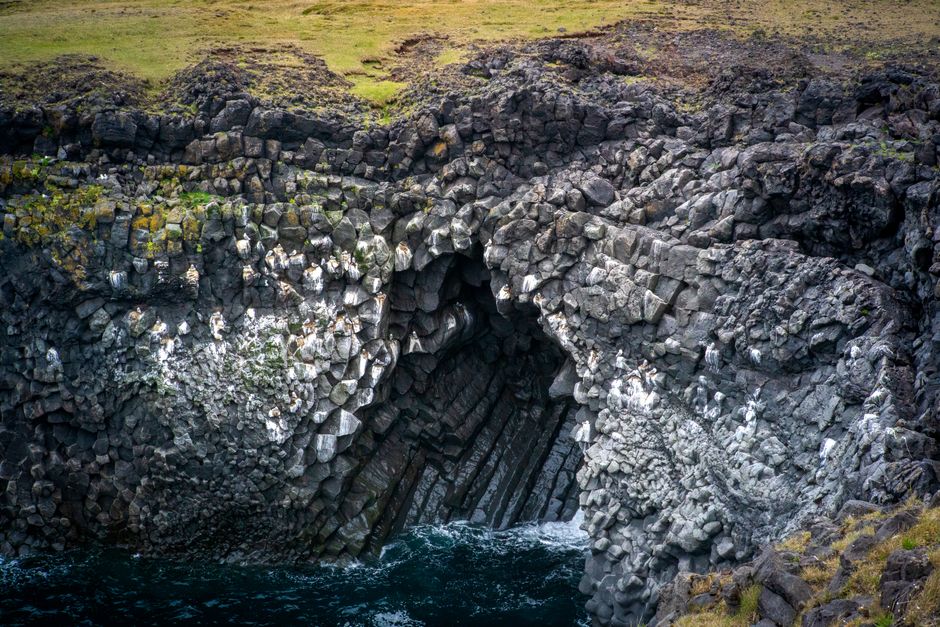
4. Nature's Basalt Cathedral
Isle of Staffa, Scotland
This sea cave, formed entirely of hexagonal basalt columns, inspired Felix Mendelssohn's 'Hebrides Overture.'
On the uninhabited Isle of Staffa, off the west coast of Scotland, Fingal's Cave presents a geological marvel. Its towering, perfectly formed hexagonal basalt columns, identical to those of the Giant's Causeway in Northern Ireland, stretch deep into the rock, creating an echoing, natural cathedral. The constant cool spray from the Atlantic Ocean and the cave's deep shadows provide a refreshing respite from any summer warmth, while the cave's unique acoustics and dramatic structure continue to inspire awe, just as they did for Mendelssohn in 1829.
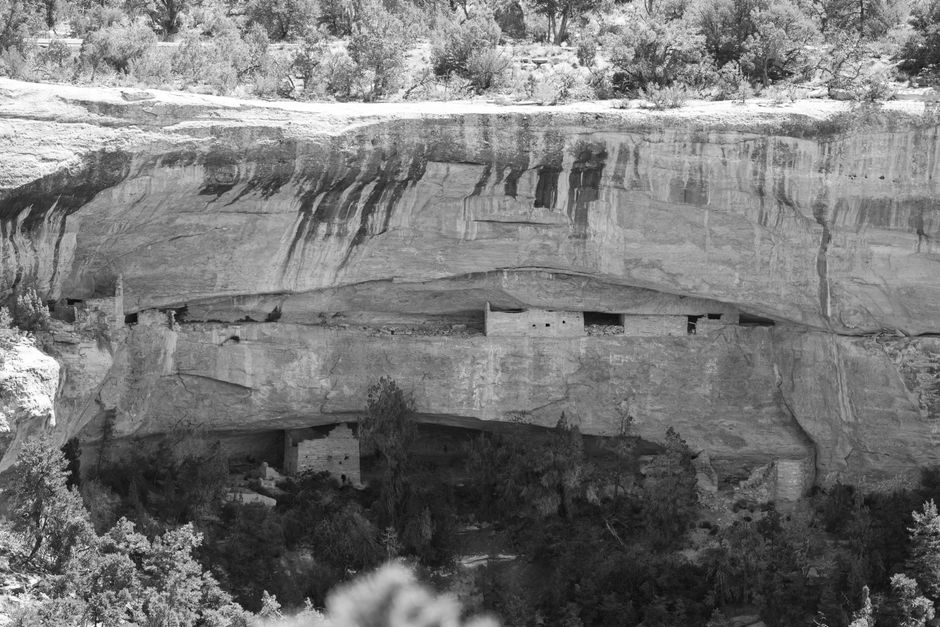
5. A Living Ancient Homeland
Chinle, Arizona, USA
This monument protects not only dramatic canyons but also ancient cliff dwellings continuously occupied by Navajo families for centuries.
Unlike many archaeological sites, Canyon de Chelly is a living landscape. Within its sheer sandstone walls, ancestral Puebloans built intricate cliff dwellings over a thousand years ago, and today, Navajo families continue to farm the canyon floor. The deep shadows cast by the towering canyon walls provide significant natural cooling, a welcome relief from Arizona's summer sun. Visiting offers a rare glimpse into a vibrant cultural heritage deeply intertwined with a breathtaking, naturally shaded environment, far from the typical tourist routes.
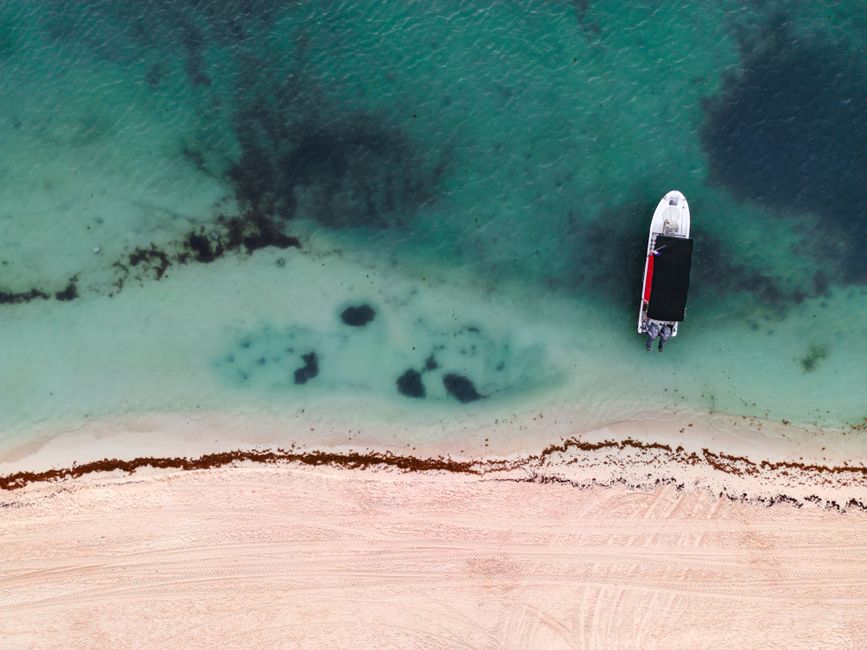
6. The Beach Born of Explosions
Marietas Islands, Nayarit, Mexico
This pristine hidden beach, accessible only by swimming through a short tunnel, was reputedly formed by military testing.
Nestled within the Marietas Islands National Park, Playa del Amor is a unique aquatic sanctuary. What appears from above as a circular opening in the lush island canopy reveals, upon closer approach, a stunning beach completely hidden from the open sea. Legend has it that the crater was formed by deliberate explosions during military testing in the early 20th century, which inadvertently created this secluded paradise. The cool, clear ocean water and the cave-like access provide an unparalleled refreshing escape, a secret world beneath the Mexican sun.

7. The Empire of the Dead
Paris, France
Descend into a vast, chilling underground ossuary holding the remains of over six million Parisians.
Beneath the bustling streets of Paris lies a somber, yet fascinating, network of tunnels transformed into a monumental ossuary. In the late 18th century, overcrowded cemeteries led to the transfer of millions of skeletal remains into these former limestone quarries. Walking through the Catacombs, past meticulously arranged bones and skulls, is a profoundly eerie and cool experience, literally dropping the temperature by several degrees. It's a unique historical journey into Paris's past, offering a stark contrast to the city's vibrant surface and a natural escape from summer heat.
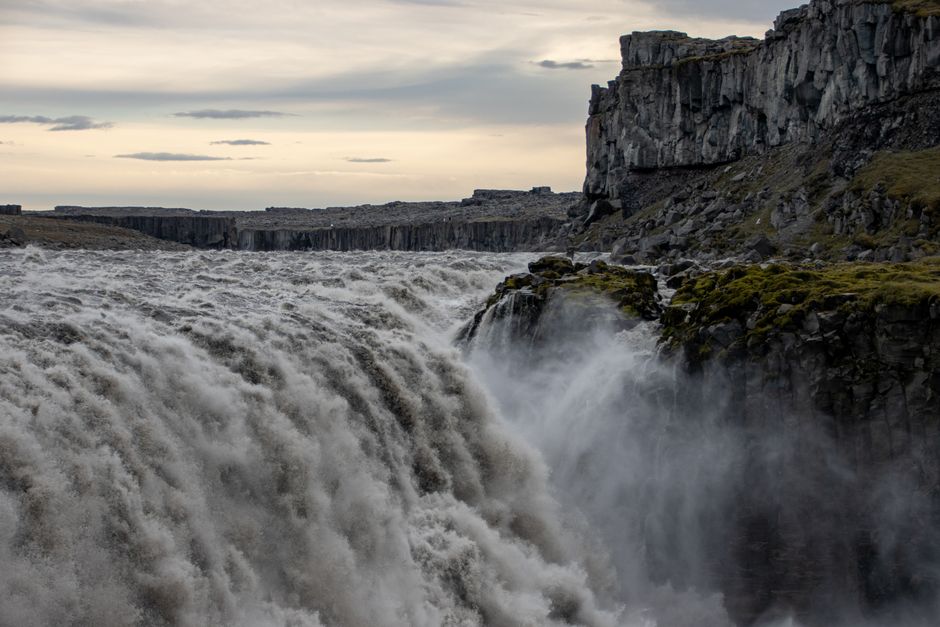
8. Europe's Most Powerful Cascade
Vatnajökull National Park, Iceland
Witness the sheer, raw power of Europe's most voluminous waterfall, thundering with glacial meltwater.
In the desolate, lunar landscape of Northeast Iceland, Dettifoss plunges 45 meters (148 feet) into the Jökulsárgljúfur canyon, carrying an average of 193 cubic meters of water per second. Its immense power, fed by the Vatnajökull glacier, creates a continuous, cooling mist that permeates the air, a welcome sensation even in July. This awe-inspiring natural wonder, less frequented than some of Iceland's southern attractions, offers a visceral connection to the planet's geological forces and a truly refreshing, wild outdoor experience.
Frequently asked questions
What are the best ways to stay cool when exploring outdoors in summer?
Beyond seeking naturally cool locations, always prioritize hydration by drinking plenty of water. Wear lightweight, breathable clothing, preferably light-colored, and a wide-brimmed hat. Plan your most strenuous activities for early mornings or late afternoons, and take frequent breaks in shaded areas.
Are there any specific types of destinations that are naturally cooler in July?
Absolutely. High-altitude mountain regions, deep caves and underground attractions, coastal areas with strong sea breezes, and destinations in northern latitudes or near glaciers offer significantly cooler temperatures. Water-based activities like kayaking or exploring waterfall parks also provide natural cooling.
How can I find unique, less crowded cool places for summer travel?
Researching national parks or natural monuments that are less famous than their counterparts often reveals hidden gems. Look for destinations known for specific geological features like deep canyons, extensive cave systems, or powerful waterfalls. Local tourism boards for smaller towns can also be a great resource for off-the-beaten-path suggestions.
How can AllTours.ai enhance my experience at these cool outdoor locations?
AllTours.ai turns your smartphone into an AI audio guide, providing rich, narrated stories about the history, geology, and culture of any landmark or landscape you point your camera at. Imagine exploring a cool cave or a windswept canyon and instantly hearing its secrets, deepening your connection to these unique, refreshing places without needing to read guidebooks or join crowded tours.
Related guides
Self-guided audio tours
Walk these places stop by stop — free five-stop story tours you can take at your own pace:
Photography via Pexels. AllTours.ai is an AI audio tour guide — point your camera at any landscape and hear its story.