August 5, 2026 · 4 min read
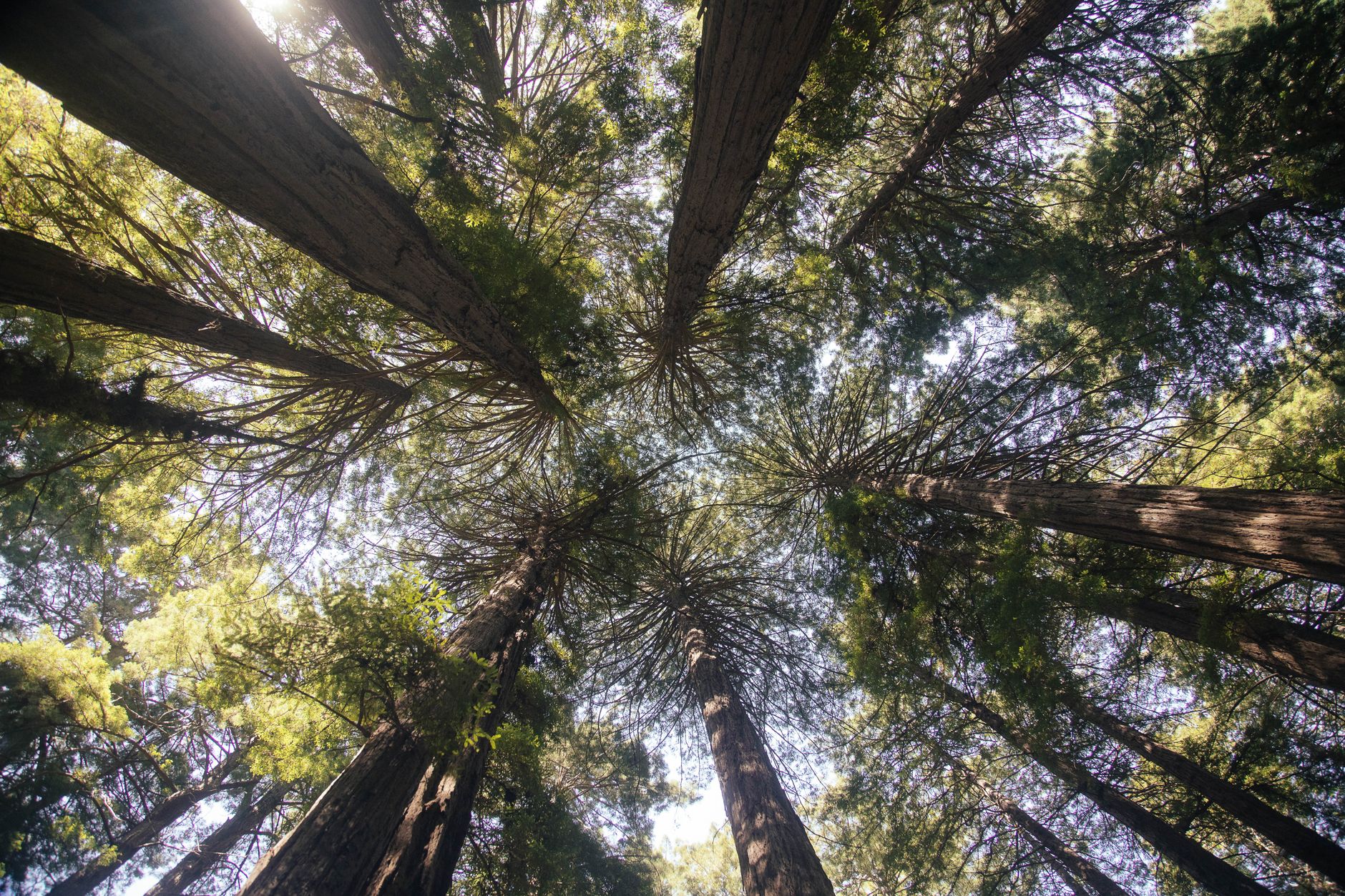
From towering giants to mist-shrouded coastlines, the Redwood region of Northern California captivates with its ancient beauty. Many travelers wonder why this majestic landscape is managed as a complex of Redwood National Park and three distinct Redwoods State Parks: Jedediah Smith, Del Norte Coast, and Prairie Creek. Why haven't they simply been combined into one singular national park?
The answer lies in a rich tapestry of conservation history, land acquisition, and dedicated efforts by different entities over decades. To truly understand this unique arrangement, we must venture beyond the well-trodden paths and delve into the specific, often surprising, stories held within these individual parks. Here are some of the lesser-known spots, each with a vivid tale that sheds light on the region's complex heritage.
1. The Miner's Grudge
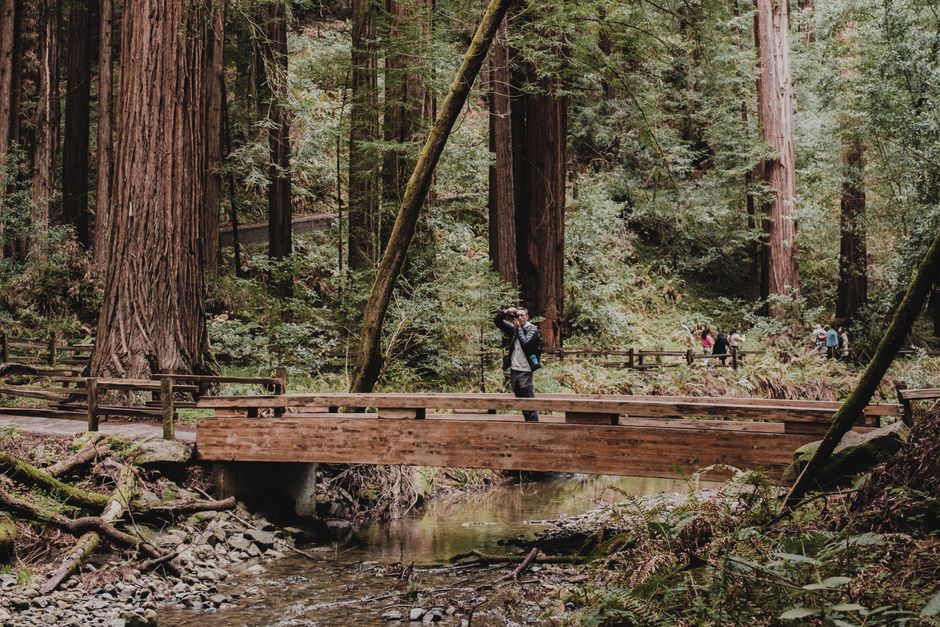
Damnation Creek Trail, Del Norte Coast Redwoods State Park, USA
How did a trail leading to stunning coastal views earn such a forbidding name?
This rugged trail plunges from ancient redwood forests down to a secluded, rocky beach. Its dramatic name dates back to the mid-19th century, when gold prospectors, frustrated by the treacherous terrain and relentless weather, cursed the difficult journey. It serves as a stark reminder of the human struggle against nature's raw power in the early days of California, a time when these wild lands were both a promise and a torment.
2. Where Dinosaurs Roamed
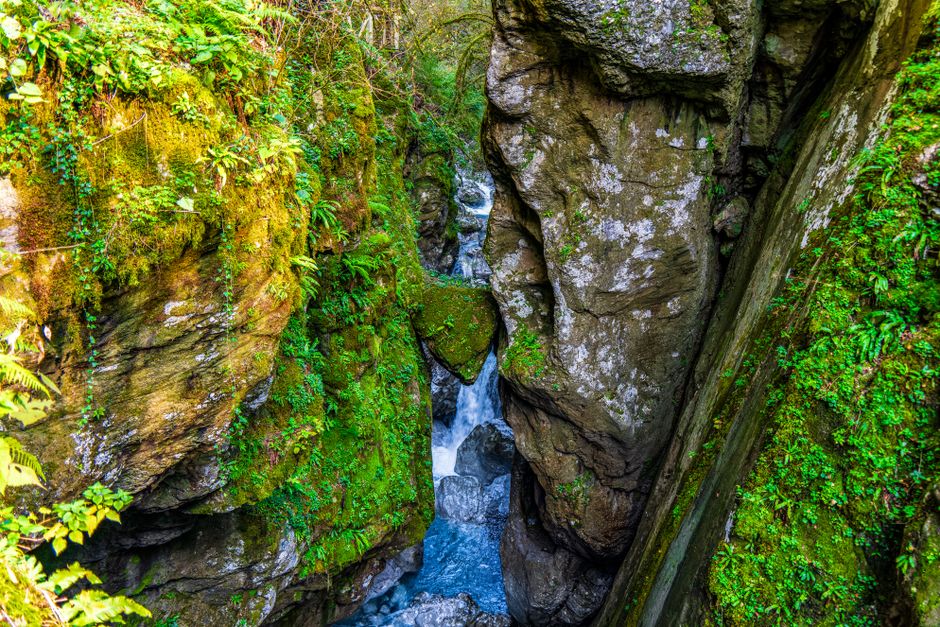
Fern Canyon, Prairie Creek Redwoods State Park, USA
A primeval grotto so unique it served as a real-world set for a dinosaur blockbuster.
Step into a living, emerald cathedral where vertical walls are completely draped in various species of fern, some reaching several feet high. This lush, damp environment, shaped by a constant flow of water, creates a microclimate that feels genuinely prehistoric, leading filmmakers to choose it as a backdrop for scenes in *The Lost World: Jurassic Park*. It's a vivid glimpse into what ancient Earth might have looked like, a testament to enduring natural processes.
3. The Secret Giants
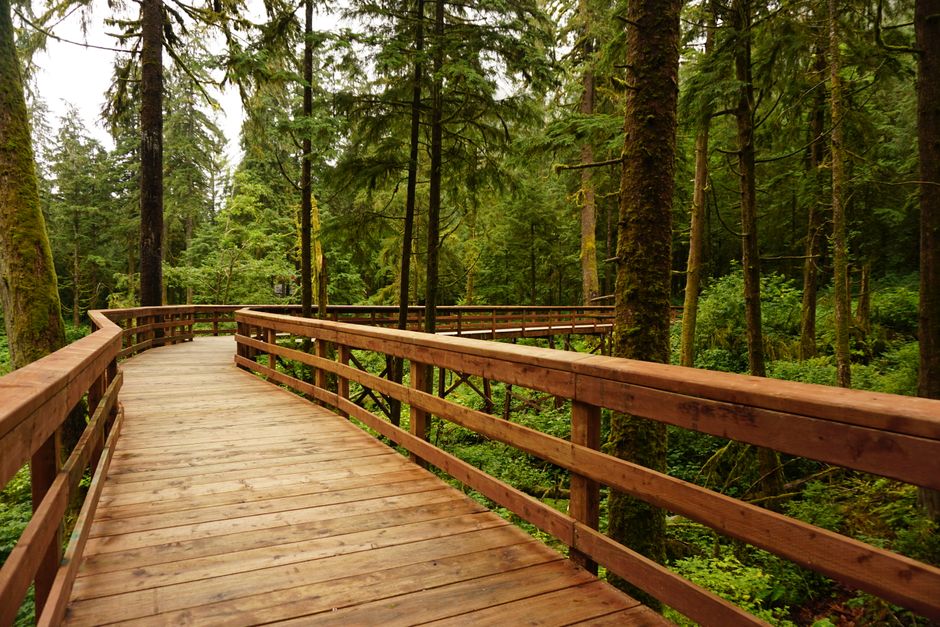
Grove of Titans, Jedediah Smith Redwoods State Park, USA
For decades, the location of the world's most massive redwoods was a closely guarded secret, known only to a dedicated few.
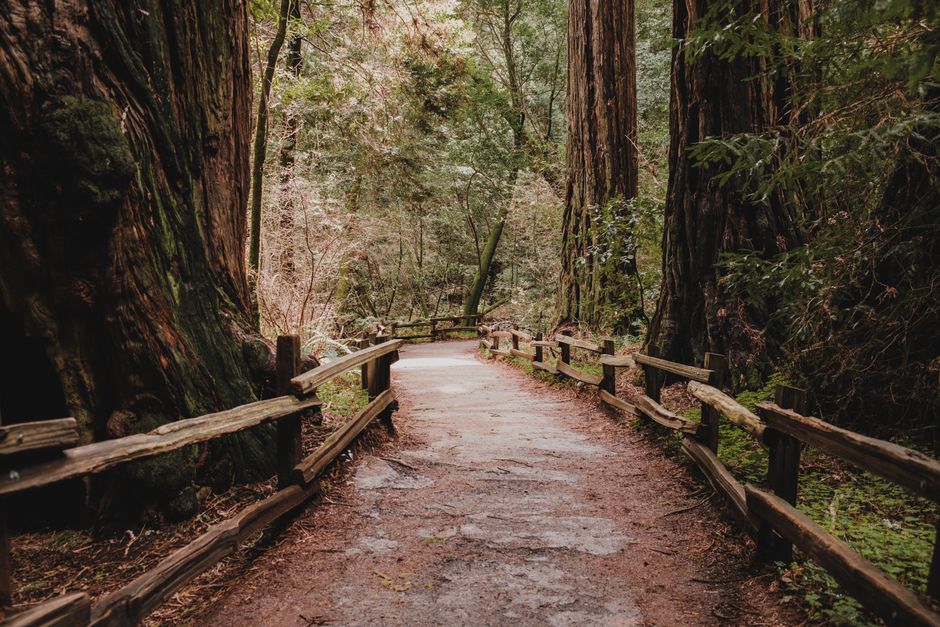
This extraordinary grove hosts some of the largest known coastal redwoods by volume, including the colossal 'Lost Monarch'. Its precise location was intentionally kept secret for many years by redwood enthusiasts and researchers to protect the delicate root systems and surrounding ecosystem from the impact of eager visitors. Only recently, with the construction of a designated boardwalk, has it become more accessible, showcasing the careful balance between wonder and preservation.
4. The Road Less Traveled (Now)
Newton B. Drury Parkway, Prairie Creek Redwoods State Park, USA
This peaceful scenic drive was once a bustling highway, its transformation a testament to conservation's triumph.
Before the construction of the US 101 freeway bypass in the 1960s, this winding road was the main thoroughfare through the heart of the redwood forest, directly exposing the ancient trees to traffic and development. Its re-designation as a scenic parkway allowed the forest to reclaim its tranquility, transforming a route of commerce into a corridor of quiet contemplation, and saving countless trees from further impact.
5. The Original Record-Breakers
Tall Trees Grove, Redwood National Park, USA
Once home to the world's tallest known tree, this remote grove’s discovery was initially kept quiet to ensure its protection.
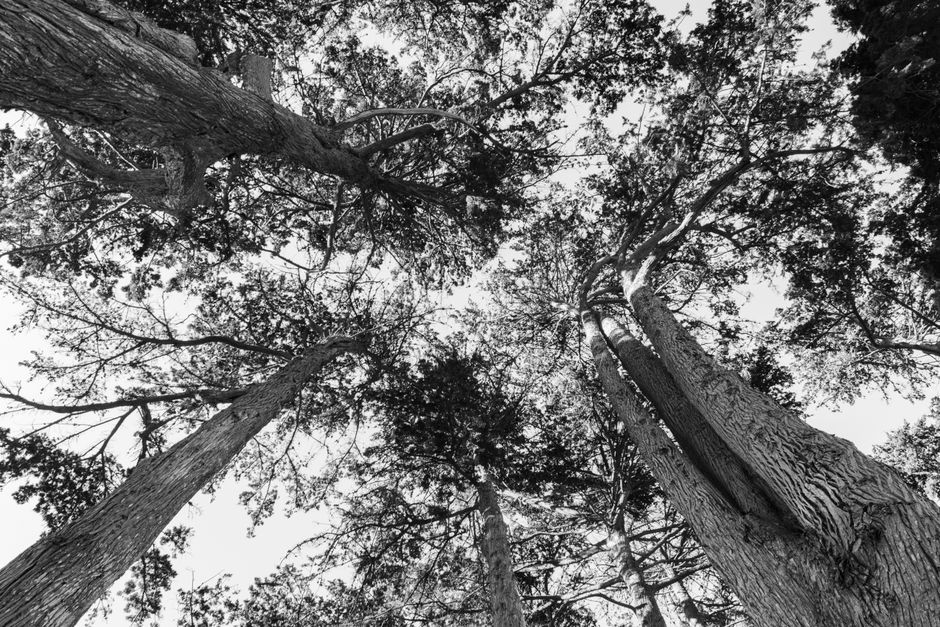
Deep within the park, this grove held the title for the world's tallest known tree (the 'Tall Tree' itself, before Hyperion was measured). Its remote, rugged location and the necessity of a permit to visit were early strategies by the National Park Service to manage visitor impact and preserve the delicate ecosystem surrounding these record-breaking giants. The journey to reach it is part of its allure, emphasizing its status as a truly special place.
6. Where Redwoods Met Gold
Gold Bluffs Beach, Prairie Creek Redwoods State Park, USA
A unique coastal stretch where towering redwoods meet the ocean, once the site of a forgotten gold rush.
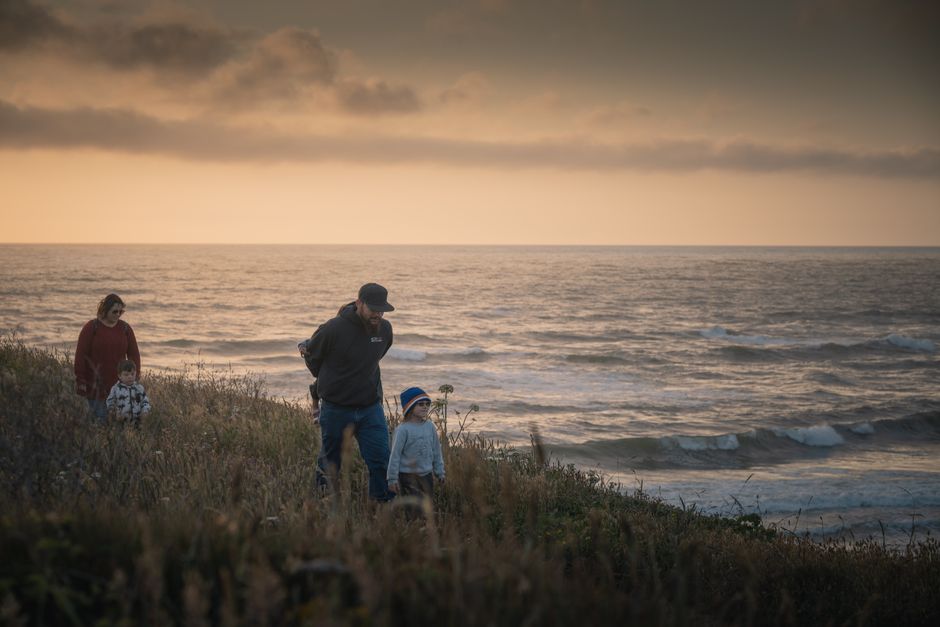
Here, the magnificent redwood forest dramatically merges with a wild, windswept coastline. In the mid-19th century, this picturesque beach experienced a brief, feverish gold rush, as prospectors sought to extract fine gold dust from the sand. Though the gold quickly ran out, the striking landscape where ancient trees endure against the crashing Pacific waves remains, telling a story of both natural grandeur and human ambition.
7. Scars and Restoration
Lost Man Creek Trail, Redwood National Park, USA
This serene valley with towering old-growth trees tells a powerful story of logging's impact and nature's slow, resilient recovery.
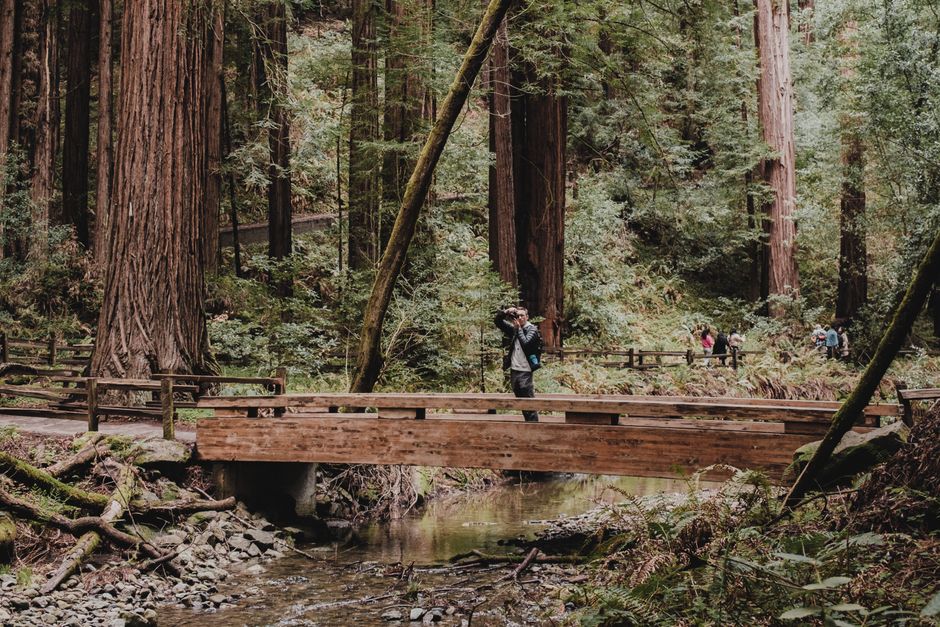
Much of the Lost Man Creek watershed was heavily logged before its acquisition by the National Park Service, leaving behind a stark landscape of stumps and second-growth. Today, it stands as a living laboratory for ecological restoration, where younger trees slowly grow amidst the scattered, immense old-growth survivors. Hiking here offers a tangible sense of the forest's long memory and its incredible capacity for healing after human intervention.
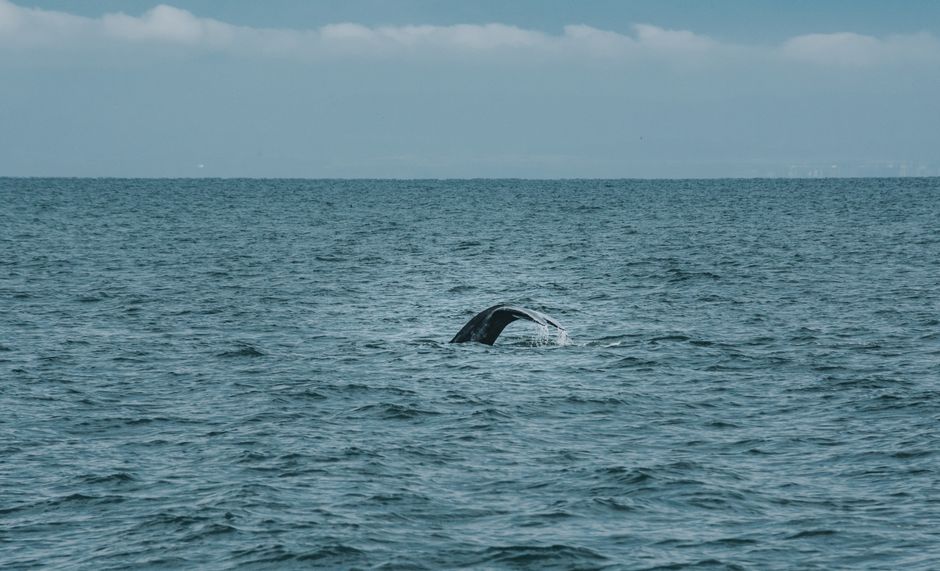
8. River of Resilience
Klamath River Overlook, Redwood National Park, USA
More than a whale-watching spot, this overlook bears witness to centuries of indigenous heritage and massive modern environmental restoration.
Perched high above the Pacific, where the Klamath River meets the ocean, this viewpoint is culturally significant to the Yurok people, who have lived along its banks for millennia. The river itself has recently been the focus of the largest dam removal project in U.S. history, an effort to restore salmon populations and honor tribal sovereignty. It's a place where deep history and future hope converge.
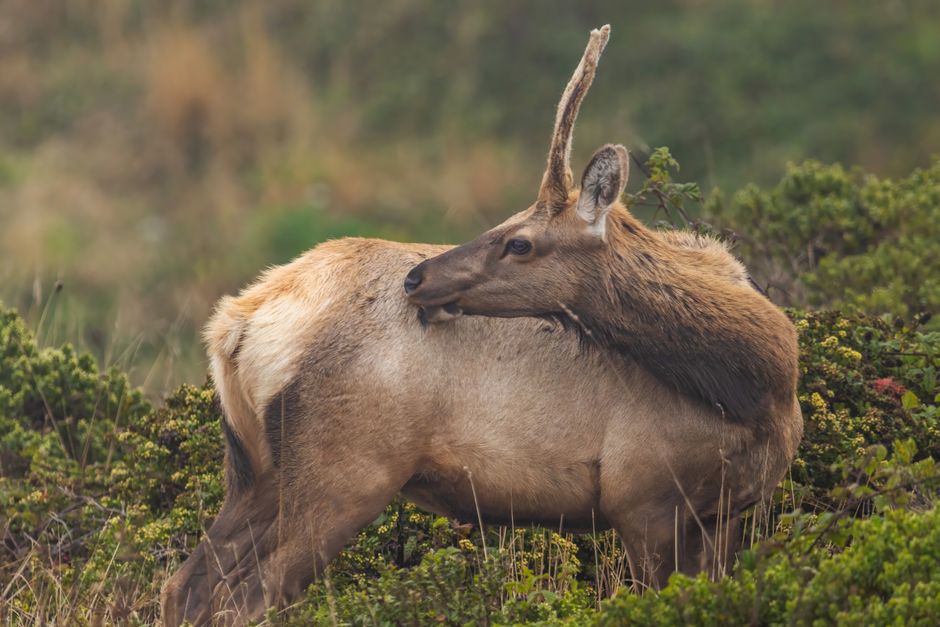
9. The Return of the Giants
Elk Prairie, Prairie Creek Redwoods State Park, USA
The thriving Roosevelt Elk herd here is a powerful testament to conservation, brought back from near extinction in these very prairies.
Once nearly wiped out by overhunting in the late 19th and early 20th centuries, the majestic Roosevelt Elk have made a remarkable comeback, largely due to dedicated conservation efforts and protected habitats like Elk Prairie. These open meadows provide vital grazing land and a safe haven, allowing visitors to witness these magnificent creatures thriving again against the backdrop of ancient redwoods, symbolizing a successful wildlife recovery.
Frequently asked questions
Why are there separate National and State Parks in the Redwood region?
The current complex of Redwood National and State Parks (RNSP) is a result of a staggered conservation effort. Redwood National Park was established in 1968, primarily to protect remaining old-growth forests, while the three state parks (Jedediah Smith, Del Norte Coast, and Prairie Creek) were created much earlier, starting in the 1920s, by the Save-the-Redwoods League and the State of California. Different management entities, historical acquisitions, and funding sources contribute to their distinct, yet collaborative, operation.
Can I visit all four parks with one pass?
Yes, generally. While Redwood National Park (NPS) and the three State Parks (California State Parks) are managed by different agencies, they are collaboratively managed as Redwood National and State Parks (RNSP). There are no entrance fees for most areas, but some popular spots or campgrounds might require a fee or permit. National Park passes (like America the Beautiful) are generally honored for NPS-managed fee areas, and some state park passes might also be applicable.
What's the best way to see the lesser-known spots in the Redwoods?
To experience the more secluded and authentic parts of the Redwoods, consider visiting during the shoulder seasons (spring or fall) to avoid crowds. Research specific trails and groves that require a bit more effort to reach, like the Tall Trees Grove which often requires a permit, or look for trails off the main scenic parkways. Engaging with local ranger stations can also provide up-to-date information on less-traveled paths.
How can AllTours.ai help me explore the Redwood Parks?
AllTours.ai enhances your exploration by providing instant audio narratives about the history, geology, and culture of the Redwood Parks. Simply point your phone camera at a landmark or landscape, and the app will narrate its story in your preferred language. It's like having a personal expert guide revealing the hidden wonders and untold tales of every spot you encounter.
Related guides
Photography via Pexels. AllTours.ai is an AI audio tour guide — point your camera at any landscape and hear its story.