July 24, 2026 · 4 min read
The lure of a 'cheap' city in the US can be strong, promising lower rent and a slower pace. But for many travelers and prospective residents, the sticker price doesn't tell the whole story. Beneath the surface of seemingly affordable locales often lie unexpected histories, environmental challenges, and cultural nuances that add a different kind of 'cost'.
From forgotten industrial powerhouses to towns grappling with natural disasters, these places hold complex narratives. We’re not talking about popular tourist traps; these are the genuine, often overlooked corners of America where the past is palpable and the present holds surprising depth. Get ready to rethink what 'cheap' truly means.
1. Butte, Montana: The Richest Hill's Toxic Legacy
Butte, USA
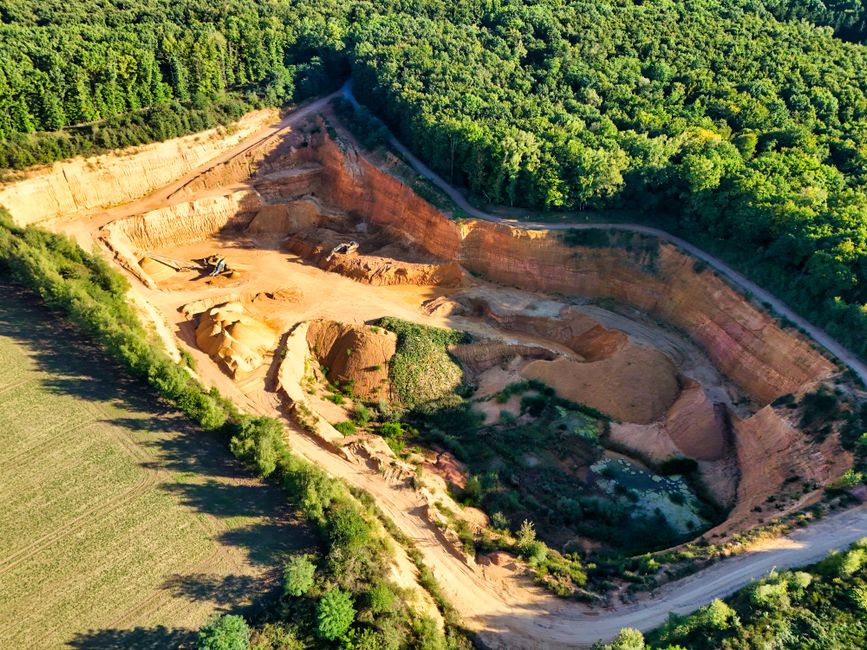
This former copper boomtown, once "The Richest Hill on Earth," now grapples with one of the nation's largest Superfund sites.
Butte's history is carved deep, literally, into the earth. Miles of tunnels underlie the city, remnants of an industry that pulled immense wealth from the ground but left behind the Berkeley Pit, an acid-filled lake visible from space. This dramatic transformation from industrial titan to environmental challenge tells a complex story of human ambition and its lasting impact on the landscape.

2. Yuma, Arizona: Sun, Sand, and Solitary Confinement
Yuma, USA
One of the sunniest places on Earth holds the chilling history of a territorial prison where temperatures once reached extreme highs.
Situated strategically on the Colorado River, Yuma was a critical crossing point, and its infamous Territorial Prison housed some of the West's toughest criminals from 1876 to 1909. Prisoners endured sweltering desert heat, often in solitary confinement known as "the Dark Cell." Today, Yuma thrives as an agricultural powerhouse, but the ghosts of its harsh past remain a stark contrast to its bright, sunny present.
3. Picher, Oklahoma: The Ghost Town Built on Lead
Picher, USA
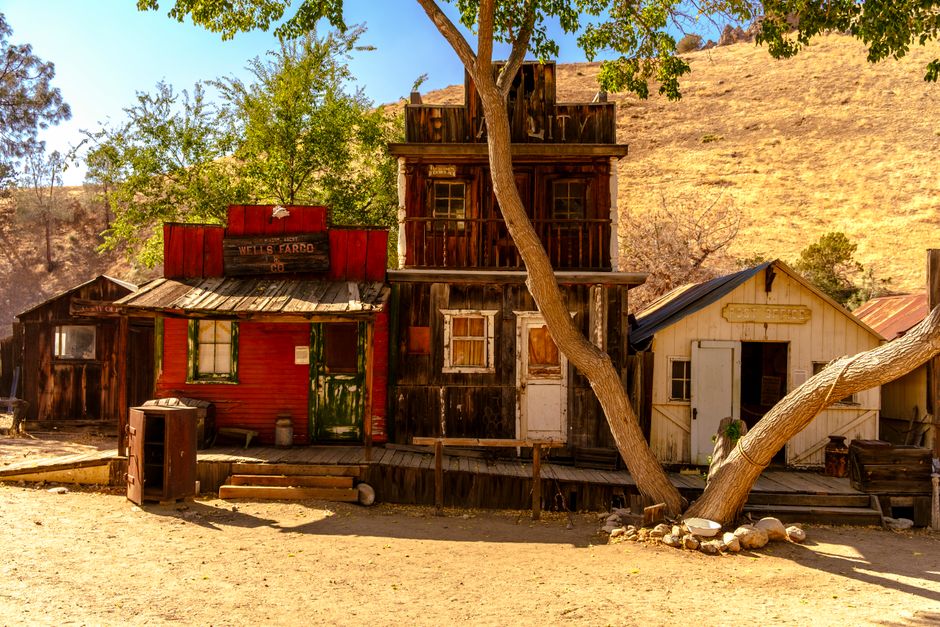
This former mining boomtown was declared uninhabitable due to extreme lead contamination, forcing its entire population to relocate.
Picher was once a thriving hub in the Tri-State Mining District, producing vast quantities of lead and zinc. However, decades of unregulated mining left behind massive piles of toxic "chat" and a honeycomb of unstable underground tunnels prone to collapse. By the early 2000s, the EPA declared it a Superfund site, and mandatory buyouts effectively erased the town, making it a stark monument to the environmental cost of industrial progress.
4. Centralia, Pennsylvania: The Town on Fire
Centralia, USA
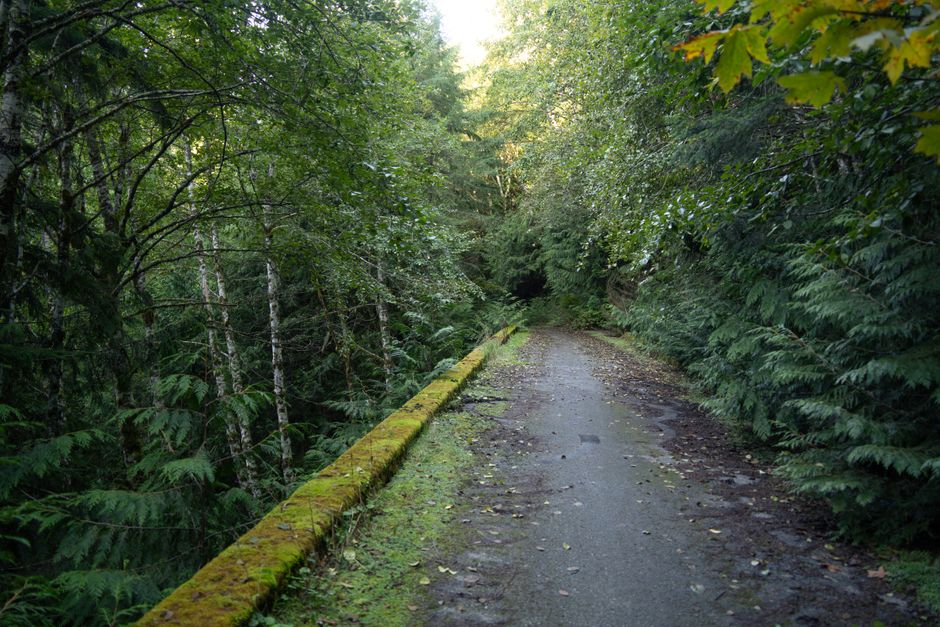
For over 60 years, an underground coal mine fire has burned beneath this Pennsylvania town, creating a surreal, smoky landscape.
The Centralia mine fire began in 1962, likely from an unsealed landfill fire igniting an exposed coal seam. Efforts to extinguish it failed, leading to toxic fumes, sinking ground, and eventually, the condemnation of almost the entire town. Today, only a handful of residents remain, and Route 61, once a major thoroughfare, is eerily buckled and overgrown, bearing testament to the persistent inferno below.
5. Cairo, Illinois: A Confluence's Fading Echo
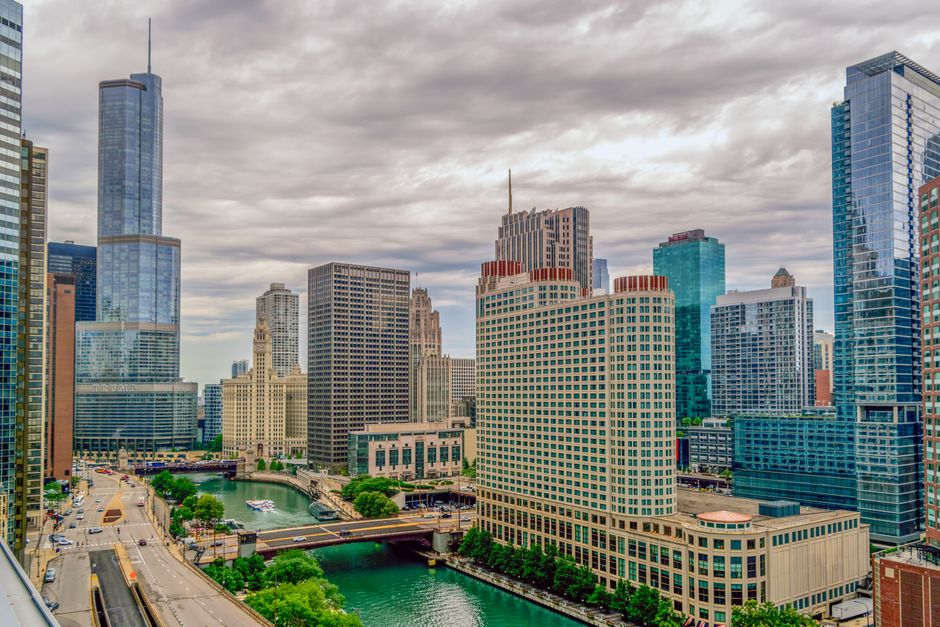
Cairo, USA
At the vital confluence of the Mississippi and Ohio Rivers, this strategic city experienced a dramatic decline fueled by racial tension and devastating floods.
Cairo's geographical position made it a crucial port and military stronghold, especially during the Civil War. Its levees, known as the "Great Wall of Cairo," protected it from flooding, but couldn't shield it from the economic and social turmoil of the 20th century. Racial strife, white flight, and persistent flood threats led to severe depopulation, leaving behind a city rich in history but struggling for revitalization.
6. Bisbee, Arizona: Copper Queen of the Canyons
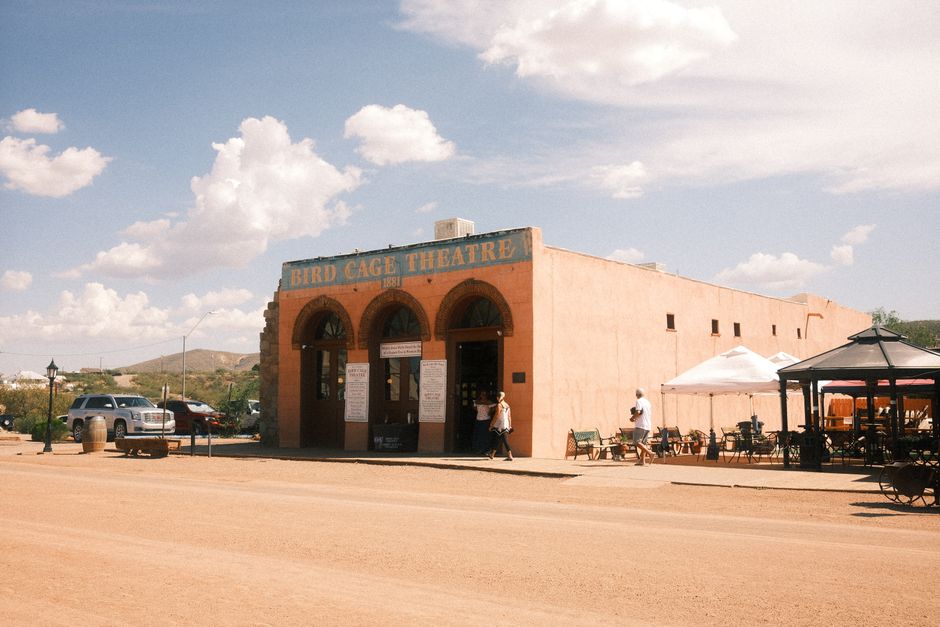
Bisbee, USA
This picturesque mining town, built into the Mule Mountains, holds a controversial history of radical labor movements and forced deportations.
Bisbee boomed as a copper mining hub, attracting diverse populations and fostering a vibrant, if sometimes volatile, social scene. In 1917, during a major labor strike, over a thousand striking miners and their supporters were forcibly rounded up and deported to the New Mexico desert in what became known as the Bisbee Deportation. Today, the town is a quirky arts community, its colorful architecture clinging to the hillsides, still whispering tales of its fiercely independent past.
7. Gary, Indiana: Steel City's Grand Decline
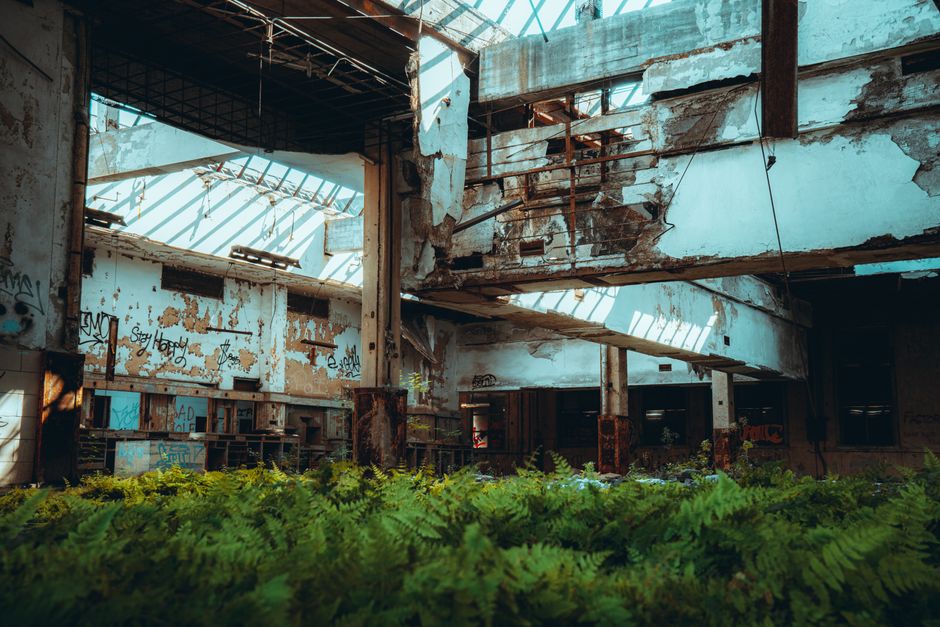
Gary, USA
Once a symbol of American industrial might and the birthplace of a music legend, Gary is now largely known for its widespread urban decay.
Founded in 1906 by U.S. Steel, Gary was a planned city designed around its massive steel mills, attracting workers from around the world. It flourished, becoming a bustling industrial center and the childhood home of Michael Jackson. However, deindustrialization, white flight, and economic decline in the latter half of the 20th century left much of the city abandoned, a stark reminder of changing American fortunes.
8. Ocracoke Island, North Carolina: Blackbeard's Last Stand and a Lingering Dialect
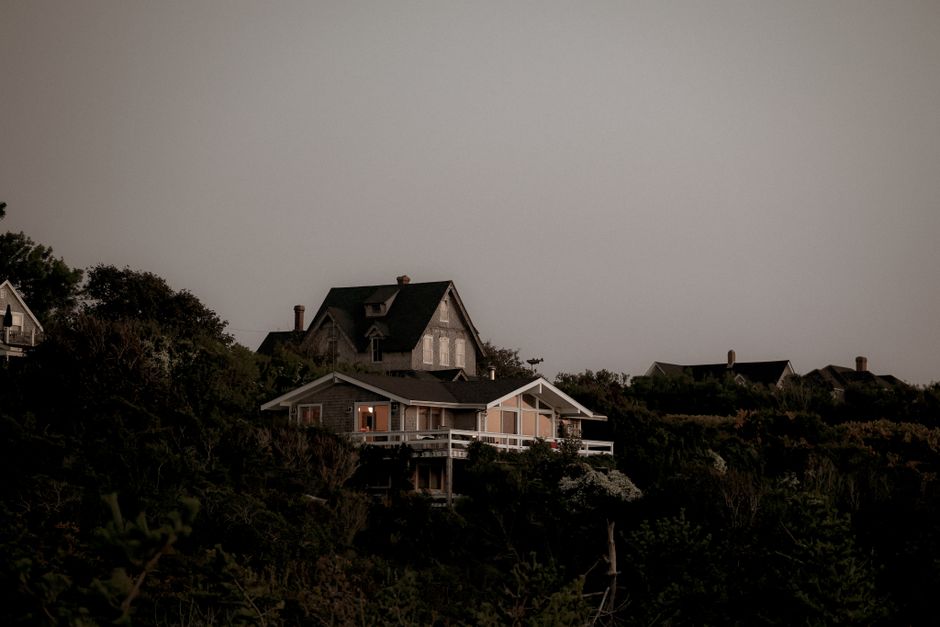
Ocracoke Island, USA
This remote Outer Banks island, accessible only by ferry, preserves a unique "Hoi Toider" dialect and was the site of Blackbeard the pirate's final battle.
Ocracoke's isolation has fostered a distinct culture, including a melodic dialect passed down through generations. Beyond its linguistic charm, the island is steeped in maritime history, most famously as the location where the notorious pirate Blackbeard met his end in 1718. The island also hosts a tiny British cemetery, a poignant reminder of U-boat attacks off its coast during World War II, further underscoring its hidden depths.
Frequently asked questions
Why do some seemingly cheap cities have high living costs?
The initial low cost of housing or basic goods might hide other expenses. These can include high property taxes, limited access to affordable services like healthcare or quality groceries, or even the costs associated with commuting from less desirable areas. Environmental issues or a struggling local economy can also indirectly increase costs over time.
What are common hidden costs to consider in "cheap" US cities?
Beyond rent, look at utility costs (especially in extreme climates), transportation (if public transit is poor, car dependency is expensive), and access to amenities. Also consider "opportunity costs" like limited job markets or a lack of specialized services, which might require travel or relocation, adding to the overall financial burden.
How can I research the true cost of living in a new city?
Go beyond simple averages. Research local tax rates, average utility bills, grocery prices at local stores, and insurance costs. Talk to residents, explore local forums, and visit the city during different seasons to get a comprehensive understanding of daily life and its associated expenses.
How does the AllTours.ai app help travelers explore places like these?
AllTours.ai transforms your phone into an AI-powered audio guide. Simply point your camera at any landscape, landmark, or even a street scene in these unique cities. The app then narrates its history, geology, and culture in your preferred language, revealing the hidden stories and significance of the world around you, far beyond what a guidebook could offer.
Related guides
Photography via Pexels. AllTours.ai is an AI audio tour guide — point your camera at any landscape and hear its story.