September 22, 2026 · 4 min read
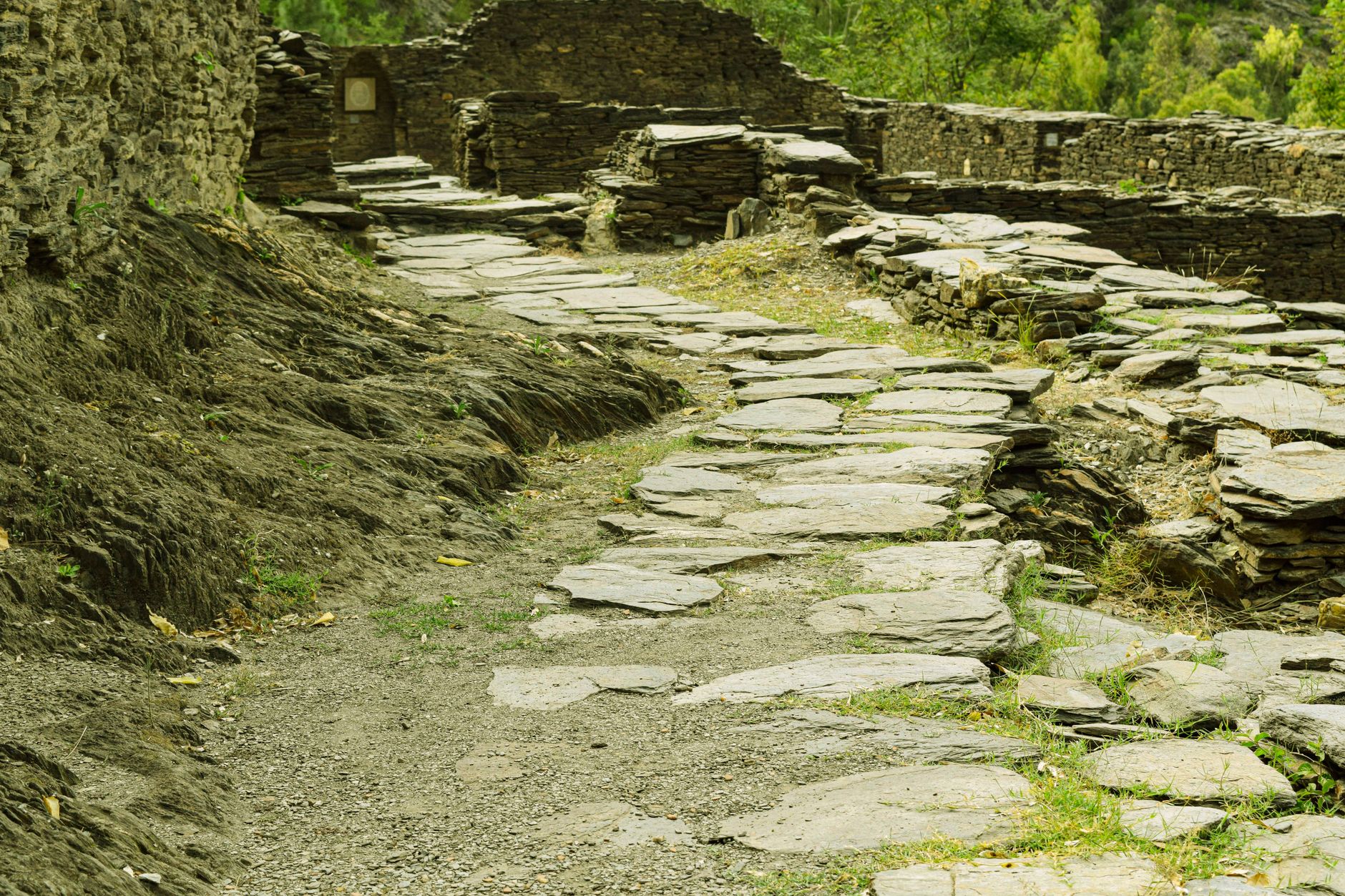
There's an undeniable allure to the unknown, a silent whisper from paths less trodden. We're often drawn to the celebrated landmarks, but sometimes, the greatest treasures lie hidden, overlooked, or simply forgotten. The question then arises: why might people stop traveling a rarely traveled path, and how can we discern if the journey into its quiet history is truly worth undertaking?
Beyond the well-worn tourist routes lie places brimming with untold stories – geological marvels, ancient histories, and vibrant cultures waiting to be rediscovered. This guide will take you through some genuinely underrated destinations, each with a unique, verifiable story hook, helping you decide which forgotten wonders deserve your curious exploration.
1. The Ghost of Ancient Art
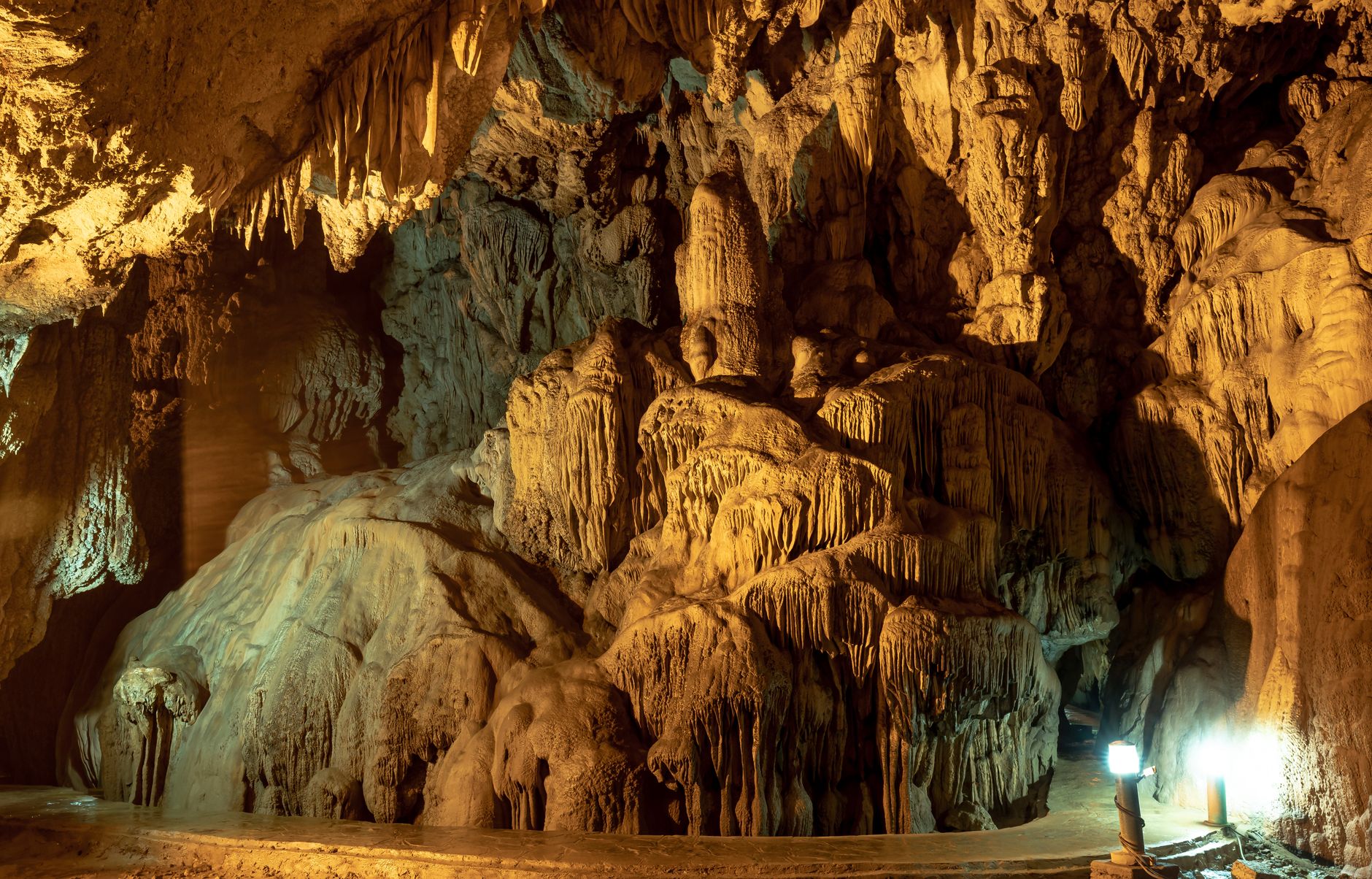
Vallon-Pont-d'Arc, France
An exact replica of a 36,000-year-old cave, inaccessible to the public, offers an unparalleled glimpse into humanity's earliest art.
Chauvet 2, also known as the Grotte Chauvet 2 Ardèche, meticulously recreates the original Chauvet Cave, discovered in 1994. The actual cave's delicate prehistoric paintings, depicting lions, mammoths, and rhinos, are so fragile that public access is strictly forbidden to preserve them. This innovative project used 3D scanning and master artisans to reproduce every detail of the cave's vast chambers and over 400 artworks, allowing visitors to experience the awe of these ancient masterpieces without harming the original. It's a testament to preservation through perfect imitation.
2. Temples Older Than the Pyramids
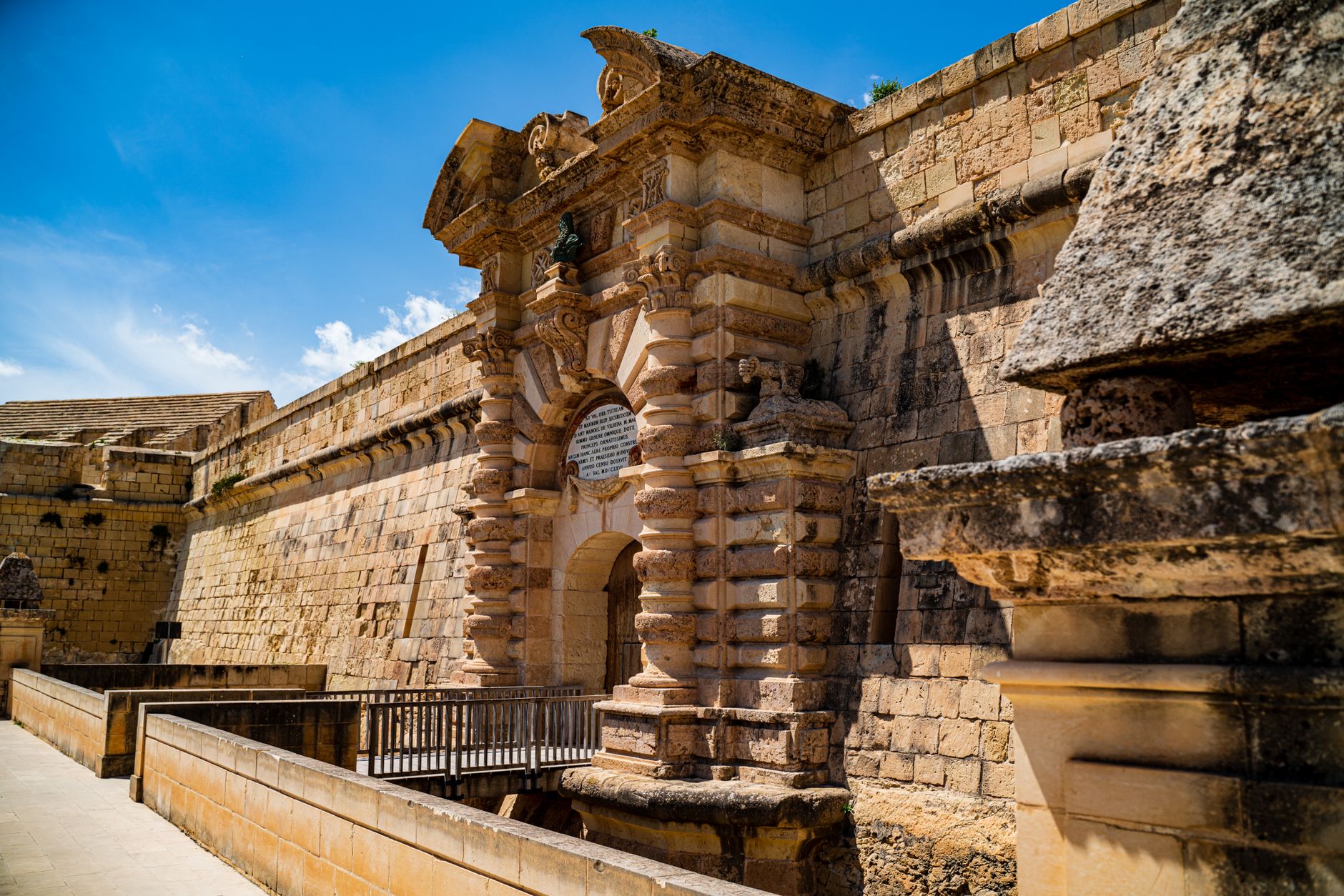
Malta
These ancient stone temples predate Stonehenge and the Egyptian pyramids, built by a mysterious civilization with advanced engineering for their time.
Scattered across Malta and Gozo, megalithic temple complexes like Hagar Qim and Mnajdra are among the oldest free-standing structures on Earth, dating back over 5,000 years. Their builders, a sophisticated prehistoric culture, left no written records, and their purpose remains largely speculative, though astronomical alignments and ritualistic functions are highly theorized. Walking among these massive, precisely cut and fitted stones evokes a profound sense of wonder about the ingenuity and beliefs of societies long vanished.
3. The Cradle of Celtic Christianity
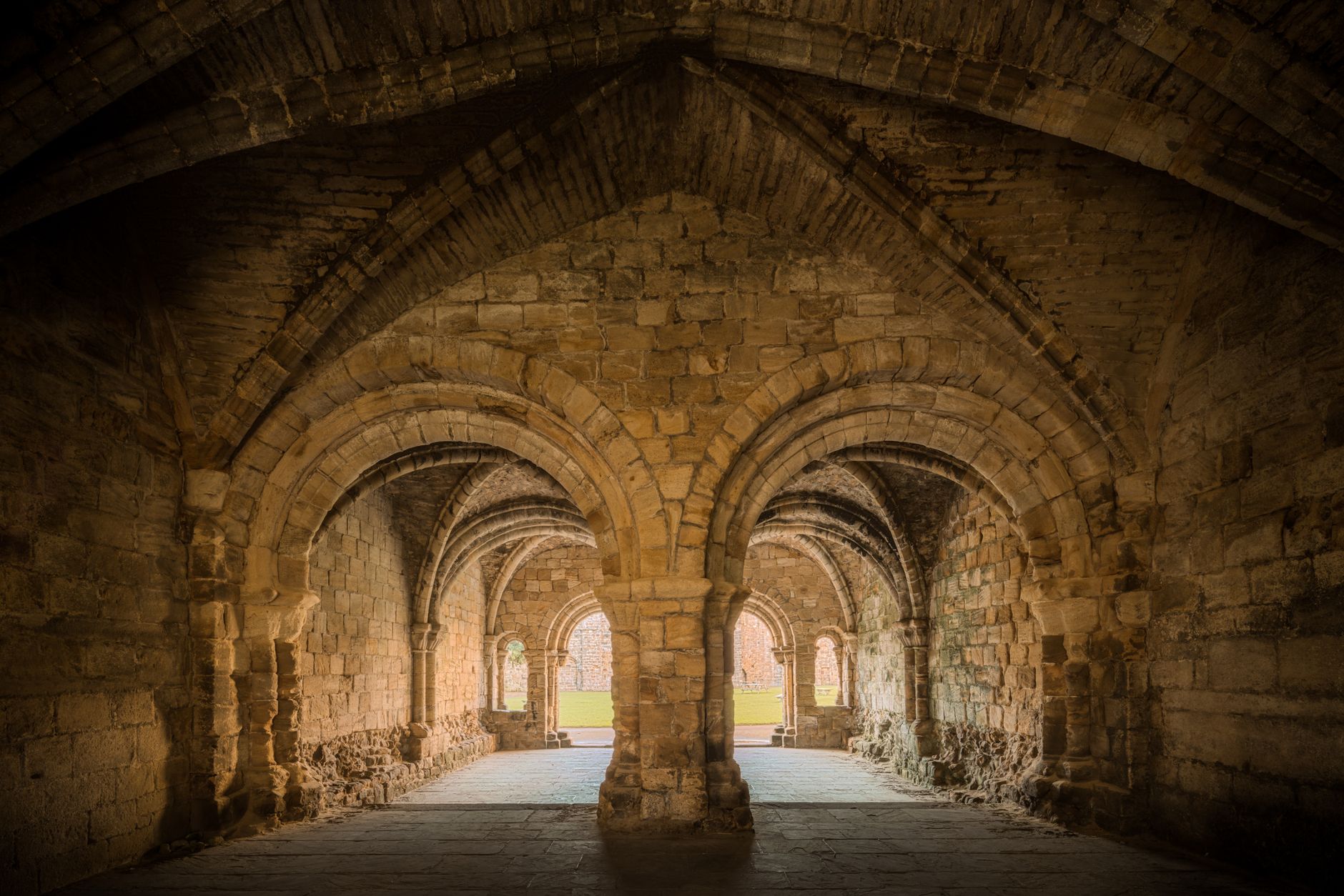
Iona, Scotland
This tiny, windswept island off the coast of Scotland was once a vital center of early Celtic Christianity and a burial place for ancient Scottish kings.
Iona holds profound spiritual significance, where St. Columba established a monastery in 563 AD, playing a crucial role in spreading Christianity throughout Scotland and northern England. Its abbey, rebuilt over centuries, stands as a testament to its enduring legacy. The island's ancient graveyard, Reilig Odhráin, is traditionally believed to be the final resting place of numerous Scottish, Irish, and Norwegian kings, including several mentioned in Shakespeare's Macbeth, lending it an almost mythical status.
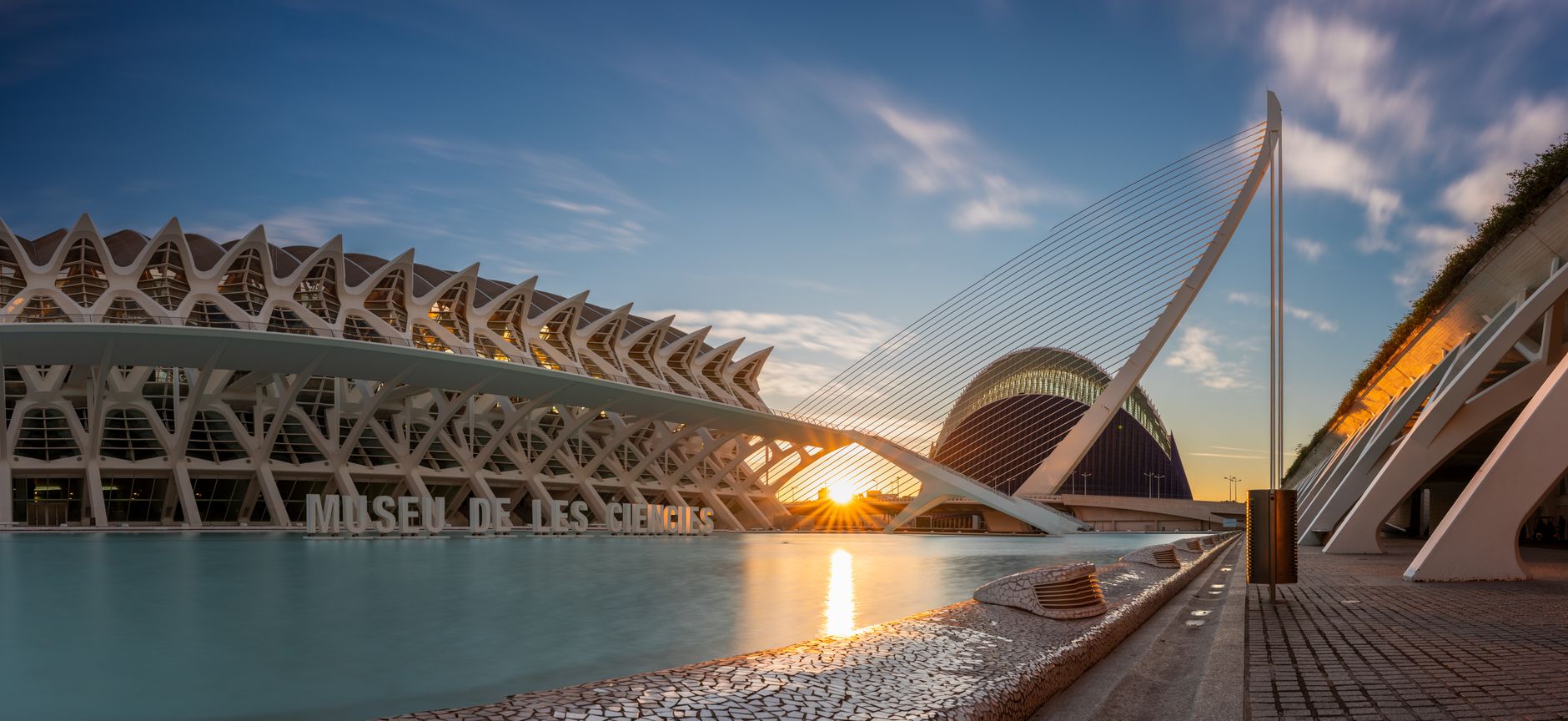
4. A City from the Future
Valencia, Spain
This futuristic architectural complex in Valencia resembles a city from a science fiction film, featuring a planetarium shaped like an eye and an opera house like a giant helmet.
Designed by Santiago Calatrava and Félix Candela, the City of Arts and Sciences is a breathtaking ensemble of interconnected buildings dedicated to culture and science. Its striking, organic forms rise from reflective pools, creating a surreal landscape that blurs the lines between art and engineering. Each structure, from the interactive science museum to the massive oceanographic park, offers a unique visual and intellectual experience, making it a modern marvel unlike any other in Europe.
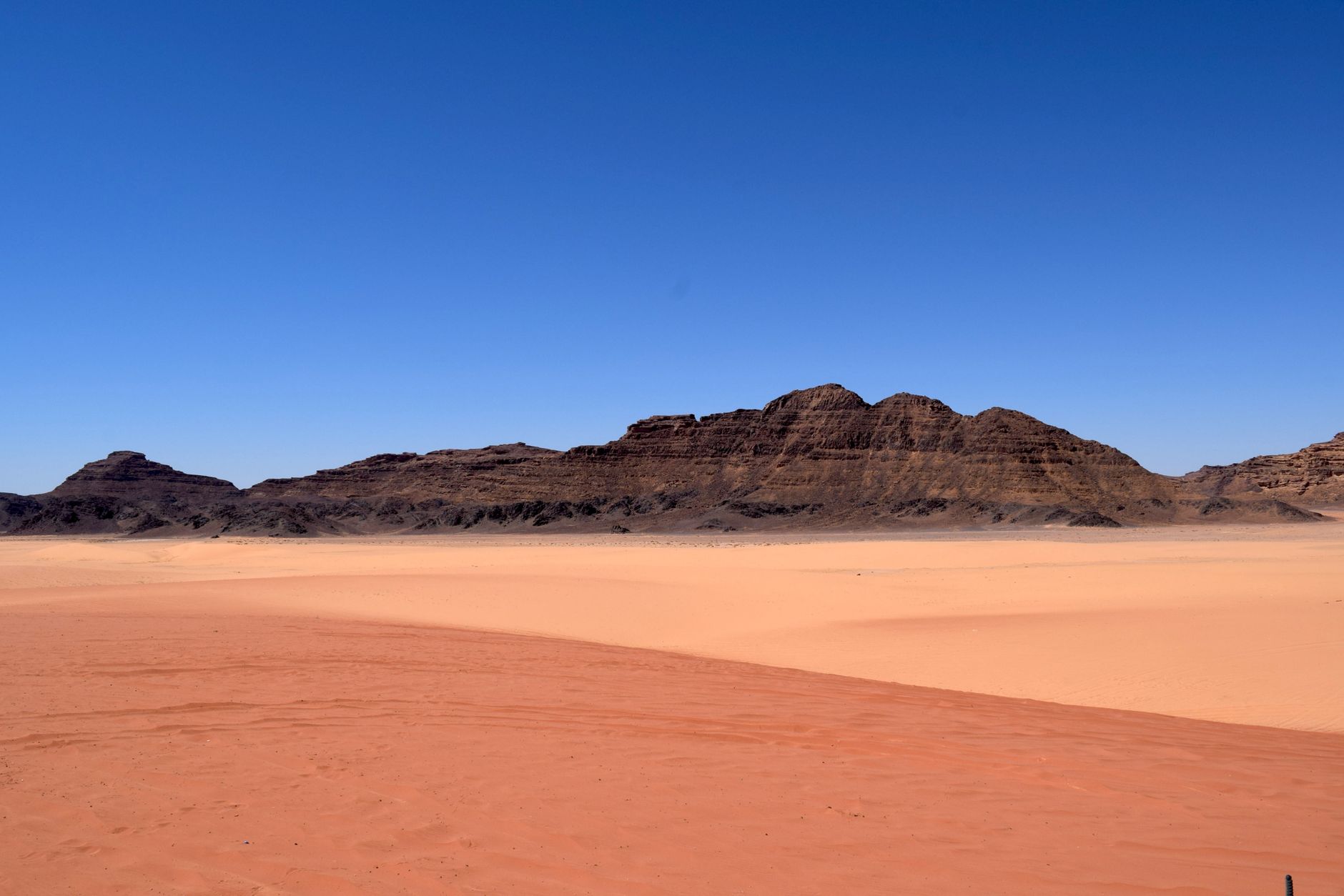
5. Lawrence of Arabia's Desert Canvas
Wadi Rum, Jordan
This stunning desert wilderness is often called "The Valley of the Moon" and was home to Lawrence of Arabia, featuring towering sandstone mountains and ancient petroglyphs.
Wadi Rum's dramatic landscapes, sculpted by millennia of wind and erosion, hold deep historical and cultural significance. Bedouin tribes have lived here for centuries, preserving a traditional way of life amidst the towering jebels and vast, sandy expanses. T.E. Lawrence made his headquarters here during the Arab Revolt, cementing its place in modern history. Visitors can explore ancient Nabataean rock carvings, discover natural arches, and sleep under a blanket of stars, connecting with a timeless desert environment that feels truly otherworldly.
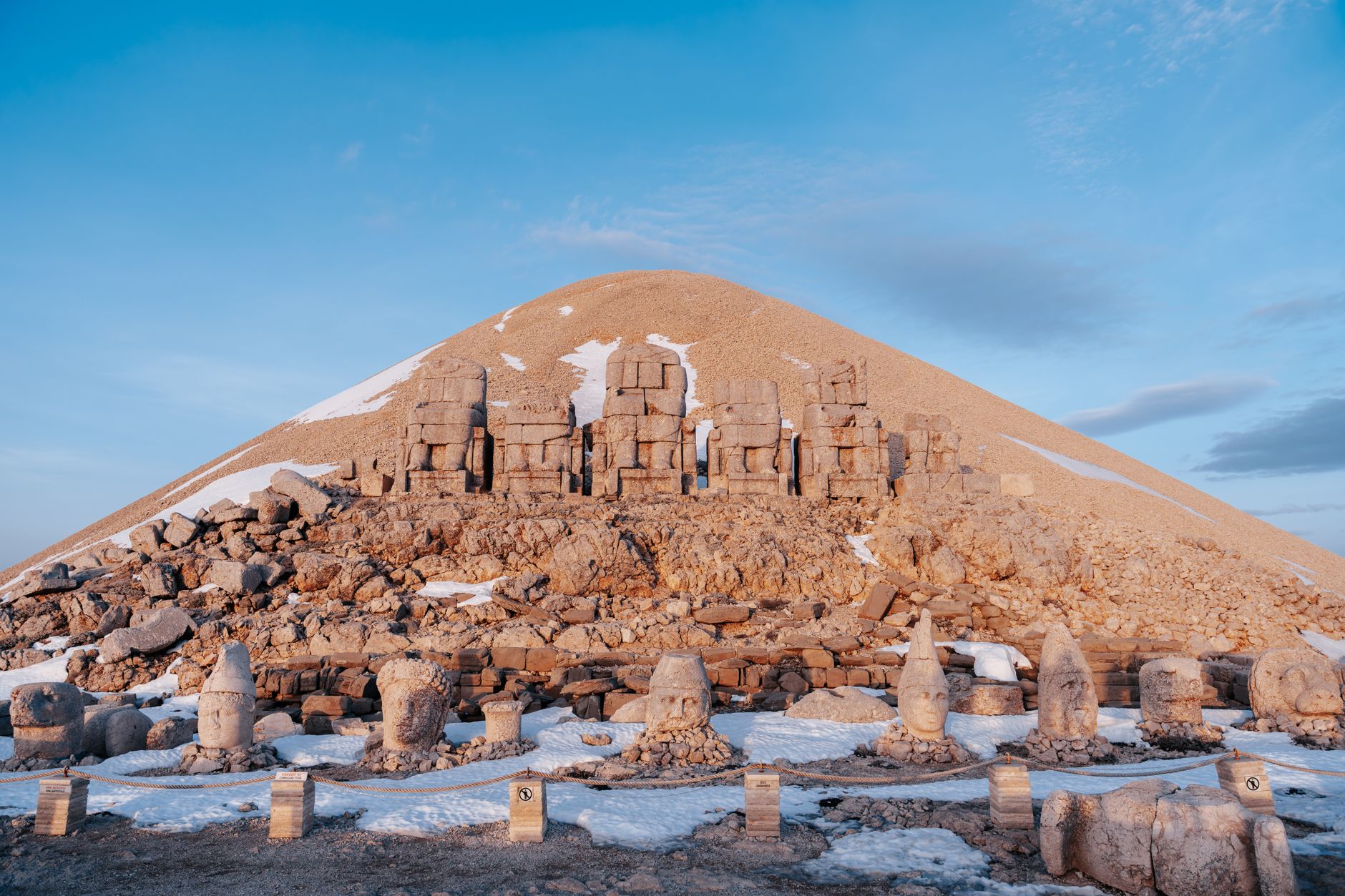
6. The Forgotten Gods of Commagene
Mount Nemrut, Turkey
On this remote mountain peak, colossal stone heads of ancient gods and kings sit scattered, remnants of a forgotten Hellenistic kingdom's audacious tomb-sanctuary.
Mount Nemrut is the funerary monument of King Antiochus I of Commagene, built in the 1st century BC. At its summit, a tumulus of crushed rock is flanked by two terraces adorned with enormous statues, now mostly decapitated by earthquakes and erosion. The monumental scale and the unique blend of Greek and Persian iconography make it a profound archaeological site, offering a haunting glimpse into a syncretic cult of personality and divine rule from a kingdom long vanished from memory.
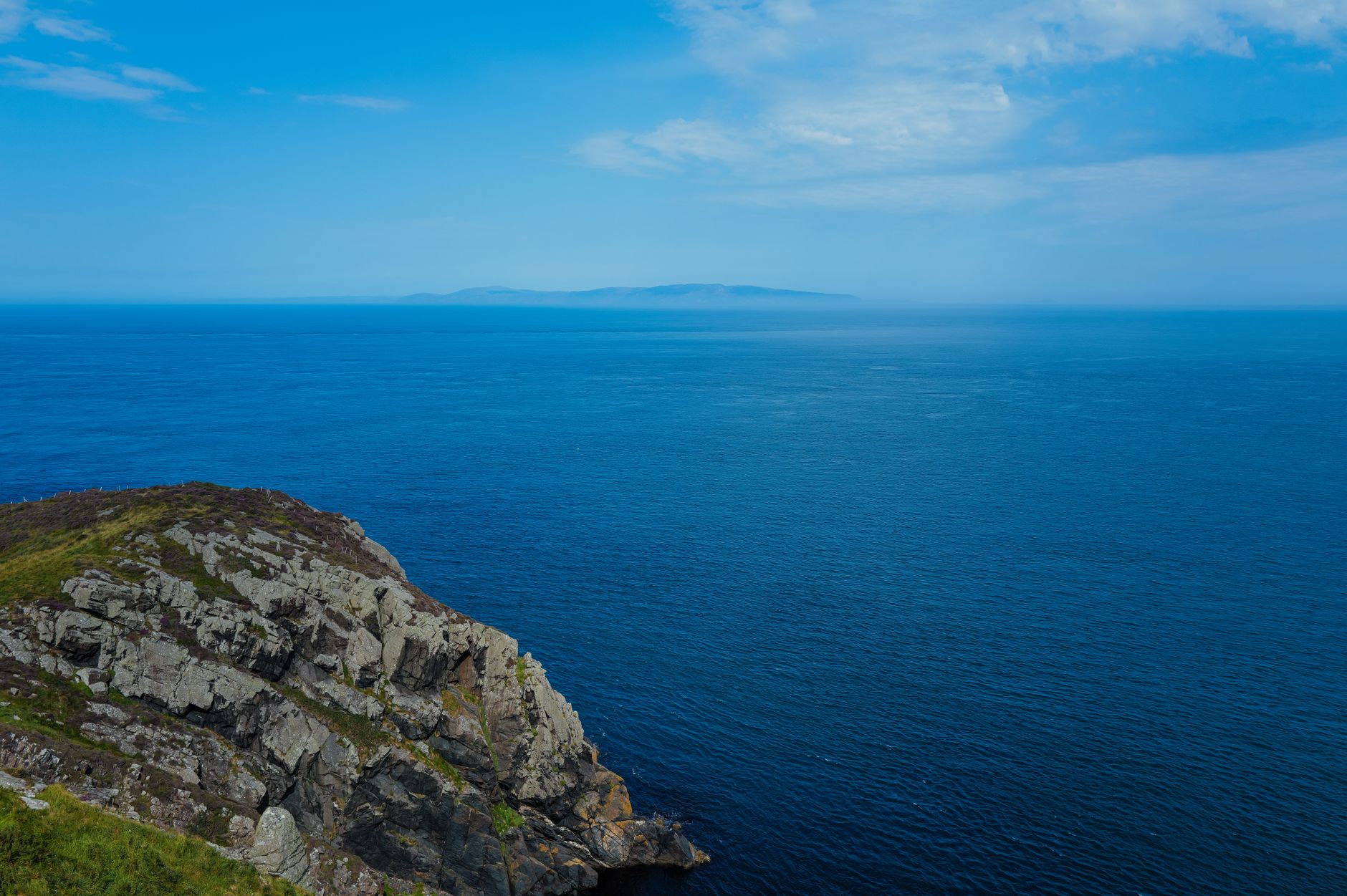
7. The Monks at the World's Edge
Skellig Michael, Ireland
Perched precariously on a jagged rock island far out in the Atlantic, an ancient monastic settlement built by early Christian monks endures against the elements.
Skellig Michael is a UNESCO World Heritage site, home to a remarkably preserved 6th-century monastery. Monks lived in stone beehive huts, enduring harsh conditions in isolation, seeking spiritual solitude at what felt like the very edge of the known world. The arduous climb to the summit, past teeming puffin colonies, reveals an incredible feat of human resilience and devotion. This dramatic outpost offers a profound sense of history, natural wildness, and an unforgettable journey into ancient Irish monastic life.
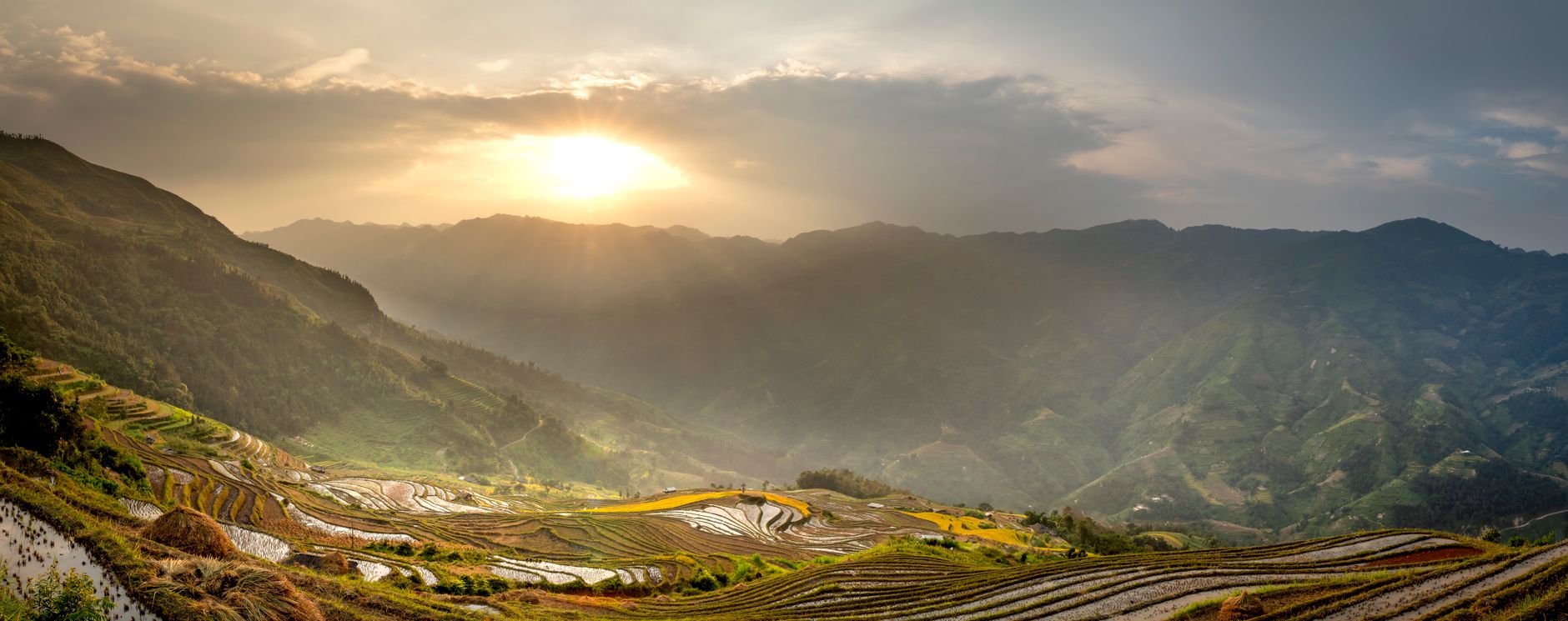
8. Ancient Stairways to Heaven
Banaue, Philippines
Often called the "Eighth Wonder of the World," these 2,000-year-old rice terraces were carved into the mountainsides by the indigenous Ifugao people with minimal tools.
The Banaue Rice Terraces are an astonishing example of ancient engineering and sustainable agriculture. Hand-carved into the Cordillera mountains and irrigated by a complex system drawing water from mountain springs, they represent generations of communal effort and knowledge. These verdant staircases, some reaching thousands of feet up, not only feed the local population but also embody the deep cultural connection between the Ifugao people and their land, a living testament to their ingenuity that continues to thrive today.
Frequently asked questions
Why do some incredible places remain off the main tourist map?
Often, logistical challenges like remote locations, difficult terrain, or limited infrastructure deter mass tourism. Other times, it's a lack of mainstream marketing, political instability, or simply that their unique appeal resonates with a niche audience, keeping them preserved from over-tourism.
How can I discover genuinely underrated travel destinations?
Start by looking beyond popular "best of" lists. Research specific historical events, geological phenomena, or cultural traditions that intrigue you, then locate places associated with them. Local tourism boards, specialized travel blogs, and even academic papers can reveal hidden gems.
What should I consider before pursuing a rarely traveled path?
Prioritize safety, research local customs, and understand the practicalities like transportation, accommodation, and communication. Be prepared for less developed infrastructure, potential language barriers, and ensure you have appropriate insurance and emergency contacts. Respect for local communities and the environment is paramount.
How can AllTours.ai enhance my experience at these unique locations?
AllTours.ai is designed for exactly these kinds of explorations. By simply pointing your phone camera at a landmark or landscape, the app instantly narrates its history, geology, and culture in your preferred language. It provides an immersive, on-demand guide, revealing the deep, vivid stories of these rarely traveled paths that might otherwise remain untold.
Related guides
Photography via Pexels. AllTours.ai is an AI audio tour guide — point your camera at any landscape and hear its story.