September 11, 2026 · 4 min read
It’s a common observation among travelers: Quebecers often seem to effortlessly switch their linguistic gears when conversing with someone from France, yet the reverse rarely happens with the same ease. This isn't about preference or politeness; it's a fascinating linguistic phenomenon rooted deeply in Quebec's unique history, geography, and cultural evolution.
To understand why Quebecers seem to easily adjust their French for French speakers, we need to look beyond grammar books and into the very landscapes and stories that shaped this distinct North American French. From forgotten industrial towns to isolated island communities, these places offer vivid glimpses into the cultural forces that fostered linguistic adaptability and a unique identity.
1. The Ghost Town That Speaks Volumes
Val-Jalbert, Quebec, Canada
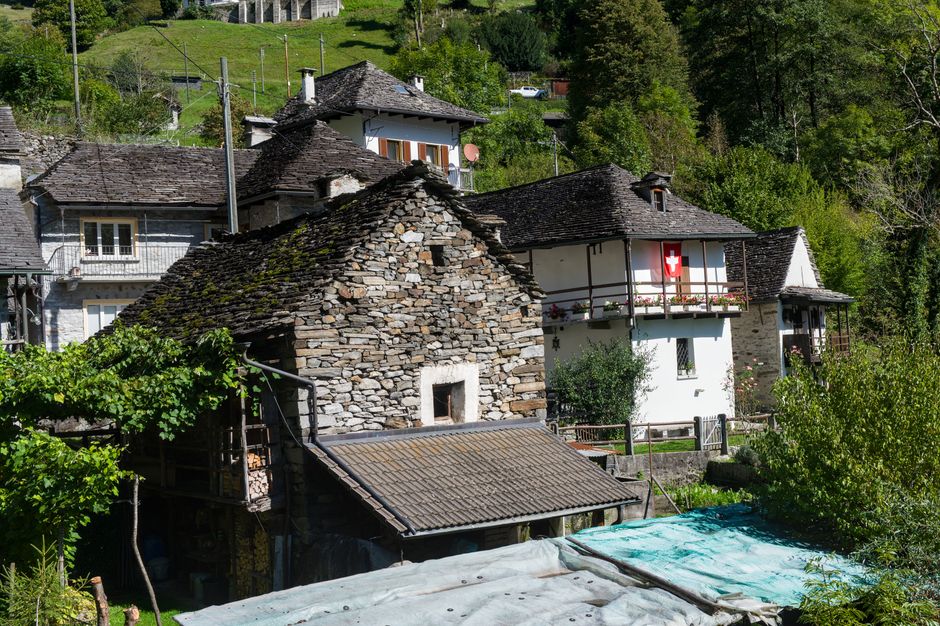
This preserved 1920s company town, abandoned almost overnight, is a stark reminder of Quebec's rapid industrial shifts and community resilience.
Nestled by the Ouiatchouan River, Val-Jalbert was a thriving pulp mill town in the 1920s, complete with modern amenities like running water and electricity. When the mill suddenly closed in 1927, residents dispersed, leaving behind a perfectly preserved village. This rapid boom-and-bust cycle fostered a self-reliant culture in remote regions, contributing to distinct local expressions and a strong sense of community that had to quickly adapt or relocate.
2. The Island Where Time Stood Still
Île d'Orléans, Quebec, Canada
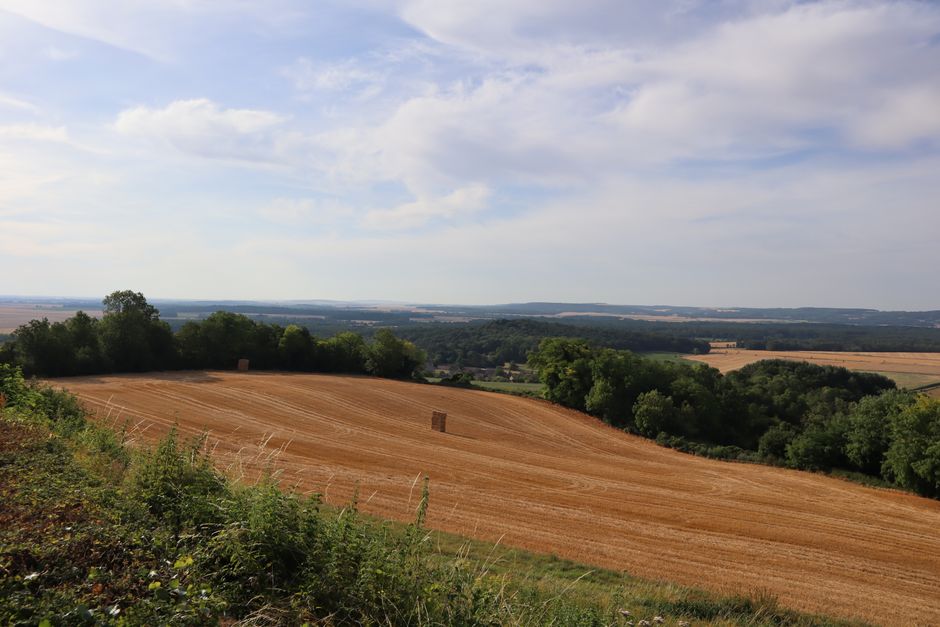
Home to some of New France's earliest settlers, this island is a living archive of linguistic and cultural preservation.
Just a short drive from Quebec City, Île d'Orléans was one of the first settled areas in New France. Many of the original family names from the 17th century still populate the island today. This enduring connection to the past, fostered by geographic isolation, allowed a unique dialect and customs to flourish, distinct from mainland European French. It’s a tangible link to the language's foundational roots in North America.
3. The Island of Lost Souls and New Beginnings
Grosse Île, Quebec, Canada
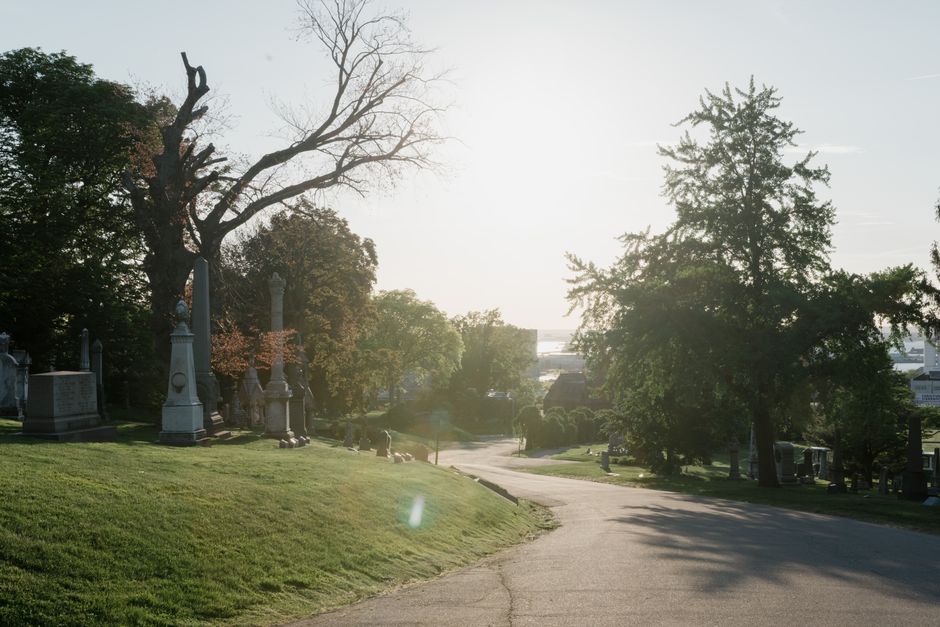
This quarantine station, infamous during the Irish Famine, represents a critical crossroads where cultures collided and adapted.
In the mid-19th century, Grosse Île served as a grim quarantine station for hundreds of thousands of immigrants, primarily Irish, fleeing the Great Famine. Thousands perished here, but many survivors went on to settle in Quebec. This site illustrates the immense challenges of cultural and linguistic integration for newcomers into a French-speaking society, often forcing rapid adaptation that shaped both the immigrants and the host community.
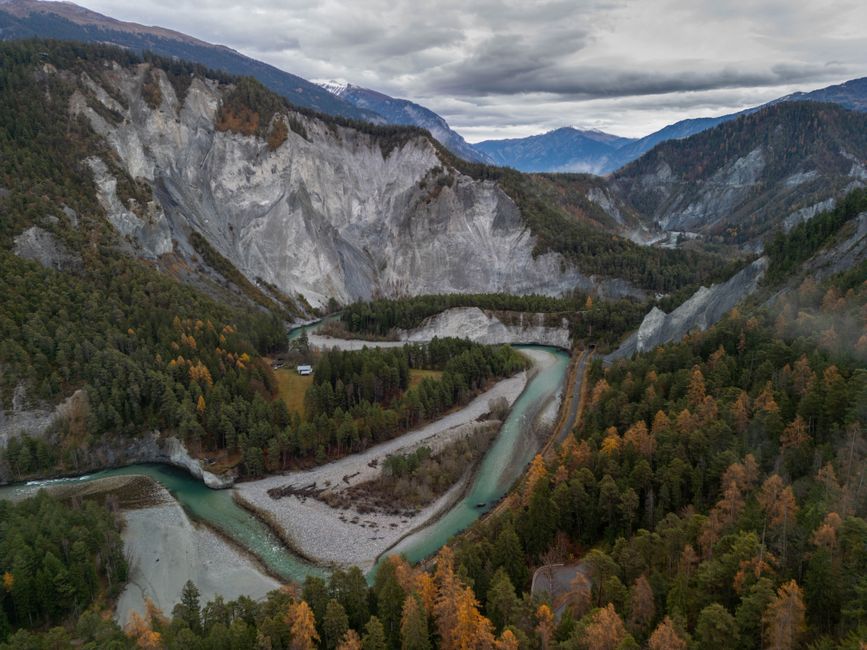
4. Nature's Deep Cut into Identity
Parc national de la Jacques-Cartier, Quebec, Canada
A stunning glacial valley that carved more than just landscapes; it shaped isolated communities and their unique relationship with the wild.
This park boasts one of Quebec's most dramatic glacial valleys, a U-shaped trough over 550 meters deep carved into the ancient Laurentian mountain range. Such formidable natural barriers historically isolated early settlements, fostering self-reliance and distinct regional dialects. The rugged beauty here isn't just scenery; it's a testament to the powerful geographic forces that helped forge a unique Québécois identity and resilience, distinct from more accessible European norms.
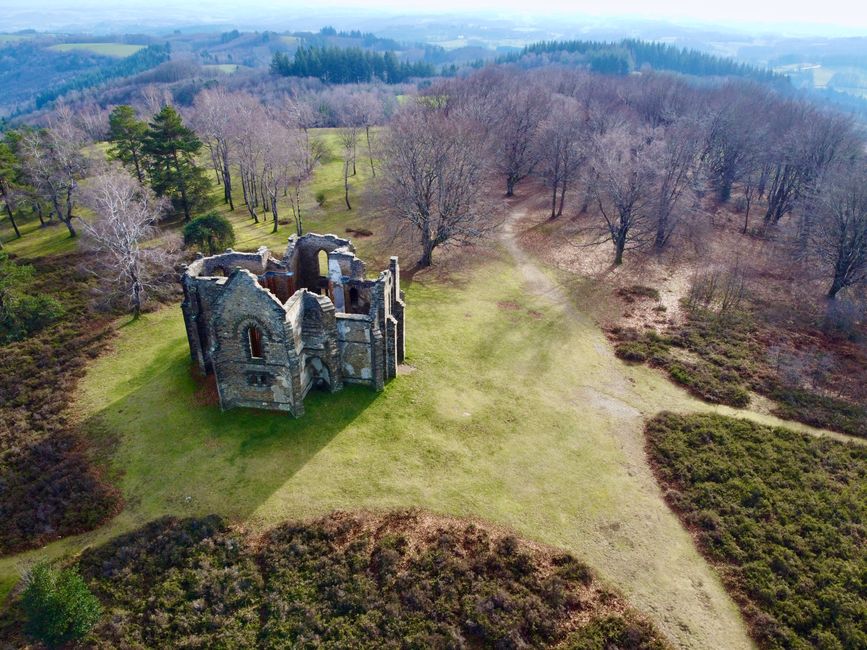
5. North America's First Industrial Spark
Trois-Rivières, Quebec, Canada
The birthplace of North American heavy industry, demonstrating Quebec's early self-sufficiency and resourcefulness.
Operating from 1738 to 1883, Les Forges du Saint-Maurice were the continent's first successful industrial complex, producing iron for everything from cannons to cooking pots. This site highlights New France's early drive for economic independence, fostering a pragmatic, inventive spirit. This industrial pioneering, distinct from France's more courtly or agrarian focus, created its own lexicon and cultural practices around work and innovation, setting Quebec apart.
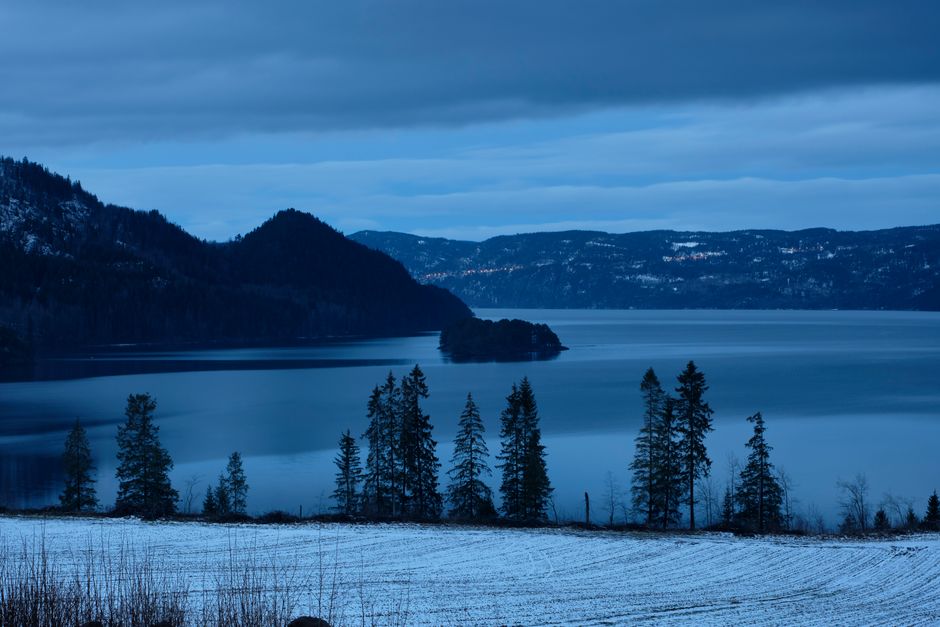
6. Where Cliffs Meet Legends
Saguenay Fjord, Quebec, Canada
This rare inland fjord is more than a geological marvel; its isolating geography nurtured unique legends and local expressions.
Stretching over 100 kilometers inland, the Saguenay Fjord is a unique geological feature, with cliffs plunging hundreds of meters into deep waters. This imposing landscape, born from glacial erosion, created naturally isolated communities along its shores. These communities developed their own rich folklore, like the famous "Chasse-galerie" legend of flying canoes, and maintained distinct linguistic traits, adapting French to their unique environment and shared experiences.
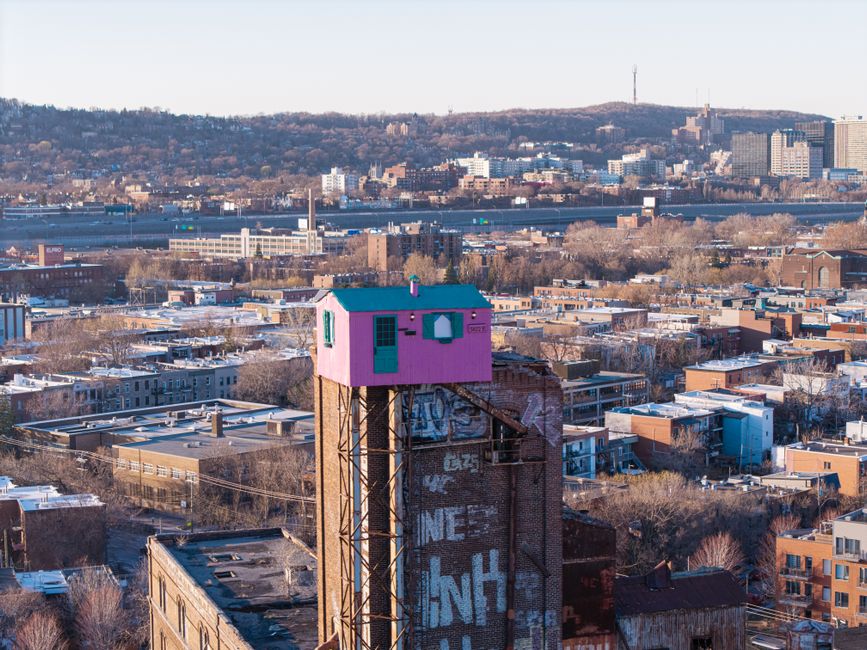
7. The Home of New France's Foundations
Montreal, Quebec, Canada
One of Montreal's oldest farmhouses, it tells the vital story of the "Filles du Roy" and the establishment of French families in a new world.
Built in the 17th century, Maison Saint-Gabriel was acquired by Marguerite Bourgeoys for the education and integration of the "Filles du Roy" – young women sent from France to marry and populate New France. This site illustrates the deliberate effort to transplant and root French culture and language in North America. The daily lives and struggles within these walls show how French traditions were adapted and preserved, evolving distinctly from their European origins.
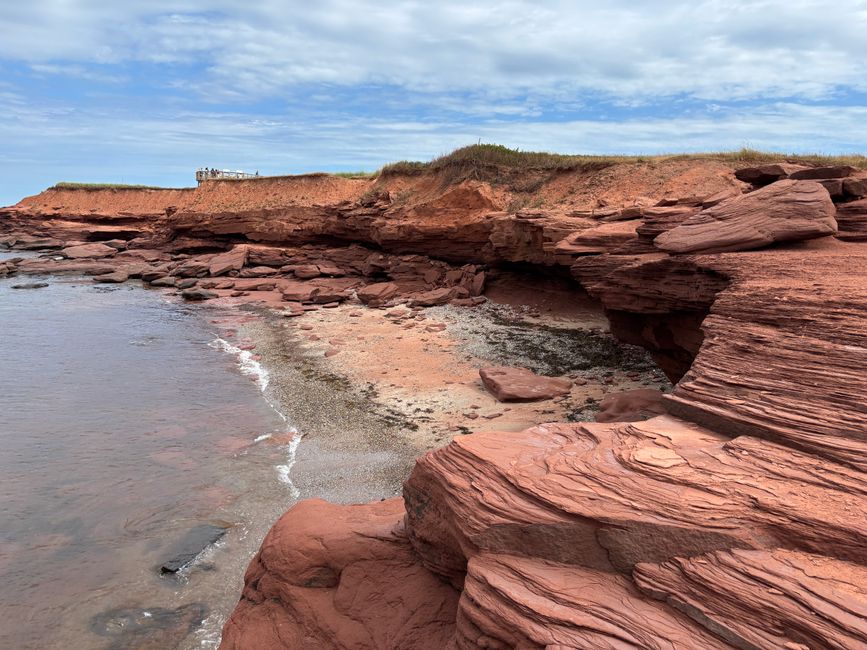
8. Acadian Whispers on Windswept Shores
Magdalen Islands, Quebec, Canada
These remote islands hold a distinct Acadian heritage, a unique variant of French-speaking culture forged by isolation and maritime life.
Far out in the Gulf of St. Lawrence, the Magdalen Islands are a vibrant testament to Acadian culture, distinct from mainland Québécois. Settled largely by Acadians returning after the Great Expulsion, their isolation has fostered a unique accent, vocabulary, and traditions deeply intertwined with the sea. This archipelago showcases the incredible diversity within French North America, where different histories led to different linguistic and cultural adaptations.
Frequently asked questions
Is Quebec French very different from French spoken in France?
While mutually intelligible, Quebec French has distinct pronunciations, vocabulary, and expressions influenced by its historical isolation and contact with English. It retains some older forms of French while developing unique idioms.
Why is Quebec French sometimes called "joual"?
The term "joual" often refers to a particular working-class, informal dialect of Quebec French, especially in Montreal. It's sometimes used pejoratively but also embraced as a symbol of Quebecois identity, reflecting unique linguistic evolutions.
Did English influence Quebec French?
Yes, English has significantly influenced Quebec French, particularly in vocabulary related to modern technology, sports, and business. However, efforts have been made to preserve and promote French, often by creating French equivalents for English terms.
How can AllTours.ai help me understand Quebec's unique places?
AllTours.ai brings the stories of Quebec's places to life. Simply point your phone camera at a landmark, a historical site, or even a natural landscape, and the app will narrate its history, geology, and cultural significance in your preferred language, revealing the hidden layers of this fascinating province.
Related guides
Photography via Pexels. AllTours.ai is an AI audio tour guide — point your camera at any landscape and hear its story.