August 5, 2026 · 4 min read
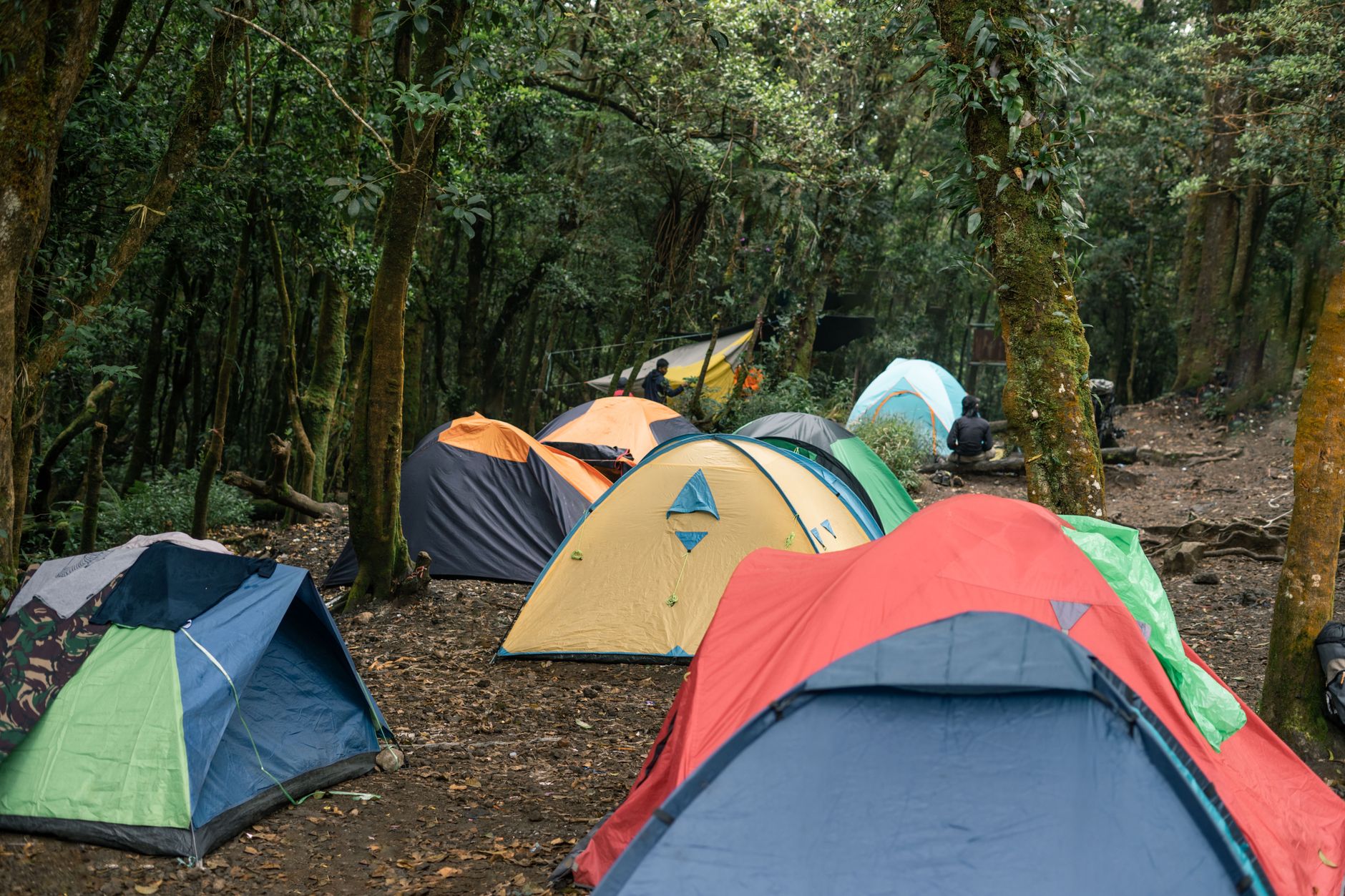
For many backpackers, a traditional tent is a default choice. It offers familiar comfort and a sense of security. But what if that familiar comfort is actually holding you back from truly immersing yourself in the wildest, most unique corners of the world?
When you prioritize speed, agility, and a deeper connection to truly off-grid landscapes, the weight and bulk of a traditional tent can become a significant regret. Exploring ancient hideouts, challenging geological formations, or dense cloud forests often demands a more adaptable and minimalist approach to shelter. Here are places where lighter alternatives don't just make sense, they unlock a richer story.
1. The Apache's Granite Fortress
Cochise Stronghold, Arizona, USA
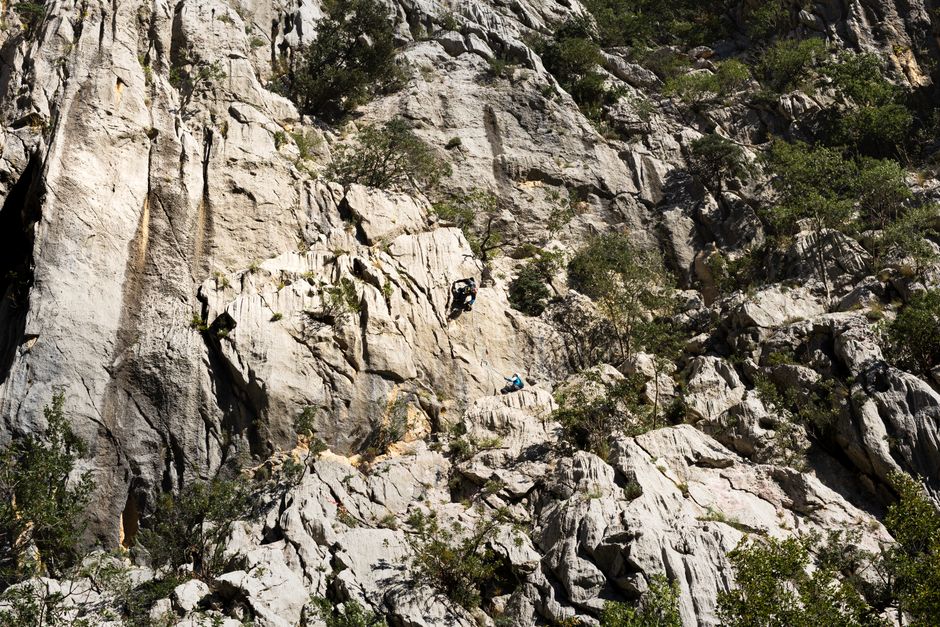
This remote mountain range served as a natural fortress for Apache leader Cochise, whose people used its labyrinthine rock formations to evade the U.S. Army for years.
Cochise Stronghold is a geological marvel of granite domes and bizarre hoodoos, forming natural caves and overhangs. For the Chiricahua Apache, these intricate formations were not just shelter but strategic hiding places. Navigating the dense oak and pine forests and scrambling through boulder fields requires agility. A heavy tent might hinder exploration of the tight passages and hidden camps that once protected a nation.
2. Madrid's Climber's Sanctuary
La Pedriza, Cuenca Alta del Manzanares Regional Park, Spain
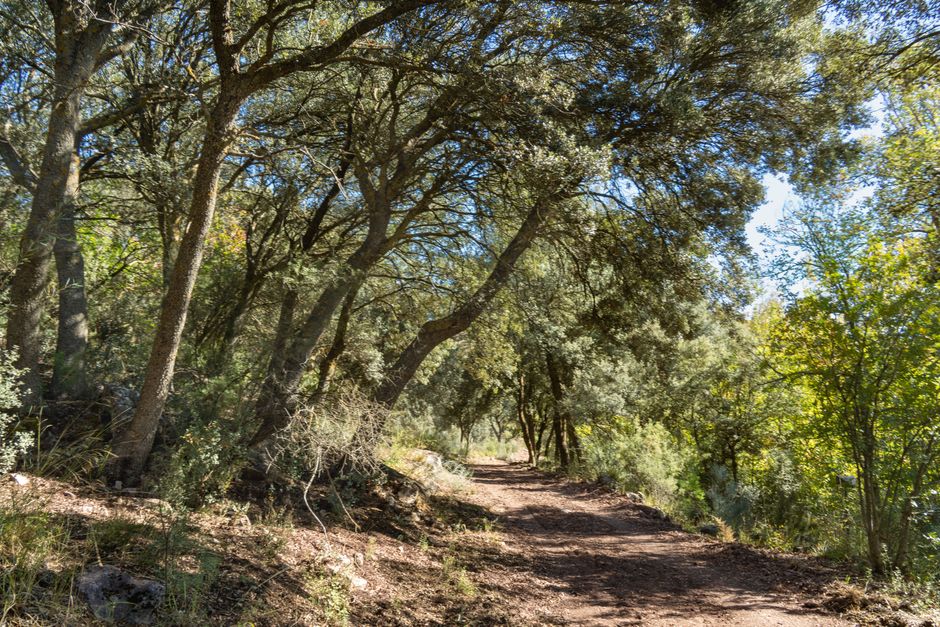
This granite wilderness near Madrid was a training ground for early Spanish rock climbers and a refuge for republican guerrillas during the Spanish Civil War.
La Pedriza, within the park, is a unique landscape of granite domes, towering spires, and a dense network of streams and pine forests. Its chaotic beauty and challenging terrain attracted adventurers and offered concealment for those seeking refuge. The sheer granite faces and countless hidden pockets make it ideal for minimalist camping, where a traditional tent might struggle to find a flat, sheltered pitch among the rocks.
3. Ethiopia's Sky Island Backcountry
Simien Mountains, Ethiopia
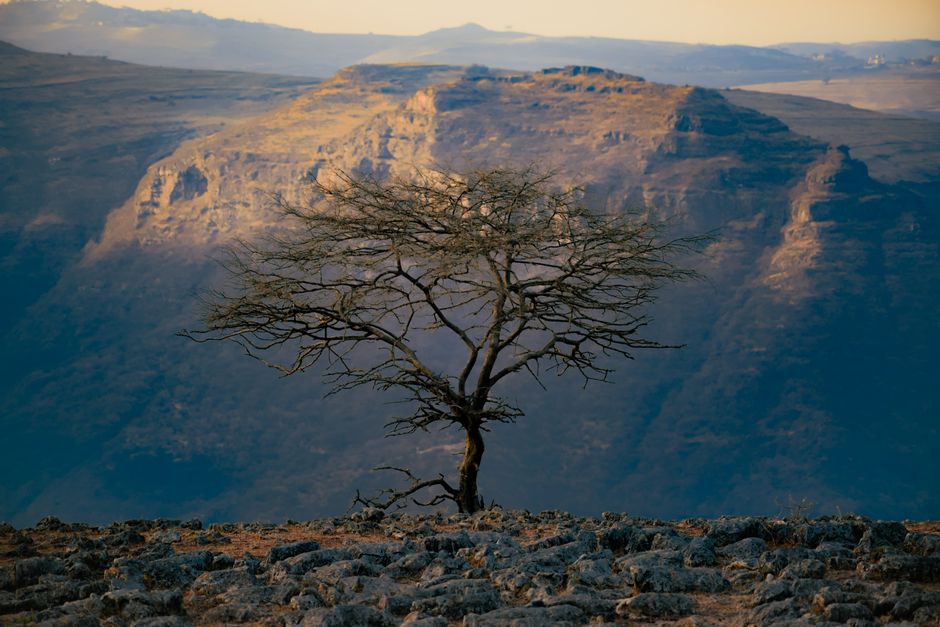
This dramatic landscape, home to unique wildlife like the Gelada baboon, was shaped by ancient volcanic activity and deep erosion, creating sheer escarpments and valleys.
The Simien Mountains offer some of Africa's most breathtaking scenery, with colossal jagged peaks and gorges. While many trekkers stick to established routes, exploring the more remote sections means navigating steep ascents and descents on uneven paths. Traditional tents can be heavy to carry at high altitudes and challenging to pitch on the often-sloping terrain, making a lighter alternative appealing for those wanting to venture further into this geological wonderland.
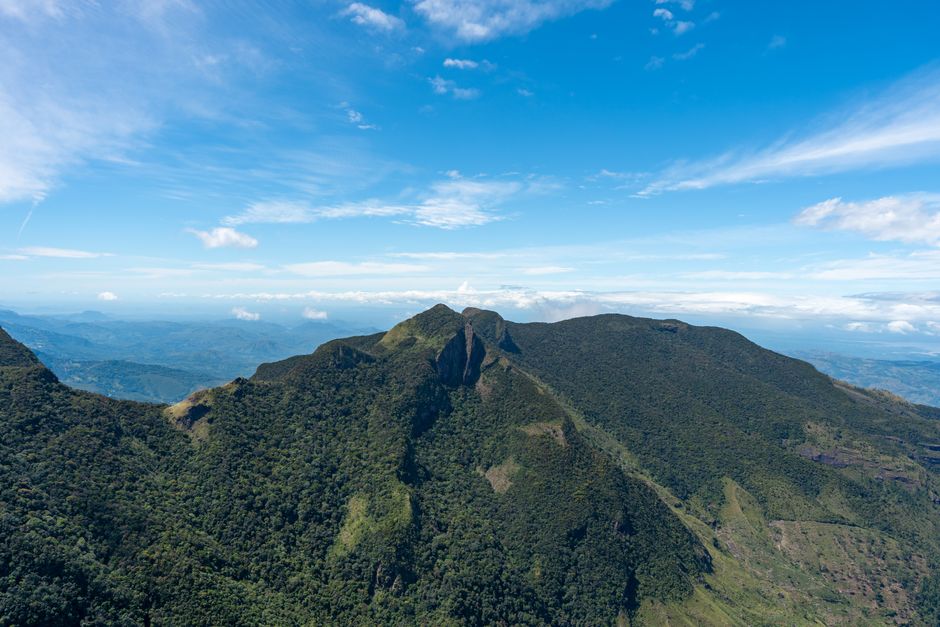
4. Sri Lanka's Misty 'Fist'
Knuckles Mountain Range, Sri Lanka
Named for its resemblance to a clenched fist, this mist-shrouded biodiversity hotspot is home to endemic species and ancient village traditions.
The Knuckles are a designated UNESCO World Heritage site, famous for its cloud forests, terraced rice paddies, and pygmy forests. While some trails are popular, deep within the range lie isolated villages and untouched sections of forest. Heavy rainfall and leeches are common, and the terrain can be incredibly steep and slippery. A traditional tent might feel stifling and slow to pack up in the humid conditions, especially when seeking out the more elusive waterfalls and viewpoints.
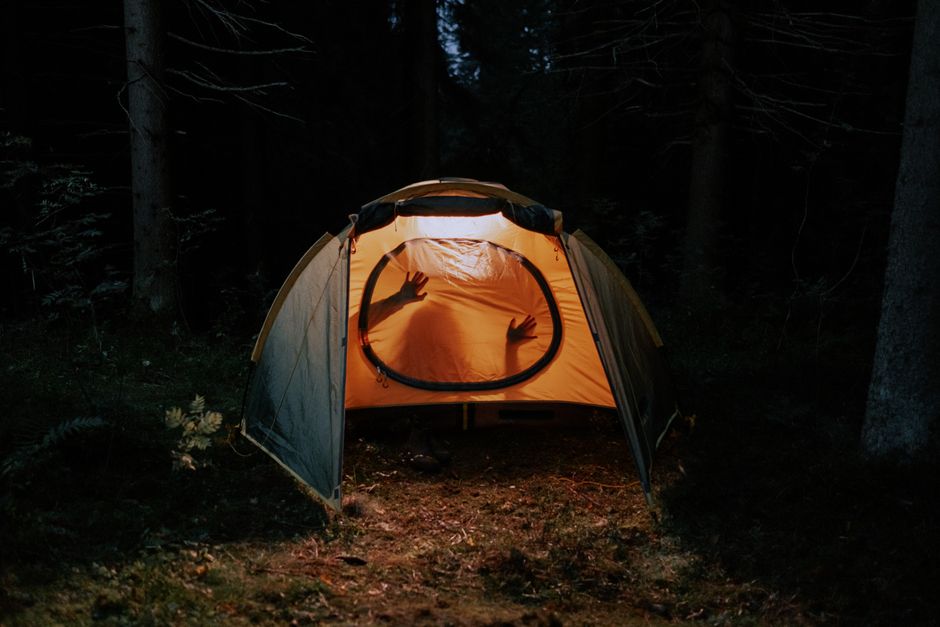
5. The King's Ancient Paths
Kungsleden, Sweden
This 'King's Trail' traverses a landscape shaped by Ice Age glaciers, where Sámi reindeer herders have followed ancient migratory paths for millennia.
The Kungsleden offers a classic long-distance trekking experience through pristine Arctic wilderness. While huts are available, true immersion comes from wild camping. The terrain can be boggy, rocky, and exposed to strong winds above the tree line. In the less-traveled southern sections or when taking detours, finding dry, flat ground for a traditional tent can be a challenge. The long daylight hours of summer mean less time spent confined, making a quick, adaptable shelter more appealing.
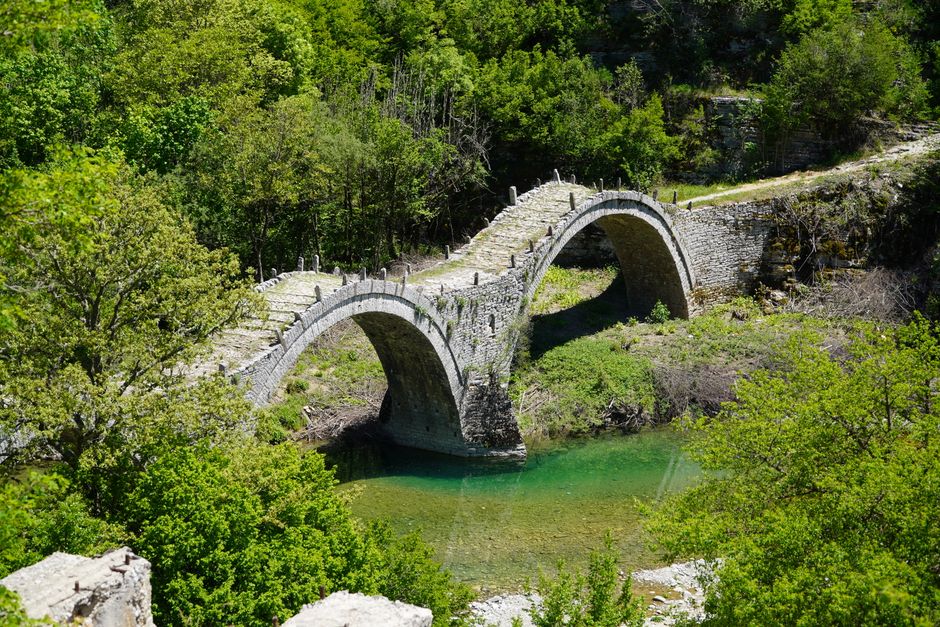
6. Greece's Stone Bridge Labyrinth
Pindus Mountains (Zagori region), Greece
This remote region in Northern Greece is known for its dramatic gorges, ancient stone bridges, and a unique architecture that blends seamlessly with the rugged landscape.
The Zagori region, nestled within the Pindus Mountains, is a network of 46 traditional stone villages connected by centuries-old kalderimia (cobblestone paths) and arched bridges. Beyond the popular Vikos Gorge, a deeper exploration reveals forgotten trails and secluded valleys. The steep, rocky terrain and dense forests, combined with the region's rich history of hermits and brigands, make a cumbersome tent less desirable. Discovering a hidden chapel or a pristine swimming hole becomes easier with a light, flexible setup.
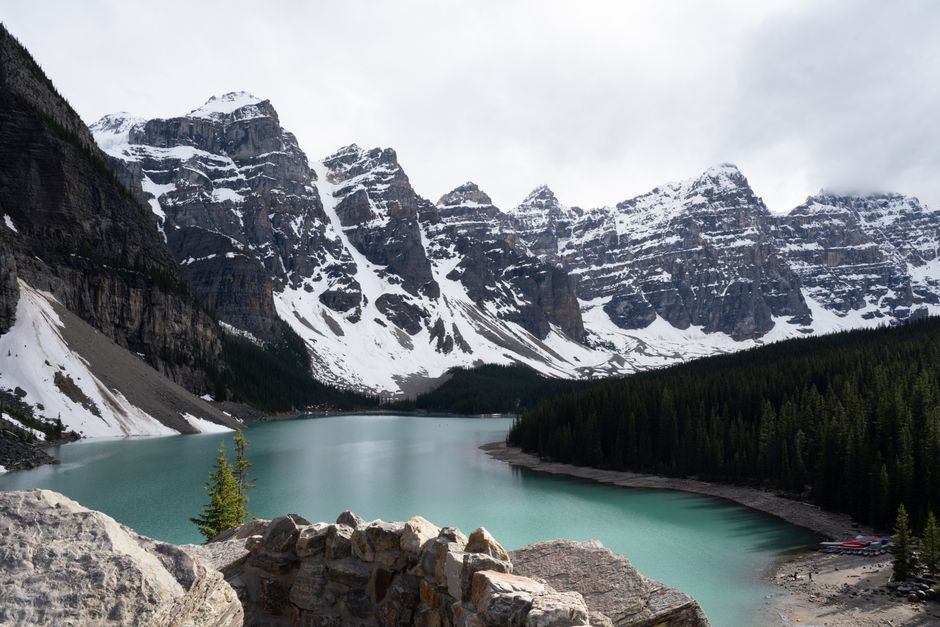
7. The Valley of Ten Peaks' Wild Edges
Banff National Park, Canada
This iconic Canadian landscape was once so remote and challenging that early explorers considered its peaks almost unconquerable.
While Moraine Lake draws crowds, the surrounding backcountry trails beyond the Rockpile offer a starker, more profound experience. Early mountaineers faced immense logistical challenges navigating the sheer cliffs and glaciers, often opting for rudimentary shelters over heavy tents. Their stories of pioneering these routes highlight a time when lightweight, adaptable gear was a necessity, not just a preference, for reaching such formidable beauty.
Frequently asked questions
What are the main drawbacks of traditional backpacking tents?
Traditional tents are often heavier and bulkier, which can be a significant disadvantage on long treks or when navigating challenging terrain. Their larger footprint also makes finding suitable, flat pitching spots difficult in rocky, steep, or densely vegetated areas.
What are some popular lightweight alternatives to traditional tents?
Popular alternatives include hammocks (especially for wooded areas), tarps (offering versatility and minimal weight), and bivvy sacks (for maximum minimalism and weather protection). Each offers different advantages depending on the environment and personal preference.
How do these alternative shelters enhance the backpacking experience?
Lighter shelters allow for faster movement and more flexibility in choosing a campsite, opening up access to less-traveled, more rugged locations. They also offer a more direct connection to nature, allowing for better views and sounds of the environment.
How can the AllTours.ai app help me explore these unique locations?
AllTours.ai turns your phone into an AI audio guide. Simply point your camera at a landscape or landmark, and the app will narrate its history, geology, and culture in your language. It’s perfect for uncovering the hidden stories of remote, lesser-known places mentioned in this post.
Related guides
Photography via Pexels. AllTours.ai is an AI audio tour guide — point your camera at any landscape and hear its story.