
August 5, 2026 · 4 min read
For many, the image of backpacking instantly conjures a traditional tent – a cozy, familiar dome against a wild backdrop. But as adventure evolves and gear innovates, why might someone regret buying a traditional tent for backpacking? The truth is, while reliable, conventional tents often come with hidden costs: not just monetary, but in weight, bulk, and the way they can sometimes distance you from the very wilderness you came to experience.
Modern ultralight alternatives offer more than just a lighter load; they provide a more immersive connection to your surroundings, often enhancing the raw, unscripted beauty of remote locales. From minimalist shelters to ingenious hammocks, these options open up new possibilities for exploring places where a heavy, cumbersome tent might feel out of place. We've curated a list of genuinely unique spots where embracing a tent alternative can truly transform your journey.
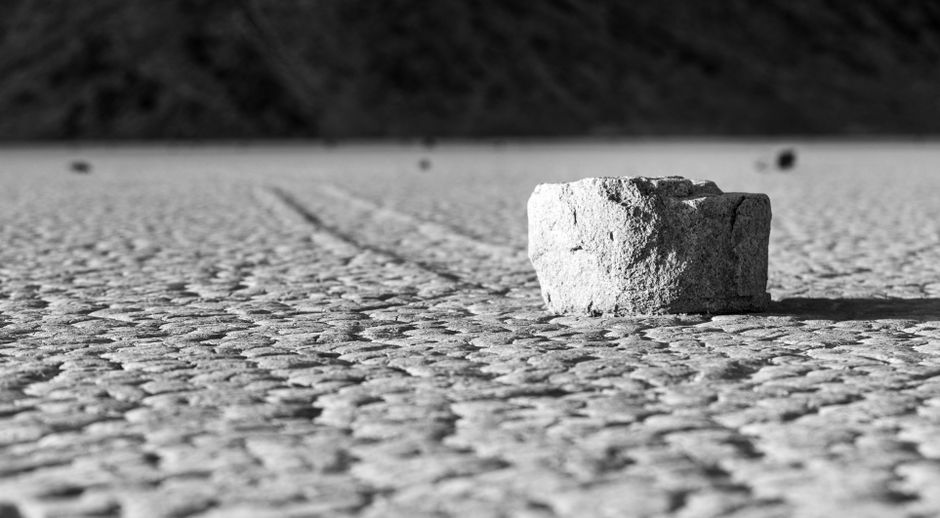
1. The Stones That Wander
Racetrack Playa, Death Valley, USA
Heavy rocks mysteriously slide across this flat desert floor, leaving trails that puzzle scientists.
Racetrack Playa is a surreal, vast dry lakebed where rocks, some weighing hundreds of pounds, appear to move on their own. For decades, the "sailing stones" were a mystery, until recent studies revealed a rare combination of thin ice sheets, light winds, and specific ground conditions allows them to glide. Opting for a bivy sack or ultralight tarp here offers an unobstructed view of the star-filled sky and the eerie silence of this geological anomaly.
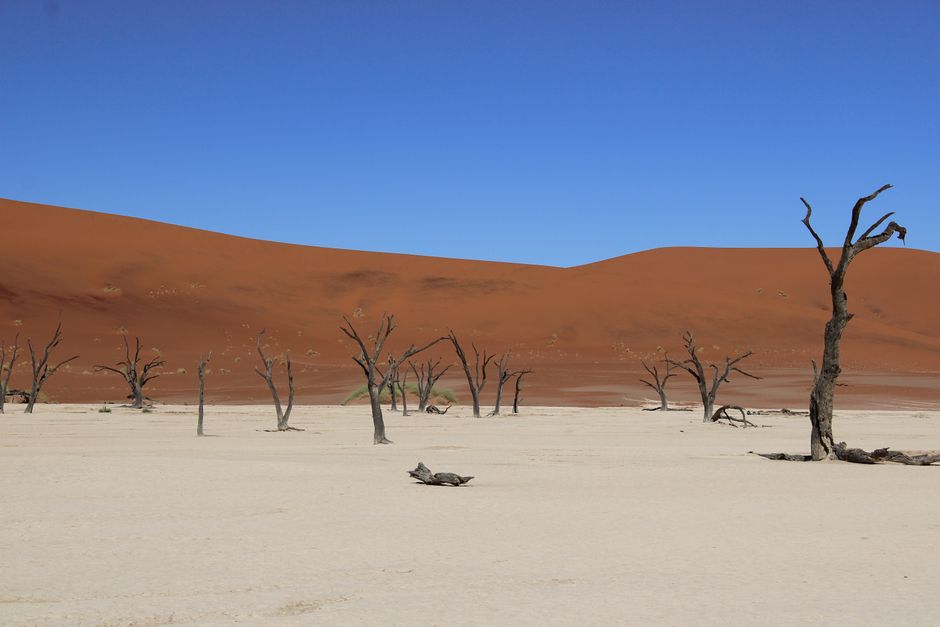
2. The Petrified Forest of Giants
Deadvlei, Namibia
Centuries-old trees stand perfectly preserved in a stark white clay pan, untouched by decay.
Deadvlei, meaning "dead marsh," is a striking clay pan within the Namib-Naukluft Park. Flanked by some of the world's highest dunes, it's famous for its collection of dead camel thorn trees, estimated to be around 900 years old. These trees died when the Tsauchab River changed course, leaving them to desiccate rather than decompose, creating an otherworldly, skeletal landscape. A simple bivy allows you to fully immerse in the silent, timeless beauty of this incredible natural monument.
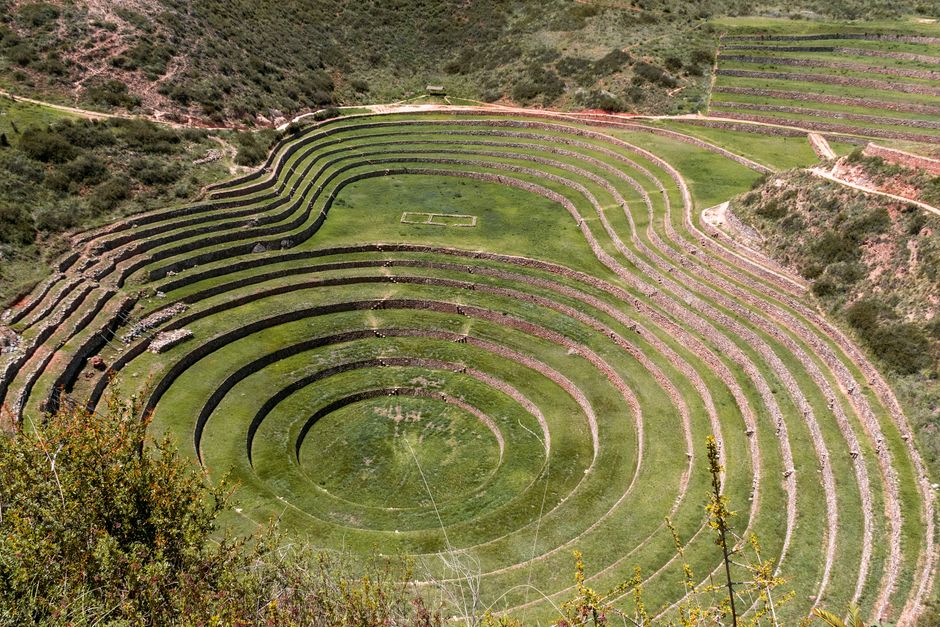
3. Colombia's Older Lost City
Ciudad Perdida (Lost City), Colombia
This ancient Tairona city, hidden deep in the Sierra Nevada jungle, predates Machu Picchu by centuries.
Far less traveled than its Peruvian counterpart, Ciudad Perdida – "The Lost City" – was built around 800 AD, roughly 650 years before Machu Picchu. Discovered by looters in the 1970s, it's an archaeological marvel with intricate stone terraces, plazas, and pathways accessible only via a multi-day trek through dense tropical rainforest. Hammock camping is often the preferred, and most comfortable, shelter alternative here, offering better ventilation and protection from jungle ground creatures.
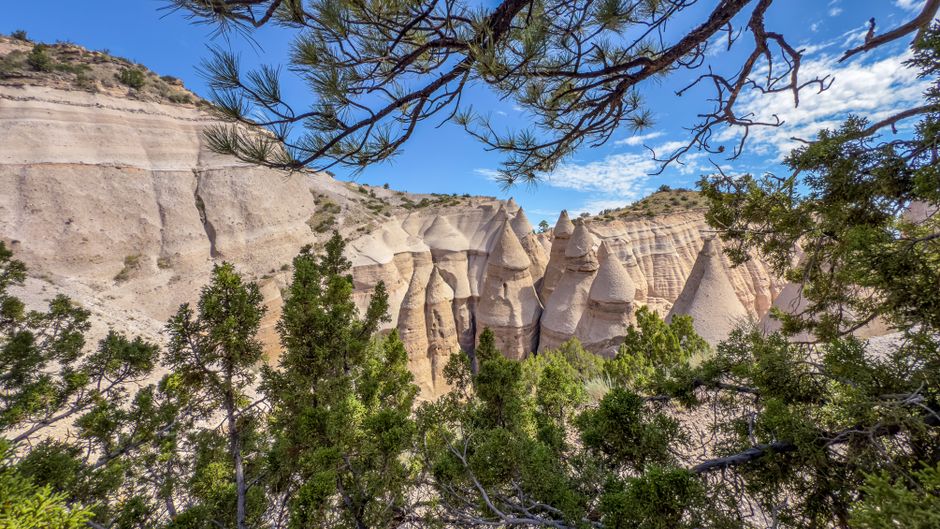
4. Volcanic Tent Formations
Kasha-Katuwe Tent Rocks National Monument, New Mexico, USA
Thousands of cone-shaped rock formations, resembling a prehistoric campsite, rise from volcanic ash.
Kasha-Katuwe, meaning "white cliffs" in the Keres language, showcases a unique landscape of tent-shaped rocks formed by volcanic eruptions millions of years ago. Layers of volcanic ash and pumice were eroded by wind and water, leaving behind these distinctive cones, often capped with a harder boulder that protected the softer rock beneath. Exploring the slot canyons and trails here feels like walking through a natural sculpture garden, making a minimalist tarp or bivy a fitting choice for nearby backcountry camping, allowing an intimate experience with these geological wonders.
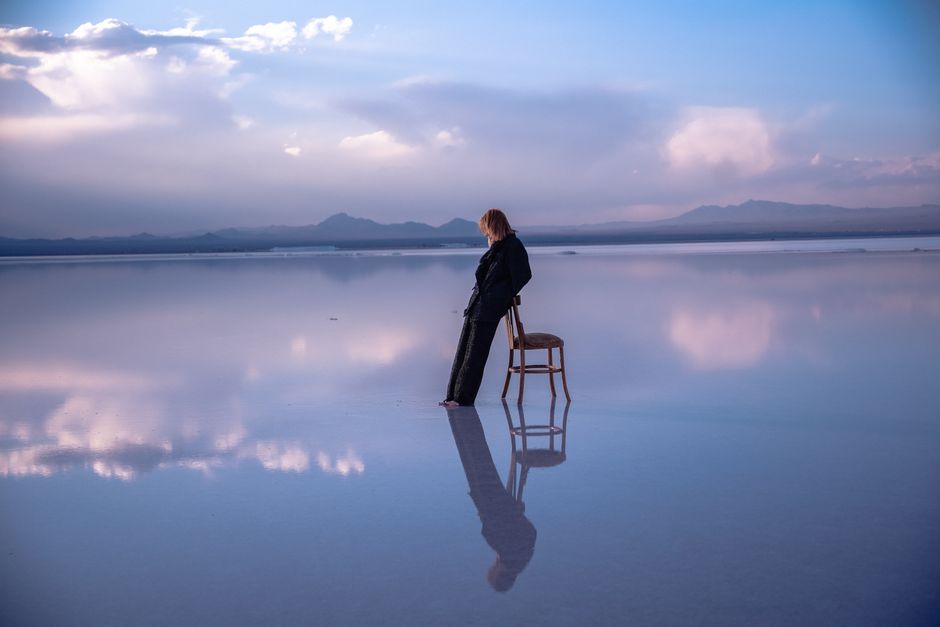
5. The World's Largest Mirror
Salar de Uyuni, Bolivia
This vast salt flat transforms into the world's largest natural mirror after rainfall, reflecting the sky perfectly.
Salar de Uyuni, a remnant of a prehistoric lake that dried up, is the world's largest salt flat, spanning over 10,000 square kilometers. Beyond its stunning mirror effect, it contains 50-70% of the world's lithium reserves and features "islands" covered in giant cacti. Camping here, particularly with a bivy sack, allows for unparalleled stargazing on clear nights and a sense of absolute solitude in this immense, stark landscape, far from any light pollution.
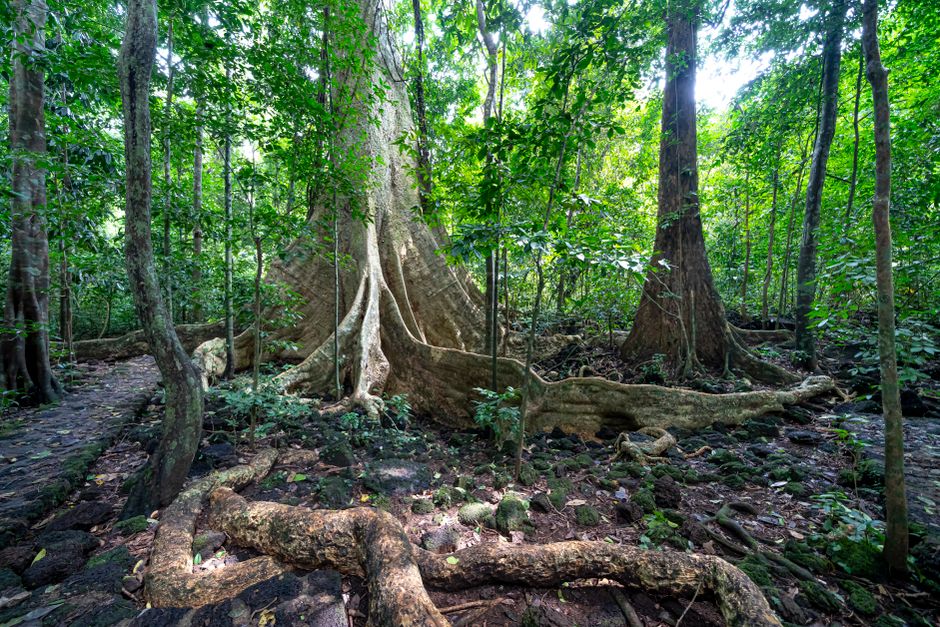
6. Ancient Limestone Labyrinth
Mulu National Park, Borneo, Malaysia
This UNESCO World Heritage site harbors some of the largest cave passages on Earth and a unique "Pinnacles" formation.
Gunung Mulu National Park is a biodiversity hotspot famous for its dramatic karst limestone mountains, vast cave systems, and tropical rainforests. It houses Sarawak Chamber, the second-largest known cave chamber by area, and the Deer Cave, with a passage so massive it could fit several jumbo jets. Trekking here, especially deeper into the park, often necessitates a lightweight approach. Hammock camping protects against the damp ground and offers excellent ventilation in the humid jungle environment, providing a more comfortable rest amidst the calls of the rainforest.
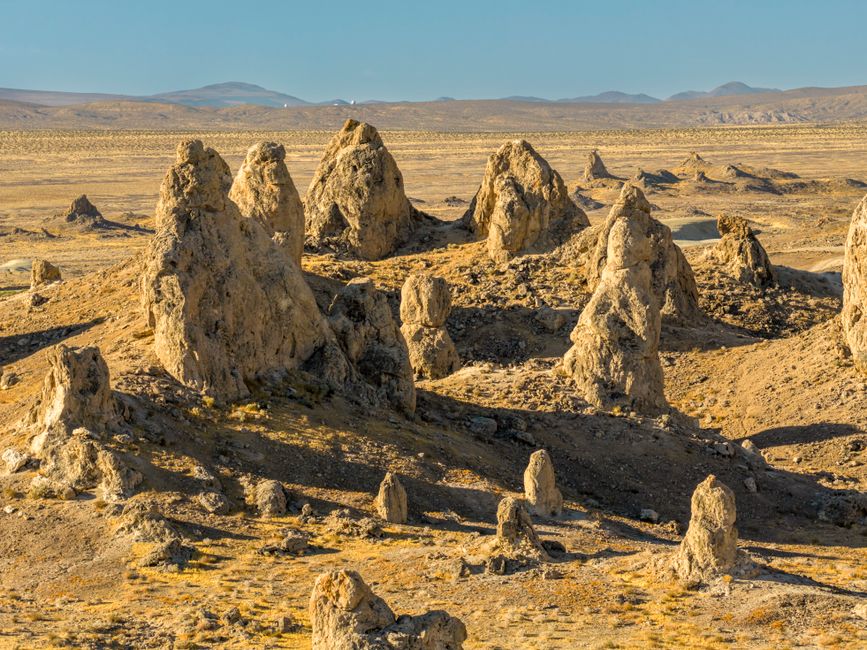
7. The Desert's Stone Army
The Pinnacles Desert, Nambung National Park, Australia
Thousands of ancient limestone pillars emerge from yellow sand dunes, resembling an alien landscape.
In Western Australia, Nambung National Park's Pinnacles Desert is home to thousands of weathered limestone formations, some reaching several meters high. These eerie pillars are thought to have formed over millions of years from seashells, which broke down into lime-rich sand that was then blown inland and solidified. The best time to experience this landscape is at dawn or dusk, when the shadows stretch and dance. A bivy or lightweight tarp provides an unobstructed view of the otherworldly formations and the dazzling Southern Hemisphere stars.
Frequently asked questions
What are the main downsides of traditional tents for backpacking?
Traditional tents often add significant weight and bulk to your pack, making long treks more strenuous. They can also be cumbersome to set up and pack down, prone to condensation in certain climates, and their enclosed nature can limit your connection to the natural environment.
What are some common alternatives to traditional tents for backpackers?
Popular alternatives include bivy sacks for minimalist shelter in dry conditions, tarps for versatile weather protection, and hammocks which are ideal for forested and humid environments. Ultralight shelters, which combine elements of tents and tarps, also offer a good balance of protection and weight savings.
How do I choose the right tent alternative for my specific backpacking trip?
Consider the climate and expected weather conditions: a bivy works well in dry, mild weather, while a tarp is more versatile for rain and wind. Evaluate the presence of insects, the need for privacy, and the type of terrain you'll encounter. Always prioritize the lightest option that still provides adequate safety and comfort for your specific adventure.
How does the AllTours.ai app enhance backpacking trips to unique locations?
AllTours.ai transforms your backpacking experience by acting as an intelligent audio guide. Simply point your phone camera at any landmark, landscape feature, or historical site, and the app instantly narrates its fascinating history, geological formation, or cultural significance in your preferred language, deepening your understanding of these incredible places.
Related guides
Photography via Pexels. AllTours.ai is an AI audio tour guide — point your camera at any landscape and hear its story.