September 17, 2026 · 4 min read
"Why is short-term trading very important?" While this phrase often brings financial markets to mind, in travel, it speaks to something equally vital: the profound significance of fleeting moments, brief encounters, and the rapid exchange of influence that shapes landscapes and cultures. Much like a quick market move can shift fortunes, a brief visit to certain places can unlock centuries of history, revealing stories that are quickly told but deeply impactful.
These are not just quick stops; they are windows into pivotal junctures, rapid developments, or sudden abandonments that left indelible marks. From ancient trade routes to geological anomalies, understanding these brief but powerful narratives is crucial for truly grasping the spirit of a place, showing that even the most transient events can hold immense, lasting importance.
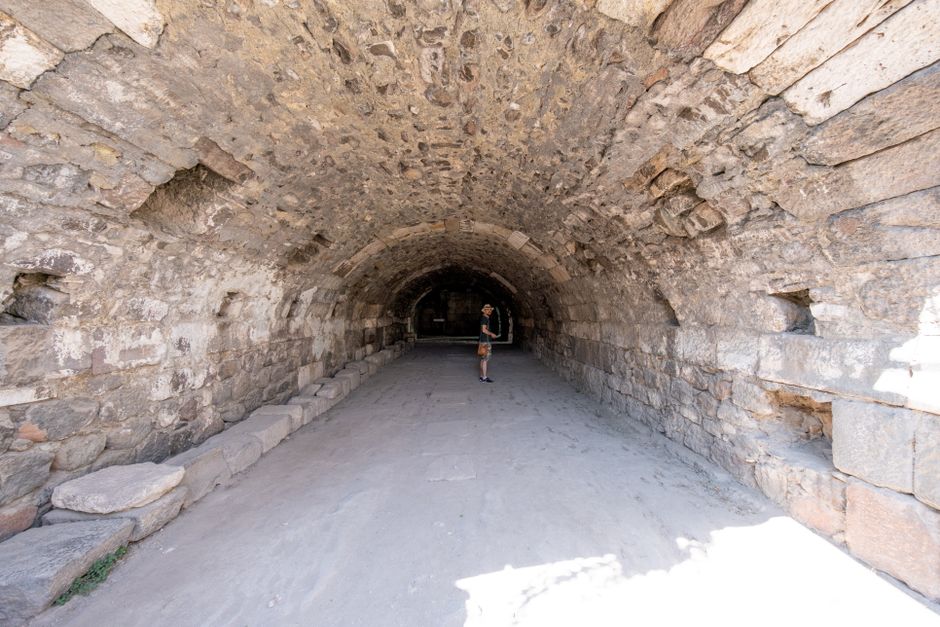
1. Derinkuyu's Hidden World
Derinkuyu, Turkey
Beneath the Cappadocian plains lies a vast, multi-level city where thousands lived for brief, desperate periods.
Carved deep into the soft volcanic rock, Derinkuyu is the largest excavated underground city in Turkey, capable of sheltering up to 20,000 people along with their livestock and food supplies. It wasn't a permanent residence but a temporary refuge, used for short stints during invasions, where inhabitants "traded" surface life for safety. Its ingenious ventilation systems and massive stone doors speak to the quick, life-saving decisions made by ancient communities.
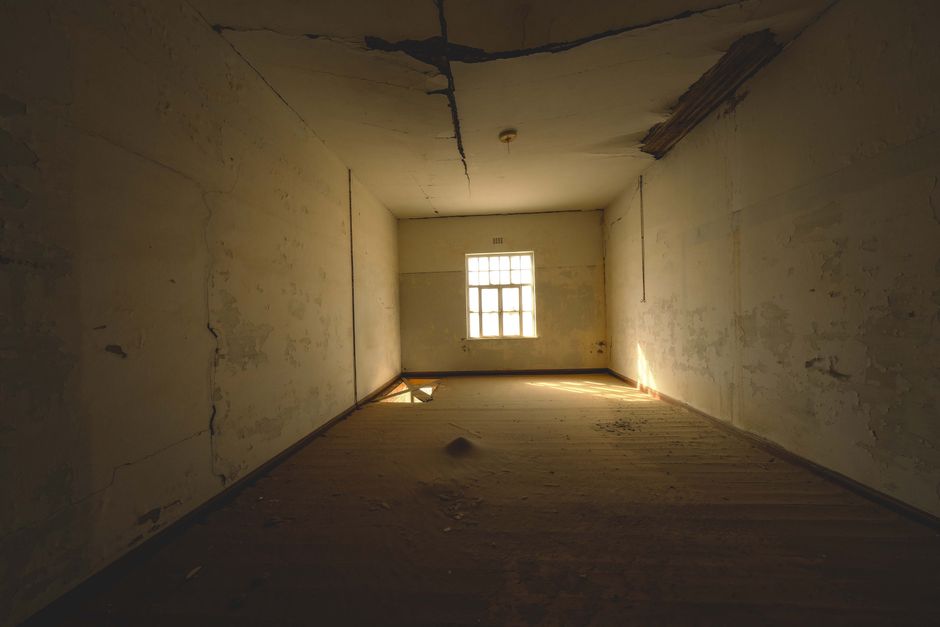
2. Kolmanskop's Diamond Dream
Kolmanskop, Namibia
This once-thriving diamond mining town was abandoned to the desert in mere years, its elegant homes now filled with sand.
In 1908, diamonds were discovered in the Namib Desert, sparking a frantic rush that built Kolmanskop almost overnight, complete with a hospital, ballroom, and ice factory. Yet, within a few decades, richer deposits were found elsewhere, and the town was swiftly deserted. The desert quickly reclaimed it, creating a surreal ghost town where grand houses stand half-buried, a stark reminder of humanity's "short-term trade" with fleeting fortune.
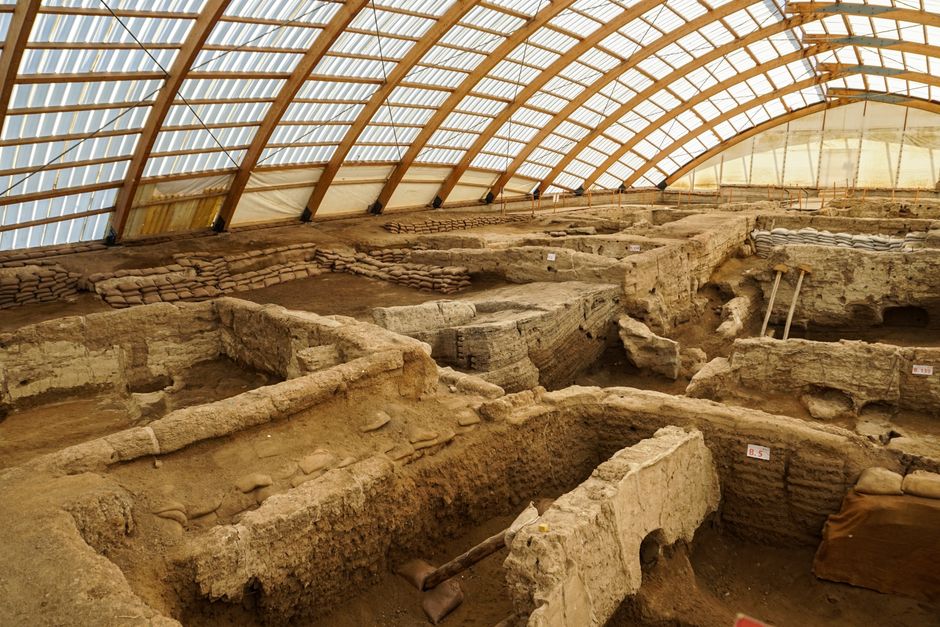
3. Skara Brae's Neolithic Pause
Orkney, Scotland
A storm unveiled this remarkably preserved Stone Age village, offering a vivid snapshot of life from 5,000 years ago.
Hidden under sand dunes for millennia, Skara Brae was exposed by a fierce storm in 1850. This Neolithic settlement, older than Stonehenge and the Egyptian pyramids, provides an unparalleled glimpse into the daily lives of its inhabitants. Its stone beds, dressers, and hearths reveal a brief but sophisticated period of human habitation before its mysterious abandonment, showing how even a short epoch can leave profound historical traces.

4. The Petrifying Well's Slow Magic
Knaresborough, England
A legendary natural spring where objects slowly turn to stone, a process once believed to be witchcraft.
For centuries, visitors have been fascinated by Mother Shipton's Cave and the Petrifying Well, a natural spring rich in calcium carbonate. Anything left in its dripping waters, from teddy bears to top hats, gradually calcifies, appearing to turn into stone. This slow, "short-term trade" of exposure for transformation highlights how natural processes, seemingly brief to human perception, can enact profound, lasting changes.
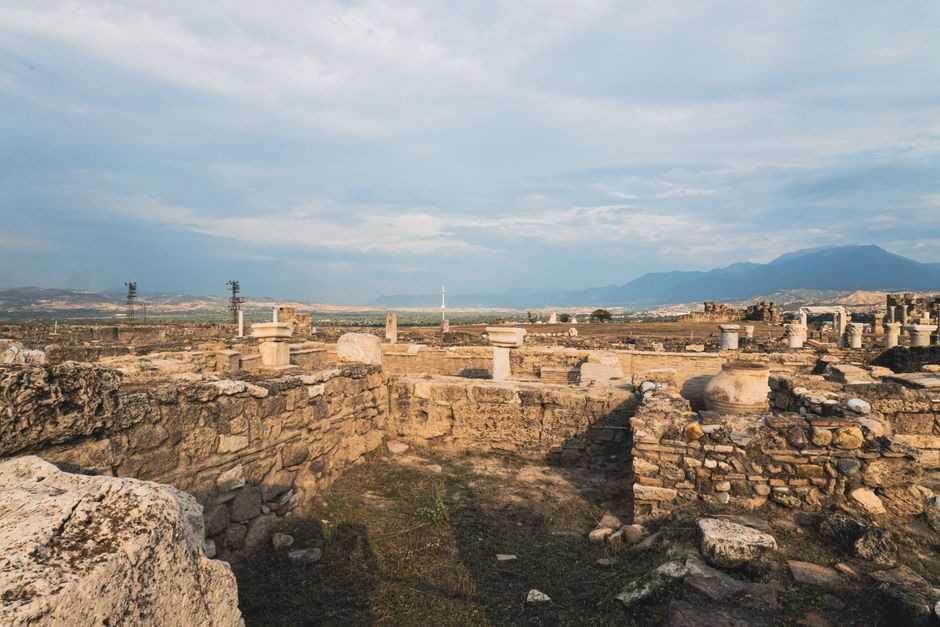
5. Gordion's Decisive Cut
Yassıhöyük, Turkey
The site where Alexander the Great famously cut the Gordian Knot, forever changing the course of an empire.
Gordion was the capital of ancient Phrygia, a powerful kingdom renowned for its legendary King Midas. Its most famous moment came when Alexander the Great arrived and was presented with the intricate Gordian Knot, prophesied to be untied only by the future ruler of Asia. Rather than painstakingly unraveling it, Alexander famously cut it with his sword—a single, "short-term trade" of brute force for symbolic victory that launched his conquest.
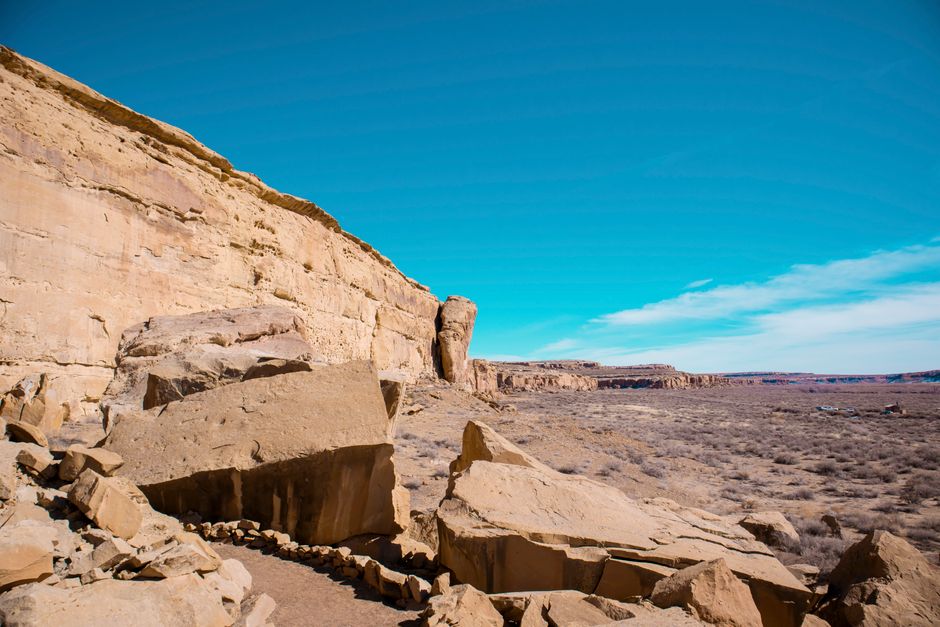
6. Chaco Canyon's Brief Flourish
New Mexico, USA
This remote desert canyon holds the remains of a sophisticated Ancestral Puebloan society that thrived and declined relatively quickly.
Between 850 and 1250 AD, Chaco Canyon was a major center of culture, trade, and ceremony, boasting massive stone structures ("Great Houses") and an intricate network of ancient roads. Despite its isolation, it was a hub for sophisticated astronomical observations and an extensive "short-term trade" network. Its swift development and equally rapid decline, possibly due to environmental changes, offer a compelling study of a complex civilization's transient existence.
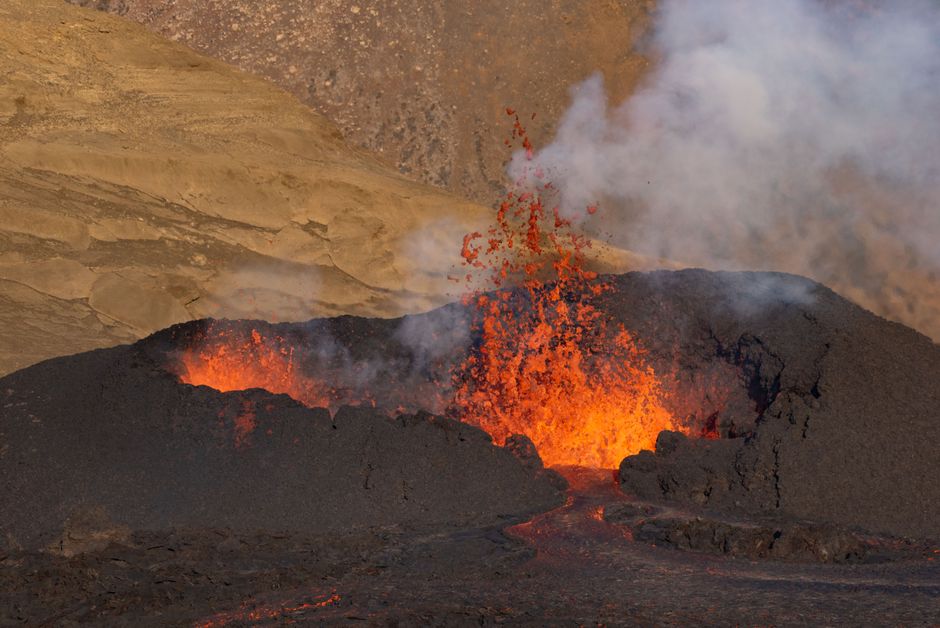
7. Darvaza's Fiery Gateway
Darvaza, Turkmenistan
An accidental Soviet drilling operation created a massive, perpetually burning crater known as "The Door to Hell."
In 1971, Soviet geologists drilling for natural gas accidentally punched into a cavern, causing the ground to collapse and release methane. To prevent the spread of toxic gas, they set it on fire, expecting it to burn out in a few weeks. Five decades later, the crater still burns fiercely, a dramatic and unplanned "short-term trade" of exploration for an enduring, awe-inspiring natural phenomenon.
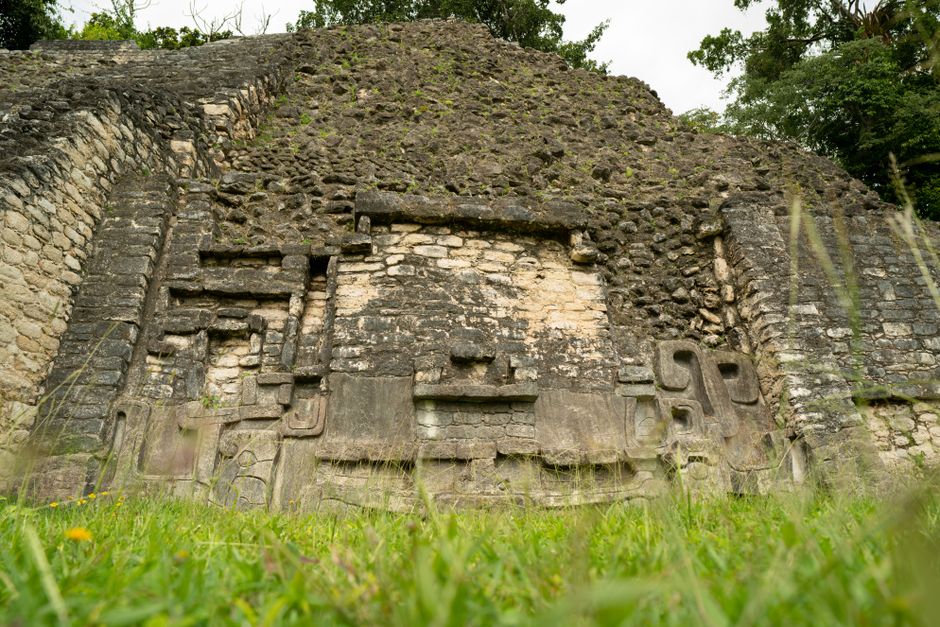
8. Ciudad Perdida's Lost Path
Sierra Nevada de Santa Marta, Colombia
A pre-Columbian "Lost City" that lay hidden for centuries, briefly rediscovered by looters before archaeologists could explore it.
Older than Machu Picchu, Ciudad Perdida (Lost City) was built by the Tairona people around 800 AD and abandoned during the Spanish conquest. It comprises 169 stone terraces, intricate roads, and circular plazas, hidden deep in the jungle. It was only "rediscovered" in the 1970s by local treasure hunters, leading to a brief, damaging period of looting before its protection and study began, highlighting the delicate "short-term trade" between discovery and preservation.
Frequently asked questions
What makes a historical site "underrated" or "lesser-known"?
An underrated site is often overlooked by mainstream tourism despite its rich history, unique geological features, or profound cultural significance. These places might be harder to reach, lack extensive infrastructure, or simply haven't been as widely publicized as more famous landmarks, offering a more intimate and authentic discovery.
How can I find these hidden gems when planning my travels?
Researching local history, using specialized travel guides focused on off-the-beaten-path destinations, and consulting local tourism boards are great starting points. Engaging with local communities can also lead to discoveries not found in typical guidebooks. Look for places with compelling stories, even if they're not grand in scale.
Why are brief or transient historical events often so important?
Brief events can act as pivotal turning points, triggering long-lasting consequences. A single battle, a sudden discovery, or a short period of intense cultural exchange can fundamentally alter the trajectory of a society, shape a landscape, or spark innovations that resonate for centuries. They demonstrate how quickly and dramatically history can change course.
How does AllTours.ai help explore these kinds of places?
AllTours.ai is designed to bring the untold stories of any location to life, especially those without traditional tour guides. Simply point your phone camera at a landmark, a natural feature, or even a remote ruin, and the app uses AI to narrate its history, geology, and cultural context in your preferred language, turning any spot into a personalized guided tour.
Related guides
Photography via Pexels. AllTours.ai is an AI audio tour guide — point your camera at any landscape and hear its story.