August 5, 2026 · 4 min read
Backpacking promises freedom, but often, the gear we choose dictates our experience. A traditional tent, while reliable, can sometimes be a cumbersome companion, limiting spontaneity and immersion. Its weight, bulk, and setup time can be a drag, especially when venturing into truly wild, off-grid locations.
For those seeking a deeper connection with the landscape, where every gram counts and every view is an invitation, exploring alternative shelters can unlock entirely new adventures. Imagine sleeping under the stars in a desert canyon or slinging a hammock between ancient, endemic trees. These options not only lighten your load but also position you to experience places many travelers overlook, offering unique perspectives on geology, history, and culture.
1. The Eye of the Sahara's Geological Secrets
Richat Structure, Mauritania
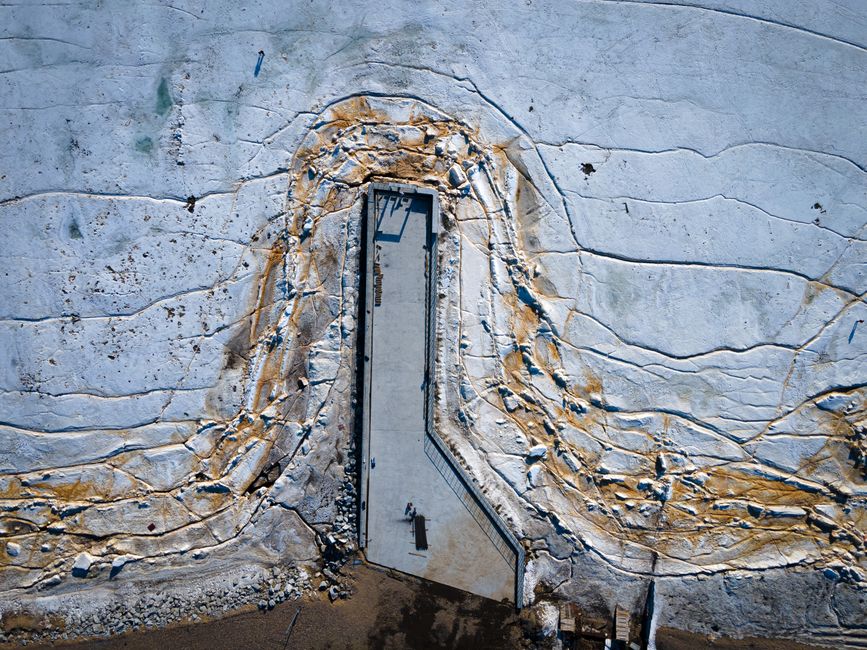
This colossal, perfectly circular geological formation in the Sahara Desert, visible from space, was once thought to be a meteor impact site but is actually an eroded dome.
Known as the Richat Structure, this massive geological anomaly stretches 40 kilometers across. Its concentric rings of different rock types, exposed by millions of years of erosion, create a striking bullseye pattern. Scientists now believe it formed from an uplifted dome that collapsed and eroded, revealing layers of ancient sedimentary rock, not an extraterrestrial impact. Backpacking with a bivy or tarp here allows for an unparalleled stargazing experience, free from light pollution.
2. Socotra's Alien Flora and Fauna
Socotra Island, Yemen
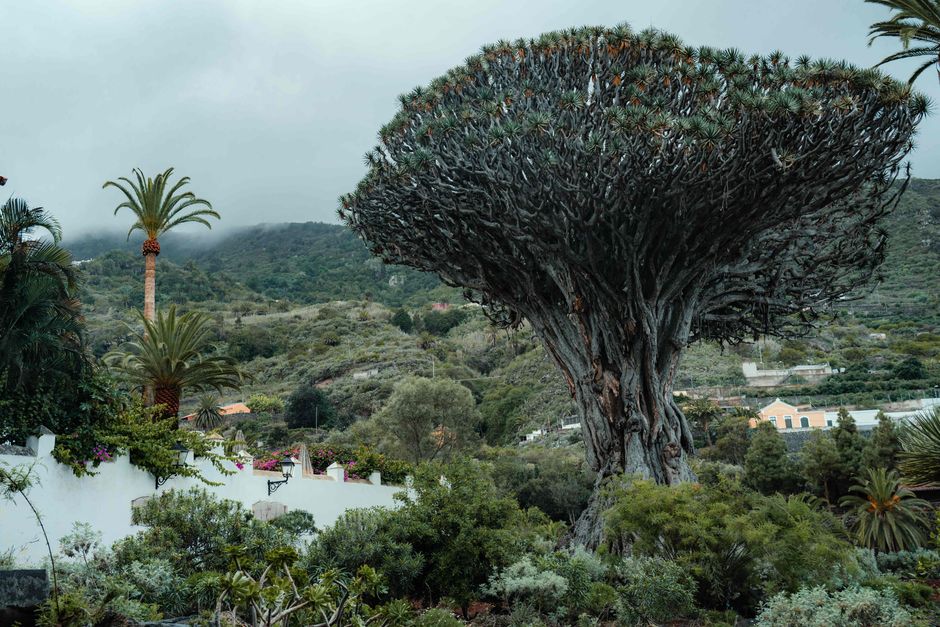
Home to bizarre Dragon's Blood Trees and a host of endemic species, this island's isolation has preserved an alien-like flora found nowhere else on Earth.
Socotra is a biodiversity hotspot, often dubbed "the most alien-looking place on Earth." Its unique climate and geological history have resulted in 37% of its plant species, 90% of its reptile species, and 95% of its land snail species being endemic. The iconic Dragon's Blood Tree, with its umbrella-shaped canopy and red sap, dominates the landscape, offering natural shelter. A lightweight hammock or tarp is ideal for camping amongst these ancient botanical wonders.
3. Ancient Life in the Blue Mountains Canyons
Wolgan Valley, Blue Mountains, Australia
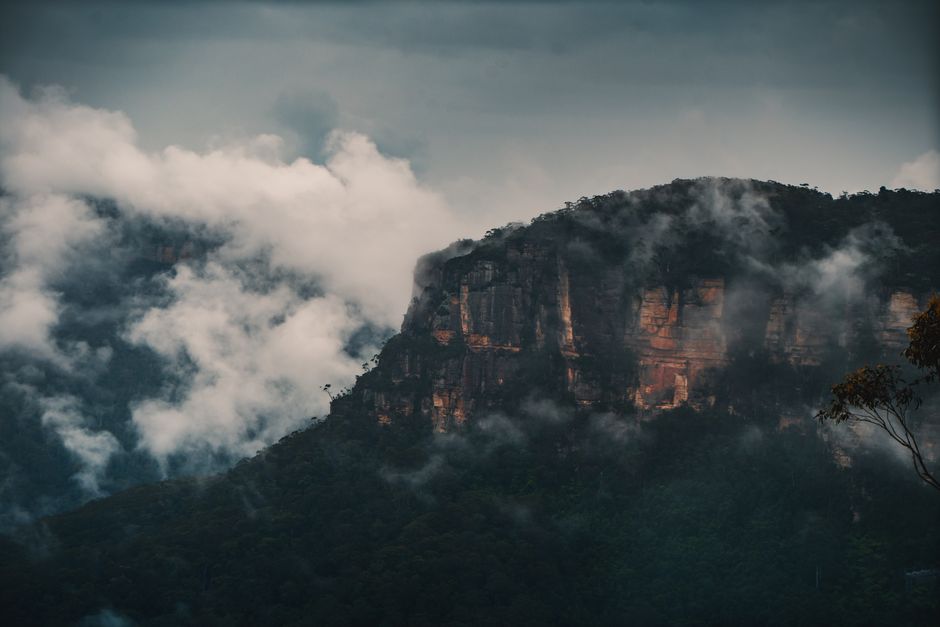
Deep in ancient eucalyptus forests, a tiny, prehistoric frog species survived the dinosaur age, a living fossil hidden in remote canyons.
While parts of the Blue Mountains are popular, the Wolgan Valley and its surrounding wilderness areas hold profound secrets. Here, in secluded, fern-filled canyons, lives the Wollemi Pine, a "dinosaur tree" rediscovered only in 1994, thought to be extinct for millions of years. This ancient landscape also harbors rare, primitive frog species that offer a glimpse into primordial ecosystems. A minimalist tarp or hammock setup allows quiet observation of this unique, ancient Australian bush.
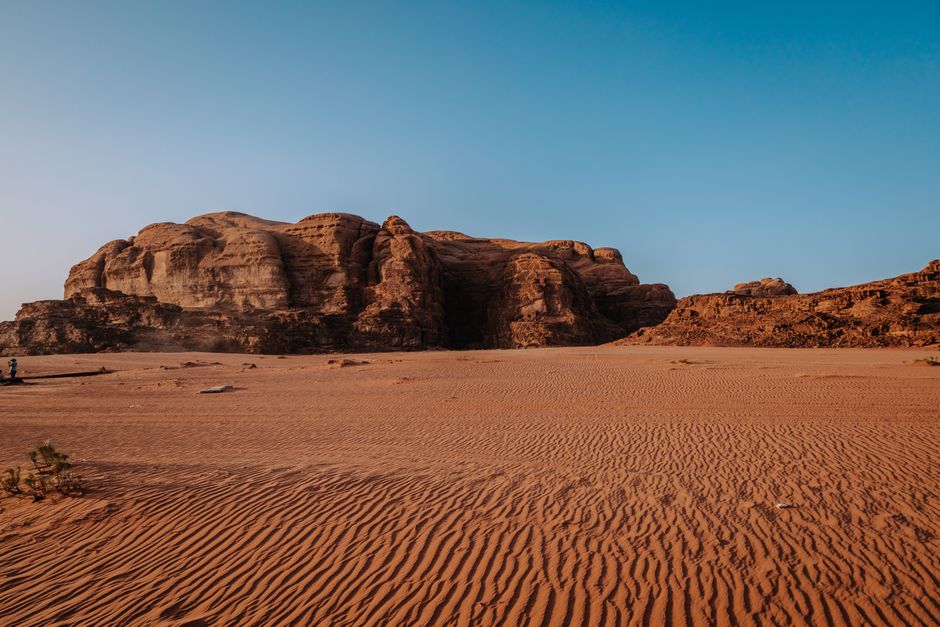
4. Wadi Rum's Nabataean Echoes
Wadi Rum, Jordan
Ancient petroglyphs and Nabataean ruins are scattered through a Martian-like desert landscape, telling tales of forgotten trade routes and civilizations.
Wadi Rum's dramatic sandstone mountains and vast, silent valleys are more than just stunning scenery; they are an open-air museum. For millennia, this desert served as a crucial trade route for the Nabataeans, whose intricate rock carvings and temple remnants can be found tucked away in hidden canyons. Lawrence of Arabia famously traversed these lands. Cowboy camping or using a simple bivy under the immense desert sky brings you closer to the whispers of this ancient past.
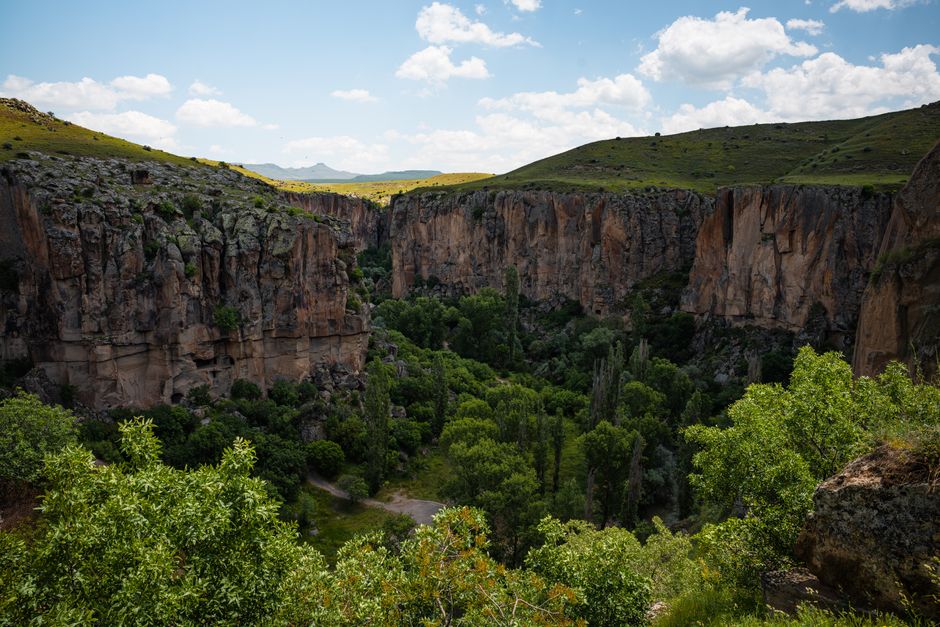
5. Cappadocia's Troglodyte History
Ihlara Valley, Cappadocia, Turkey
Volcanic tuff cones, sculpted by wind and water, conceal ancient cave dwellings, churches, and even entire underground cities.
While the fairy chimneys of Cappadocia are well-known, the Ihlara Valley offers a deeper dive into its troglodyte past away from the main tourist hubs. This 100-meter-deep canyon is carved by the Melendiz River and lined with hundreds of rock-cut churches and dwellings, some dating back to the Byzantine era. These structures were meticulously carved into the soft volcanic rock. A lightweight bivy or tarp provides a unique way to experience the valley's quiet majesty and ancient history.
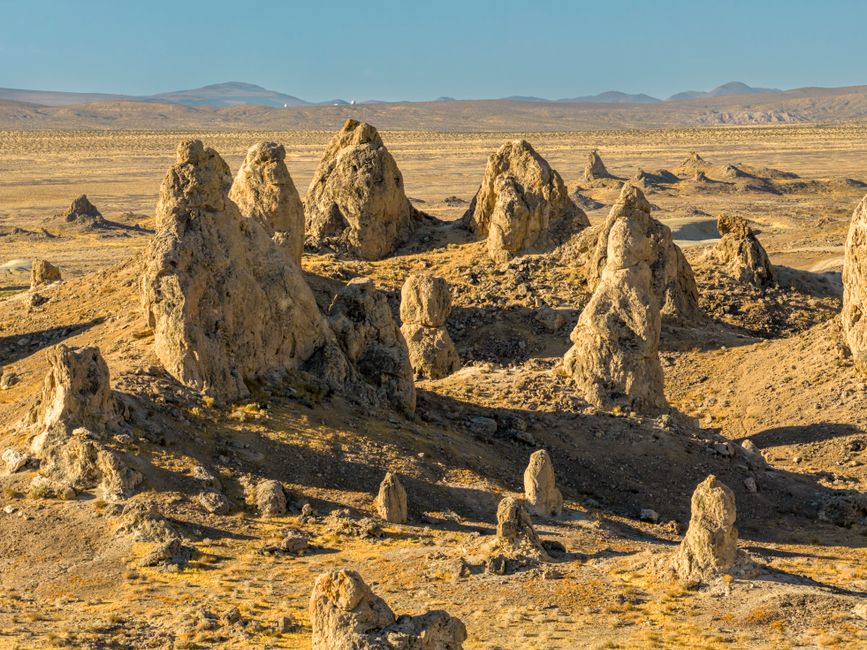
6. The Pinnacles Desert's Submerged Past
Nambung National Park, Western Australia
Thousands of ancient limestone spires rise from shifting sands, formed from fossilized seashells millions of years old when the area was underwater.
The Pinnacles Desert is an otherworldly landscape featuring thousands of limestone formations, some towering several meters high. These eerie pillars are the remnants of ancient marine life, specifically shells, that accumulated on the seabed millions of years ago when this part of Australia was submerged. Over time, sea levels receded, and wind-blown sands revealed these incredible geological sculptures. Cowboy camping or a simple tarp allows for an unobstructed view of this unique geological phenomenon.
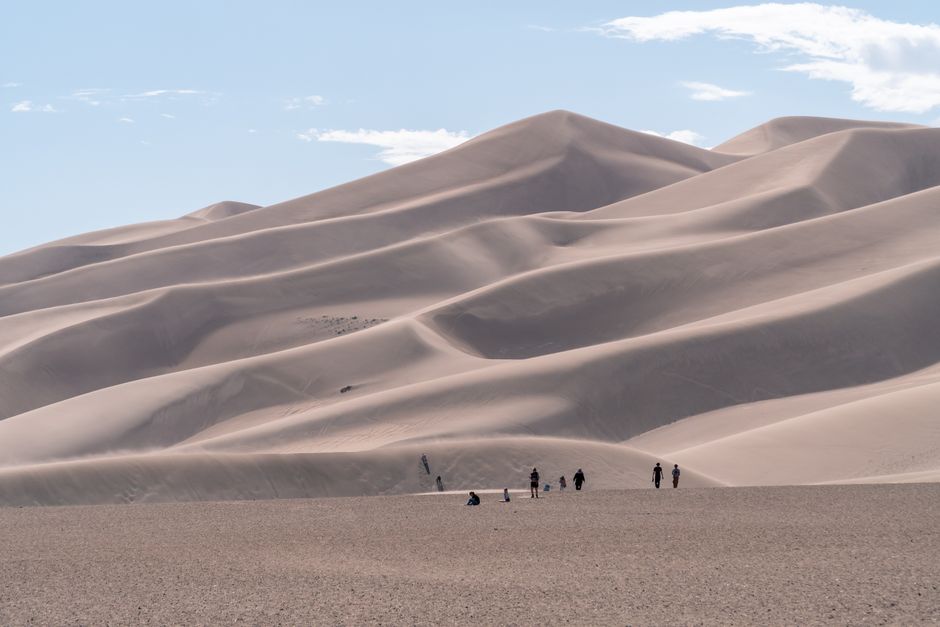
7. Great Sand Dunes' Shifting Wilderness
Great Sand Dunes National Park, Colorado, USA
The tallest sand dunes in North America meet 13,000-foot peaks, a unique ecosystem where ancient forests are slowly buried by migrating sands.
This national park presents a stark and beautiful contrast: colossal sand dunes, some reaching 750 feet high, buttressed against the snow-capped Sangre de Cristo Mountains. It's a dynamic landscape where wind constantly reshapes the dunes, slowly encroaching upon the surrounding forests. The interaction between sand, wind, and mountain runoff creates a unique habitat for specialized plants and animals. Backcountry camping with a bivy or tarp offers an immersive experience in this shifting, high-altitude desert.
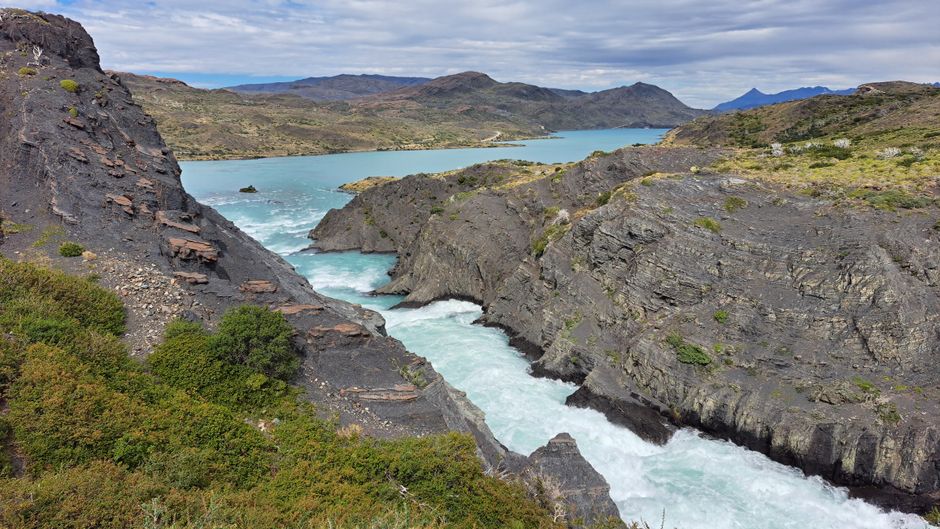
8. Patagonia's Glacial River Hues
El Chaltén backcountry, Argentina
Glacial meltwaters from towering granite spires carry fine rock flour, turning rivers an astonishing turquoise hue, a constant reminder of the landscape's sculpting power.
While El Chaltén is a gateway to iconic peaks like Fitz Roy, venturing into its less-traveled backcountry reveals an even deeper connection to Patagonia's raw beauty. Here, rivers fed by ancient glaciers flow with a milky, vibrant turquoise color, a result of "rock flour"—finely ground rock particles suspended in the water. This geological phenomenon vividly illustrates the ongoing erosion and shaping of the landscape by massive ice sheets. An ultralight shelter allows you to discover hidden viewpoints and experience these unique glacial rivers up close.
Frequently asked questions
What are some popular alternatives to traditional tents for backpacking?
Beyond traditional tents, popular alternatives include hammocks (great for forested areas), tarps (offering versatile shelter with minimal weight), bivouac sacks (lightweight, minimalist, good for open skies), and even specialized ultralight shelters or hybrid designs. The best choice depends on your destination, climate, and personal comfort preferences.
What factors should I consider when choosing an alternative backpacking shelter?
Key factors include weight and packed size, the expected weather conditions (wind, rain, temperature), the terrain (trees for hammocks, flat ground for bivies), and your comfort level with minimalist camping. Also, consider the local wildlife and insect presence, as some alternatives offer less protection than a fully enclosed tent.
Are alternative shelters safe in all wilderness conditions?
While alternative shelters are incredibly versatile, they may not be suitable for *all* conditions. For extreme cold, heavy snowfall, or intense insect pressure, a robust, fully enclosed tent might be safer. However, for most three-season backpacking in moderate conditions, alternatives can provide ample protection and often a more immersive outdoor experience.
How does the AllTours.ai app enhance backpacking experiences in these unique locations?
The AllTours.ai app transforms your backpacking trip into an interactive journey. By simply pointing your phone camera at a landmark or landscape, the app instantly narrates its deep history, geological formations, and cultural significance in your preferred language. This allows you to truly understand and appreciate the unique stories of places like the Richat Structure or Socotra's alien trees, enriching your adventure without needing bulky guidebooks.
Related guides
Photography via Pexels. AllTours.ai is an AI audio tour guide — point your camera at any landscape and hear its story.