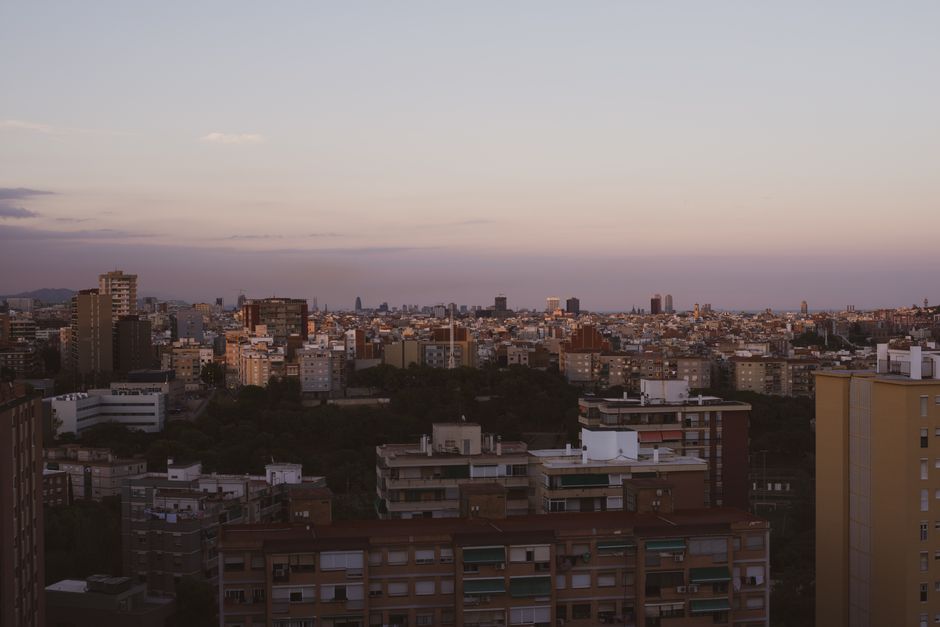
Welcome to the Bunkers del Carmel, a place where Barcelona's turbulent past meets its most breathtaking present. Perched high above the city on Turó de la Rovira, these unassuming hills hide the remnants of anti-aircraft batteries that played a crucial role during the Spanish Civil War. Prepare to step back in time while soaking in unparalleled 360-degree vistas.
This AllTours.ai audio journey guides you through the historic fortifications, revealing stories of resilience and defense. As you explore the various platforms and viewpoints, you'll gain a deeper appreciation for both the strategic importance of this site and the stunning panorama stretching from the Mediterranean Sea to the distant mountains. It's an unforgettable experience combining history with spectacular scenery.
What you'll hear on this tour
Stop 1. The Grand Vista Unfolds
As you arrive at the Bunkers del Carmel, the immediate impact of the panoramic view is undeniable. Stretching 360 degrees, Barcelona lies before you like a vast, intricate map. From the deep blue of the Mediterranean Sea to the distant peaks of Tibidabo and Montjuïc, every major landmark is visible. Take a moment to orient yourself and appreciate why this location was chosen. Its strategic elevation made it an unparalleled vantage point, both for defense during the war and for simply admiring the city's sprawling beauty today. Imagine the city lights twinkling below, a stark contrast to the wartime blackouts.
Stop 2. Echoes of War: Gun Platforms
Walk towards the concrete platforms that once housed the anti-aircraft batteries. These were the operational heart of Barcelona's defense during the Spanish Civil War. From these very spots, Bofors guns and other artillery pieces stood ready to repel Fascist air raids. Picture the intense moments as planes roared overhead, the deafening sound of gunfire, and the desperate efforts to protect the city. The remnants you see are not just concrete; they are tangible links to a period of immense struggle and resilience, a testament to the courage of those who defended Barcelona.
Stop 3. Heart of the Defense: Command Post
Near the highest point, you'll find the remains of what was likely the command post and perhaps some barracks. This was the nerve center where decisions were made, coordinates were plotted, and soldiers rested between shifts. Life here would have been a constant state of vigilance, punctuated by moments of terror and boredom. Imagine the camaraderie, the fear, and the determination etched into these very stones. While little remains of the original structures, standing here allows you to connect with the human stories of those who manned these defenses.
Stop 4. Barcelona's Tapestry Below
From this slightly lower vantage point, observe how Barcelona's urban tapestry unfolds. The Eixample grid, the Gothic Quarter's winding streets, and the modern developments along the coast become clearer. Consider how the city has evolved dramatically since the Civil War. The bunkers offer a unique historical lens through which to view modern Barcelona – a city that rebuilt, prospered, and retained its vibrant spirit. Identify landmarks like Sagrada Família, Agbar Tower, and the Olympic Port, all framed by the historical context of your current position.
Stop 5. Sunset Serenity & Reflection
As your tour nears its end, find a comfortable spot to simply absorb the atmosphere. The Bunkers del Carmel is now a beloved gathering place, especially popular at sunset when the sky paints itself in fiery hues over the city. It's a place of peace, a stark contrast to its wartime purpose. Take a moment for reflection. Consider the resilience of Barcelona, the stories embedded in these hills, and the beauty that endures. This spot reminds us that even from sites of conflict, incredible beauty and tranquility can emerge, offering a unique perspective on life and history.
Planning your visit
- Best time to go
- Late afternoon for sunset views, or early morning to avoid crowds. Spring and autumn offer pleasant weather.
- Approximate duration
- about 60-90 minutes, allowing for photo stops and enjoying the views.
- Where to start
- The main entrance area at the top of Carrer de Marià Lavèrnia, where the paved road ends and the dirt paths begin.
Access and conditions change seasonally — check the official site before you go.
Frequently asked questions
Is it difficult to reach the Bunkers del Carmel?
Reaching the Bunkers involves an uphill journey, but it's well worth the effort. You can take a bus (like the V17 or 24) that drops you relatively close, followed by a short walk uphill. Alternatively, taxis or ride-shares can take you closer to the top, minimizing the walking ascent.
Are there any facilities at the Bunkers, like restrooms or food?
The Bunkers del Carmel is an undeveloped historical site, so there are no public restrooms, shops, or food vendors directly on site. It's recommended to bring your own water and any snacks you might need. There are small shops and cafes in the surrounding Carmel neighborhood before you ascend.
Is the site accessible for everyone, including those with mobility issues?
The Bunkers del Carmel involves walking on uneven terrain, including dirt paths and concrete ruins, and there is a significant uphill climb to reach the top. While many visitors manage, it is not fully wheelchair accessible and can be challenging for those with significant mobility issues. Comfortable shoes are highly recommended.
Keep exploring
Photography via Pexels. AllTours.ai is an AI audio tour guide — point your camera at any landmark and hear its story.