October 28, 2026 · 4 min read
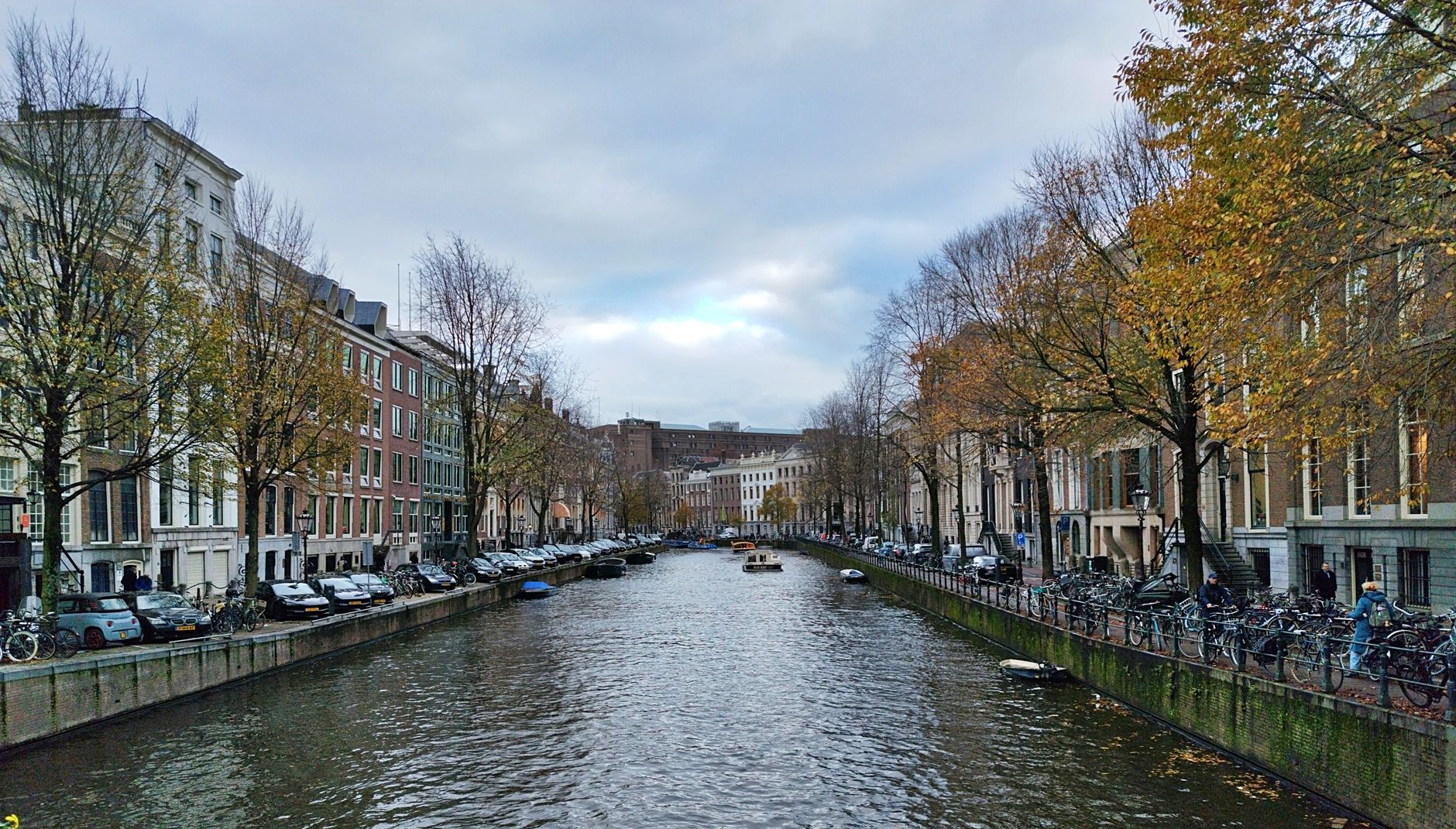
Amsterdam in a single day is a whirlwind, often reduced to a handful of famous landmarks. But beneath the surface of its bustling squares and well-trodden paths lies a tapestry of lesser-known stories, hidden gems, and profound history waiting to be discovered. This guide is crafted for the curious traveler aiming to peel back the layers of this iconic city, efficiently exploring its picturesque canals and world-class museums without missing a beat.
Beyond the postcard-perfect scenes, Amsterdam holds secrets in its silent courtyards, its ancient churches, and its meticulously preserved canal houses. This itinerary focuses on revealing these surprising narratives, offering a rich and authentic glimpse into the city's past and present. Prepare to see a side of Amsterdam that many visitors overlook, transforming a quick visit into an unforgettable journey through time and culture.
1. The Secret Church in the Attic
Museum Ons' Lieve Heer op Solder, Amsterdam, Netherlands
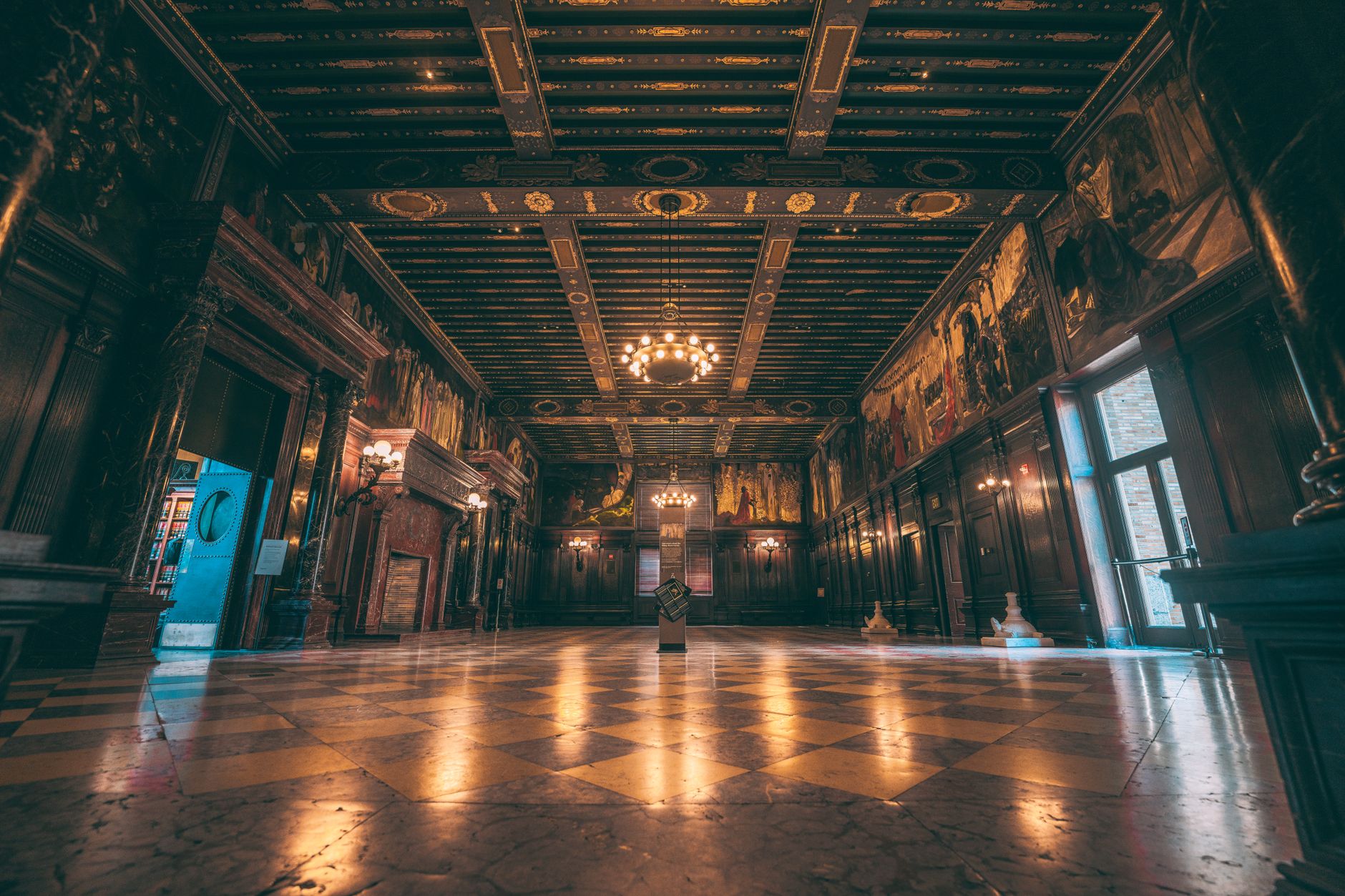
During the Dutch Reformation, a wealthy Catholic merchant built a complete, hidden church across the attics of three canal houses.
Step into the 17th century at Museum Ons' Lieve Heer op Solder, a remarkably preserved canal house. After climbing narrow stairs, you emerge into a full-fledged Catholic church, complete with an altar, confessional, and pews, covertly constructed after Catholics were forbidden from public worship. It served as a clandestine place of worship for over 200 years, offering a rare glimpse into a pivotal period of religious tolerance and ingenuity.
2. Amsterdam's Hidden Medieval Haven
Begijnhof, Amsterdam, Netherlands
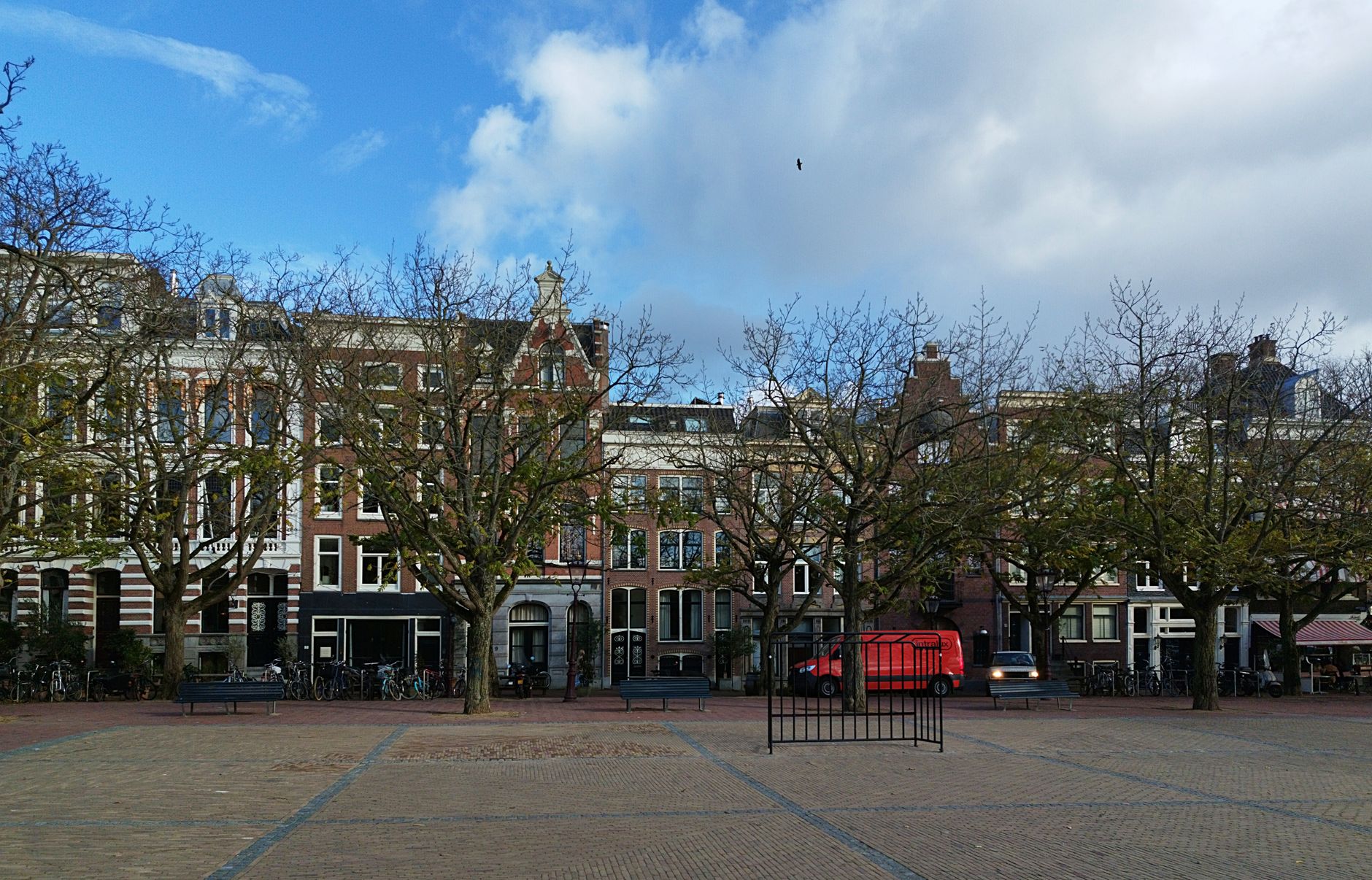
Tucked away behind a discreet door, this tranquil courtyard was once a refuge for a sisterhood of beguines, independent religious women who lived communally without monastic vows.
The Begijnhof offers a serene escape from the city's bustle, a medieval courtyard surrounded by traditional Dutch houses. It's one of Amsterdam's oldest inner courts and home to the city's last surviving wooden house, dating back to around 1528. For centuries, this quiet enclave housed the beguines, and even after the Reformation, it remained a safe haven for Catholic women, a testament to Amsterdam's unique blend of pragmatism and tolerance.
3. The Oldest Building on Reclaimed Land
Oude Kerk, Amsterdam, Netherlands
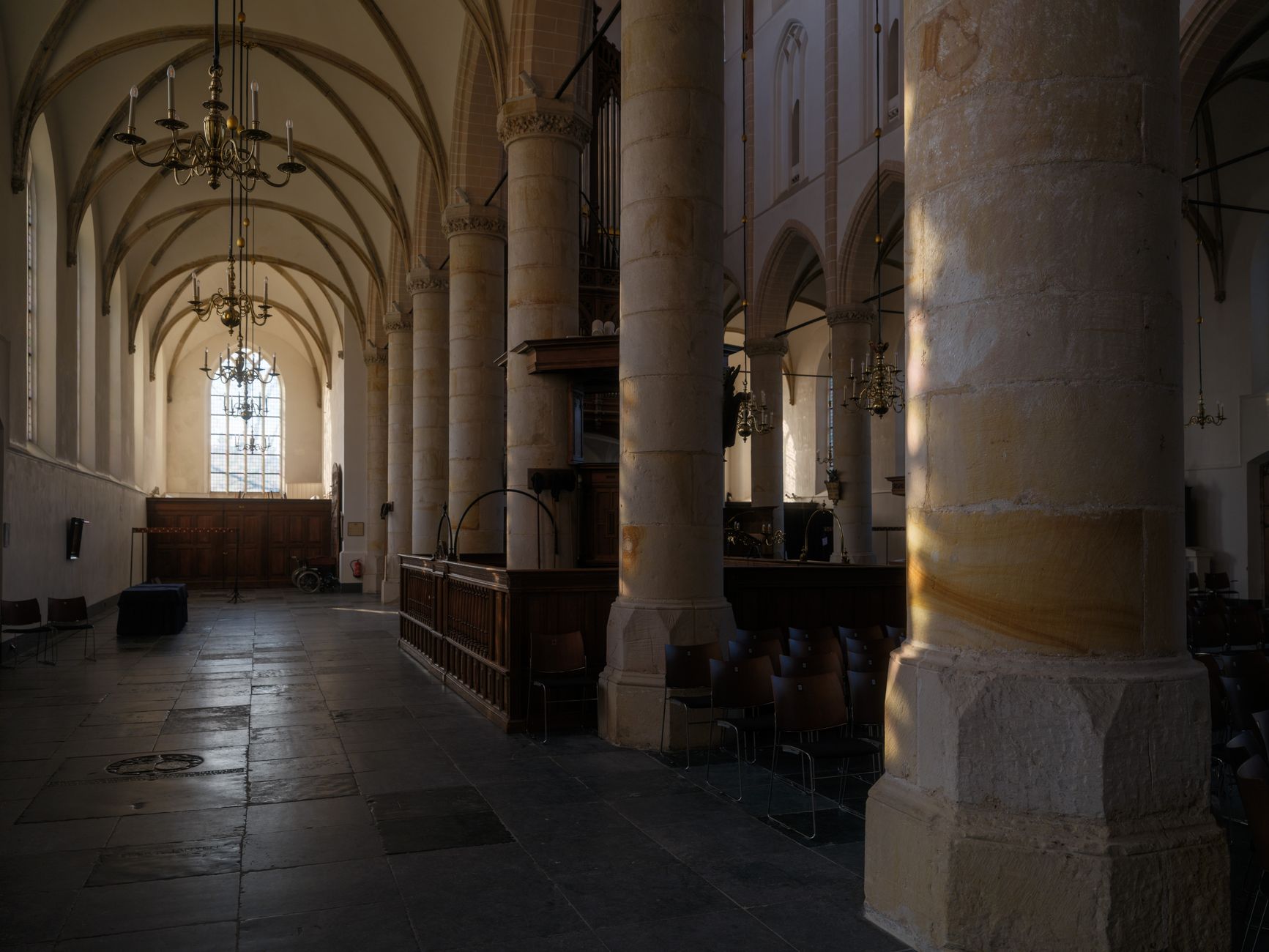
Amsterdam's oldest building, the Oude Kerk, stands on ground reclaimed from marshland, with its floor comprising over 2,500 gravestones that are still walked upon today.
The Oude Kerk, or Old Church, is a magnificent piece of Gothic architecture founded around 1213. Far from being a mere place of worship, it served as a bustling public space where merchants traded, children played, and even prostitutes sought clients. Its floor is literally paved with history, containing the graves of prominent citizens, sailors, and even Rembrandt's first wife, Saskia van Uylenburgh, reflecting the city's pragmatic approach to sacred ground.
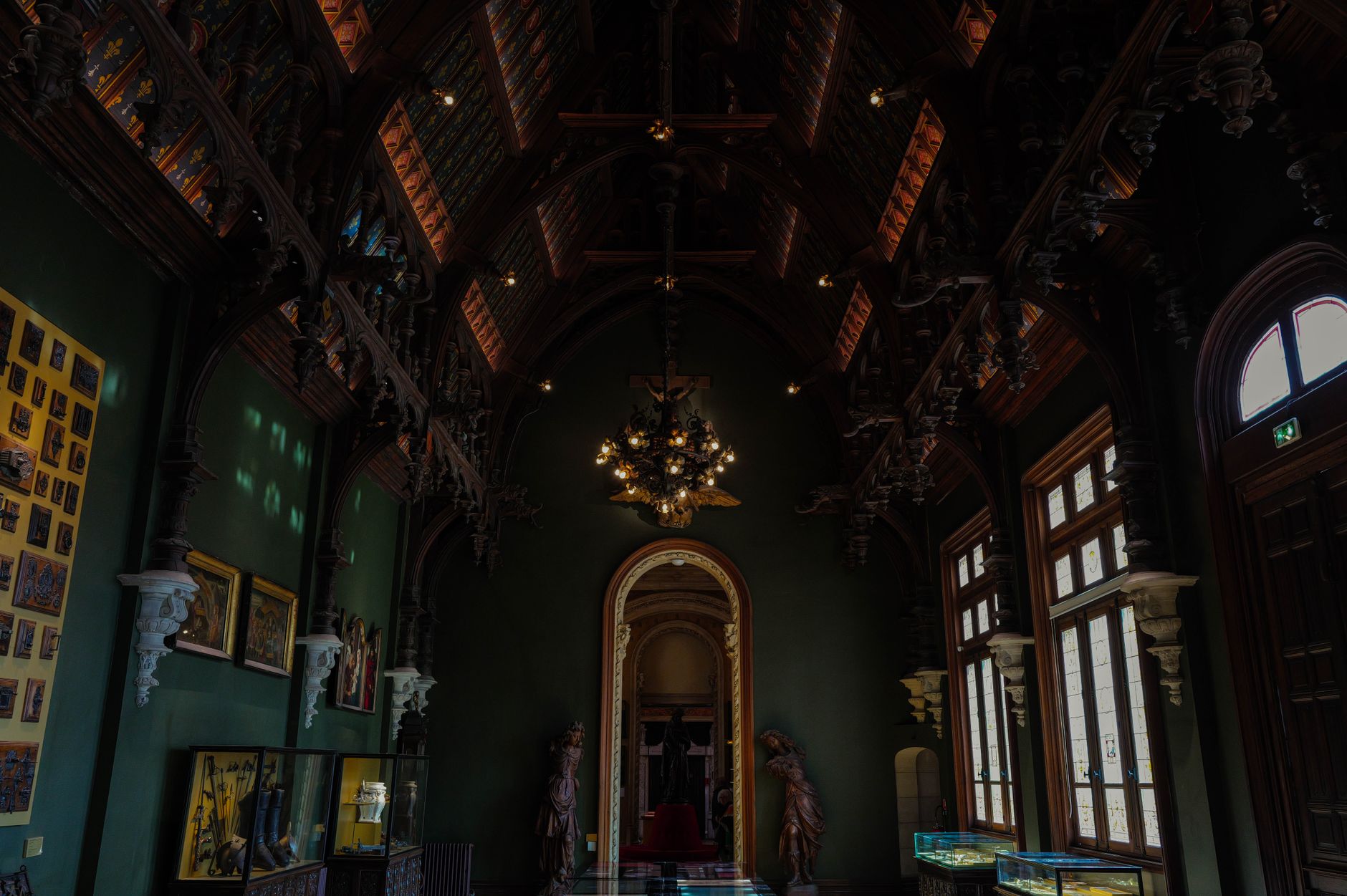
4. A Merchant's Opulent Canal Home
Museum Van Loon, Amsterdam, Netherlands
This grand canal house offers an authentic glimpse into the lavish lifestyle of a prominent Amsterdam regent family, the Van Loons, who lived here for centuries.
Step inside Museum Van Loon, a remarkably preserved 17th-century double canal house on the Keizersgracht. It was once the residence of the wealthy Van Loon family, co-founders of the Dutch East India Company. The museum showcases their extensive art collection, period furniture, and porcelain, offering a rare and intimate look at the private life of Amsterdam's elite. Don't miss the picturesque garden and the original coach house across the canal.
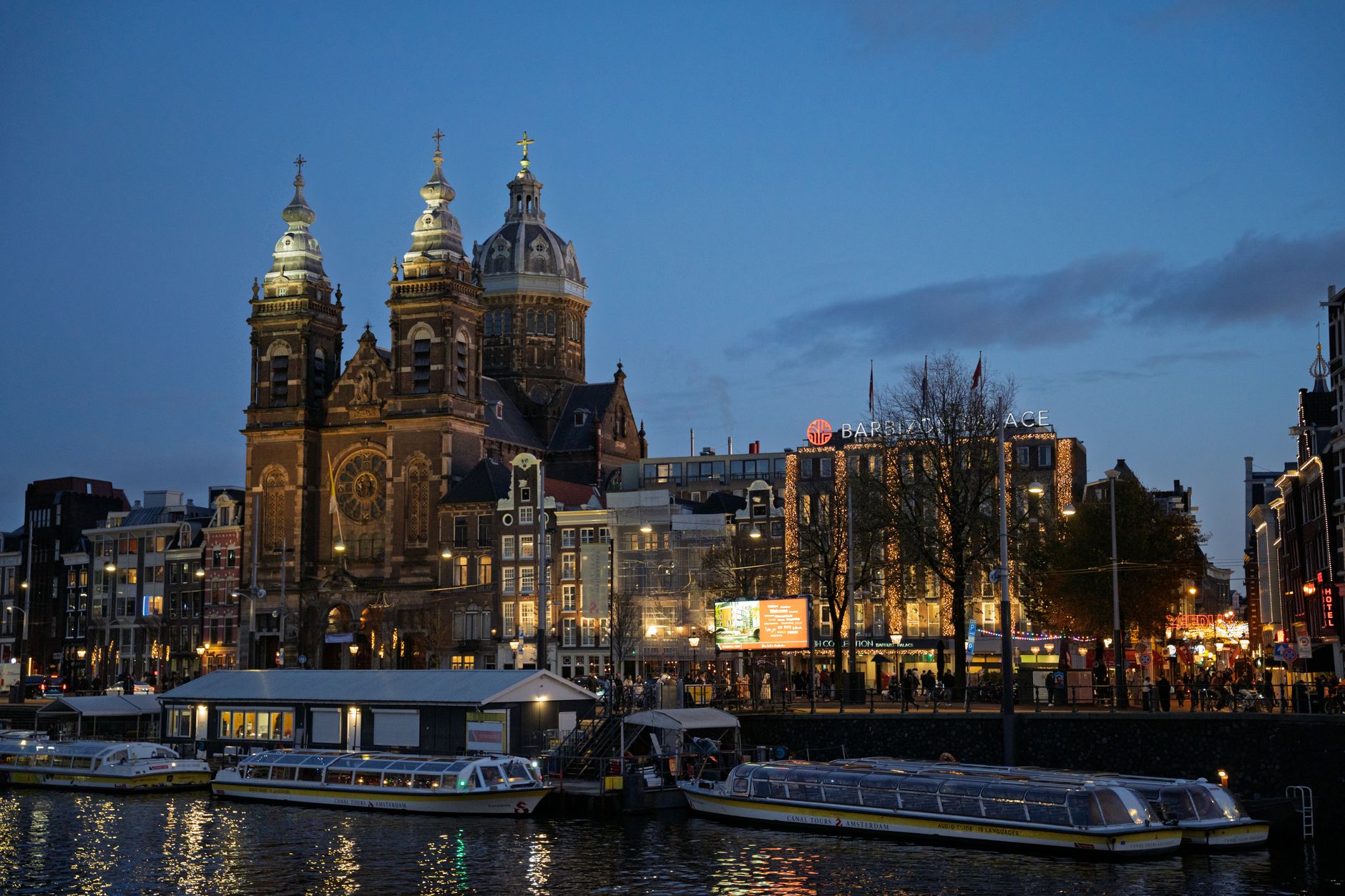
5. The Medieval Gatehouse of Many Lives
De Waag, Amsterdam, Netherlands
Originally a medieval city gate, De Waag transformed over centuries into a weigh house, a guildhall for surgeons, and famously hosted public anatomy lessons.
De Waag, meaning 'The Weigh House,' is a striking medieval building in Nieuwmarkt, dating back to the late 15th century. It began as one of Amsterdam's three main city gates, the Sint Antoniespoort. After the city expanded, it lost its defensive purpose and was converted into a public weigh house. Its most famous role was serving as the home for various guilds, including the Surgeons' Guild, whose anatomy lessons were famously depicted by Rembrandt.
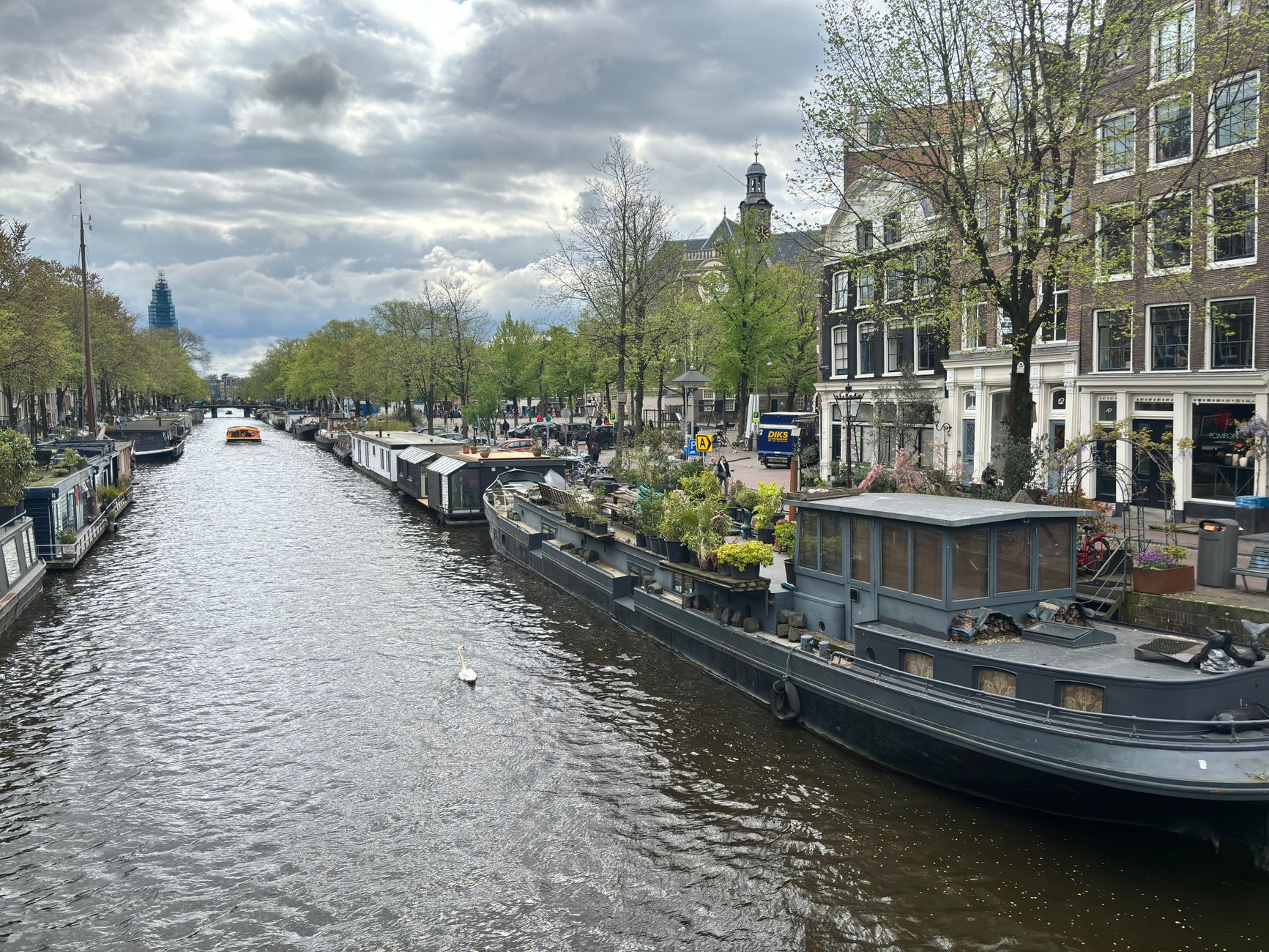
6. Rembrandt's Final Resting Place
Westerkerk, Amsterdam, Netherlands
The iconic Westerkerk, with its distinctive crown, is where Rembrandt van Rijn was buried in an unmarked grave, believed to be somewhere within its nave.
The Westerkerk, or 'Western Church,' is a prominent landmark whose 85-meter tower, crowned with the imperial crown of Austria, dominates Amsterdam's skyline. Completed in 1631, it's the largest Protestant church in the city. Beyond its architectural grandeur, the church holds a poignant connection to Rembrandt; he was buried here in 1669 in a rented grave, though its exact location is now unknown. Anne Frank also frequently mentioned its carillon in her diary.
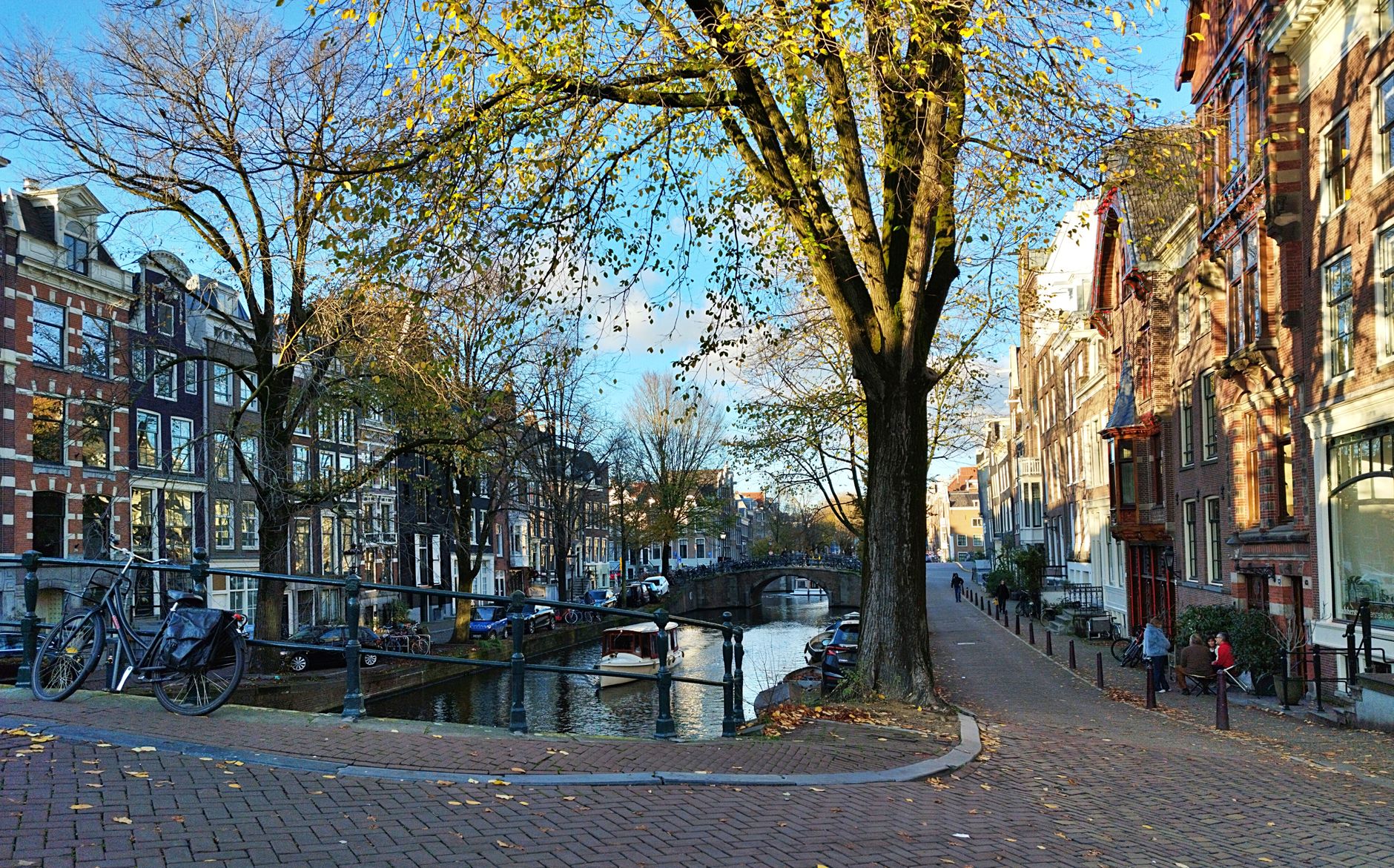
7. The Brewers' Canal of Golden Age
Brouwersgracht, Amsterdam, Netherlands
Once the bustling heart of Amsterdam's brewing industry, Brouwersgracht is lined with beautifully preserved 17th-century warehouses, many of which retain their original hoists.
Brouwersgracht, or 'Brewers' Canal,' is often hailed as one of Amsterdam's most picturesque canals. Its name reflects its historical significance as a hub for breweries and warehouses during the Dutch Golden Age. These impressive buildings, with their distinctive gables and large doors, were used for storing goods like spices, textiles, and, of course, beer. Today, many have been converted into stunning residences, offering a glimpse into a bygone era of maritime trade and industry.
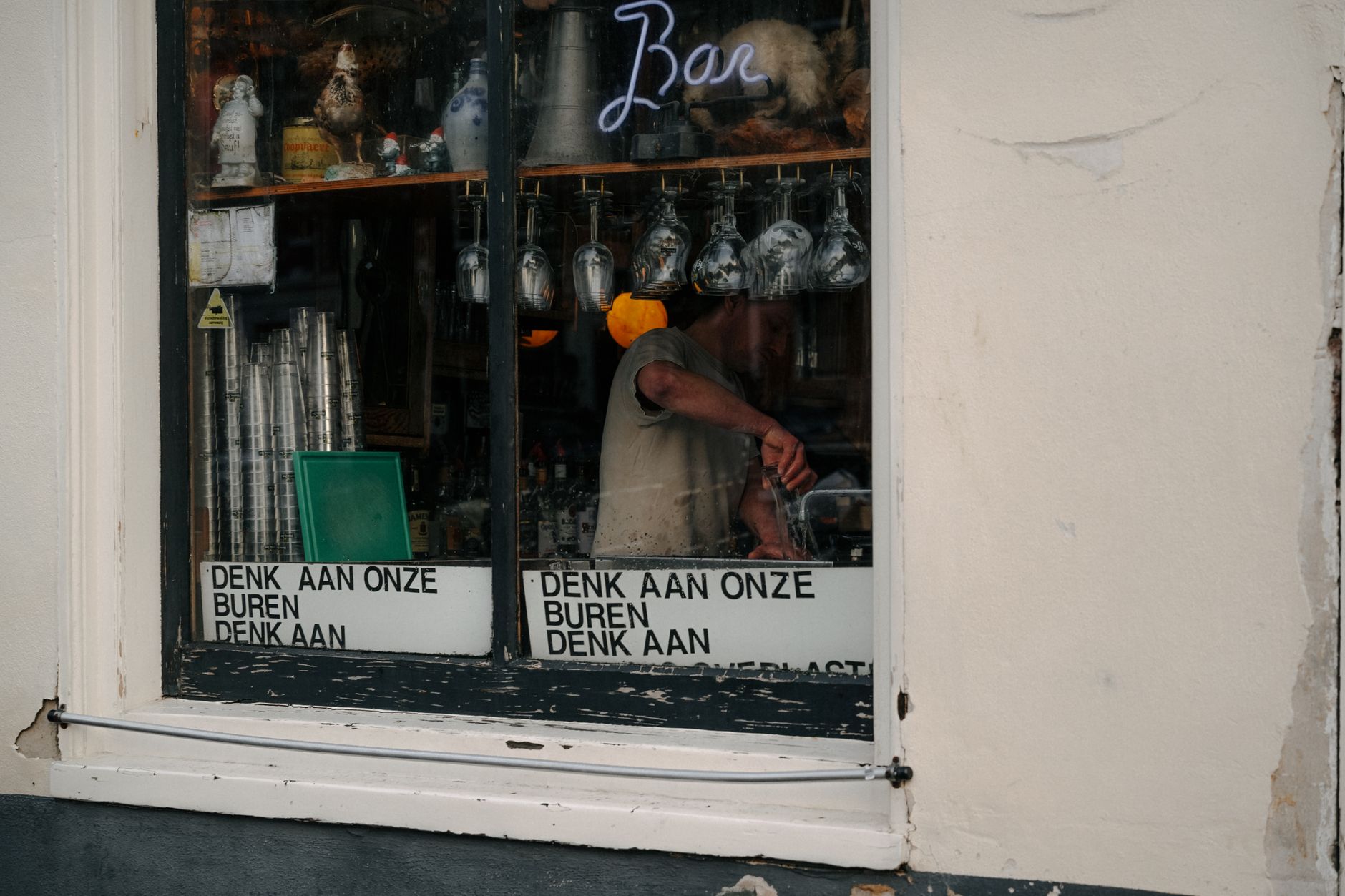
8. A Feline Art Collection
KattenKabinet, Amsterdam, Netherlands
This quirky museum, located in a grand canal house, is entirely dedicated to art depicting cats, founded in loving memory of a particular ginger cat named John Pierpont Morgan.
For cat lovers and art enthusiasts alike, the KattenKabinet (Cat Cabinet) offers a delightful and unusual museum experience. Housed in a magnificent 17th-century canal house, the museum showcases a private collection of cat art in all its forms: paintings, sculptures, posters, and more. It was founded by William Meijer in memory of his beloved cat, John Pierpont Morgan. The museum itself is often patrolled by live feline residents, adding to its unique charm.
Frequently asked questions
How much time should I allocate for each stop on this Amsterdam itinerary?
For museums like Ons' Lieve Heer op Solder or Museum Van Loon, plan at least 1 to 1.5 hours to fully appreciate their collections. For the Oude Kerk, Westerkerk, Begijnhof, or De Waag, 30-45 minutes should suffice for exploration. Canal walks, like along Brouwersgracht, can be as long or short as you desire.
Is it possible to walk between all these locations in one day?
Yes, all these locations are situated within Amsterdam's historic center and are very walkable. The city is compact and flat, making it ideal for exploring on foot. You might consider a short tram ride if your feet get tired, but the best way to experience the canals and hidden streets is by walking.
What's the best way to experience the canals in one day?
A canal cruise offers a different perspective, but for a single day, combining walking tours along specific canals like Brouwersgracht with visits to canal-side museums (like Museum Van Loon) provides a more immersive experience. This allows you to appreciate the architecture up close and delve into the stories of the canal houses.
How does the AllTours.ai app enhance my visit to Amsterdam?
The AllTours.ai app transforms your exploration by providing instant, in-depth audio narratives for any landmark or landscape you point your camera at. As you wander Amsterdam's canals and historic sites, the app will automatically tell you the unique history, geology, and culture of what you're seeing, in your language, making every discovery richer and more personal without needing a pre-planned tour.
Related guides
Photography via Pexels. AllTours.ai is an AI audio tour guide — point your camera at any landscape and hear its story.