September 16, 2026 · 4 min read
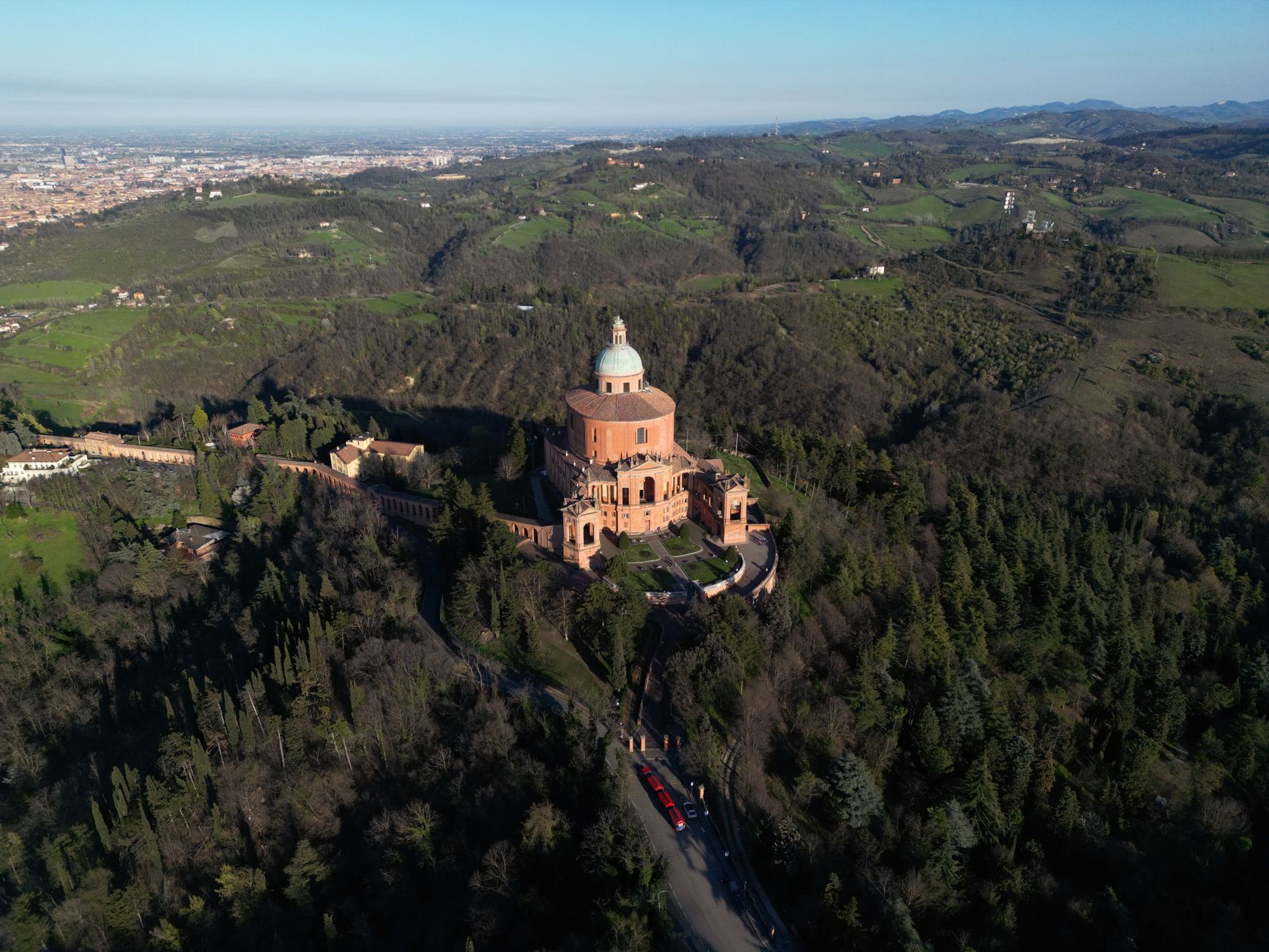
Bologna, 'La Dotta, la Grassa, la Rossa' – the Learned, the Fat, the Red – lives up to its nicknames with a vibrant academic pulse, a rich culinary tradition, and a cityscape defined by its distinctive brick hues. While many rush through, 24 hours in Bologna offers a surprising depth of discovery if you know where to look.
Beyond the famous towers and well-trodden squares, a different Bologna awaits. This itinerary takes you beneath ancient porticoes, into bustling local markets, and through quiet corners where centuries of history whisper their tales, inviting you to peel back the layers of this magnificent city.
1. The Silent Spectators of Anatomy
Archiginnasio Anatomical Theatre, Italy
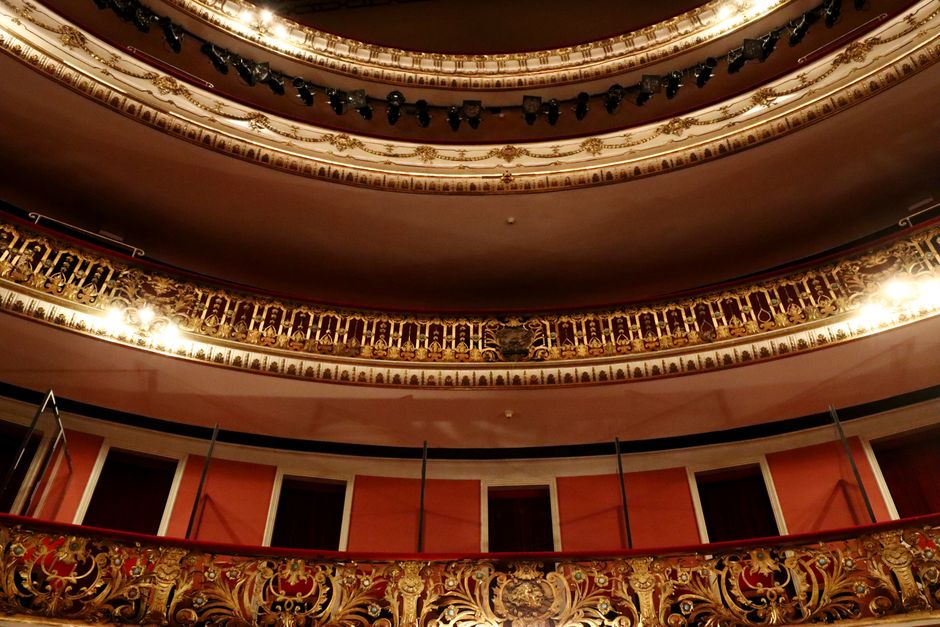
Students once learned human anatomy in this historic theatre, watched over by eerily realistic carved, flayed men.
Tucked within the magnificent Archiginnasio Palace, the Anatomical Theatre is a masterpiece of 17th-century learning. Here, medical students once gathered around a marble table, observing dissections under the gaze of two 'Spellati' (flayed men) statues. The intricately carved wooden benches and the professor's chair, supported by statues representing Hippocrates and Galen, evoke a profound sense of medical history.
2. Bologna's Secret Canal Window
Finestrella di Via Piella, Italy
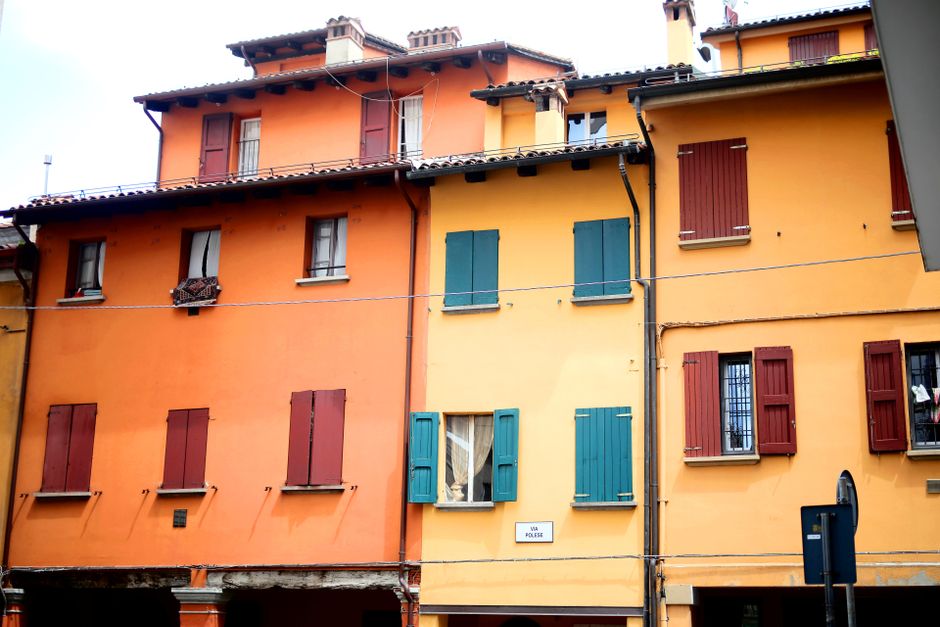
A small, unassuming window in a medieval wall reveals a surprising glimpse of Bologna's forgotten network of canals.
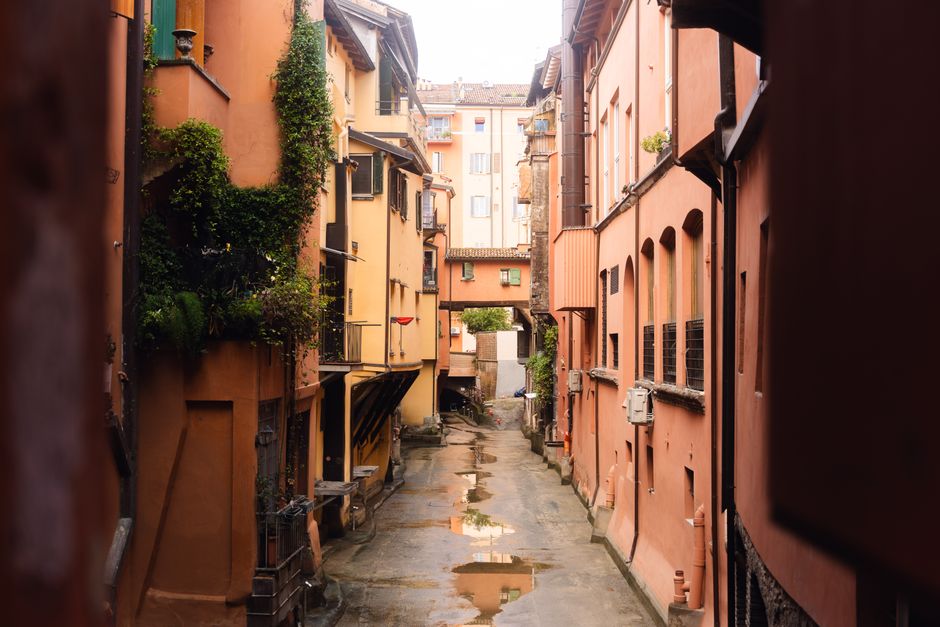
Bologna was once crisscrossed by a complex system of canals, essential for trade and silk production. While most are now covered, the Finestrella offers a charming peek into the Canale delle Moline. Open the small wooden shutter and you'll see a narrow waterway flowing between pastel-colored houses, a stark contrast to the bustling streets just moments away, hinting at a 'secret Venice' beneath the city.
3. The Last Wooden Portico
Casa Isolani, Bologna, Italy
Walk beneath one of Bologna's last surviving wooden porticoes, a rare testament to medieval building traditions.
While Bologna is famous for its extensive stone porticoes, Casa Isolani on Strada Maggiore offers a unique glimpse into an older architectural style. Its robust oak portico, dating back to the 13th century, is one of the very few wooden examples still standing. Unlike the later stone structures, this portico was built as part of the house's original timber frame, demonstrating the ingenuity of medieval builders and the evolution of urban design.
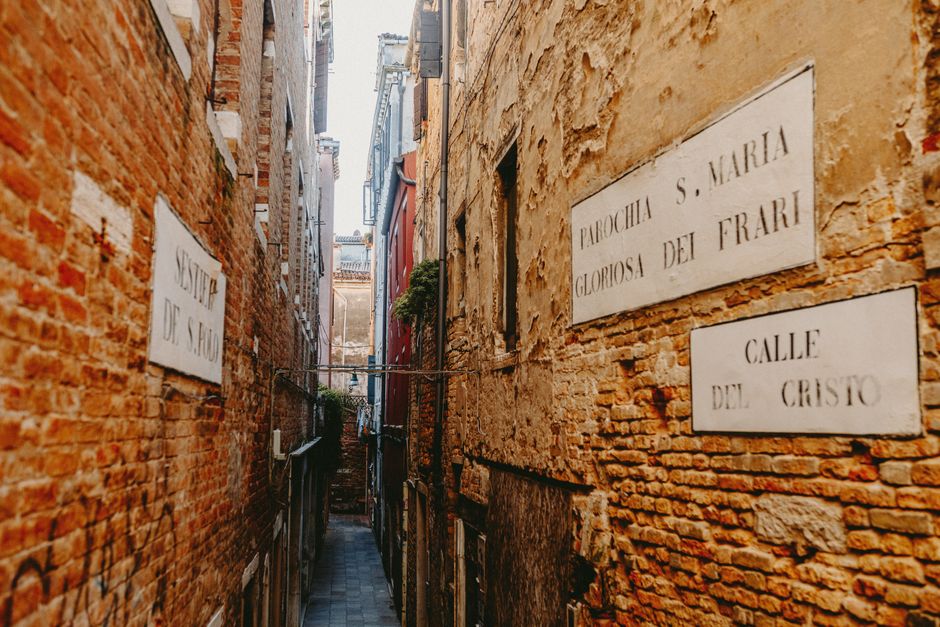
4. The Grieving Terracotta Masterpiece
Santuario di Santa Maria della Vita, Bologna, Italy
Inside this sanctuary lies a terracotta sculpture so intensely expressive, it captures the raw, visceral grief of the Virgin Mary and other figures.
Beyond the church's ornate facade, discover Niccolò dell'Arca's "Compianto sul Cristo Morto" (Lamentation over the Dead Christ), a breathtaking ensemble of seven life-sized terracotta figures created in the 15th century. The dynamic movement and agonizing expressions of the mourning figures, particularly Mary Magdalene rushing in despair, are astonishingly lifelike and convey a profound emotional intensity that transcends centuries, making it one of Italy's most powerful Renaissance sculptures.
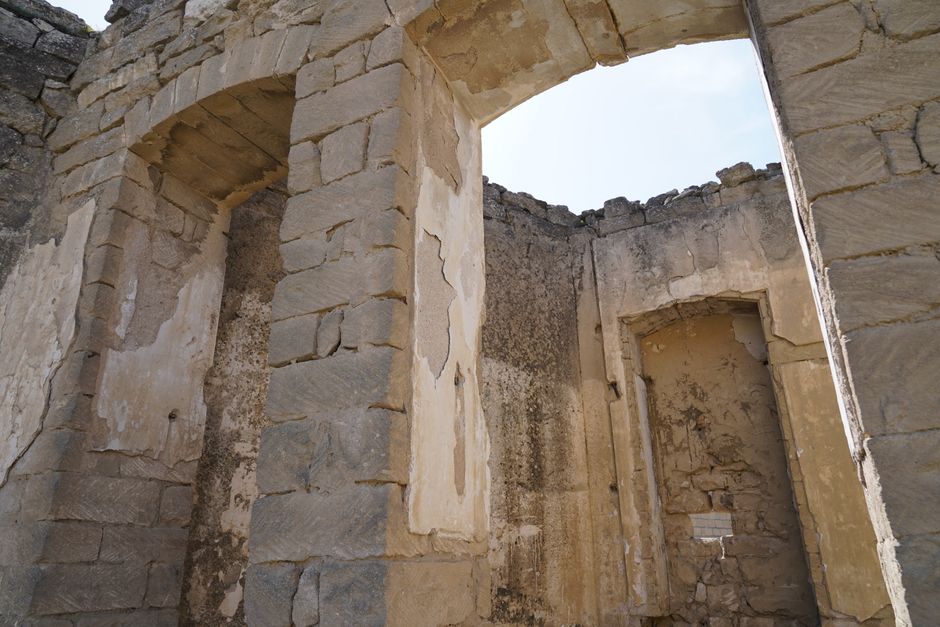
5. Books Above Roman Ruins
Biblioteca Salaborsa, Bologna, Italy
This modern public library is built directly over ancient Roman city ruins, visible through a captivating glass floor.
Housed within the former stock exchange building, Biblioteca Salaborsa is more than just a place for books; it's an archaeological site. Through transparent floor panels in the central hall, visitors can look down onto the excavated remains of the ancient Roman city of Bononia, including parts of the forum, a basilica, and an early medieval necropolis. This unique blend of contemporary culture and deep history makes for a fascinating experience, literally walking over layers of the past.
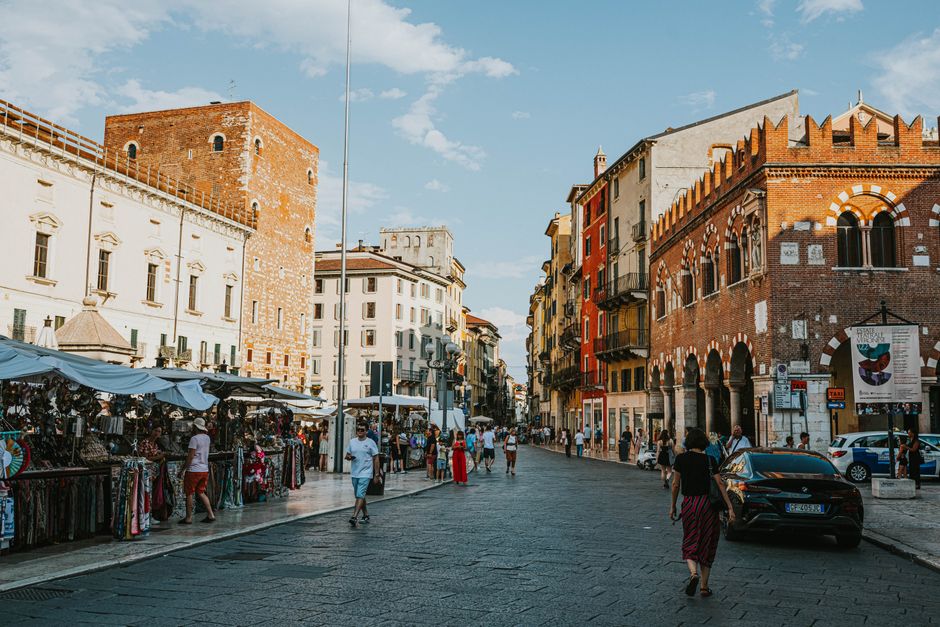
6. The Lively Local's Market
Mercato delle Erbe, Bologna, Italy
Step into Bologna's largest indoor market, a vibrant hub where locals have sourced fresh produce and regional delicacies for generations.
While the Quadrilatero gets the tourist buzz, Mercato delle Erbe offers an authentic slice of Bolognese daily life. This expansive indoor market, originally built in the early 20th century, is a kaleidoscope of colors, aromas, and sounds. Beyond the bustling fruit and vegetable stalls, you'll find butchers, bakers, and cheesemongers, alongside modern food courts and eateries. It’s a true working market where the city's culinary heart beats strong.
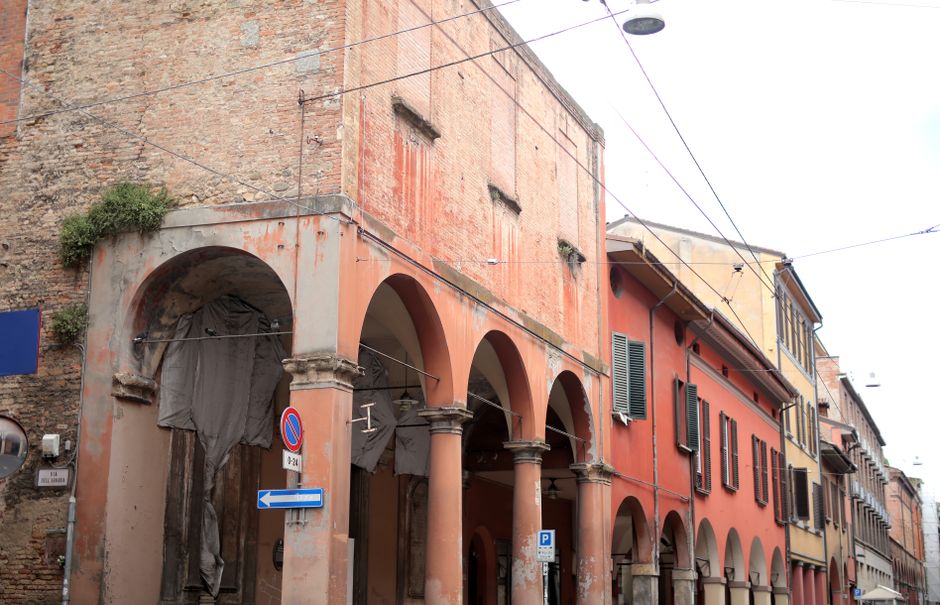
7. The Seven Churches Complex
Basilica di Santo Stefano, Bologna, Italy
Explore a remarkable complex of interconnected churches, believed to be built on the site of a Roman temple and designed to evoke Jerusalem's Holy Sepulchre.
Often called "Sette Chiese" (Seven Churches), this unique complex is a spiritual and architectural marvel. Its origins trace back to the 5th century, with different structures built and rebuilt over time, incorporating elements from Roman, Lombard, and early Christian eras. Wander through courtyards, chapels, and crypts, discovering the Church of the Holy Sepulchre, the Church of St. Vitale and Agricola, and the Courtyard of Pilate, each telling a distinct story within this sacred labyrinth.
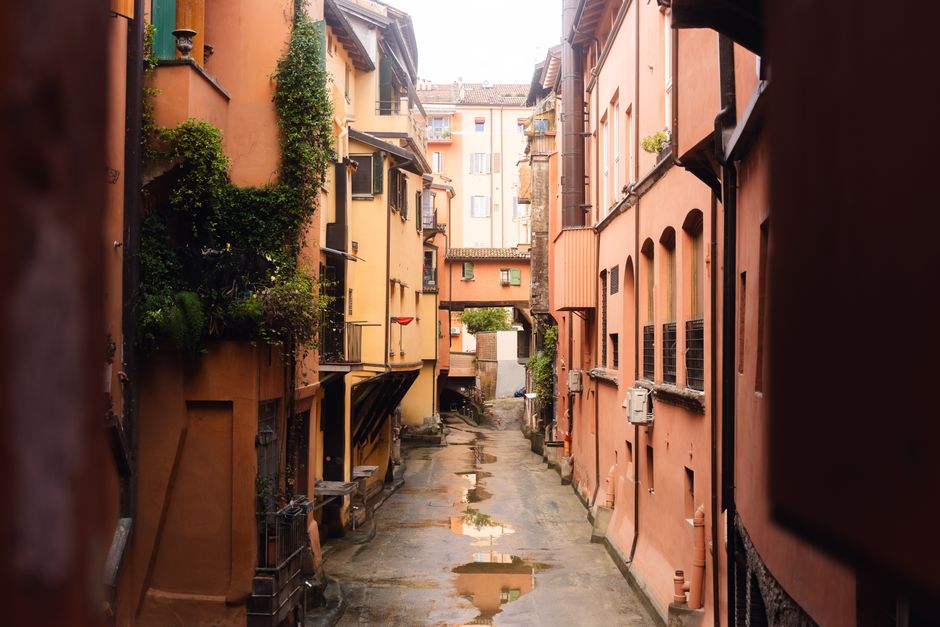
8. Echoes of the Ghetto
Former Jewish Ghetto, Bologna, Italy
Navigate a labyrinth of narrow alleys and hidden courtyards that once formed Bologna's tightly-packed Jewish Ghetto.
Tucked away between Via dell'Inferno and Via Oberdan, the former Jewish Ghetto is a fascinating, atmospheric district. Established in the mid-16th century, its high, closely-built houses and intricate network of passageways were designed to contain the Jewish community. Today, it's a quiet, evocative area with artisan shops and cafes, but the architecture still whispers tales of its past, inviting reflection on centuries of history within its ancient walls.
Frequently asked questions
Is 1 day enough for Bologna?
While Bologna offers enough to fill several days, 1 day is sufficient to experience its highlights, including key historical sites, renowned culinary scene, and charming atmosphere. A focused itinerary helps maximize your time.
What is Bologna most famous for?
Bologna is famous for its rich culinary tradition, earning it the nickname "La Grassa" (The Fat) for dishes like tagliatelle al ragù, tortellini, and mortadella. It's also known for its medieval porticoes and the University of Bologna, the oldest continuously operating university in the world.
What are the best foods to try in Bologna?
You must try tagliatelle al ragù (often mistakenly called spaghetti bolognese), tortellini in brodo, mortadella, lasagna verde, and crescentine (fried bread) with cured meats and cheeses. Don't forget a glass of local Lambrusco or Pignoletto wine.
How can AllTours.ai enhance my visit to Bologna?
AllTours.ai brings Bologna's hidden stories to life. Simply point your phone camera at a landmark, portico, or even a local dish, and the app will narrate its history, cultural significance, or geological context in your preferred language, offering a personalized and immersive tour experience.
Related guides
Photography via Pexels. AllTours.ai is an AI audio tour guide — point your camera at any landscape and hear its story.