
September 3, 2026 · 4 min read
Imagine what a small, consistent shift in your spending could unlock. The daily coffee run, the subscription you rarely use – these small expenses, often overlooked, add up. What if that $100 a month wasn't just 'saved,' but transformed into a passport to discovery?
This isn't about giving up comfort, but about redefining value. It's about trading fleeting pleasures for lasting memories, for the thrill of standing in places few others have seen, witnessing stories etched into the very landscape. Forget the crowded tourist traps; here are some of the world's most surprising, lesser-known wonders that your conscious spending could help you explore.
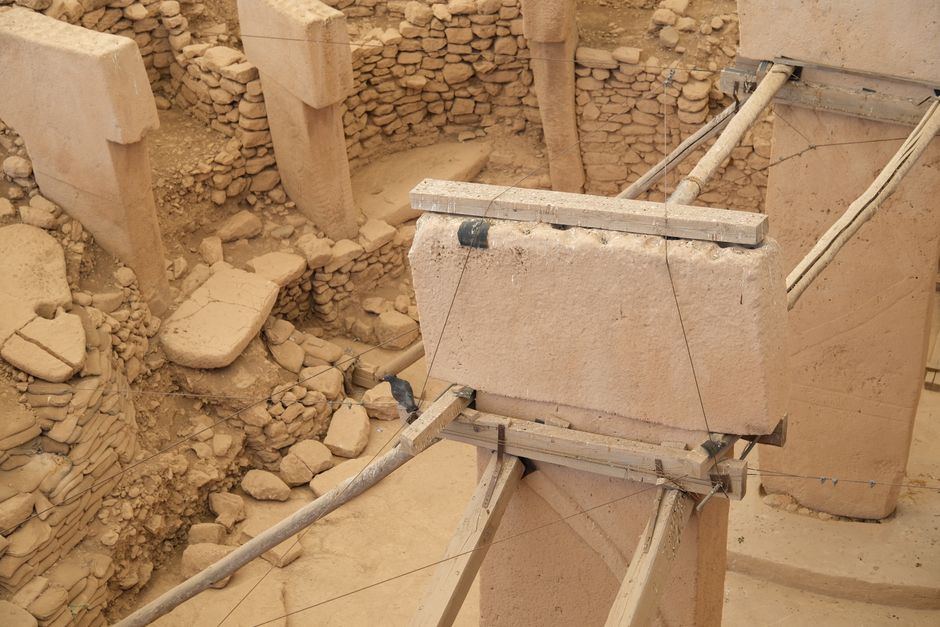
1. Earth's First Temple, Reburied
Göbekli Tepe, Turkey
Before agriculture or pottery, hunter-gatherers built massive stone temples here, then intentionally buried them.
For millennia, the oldest known temple complex lay hidden beneath an artificial hill in southeastern Turkey. Predating Stonehenge by 6,000 years and the pyramids by 7,000, Göbekli Tepe challenges our understanding of early human civilization. Its monumental T-shaped pillars, carved with intricate animal reliefs, suggest complex social organization and spiritual beliefs long before settled life was thought possible. The site was not inhabited but served as a pilgrimage center, built by communities that were still largely nomadic.
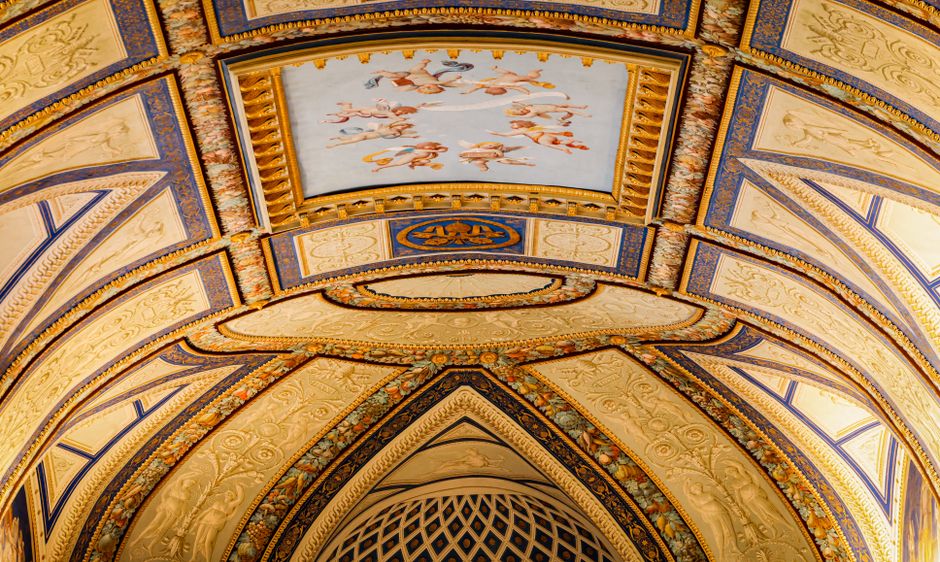
2. The Moorish Castle of Dreams
Castello di Sammezzano, Italy
This abandoned 19th-century castle is a kaleidoscope of Moorish Revival architecture, built by an eccentric nobleman.
Tucked away in the Tuscan hills, Castello di Sammezzano is a masterpiece of vibrant colors and intricate geometric patterns. Its 365 rooms, one for each day of the year, showcase an astonishing array of Moorish-style designs, from stucco work to tile mosaics. Ferdinando Panciatichi Ximenes d'Aragona, the marquis who transformed it, poured his soul into creating this architectural fantasy, reflecting a fascination with Eastern aesthetics. Despite its breathtaking beauty, the castle has been abandoned for decades, standing as a silent testament to a singular vision.
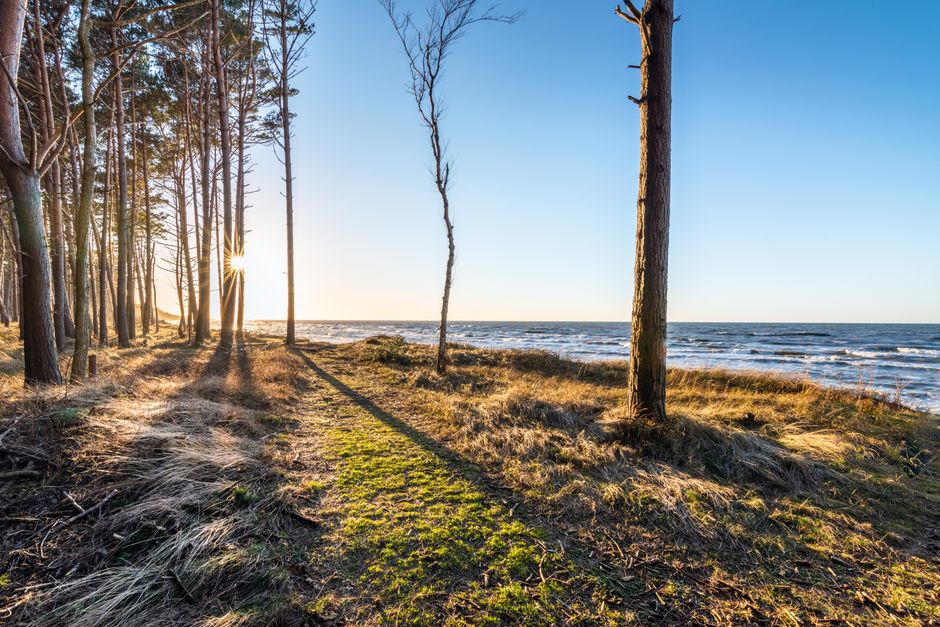
3. The Crooked Forest's Mystery
Gryfino, Poland
Hundreds of pine trees in this forest inexplicably grow with a 90-degree bend at their base, pointing north.
Near the town of Gryfino, a grove of around 400 pine trees presents an enduring botanical enigma. Each tree grows with a dramatic curve, forming a C-shape close to the ground before straightening upwards. Planted in the 1930s, theories range from heavy snowfall to a unique genetic mutation, but the most popular suggests human intervention. Some believe farmers intentionally shaped the trees for furniture or shipbuilding, though no definitive explanation has ever been proven, leaving their peculiar forms a captivating mystery.
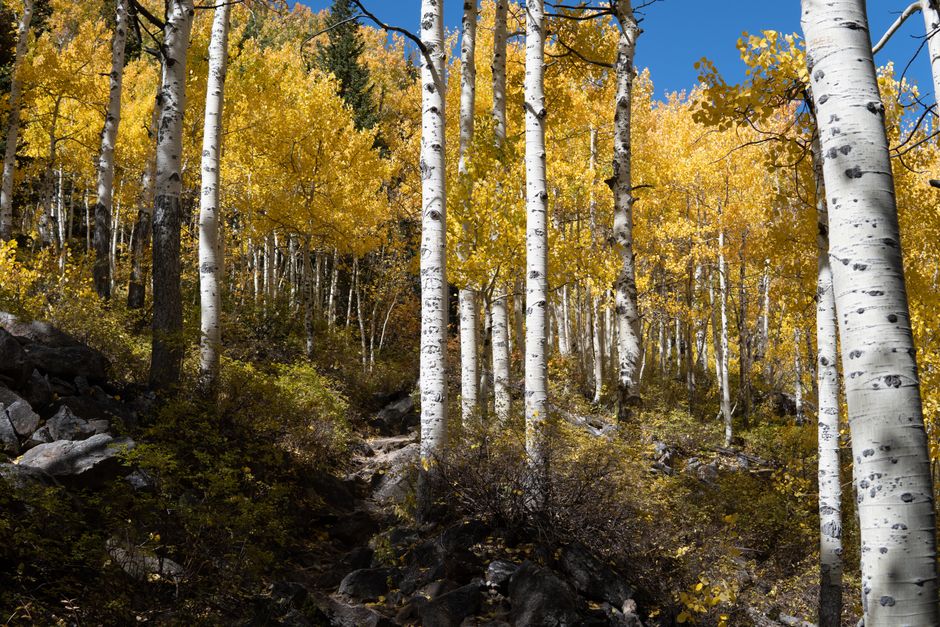
4. Earth's Oldest, Heaviest Organism
Fishlake National Forest, Utah, USA
Beneath the surface of this forest lies Pando, a single quaking aspen organism spanning 106 acres and weighing 6,600 tons.
What appears to be a vast grove of individual quaking aspen trees is, in fact, Pando, a colossal clonal colony connected by a single root system. Each "tree" is genetically identical, a stem emerging from the same ancient organism. Estimated to be thousands of years old, Pando is considered one of the oldest and heaviest living organisms on Earth. This "Trembling Giant" offers a profound perspective on interconnectedness and the hidden life beneath our feet, a true natural wonder often overlooked.
5. The Sands of a Diamond Dream
Kolmanskop, Namibia
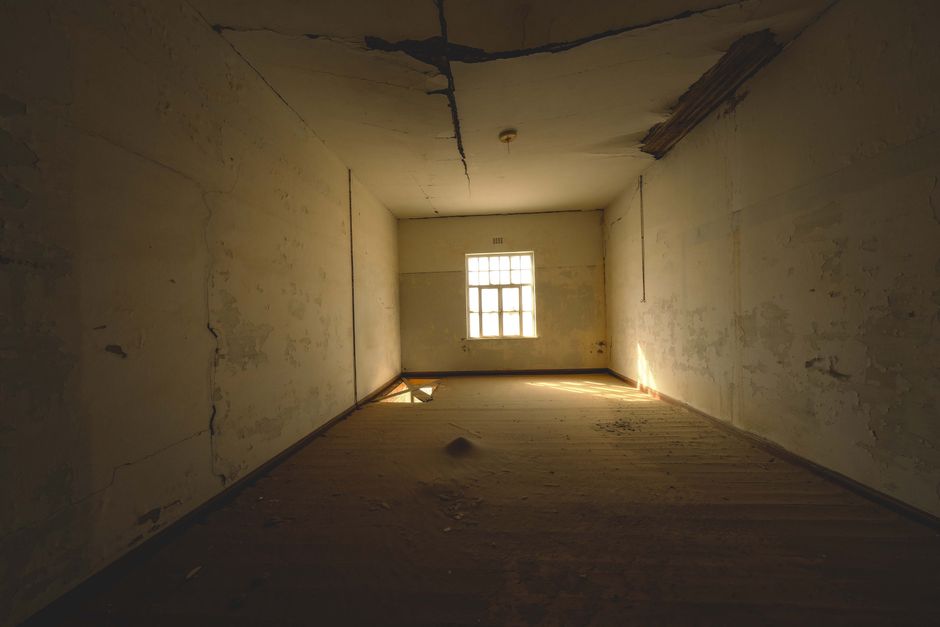
A once-thriving diamond mining town in the Namib Desert now lies half-buried in sand, a ghost of its opulent past.
In the early 20th century, Kolmanskop was a bustling German settlement, built on the back of a diamond rush. It boasted a hospital, ballroom, power station, and even a bowling alley, all in the middle of a barren desert. However, after richer diamond fields were discovered further south, the town was gradually abandoned in the 1950s. Today, the desert is reclaiming Kolmanskop, with sand dunes flowing through once-grand homes, creating an eerie, beautiful spectacle frozen in time.
6. City Below the Earth
Derinkuyu Underground City, Turkey
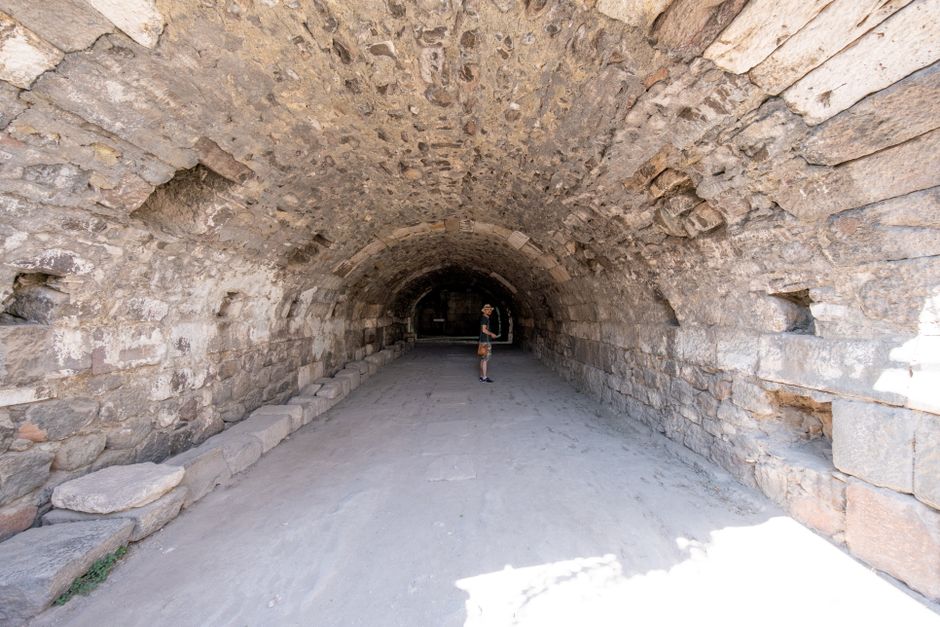
Carved deep into the soft volcanic rock of Cappadocia, this ancient city could house 20,000 people, complete with stables, churches, and wineries.
Derinkuyu is the largest excavated underground city in Turkey, plunging eight levels deep into the earth. It was likely built by Phrygians or early Christians as a refuge from invaders, with complex ventilation shafts, wells, and rolling stone doors to seal off passages. Its vast network of tunnels and chambers reveals a sophisticated ancient society that lived for extended periods completely beneath the surface. Exploring its cool, labyrinthine passages offers a palpable sense of history and ingenuity.
7. The Laughter in Stone
The Gardens of Bomarzo, Italy
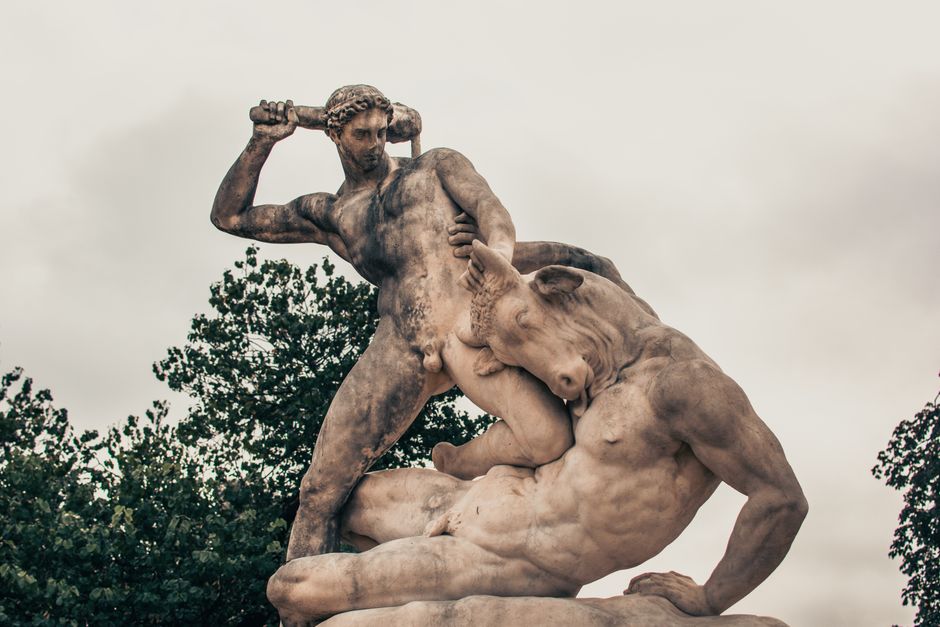
Commissioned in the 16th century, this "Park of the Monsters" features grotesque, mythical sculptures carved directly into bedrock, meant to shock and amuse.
Known locally as Parco dei Mostri, or the Park of the Monsters, this surreal garden was created by Prince Pier Francesco Orsini. Unlike traditional Renaissance gardens, Bomarzo eschews classical order for deliberate chaos, designed to astonish and bewilder visitors. Giant stone heads, a leaning house, and creatures like an ogre with an open mouth serving as an entrance to hell are scattered throughout. It’s a whimsical, unsettling journey into a Renaissance mind trying to grapple with grief and challenge conventional beauty.
8. The Singing Sand Dune
Altyn-Emel National Park, Kazakhstan
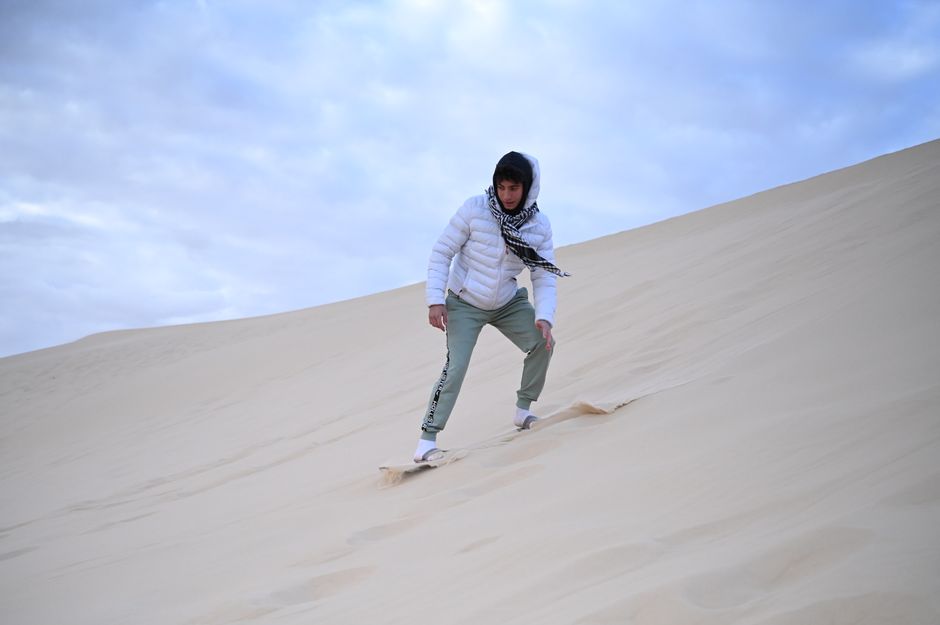
This enormous sand dune, when conditions are right, emits a low, resonant hum, sounding like organ music or a jet engine.
The Singing Dune, or "Aigaikum" as it's known locally, is a natural wonder in the vast landscapes of Altyn-Emel. Standing over 150 meters high and several kilometers long, its sand grains rub together as they shift, especially in dry, windy conditions, creating a distinct, vibrating sound. Local legends attribute the phenomenon to desert spirits or bells buried beneath the sands. This geological anomaly offers a truly unique auditory experience amidst the stark beauty of the Kazakh steppe.
Frequently asked questions
What are some practical ways to save money for travel?
Small, consistent changes can make a big difference. Consider cutting daily discretionary spending like expensive coffees, packed lunches, or unused subscriptions. Setting up an automatic transfer of a small amount to a dedicated travel savings account each month can also help build funds steadily without much effort.
How can I find lesser-known travel destinations like these?
Research beyond popular travel guides. Look for local tourism boards in specific regions, search for "underrated" or "hidden gem" destinations, or explore historical and geological society websites. Travel forums and specialized blogs often highlight unique places that haven't hit the mainstream yet.
Is it better to save or invest money for travel?
For short-term travel goals (1-3 years), saving in a high-yield savings account is generally safer as it avoids market fluctuations. For longer-term travel dreams, investing a portion in low-risk funds could potentially grow your money faster, but always consider your risk tolerance and timeline.
How does the AllTours.ai app help me explore these unique places?
AllTours.ai transforms your phone into an AI audio tour guide. Simply point your camera at a landmark or landscape, and the app instantly narrates its history, geology, and culture in your language. It’s like having a local expert with you, ready to unveil the stories of both famous sites and the world's most unique, lesser-known wonders.
Related guides
Photography via Pexels. AllTours.ai is an AI audio tour guide — point your camera at any landscape and hear its story.