August 30, 2026 · 4 min read
Hamburg, a city defined by its waters, offers a rich tapestry of history, industry, and culture. While a single day might seem ambitious, it's enough to experience the beating heart of Germany's 'Gateway to the World,' revealing layers of fascinating stories at every corner.
This itinerary guides you through the iconic and the unexpected, from colossal warehouses to intimate courtyards, ensuring you leave with a vivid sense of Hamburg's unique spirit. Prepare to discover surprising facts and hidden gems that bring this Hanseatic city to life.
1. A Foundation of Oak: Speicherstadt's Hidden Forest
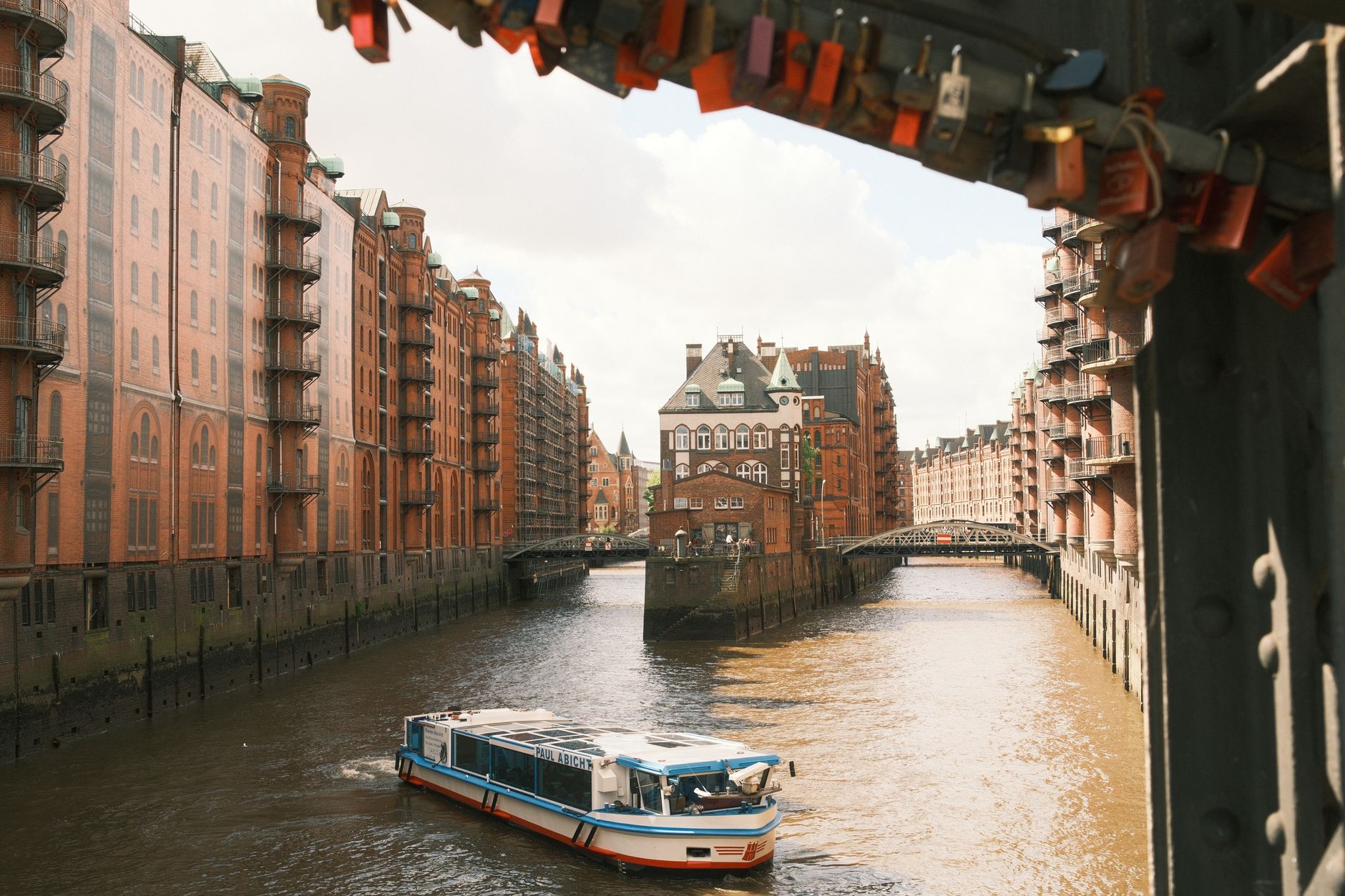
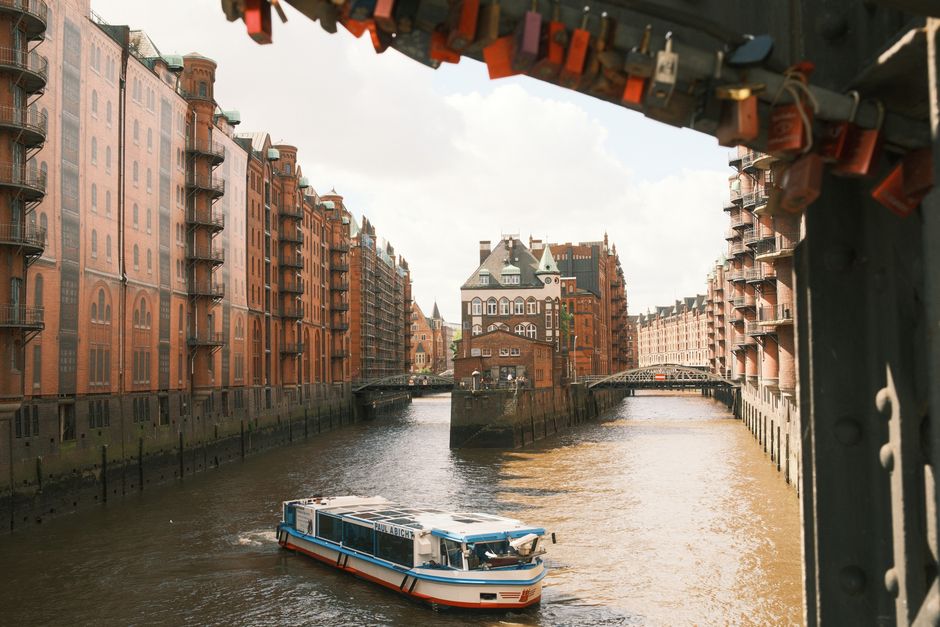
Speicherstadt, Hamburg, Germany
Hamburg's entire Speicherstadt district is built upon millions of oak piles, creating a hidden underwater forest that supports its historic warehouses.
The UNESCO-listed Speicherstadt, the world's largest contiguous warehouse complex, stands as a testament to Hamburg's trading prowess. These imposing red-brick buildings, crisscrossed by canals, were constructed on millions of oak logs driven into the marshy ground. For centuries, exotic goods like coffee, tea, and spices were stored here, making it a vital hub of global commerce and a true 'Venice of the North.'
2. Tiny Worlds, Immense Detail: Miniatur Wunderland's Secrets
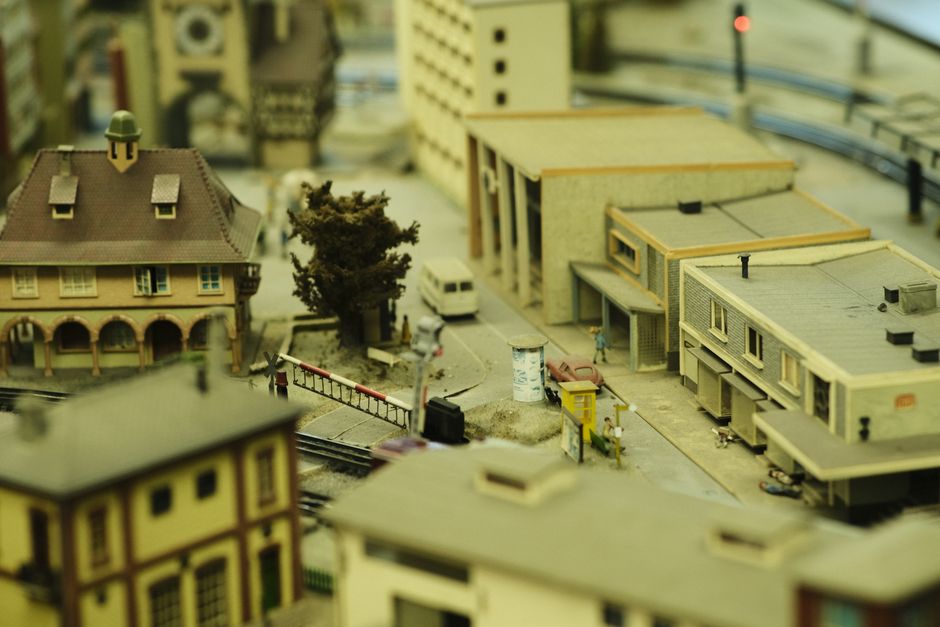
Miniatur Wunderland, Hamburg, Germany
Within Miniatur Wunderland's vast miniature landscapes, over 300,000 individually programmed lights create a dynamic day-night cycle every 15 minutes, revealing hidden humorous scenes and intricate details.
Adjacent to the Speicherstadt, Miniatur Wunderland is more than just a model railway; it's a meticulously crafted universe. Spanning entire continents in miniature, it features tiny towns, bustling airports, and even a fully functioning concert hall. Visitors often spend hours spotting the countless hidden gags, elaborate engineering feats, and the astonishing attention to detail that makes each visit a new discovery.
3. The Nitrate Clipper: Chilehaus's Ship-Shaped Legacy
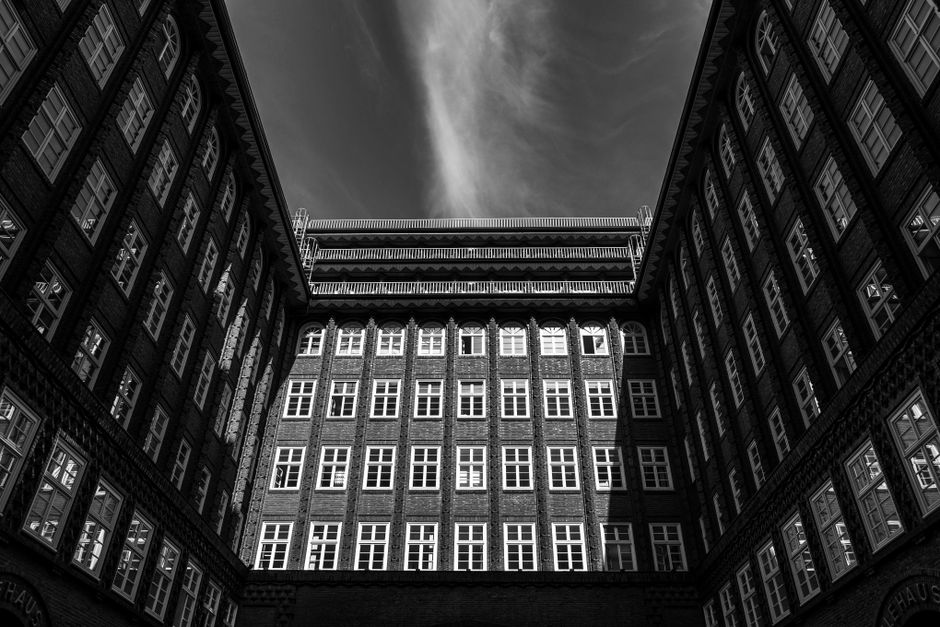
Chilehaus, Hamburg, Germany
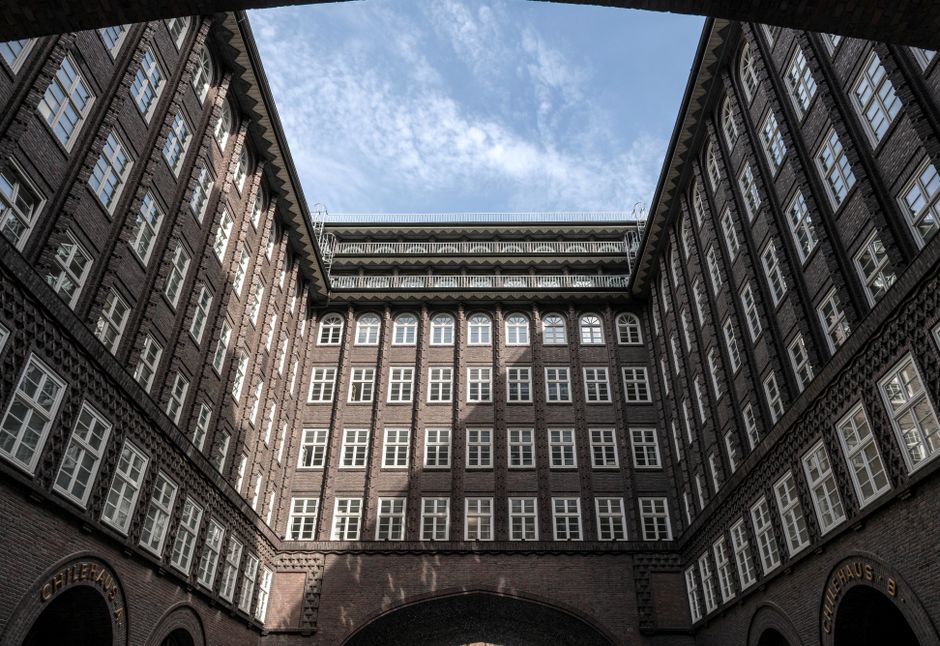
The iconic, ship-bow shape of the Chilehaus was commissioned by a wealthy nitrate merchant, reflecting his trade routes and evoking the grand sailing ships that once carried his cargo.
The Chilehaus is a masterpiece of Brick Expressionism, completed in 1924. Its distinct pointed eastern façade, resembling a ship's bow, seems to cut through the streetscape. Built for Henry B. Sloman, who made his fortune trading saltpeter (nitrate) from Chile, the building's design pays homage to his maritime enterprise. Look closely at the intricate brickwork and the unique architectural details that give this office building its powerful presence.
4. Widows' Refuge: Krameramtsstuben's Hidden Courtyard
Krameramtsstuben, Hamburg, Germany
The Krameramtsstuben are the last surviving 17th-century courtyard houses in Hamburg, originally built to provide free, dignified housing for the widows of shopkeepers.
Tucked away near St. Michaelis Church, the Krameramtsstuben offer a rare glimpse into Hamburg's past. This charming ensemble of half-timbered houses surrounds a tranquil courtyard, a stark contrast to the bustling city outside. For centuries, these homes served as a social welfare institution, providing shelter for the wives of deceased merchants. Today, they host small shops, galleries, and a traditional restaurant, preserving a unique piece of social history.
5. A Silent Witness: St. Nikolai Memorial's Stark Reminder
St. Nikolai Memorial, Hamburg, Germany
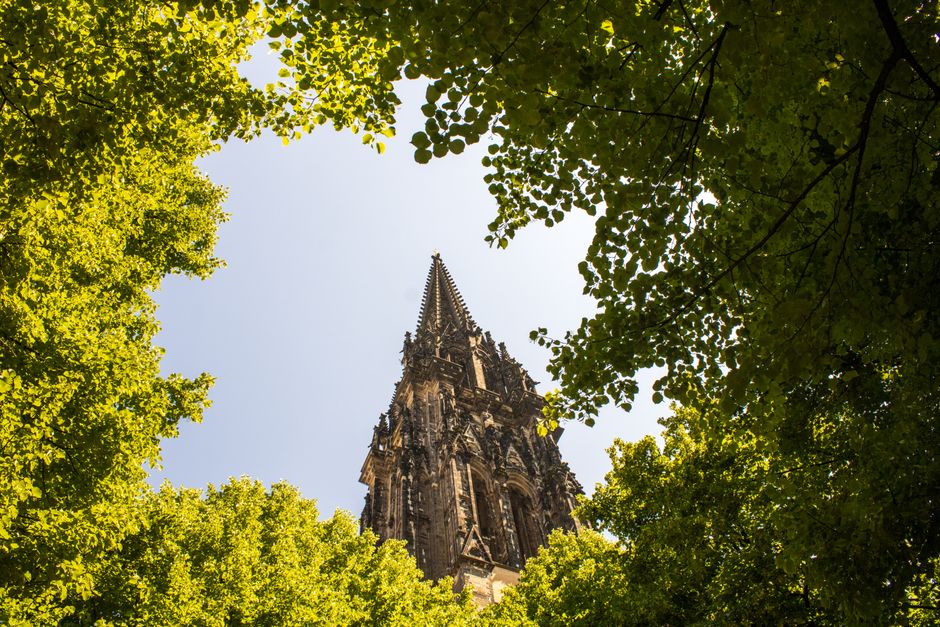
For a brief period in the late 19th century, St. Nikolai Church was the tallest building in the world, its spire now serving as a poignant memorial to the devastation of World War II.
The imposing spire of the St. Nikolai Memorial pierces the Hamburg skyline, but below it lie the ruins of a once-grand church. Bombed during Operation Gomorrah in 1943, its remaining tower and foundations now stand as a powerful anti-war monument. An elevator takes visitors up the tower for panoramic city views, offering a unique perspective on Hamburg's resilience and a somber reflection on its wartime past.
6. Under the Elbe: The Historic Alter Elbtunnel
Alter Elbtunnel, Hamburg, Germany
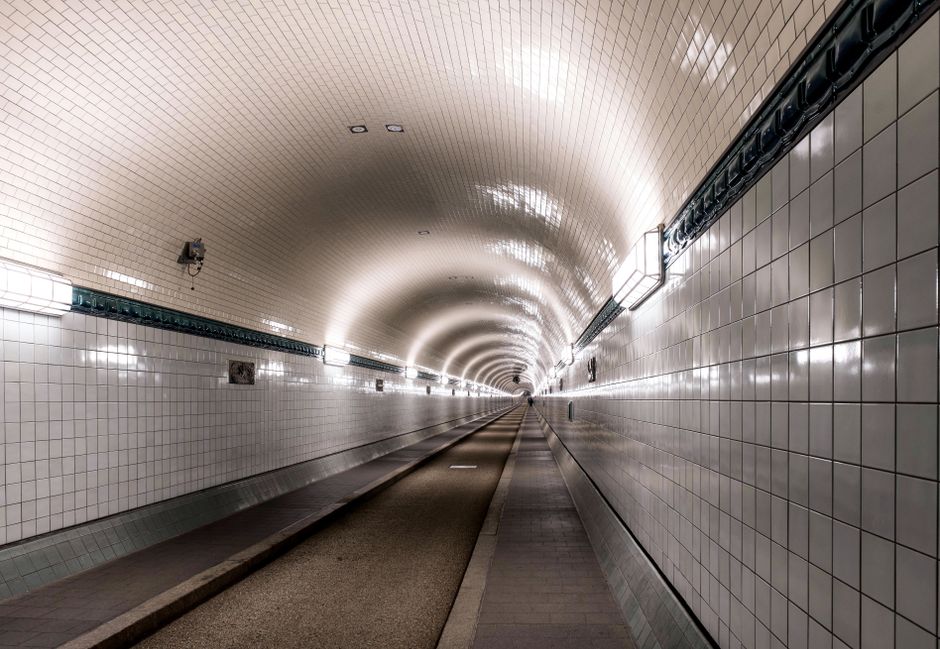
Opened in 1911, the Alter Elbtunnel was the first river tunnel on the European continent and still uses its original, grand car elevators to transport vehicles and pedestrians underground.
Descend beneath the Elbe River into a marvel of early 20th-century engineering. The Alter Elbtunnel connects the city center with the port area, offering a unique pedestrian and cyclist experience. Its tiled walls and historic elevators, which once lifted horse-drawn carriages and early automobiles, transport you back in time. Walking through it provides not only a fascinating historical insight but also striking views of the city skyline upon emergence on the south bank.
7. The Great Freedom: Große Freiheit's Beatles Legacy
Große Freiheit, Hamburg, Germany
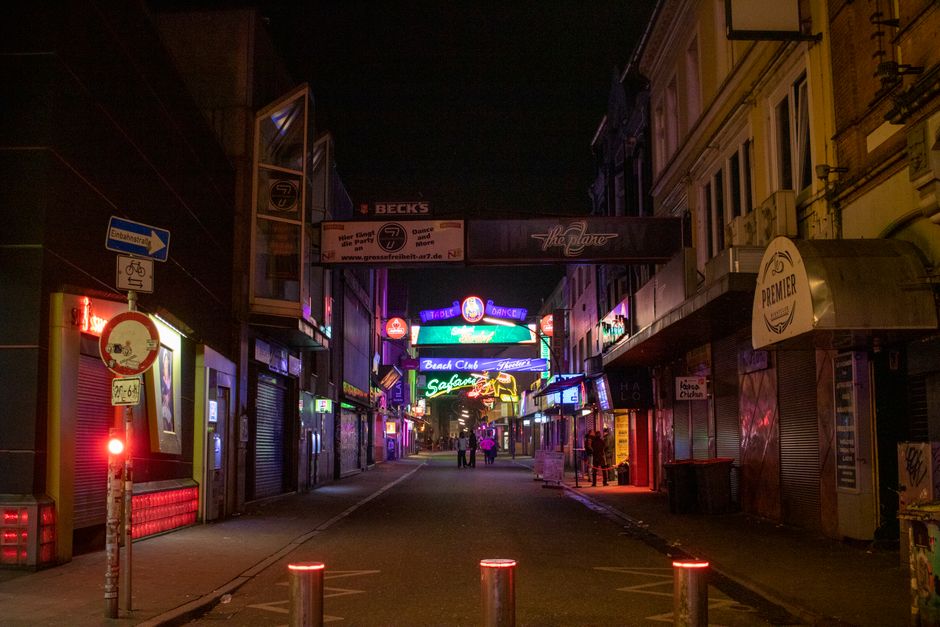
The Große Freiheit, a vibrant side street off the Reeperbahn, earned its name ('Great Freedom') centuries ago as a place where non-Lutherans could practice their religion freely, long before it became the cradle of The Beatles' career.
The Reeperbahn is famous for its nightlife, but venture down Große Freiheit for a slice of rock 'n' roll history. This street, originally a haven for religious dissenters, later transformed into an entertainment hub where The Beatles honed their craft in the early 1960s. Venues like the Indra Club and Kaiserkeller saw the band play hundreds of hours, shaping their sound and stage presence before global fame. It's a place where divergent histories converge.
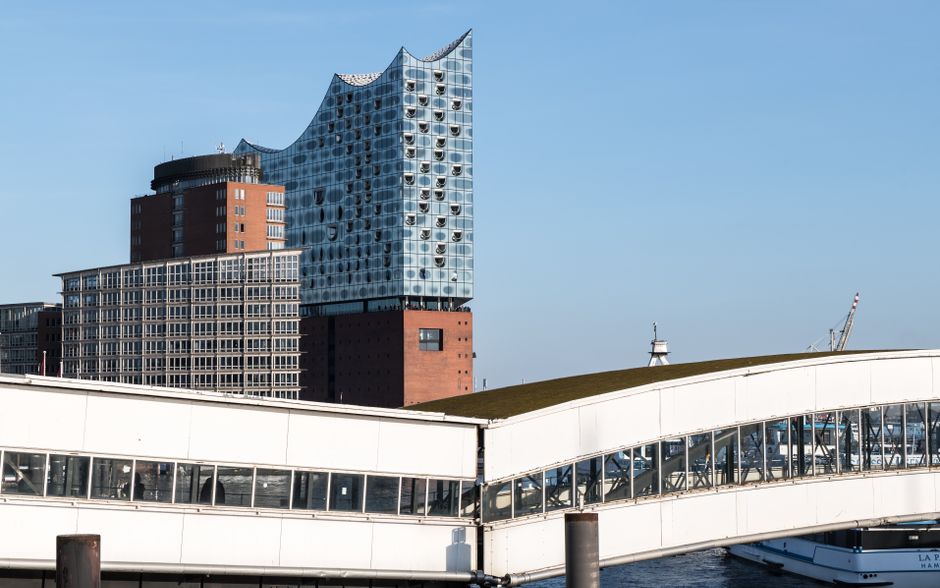
8. The Wave's Embrace: Elbphilharmonie Plaza Views
Elbphilharmonie Plaza, Hamburg, Germany
The public Plaza of the Elbphilharmonie, known as 'The Wave,' is built 37 meters (121 feet) above ground, offering a unique 360-degree panoramic view of Hamburg's harbor and city from within its stunning architecture.
Perched atop an old cocoa warehouse, the Elbphilharmonie is a modern architectural marvel. Its public Plaza, freely accessible, provides breathtaking vistas of the Elbe, the port, and the city's skyline. The 'Wave' itself is an architectural experience, an undulating walkway that leads you around the building's glass façade. From this vantage point, you can truly grasp Hamburg's scale and its intimate relationship with the water.
Frequently asked questions
What's the best way to get around Hamburg for a day?
Hamburg has an excellent public transport system (HVV) including U-Bahn (subway), S-Bahn (city train), buses, and ferries. For a single day, purchasing a Hamburg Card can offer unlimited travel and discounts on attractions. Walking is also highly recommended, especially through the Speicherstadt and HafenCity districts.
Can I see Miniatur Wunderland and Speicherstadt in one day?
Absolutely! Miniatur Wunderland is located within the Speicherstadt, making them incredibly convenient to combine. You can easily spend 3-4 hours at Miniatur Wunderland, then explore the surrounding Speicherstadt canals and warehouses on foot. It's a perfect pairing for a Hamburg day trip.
What should I eat for a quick, authentic Hamburg meal?
For a quick and authentic bite, try a 'Fischbrötchen' (fish sandwich) at the harbor, a local specialty. Another option is 'Currywurst' from a street vendor. For something more substantial, look for traditional 'Labskaus' (a hearty sailor's dish) in a classic pub in the city center.
How can the AllTours app enhance my visit to Hamburg?
The AllTours app turns your phone into a personal AI audio tour guide. Simply point your camera at any landmark, building, or even a street scene in Hamburg, and the app will narrate its history, geology, or cultural significance in your preferred language. It's like having a local expert constantly by your side, ready to share fascinating stories about everything you see.
Related guides
Photography via Pexels. AllTours.ai is an AI audio tour guide — point your camera at any landscape and hear its story.