July 27, 2026 · 4 min read
Germany is celebrated for its efficiency, stunning landscapes, and rich history. But beneath the surface of famous castles and Oktoberfest celebrations lies a tapestry of local customs and social etiquette that can often catch an American visitor off guard.
From deeply ingrained daily rituals to unspoken rules of public conduct, understanding these nuances offers a far richer travel experience. So, are there other German customs that Americans might find surprising or even impolite? Absolutely. Let's explore some of Germany's lesser-known cultural quirks, each rooted in a specific place and story.
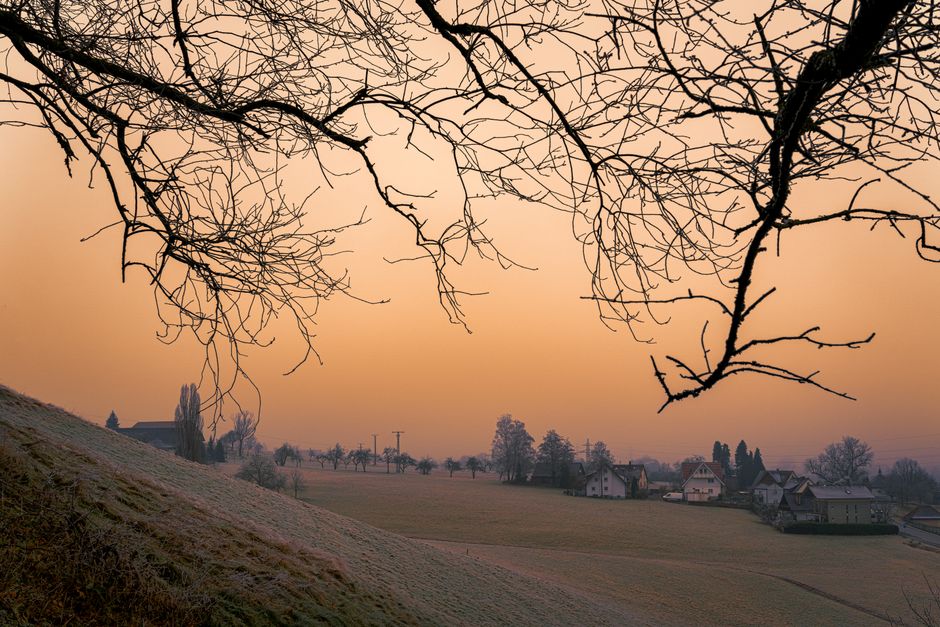
1. The Silence of Sunday in Furtwangen
Furtwangen im Schwarzwald, Baden-Württemberg
In Germany, even mowing your lawn or washing your car on a Sunday can invite a police visit or an angry neighbor's complaint.
Germany strictly observes "Sonntagsruhe" (Sunday Rest), a custom rooted in both religious tradition and a modern desire for peace. In towns like Furtwangen, nestled in the Black Forest, this means most shops are closed, loud activities are prohibited, and public spaces become remarkably quiet. It's a day for family, nature, and tranquility, a stark contrast to the bustling American weekend.

2. Beelitz's Obsessive White Asparagus Season
Beelitz, Brandenburg
For a few intense weeks each spring, Germany becomes a nation utterly obsessed with "white gold," elevating asparagus to a near-sacred culinary event.
Forget green asparagus; in Germany, the tender, white variety (Spargel) reigns supreme. In places like Beelitz, known as the "Spargelstadt," this obsession culminates in festivals, special menus, and roadside stands selling nothing but fresh spears. "Spargelzeit" is a serious cultural phenomenon, where families gather specifically to enjoy this seasonal delicacy, often served simply with ham, potatoes, and hollandaise.

3. The Unyielding Bottle Deposit in Freiburg
Freiburg im Breisgau, Baden-Württemberg
Throwing away an empty plastic bottle or glass beer bottle in Germany isn't just wasteful; it's literally throwing away money and an act of social defiance.
Germany's "Pfand" system is a deeply ingrained environmental custom. Almost all beverage containers carry a deposit (Pfand) of 8 to 25 cents, which you reclaim by returning them to designated machines in supermarkets. In eco-conscious cities like Freiburg, known for its green initiatives, this practice is not only second nature but also a point of national pride, ensuring a high recycling rate and minimal litter.
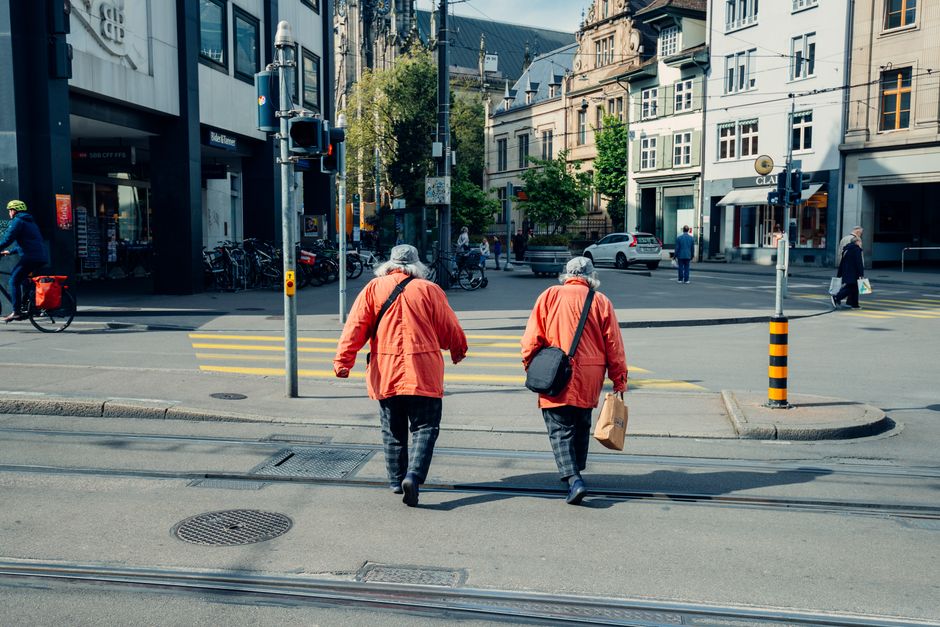
4. Stuttgart's Strict Pedestrian Etiquette
Stuttgart, Baden-Württemberg
Crossing the street against a red pedestrian light in Germany, even when no cars are in sight, can draw a public scolding or even a fine.
While it might seem trivial, adherence to traffic signals, even for pedestrians, is a profound aspect of German societal order ("Ordnung"). In cities like Stuttgart, known for its precision engineering, this extends to public conduct. Germans generally value rule-following and collective safety; ignoring a red light is often seen as not only dangerous but also disrespectful to the system and setting a bad example for children.

5. Hamburg's Reserved Approach to Small Talk
Hamburg, Hamburg
Unlike the American tendency to strike up casual conversations, unsolicited small talk with strangers in Germany, especially about personal topics, is often seen as intrusive.
In Hamburg, a city known for its maritime trade and a certain Hanseatic reserve, people generally prefer direct communication and value their privacy. While polite greetings are common, extended, chatty interactions with people you don't know are less frequent and can sometimes be met with polite, but firm, distance. Germans often prefer to build trust before engaging in deeper personal exchanges.

6. Eberswalde's Unseen Bread Culture
Eberswalde, Brandenburg
Far more than just a side dish, German bread is a cultural institution with hundreds of varieties, often forming the centerpiece of meals, even dinner.
In towns like Eberswalde, with its long tradition of artisan bakeries, "Brotkultur" is a way of life. Germans consume an astonishing array of dark, dense, and flavorful breads (often rye or whole grain), which are central to breakfast, lunch, and "Abendbrot" (evening bread) – a light dinner of various breads, cheeses, and cold cuts. This reverence for bread speaks to a deep connection to culinary heritage and quality.

7. The Sacred Silence of the "Ruhewagen"
On an ICE train journey across Germany
On German intercity trains, entering a "Ruhewagen" (quiet carriage) means committing to absolute silence, where even hushed conversations are frowned upon.
Germany's high-speed ICE trains are a marvel of efficiency, and some carriages offer a unique custom: the Ruhewagen. These designated quiet zones are for passengers seeking peace, whether for work, reading, or simply relaxation. Any noise, including phone calls, loud music, or even animated discussions, is met with silent disapproval or a direct request for quiet, reflecting a collective respect for shared public space.
Frequently asked questions
What are some common German customs beyond this list?
Germans are known for punctuality, direct communication, and a strong sense of personal space. Expect firm handshakes, eye contact, and a general preference for planning appointments in advance, even for social gatherings.
How can I be polite and respectful when visiting Germany?
Always arrive on time, use formal address ("Sie") until invited to use "du," and respect public quiet hours, especially on Sundays. When dining, wait for everyone to be served before eating, and always offer a toast ("Prost!") when drinking with others.
Is tipping customary in German restaurants and cafes?
Tipping (Trinkgeld) is customary but not as generous as in the US. A common practice is to round up the bill or add 5-10% for good service. You usually state the total amount you wish to pay, including the tip, when paying the server.
How does the AllTours.ai app help me discover these places?
The AllTours.ai app transforms your smartphone into an intelligent tour guide. Simply point your camera at any landmark, landscape, or even a local street, and the app uses AI to identify it and narrate its history, geology, and cultural significance in your preferred language, offering deeper insights into places like these.
Related guides
Photography via Pexels. AllTours.ai is an AI audio tour guide — point your camera at any landscape and hear its story.