July 29, 2026 · 4 min read
Kyoto, a city where ancient traditions fuse seamlessly with modern life, presents a captivating challenge for the traveler with only a single day. Beyond the postcard-perfect images of golden pavilions and bustling markets, a deeper layer of history, culture, and surprising stories awaits those who know where to look.
This curated journey navigates Kyoto's timeless beauty, guiding you through serene gardens, historic districts, and spiritual sites. Each location holds a unique narrative, a small piece of Japan’s soul, waiting to be discovered by the curious observer.
1. The Laughing Statues of Arashiyama
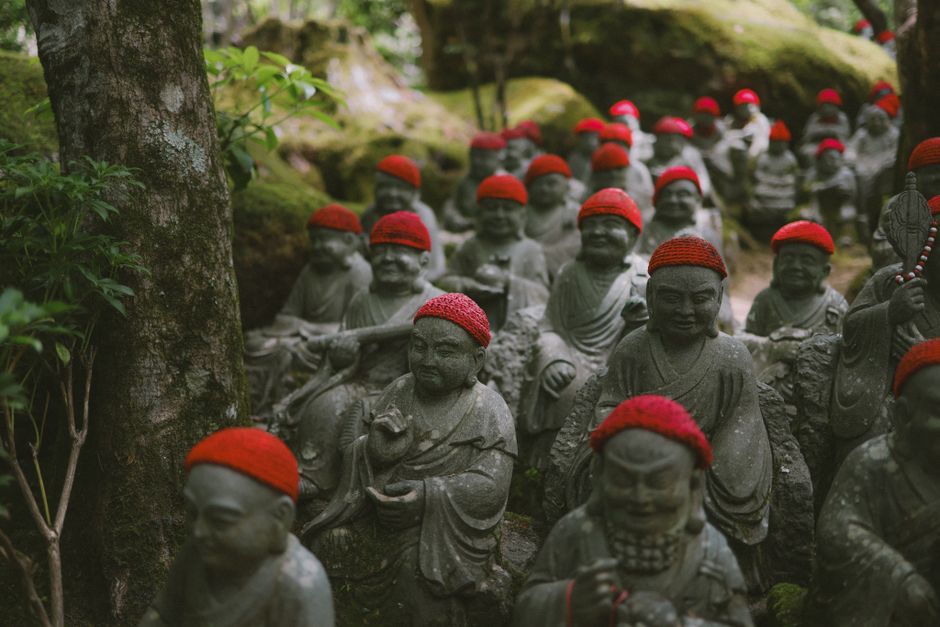
Otagi Nenbutsu-ji Temple, Kyoto, Japan
This temple is home to 1200 unique Rakan statues, each carved by amateur sculptors with a distinctly different, often humorous, expression.
Tucked away in the western hills of Arashiyama, Otagi Nenbutsu-ji offers a truly whimsical spiritual experience. After the temple suffered damage from a typhoon, its head priest invited visitors to carve their own Rakan, disciples of Buddha, resulting in a charming army of stone figures. These statues, ranging from playful to contemplative, line the temple grounds, creating an atmosphere unlike any other sacred site in Japan.
2. A Poet's Retreat with Singing Floors
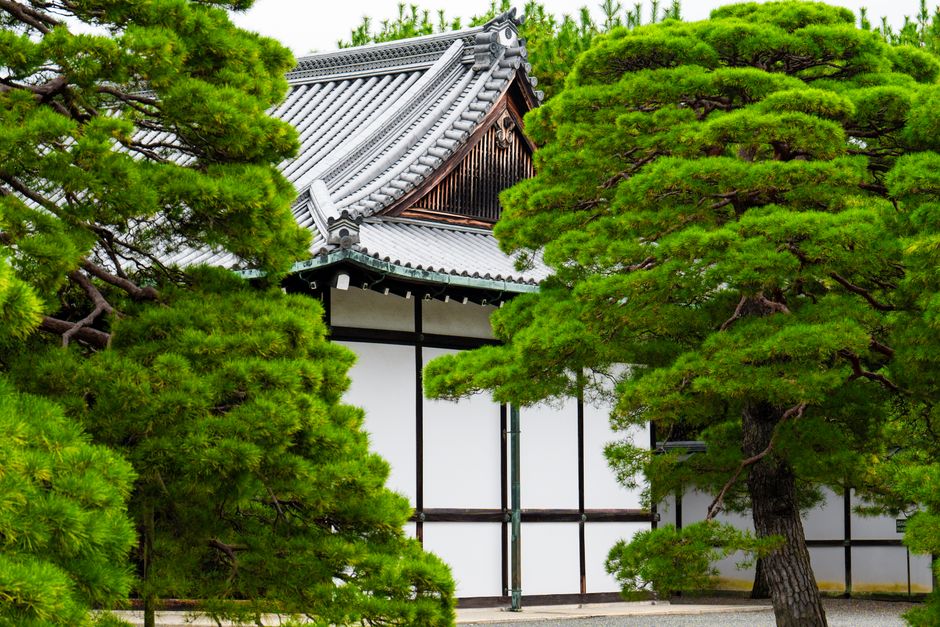
Shisendo Temple, Kyoto, Japan
This tranquil temple features a meticulously designed garden and 'uguisubari' or nightingale floors that chirp when walked upon.
Shisendo was originally built as a mountain retreat for Ishikawa Jozan, a samurai warrior who became a scholar and poet. The temple's meticulously raked gravel garden, known as the 'borrowed scenery' garden, frames the surrounding natural landscape beautifully. Inside, the famous nightingale floors, designed as a security measure, emit a melodic squeak with every step, adding an ethereal soundscape to the serene environment.
3. The Moss Garden of Contemplation
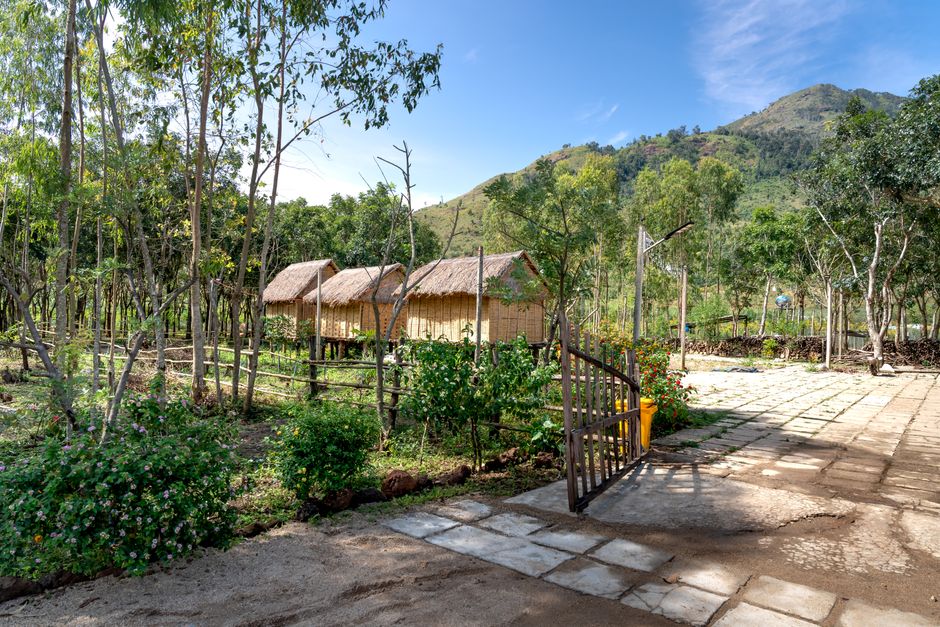
Honen-in Temple, Kyoto, Japan
Known for its iconic thatched gate and a pond where reflections of the surrounding forest create a serene, otherworldly vista.
Honen-in is a small, quiet temple named after the monk Honen, who established the Jodo Shu sect of Buddhism. Its most striking feature is the sand garden, raked into intricate patterns that change seasonally, and the beautiful moss garden that envelops the grounds. The approach through its thatched gate, flanked by tall trees, feels like stepping into a hidden world, offering a profound sense of peace away from the city's bustle.
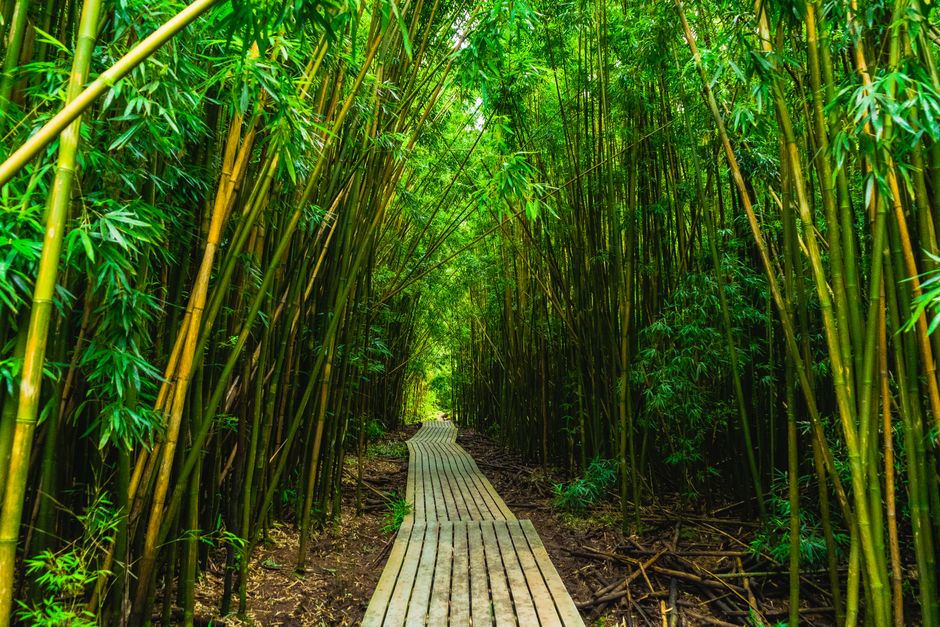
4. Daitoku-ji's Bamboo Path to Zen
Koto-in (Daitoku-ji Temple), Kyoto, Japan
A lesser-known sub-temple within the vast Daitoku-ji complex, Koto-in boasts a stunning bamboo-lined pathway leading to its serene tea house.
Daitoku-ji is a sprawling complex of Zen temples, but Koto-in offers a particularly intimate experience. Its entrance is marked by a long, winding bamboo path that creates a natural tunnel, leading visitors to a tranquil garden and a traditional tea house. This serene approach sets a meditative tone, making the contemplation of its small, yet perfectly formed dry landscape garden even more profound.
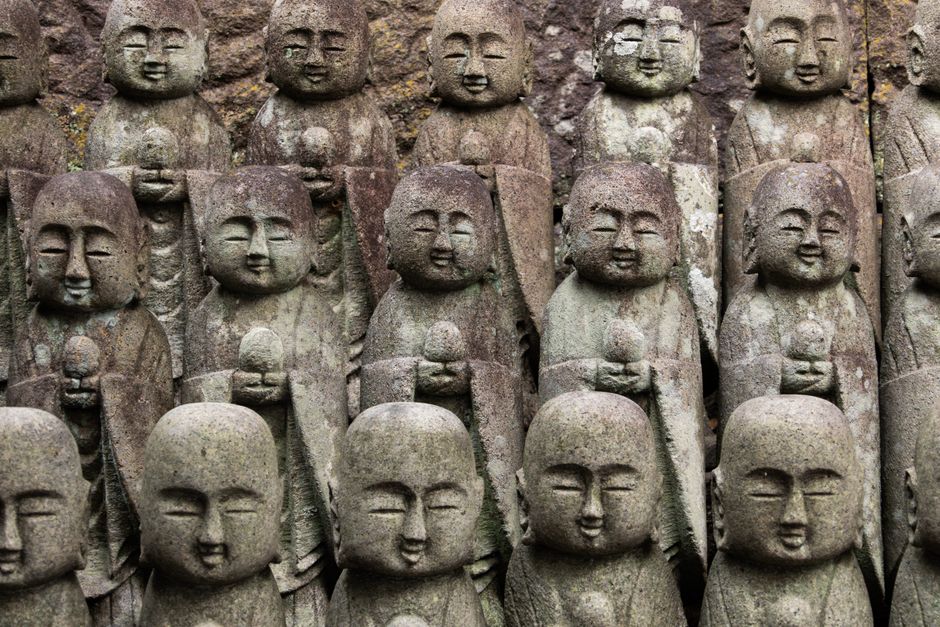
5. The Thousand Kannon's Hall
Sanjusangen-do Temple, Kyoto, Japan
This immense wooden hall houses 1001 life-sized statues of Kannon, the goddess of mercy, standing in silent, awe-inspiring rows.
Sanjusangen-do, meaning 'Hall with thirty-three bays,' is an astonishing sight. The central, larger Kannon statue is flanked by 500 smaller Kannon figures on each side, each with eleven heads and a thousand arms, creating an overwhelming sense of sacred presence. Historically, the long veranda of the hall was also famously used for archery competitions, a tradition that continues with an annual event.
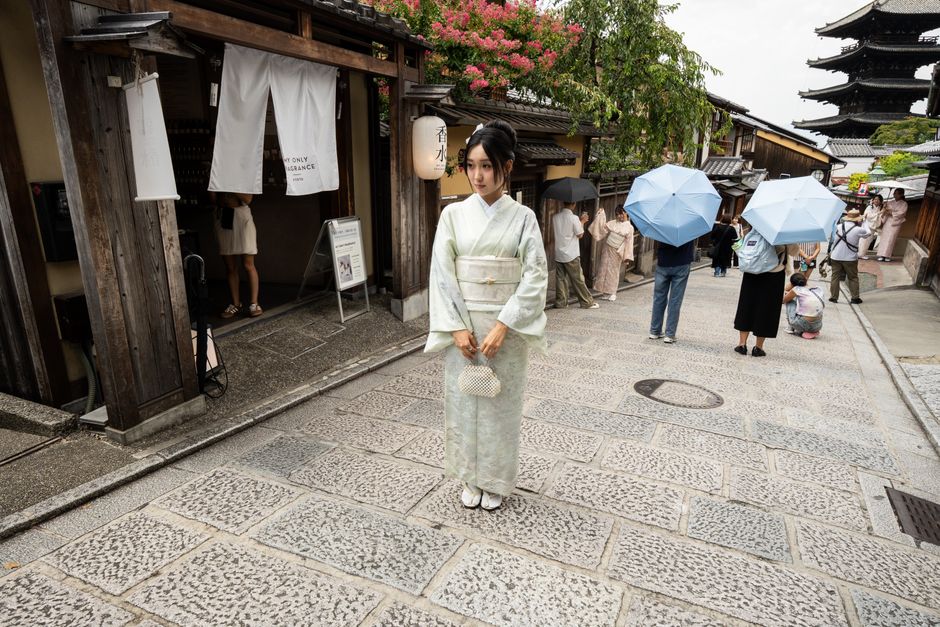
6. Whispers of Geiko Along the Canal
Gion Shirakawa, Kyoto, Japan
This picturesque section of Gion, distinct from the main thoroughfare, preserves the Edo-period atmosphere with willow-lined canals and traditional teahouses.
While Hanamikoji-dori draws crowds, the Shirakawa area of Gion offers a more intimate glimpse into Kyoto's geisha district. Along the Shirakawa Canal, traditional machiya houses and ochaya (teahouses) stand perfectly preserved, their latticed windows hinting at the secretive world within. In the evening, one might still catch a fleeting glimpse of a geiko or maiko gracefully making her way to an engagement, a timeless scene against the backdrop of weeping willows.
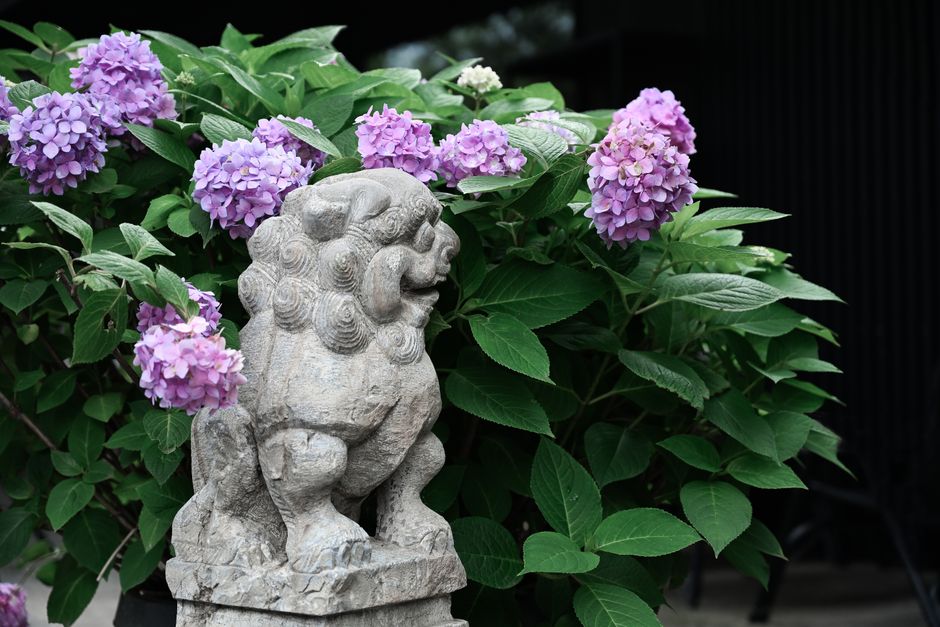
7. The Lion's Roar Garden
Hōgon-in Temple, Kyoto, Japan
A quiet gem in Arashiyama, this temple features the 'Shishiku-no-niwa' (Lion's Roar Garden) offering stunning views of the surrounding mountains.
While many flock to Tenryu-ji in Arashiyama, its sub-temple Hōgon-in provides a more secluded and contemplative experience. The Lion's Roar Garden, a traditional Japanese strolling garden, is particularly beautiful, especially when autumn leaves burst into color. It is designed to incorporate the natural landscape of Arashiyama into its 'borrowed scenery,' creating a harmonious balance between human artistry and nature's grandeur.
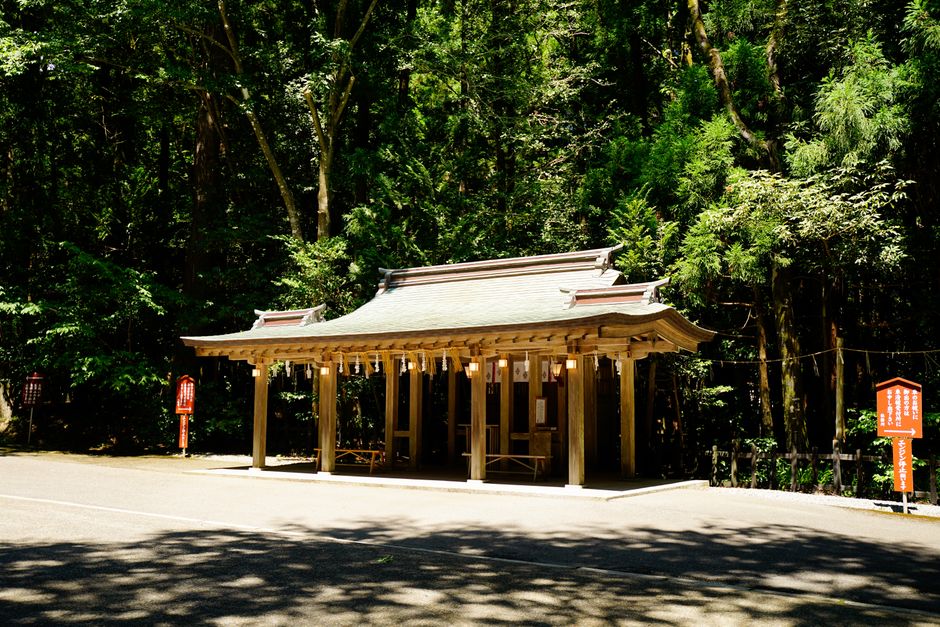
8. Guardian of Sacred Mountains
Yoshida Shrine, Kyoto, Japan
Perched on Mount Yoshida, this ancient shrine is unique for its Daigen-gu, a hall said to enshrine all Shinto deities.
Yoshida Shrine holds a significant place in Kyoto's spiritual landscape. Founded early in the city's history, it's known for its serene mountain setting and the unique Daigen-gu, a rare octagonal hall where the deities of all 3,000 Shinto shrines across Japan are believed to be enshrined. The shrine is also famous for its vibrant Setsubun Festival, a major event that marks the end of winter and the beginning of spring, drawing large crowds for purification rituals.
Frequently asked questions
Is one day enough to see Kyoto?
While you can't see everything, one day in Kyoto allows for a curated experience of its most captivating sites. Focusing on a specific area or a few key attractions, like those mentioned, ensures a memorable visit without feeling rushed.
What's the best way to get around Kyoto in a day?
Kyoto has an excellent public transportation system. Buses are very comprehensive, and the subway system is efficient. Consider a day pass for convenience. For some areas, like Arashiyama or Gion, walking is the best way to soak in the atmosphere.
What should I eat during my day in Kyoto?
Kyoto is a culinary delight. Don't miss kaiseki (traditional multi-course dinner), yuba (tofu skin), matcha sweets, and local street food around Nishiki Market. Quick bites like ramen or tempura are great for a busy day.
How can AllTours.ai enhance my Kyoto visit?
AllTours.ai transforms your phone into a personal AI audio guide. Simply point your camera at any landmark, landscape, or even a specific statue, and the app will narrate its history, geology, and cultural significance in your preferred language, revealing the hidden stories behind every sight.
Related guides
Photography via Pexels. AllTours.ai is an AI audio tour guide — point your camera at any landscape and hear its story.