June 27, 2026 · 4 min read
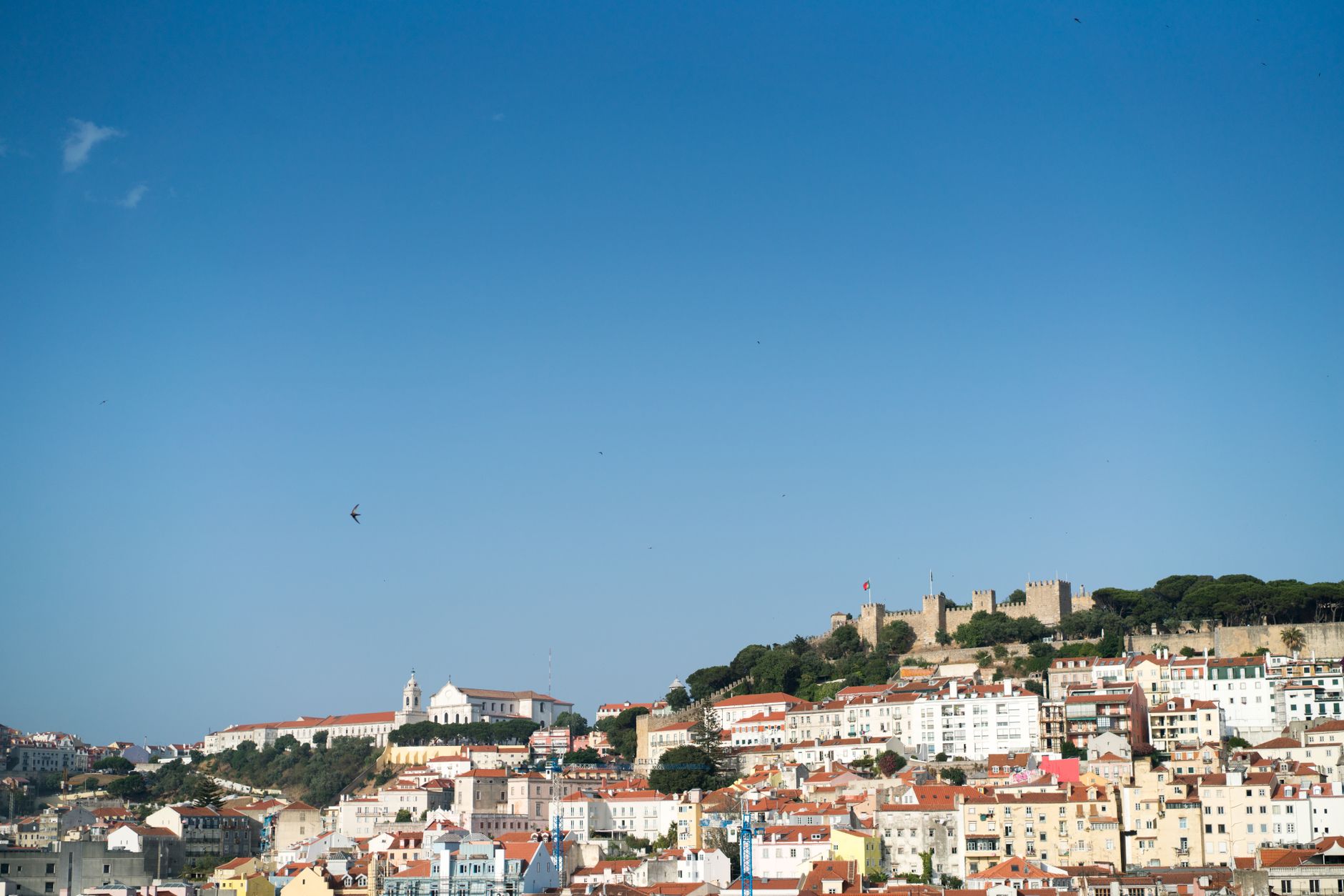
Lisbon, a city built on seven hills, often reveals its deepest secrets only to those who wander beyond the well-trodden paths. While a single day might seem fleeting, it's enough time to grasp the city's unique heartbeat and uncover stories etched into its ancient stones.
This curated one-day itinerary for Lisbon focuses on a tight, walkable route, leading you through essential but often overlooked corners. Prepare to encounter surprising tales of seismic shifts, forgotten empires, and daily life that shaped this captivating capital.
1. The King's Water Source
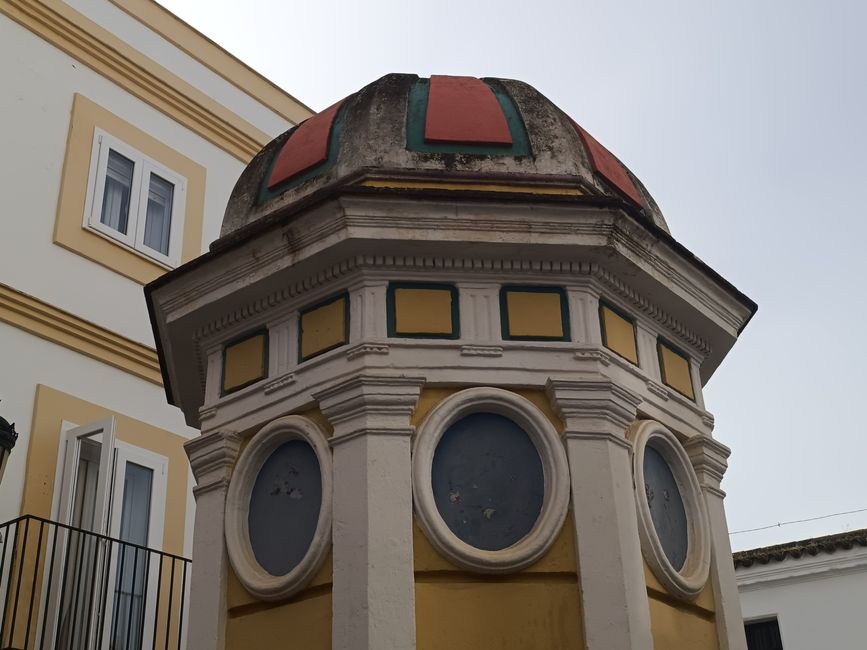
Chafariz d'El Rei, Lisbon, Portugal
Lisbon's oldest public fountain was once reserved for royalty, highlighting a stark ancient divide over basic resources.
Nestled in the labyrinthine alleys of Alfama, the Chafariz d'El Rei, or King's Fountain, is Lisbon's most ancient public water source, with origins tracing back to the 13th century. While its current facade is 18th-century, its name hints at a time when access to fresh water was a privilege, not a right, with this specific source primarily intended for the monarch and his retinue, a symbol of power in daily life.
2. Rebuilt from Ashes
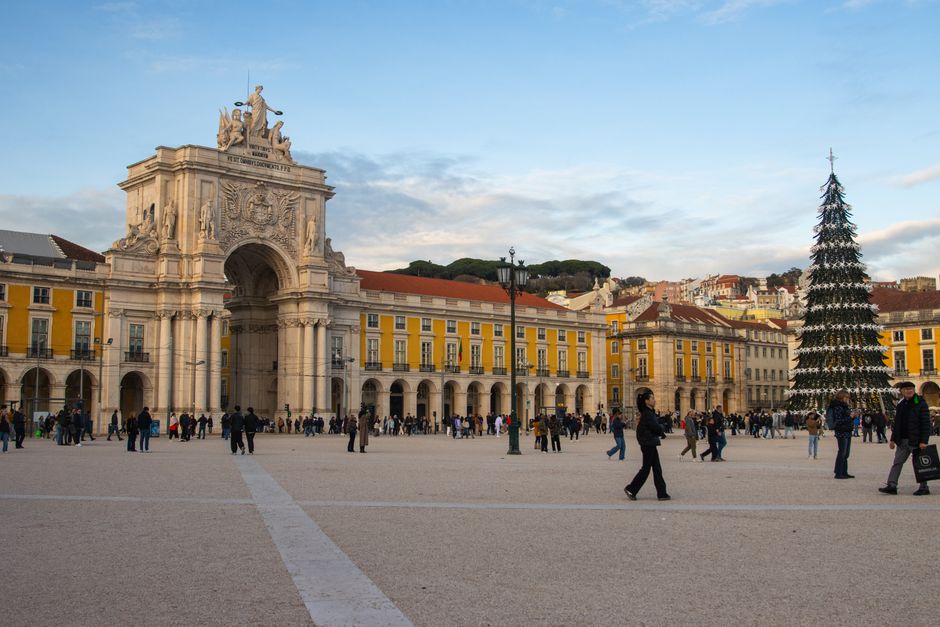
Praça do Comércio, Lisbon, Portugal
Lisbon's grandest square stands as a monument to urban planning born from catastrophic natural disaster.
The expansive Praça do Comércio, with its iconic equestrian statue and triumphal arch, appears timeless, yet it's a testament to resilience. Following the devastating 1755 earthquake and tsunami that leveled much of Lisbon, this entire district was meticulously rebuilt under the Marquês de Pombal. It became one of Europe's first examples of modern, anti-seismic urban planning, a grand vision literally rising from the rubble.
3. Whispers of Resistance
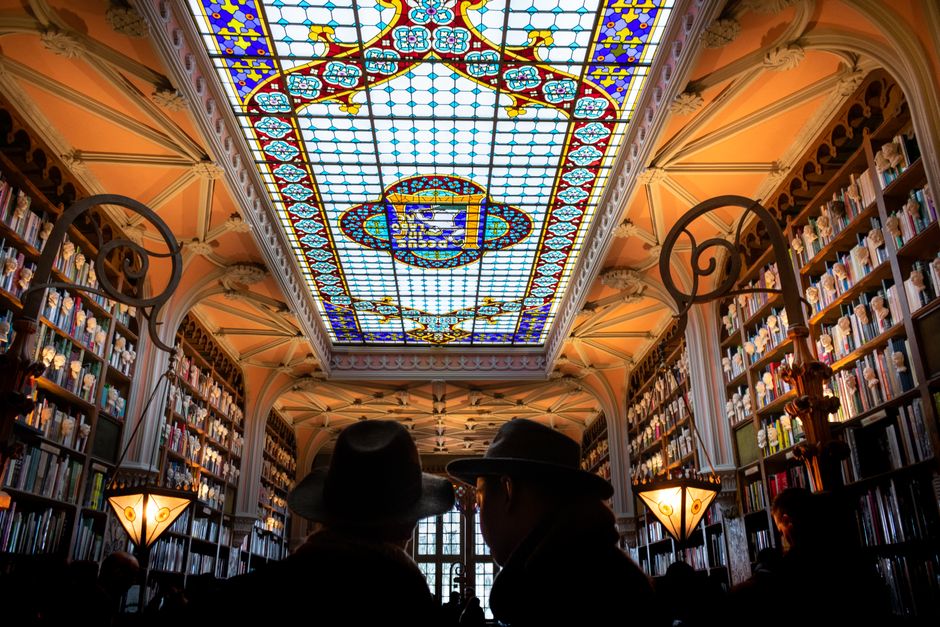
Livraria Sá da Costa, Chiado, Lisbon, Portugal
Behind the shelves of Lisbon's historic bookstores, literary discussions often concealed coded political dissent.
In the elegant Chiado district, places like Livraria Sá da Costa, a venerable bookstore, were more than just purveyors of books. During periods of authoritarian rule, they served as clandestine meeting points for intellectuals, poets, and revolutionaries. Seemingly innocent literary debates often masked subversive discussions, allowing critical ideas to circulate under the watchful, yet sometimes fooled, eyes of the secret police, preserving a spirit of covert resistance.
4. A City on Shifting Ground
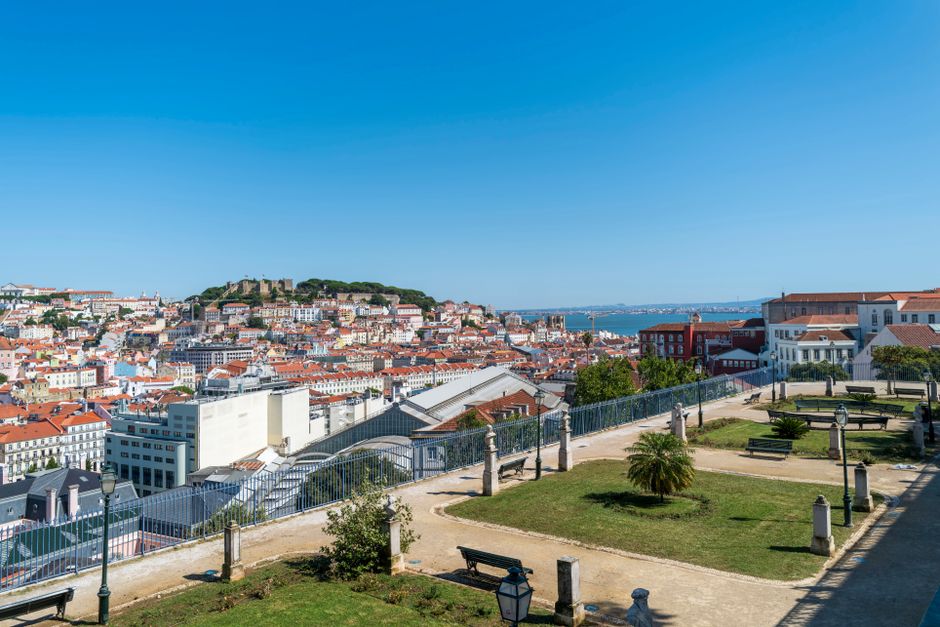
Miradouro de São Pedro de Alcântara, Lisbon, Portugal
The panoramic view from this garden belies the ancient geological forces that shaped Lisbon's dramatic hills.
From the Miradouro de São Pedro de Alcântara, the iconic vista across to São Jorge Castle and the Baixa below is breathtaking. But this viewpoint also offers a silent lesson in geology. Lisbon's famous "seven hills" are not just picturesque undulations; they are ancient marine sediments, uplifted and sculpted by millennia of tectonic activity, making the city a living testament to deep-time geological forces constantly at play beneath its foundations.
5. The Subterranean Cathedral of Water
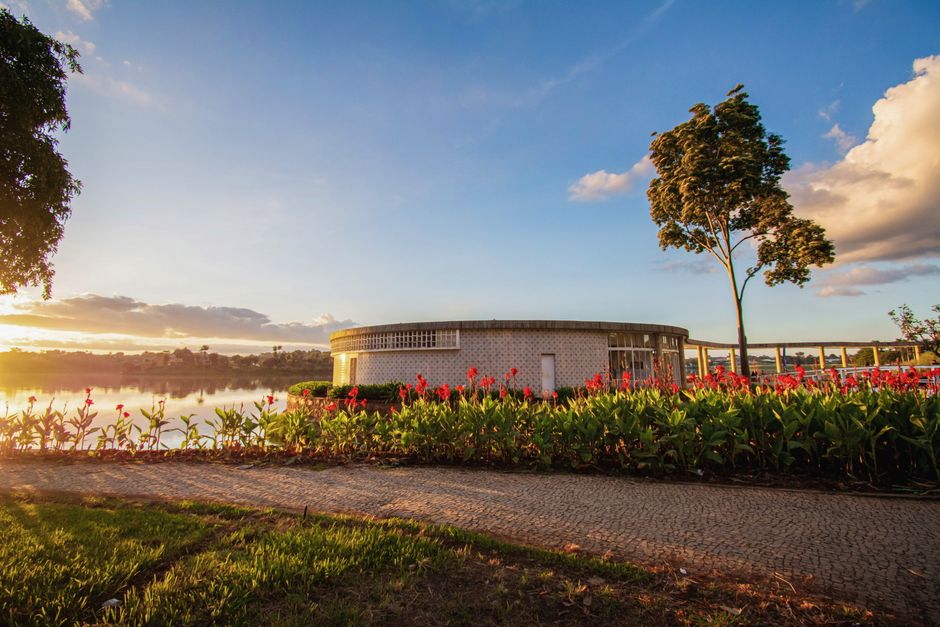
Reservatório da Patriarcal, Príncipe Real, Lisbon, Portugal
Beneath a tranquil city garden lies a vast, hidden 19th-century reservoir, a forgotten marvel of hydraulic engineering.
Few strolling through the charming Praça do Príncipe Real garden realize that a monumental feat of engineering lies beneath their feet. The Reservatório da Patriarcal, completed in 1864, is a cavernous subterranean reservoir, part of the historic Águas Livres Aqueduct system. Its impressive arched architecture, reminiscent of an underground cathedral, once held millions of liters of water, silently sustaining Lisbon's growing population.
6. Where Empires Set Sail
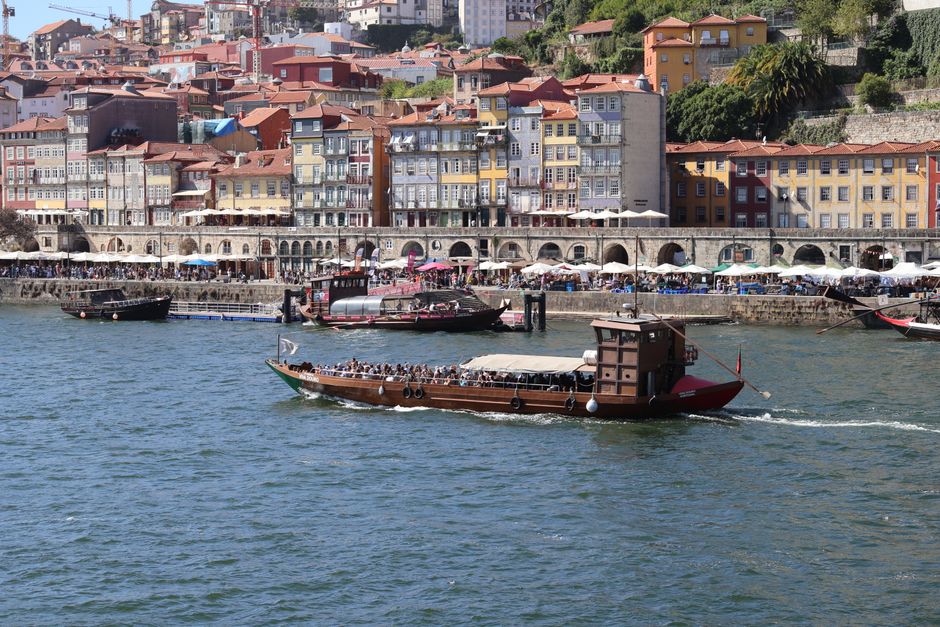
Ribeira das Naus, Cais do Sodré, Lisbon, Portugal
This peaceful riverfront promenade was once the bustling heart of Lisbon's Royal Shipyards, building ships of global discovery.
Today, Ribeira das Naus is a scenic stretch along the Tagus River, perfect for a leisurely stroll. Yet, centuries ago, this very spot buzzed with the construction of caravels and carracks. It was the Royal Shipyards, the epicenter of Portugal's Age of Discoveries, where skilled artisans crafted the vessels that would sail to unknown lands, literally shaping the course of global history from Lisbon's waterfront.
7. Factory to Future Hub
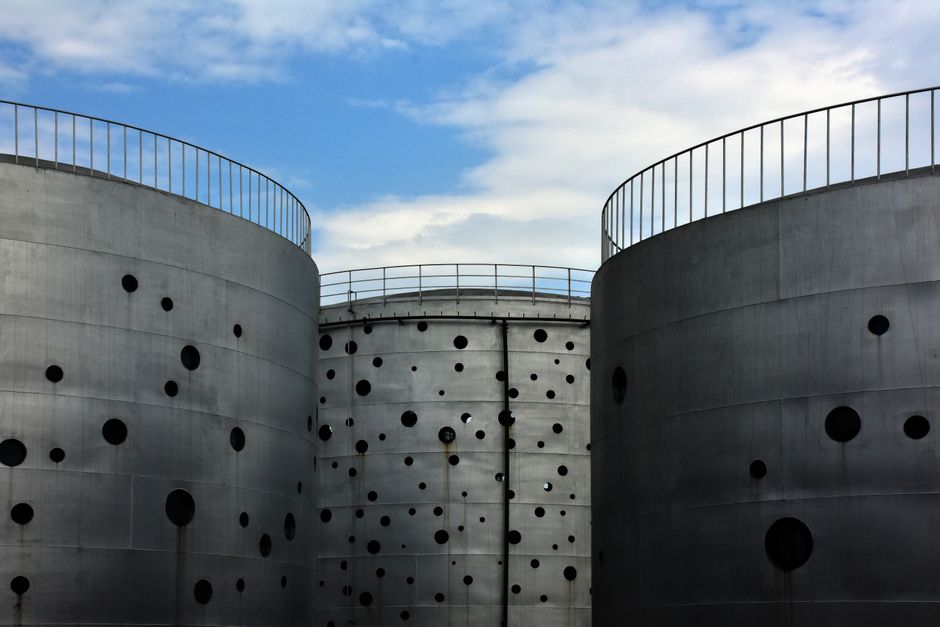
LxFactory, Alcântara, Lisbon, Portugal
What's now a trendy creative district was once a sprawling 19th-century fabric factory, illustrating Lisbon's industrial metamorphosis.
Under the shadow of the 25 de Abril Bridge in Alcântara, LxFactory pulsates with art, food, and innovation. This vibrant complex, however, began life in 1846 as Companhia de Fiação e Tecidos Lisbonense, a major textile factory. Its transformation from an industrial powerhouse to a modern cultural hub exemplifies Lisbon's knack for reinventing its heritage, preserving the raw, industrial aesthetic while fostering a dynamic new community.
Frequently asked questions
What's the best way to get around Lisbon in one day?
Lisbon is best explored on foot, especially in the historic districts. For longer distances or hills, utilize the metro, trams (especially Tram 28 for the experience), or funiculars. Consider a day pass for public transport for convenience.
What's the best time of year for a 1-day trip to Lisbon?
Spring (April-May) and early autumn (September-October) offer the most pleasant weather for exploring Lisbon on foot, with fewer crowds than summer. Winters are mild but can be rainy; summers are hot and busy.
Is Lisbon walkable for one day?
While Lisbon is famous for its hills, many of its charming districts are highly walkable within themselves. This itinerary is designed to maximize walkability between key points, using public transport sparingly for longer stretches, allowing you to immerse yourself fully.
How can AllTours.ai enhance my 1 day in Lisbon?
AllTours.ai brings Lisbon's hidden stories to life. Simply point your phone camera at any landmark, building, or landscape mentioned in this itinerary—or any other spot—and the app will narrate its history, geology, and culture in your preferred language, offering a deeper, more personal understanding of the city as you explore.
Related guides
Photography via Pexels. AllTours.ai is an AI audio tour guide — point your camera at any landscape and hear its story.