October 7, 2026 · 4 min read
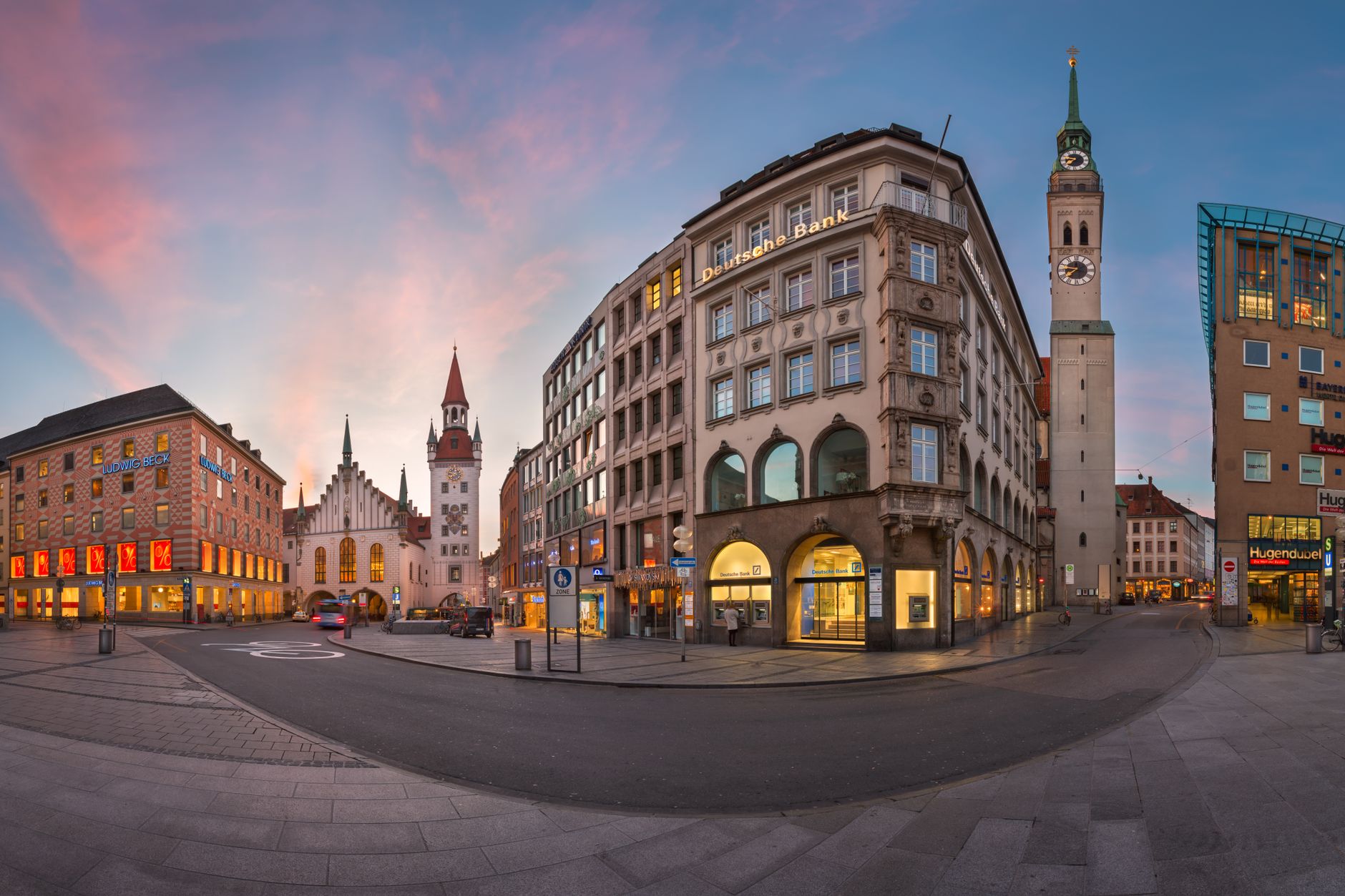
Munich, the heart of Bavaria, often conjures images of grand beer halls and bustling Christmas markets. Yet, beneath its well-trodden paths lies a trove of unexpected stories, from ancient imperial residences to hidden rococo masterpieces and surprisingly verdant beer gardens.
A single day here offers a chance to peel back these layers, revealing a city where every cobbled street and ornate facade whispers tales of dukes, devils, and dedicated brewers. Forget the obvious; let's uncover Munich's true character, blending its proud traditions with curious historical footnotes.
1. The Reborn Rococo Stage
Cuvilliés Theatre, Munich, Germany
This lavish Rococo theatre was painstakingly disassembled and hidden during World War II to save it from destruction.
Nestled within the Munich Residenz, the Cuvilliés Theatre is a jewel of European Rococo design. Built in the mid-18th century for Maximilian III Joseph, its intricate carvings and rich red and gold decor once hosted premieres of Mozart's operas. In a remarkable feat of preservation, every piece of its wooden interior was carefully removed and stored in 1943, only to be reassembled in a new location after the war, ensuring its survival for generations.
2. The Emperor's Ancient Seat
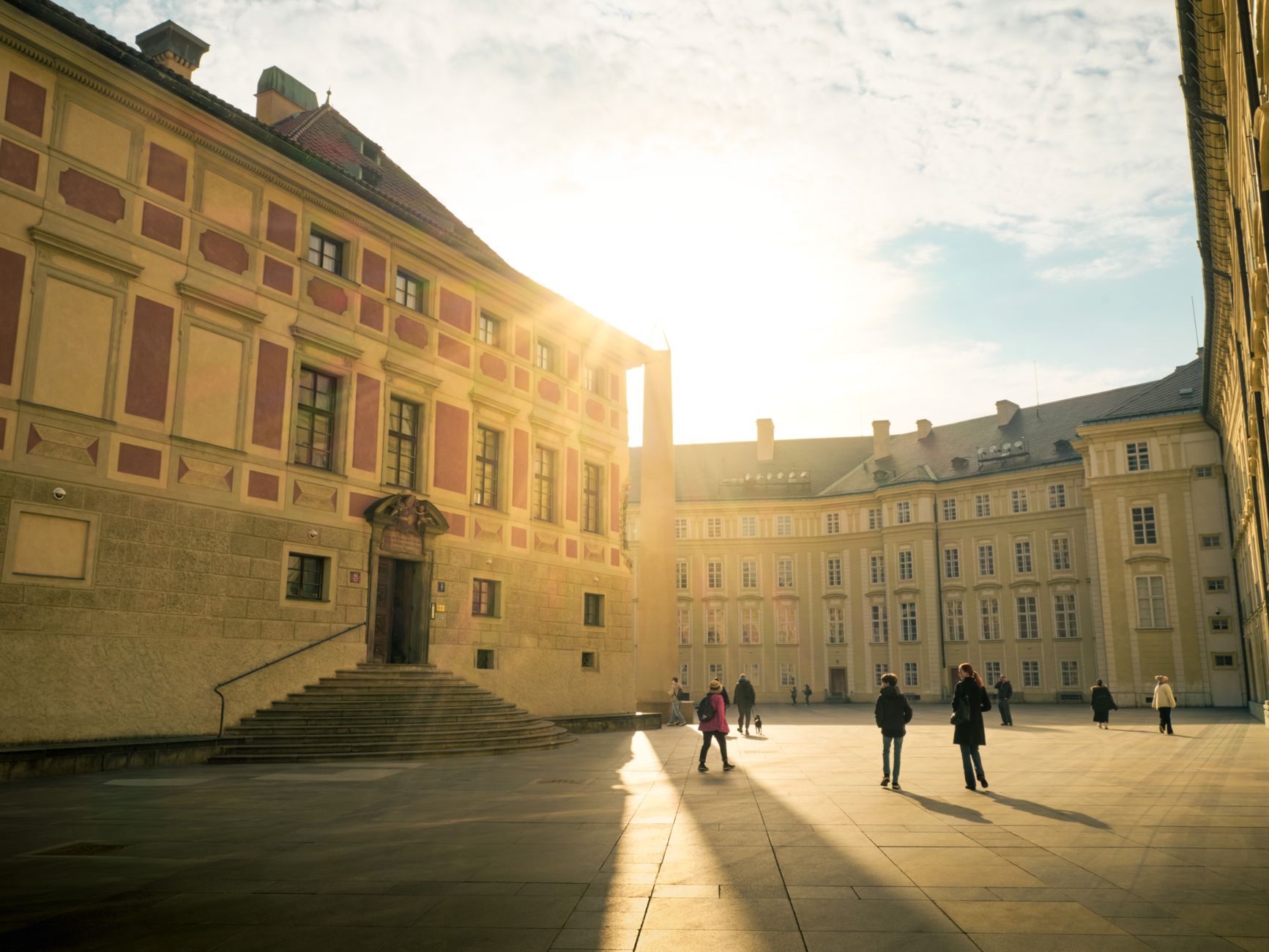
Alter Hof, Munich, Germany
Munich's oldest imperial residence once housed a pet monkey for a Holy Roman Emperor, giving rise to a peculiar tower legend.
The Alter Hof, or Old Court, served as the imperial residence for Emperor Louis IV in the 14th century, long before the grander Residenz was built. While much of it has been rebuilt, parts still reveal its medieval past. Legend claims Louis IV kept a pet monkey in one of its towers, known as the 'Äffchenturm' (Monkey Tower), a quirky detail that hints at the private lives within these ancient walls.
3. The Saint Adorned in Jewels
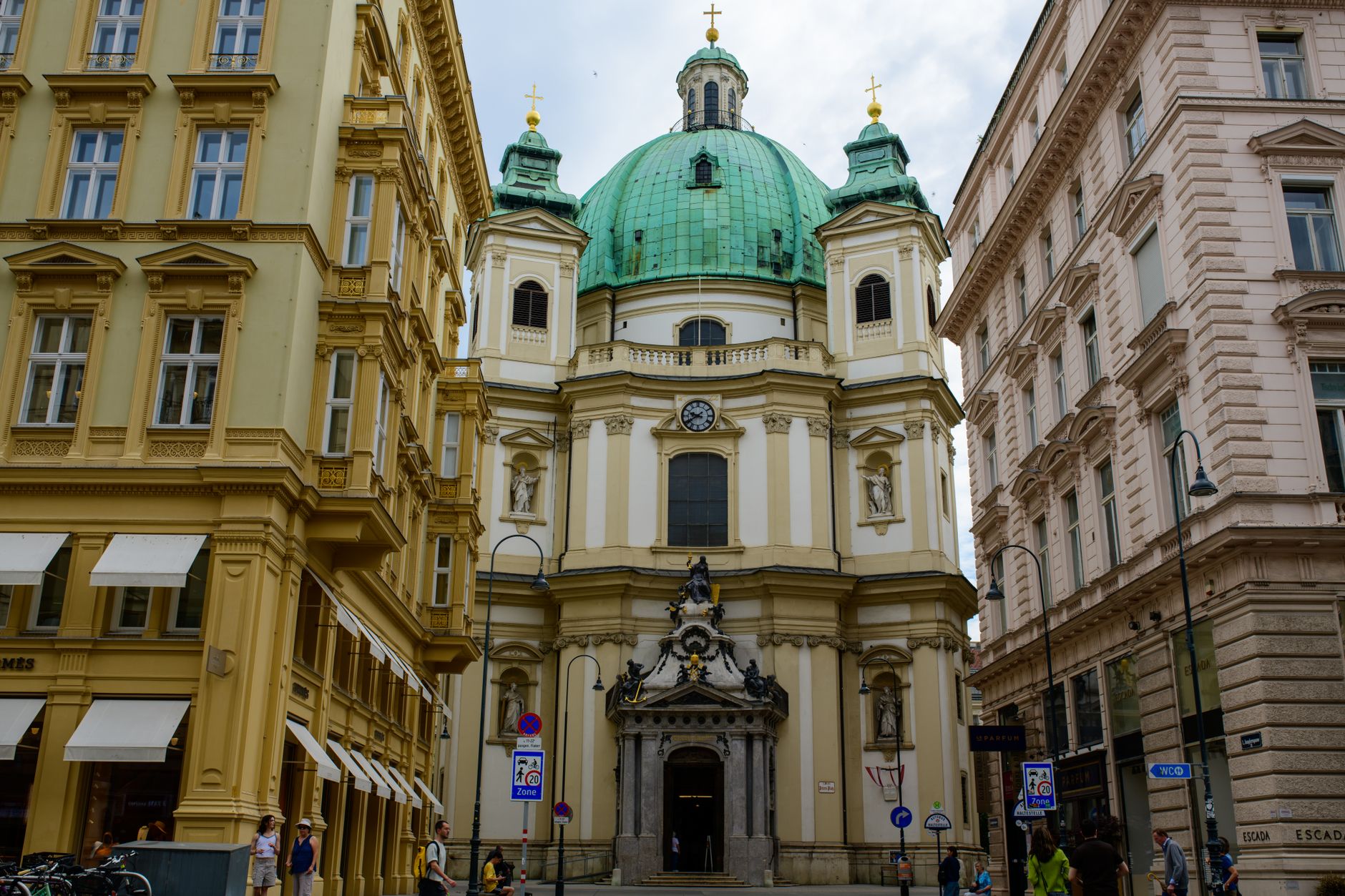
St. Peter's Church (Peterskirche), Munich, Germany
Inside Munich's oldest parish church lies the jewel-encrusted skeleton of a Roman martyr, a surprising relic from centuries past.
St. Peter's Church, affectionately known as 'Old Peter,' offers breathtaking views from its tower, but its true hidden gem lies within. The side chapel houses the macabre yet fascinating reliquary of St. Munditia, a Roman catacomb saint. Her skeleton, adorned with precious stones and garments, dates back to the 3rd century and was brought to Munich in the 17th century, serving as a powerful, if unusual, testament to faith and history.
4. The Bell of Last Call
Augustiner-Keller, Munich, Germany
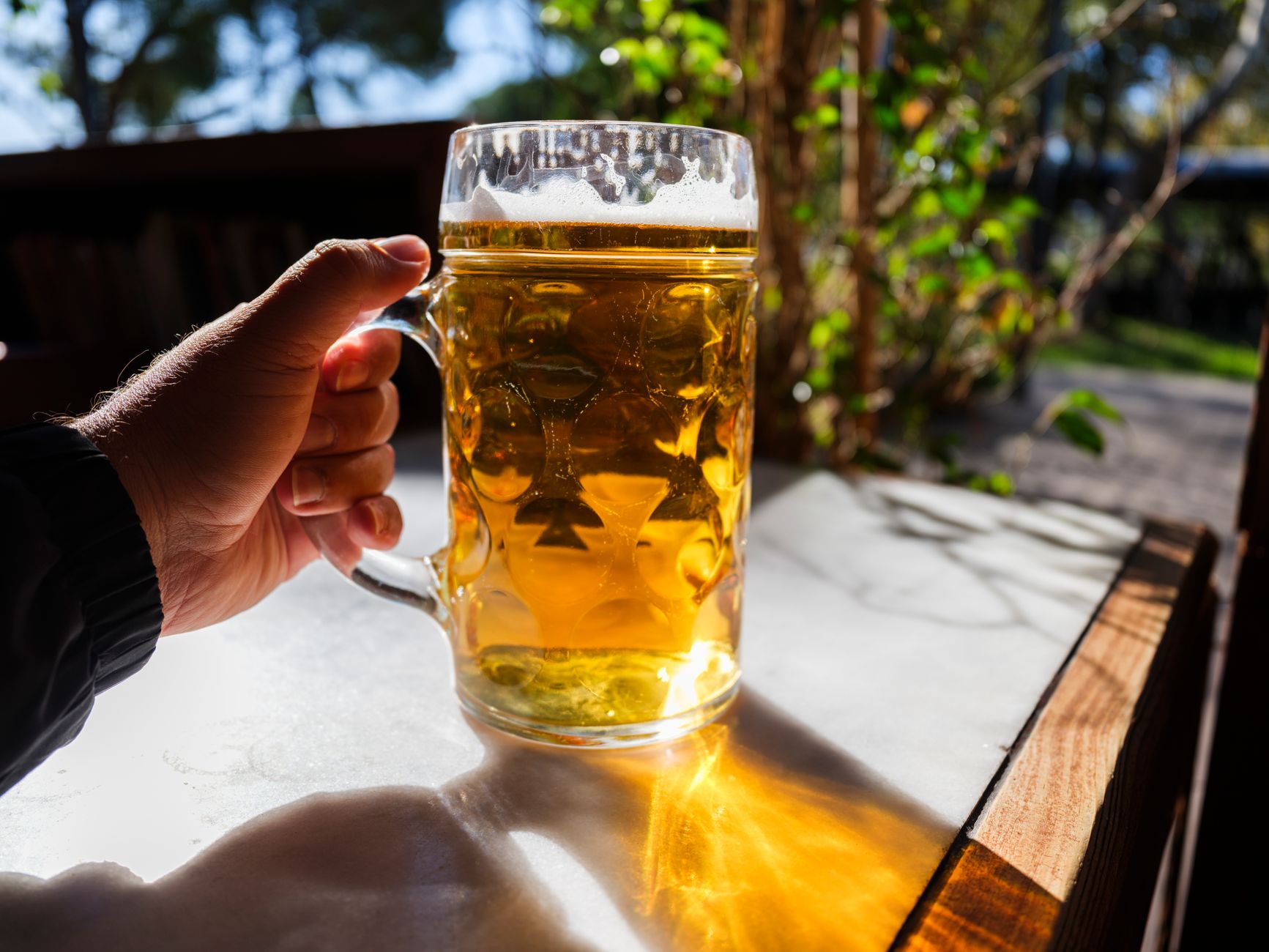
This historic beer garden has a unique 'Mauritius-Glocke' bell that traditionally signals the final rounds of beer for the evening.
One of Munich's most authentic and sprawling beer gardens, Augustiner-Keller, offers a quintessential Bavarian experience away from the heaviest tourist crowds. Its roots stretch back to the early 19th century, renowned for its shady chestnut trees and traditional Augustiner beer. Keep an ear out for the 'Mauritius-Glocke,' a bell rung by the staff as a charming, time-honored signal for last orders, a tradition few other establishments maintain.

5. Munich's Deer Park Oasis
Königlicher Hirschgarten, Munich, Germany
Munich's largest beer garden is also home to a protected herd of deer, a legacy of royal hunting grounds.
The Königlicher Hirschgarten, or Royal Deer Garden, is more than just Munich's largest beer garden; it's a living piece of history. Established in the late 18th century as a royal hunting park, it continues to house a substantial herd of deer in a dedicated enclosure. Enjoying a liter of beer and traditional Bavarian fare while watching these majestic animals roam is a unique experience, a blend of urban relaxation and natural heritage.
6. The White Beer Revolution
Schneider Bräuhaus im Tal, Munich, Germany
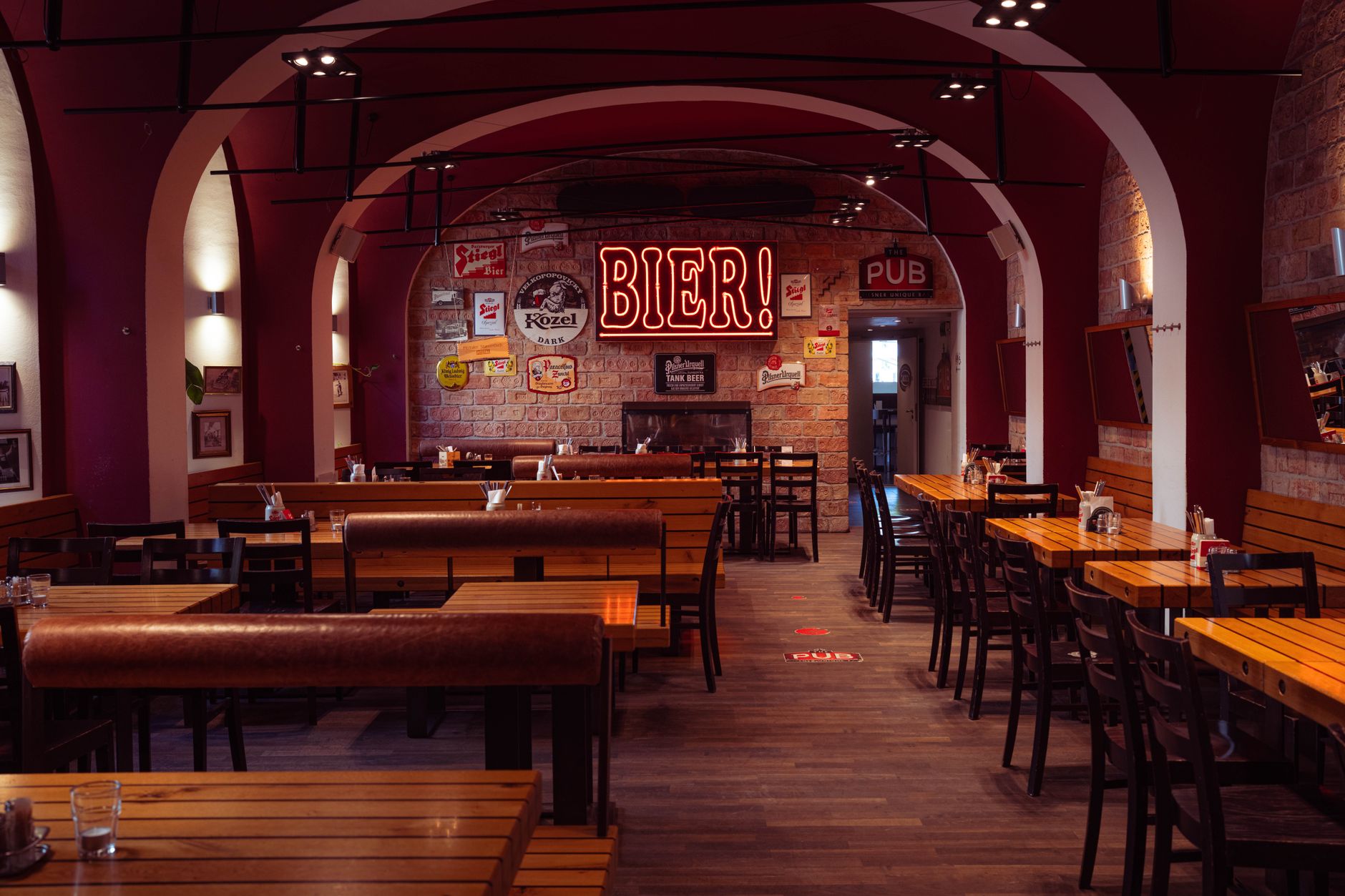
This historic brewery played a pivotal role in the revival and popularization of wheat beer, once a drink of the elite, then the working class.
Schneider Bräuhaus im Tal is a temple to Weissbier (wheat beer), a style that almost vanished before its resurgence. Georg Schneider I revived the traditional Bavarian Weissbier brewing right here in the late 19th century, when most breweries focused on lager. This establishment continues to champion the diverse and complex flavors of wheat beers, showcasing how a single brewery can reshape a nation's drinking culture and preserve a vital part of its heritage.
7. The Market's Shifting Ground
Viktualienmarkt, Munich, Germany
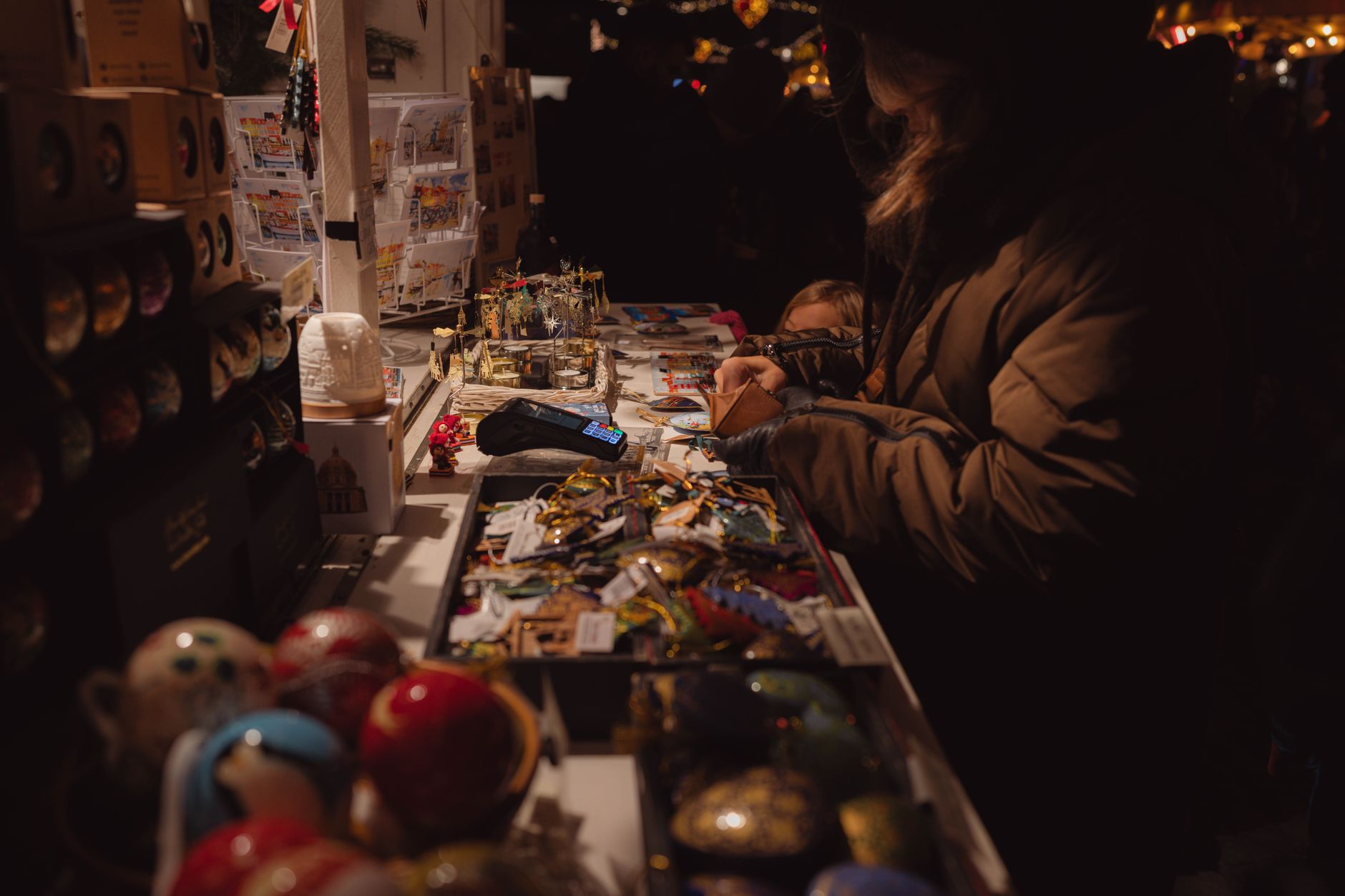
This bustling food market wasn't always here; it was relocated from Marienplatz in the early 19th century because the old square became too small.
The Viktualienmarkt, Munich’s famous open-air food market, is a vibrant hub of fresh produce, gourmet foods, and local delights. What many don't realize is its dynamic past. Originally known as the 'Grüner Markt' and situated directly in Marienplatz, it outgrew its space. King Max I Joseph decreed its move to its current, larger location in 1807, laying the foundation for the beloved market we know today, complete with its iconic Maypole celebrating Bavarian trades.
8. King Ludwig's Sculpture Vision
Glyptothek, Munich, Germany
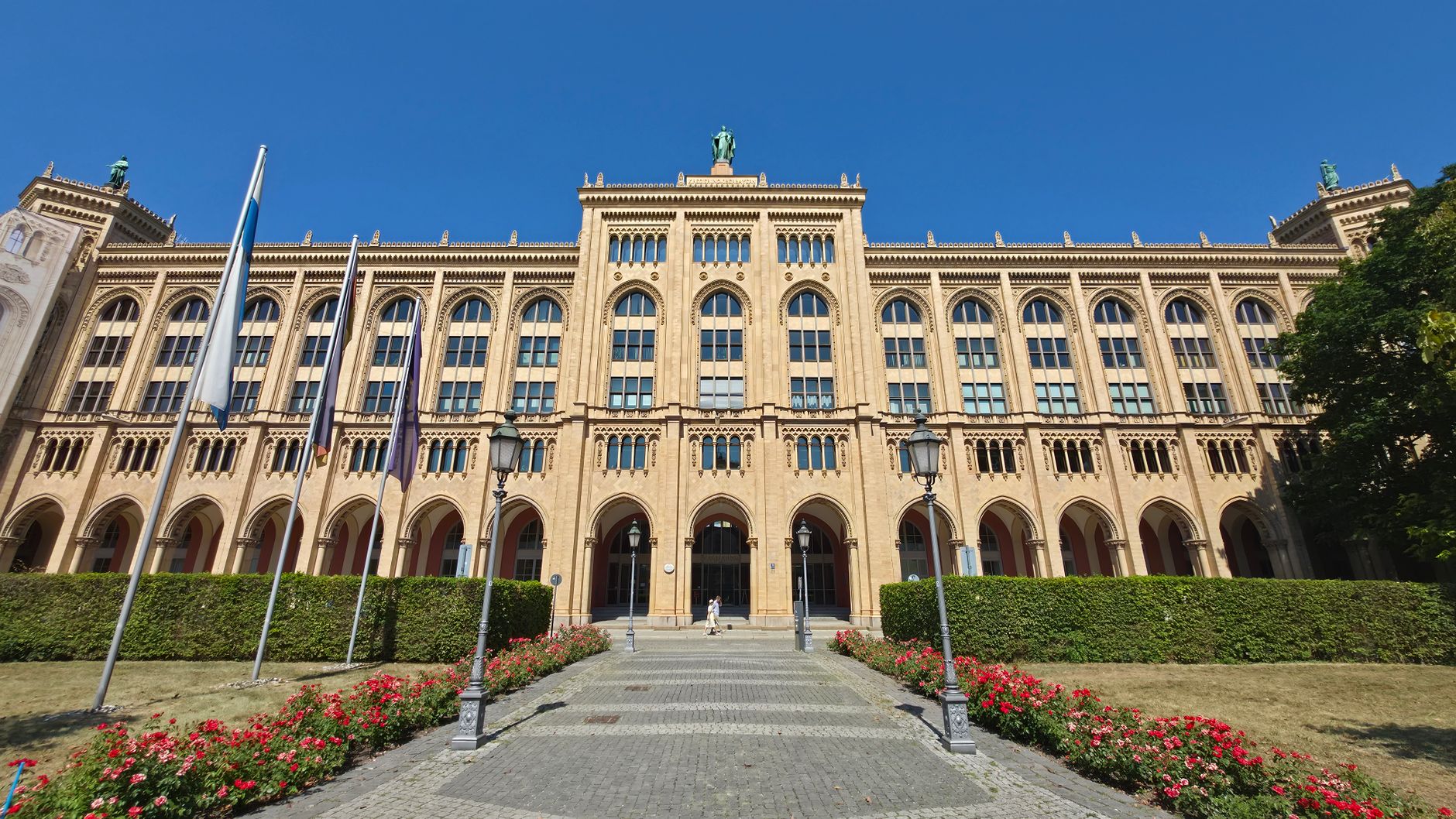
This neoclassical museum was the first public museum in Munich, built specifically by King Ludwig I to house his collection of ancient Greek and Roman sculptures.
The Glyptothek stands as a testament to King Ludwig I's passion for classical antiquity and his vision for Munich as an 'Isar Athens.' Commissioned in the early 19th century, it was designed specifically to display his growing collection of ancient Greek and Roman sculptures. Its austere neoclassical architecture provides a dramatic backdrop for masterpieces like the Barberini Faun, making it a unique pilgrimage for art lovers and a foundational piece of Munich's cultural landscape.
Frequently asked questions
What is the best way to get around Munich for a day?
Munich's city center is very walkable, especially for exploring historic sites and beer halls. For longer distances or to save time, the city's public transport system (MVV) with its U-Bahn (subway), S-Bahn (urban train), trams, and buses is efficient and extensive. A day ticket is a good option.
Can I visit these beer halls and historic sites without a reservation?
For most beer gardens and smaller historic sites like the Alter Hof or St. Peter's Church, reservations are typically not needed, especially during the day. For the Cuvilliés Theatre within the Residenz, you'll purchase an entry ticket for the Residenz itself. Larger beer halls might get crowded, but usually have ample space.
What traditional Bavarian food should I try in Munich?
Beyond beer, be sure to try Weißwurst (white sausage, especially for breakfast), Leberkäse (a type of meatloaf), Schweinshaxe (roasted pork knuckle), and Obatzda (a spiced cheese spread). Pair these with Brezn (pretzels) and a refreshing Radler (beer mixed with lemonade).
How can AllTours.ai enhance my exploration of Munich?
AllTours.ai elevates your visit by providing instant, AI-powered audio narratives. Simply point your phone camera at any landmark, building, or even a landscape in Munich, and the app will narrate its fascinating history, geological features, or cultural significance in your preferred language, offering deeper insights than a traditional guide.
Related guides
Photography via Pexels. AllTours.ai is an AI audio tour guide — point your camera at any landscape and hear its story.