August 5, 2026 · 4 min read
Munich's culinary landscape is often imagined as a grand beer hall, but its true flavors reside in the quieter corners and bustling local hangouts. To genuinely taste the city means going beyond the tourist path, seeking out the places where generations of Münchners have gathered for their daily Brotzeit or festive Sunday roast.
This is a journey into the heart of Bavarian tradition, from the strict timing of the Weißwurst to the ancient cellars beneath the city’s oldest beer gardens. Prepare to discover the stories behind every pretzel, every frothy stein, and every hearty dish that defines authentic Munich cuisine.
1. Weisses Bräuhaus: The Weißwurst Equator
Munich, Germany
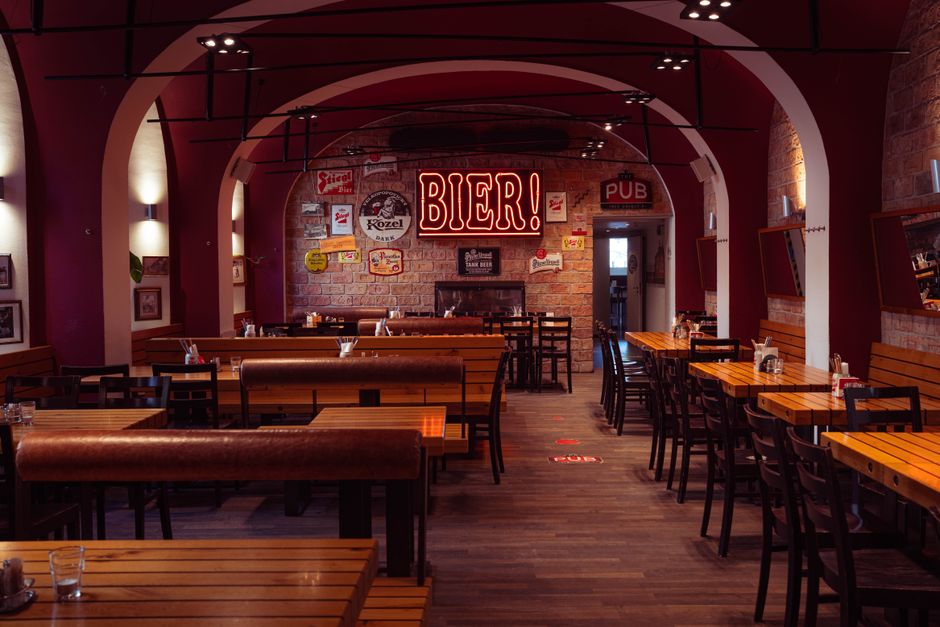
Munich's famous Weißwurst traditionally adhered to a strict "equator" rule, demanding it be eaten before noon.
At Weisses Bräuhaus, one of Munich's oldest breweries, you can still experience this tradition. The Weißwurst, a pale sausage made from veal and pork bacon, was historically prepared without preservatives, making it spoil quickly. Locals often pair it with sweet mustard, a fresh pretzel, and a Weißbier for the quintessential Munich breakfast.
2. Gaststätte Großmarkthalle: Market's Morning Fuel
Munich, Germany
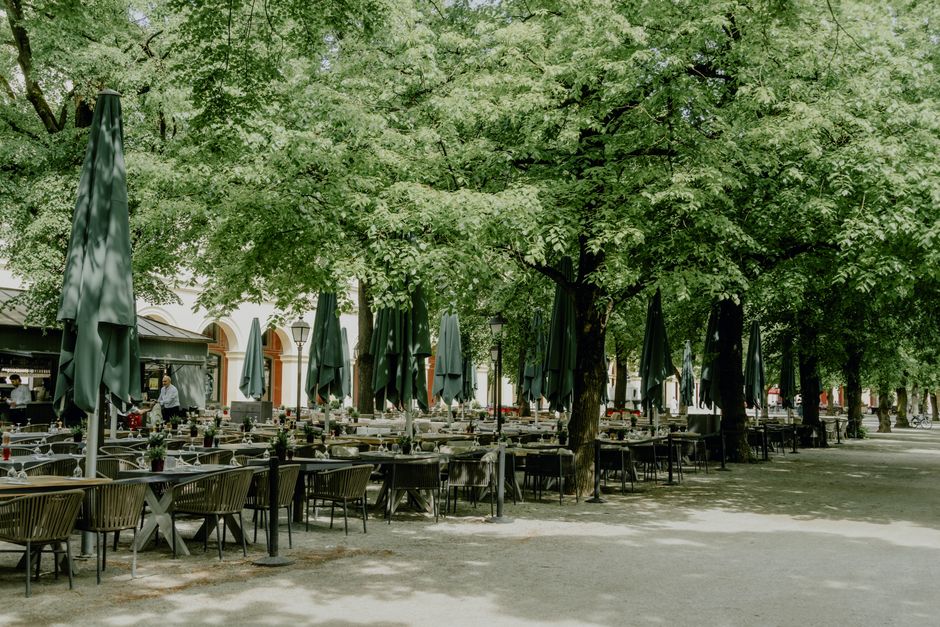
This unassuming eatery has fueled the workers of Munich's vast wholesale market since the early 20th century.
Tucked beside the massive Großmarkthalle, Munich's central wholesale market, this gaststätte opens incredibly early to serve hearty breakfasts and lunches to market traders. It's a no-frills, authentic experience where you can taste traditional Bavarian dishes like Leberkäse or Goulash alongside the city's pulse. The market itself has been supplying Munich with fresh produce since 1912.
3. Augustiner-Keller: Beneath the Chestnut Trees
Munich, Germany
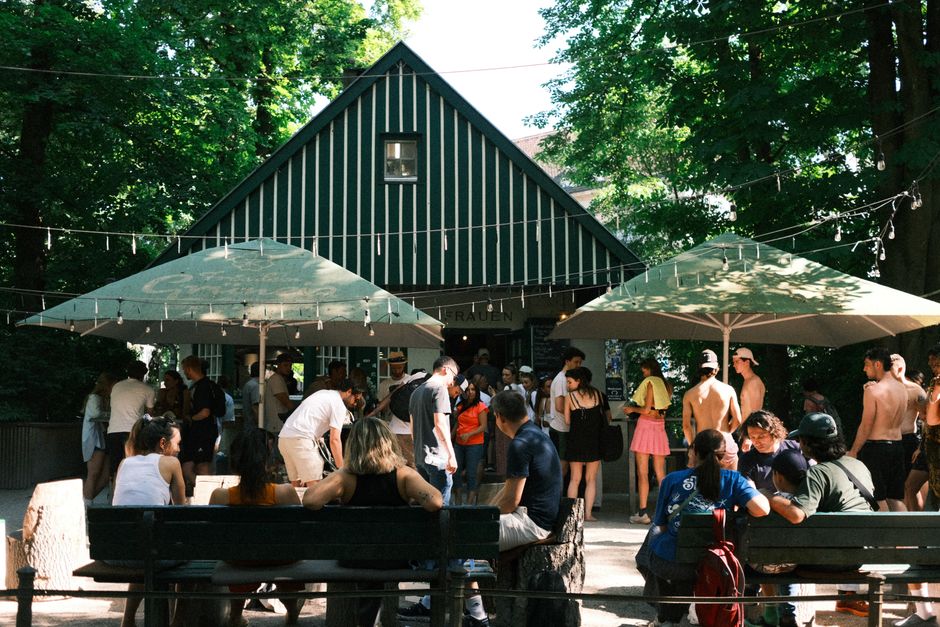
Before refrigeration, Augustiner-Keller used vast underground cellars to keep its beer perfectly chilled.
One of Munich's oldest beer gardens, Augustiner-Keller, traces its history to 1812. Its sprawling chestnut tree canopy offers shade, but the true marvel lies beneath: extensive, deep cellars dug into the ground. These natural refrigerators were essential for storing beer, especially during the summer, a practice that shaped Bavarian brewing traditions long before modern cooling.
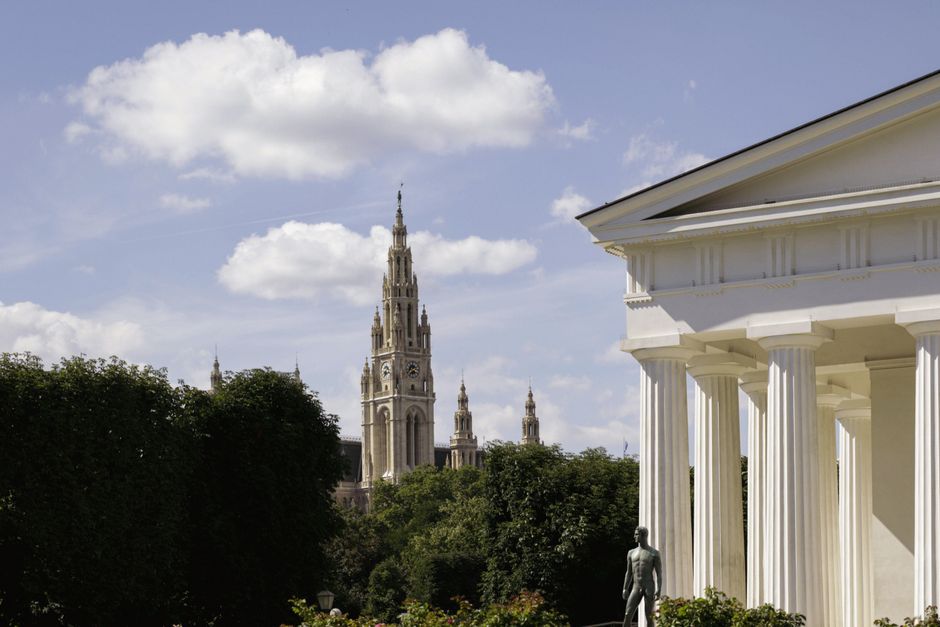
4. Hofbräukeller am Wiener Platz: A Village Square's Heart
Munich, Germany
Wiener Platz, home to Hofbräukeller, was once a distinct village outside Munich's city gates, retaining its unique market charm.
While the Hofbräuhaus is world-famous, its "cellar" counterpart at Wiener Platz offers a more local atmosphere. This historic beer garden sits opposite a vibrant daily market, Wiener Markt, which maintains the feel of an old village square. Here, you can enjoy a fresh Brezn (pretzel) with Obatzda (a spiced cheese spread) and a Maß beer, soaking in the district's unhurried pace and historic architecture.
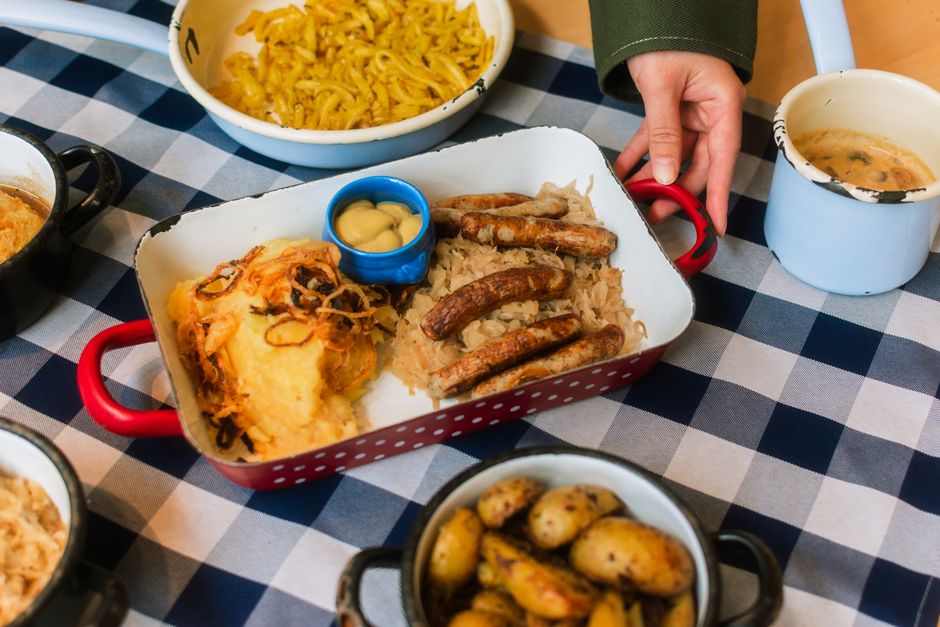
5. Nürnberger Bratwurst Glöckl am Dom: Surviving History
Munich, Germany
This historic eatery, known for its small Nuremberg sausages, remarkably survived the devastating WWII bombings of Munich.
Nestled discreetly beside the Frauenkirche, Nürnberger Bratwurst Glöckl has been serving its signature charcoal-grilled "Drei im Weckla" (three sausages in a bun) since 1893. Despite the intense aerial bombardments that leveled much of Munich, this restaurant stood resiliently, a testament to its sturdy construction and perhaps a bit of luck. It remains a beloved spot for a quick, traditional bite.
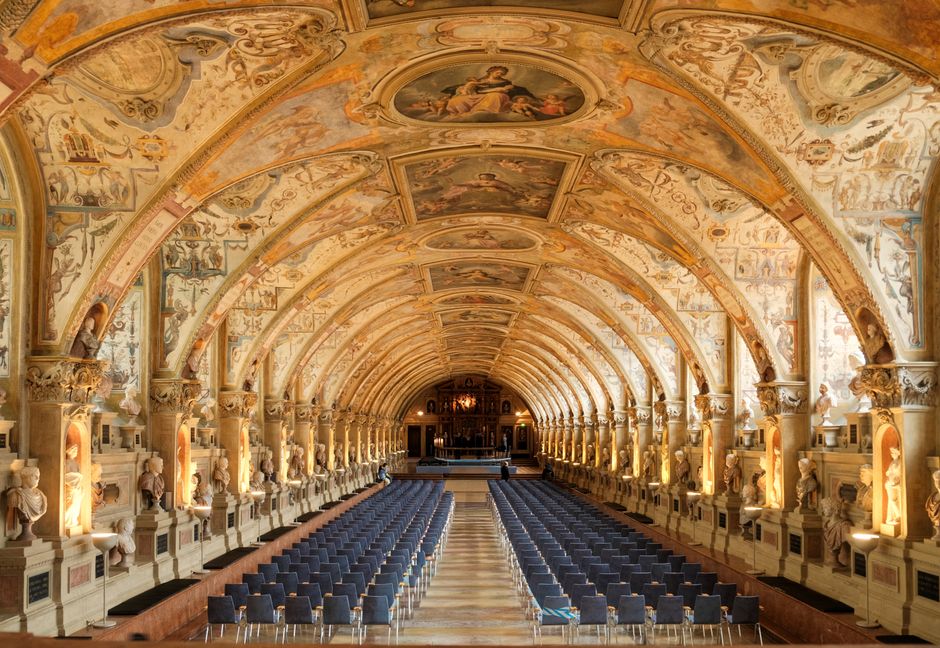
6. Zum Dürnbräu: Medieval Roots
Munich, Germany
One of Munich's oldest inns, Zum Dürnbräu traces its origins back to the late Middle Ages, possibly to the 15th century.
Step into Zum Dürnbräu and you're entering centuries of Munich's history. This traditional Bavarian restaurant, located near the Old Town Hall, has served guests through various eras, offering classic dishes like Schweinebraten (roast pork) with potato dumplings. Its dark wood interiors and stained glass windows echo a time when inns were vital hubs for travelers and locals alike, making it a living piece of city heritage.
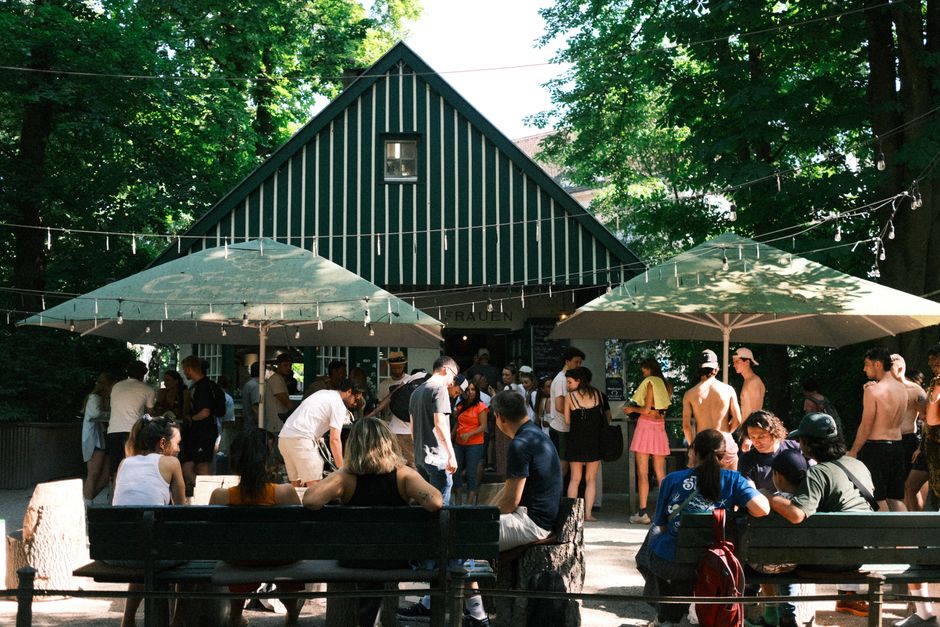
7. Hirschgarten: Royal Deer Park Feast
Munich, Germany
Munich's largest beer garden was once a royal hunting ground, and it still maintains a herd of deer today.
The Königlicher Hirschgarten, or Royal Deer Garden, is an expansive oasis where city dwellers gather under ancient trees. Established in 1780 as a royal hunting preserve, it still features a deer enclosure visible from the beer garden itself. Enjoy a vast selection of beers and classic Bavarian fare like Steckerlfisch (grilled fish on a stick) while watching deer graze, a unique blend of nature and tradition within the city.
Frequently asked questions
What is the "Weißwurst Equator"?
The "Weißwurst Equator" refers to the traditional belief that Munich's Weißwurst should be eaten before noon. This custom arose historically because the sausage, made without preservatives, would spoil if left too long.
Can I find vegetarian options in traditional Bavarian restaurants?
While traditional Bavarian cuisine is meat-heavy, many restaurants now offer vegetarian options. Look for Käsespätzle (cheese noodles), hearty salads, or specific vegetarian main courses on the menu.
Is tipping customary in Munich restaurants?
Tipping is customary in Germany, usually around 5-10% for good service. It's common to round up the bill or tell the server the total amount you wish to pay, including the tip, when they bring the bill.
How can AllTours.ai enhance my dining experience in Munich?
AllTours.ai helps you go beyond just eating. Point your phone at a historic building near a restaurant, a specific dish, or even a beer garden's landmark, and the app will narrate its history, cultural significance, or origin story, providing deeper context to your culinary journey.
Related guides
Photography via Pexels. AllTours.ai is an AI audio tour guide — point your camera at any landscape and hear its story.