September 16, 2026 · 4 min read
The thrill of discovering a truly unique destination is often preceded by the practicalities of travel, not least among them understanding airline cancellation policies. While no one plans for a trip to go awry, knowing your rights and options can turn a potential headache into a minor detour, allowing you to confidently book that journey to a place few others have seen.
This guide will walk you through essential aspects of airline cancellation policies, helping you secure your travel plans. More importantly, it celebrates the spirit of adventure by highlighting incredible, lesser-known spots around the world — places so rich in history, geology, or culture that the planning effort becomes a small price to pay for such profound experiences.
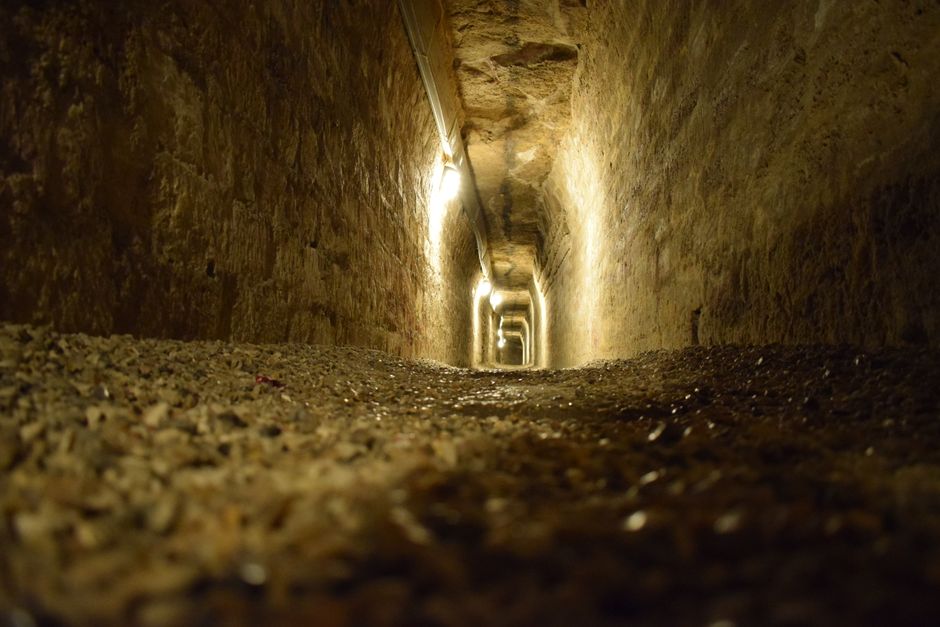
1. The Subterranean Labyrinth of Derinkuyu
Derinkuyu, Turkey
This ancient city was carved deep underground, designed to house entire populations hiding from invaders for months at a time.
Beneath the Cappadocian landscape lies Derinkuyu, the deepest of Turkey's underground cities, descending eight levels. Built by Phrygians and later expanded, it featured stables, churches, schools, and even wineries, all connected by narrow tunnels. Massive stone doors could be rolled into place from the inside, sealing off sections against attackers, a testament to ingenious ancient engineering and community resilience.
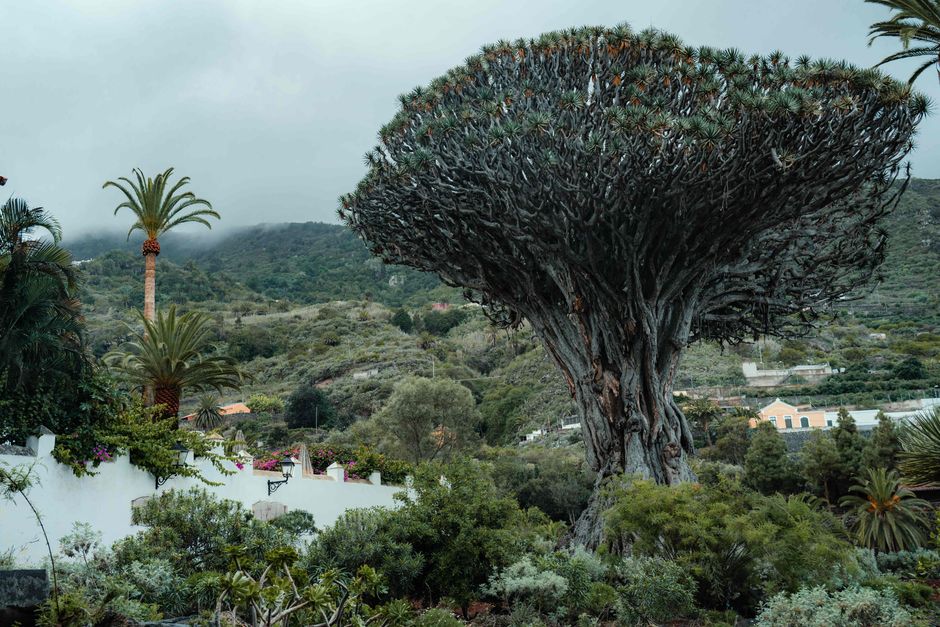
2. Socotra's Alien Flora
Socotra Island, Yemen
This island hosts an otherworldly ecosystem with bizarre 'Dragon's Blood Trees' that look like upturned umbrellas.
Socotra is a botanical marvel in the Arabian Sea, often called 'the most alien-looking place on Earth.' Its isolation has led to the evolution of unique species, including the iconic Dragon's Blood Tree, known for its red sap. The island's dramatic landscapes, from pristine beaches to towering limestone plateaus, harbor over 700 endemic species, making it a living laboratory of evolution.
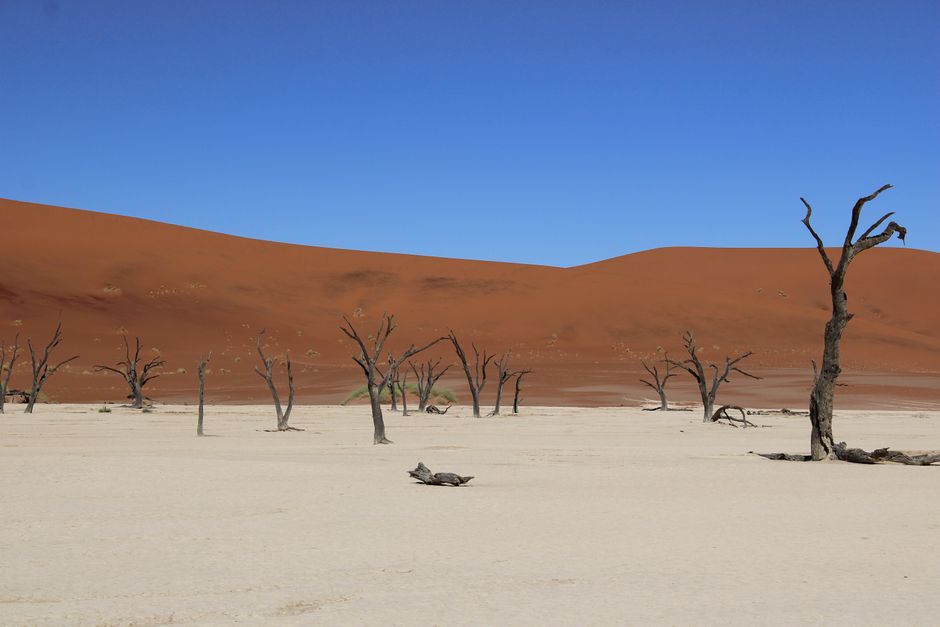
3. Deadvlei's Petrified Forest
Deadvlei, Namibia
Here, ancient acacia trees stand preserved by the desert's extreme dryness, refusing to decompose even after centuries.
Deadvlei, meaning 'dead marsh,' is a white clay pan near the famous Sossusvlei salt pan. Around a thousand years ago, the Tsauchab River flooded, allowing acacia trees to grow. When the climate shifted, sand dunes blocked the river, and the trees died of thirst. The intense sun and arid conditions mummified the trees, preventing decomposition, leaving a surreal, starkly beautiful landscape of dark skeletons against orange dunes.
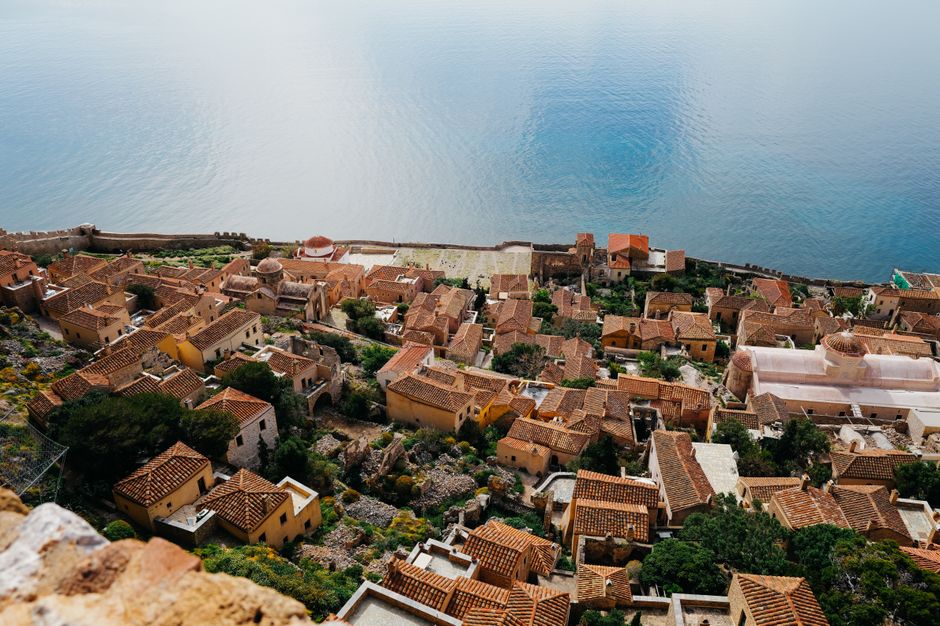
4. Monemvasia: The Gibraltar of the East
Monemvasia, Greece
This medieval fortress town is entirely carved into the back of a massive rock island, invisible from the mainland.
Monemvasia is a Byzantine fortified town on a small island off the Peloponnese coast. Its name means 'single entrance,' referring to the narrow causeway connecting it to the mainland. The entire town, complete with churches, houses, and defensive walls, is built on the hidden side of the rock, protecting it from pirate raids. Walking its cobbled streets feels like stepping into a living medieval history book.
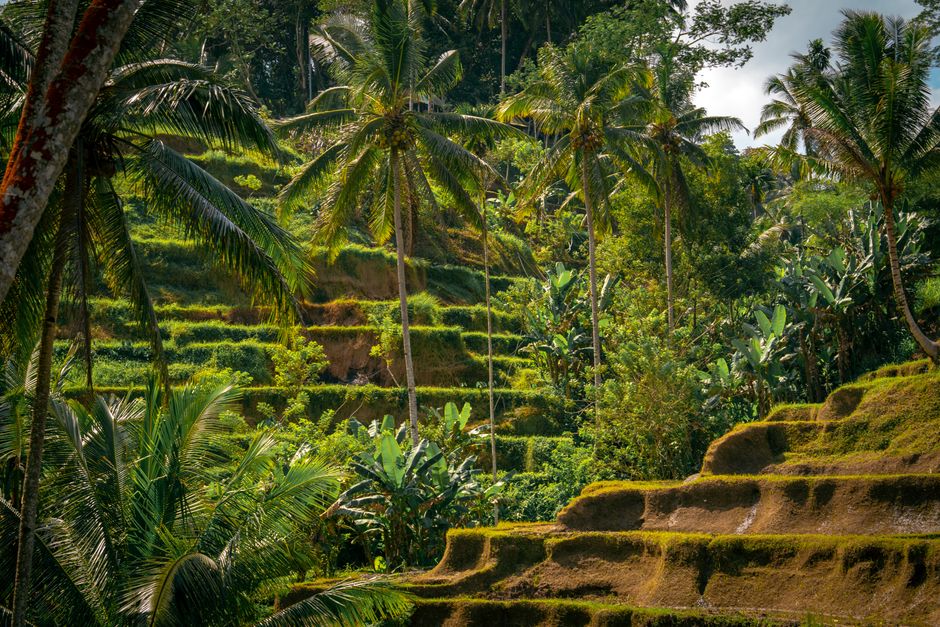
5. The Lost City of Teyuna
Ciudad Perdida, Colombia
Older than Machu Picchu, this ancient city was hidden in the jungle for centuries, only rediscovered by looters in the 1970s.
Ciudad Perdida, or 'Lost City,' was built by the Tairona people around 800 AD, predating Machu Picchu by 650 years. Accessible only by a multi-day trek through dense jungle, the site consists of 169 terraces carved into the mountainside, interconnected by a network of tiled paths and small plazas. Its rediscovery highlighted the sophisticated engineering and culture of the Tairona civilization.
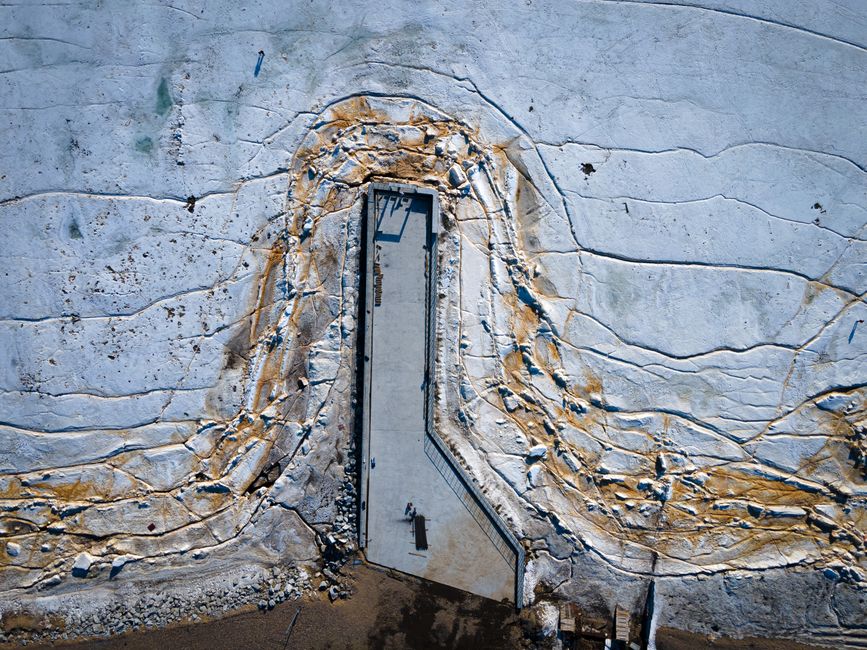
6. The Eye of the Sahara
Richat Structure, Mauritania
This massive, circular geological feature, visible from space, was once thought to be an impact crater but is actually a deeply eroded dome.
The Richat Structure, also known as the 'Eye of the Sahara,' is a prominent circular feature nearly 50 kilometers in diameter. Its concentric rings of alternating resistant and less resistant rock layers make it strikingly visible from orbit. Geologists now believe it is a deeply eroded domed structure, showcasing millions of years of geological forces, a natural wonder on an epic scale in the vast desert.
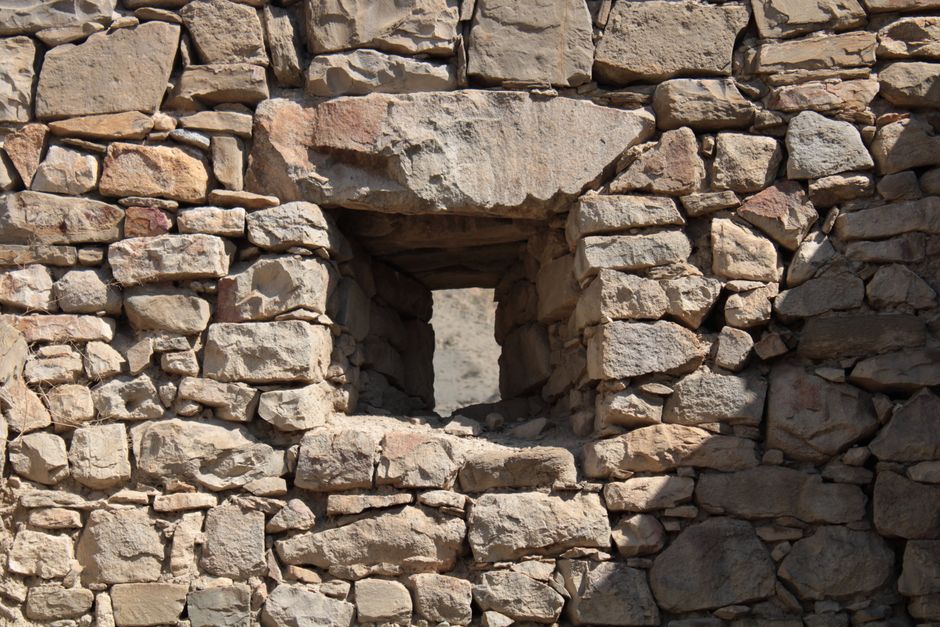
7. Pumapunku's Precision Stonework
Tiwanaku, Bolivia
These ancient ruins feature incredibly precise, interlocking stonework with perfectly straight cuts, baffling modern engineers.
Pumapunku is part of the larger Tiwanaku archaeological site, near Lake Titicaca. What distinguishes Pumapunku are its enormous, intricately cut stones, some weighing over 100 tons, fitted together with astounding precision. The 'H-blocks' and other complex shapes suggest a level of engineering and masonry skill that remains a mystery, hinting at advanced techniques used by this pre-Incan civilization.
Frequently asked questions
What's the difference between a refundable and non-refundable ticket?
A refundable ticket allows you to cancel your flight and receive all or most of your money back, often with a fee. Non-refundable tickets, typically cheaper, usually only offer a travel credit for future flights or minimal refunds, especially if you initiate the cancellation.
Can I get a refund if the airline cancels my flight?
Yes. If the airline cancels your flight, federal regulations generally entitle you to a full refund, even if you bought a non-refundable ticket. You can choose the refund or rebooking on another flight, possibly with a different airline, at no extra cost.
How do schedule changes affect my cancellation options?
Significant schedule changes by the airline, such as a major departure time shift or route change, often qualify as an airline-initiated cancellation. This means you might be entitled to a full refund, even on a non-refundable ticket, if the new schedule doesn't suit your plans.
How can AllTours.ai help me explore these unique places?
AllTours.ai enhances your travel experience by providing rich, contextual information about your surroundings. Simply point your phone camera at any landscape or landmark, and the app narrates its history, geology, and culture in your preferred language, turning every view into a fascinating story.
Related guides
Photography via Pexels. AllTours.ai is an AI audio tour guide — point your camera at any landscape and hear its story.