September 22, 2026 · 4 min read
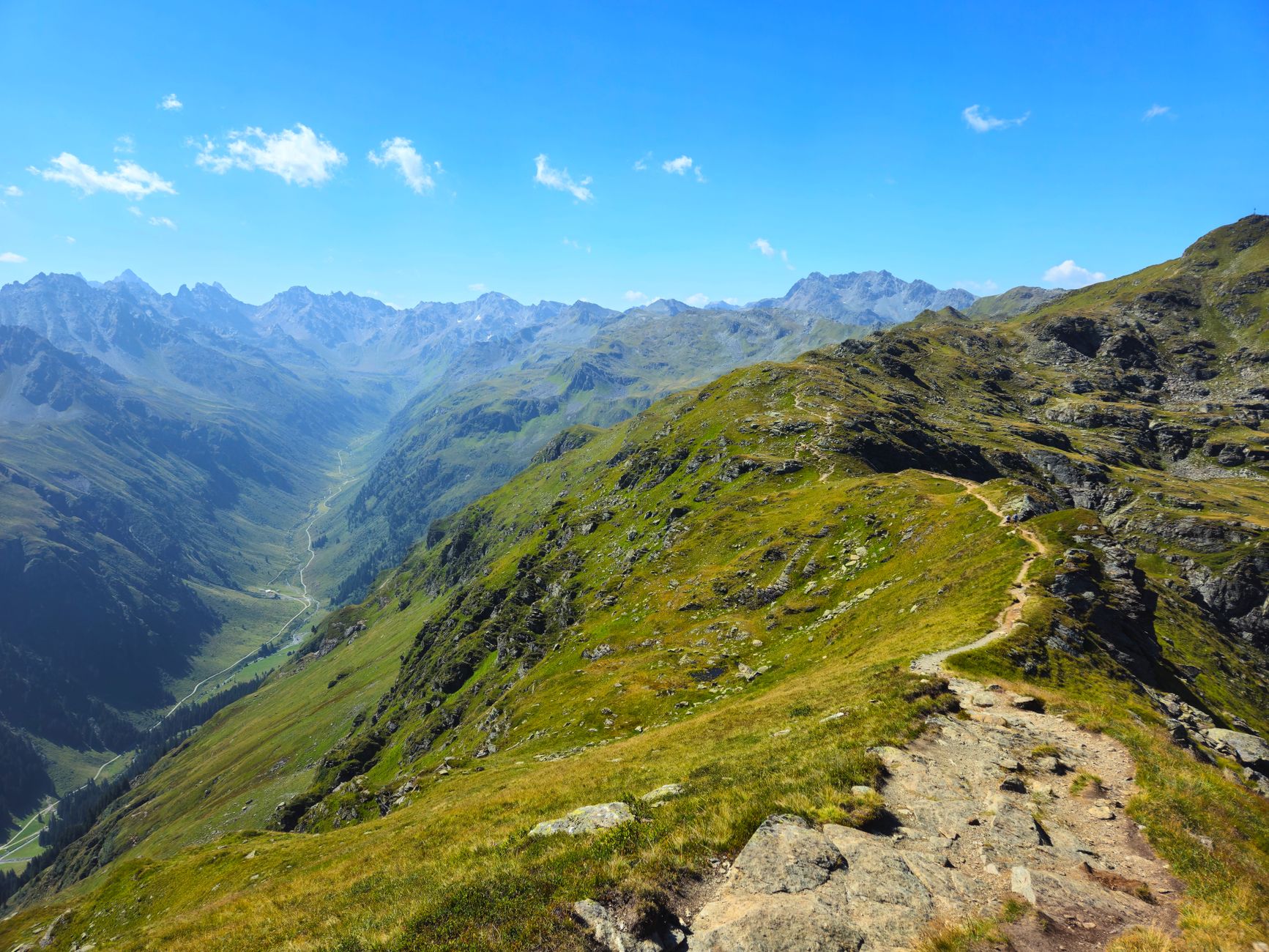
The Alpe Adria Trail is celebrated for its stunning traverse from the base of Austria's Grossglockner, through Slovenia's Julian Alps, and down to the Adriatic Sea in Italy. It’s a journey that offers breathtaking mountain vistas, serene river valleys, and charming villages. But beyond the well-trodden paths and widely known landmarks, this remarkable trail hides a wealth of truly unique, often overlooked, attractions.
For those who seek deeper narratives and a genuine connection to the land and its past, the Alpe Adria Trail rewards curiosity. We've compiled a list of seven must-see spots along or near the trail, each with a compelling story that paints a vivid picture of history, geology, and culture, inviting you to look closer and listen intently.
1. A Wooden Prayer for Peace
Javorca, Slovenia
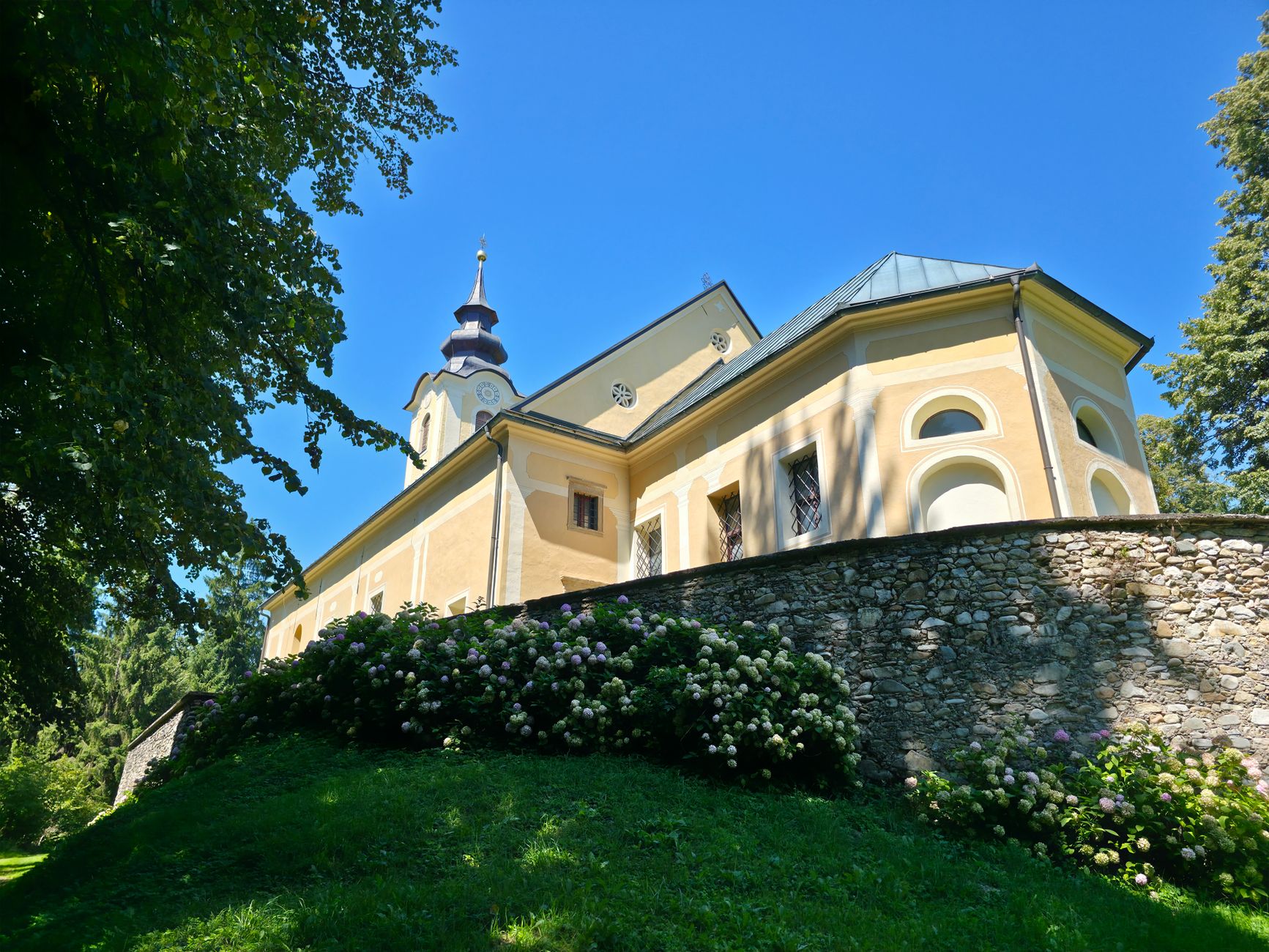
High in the Soča Valley, a beautiful wooden church stands as a solemn testament to the human spirit during World War I.
Built in 1916 by Austro-Hungarian soldiers, this Art Nouveau masterpiece is dedicated to fallen comrades. Its interior walls bear the names of 2,564 soldiers inscribed on wooden plaques, a unique memorial recognized as a European Heritage Label site. The church offers breathtaking views and a poignant reminder of past conflicts, a quiet counterpoint to the dramatic landscapes.

2. The Hidden Healer
Dolenji Novaki, Slovenia
Deep within a remote gorge, a secret WWII hospital once saved countless lives, its existence a closely guarded secret.
From 1943 to 1945, the Franja Partisan Hospital provided medical care to wounded resistance fighters and Allied soldiers, hidden from German forces by treacherous terrain and a network of loyal locals. Accessible only by a concealed bridge, the hospital comprised several wooden barrack buildings, camouflaged by trees and boulders. Its remarkable story of courage and resilience, despite repeated attempts by the enemy to locate it, is a powerful historical testament.
3. The Town That Refused to Die
Venzone, Italy
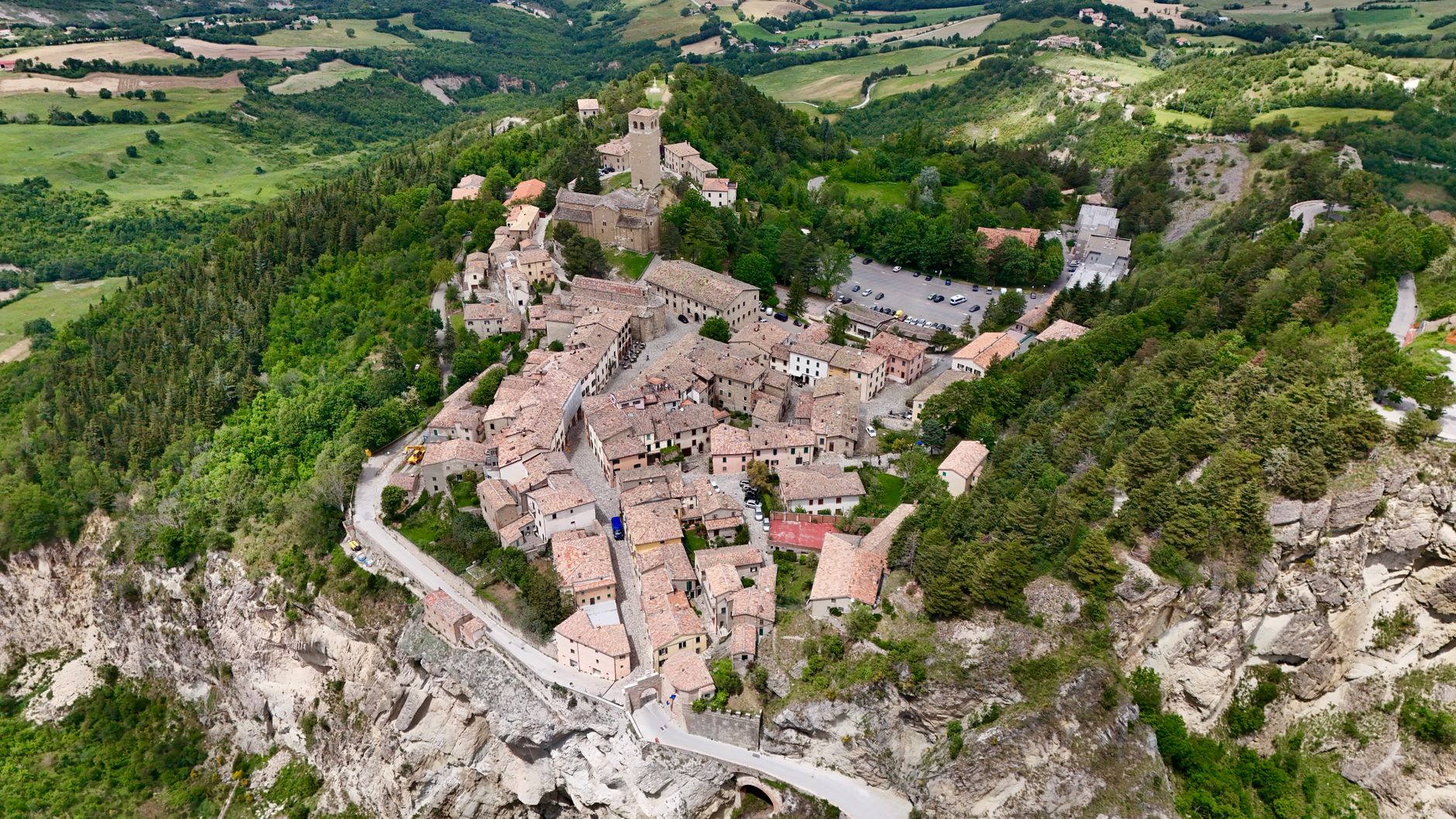
After being completely destroyed by an earthquake, an entire medieval town was meticulously rebuilt, stone by stone, back to its original glory.
In 1976, two devastating earthquakes leveled Venzone, reducing its historic center to rubble. Yet, through an extraordinary collective effort, the town was painstakingly reconstructed using its original stones, each piece carefully cataloged and reassembled over a decade. Today, Venzone stands as Europe's only authentically rebuilt medieval walled town, a living monument to human perseverance and respect for heritage.
4. The Star-Shaped Fortress
Palmanova, Italy
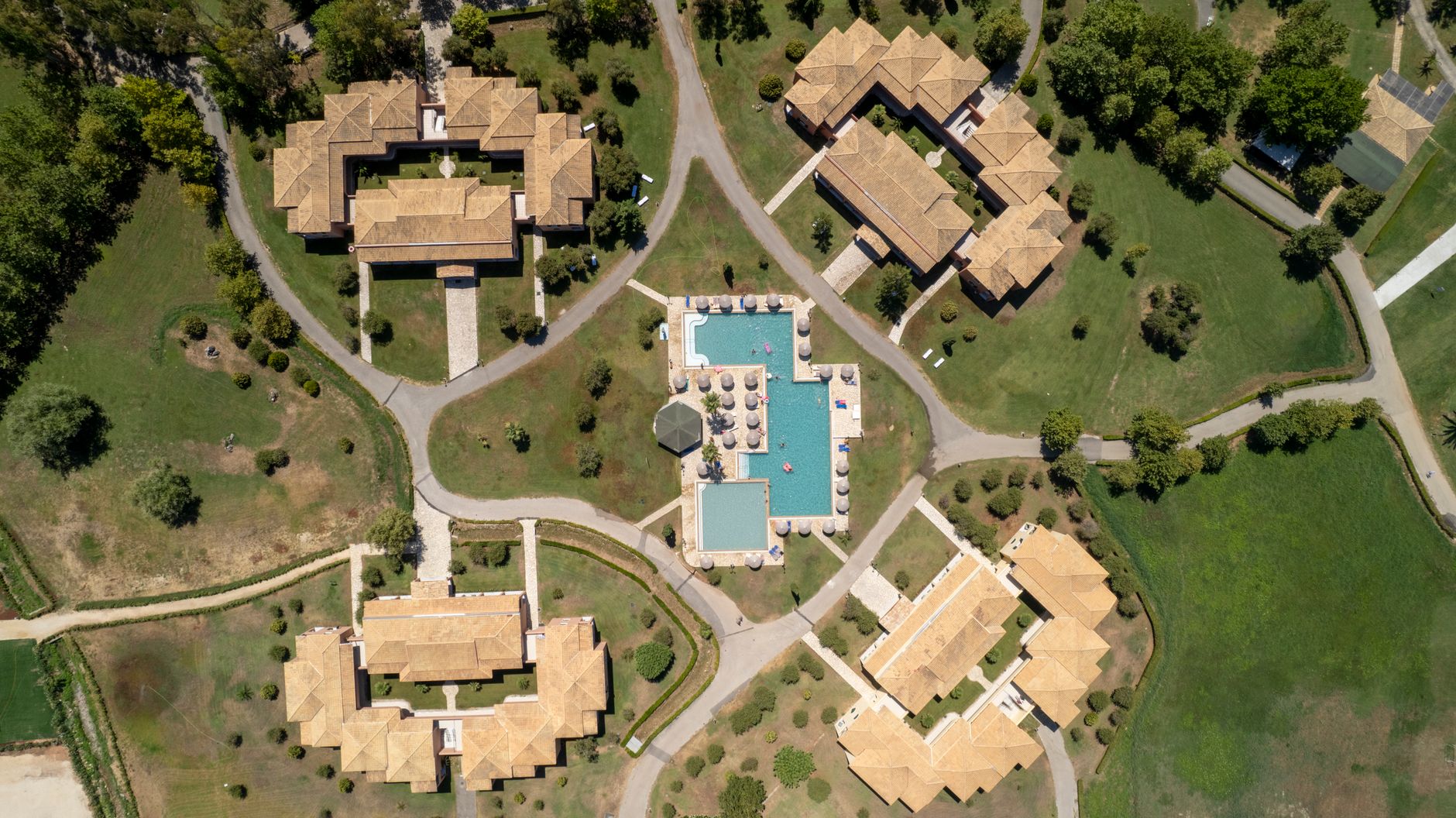
This perfectly symmetrical, star-shaped town was designed not for beauty, but as an impenetrable military stronghold against Ottoman invaders.
Built by the Venetian Republic in 1593, Palmanova is a unique example of a Renaissance ideal city and a masterful piece of military engineering. Its nine-pointed star shape, complete with bastions, moats, and three monumental gates, was ingeniously designed to offer maximum defensive capabilities. Walking its streets reveals a geometric precision rarely seen, a testament to strategic urban planning centuries ahead of its time.
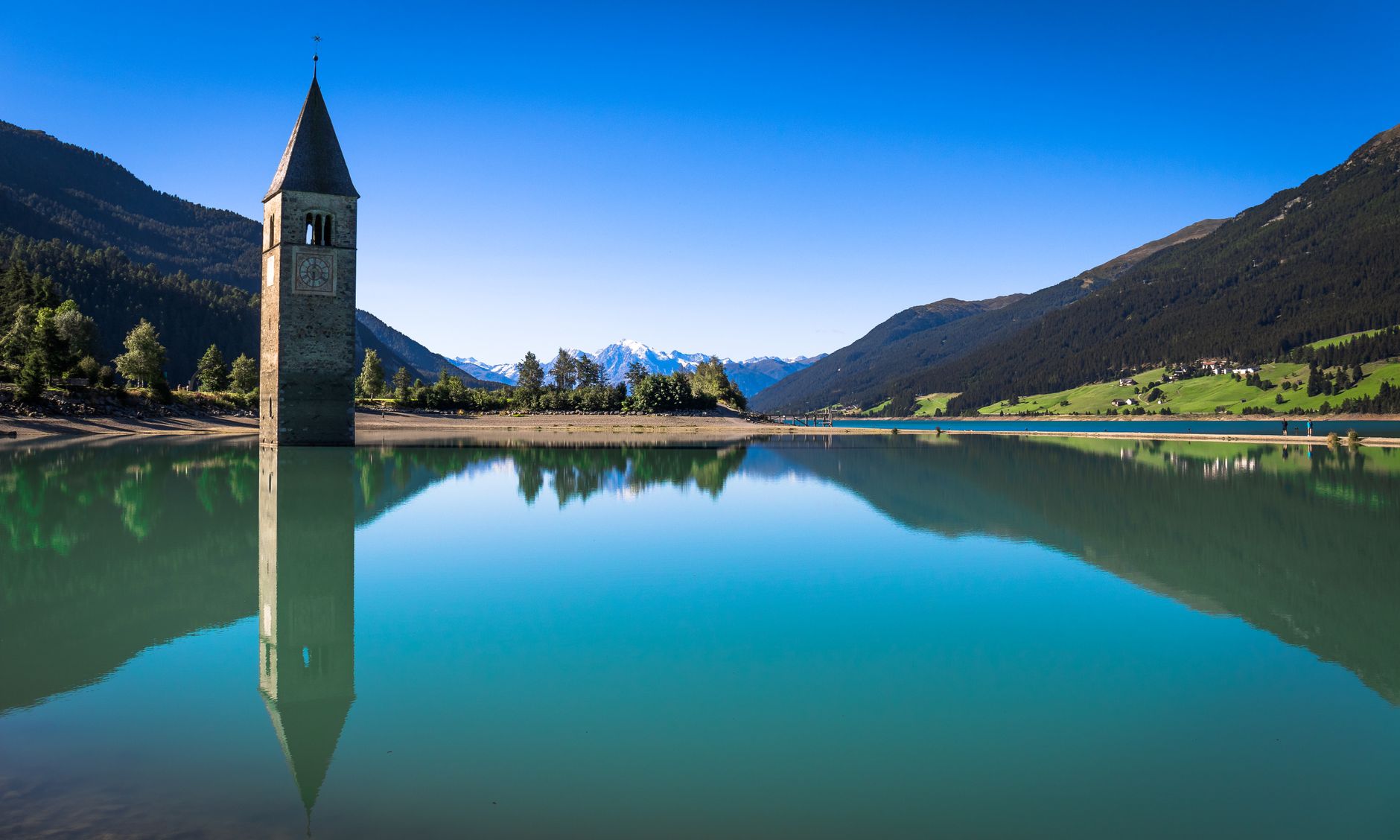
5. The Whispering Valley of Ancient Tongues
Val Resia, Italy
Tucked away in a remote Italian valley, a unique Slavic dialect, Resian, has survived for centuries, distinct from any other language.
The Resia Valley is a linguistic island, home to a small community whose ancestors settled here over a thousand years ago. Their Resian dialect, believed to be one of the oldest Slavic languages, is a living relic, preserving ancient phonetics and vocabulary. This isolated cultural gem offers a rare glimpse into the linguistic past of Europe, where folk traditions and unique musical instruments, like the *zajle*, still thrive.
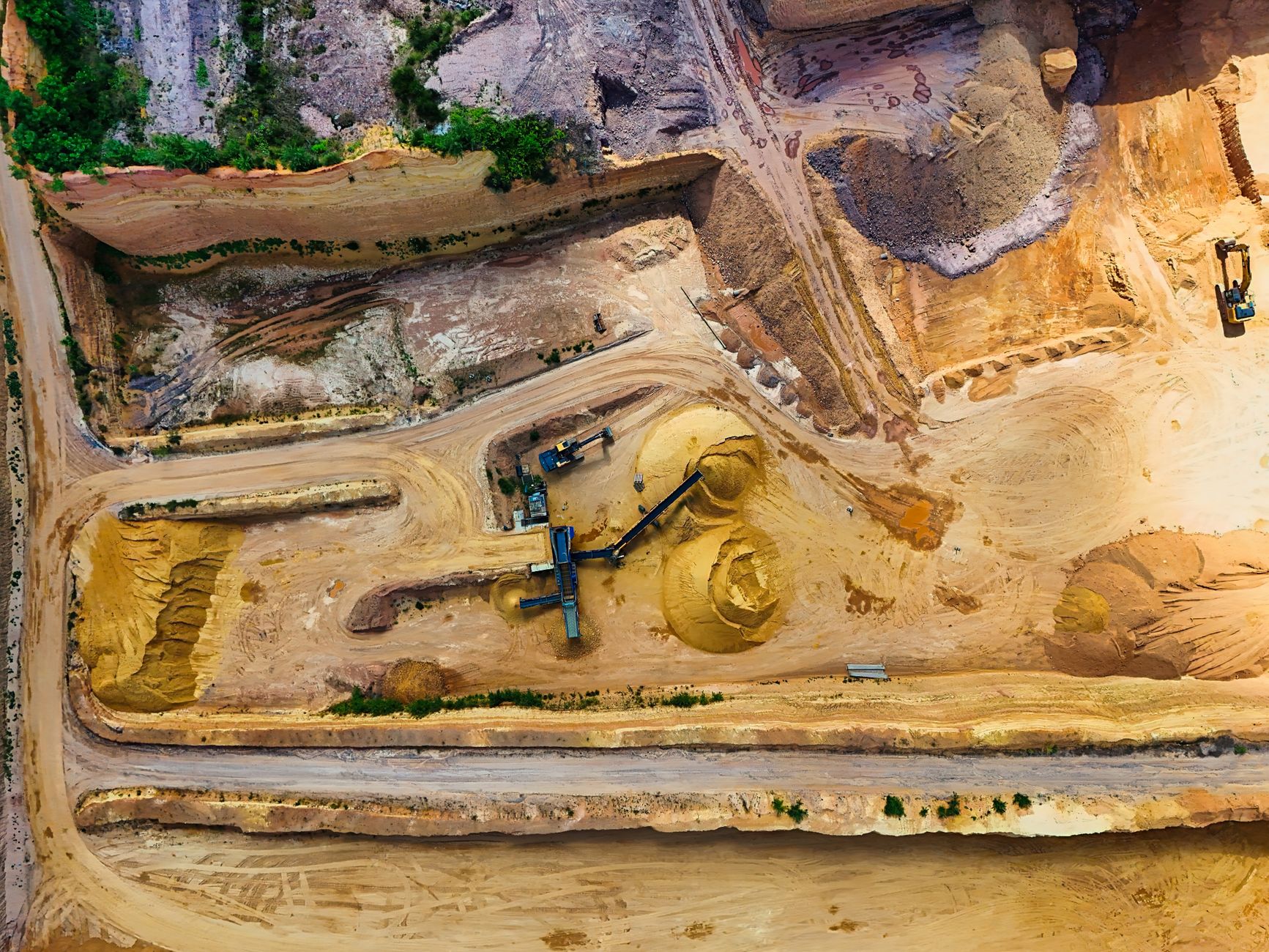
6. Deep Earth's Echoes
Bad Bleiberg, Austria
Venture 800 meters underground into a former lead mine where generations toiled, revealing ancient rock formations and a hidden past.
The Bleiberg-Kreuth mining area boasts a history stretching back over 800 years, making it one of the oldest lead mines in Europe. Now transformed into the "Terra Mystica" and "Terra Montana" museums, visitors can descend into the depths, exploring vast tunnels and chambers. The experience offers a vivid portrayal of the harsh conditions miners endured, alongside geological wonders like shimmering mineral deposits and underground lakes.
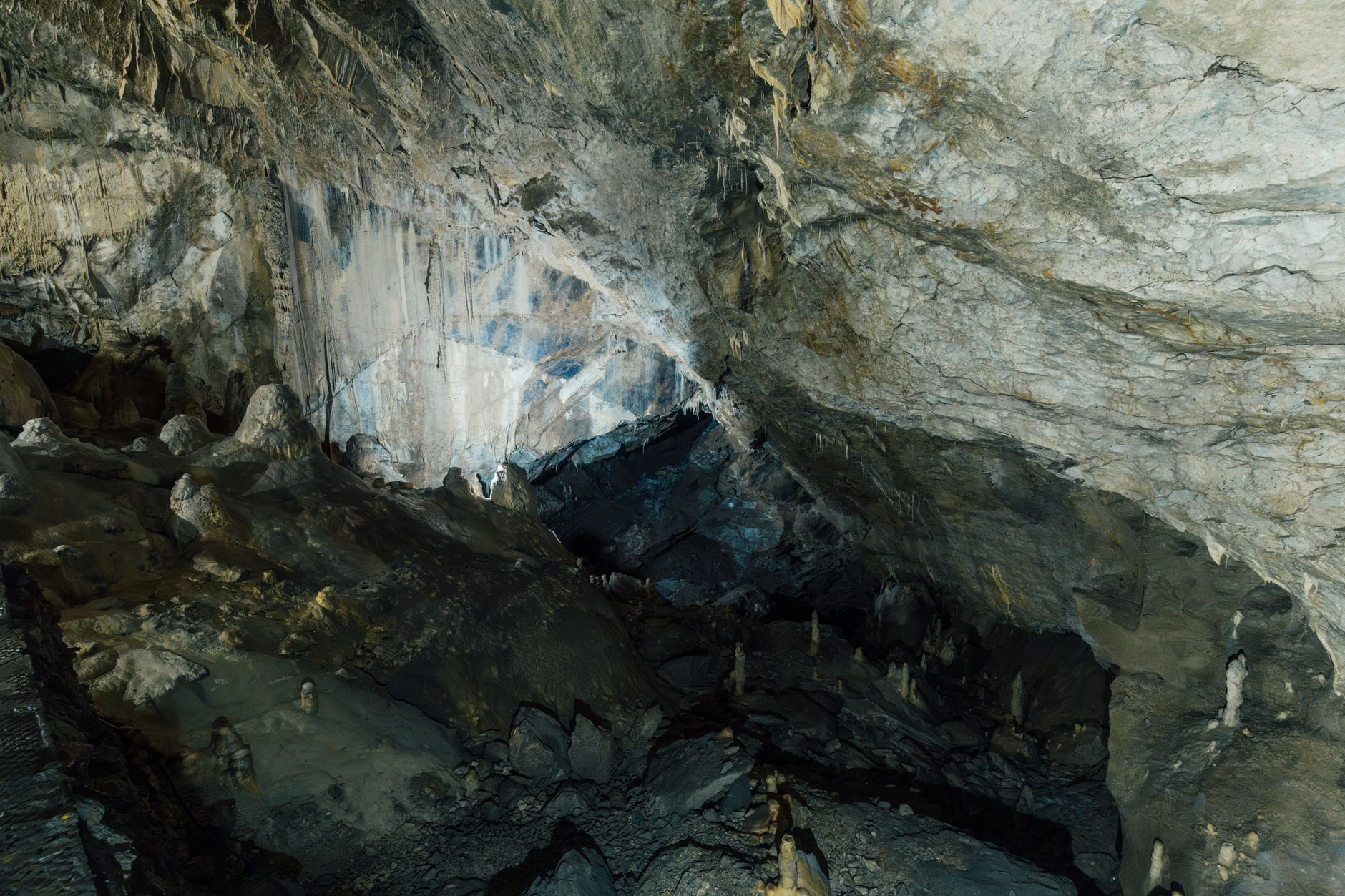
7. Subterranean Labyrinth of Wonder
Lusevera, Italy
Descend into one of Europe's largest and most complex cave systems, still being explored, offering a glimpse into a living geological marvel.
The Grotta Nuova di Villanova is not just a cave; it's a vast network of subterranean passages, halls, and waterways stretching for over 10 kilometers, with new sections continually being discovered. Visitors can explore a portion of this immense natural cathedral, marveling at the intricate stalactite and stalagmite formations, underground rivers, and the sheer scale of the geological forces that shaped it over millions of years. It's an active research site and a breathtaking natural wonder.
Frequently asked questions
How long does it take to hike the entire Alpe Adria Trail?
The entire Alpe Adria Trail covers approximately 750 kilometers across 43 stages. Hiking the full trail typically takes around 38-43 days, depending on your pace, fitness level, and the number of rest days you choose to take.
What's the best time of year to hike the Alpe Adria Trail?
The ideal times to hike the Alpe Adria Trail are late spring (May-June) and early autumn (September-October). During these periods, the weather is generally pleasant, the landscapes are vibrant, and there are fewer crowds. Summer can be hot, especially in the Italian sections.
Do I need special equipment for the Alpe Adria Trail?
While the Alpe Adria Trail is generally well-marked and accessible, sturdy hiking boots, weather-appropriate clothing (layers are recommended), and basic navigation tools are essential. Some sections have varying difficulty, so it's always wise to check specific stage requirements and prepare accordingly.
How can AllTours.ai enhance my Alpe Adria Trail experience?
The AllTours.ai app transforms your phone into an AI audio tour guide. Simply point your camera at any landmark or landscape along the trail, and the app will narrate its history, geology, and culture in your language, bringing every hidden gem to life.
Related guides
Photography via Pexels. AllTours.ai is an AI audio tour guide — point your camera at any landscape and hear its story.