September 17, 2026 · 4 min read
When the Eurovision Song Contest descends upon a city, the headlines predictably focus on the host venue, the main attractions, and the immediate economic surge. Hotels fill, bars buzz, and the spotlight shines brightly on the arena and its immediate surroundings. But for those with a deeper curiosity about how the Eurovision Song Contest affects tourism in the host country, the true story extends far beyond the main stage.
The contest often sparks a broader interest in the host nation, prompting travelers to explore its less-trodden paths. It's a chance to discover the hidden histories, unique geographies, and local cultures that make a country truly fascinating, often far from the usual tourist circuit. Here's a guide to some of those surprising, lesser-known spots that reveal the true character of past Eurovision hosts.
1. The Soap Magnate's Utopia
Port Sunlight, England
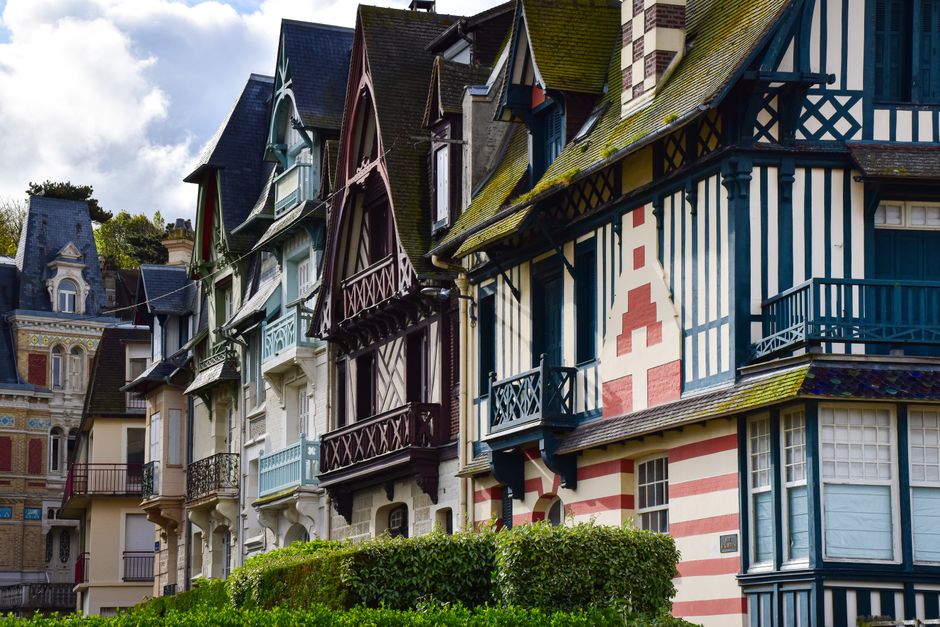
This model village was built by a Victorian industrialist to provide his factory workers with better lives, complete with allotments and art galleries.
Just a short journey from Liverpool, the 2023 Eurovision host city, Port Sunlight stands as a testament to radical Victorian philanthropy. William Lever, founder of Lever Brothers, created this garden village in 1888 for his Sunlight Soap factory workers, offering them high-quality housing, amenities, and cultural facilities. Its unique architecture and planned landscape provide a fascinating glimpse into early social reform, a stark contrast to the industrial cities it served.
2. The Abbey of the Ascent
Sacra di San Michele, Italy
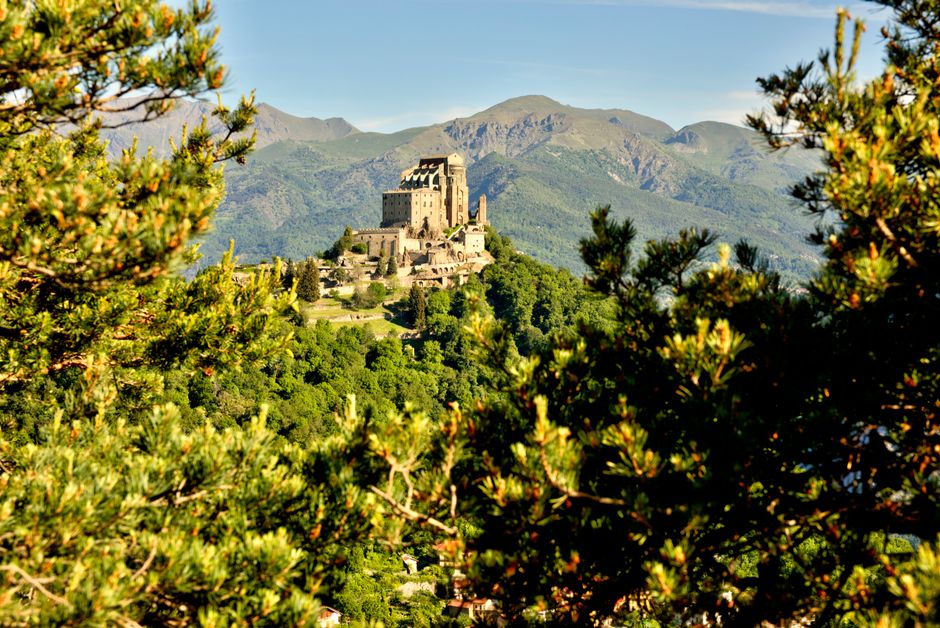
Perched dramatically on a mountaintop, this ancient abbey is said to have inspired Umberto Eco's 'The Name of the Rose,' guarding the entrance to a mysterious valley.
High in the Piedmont region, near Turin (Eurovision 2022 host), stands the Sacra di San Michele, a Benedictine abbey with a history stretching back to the 10th century. Its commanding position offers breathtaking views across the Susa Valley, and its intricate Romanesque architecture includes a 'Stairway of the Dead' leading to a vaulted burial ground. This site embodies centuries of faith, power, and art, making it a compelling, almost mythical, destination.
3. The Island on Dry Land
Schokland, Netherlands
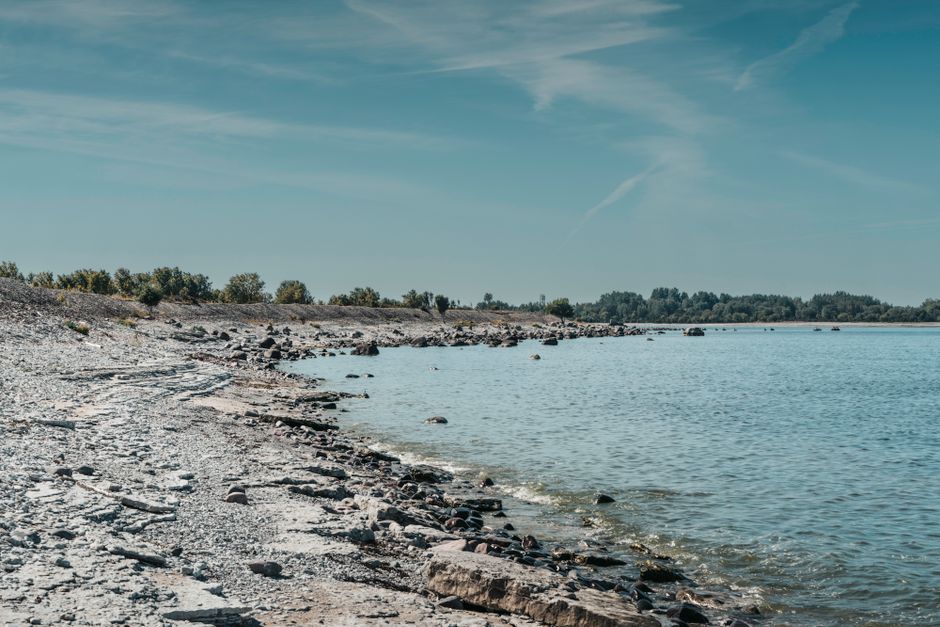
Once a populated island in the Zuiderzee, this UNESCO World Heritage site is now part of the mainland, showcasing humanity's battle against the sea.
In Flevoland, the Netherlands (Eurovision 2021 host), Schokland offers a unique landscape. It was an island for centuries, its inhabitants constantly struggling against rising waters, until it was eventually abandoned. When the surrounding Zuiderzee was reclaimed in the 20th century, Schokland became an 'island' within the new polder. Its preserved archaeological remains tell a poignant story of human adaptation and resilience in a land defined by water.
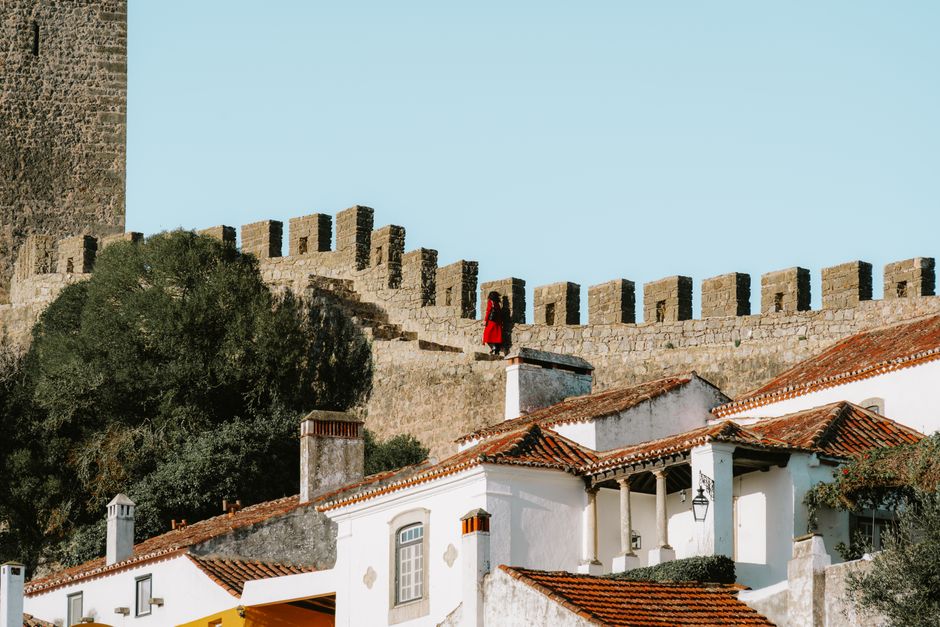
4. The Ancient Megalithic Vista
Monsaraz, Portugal
This fortified medieval village, overlooking Europe's largest artificial lake, is surrounded by ancient megalithic monuments older than the Egyptian pyramids.
High above the Alqueva Lake in the Alentejo region, a short drive from Lisbon (Eurovision 2018 host), lies Monsaraz. Its castle walls encircle a perfectly preserved village of whitewashed houses, offering panoramic views. The surrounding landscape is dotted with prehistoric megalithic sites, such as the Cromeleque do Xerez, standing silent testament to human presence thousands of years ago. It's a journey through layers of history, from prehistory to the medieval era.
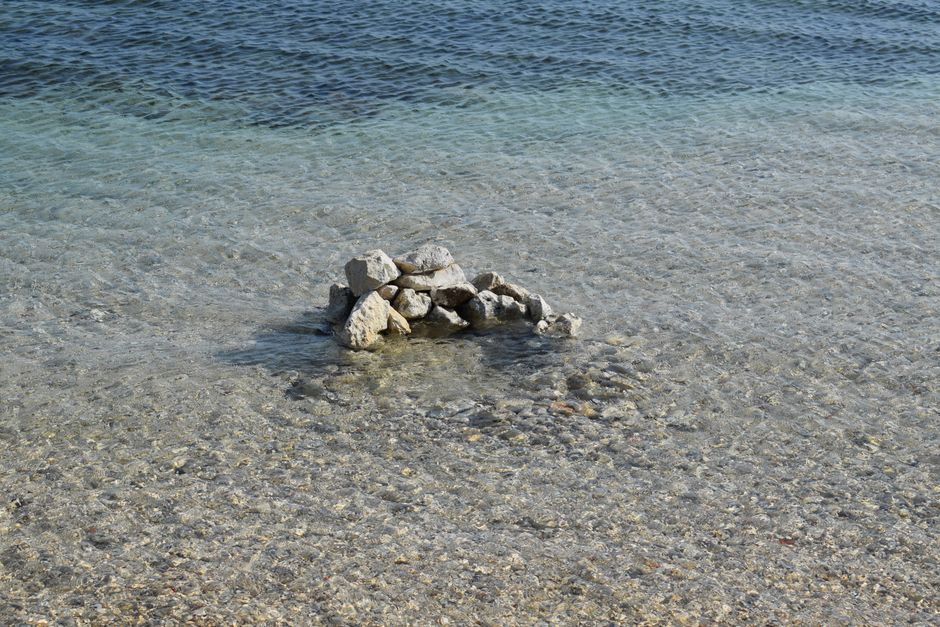
5. Filmmaker's Limestone Retreat
Fårö, Sweden
This windswept island, accessible by ferry from Gotland, is famous for its dramatic sea stacks and as the isolated sanctuary of legendary director Ingmar Bergman.
Off the coast of Gotland, Sweden (near Stockholm, Eurovision 2016 host), Fårö is an island of stark, raw beauty. Its unique 'raukar' – towering limestone sea stacks – are sculpted by millennia of erosion, creating an otherworldly landscape. This remote, quiet setting deeply influenced filmmaker Ingmar Bergman, who lived and filmed here for decades. The island offers a profound sense of peace and a connection to a unique artistic legacy.
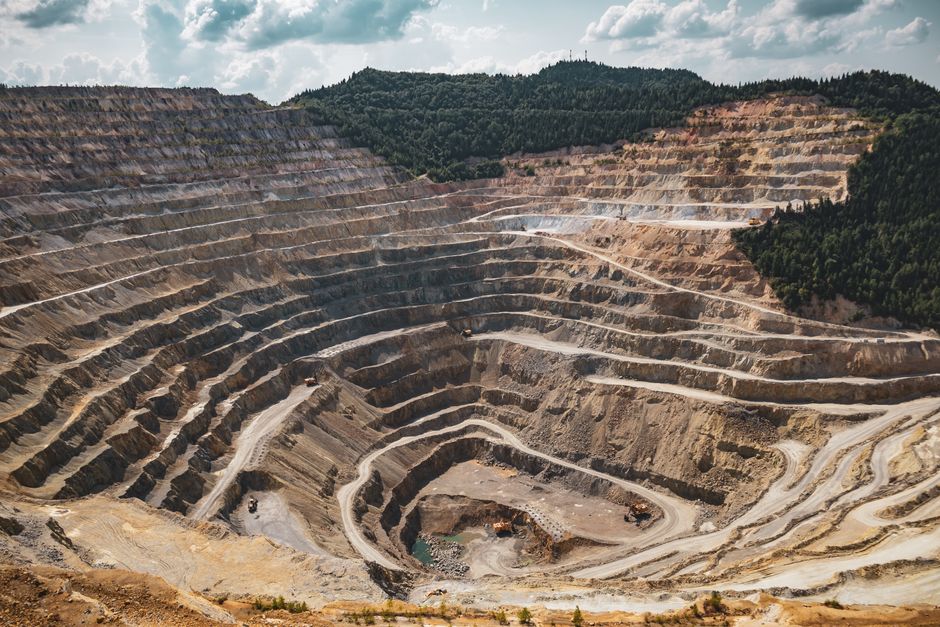
6. The Terraced Iron Mountain
Erzberg, Austria
This 'iron mountain' has been continuously mined for over 1,300 years, appearing like a giant stepped pyramid that has shaped the region's entire history.
In Styria, Austria (near Vienna, Eurovision 2015 host), the Erzberg is a colossal open-pit iron mine, resembling a terraced pyramid carved into the landscape. Its rich ore deposits have been extracted since at least the 8th century, making it a cornerstone of Austrian industry and history. Visitors can explore the active mine and even venture into its historic tunnels, witnessing the scale of human endeavor and geological wealth.
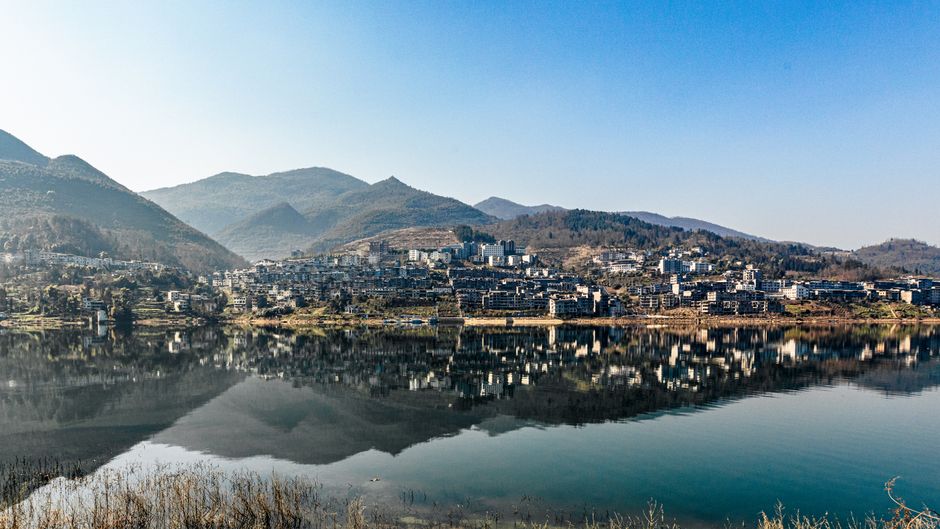
7. The Sun-Catching Town
Rjukan, Norway
This industrial town, nestled deep in a valley, famously solved its winter darkness problem by installing giant heliostat mirrors on the mountainside.
In the Telemark region of Norway (near Oslo, Eurovision 2010 host), Rjukan is a town built in a narrow valley, meaning it endured months without direct sunlight each winter. In a remarkable feat of engineering, large heliostat mirrors were installed on the surrounding mountains in 2013 to reflect sunlight into the town square. This ingenious solution brought warmth and light, transforming the community's winter experience and highlighting human ingenuity against natural challenges.
Frequently asked questions
How does Eurovision impact tourism in the host city?
Eurovision significantly boosts short-term tourism in the host city, attracting thousands of fans, delegations, and media. This leads to increased demand for accommodation, dining, and local services, injecting immediate revenue into the local economy and creating a vibrant, festive atmosphere.
Does Eurovision create long-term tourism interest in the host country?
While the immediate impact is concentrated, Eurovision often generates sustained international media exposure that can spark long-term tourism interest. The event showcases the host country's culture, sights, and hospitality to a global audience, potentially encouraging future visits from viewers who were captivated by the broadcast.
What types of travelers are most likely to visit a Eurovision host country?
Eurovision attracts a diverse range of travelers, from dedicated Song Contest fans and cultural enthusiasts to those seeking unique event experiences. Many are curious about European culture, music, and history, often looking to combine the contest with exploring the host country's broader offerings.
How can AllTours.ai enhance exploration of a Eurovision host country?
AllTours.ai transforms your phone into an AI audio tour guide, allowing you to simply point your camera at any landmark or landscape in a host country. The app then narrates its history, geology, and culture in your language, providing rich context and surprising stories for both well-known sites and the hidden gems discussed here, making your travel experience deeper and more personal.
Related guides
Photography via Pexels. AllTours.ai is an AI audio tour guide — point your camera at any landscape and hear its story.