
August 27, 2026 · 4 min read
Most travel guides focus on the flashy, the famous, the picture-perfect spots tailored for a fleeting visit. But what if you're looking beyond the vacation brochure? What if you want to understand the true rhythm of a place, how its people actually live, and what makes it genuinely 'good for real life'?
Judging a city for its livability rather than just its Instagrammability means digging deeper. It means seeking out the places where history is etched into daily routines, where geography dictates unique adaptations, and where culture thrives in unassuming corners. Forget the usual hotspots; these are the lesser-known locales around the world that truly reveal how communities adapt, survive, and celebrate their existence.
1. The Subterranean Homes of Opal Country
Coober Pedy, Australia
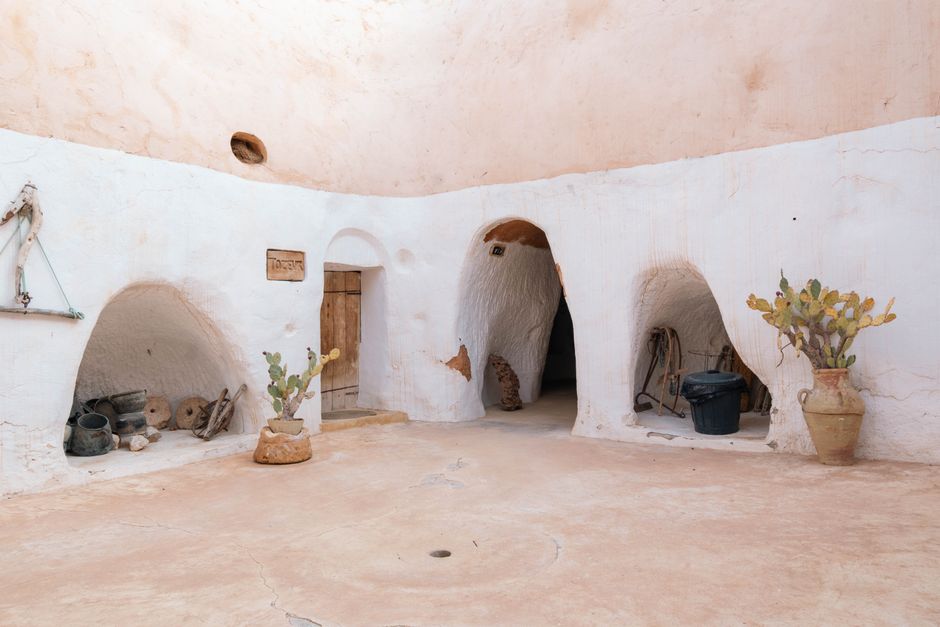
Many residents of this remote Australian town live entirely underground to escape the scorching desert heat.
Coober Pedy is the opal capital of the world, but its most striking feature is its 'dugouts'—homes, churches, and even hotels carved directly into the hillsides. This subterranean lifestyle isn't just a novelty; it's a practical adaptation to summer temperatures that can soar above 45°C (113°F). Exploring its unique underground architecture reveals a resilient community thriving in an extreme environment.
2. Houses Under the Rock
Setenil de las Bodegas, Spain
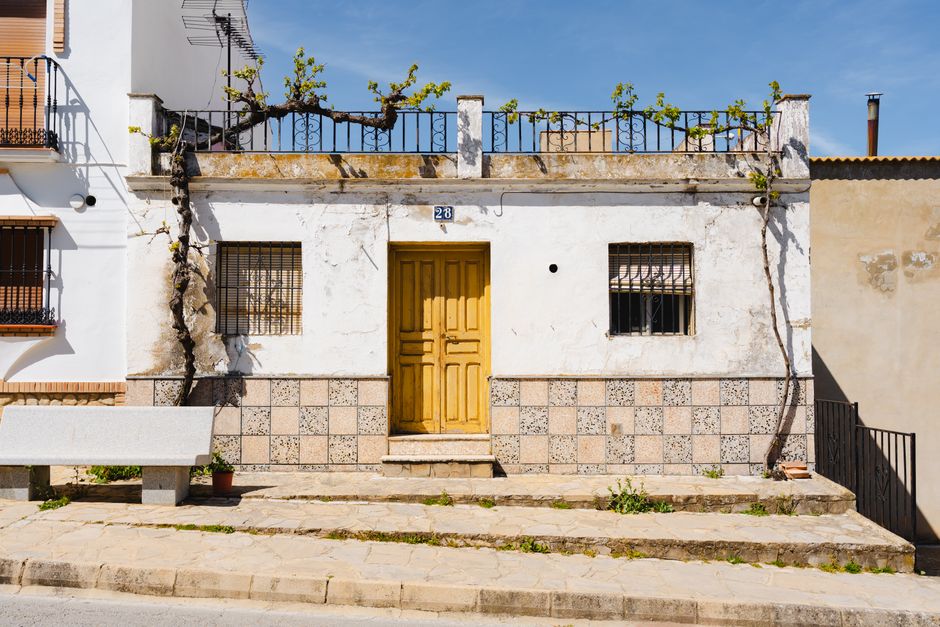
This Andalusian village features houses built directly into and beneath massive overhanging rock formations, making the cliff itself part of the architecture.
Unlike many cave towns where homes are dug *into* the rock, Setenil de las Bodegas integrates the natural rock as a roof or wall for its white-washed buildings. This unique construction style, known as 'shelter under rocks,' keeps homes remarkably cool in summer and warm in winter, a testament to centuries of ingenious adaptation to its dramatic gorge landscape. It's a place where the line between natural and man-made blurs.
3. The Ancient Cave City Rediscovered
Matera, Italy
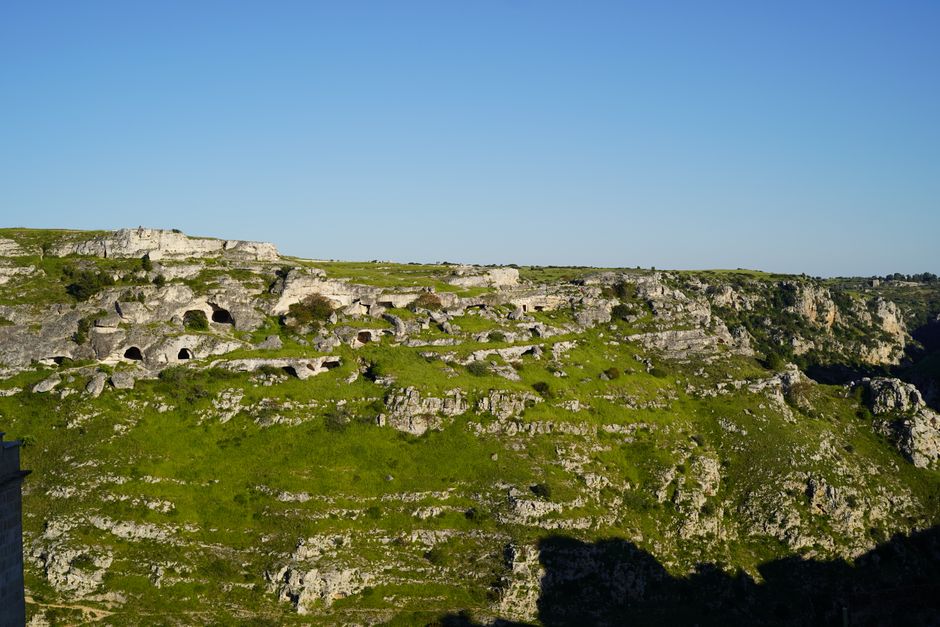
Matera is one of the world's oldest continuously inhabited settlements, where ancient cave dwellings known as 'Sassi' have been home to people for over 9,000 years.
The Sassi di Matera are a labyrinth of grottoes, churches, and homes carved directly into the limestone cliffs. Once a symbol of poverty, these ancient dwellings have been meticulously restored, transforming Matera into a UNESCO World Heritage site and a vibrant, living museum. Walking through its narrow, winding paths, you can literally touch layers of history, from prehistoric settlements to modern-day boutiques and restaurants nestled within the caves.

4. The Village Saved by Cats
Houtong Cat Village, Taiwan
This former coal mining village, once on the brink of abandonment, was spectacularly revitalized by its thriving population of friendly stray cats.
Houtong experienced a downturn after its mining industry faded, but a local cat lover's initiative to care for the strays slowly drew attention. today, hundreds of well-fed, socialized cats roam the streets, napping in sunbeams and interacting with visitors. The village has embraced its feline residents, with cat-themed decor, cafes, and walkways, transforming a forgotten industrial site into a unique, purr-fectly charming community hub.
5. Medieval Walls Over a Modern Sea
Monsaraz, Portugal
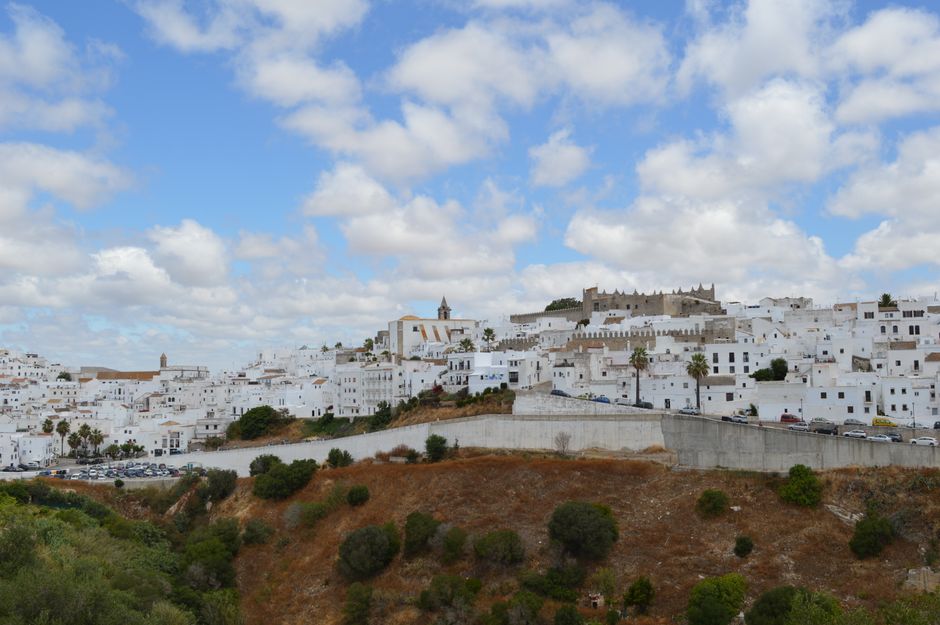
This impeccably preserved medieval walled village sits atop a hill, offering panoramic views over Europe's largest artificial lake, the Alqueva reservoir.
Monsaraz feels frozen in time, with its cobbled streets, whitewashed houses, and a castle that once guarded the border. The construction of the Alqueva dam in the early 2000s transformed the landscape dramatically, creating a vast inland sea that now laps at the foot of the village's ancient walls. This juxtaposition of timeless architecture and a modern, man-made watery expanse offers a unique perspective on history and human impact on nature.
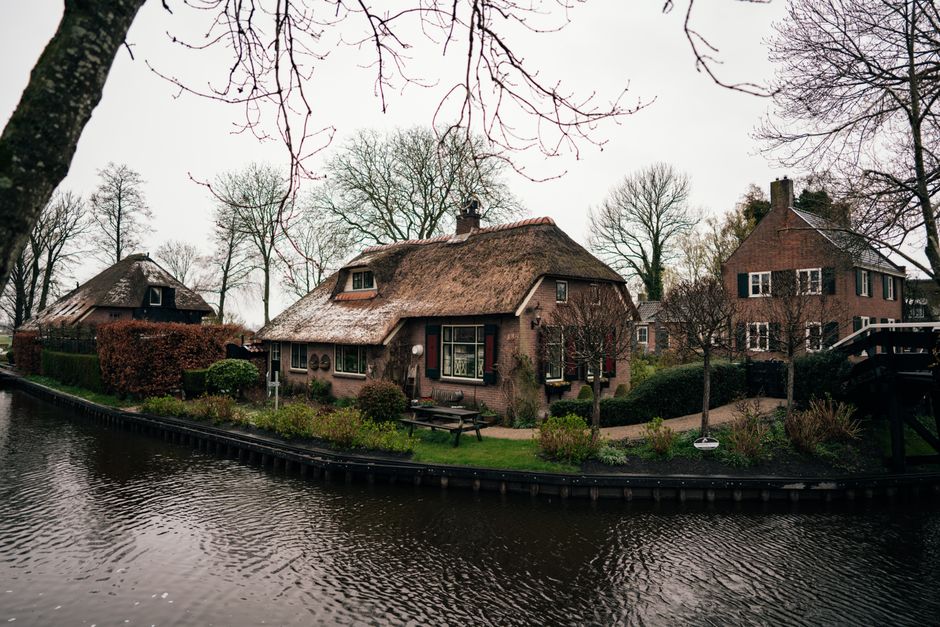
6. The Roadless Water Village
Giethoorn, Netherlands
Often called the 'Venice of the North,' this Dutch village has no roads; its residents travel exclusively by boat along a network of charming canals.
Giethoorn's unique infrastructure evolved from peat excavation, which created numerous lakes and ponds, requiring houses to be built on small, interconnected islands. Transportation is primarily by 'whisper boats' (electric sloops) or traditional punt boats, gliding under picturesque wooden bridges. Daily life here revolves around the water, offering a serene, car-free existence where the loudest sound you'll hear is the quacking of ducks.
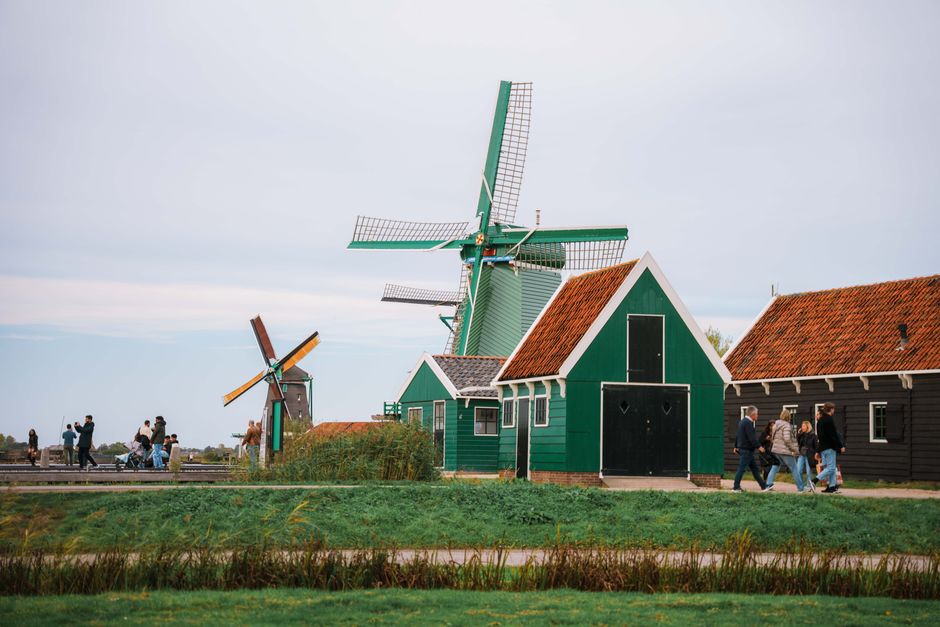
7. A Living Windmill Museum
Zaanse Schans, Netherlands
More than just a museum, Zaanse Schans is a living, working neighborhood where traditional Dutch crafts and industries, like cheesemaking and clog production, continue daily.
While it attracts tourists, Zaanse Schans is genuinely inhabited by people who live and work in its historic wooden houses and windmills. It's a carefully preserved slice of 18th and 19th-century Dutch life, showcasing iconic windmills, traditional craft workshops, and green wooden houses, all active and functional. This offers a unique chance to observe authentic Dutch heritage not as a static display, but as a vibrant part of a community's daily rhythm.

8. Wild Coast of Seal Pups and Arches
Wharariki Beach, New Zealand
This remote, wild beach on New Zealand's South Island is famous for its dramatic sea stacks and a nursery for fur seal pups, often only accessible during low tide.
Reaching Wharariki Beach requires a walk across farmland and through sand dunes, adding to its sense of discovery and untouched beauty. Its iconic Archway Islands are constantly shaped by the powerful Tasman Sea, creating a dynamic, untamed coastline. Observing the playful fur seal pups in the tidal pools, especially at dawn or dusk, offers a glimpse into a truly wild ecosystem, reminding visitors of nature's raw, unfiltered existence.
Frequently asked questions
What makes a city good for long-term living?
Beyond tourist attractions, good long-term cities offer strong community ties, accessible local services, a unique cultural identity, and infrastructure that supports daily life—whether that's efficient public transport or innovative housing solutions. It's about how residents thrive, not just how visitors sightsee.
How can I discover a city's true character?
To see a city's true character, venture beyond the main squares and popular museums. Visit local markets, observe daily commutes, explore residential neighborhoods, and try local eateries. Look for places where daily routines unfold, and where the community's history and geology have shaped its present.
Are smaller, lesser-known towns better for 'real life' experiences?
Often, yes. Smaller towns and lesser-known areas frequently offer a more concentrated sense of local identity, closer community interactions, and unique adaptations to their environment that are less diluted by mass tourism. They provide a deeper insight into how people genuinely live, work, and interact with their surroundings.
How can AllTours.ai help me explore these unique places?
AllTours.ai helps you uncover the authentic stories of any place. Simply point your phone camera at a landmark, a unique building, or a natural feature, and the app uses AI to narrate its specific history, geology, and culture in your language. It’s like having a local expert reveal the true character of even the most obscure locations, making every discovery richer.
Related guides
Self-guided audio tours
Walk these places stop by stop — free five-stop story tours you can take at your own pace:
Photography via Pexels. AllTours.ai is an AI audio tour guide — point your camera at any landscape and hear its story.