June 21, 2026 · 4 min read
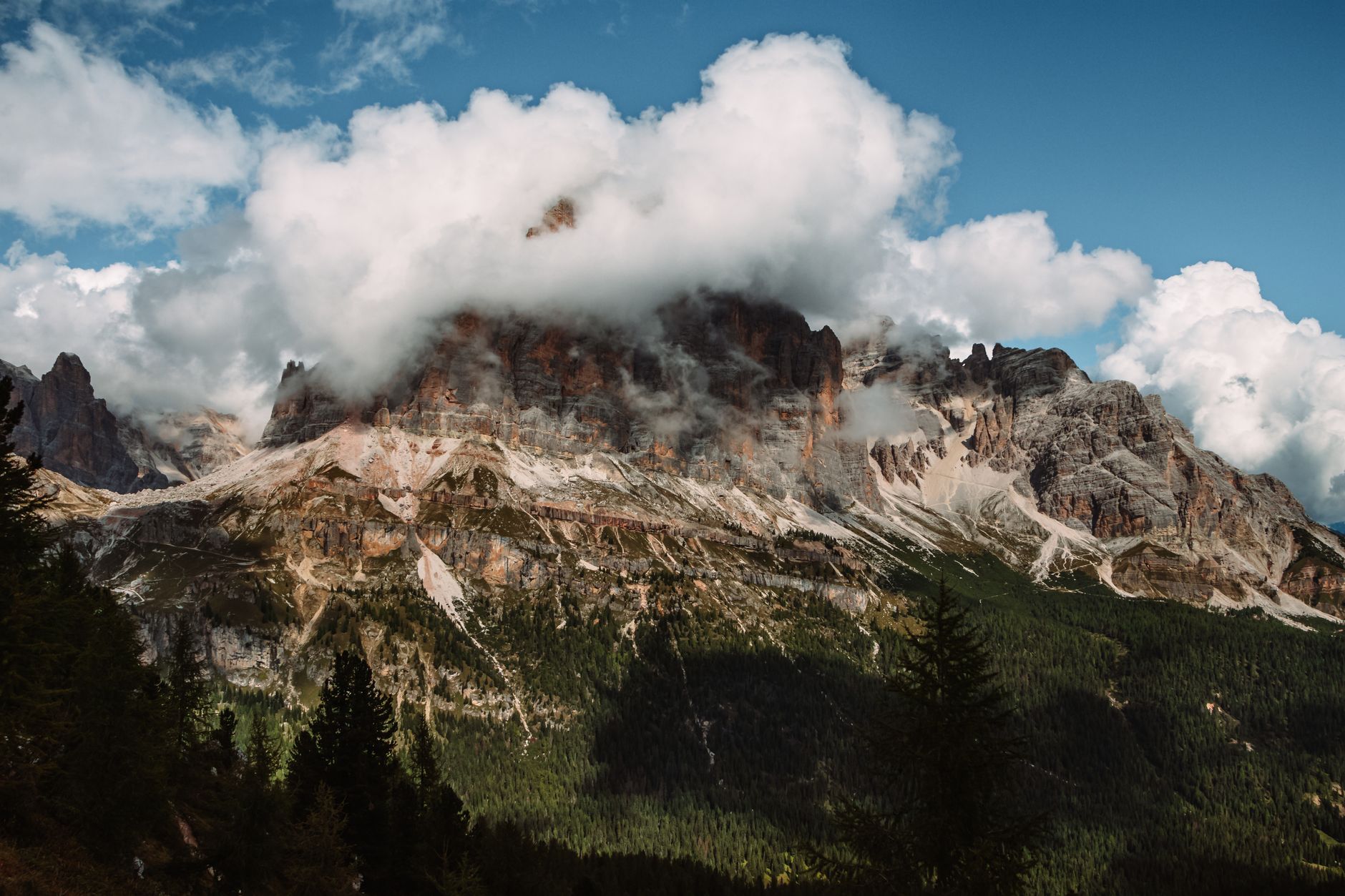
The Dolomites, a UNESCO World Heritage site, offer some of the most dramatic landscapes on Earth. While their sheer rock faces and towering spires might seem intimidating, many trails are perfect for beginners, offering breathtaking views without requiring extensive experience. Beyond their stunning beauty, these mountains hold layers of fascinating history, unique geology, and captivating cultural tales waiting to be discovered.
This listicle highlights accessible summer walks in the Dolomites where the path itself is only half the story. Each route offers a chance to connect with the landscape's past, whether it's uncovering ancient marine life frozen in stone, exploring WWI battlefields, or hearing whispers of local legends. Get ready to explore the Dolomites, one remarkable story at a time.
1. The Peaks of an Ancient Sea
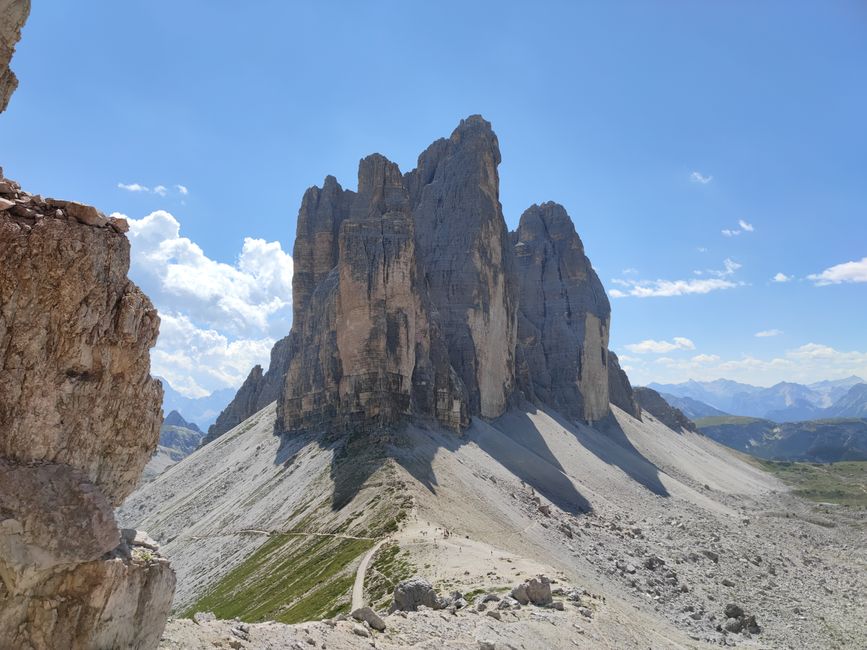
Tre Cime di Lavaredo loop, Italy
These iconic, three-pronged peaks were once at the bottom of a tropical sea, teeming with marine life millions of years ago.
The distinctive Tre Cime di Lavaredo are primarily composed of Dolomia Principale, a rock type formed from ancient marine sediments. Fossils of mollusks and algae can be found within them, remnants of a vast Triassic sea that covered this region over 200 million years ago. Their dramatic verticality is due to subsequent tectonic uplift and glacial erosion, carving softer rock away from harder, more resistant layers.
2. The Lake of Legends
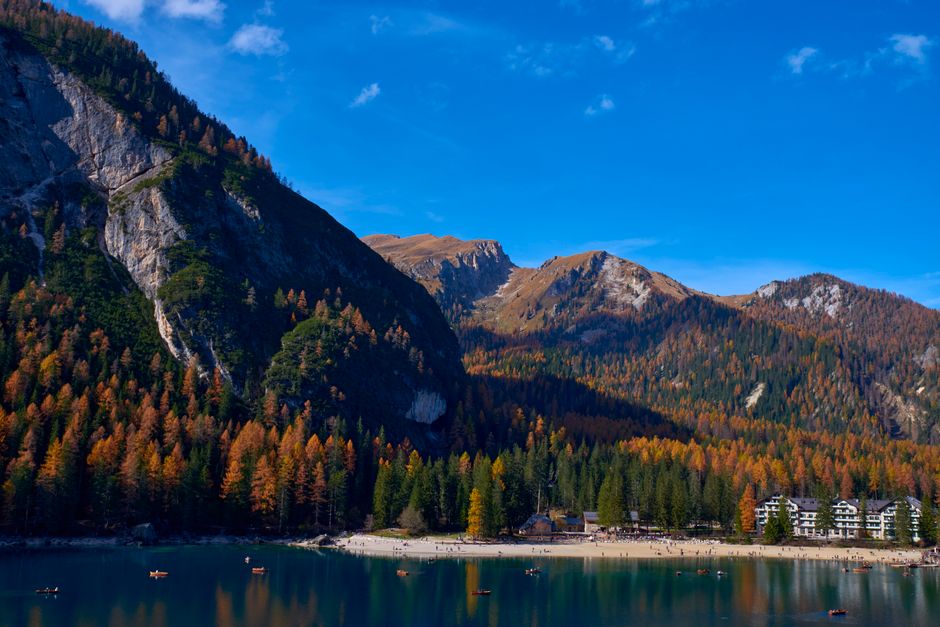
Lago di Braies' shoreline path, Italy
A wooden boathouse at its edge hides a surprising tale of an ancient kingdom and a legendary princess, woven into local folklore.
Local folklore tells of a gate to an underground kingdom, Fanes, hidden within Lago di Braies. This realm, ruled by a powerful queen, was supposedly accessed by a secret passage. The lake itself is a natural landslide lake, formed when a massive rockfall from the Sasso del Signore blocked the valley, creating its deep basin and emerald waters that perfectly reflect the surrounding peaks.
3. Dragon's Back Geology
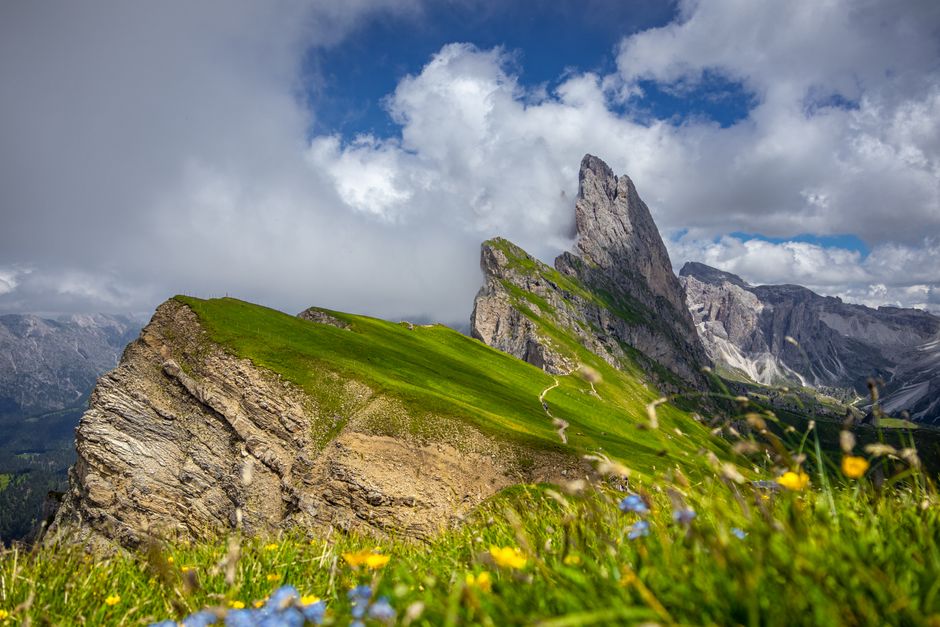
Seceda's ridgeline meadows, Italy
The jagged, 'dragon's back' peaks of Seceda are a geological textbook, revealing millions of years of Earth's violent history.
Seceda's distinctive razor-sharp ridges are a striking example of 'flysch' geology, where softer rock layers, like shale, have been eroded away, leaving behind more resistant layers of dolomite. This area was once an ancient seabed, and the tilted strata visible in the peaks record the immense pressures of the African and Eurasian plates colliding, pushing the seafloor skyward into these dramatic, petrified waves.
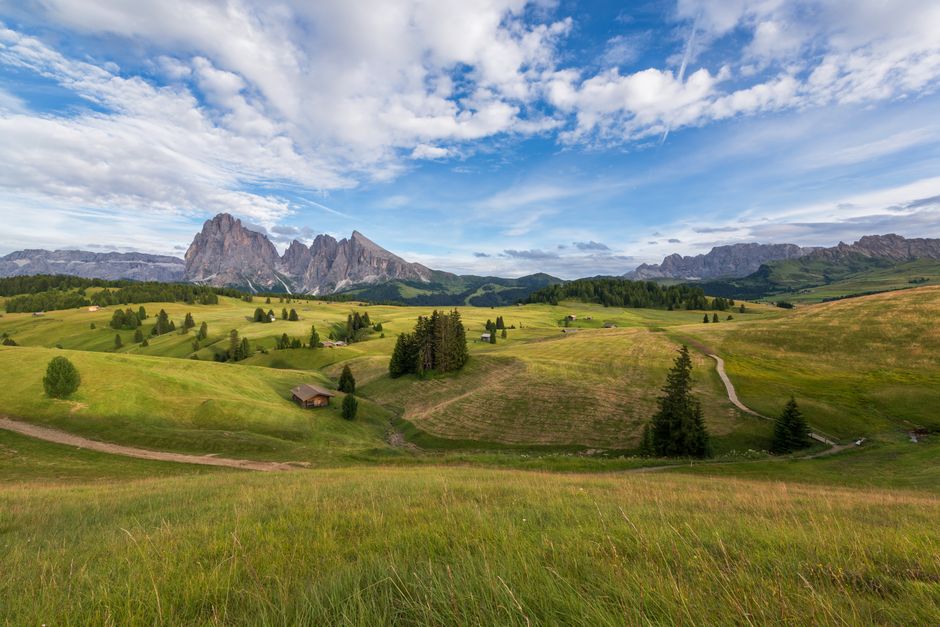
4. Witches' Plateau
Alpe di Siusi's high pastures, Italy
Europe's largest high-alpine meadow was once a suspected gathering place for witches and mythical creatures, adding a mysterious layer to its beauty.
For centuries, the vast, rolling meadows of Alpe di Siusi, particularly around the Witches' Benches (Hexenbänke), were believed to be a meeting point for witches. Local legends tell of their nocturnal gatherings and rituals performed here, fueled by the mysterious mists that often blanket the plateau. This rich folklore adds an enchantment to the landscape, contrasting with its modern-day role as a vital grazing land.
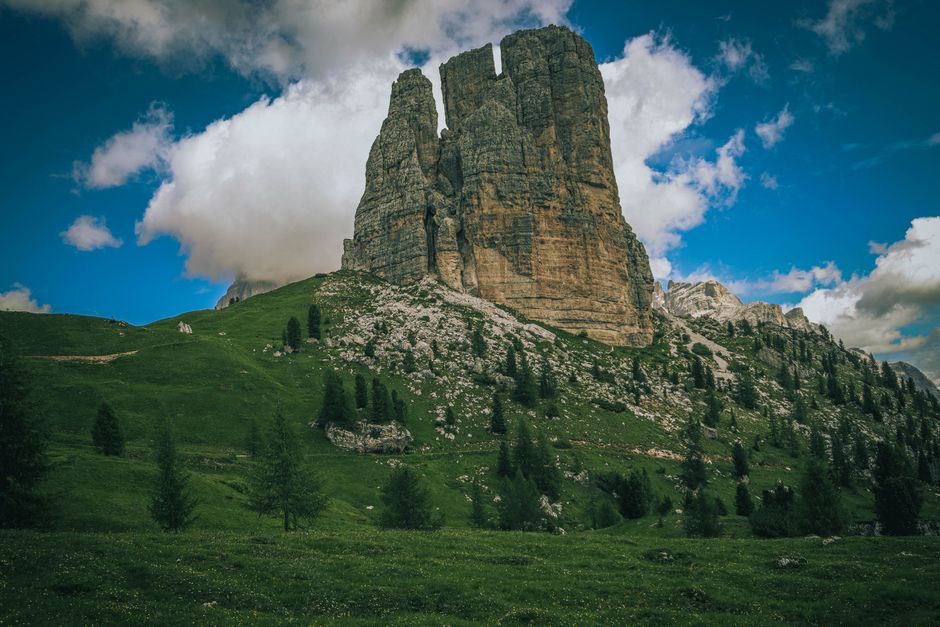
5. Open-Air War Museum
Cinque Torri's open-air WWI front-line museum, Italy
Walk through trenches and bunkers meticulously preserved from a brutal mountain war fought over 100 years ago, offering a tangible connection to history.
The Cinque Torri area was a crucial strategic point during World War I, forming part of the Italian-Austro-Hungarian front line. Today, an open-air museum allows visitors to explore reconstructed trenches, tunnels, and command posts, offering a somber, tangible connection to the soldiers who endured extreme conditions fighting for control of these peaks. The sheer scale of the fortifications carved into the rock is astounding.
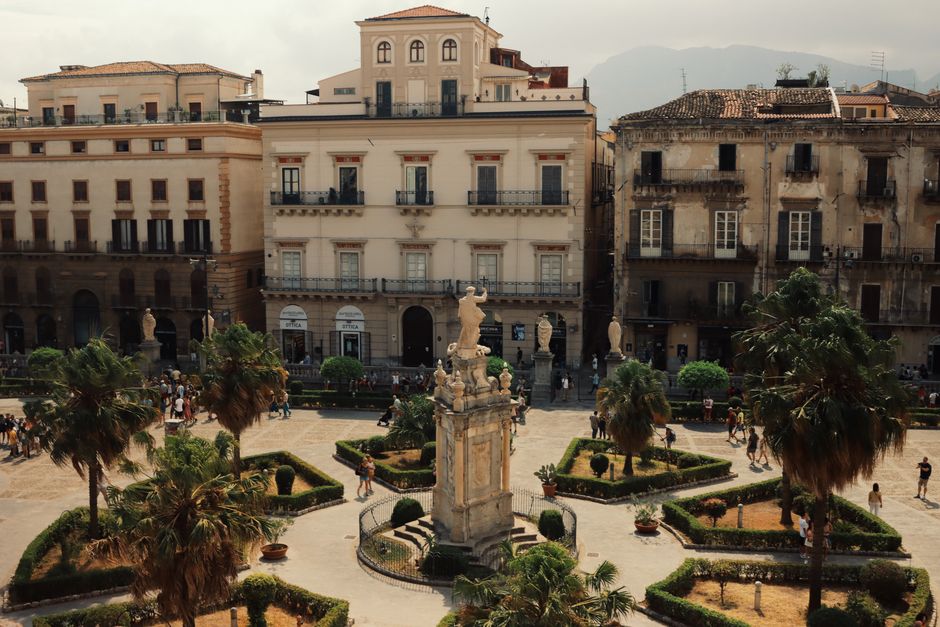
6. The High Plateau Outpost
Prato Piazza (Plätzwiese), Italy
This serene high-alpine plateau, now a haven for hikers, was a critical strategic outpost during World War I despite its peaceful appearance today.
Prato Piazza, a vast and relatively flat meadow at 2,000 meters, served as a vital supply route and observation point for the Austro-Hungarian forces during WWI. Remains of old fortifications and bunkers can still be found scattered across the surrounding slopes, silent witnesses to the fierce battles fought here. The contrast between the current tranquility and its wartime past is profound, offering a unique historical perspective.
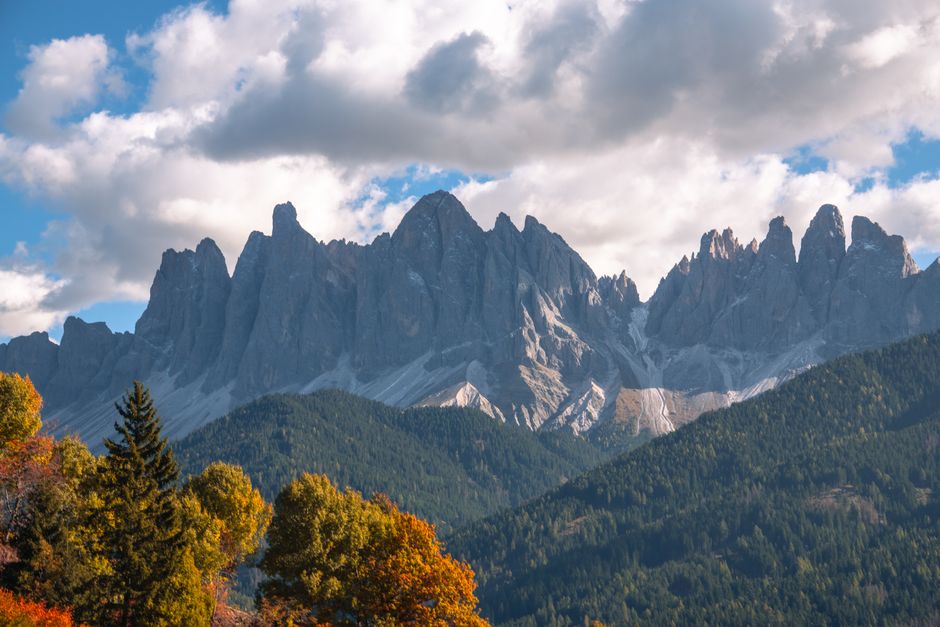
7. Petrified Coral Reefs
Val di Funes (Adolf Munkel Trail), Italy
The iconic jagged peaks of the Geisler Group here reveal a geological story of ancient coral reefs tilted skyward by immense tectonic forces.
The Geisler/Odle peaks, particularly prominent from the Adolf Munkel Trail, are composed of 'Schlern Dolomite,' a type of rock formed from ancient coral reefs and marine organisms. Over millions of years, tectonic forces uplifted these prehistoric seabeds, tilting and exposing the distinct layers that create their dramatic, saw-toothed profiles, resembling petrified waves frozen in time, a testament to Earth's dynamic past.
Frequently asked questions
When is the best time for beginner hiking in the Dolomites?
The ideal time for beginner hiking in the Dolomites is during the summer months, from late May to early October. During this period, most trails are free of snow, mountain huts are open, and the weather is generally pleasant. Always check local conditions before heading out.
What essential gear do I need for easy Dolomites trails?
For beginner trails, sturdy hiking shoes with good grip are essential. We also recommend layering clothing, carrying enough water, sun protection (hat, sunglasses, sunscreen), and a light rain jacket. A small backpack for snacks and essentials is also useful.
Are the hiking trails in the Dolomites well-marked for beginners?
Generally, yes. The Dolomites have an excellent network of well-marked trails, often indicated by numbered routes, colored signs, or specific trail names. It's always a good idea to carry a map or use a reliable navigation app alongside the physical markers.
How can AllTours.ai enhance my Dolomites hiking experience?
AllTours.ai transforms your hike into an immersive journey. Simply point your phone camera at any landmark, mountain, or historical site, and the app instantly narrates its fascinating history, unique geology, and local cultural significance in your preferred language. It's like having a personal expert guide revealing the stories hidden in every view.
Related guides
Photography via Pexels. AllTours.ai is an AI audio tour guide — point your camera at any landscape and hear its story.