September 27, 2026 · 4 min read
Roman pizza isn't just food; it's a conversation with history, a crispy, thin-crusted echo of ancient grain fields and bustling trattorias. While Neapolitan pizza often steals the global spotlight, Rome offers its own distinct, equally revered styles, from the paper-thin scrocchiarella to the thicker, airy pinsa romana.
To truly eat like a Roman, you need to step beyond the obvious tourist traps. We've uncovered the pizzerias where local families gather, where traditions are upheld, and where every bite comes with a genuine story – whether it’s about ancient Roman trade routes or a family’s centuries-old baking legacy.
1. Da Remo a Testaccio: The Amphora's Echo
Rome, Italy
The Testaccio district itself sits atop Monte Testaccio, an artificial hill formed by millions of ancient Roman amphorae shards.
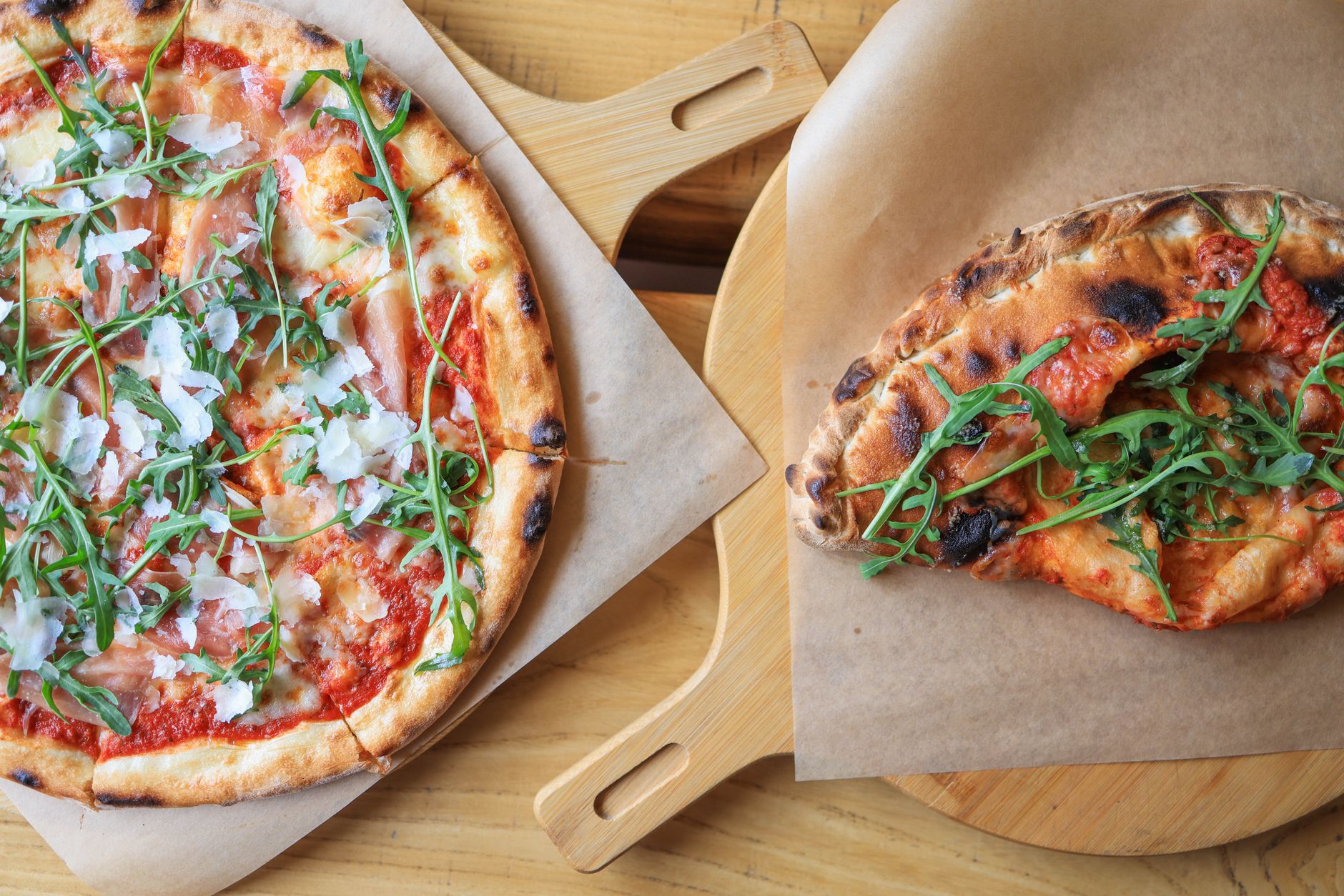
At Da Remo, the pizza is as Roman as its setting. This no-frills institution in Testaccio serves up classic Roman-style pizza: thin, crispy, and baked in a wood-fired oven. The district's unique foundation, a testament to ancient Rome’s vast olive oil and wine trade, imbues every slice with a sense of deep history that locals cherish.
2. Pizzeria Ai Marmi: The Morgue's Lively Crust
Rome, Italy
Affectionately nicknamed "L'Obitorio" (The Morgue) by locals due to its long marble tables and rapid, efficient service.
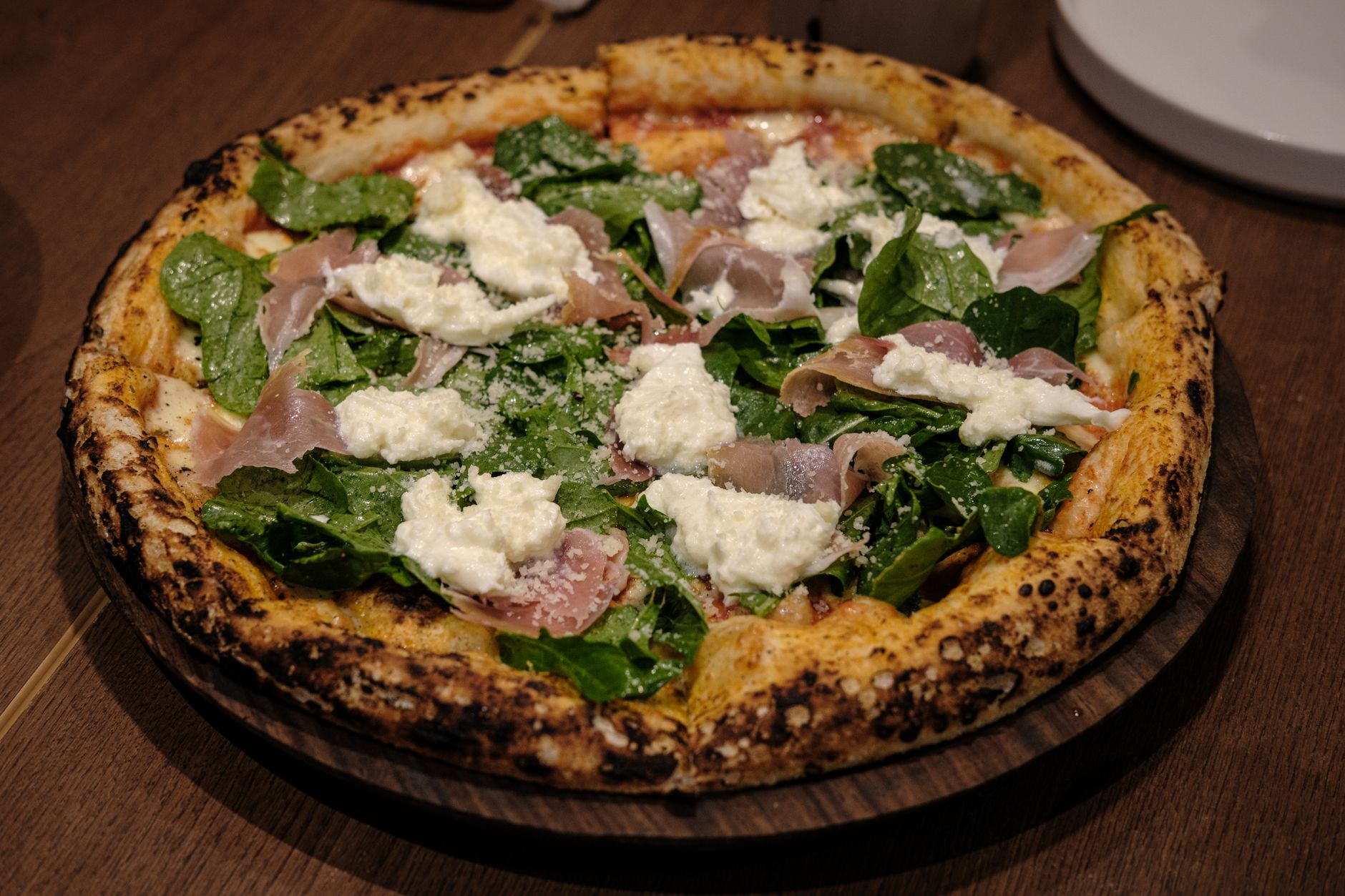
Don't let the morbid nickname deter you; Ai Marmi in Trastevere is a vibrant, authentic Roman experience. Here, you'll find classic, ultra-thin Roman pizza emerging from the wood oven almost as fast as you can order it. The continuous flow of perfectly blistered pizzas and the lively, unpretentious atmosphere make it a beloved spot for those seeking a true taste of Roman tradition.
3. La Pratolina: Rediscovering Ancient Roman Flatbread
Rome, Italy
Specializes in pinsa romana, a lighter, crispier ancient Roman flatbread made with a unique blend of flours, predating modern Neapolitan pizza.
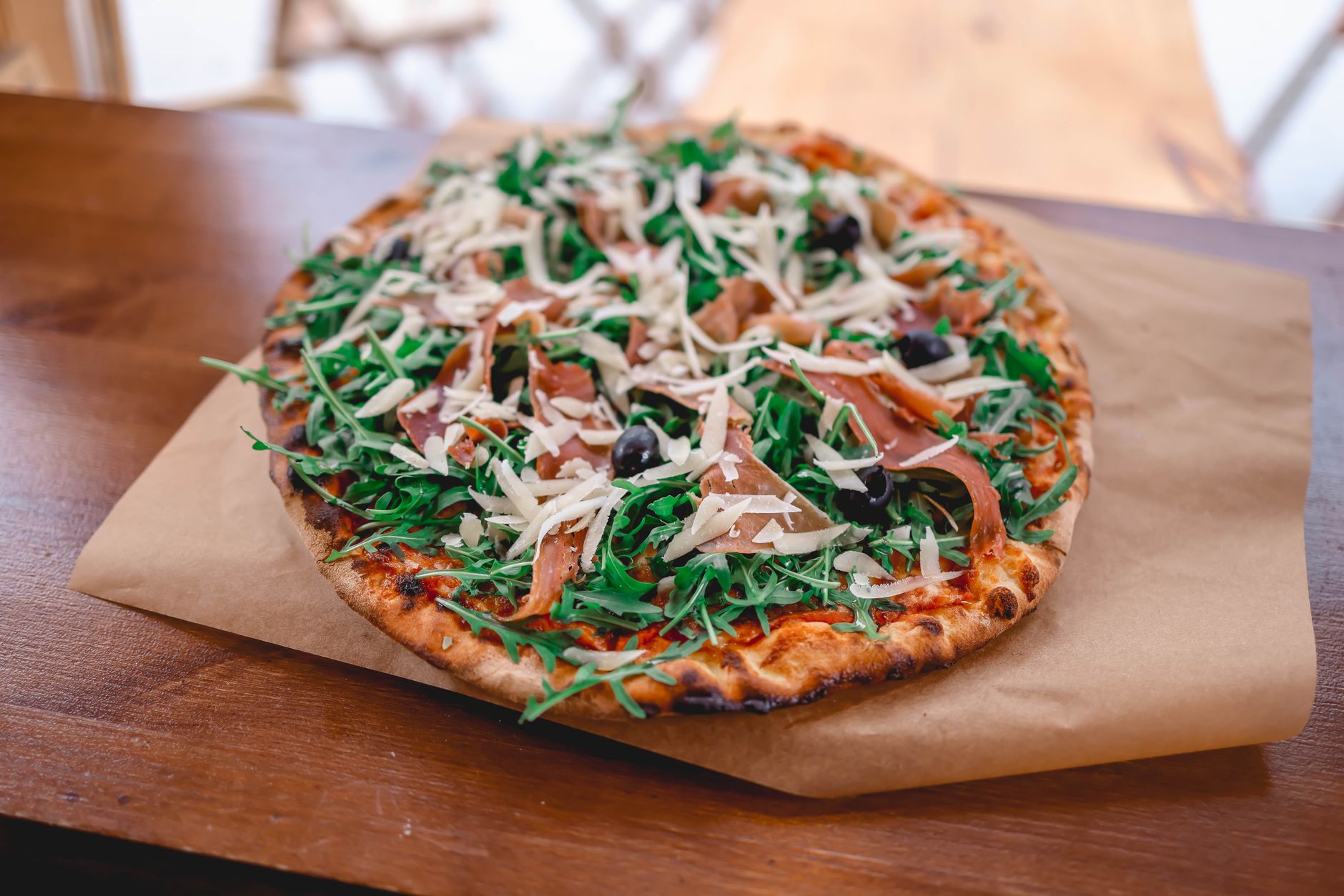
La Pratolina offers a journey back in time with its focus on pinsa romana. This elliptical, highly digestible flatbread uses a mix of wheat, soy, and rice flours, along with a long fermentation period, resulting in a distinct texture and flavor. Its origins trace back to ancient Rome, where similar flatbreads were offered to the gods, making each bite a piece of culinary archaeology.
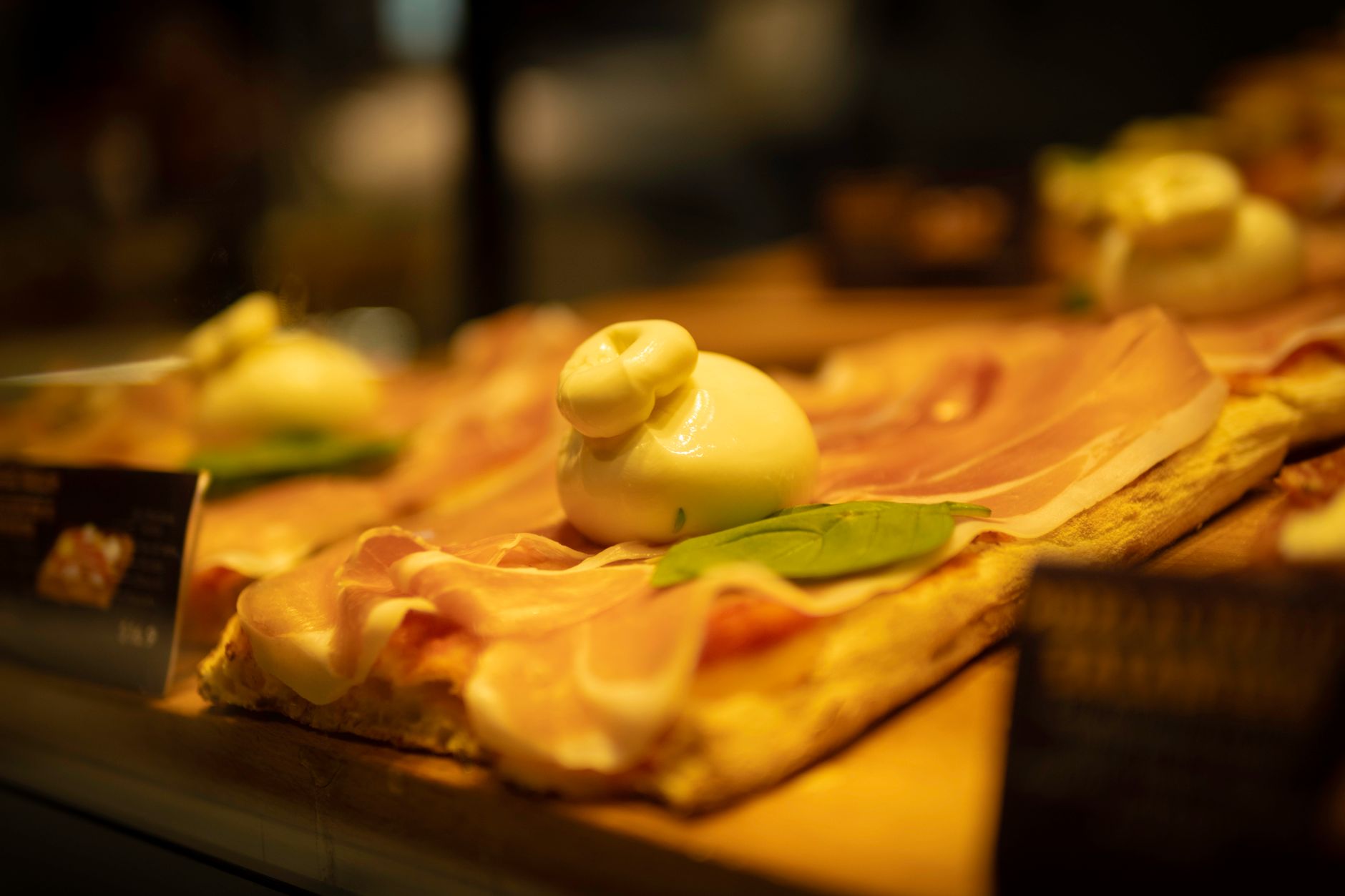
4. Antico Forno Roscioli: Generations of Roman Dough
Rome, Italy
A historic family bakery operating since 1820, embodying Rome's daily bread and pizza traditions through centuries.
Nestled near Campo de' Fiori, Antico Forno Roscioli is more than just a bakery; it's a Roman institution. For over two centuries, the Roscioli family has perfected the art of baking, and their pizza al taglio (pizza by the slice) reflects this profound heritage. With a perfectly crisp base and fresh, seasonal toppings, it represents the enduring legacy of Roman bakers who fed the city for generations.
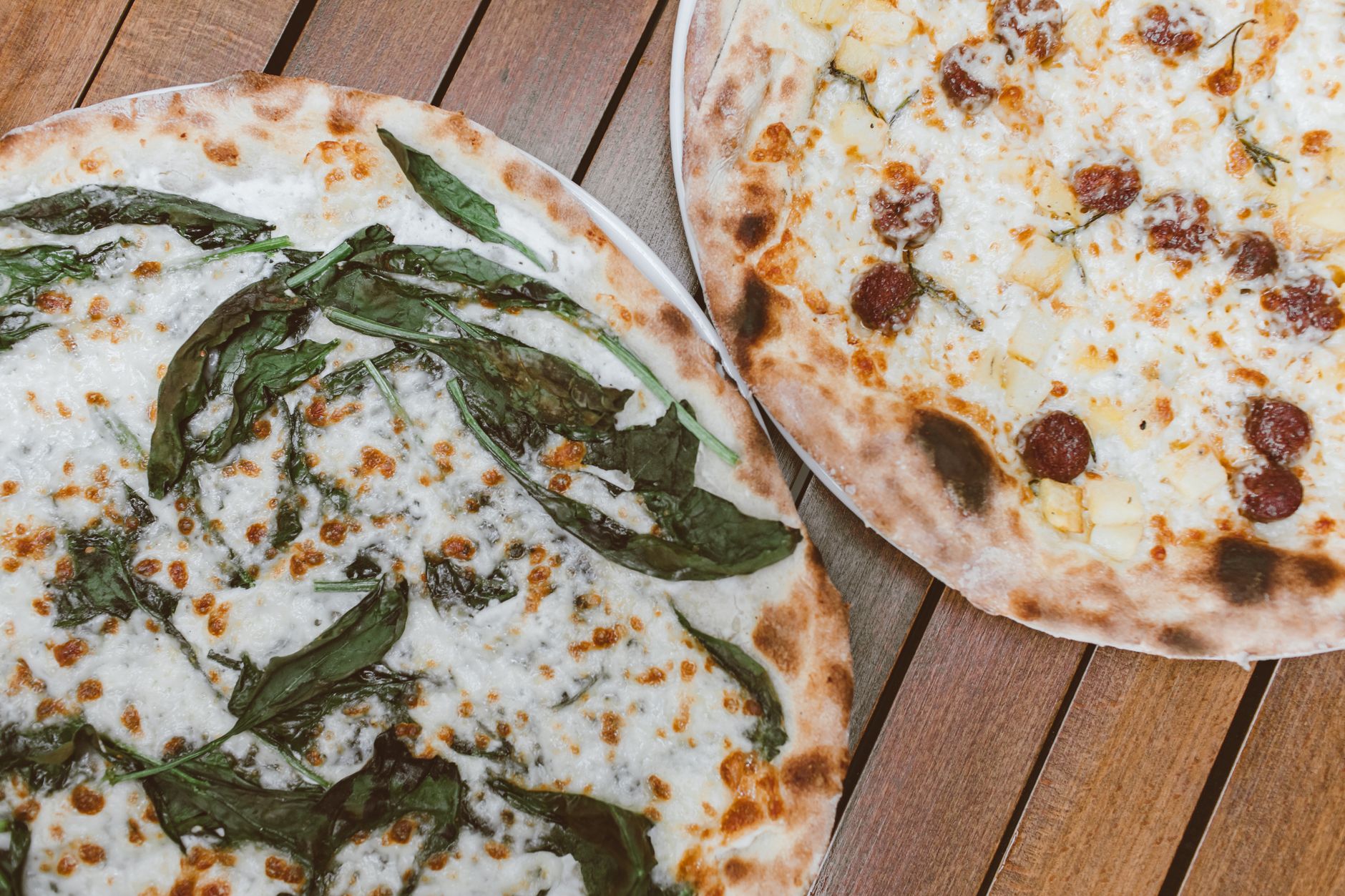
5. Sforno: The Canotto Revolution
Rome, Italy
One of the pioneers in Rome to champion the "canotto" (raft) crust, a modern Neapolitan innovation, elevating Roman pizza culture.
While Sforno brings Neapolitan influences to Rome, it does so with a groundbreaking spirit. Chef Stefano Callegari was instrumental in popularizing the "canotto" style crust in the city – a soft, airy, and dramatically puffed-up edge that contrasts beautifully with a thin, flavorful base. This pizzeria represents the dynamic evolution of pizza in Rome, embracing new traditions while honoring the craft.
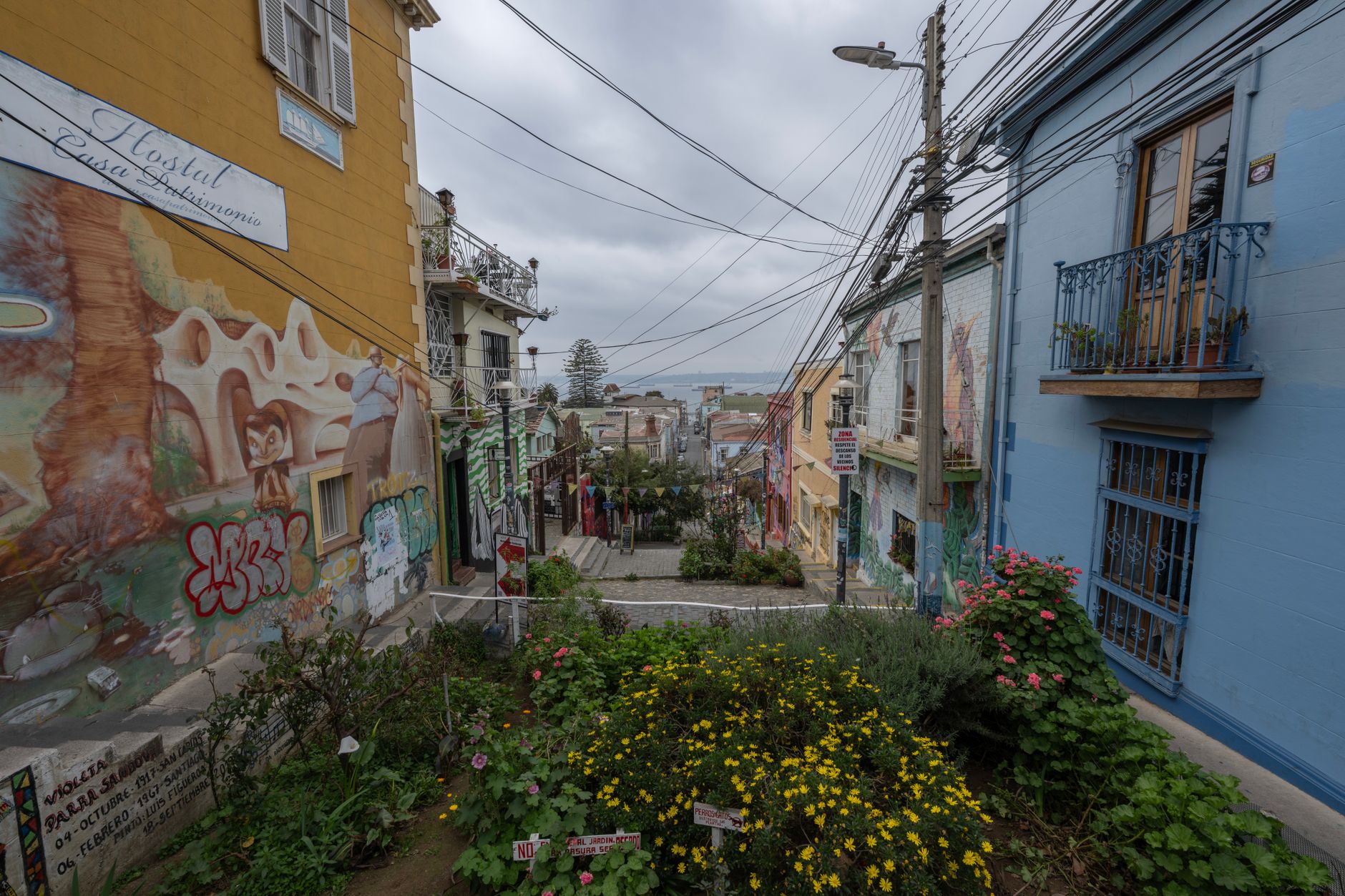
6. Pizzeria Ostiense: Industrial Art Meets Roman Slice
Rome, Italy
Located in Ostiense, a district known for its stunning industrial archaeology and vibrant street art, showing Rome's layered history.
Pizzeria Ostiense offers a taste of Rome's contemporary edge. Situated amidst former gasometers and large-scale murals that define the neighborhood's unique aesthetic, this pizzeria serves excellent traditional Roman pizzas. It’s a perfect reflection of Ostiense itself: a blend of historic industrial architecture, modern creativity, and enduring Roman flavors, making for a truly unique dining experience.
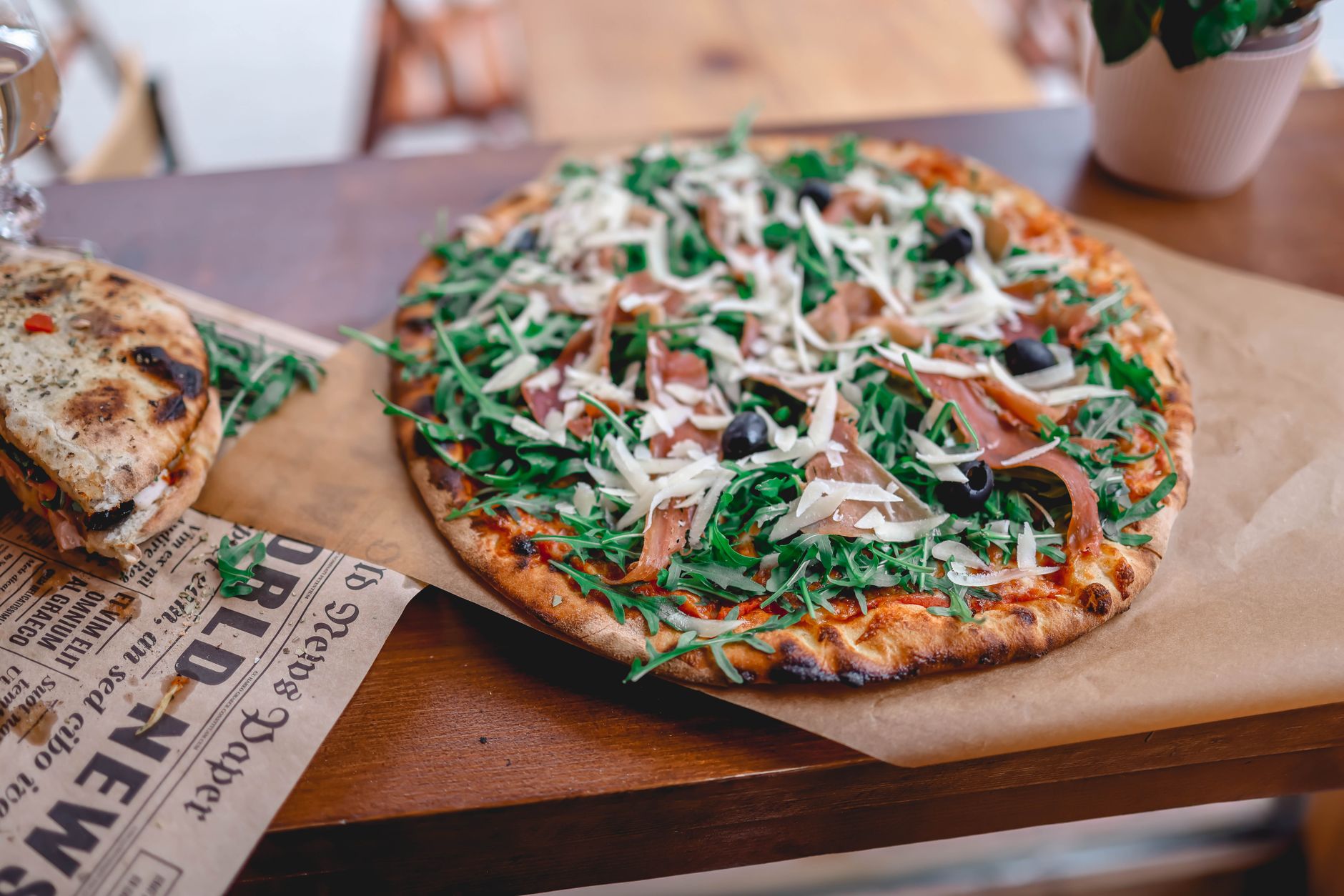
7. Pizzeria Emma: From Farm to Roman Fork
Rome, Italy
Sources ingredients directly from Lazio farms, connecting diners to the region's rich agricultural heritage.
Pizzeria Emma, though centrally located, stands out for its unwavering commitment to quality. Their philosophy is simple: exceptional pizza begins with exceptional ingredients. They meticulously select produce, cured meats, and cheeses from specific, trusted farms across the Lazio region, ensuring every topping tells a story of local terroir and sustainable farming. It's a culinary tribute to Rome's fertile surroundings.
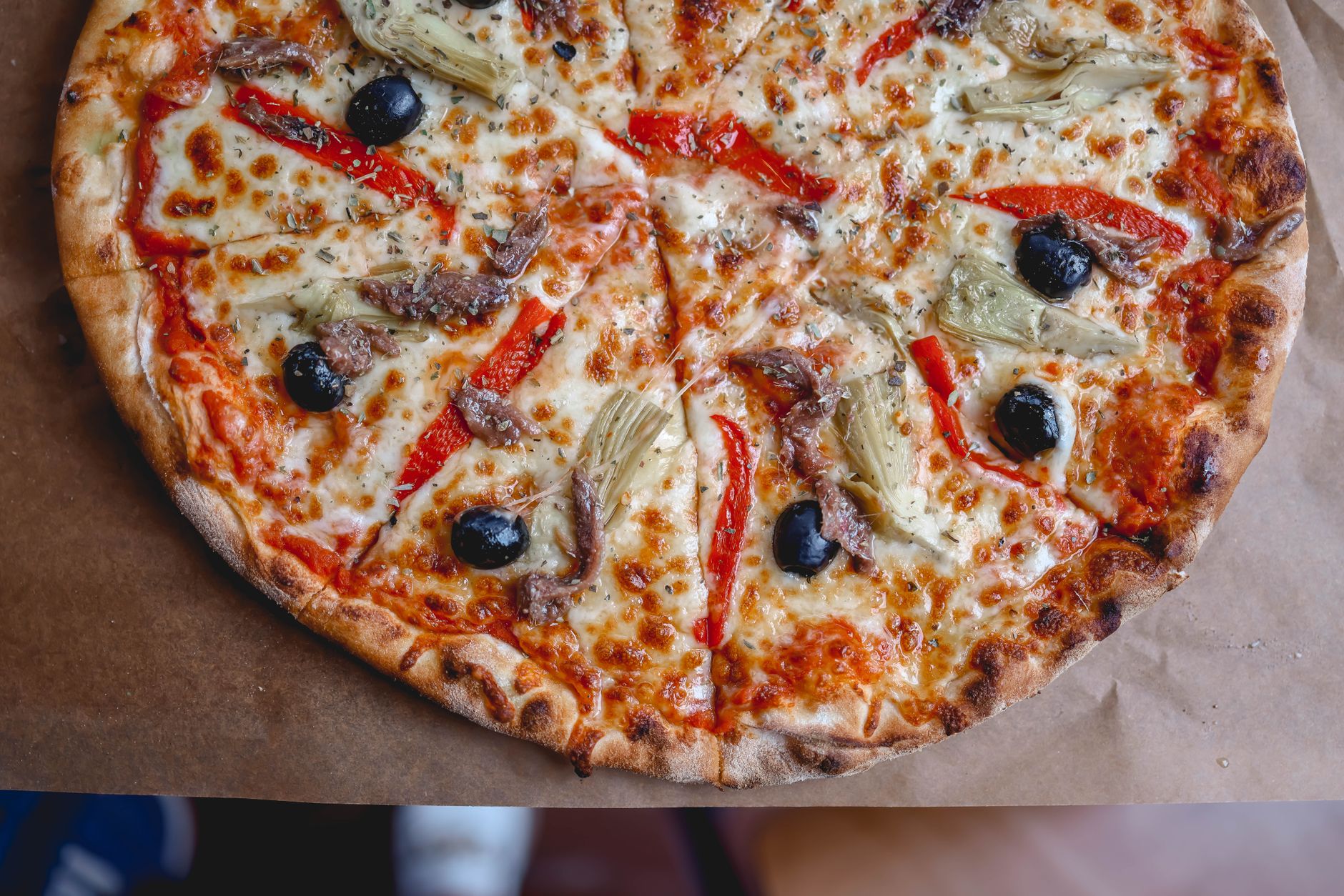
8. Pizzeria L'Archetto: Pantheon's Hidden Gem
Rome, Italy
Tucked away near the Pantheon, it retains a classic, no-frills charm often missed by tourists, a true neighborhood staple for generations.
In the shadow of the Pantheon, Pizzeria L'Archetto offers an escape from the bustling crowds into a truly local Roman experience. This unpretentious spot has been serving consistently good, traditional Roman pizza for decades, cherished by residents for its authentic flavors and welcoming atmosphere. It’s a reminder that Rome's best culinary treasures are often found in the unassuming places locals frequent.
Frequently asked questions
What's the main difference between Roman and Neapolitan pizza?
Roman pizza, particularly the classic pizza romana, is known for its thin, crispy crust, often described as scrocchiarella (crunchy). Neapolitan pizza, on the other hand, features a softer, chewier, and often thicker crust with a distinct puffed-up edge called the cornicione or canotto.
When do locals typically eat pizza in Rome?
While you can find pizza at various times, dinner is the most traditional time for a sit-down pizza meal in Rome. Many pizzerias only open for dinner. Pizza al taglio (by the slice) is a popular option for lunch or a quick snack throughout the day.
What is pizza al taglio and how is it served?
Pizza al taglio literally means "pizza by the cut." It's a rectangular pizza baked in large trays, often with a variety of toppings. You choose your desired size, and it's cut to order, then weighed and priced accordingly. It's a common, quick, and delicious street food option.
How can AllTours.ai help me discover more about Rome's history and culture?
AllTours.ai transforms your phone into an AI audio tour guide. Simply point your camera at any landmark, landscape, or even a local market, and the app narrates its rich history, geological formation, and cultural significance in your preferred language. It's like having a knowledgeable local expert whispering stories directly into your ear, uncovering details you might otherwise miss.
Related guides
Photography via Pexels. AllTours.ai is an AI audio tour guide — point your camera at any landscape and hear its story.