November 9, 2026 · 4 min read
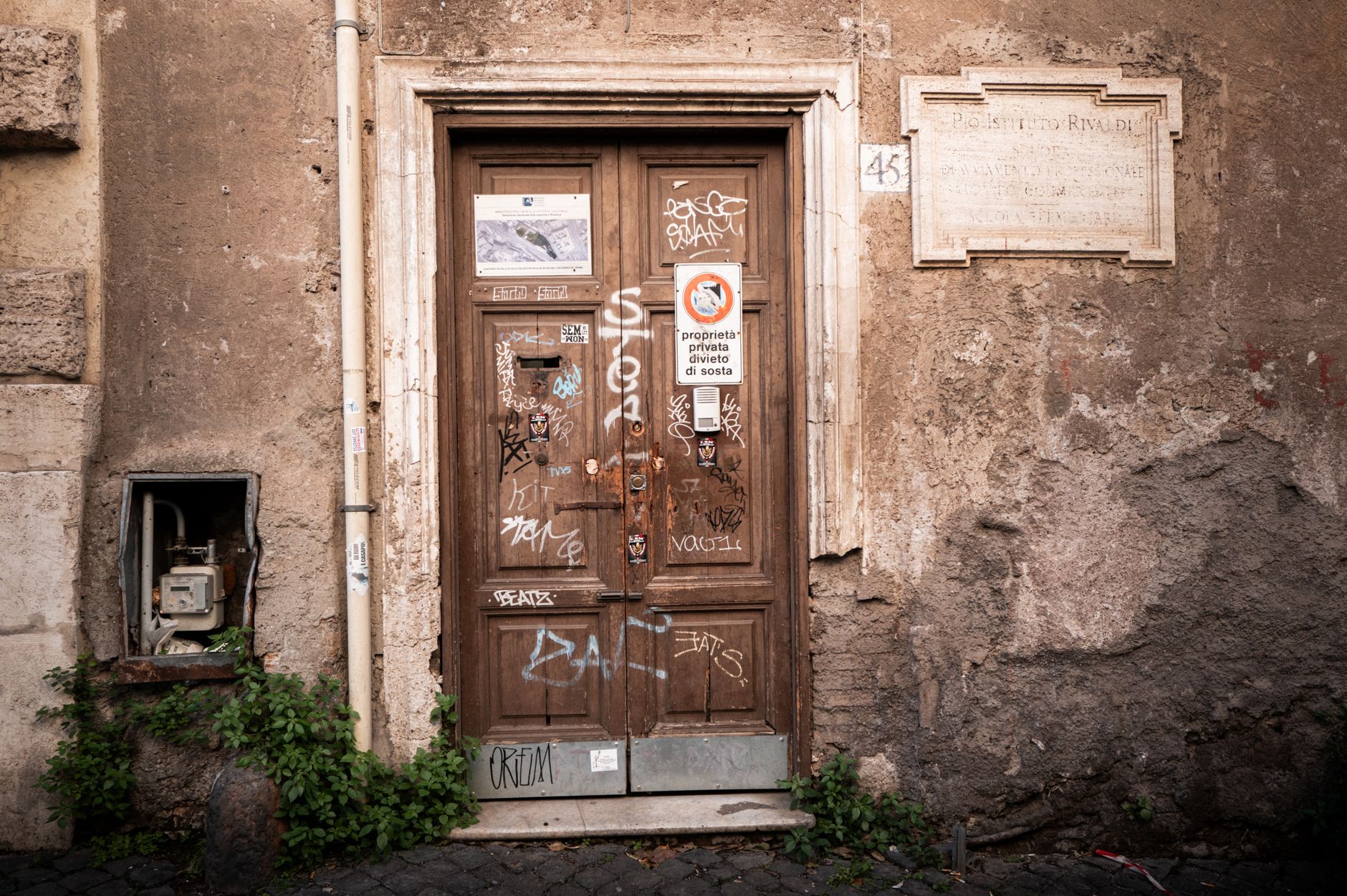
Rome, a city synonymous with ancient wonders and Renaissance masterpieces, often hides its modern, rebellious heart beneath layers of history. Yet, venture beyond the Colosseum and Vatican, and you'll find a dynamic urban landscape where vibrant street art thrives, telling contemporary stories on unexpected canvases.
This isn't the Rome of guidebooks; it’s a city reinventing itself, one mural at a time. Spend 1 day in Rome for street art and contemporary culture, and discover neighborhoods where art isn't confined to museums, but bursts forth onto public walls, reflecting the diverse narratives and enduring spirit of its people.
1. The Living Art of MAAM Metropoliz
Rome, Italy
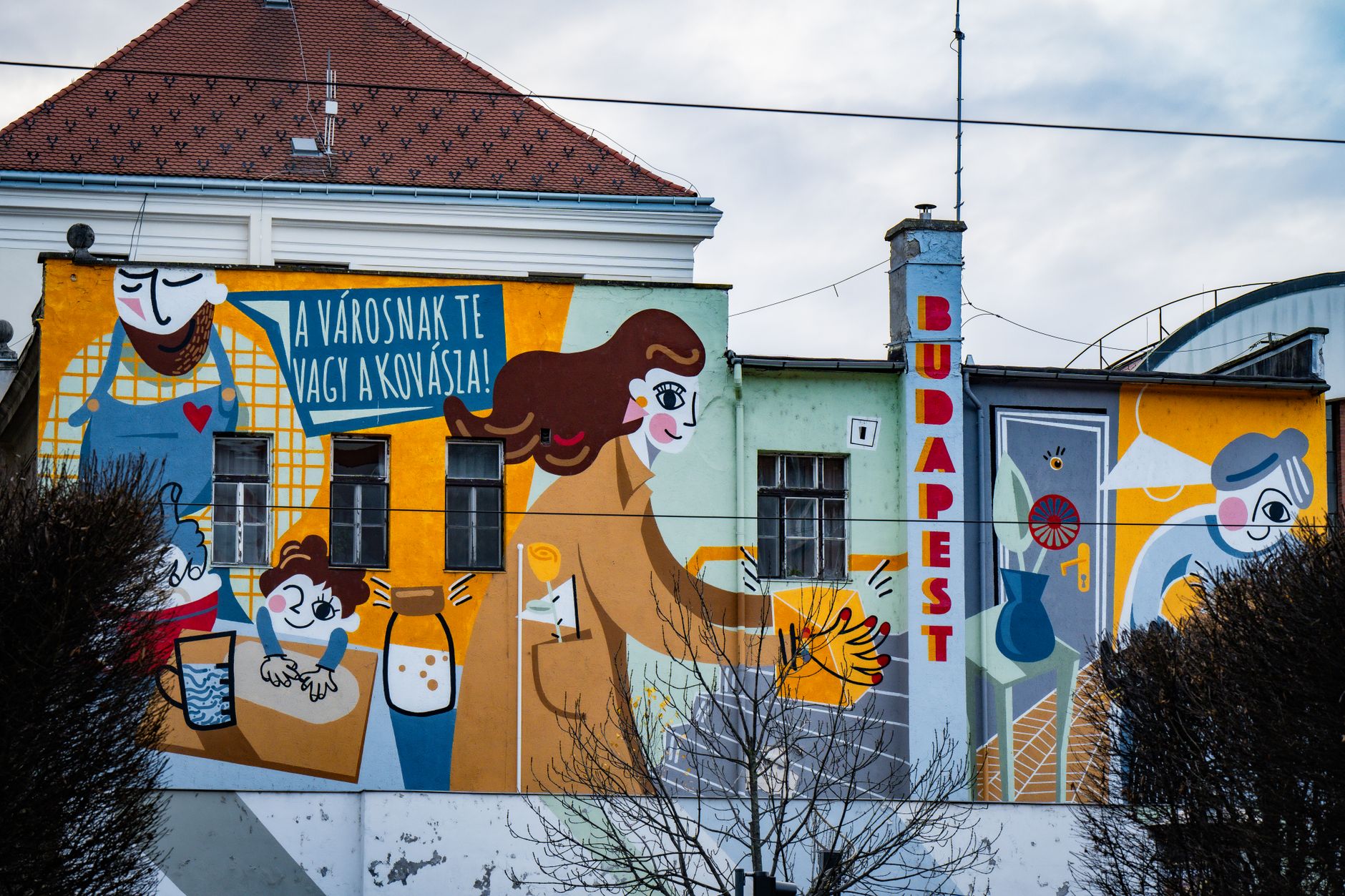
This isn't just a museum; it's an actively occupied former salami factory where residents and artists have collaborated to create a vibrant, unauthorized cultural hub.
The Museo dell'Altro e dell'Altrove di Metropoliz (MAAM) emerged from the occupation of a former salami factory in 2009. Here, over 200 people, many refugees, live amidst a sprawling collection of over 500 artworks by international artists. It embodies a radical redefinition of art and community, where art serves as both defiance and a tool for social inclusion, making it a unique, living canvas of resilience.
2. Tor Marancia's Open-Air Gallery
Rome, Italy
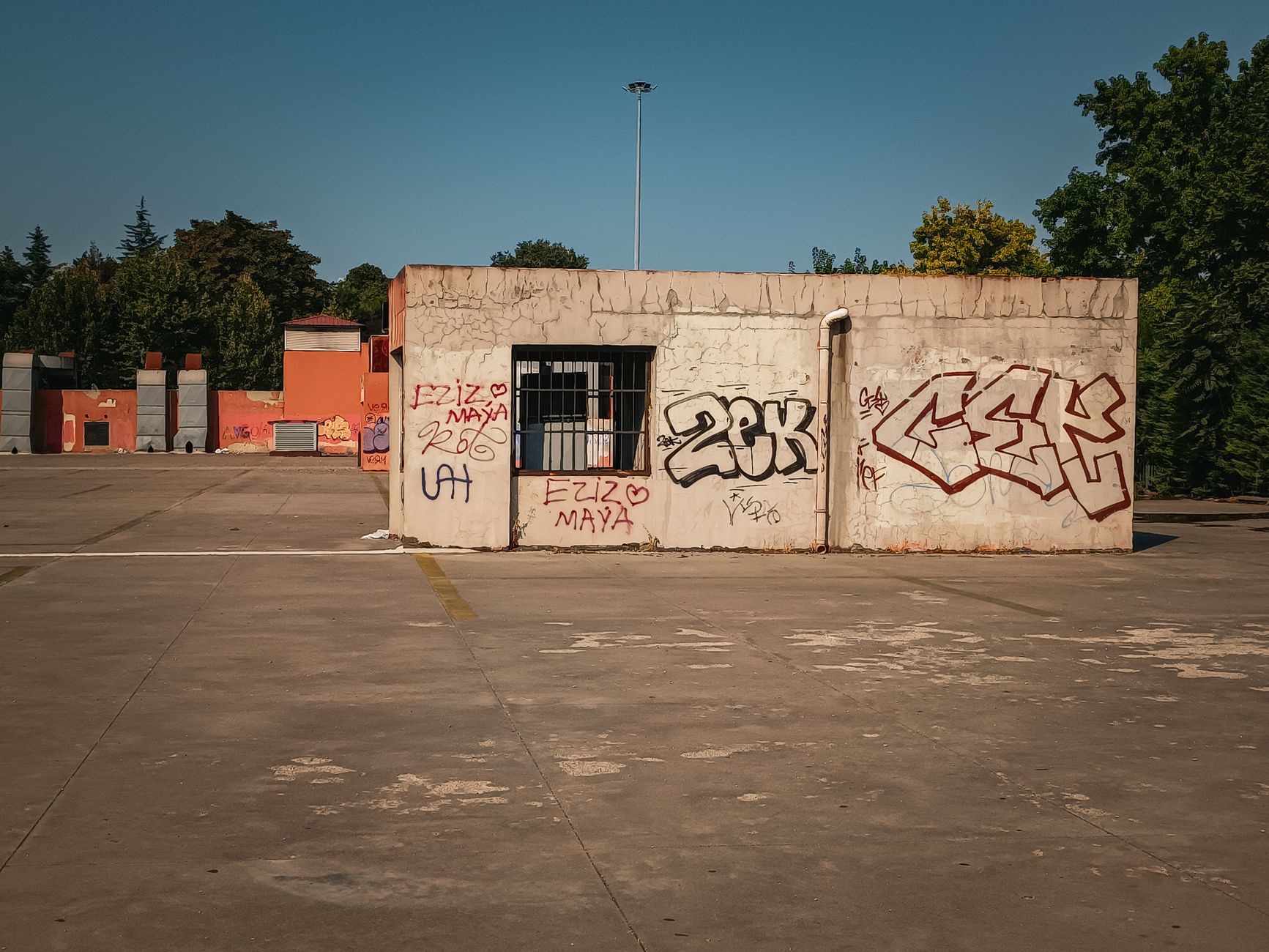
A once-overlooked public housing complex was transformed into an open-air art gallery by 20 international artists, each mural reflecting the residents' intimate stories and dreams.
The 'Big City Life' project in Tor Marancia revitalized a series of social housing blocks through monumental murals. Initiated in 2015, this ambitious endeavor saw artists collaborate directly with the community, translating their narratives onto towering walls. The result is a vibrant, free museum that challenges the typical perception of urban periphery, fostering a strong sense of identity and pride among its inhabitants.
3. Quadraro: Echoes of Resistance
Rome, Italy
This neighborhood, historically known as 'Little London' due to its fierce resistance against Nazi occupation, now features murals that echo its rebellious spirit through contemporary art.
Quadraro's identity is deeply rooted in its World War II history, when its residents fiercely resisted Nazi-fascist forces, earning it the nickname 'Nido di Vespe' (Wasp's Nest). Today, the MURo (Museo di Urban Art di Roma) project has woven this legacy into its urban fabric, with murals that often reflect themes of anti-fascism, freedom, and community. Exploring these walls means tracing a path through a district that has consistently stood up for its values, both past and present.
4. Ostiense's Industrial Canvas
Rome, Italy
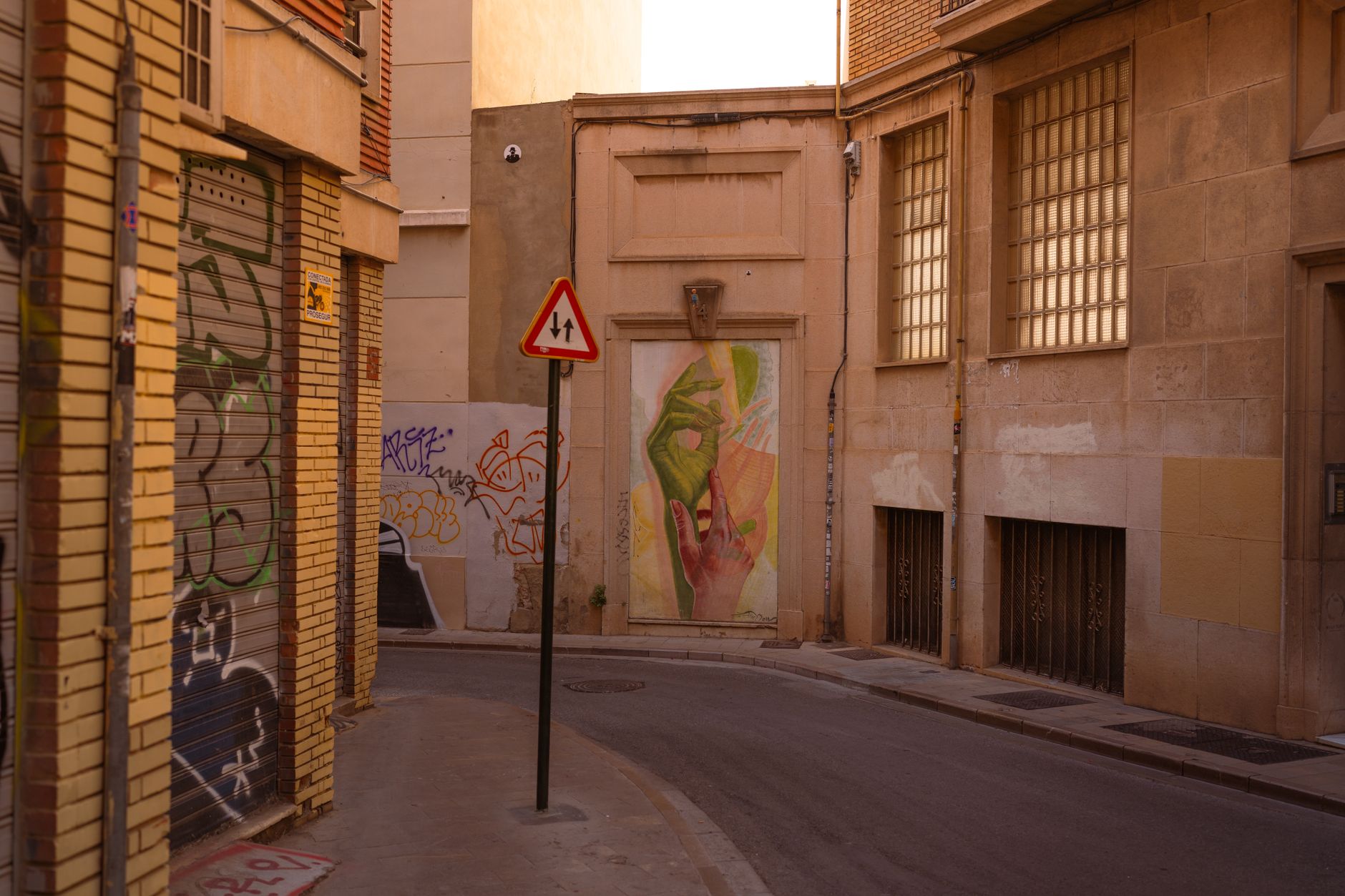
The colossal Gazometro, an iconic industrial relic, provides a stark, monumental canvas for some of Rome's largest and most striking street art.
Ostiense, once Rome's industrial heart, has undergone a dramatic transformation, now blending its gritty past with a vibrant contemporary art scene. The colossal Gazometro, a former gas holder, dominates the skyline and often serves as an unofficial backdrop for massive murals and graffiti. The area around Ponte dell'Industria, also known as Ponte di Ferro, further highlights this blend, with its 19th-century iron structure standing near dynamic new artworks, reflecting a district in constant dialogue between its heritage and its future.
5. Pigneto's Bohemian Brushstrokes
Rome, Italy
Once a working-class neighborhood beloved by filmmaker Pier Paolo Pasolini, Pigneto now pulses with a bohemian energy, its walls telling stories of counter-culture and local life.
Pigneto retains its authentic, slightly scruffy charm, a far cry from Rome's postcard perfection. This area, immortalized in Pasolini's films, is now a hub for artists, students, and young professionals. Its street art is less about grand murals and more about intricate stencils, paste-ups, and thought-provoking political commentary. Wandering its pedestrianized island reveals a labyrinth of vibrant expressions, reflecting the district's independent spirit and its ongoing narrative of resistance and community.
6. San Basilio's Regenerative Murals
Rome, Italy
This peripheral neighborhood, often overlooked by tourists, has become an unexpected open-air gallery, its large murals aiming to bring beauty and identity to its social housing blocks.
San Basilio, located on the northeastern outskirts of Rome, has consciously embraced street art as a tool for urban regeneration and social commentary. The 'SanBa' project has invited renowned street artists to transform the facades of its public housing units into monumental canvases. These vibrant artworks often depict local heroes, historical events, or aspirational themes, injecting color and life into the community and challenging the stigma often associated with peripheral areas.
7. Torpignattara's Multicultural Canvas
Rome, Italy
This diverse and multicultural neighborhood is a crucible of contemporary Roman identity, where street art acts as a voice for its many communities and their shared stories.
Torpignattara is one of Rome's most ethnically diverse districts, a melting pot where different cultures converge. Its street art scene is a reflection of this rich tapestry, featuring a mix of large-scale murals and smaller, politically charged pieces. Artists here often explore themes of migration, coexistence, and social justice, making the walls of Torpignattara a dynamic forum for dialogue and artistic expression that mirrors the neighborhood's vibrant, evolving character.
Frequently asked questions
Is street art legal in Rome?
While unauthorized graffiti is illegal, many of Rome's celebrated street art projects, especially the large-scale murals in neighborhoods like Tor Marancia and Quadraro, are commissioned or officially sanctioned. These initiatives often aim for urban regeneration and cultural enrichment, distinguishing them from illicit tagging.
What's the best time of year to see street art in Rome?
Spring (April-May) and Fall (September-October) offer the most pleasant weather for walking tours, making them ideal for exploring Rome's outdoor street art. Summers can be very hot, and winters might be chilly and rainy, though the art is accessible year-round.
How do I get around these street art neighborhoods?
Many of Rome's street art hubs are best explored on foot within the neighborhood itself, once you arrive. Public transport, including buses and the metro, connects most of these areas to central Rome, though some peripheral locations may require a bit more travel.
How can AllTours.ai enhance my street art exploration?
AllTours.ai transforms your phone into an AI audio tour guide. Simply point your camera at a mural, building, or even a hidden alleyway, and the app will narrate its history, cultural significance, and the stories behind the art in your preferred language, giving you deeper context beyond what you see.
Related guides
Photography via Pexels. AllTours.ai is an AI audio tour guide — point your camera at any landscape and hear its story.