November 15, 2026 · 4 min read
Bologna, with its ancient porticoes, vibrant food scene, and intellectual heart, rightly earns its place on any Italian itinerary. Yet, just beyond its bustling city limits lies a treasure trove of smaller towns and unique landscapes, each brimming with authentic charm and stories often missed by the typical tourist rush. These are the places where time seems to slow, where history is etched into every stone, and where you can truly connect with the soul of Emilia-Romagna and its neighbors.
If you're looking to peel back another layer of Italy, to discover genuine local culture, and to savor experiences away from the well-trodden path, then these underrated day trips from Bologna are your perfect escape. Each destination offers a distinct flavor, from medieval fortresses guarding ancient secrets to towns painted with vibrant art, promising a memorable journey into the less-explored corners of this incredible region.
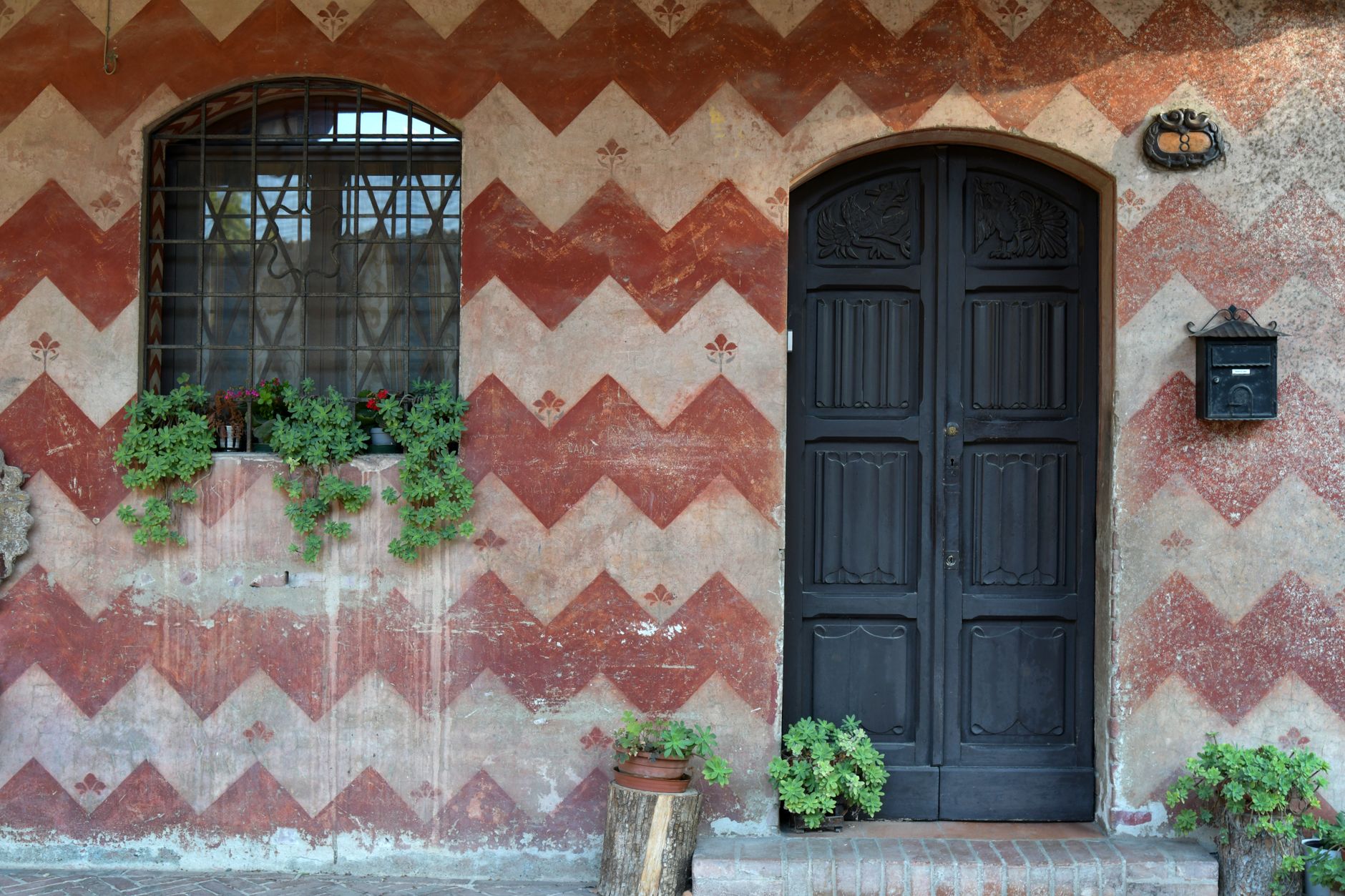
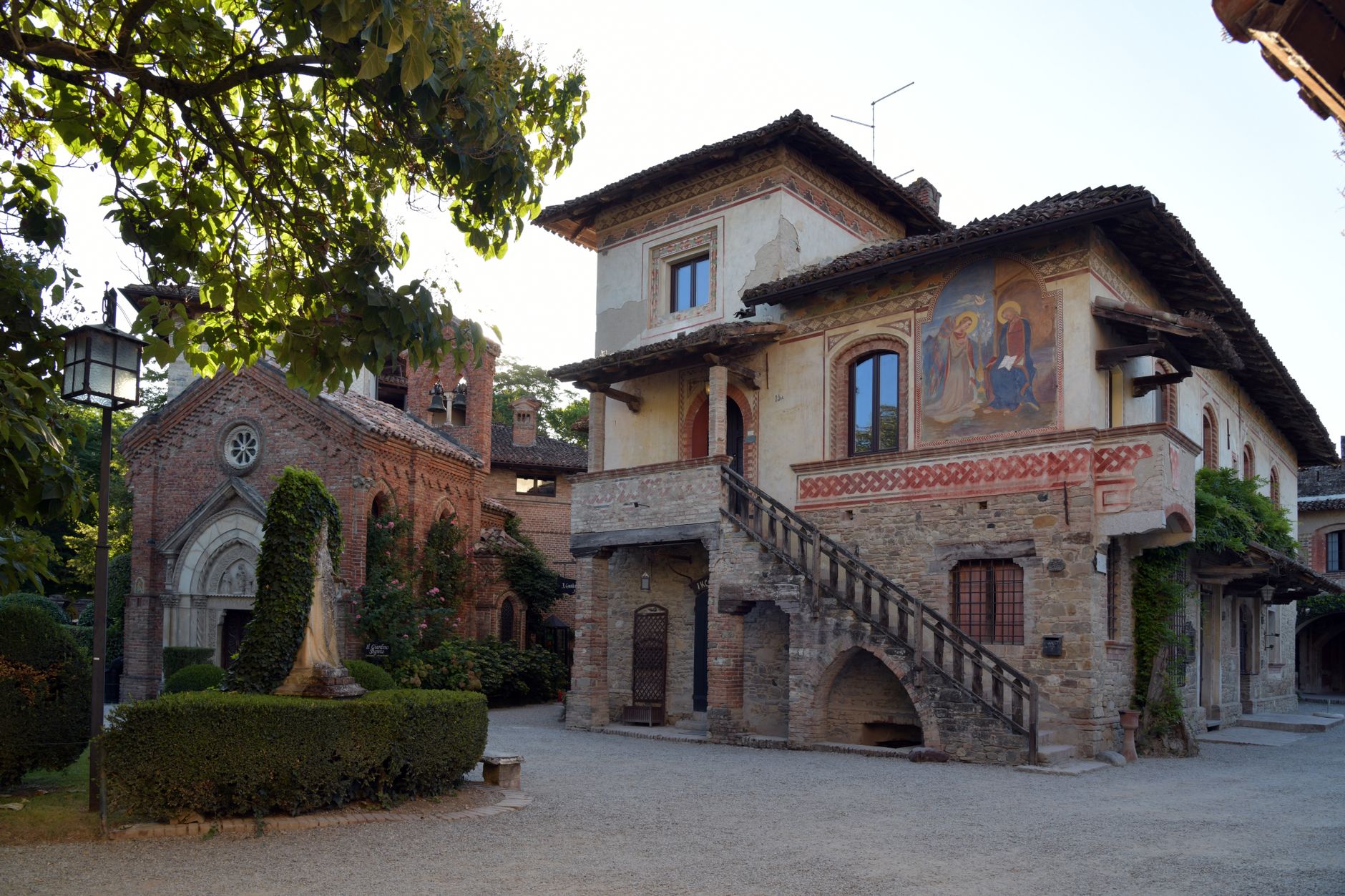
1. Dozza: The Open-Air Art Gallery
Dozza, Italy
This medieval village annually transforms its ancient walls into a vibrant open-air art museum, covered in contemporary murals.
Perched on a hill overlooking the Emilia-Romagna plains, Dozza is famed for its Biennial Wall Painting Exhibition, which began in 1960. Artists from around the world are invited to paint directly onto the facades of houses, transforming the entire village into a captivating gallery. Beyond the art, explore the Rocca Sforzesca, a well-preserved medieval fortress that houses a regional enoteca and offers stunning views.
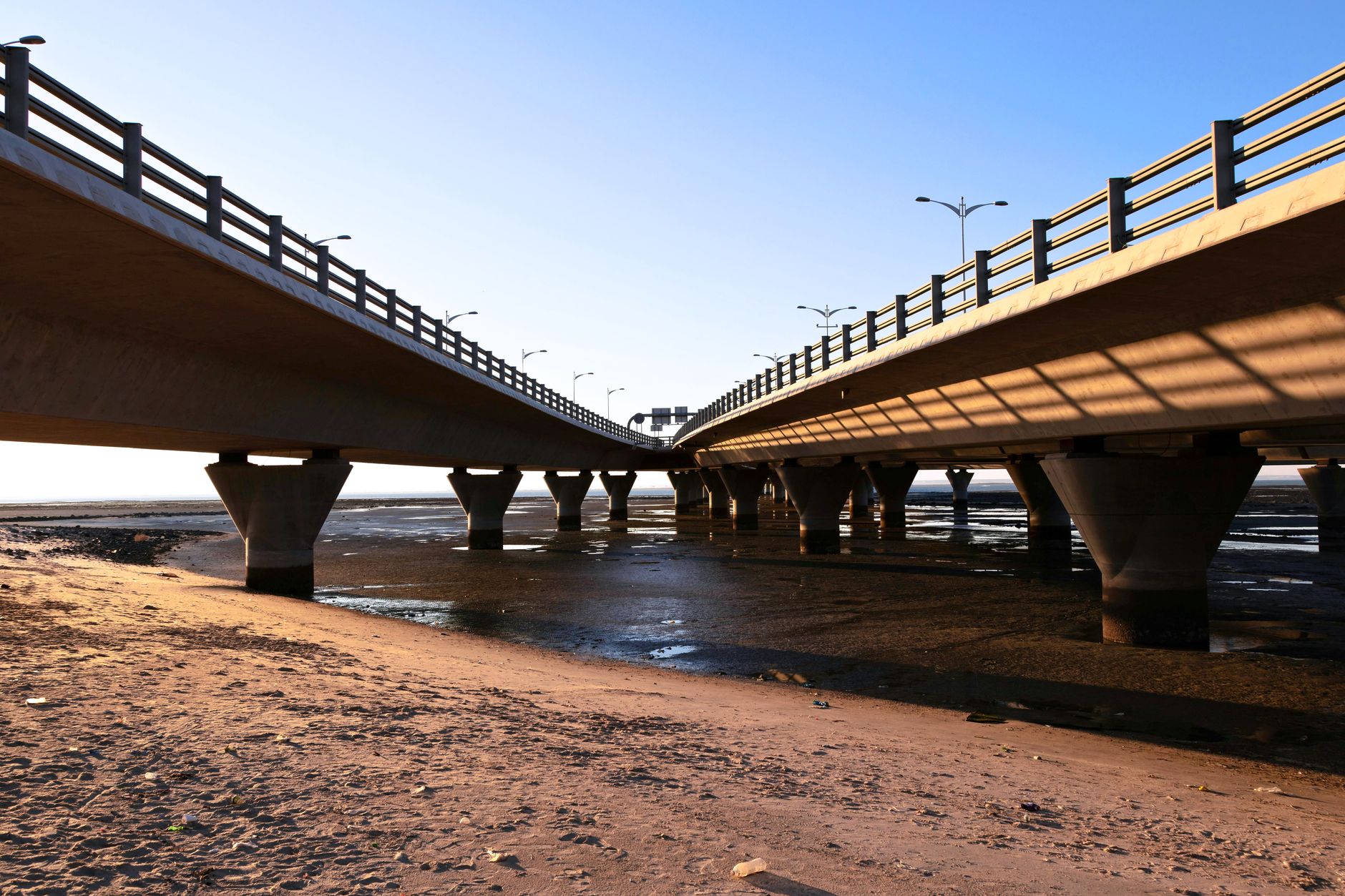
2. Comacchio: The Little Venice of Emilia-Romagna
Comacchio, Italy
Built entirely on thirteen islands in a lagoon, this town's unique architecture is defined by its iconic Trepponti bridge and a centuries-old eel fishing tradition.
Comacchio's picturesque canals and bridges evoke Venice, but with a distinct, quieter character. Historically, its economy revolved around salt production and eel fishing in the surrounding Valli di Comacchio. The majestic Trepponti, a three-way bridge, serves as the town's symbol, while the Museo Delta Antico showcases its rich archaeological past. Don't miss sampling the local marinated eels, a true culinary specialty.
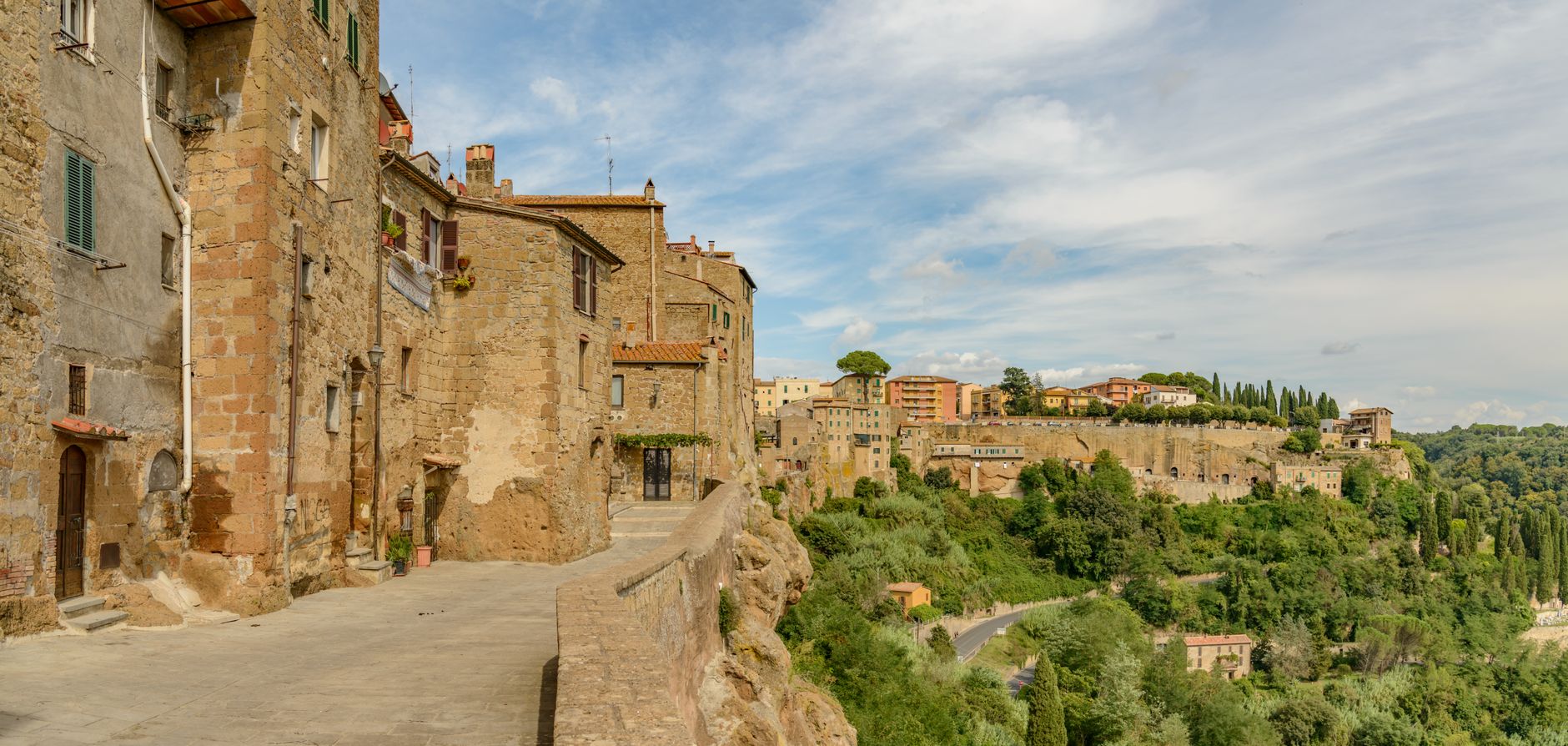
3. Brisighella: Three Hills, Three Fortifications
Brisighella, Italy
This charming medieval village is uniquely dominated by three distinct hills, each crowned with an ancient structure: a fortress, a clock tower, and a sanctuary.
Brisighella, a 'Borghi più belli d'Italia' (most beautiful villages of Italy) member, is remarkable for its trio of dominant hills. The Rocca Manfrediana, a 15th-century fortress, offers commanding views. Nearby, the Torre dell'Orologio (Clock Tower) was once part of a larger defensive complex. On the third hill stands the Sanctuary of Monticino. Explore the ancient Via degli Asini, an elevated covered street, and taste the renowned local extra virgin olive oil.
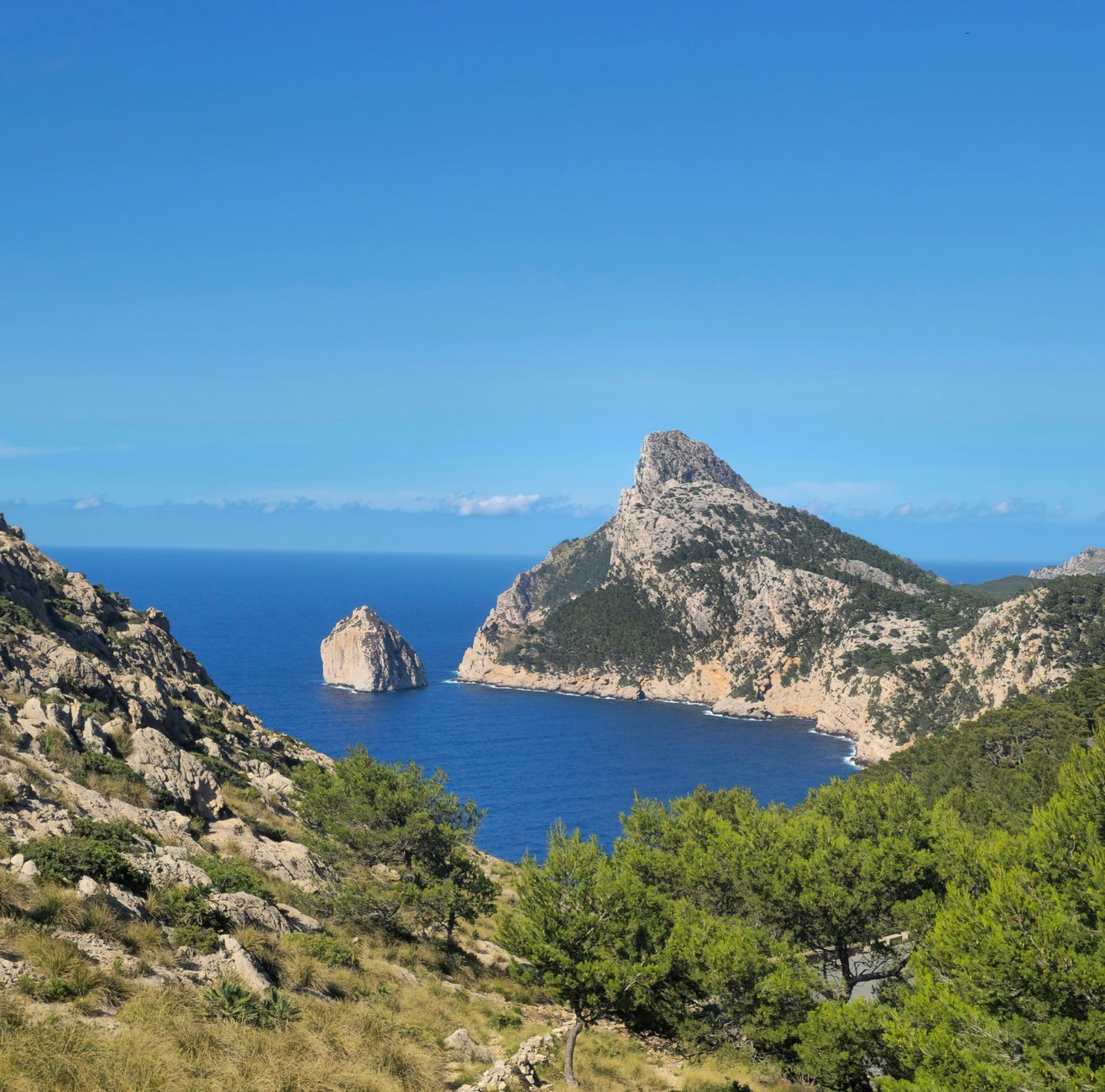
4. Sabbioneta: The Ideal Renaissance City
Sabbioneta, Italy
A UNESCO World Heritage site, this small city was meticulously planned and built from scratch in the 16th century by a single duke as his personal vision of an 'ideal city'.
Vespasiano Gonzaga Colonna, Duke of Sabbioneta, created this walled city between 1554 and 1591 as a testament to Renaissance urban planning ideals. Its perfectly geometric street plan, grand public buildings like the Palazzo Ducale and the Teatro all'Antica (one of the oldest surviving Renaissance theatres), offer a rare glimpse into a duke's utopian architectural dream. It's a fascinating study in Renaissance ambition and design, frozen in time.
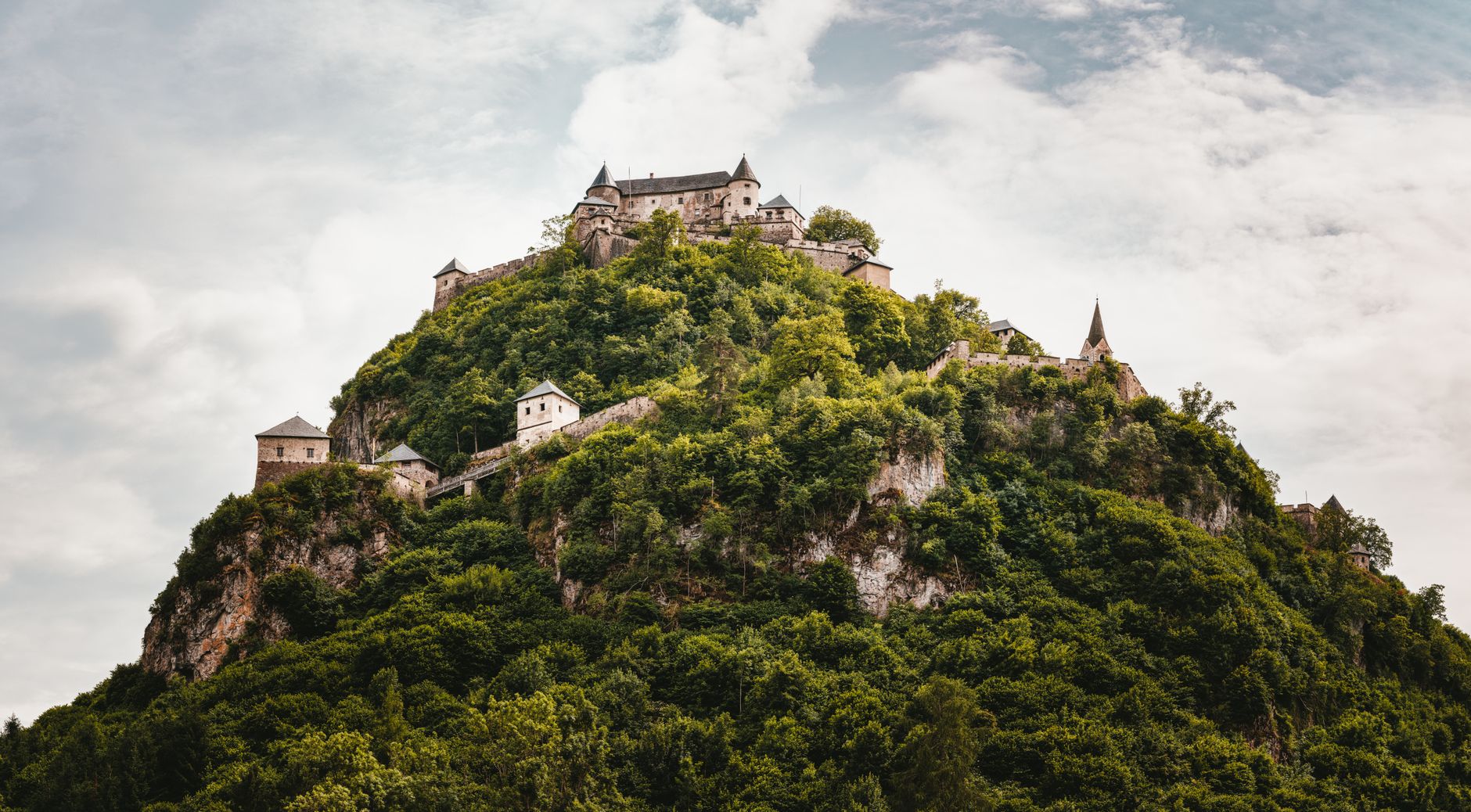
5. San Leo: The Alchemist's Prison
San Leo, Italy
Perched dramatically on an impossible rock, San Leo's formidable fortress once held the infamous 18th-century alchemist and occultist, Count Cagliostro, until his death.
The Rocca di San Leo, a stunning medieval fortress, dominates the skyline from its precipitous peak. Its history dates back to Roman times, but it's most famously known as a state prison. Here, Giuseppe Balsamo, better known as Count Cagliostro, was confined and died in 1795. Explore the fortress's austere cells, ancient churches, and enjoy breathtaking views over the Marecchia Valley and the Adriatic Sea.
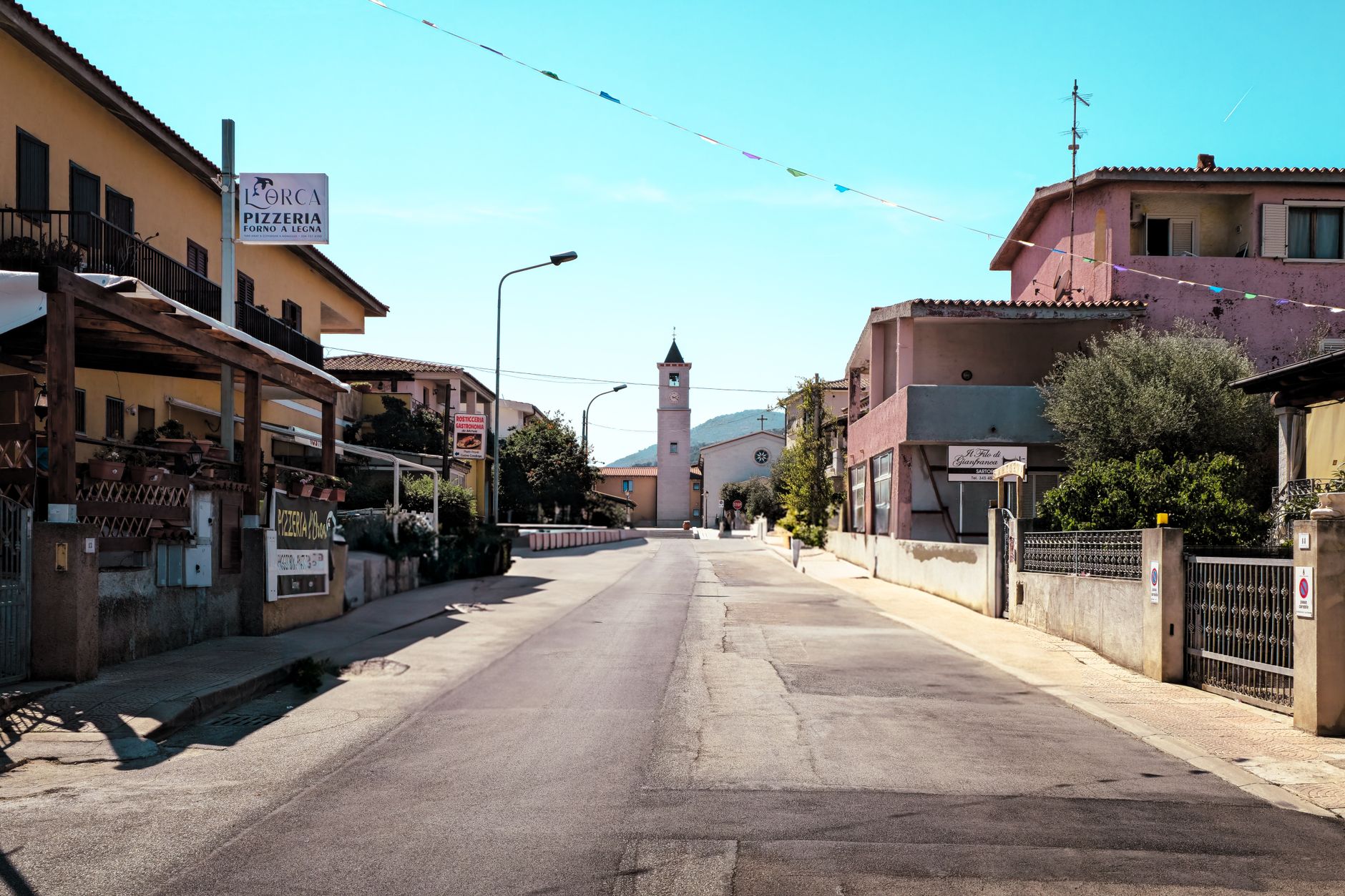
6. Busseto: Verdi's Musical Heartland
Busseto, Italy
This unassuming town is the heart of 'Verdi-land', where the great composer Giuseppe Verdi lived, composed many masterpieces, and left an indelible mark on its cultural fabric.
For lovers of opera, Busseto is a pilgrimage site. Giuseppe Verdi spent much of his life in and around this small town, from his birthplace in nearby Le Roncole to his elegant Villa Sant'Agata. Visit the Casa Barezzi, where Verdi gave his first public performance, and the Teatro Giuseppe Verdi, a miniature opera house dedicated to his work. The town embodies the spirit of 19th-century Italian music and rural life.
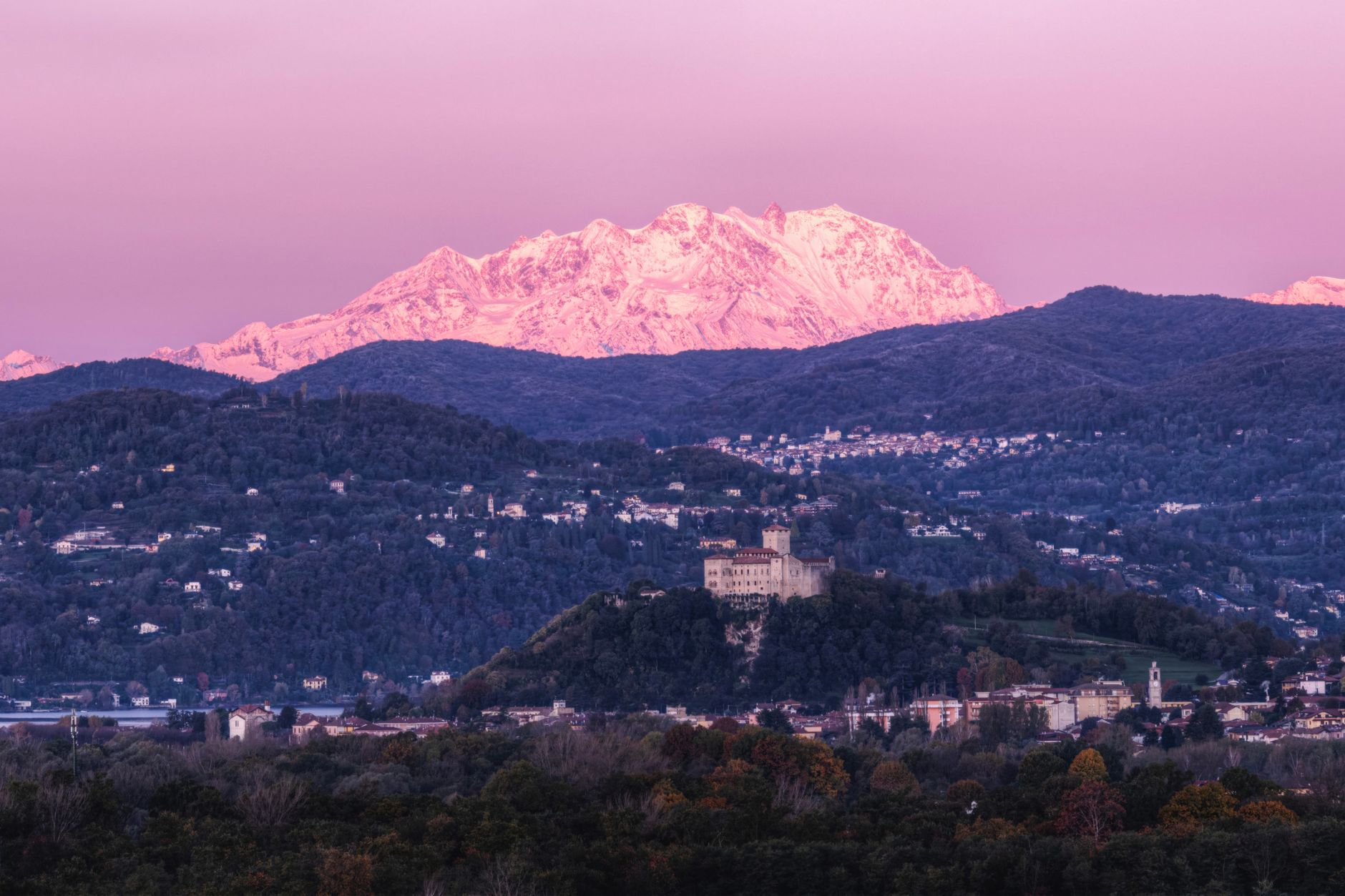
7. Vignola: Cherry Blossom Castle
Vignola, Italy
Beyond its famous cherries, Vignola boasts a magnificent castle with a unique, gravity-defying spiral staircase that appears to float between its floors.
Vignola is synonymous with its delicious 'Mora di Vignola' cherries, celebrated each spring. However, its true architectural gem is the Rocca di Vignola, a beautifully preserved medieval castle. Inside, marvel at its frescoed rooms and the remarkable 'Scale a Chiocciola,' a spiral staircase designed by Jacopo Barozzi da Vignola. The castle's history stretches back over a thousand years, reflecting centuries of local power struggles and artistic patronage.
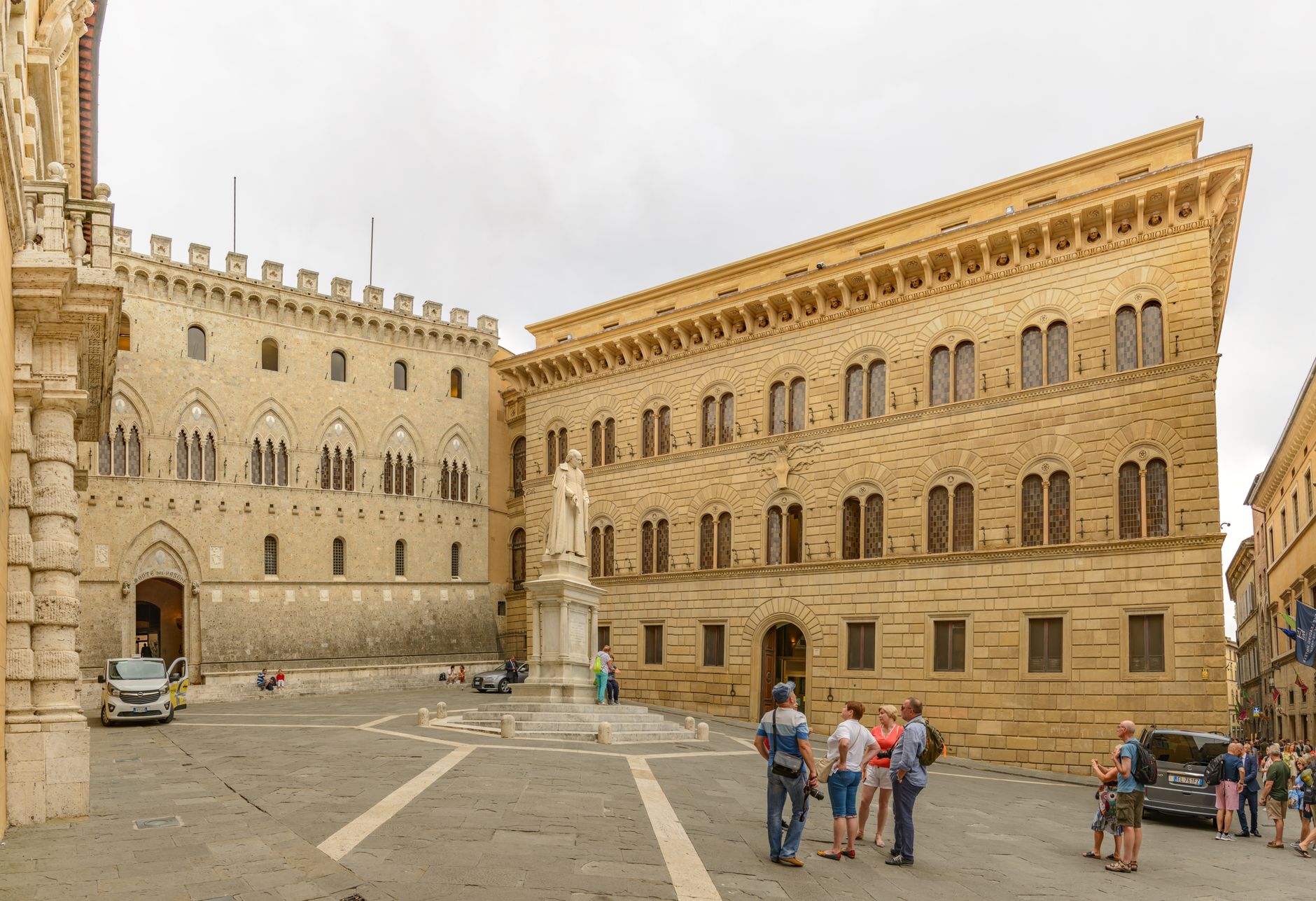
8. Gualtieri: Renaissance Square and Hidden Art
Gualtieri, Italy
Home to one of Italy's most harmonious Renaissance squares, this town hides an imposing palace filled with frescoes, often overlooked by visitors.
Gualtieri's Piazza Bentivoglio is a remarkable example of Renaissance urban planning, dominated by the magnificent Palazzo Bentivoglio. Built by Ippolito Bentivoglio, this grand palace still houses impressive frescoes by artists like Pier Francesco Mazzucchelli (Il Morazzone) and other Emilian masters. The town offers a glimpse into the ambitious cultural projects of the Renaissance nobility, preserving its artistic heritage in a quiet, authentic setting on the banks of the Po River.
Frequently asked questions
What's the best way to get to these towns from Bologna?
Most of these towns are easily accessible by regional train or bus from Bologna's central station. For maximum flexibility, especially to reach some of the more rural or hilltop locations like San Leo, renting a car is often recommended. Travel times typically range from 30 minutes to 1.5 hours, making them perfect for a leisurely day trip.
Are these day trips suitable for families?
Absolutely! Many of these destinations offer engaging experiences for all ages. Places like Dozza with its vibrant murals, the castles in Brisighella and Vignola, or the unique canals of Comacchio provide visual interest and opportunities for exploration that children often enjoy. Sabbioneta's 'ideal city' layout can also spark curiosity about history and design.
What kind of food can I expect in these smaller towns?
You'll find authentic Emilian cuisine, often hyper-local specialties not widely available elsewhere. Expect fresh pasta like tagliatelle al ragù, tortellini, and lasagna. Many towns also boast their own cured meats, cheeses, and unique regional dishes. Don't forget to try local wines, olive oils, and specialties like Comacchio's eels or Vignola's cherries when in season.
How can AllTours.ai enhance my visit to these places?
AllTours.ai transforms your phone into a personal AI audio tour guide. Simply point your camera at a landmark, building, or landscape in any of these towns, and the app will narrate its history, geology, and culture in your preferred language. It's like having an expert local guide in your pocket, revealing the hidden stories and significance of every detail you encounter.
Related guides
Photography via Pexels. AllTours.ai is an AI audio tour guide — point your camera at any landscape and hear its story.