September 17, 2026 · 4 min read
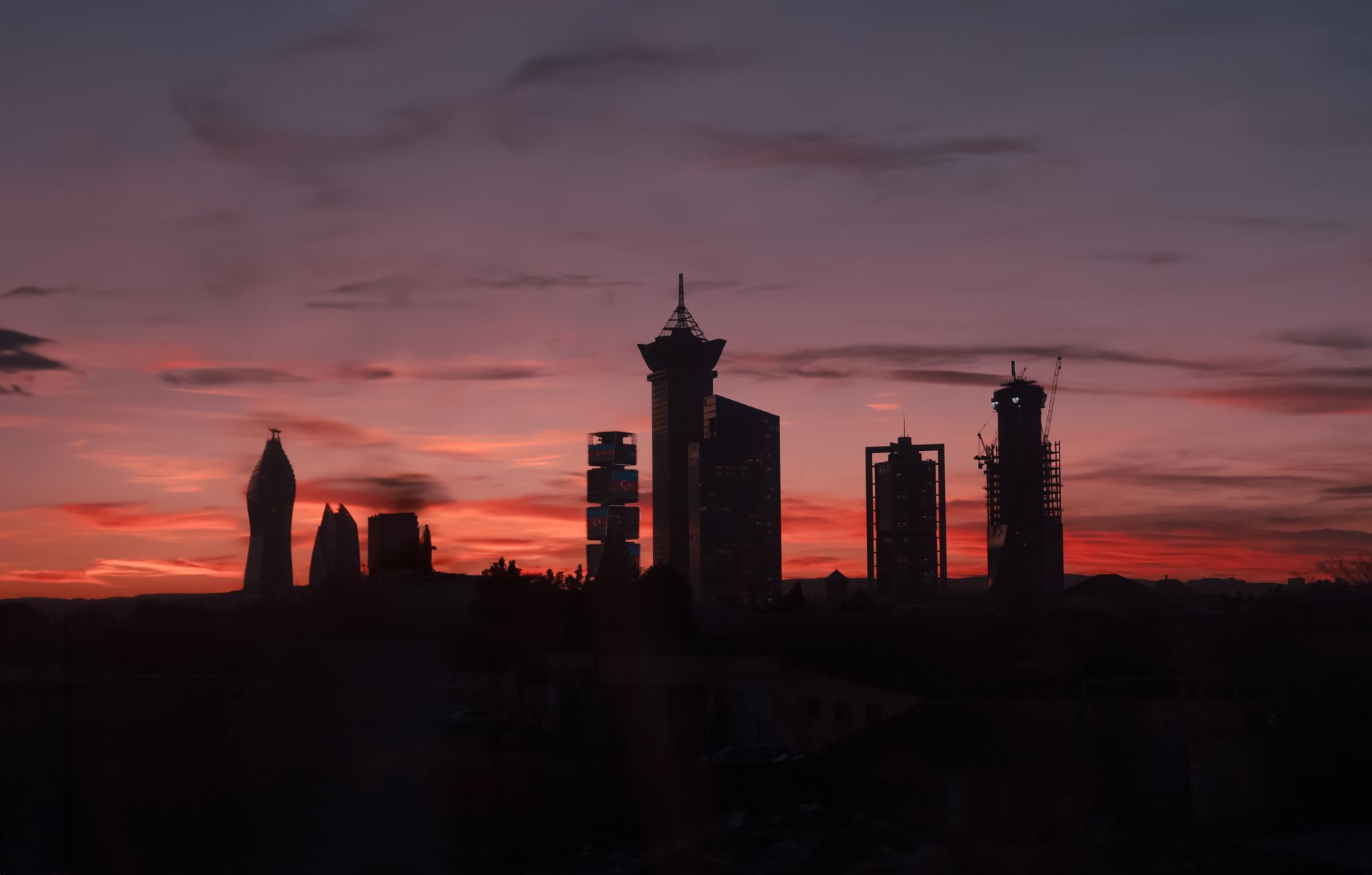
When the Eurovision Song Contest lights up a European city, the world watches. Beyond the dazzling stage and electric atmosphere, a less obvious transformation begins: the host country's tourism landscape shifts. While the immediate spotlight shines on the main event, the global exposure sparks a curiosity that extends far beyond the arena.
This surge of interest offers a unique opportunity for travelers to look past the usual guidebooks and discover the truly extraordinary. From ancient rock fortresses to villages built into giant boulders, these are the genuinely fascinating, lesser-known spots that might just see a surge of curious visitors, each with a captivating story to tell.
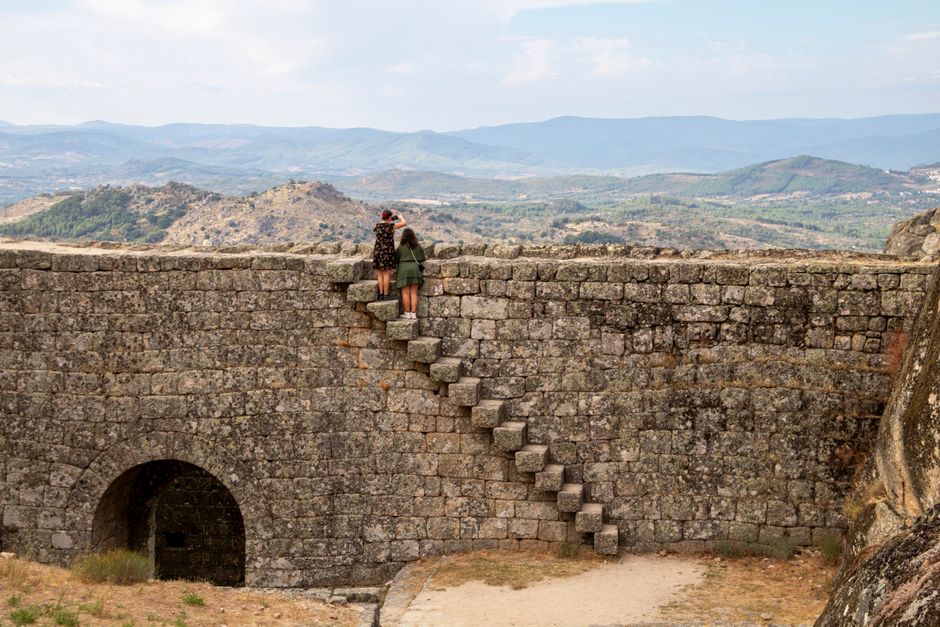
1. The Village Built Into Boulders
Monsanto, Portugal
This 'most Portuguese village' is famous for its houses literally built into and under colossal granite boulders.
Monsanto, often crowned 'the most Portuguese village in Portugal,' offers a truly unique architectural experience. Here, residents haven't just built around nature; they've integrated their homes directly into massive granite boulders, using them as walls, roofs, or even entire rooms. This ingenious adaptation to the challenging terrain has preserved a timeless character, making it a living museum of human ingenuity and resilience.
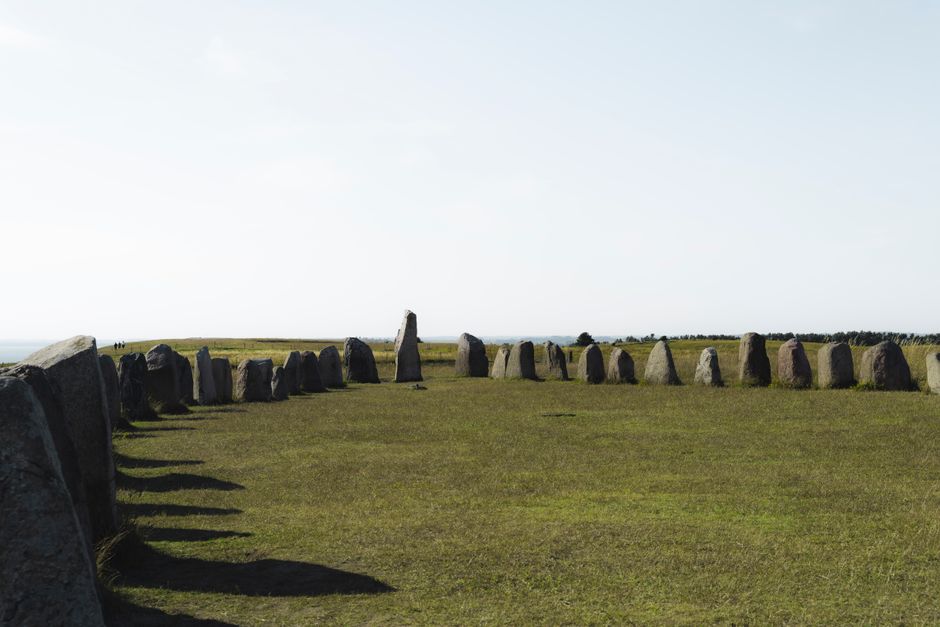
2. Sweden's Ancient Stone Ship
Ales Stenar, Skåne, Sweden
Perched dramatically above the Baltic Sea, 59 massive boulders form a ship-shaped monument from the Viking Age.
Ales Stenar, or Ale's Stones, is Sweden's largest preserved stone ship monument, an enigmatic arrangement of 59 enormous boulders. Believed to be a burial monument or an astronomical calendar from the late Iron Age, this impressive formation commands a stunning view over the Baltic Sea. Its precise alignment with the sun at solstices adds to its mystique, inviting contemplation on ancient Scandinavian beliefs and astronomical knowledge.
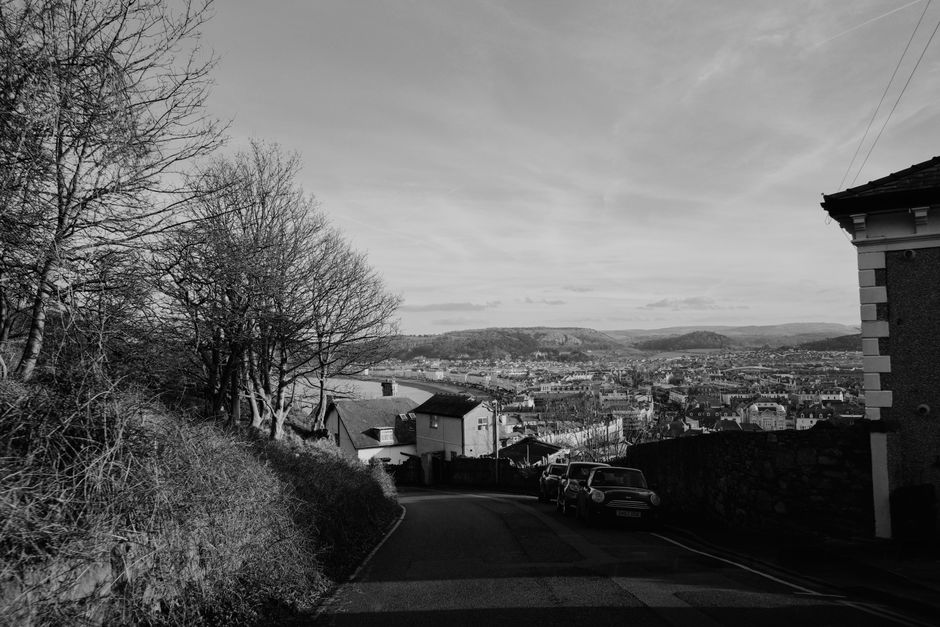
3. The Fantastical Italianate Village
Portmeirion, Wales, UK
A visionary architect's dream, this surreal Italianate village in Wales was built to prove how beautiful development could be.
Portmeirion is an architectural marvel and a testament to one man's vision: Clough Williams-Ellis. Built between 1925 and 1975, this eccentric Italianate village in North Wales was designed to show how a naturally beautiful site could be developed without spoiling it, but rather enhancing it. Its pastel-colored buildings, exotic gardens, and whimsical statues create a truly unique and almost dreamlike atmosphere, famously serving as the setting for the cult TV series 'The Prisoner.'
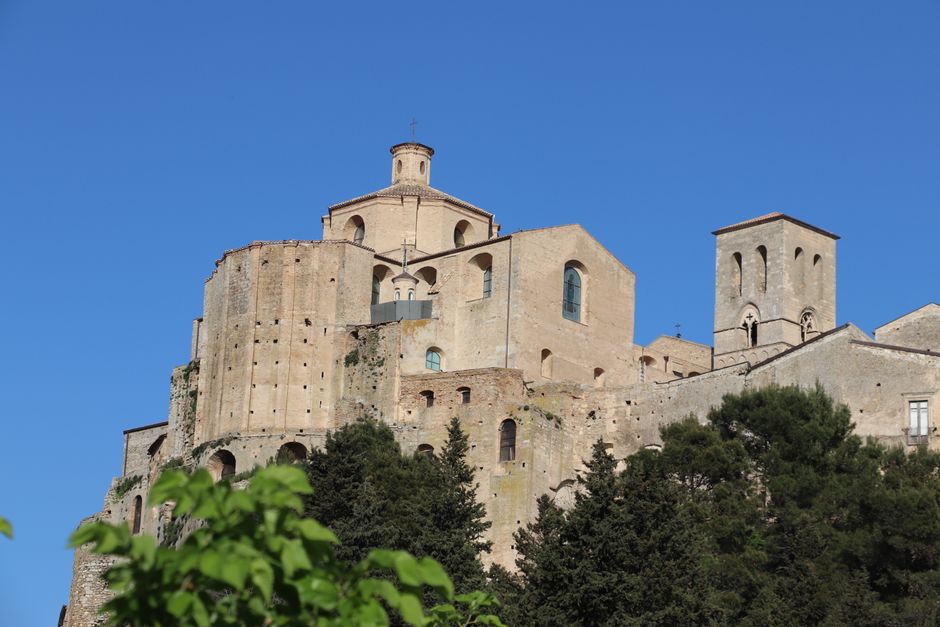
4. The Mountain Abbey of Mysteries
Sacra di San Michele, Piedmont, Italy
This monumental abbey, perched on a mountain, is said to be part of a mysterious ley line connecting European holy sites.
The Sacra di San Michele is an ancient abbey with a dramatic presence, clinging to the peak of Mount Pirchiriano in the Italian Alps. Dating back to the 10th century, it's not just its imposing architecture that fascinates, but also its connection to the 'Michael Line' – a legendary straight line said to connect seven monasteries from Ireland to Israel. This striking location and its rich history are rumored to have inspired Umberto Eco's famous novel, 'The Name of the Rose.'
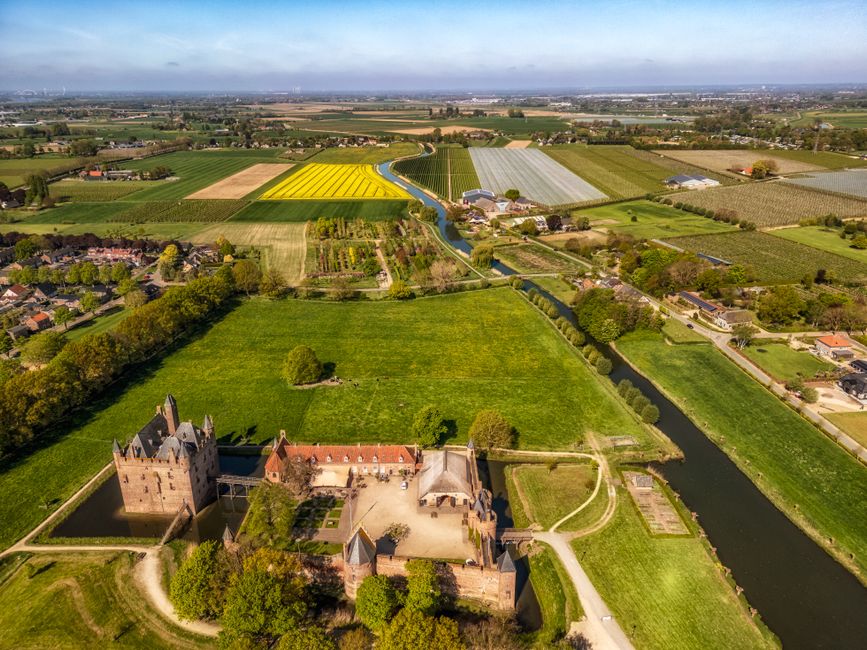
5. The Perfect Star Fortress
Fort Bourtange, Groningen, Netherlands
Step back in time at this perfectly preserved 16th-century star-shaped fortress, which is still a living village today.
Fort Bourtange is a meticulously restored star-shaped fortress that offers a rare glimpse into 16th-century military architecture. Built in 1593 during the Eighty Years' War, its intricate defensive design of ramparts, canals, and bastions is perfectly intact. Today, it functions as a museum and a living village, allowing visitors to walk its historic grounds, explore its barracks and homes, and understand the strategic importance of such fortifications in Dutch history.
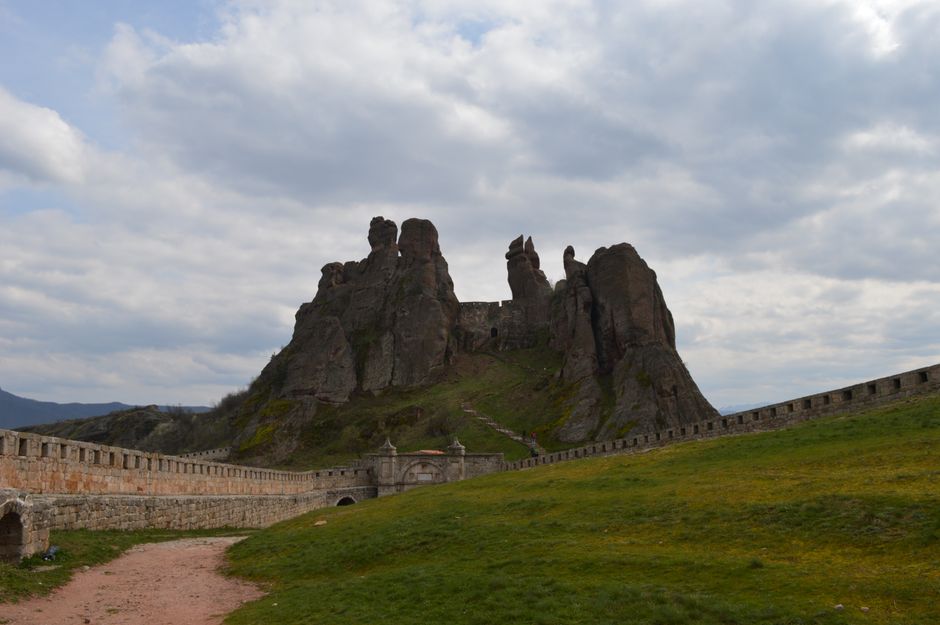
6. Ukraine's Medieval Rock City
Tustan, Lviv Oblast, Ukraine
Discover the unique remnants of a medieval rock fortress city carved into sandstone cliffs, once a vital customs point.
Tustan is a truly unique historical and archaeological site where a medieval fortress was ingeniously integrated into natural sandstone cliffs. For centuries, this strategic location in the Carpathian Mountains served as a crucial border and customs point. While the wooden structures are long gone, the carved grooves, caves, and remnants of the defensive works within the towering rocks offer a vivid impression of this ancient settlement and the resourcefulness of its inhabitants.
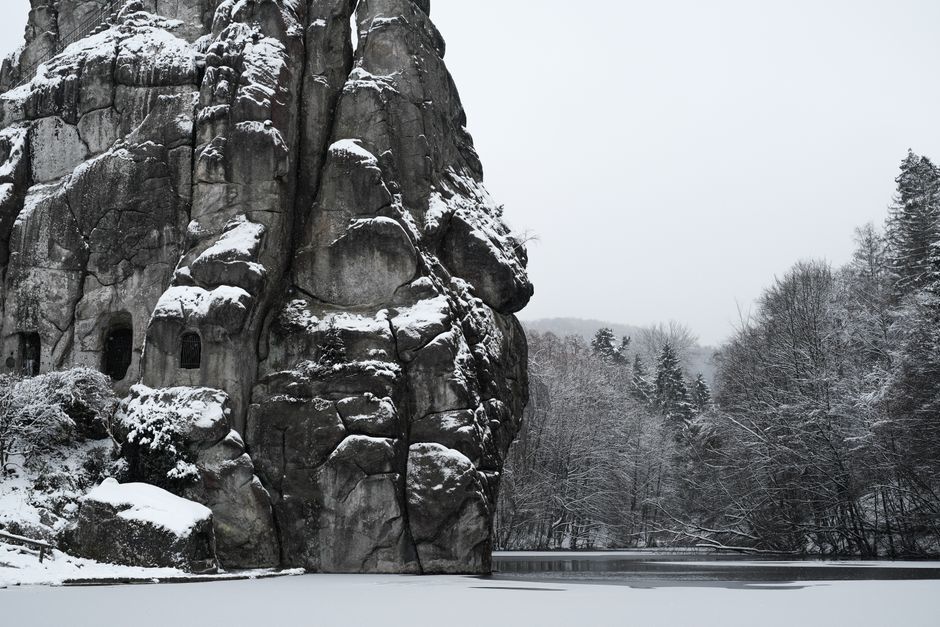
7. Germany's Ancient Rock Sanctuary
Externsteine, North Rhine-Westphalia, Germany
Towering sandstone pillars that have been a site of pagan worship, early Christian hermitages, and astronomical observation for millennia.
The Externsteine are a striking natural rock formation in the Teutoburg Forest, imbued with thousands of years of human history. These dramatic sandstone pillars feature carved caves, an open-air altar, and a mysterious rock-cut chamber with an observation window precisely aligned to the sunrise on the summer solstice. Revered as a sacred site by Germanic tribes, later used by early Christian hermits, and debated as an ancient observatory, they hold a powerful, timeless allure.
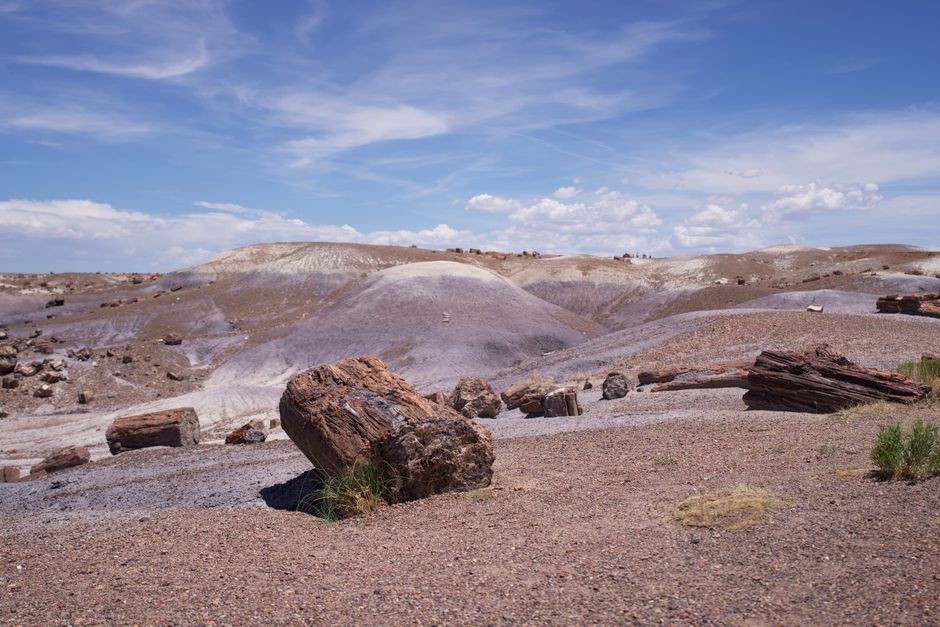
8. The 20-Million-Year-Old Forest
Petrified Forest of Lesvos, Greece
A stunning petrified forest on a Greek island, preserving an ancient subtropical ecosystem from 20 million years ago.
On the Greek island of Lesvos lies one of the largest and best-preserved petrified forests in the world. Formed around 20 million years ago after a catastrophic volcanic eruption, this geological wonder has preserved entire trees, roots, and leaves in exquisite detail. Walking among the vibrant, multi-colored trunks of sequoias and other ancient plants offers a breathtaking journey back to a subtropical ecosystem that once flourished here, now frozen in stone.
Frequently asked questions
Does Eurovision bring many tourists to the host city?
Yes, Eurovision typically attracts tens of thousands of dedicated fans and media, leading to a significant short-term boost in tourism. Accommodation, hospitality, and local businesses experience increased demand during the event week, often extending to the weeks before and after.
What are the long-term tourism benefits for a Eurovision host country?
Beyond the immediate influx, hosting Eurovision offers invaluable global media exposure, showcasing the host city and country to hundreds of millions of viewers. This can lead to increased interest in visiting the destination in subsequent years, boosting its profile as a cultural and travel hub.
Does Eurovision influence which parts of a host country tourists visit?
While most direct Eurovision tourism concentrates around the host city, the global spotlight often sparks curiosity about the broader country. Travelers, especially those staying longer or returning later, might explore regions beyond the main event, seeking out unique cultural or natural sites they learned about indirectly.
How can AllTours.ai help me discover these lesser-known places?
AllTours.ai transforms your phone into an AI audio guide. Simply point your camera at any landmark, landscape, or even a specific building, and the app instantly narrates its history, geology, and cultural significance in your preferred language, revealing the hidden stories of any location you encounter.
Related guides
Photography via Pexels. AllTours.ai is an AI audio tour guide — point your camera at any landscape and hear its story.