September 8, 2026 · 4 min read
Every landmark, every landscape, every stretch of wilderness holds not just a physical presence but a story—or many stories. Sometimes, what we call a place, or how we perceive it, can shift dramatically depending on who's doing the talking. Is it a geological wonder, a sacred site, or a mere tourist attraction?
This phenomenon goes beyond simple translations; it delves into layers of history, culture, and personal connection. We’ve curated a list of extraordinary, often overlooked places where the very name, or the stories told about them, offer a fascinating glimpse into their true, multifaceted identities.
1. The Sleeping Giant's New Face
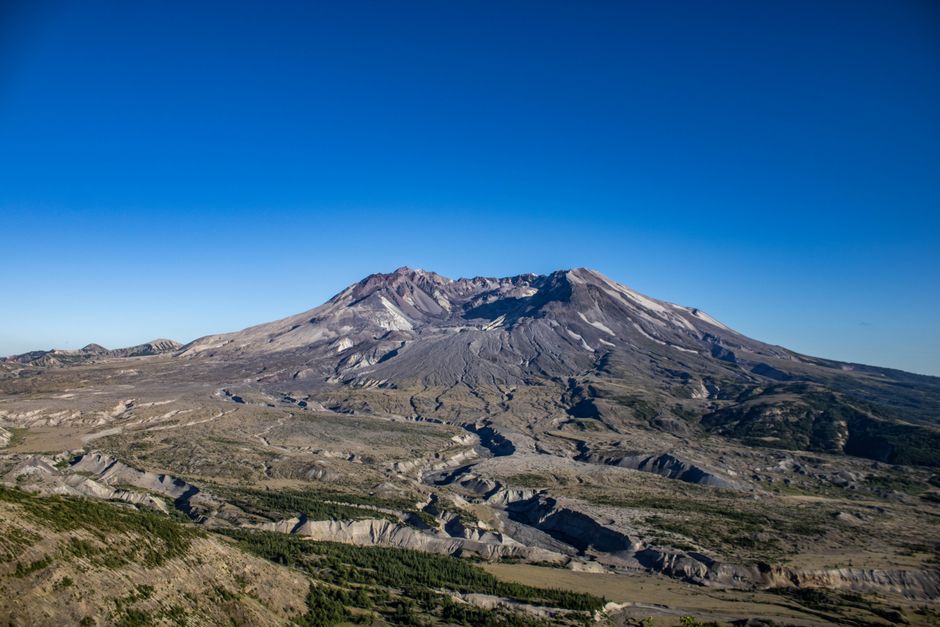
Mount Saint Helens, USA
Once a graceful peak, now a stark reminder of Earth's power, known by different names long before its eruption.
Before May 18, 1980, Mount Saint Helens was often called the 'Mount Fuji of America' for its symmetrical cone. The catastrophic eruption reshaped its summit and revealed deeper geological processes. Crucially, its Indigenous names, Loowit or Lawetlat'la, predate European naming and reflect ancient reverence, reminding us that its identity is far older than its modern moniker.
2. Ireland's Lunar Labyrinth
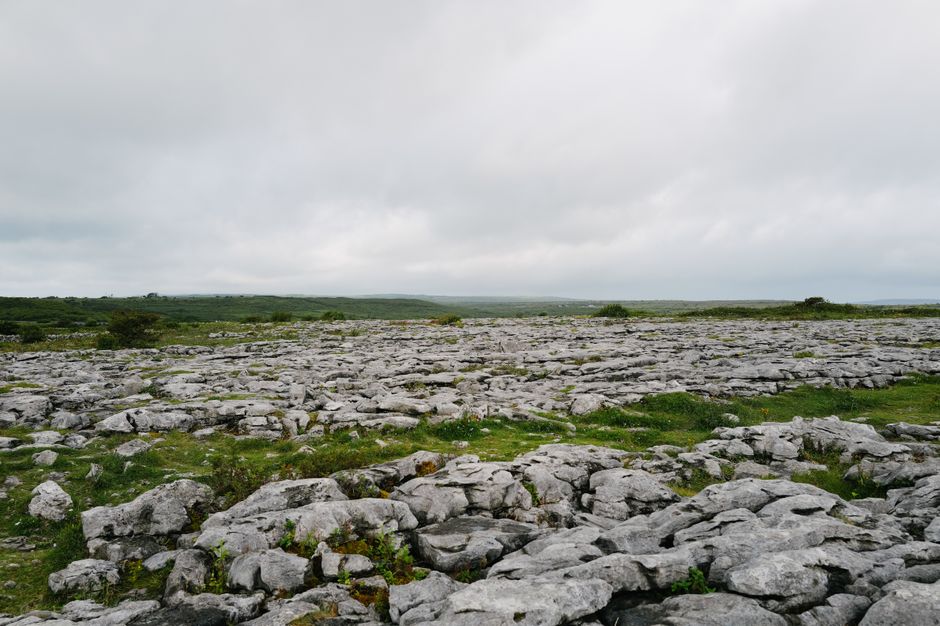
The Burren, Ireland
A vast, seemingly barren limestone landscape in Ireland, where every crack and crevice has a local name and a hidden tale.
The Burren, a unique karst landscape in County Clare, often appears alien with its vast expanses of exposed limestone pavement. While its geological features have formal names, local farmers and storytellers often refer to specific grikes (fissures) and clints (slabs) by names tied to folklore, ancient settlements, or specific events. It's a place where the scientific 'karst' meets the poetic 'fairy fort' in local parlance.
3. The Sacred Stone's Dual Identity
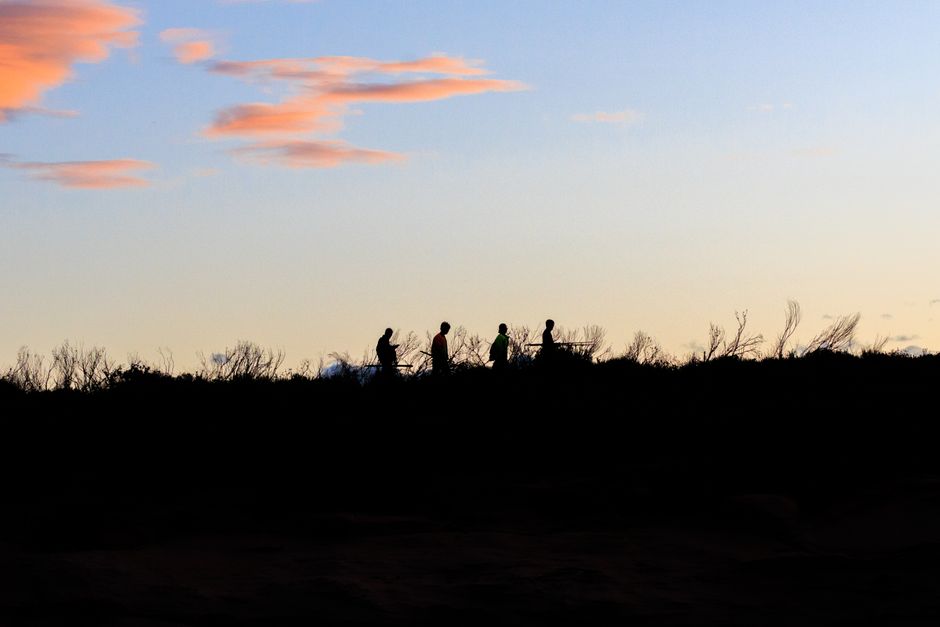
Uluru (Ayers Rock), Australia
A sandstone monolith whose dual names tell a complex story of ancient spirituality and colonial renaming.
For millennia, this colossal sandstone formation has been Uluru to the Anangu people, its traditional custodians, a deeply sacred site central to their creation stories. European explorers named it Ayers Rock. The ongoing shift to universally recognize it as Uluru reflects a broader cultural reconciliation, highlighting how a name carries profound spiritual and cultural weight far beyond simple geography.
4. Giants or Geology?
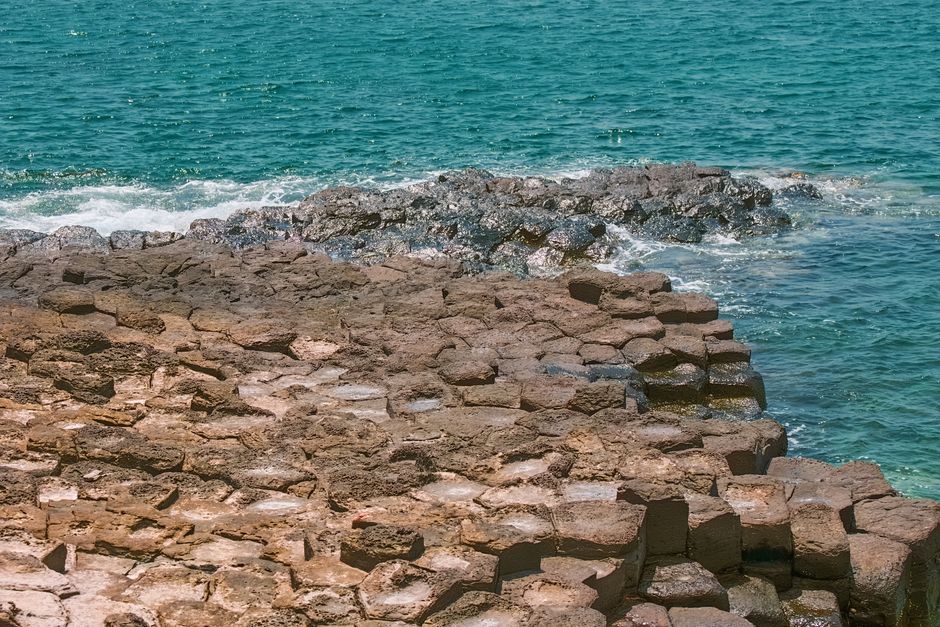
Giant's Causeway, Northern Ireland
Is it a legend of warring giants or a geological marvel of hexagonal basalt columns? Its name invites both.
This iconic formation of interlocking basalt columns along the Antrim coast has a clear scientific explanation: ancient volcanic activity. However, local folklore attributes its creation to the giant Finn MacCool, who supposedly built a causeway to Scotland to fight another giant. The name 'Giant's Causeway' itself champions the legendary narrative, showing how a place's identity can be shaped as much by myth as by fact.
5. The Sky's Mirror, The Earth's Salt
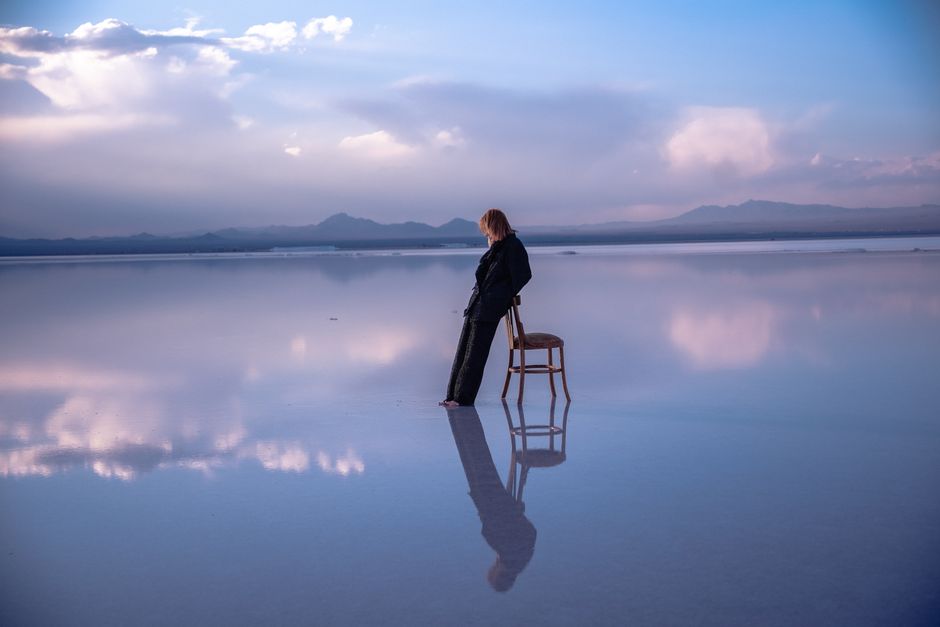
Salar de Uyuni, Bolivia
A blindingly vast salt flat that can appear as a mirror of the sky, known locally as a source of vital resources.
The world's largest salt flat, Salar de Uyuni, is globally renowned for its surreal, reflective surface during the wet season, often called a 'mirror to the heavens.' While its grandeur makes it a tourist magnet, for local communities, it's a fundamental source of salt and lithium. The name 'Uyuni' itself refers to the nearby town, anchoring this immense natural wonder to the everyday lives and livelihoods of the region's inhabitants.
6. Avalon's Ancient Hill
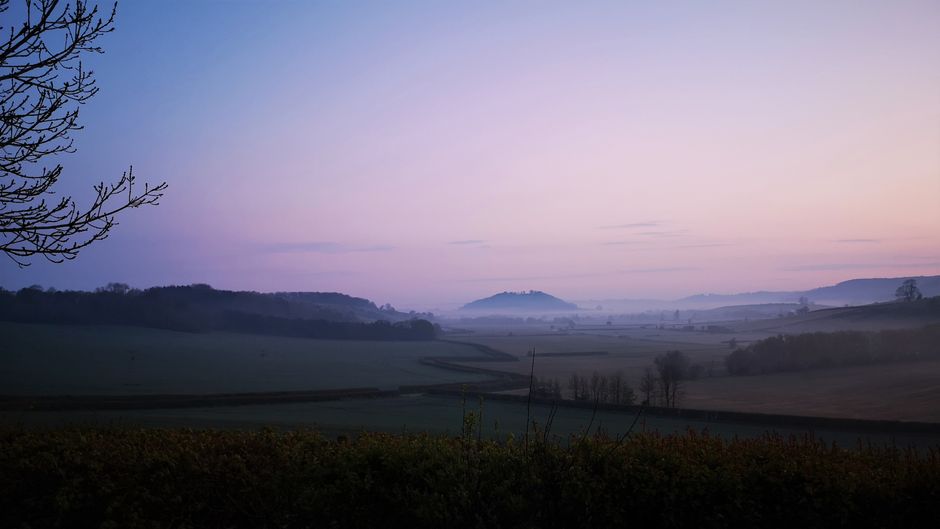
Glastonbury Tor, England
A prominent hill in England, steeped in Arthurian legend and pagan beliefs, known by names that evoke different eras.
Rising dramatically from the Somerset Levels, Glastonbury Tor is crowned by a roofless medieval tower. For some, it is the mystical Isle of Avalon, King Arthur's final resting place. For others, it's a site of ancient Goddess worship, or a Christian pilgrimage site. Its various names and interpretations, from 'Avalon' to 'Glastonbury's Pyramid,' reflect the layered histories and spiritual significance attributed to this unique landmark.
7. The Feather River Canyon
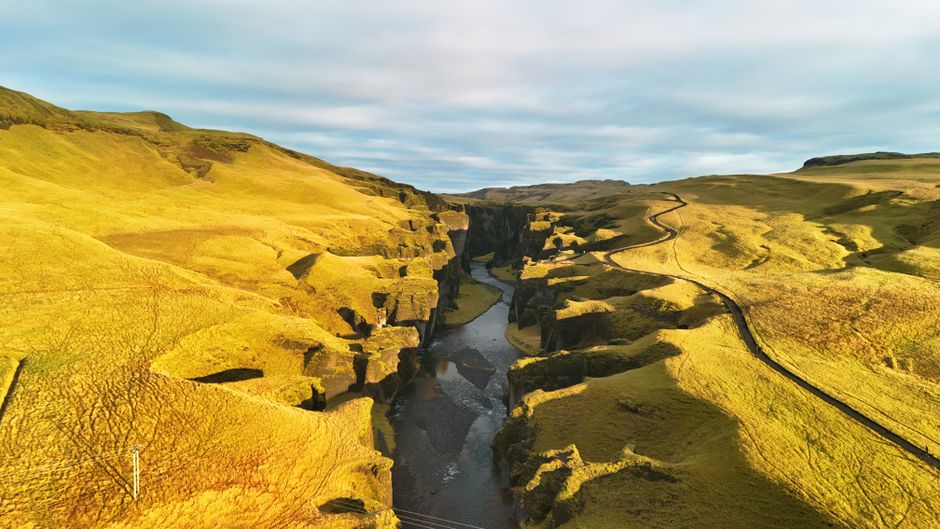
Fjadrargljufur Canyon, Iceland
A serpentine canyon in Iceland, whose name whispers of feathers and cold rivers, offering a different kind of wild beauty.
This magnificent, winding canyon, carved by glacial meltwater over millennia, has a name that sounds as ethereal as its landscape. Fjadrargljufur, meaning 'feather river canyon,' is less traversed than some of Iceland's more famous sites. While its formal name is descriptive, the experience of navigating its moss-covered walls and peering into its deep chasms often evokes a feeling more primal and untamed than any single name can fully capture.
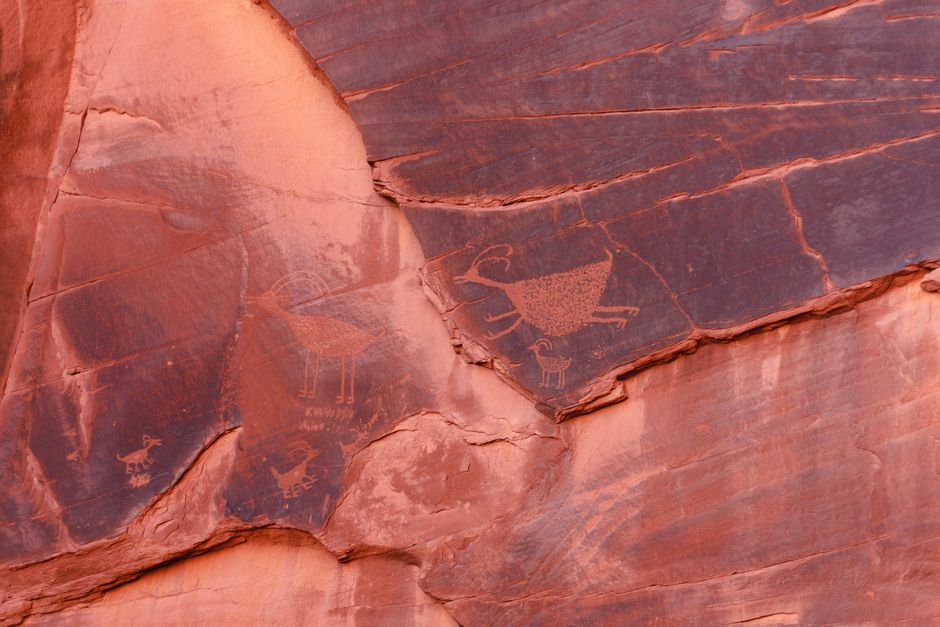
8. Valley of Ancient Fires
Valley of Fire State Park, USA
Ancient petroglyphs and fiery red sandstone formations tell stories of time and the people who once called this desert home.
Its name perfectly describes the vibrant red Aztec sandstone that appears to be on fire when the sun hits it, particularly at sunrise or sunset. Beyond this descriptive modern name, the park is home to ancient petroglyphs created by early Pueblo peoples. These rock art panels, found in specific canyons and on unique formations, bear silent testimony to the original inhabitants' names and stories, long predating any 'valley of fire.'
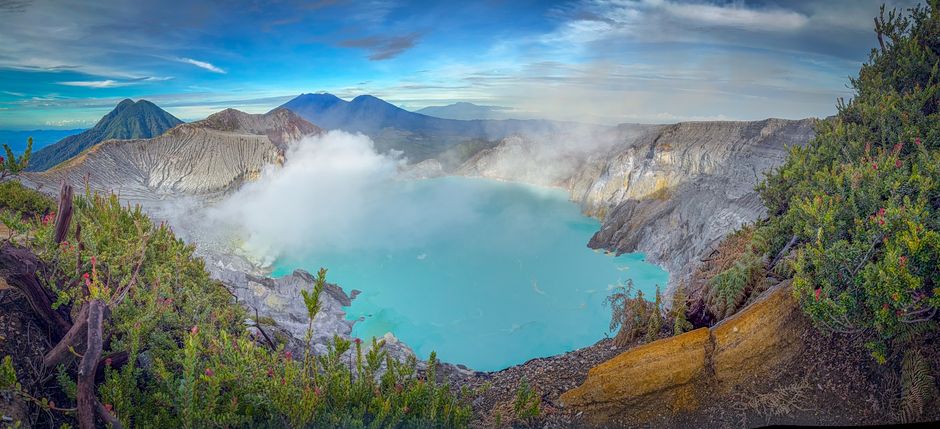
9. The Blue Flame's Heart
Kawah Ijen, Indonesia
A volcano in Indonesia where miners brave toxic fumes for 'blue fire' and a precious yellow mineral, creating a unique human story.
Kawah Ijen is famous for its electric blue flames, visible at night, caused by burning sulfur gases. While 'Kawah Ijen' is its official name, the local terms for the arduous journey, the specific sulfur deposits, or the daily life of the resilient miners who extract the sulfur, hold more immediate, gritty meaning. It's a place where the spectacle of nature meets a profound human struggle, often understood by local names for specific features like 'blue fire mountain' or 'sulfur lake.'
Frequently asked questions
Why do some places have multiple names or different common perceptions?
Places often acquire multiple names or varying perceptions due to different cultural histories, colonial influences, indigenous heritage, or even local colloquialisms. These layers enrich a location's identity, offering diverse perspectives on its significance.
How does history influence the names we use for places?
History plays a crucial role. Conquests, explorations, and changing political landscapes often lead to renaming. Indigenous names might be replaced, then later reinstated, reflecting evolving cultural awareness and respect for original inhabitants.
Is it important to know a place's local or indigenous name?
Absolutely. Knowing a place's local or indigenous name connects you to its deepest cultural roots and stories. It acknowledges the people who first lived there and often reveals profound insights into its true nature, history, or spiritual significance.
How can the AllTours.ai app help me understand places with layered names and histories?
The AllTours.ai app is designed precisely for this. Simply point your phone camera at a landmark or landscape, and it narrates its history, geology, and culture—including insights into different names and their origins—in your preferred language, bringing these complex stories to life on the spot.
Related guides
Photography via Pexels. AllTours.ai is an AI audio tour guide — point your camera at any landscape and hear its story.