July 13, 2026 · 4 min read
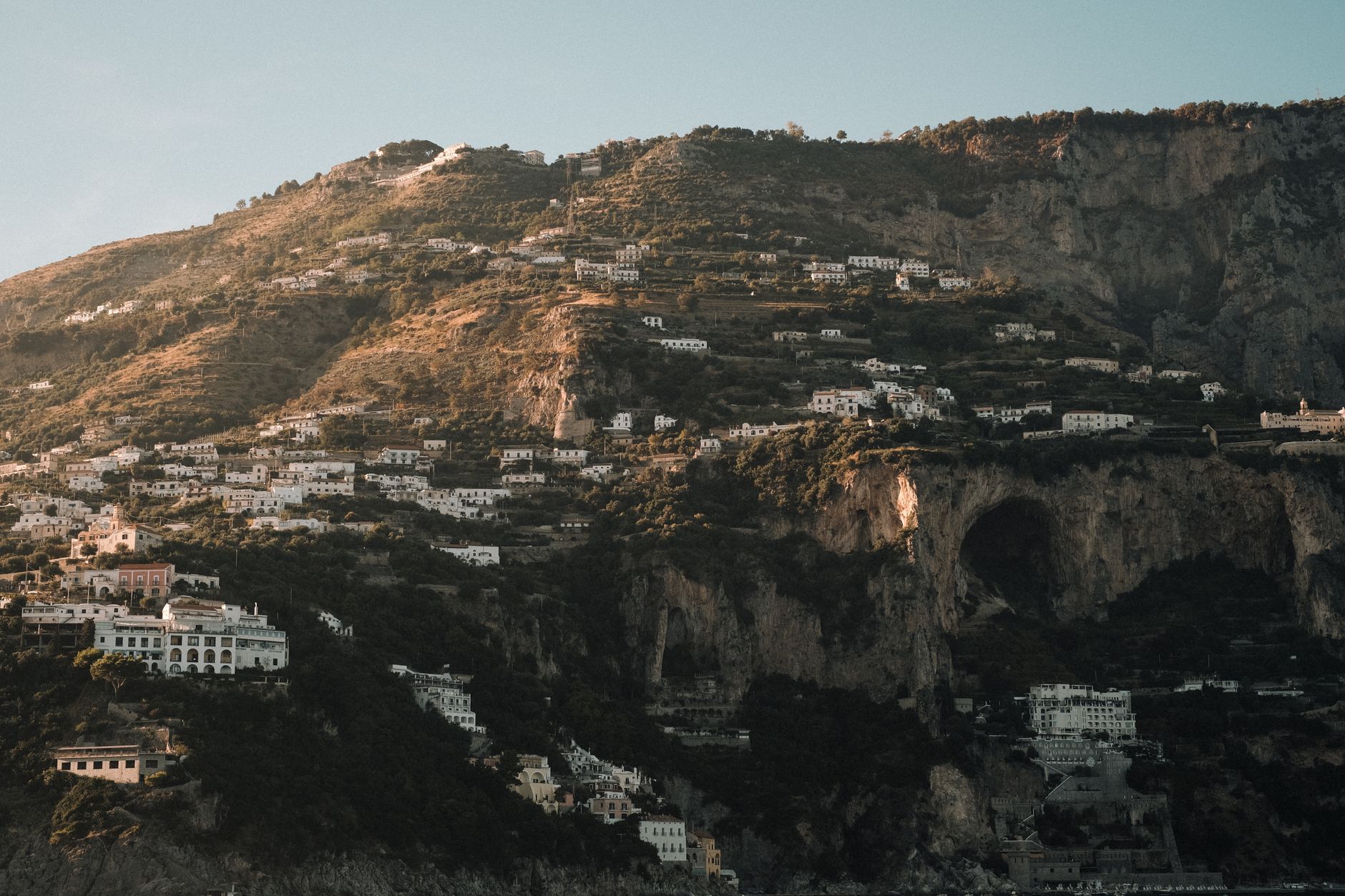
How many times have you visited the Amalfi Coast? If your answer involves Positano's pastel cascades, Ravello's garden vistas, or Amalfi's bustling piazza, you've seen the postcard. But the true spirit of this legendary coastline often whispers from its quieter corners, far from the well-trodden paths.
The Amalfi Coast is a tapestry woven with millennia of history, unique geology, and vibrant local culture. Beyond the famous sights lie ancient secrets, surprising traditions, and breathtaking landscapes that reveal themselves only to the curious traveler willing to look a little deeper.
1. The Valley of Ancient Mills
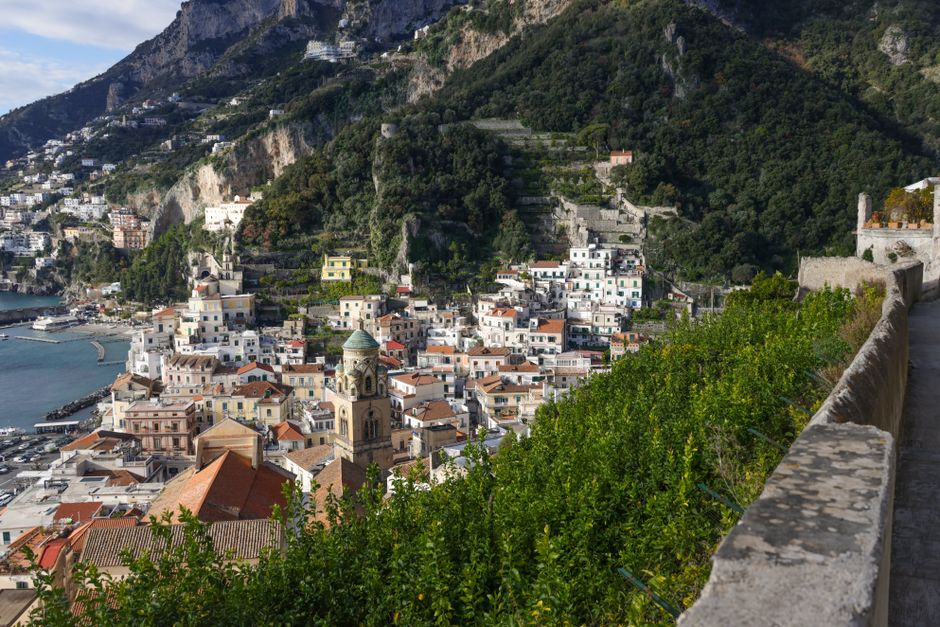
Valle delle Ferriere, Amalfi, Italy
This verdant valley in the heart of the Amalfi Coast harbors prehistoric ferns and was once the industrial engine of a maritime republic.
Tucked behind the bustling town of Amalfi, the Valle delle Ferriere is a natural reserve where a unique microclimate allows rare, ancient ferns to thrive. The same powerful streams that nourish this flora once drove the region's historic paper mills and ironworks, making Amalfi a pioneer in papermaking during the Middle Ages. Walking its paths feels like stepping into a forgotten, greener past.
2. Atrani: The Doges' Secret Village
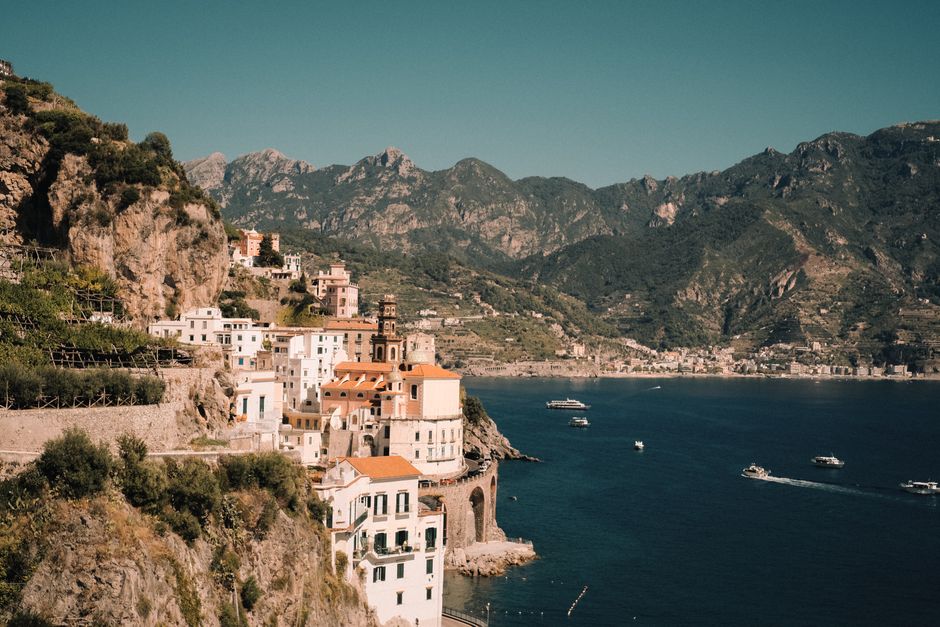
Atrani, Italy
The smallest comune in Italy by area, Atrani once hosted the coronations of Amalfi's Doges, hidden beneath a natural arch.
Atrani remains one of the most authentic and untouched villages on the Amalfi Coast. Its charming piazza, a mere stone's throw from the sea, is framed by pastel houses and ancient churches. Unbeknownst to many, its heart once stretched beneath a towering natural arch (now covered by the main road), where the Doges of the powerful Maritime Republic of Amalfi were crowned, preserving its historical significance away from the grander stage.
3. Cetara: The Anchovy Capital
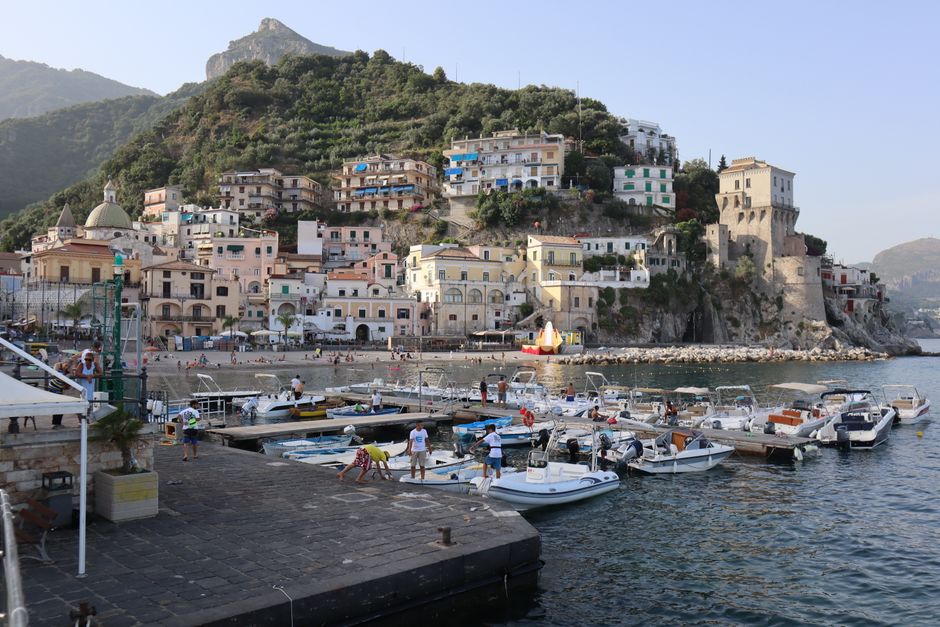
Cetara, Italy
This working fishing village on the Amalfi Coast is the birthplace of a prized Roman-era condiment, Colatura di Alici.
Cetara isn't just picturesque; it's a living testament to ancient fishing traditions. Its identity is intrinsically linked to anchovies and tuna, which have been caught and cured here for centuries. The village is most famous for its 'Colatura di Alici', a clear amber liquid made from fermented anchovies, a direct descendant of the Roman 'garum'. This potent, savory sauce is still produced by local families using methods passed down through generations, making Cetara a unique culinary destination.
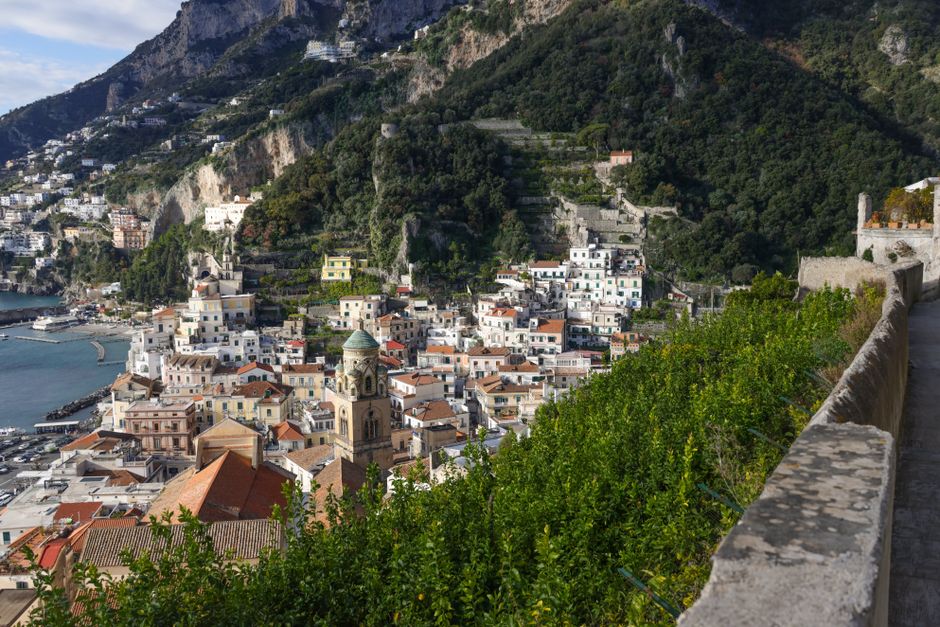
4. Scala: The Viking Connection
Scala, Italy
Perched above Ravello, Scala is the oldest town on the Amalfi Coast and holds a surprising historical link to the Vikings.
Founded in the 4th century, Scala predates its more famous neighbors and offers unparalleled views. Its rich history includes being a powerful rival to Amalfi and a significant bishopric. A lesser-known fact is its connection to the Vikings: legend has it that in 870 AD, a group of Vikings, mistaking Scala for Rome, attacked and sacked the town. Evidence suggests a settlement, or at least a significant raid, by Norsemen, adding an unexpected layer to its ancient past.
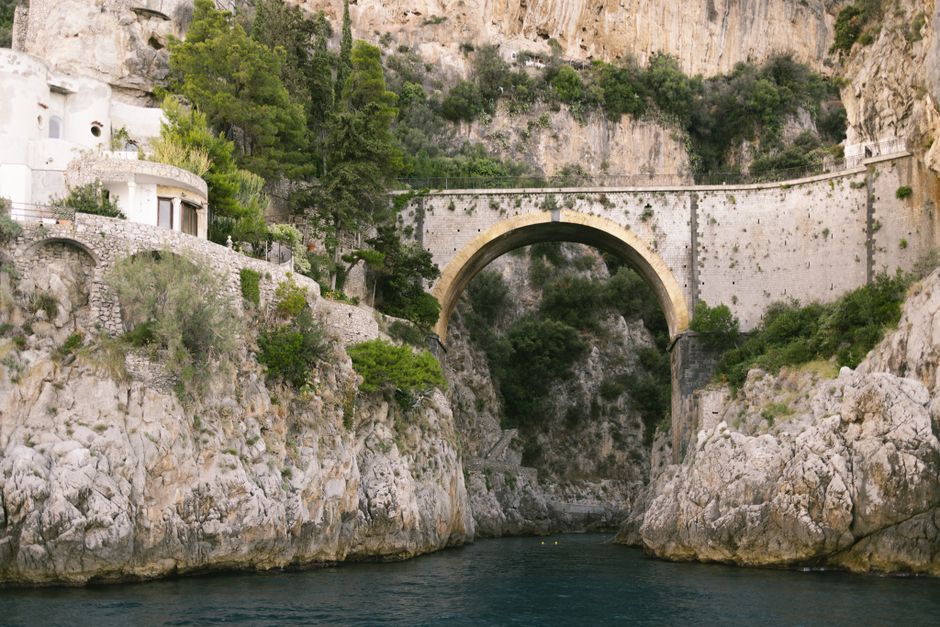
5. Furore Fjord: The Painted Village
Fiordo di Furore, Italy
This dramatic natural fjord on the Amalfi Coast hides a secret beach and a cluster of houses clinging to the cliffs, known as the 'Painted Village.'
The Furore Fjord is a geological marvel: a deep incision in the rock where the Schiato stream plunges into the sea. Below a bridge where a famous annual diving competition takes place, a tiny, secluded beach emerges. The houses of the former fishing village, clinging to the fjord's sides, are often adorned with vibrant murals, earning it the nickname "Il Paese Dipinto" (The Painted Village), a unique blend of nature and art.
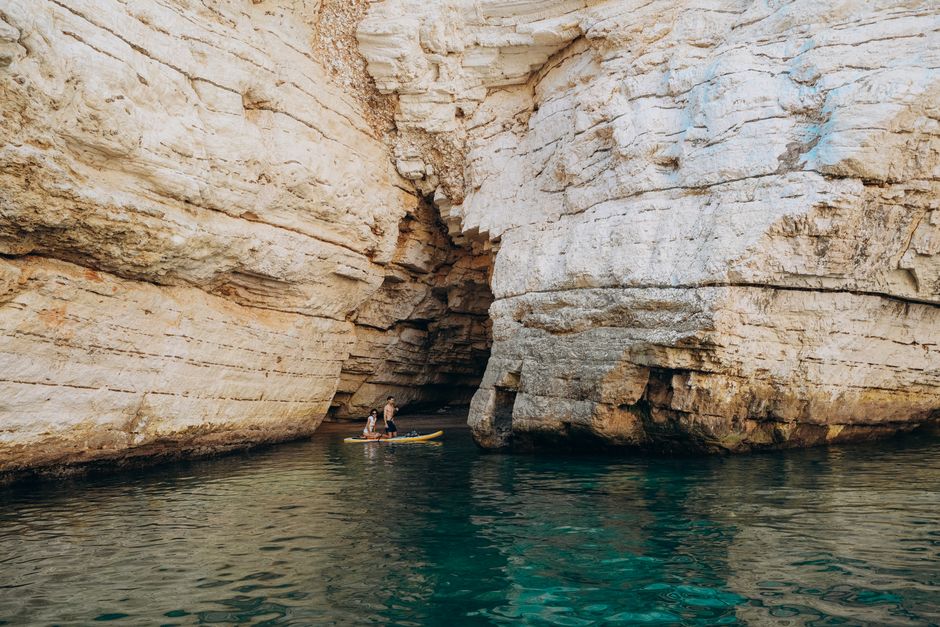
6. Grotta dello Smeraldo: The Emerald Grotto
Conca dei Marini, Italy
While overshadowed by Capri's Blue Grotto, this sea cave offers an equally enchanting spectacle of emerald light and submerged wonders.
Accessible by elevator or stairs from the coastal road, the Grotta dello Smeraldo offers a dazzling alternative to its more famous counterpart. Sunlight filters through an underwater crevice, illuminating the cavern with an ethereal emerald glow that transforms the clear water. Inside, visitors glide on rowboats past ancient stalactites and stalagmites, and even a unique submerged ceramic nativity scene, creating a truly magical and less crowded experience.
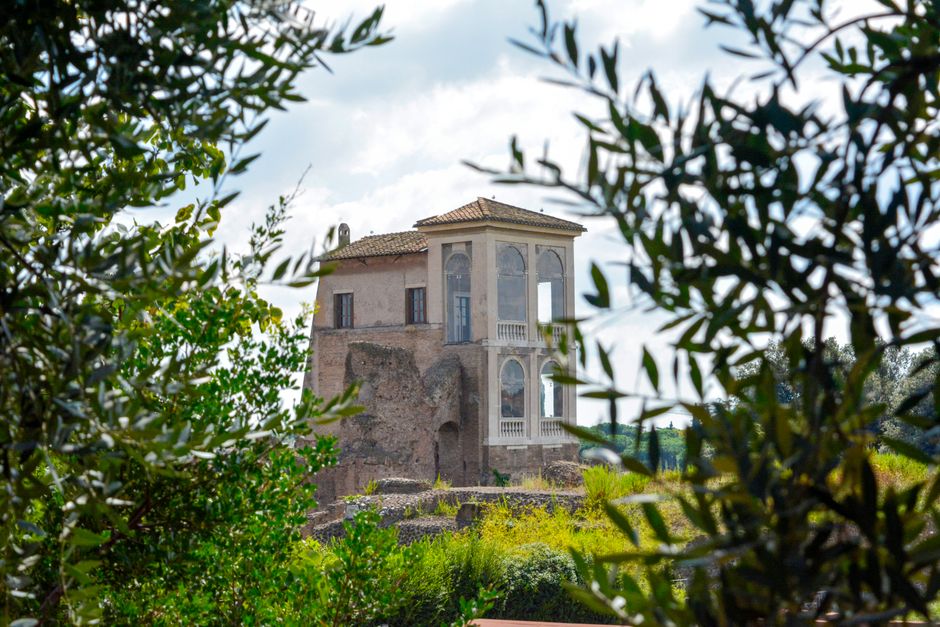
7. Villa Romana di Minori: An Emperor's Retreat
Minori, Italy
Minori hides the remarkably preserved ruins of a 1st-century AD Roman villa, complete with frescoes and an ancient nymphaeum.
Long before it became a popular resort town, Minori was a favored retreat for Roman nobility. The Villa Romana, dating back to the 1st century AD, offers a fascinating glimpse into this ancient past. Discovered relatively recently, its remains include well-preserved frescoes, mosaic floors, and a grand nymphaeum (a grotto-like shrine to nymphs) with a complex water system. It suggests a luxurious seaside residence, complete with private baths and panoramic sea views, a testament to Minori's enduring appeal.
Frequently asked questions
Is Amalfi Coast very touristy?
Yes, popular towns like Positano, Amalfi, and Ravello can get extremely crowded, especially during peak season (June-August). However, as this guide shows, many quieter villages and natural sites offer a more peaceful experience away from the main tourist hubs.
What is the best time to visit the Amalfi Coast for fewer crowds?
The shoulder seasons, late April to May and September to early October, are ideal. The weather is pleasant, most attractions are open, and the crowds are significantly smaller than in the summer months, allowing for a more authentic and relaxed visit.
Are there good hiking trails on the Amalfi Coast?
Absolutely! The Amalfi Coast boasts numerous breathtaking hiking trails, from challenging mountain paths to gentle coastal walks. While the Path of the Gods is famous, lesser-known routes like the Valle delle Ferriere or trails connecting villages offer stunning views and a deeper connection to the region's natural beauty.
How can I learn more about these hidden gems as I travel?
The AllTours.ai app is designed for exactly this. Simply point your phone camera at a landmark, a historical site, or even a natural landscape, and the app will narrate its fascinating history, geological features, and cultural significance directly to you, in your preferred language.
Related guides
Photography via Pexels. AllTours.ai is an AI audio tour guide — point your camera at any landscape and hear its story.