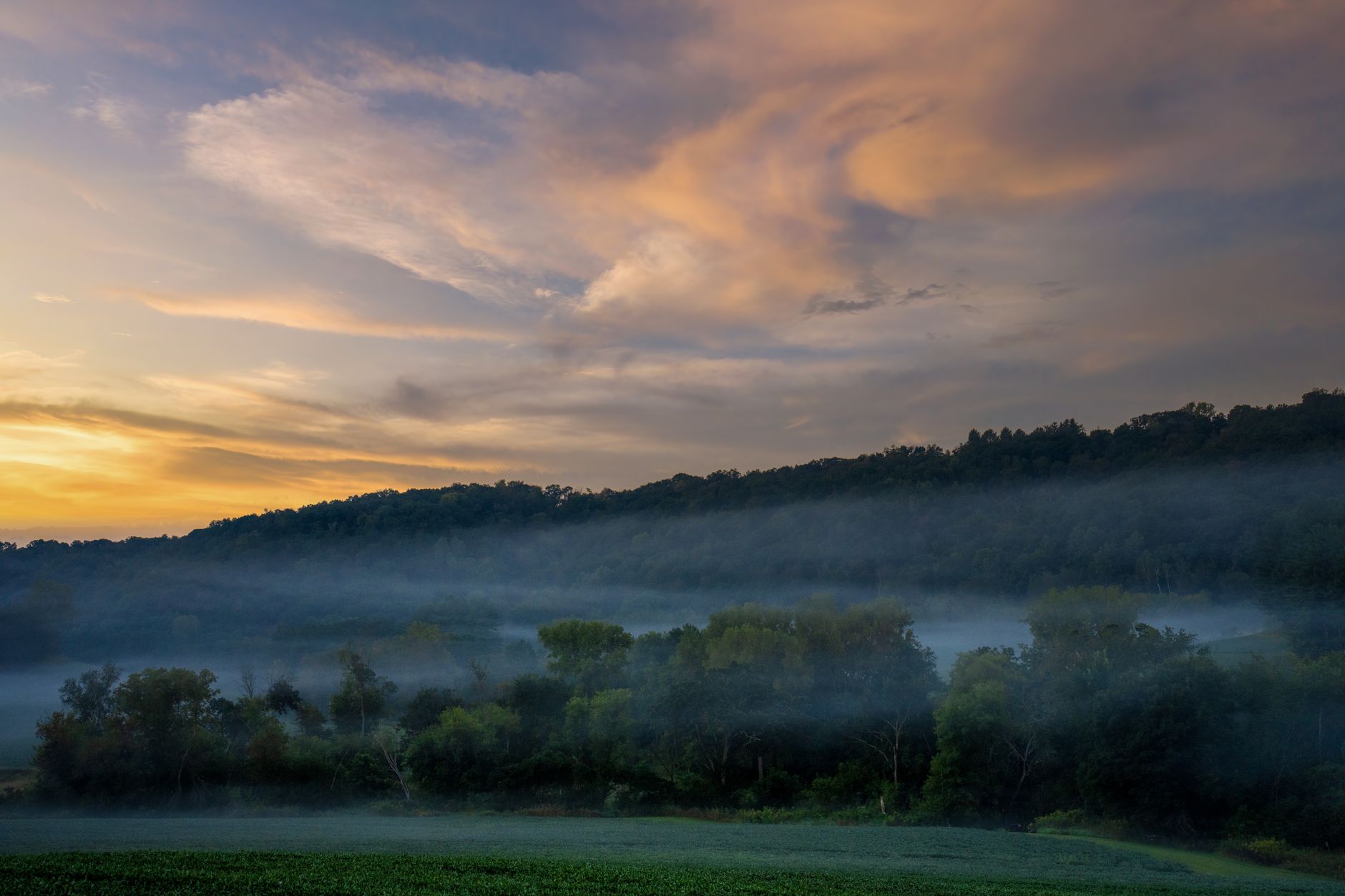
September 15, 2026 · 4 min read
You've heard the advice: eating only home-cooked food can help reduce weight by fostering mindful choices and natural ingredients. It's about stripping away the processed, the artificial, and reconnecting with something genuine. But what if we applied that same principle to our travels?
What if, instead of mass-produced tourist experiences, we sought out the 'home-cooked meals' of the travel world—authentic, deeply satisfying encounters that nourish the spirit and leave us feeling lighter? These are places not just seen, but truly experienced, revealing profound stories often overlooked by the casual visitor. Here are a few such destinations.
1. The Dawn of Civilization's Stone Circles
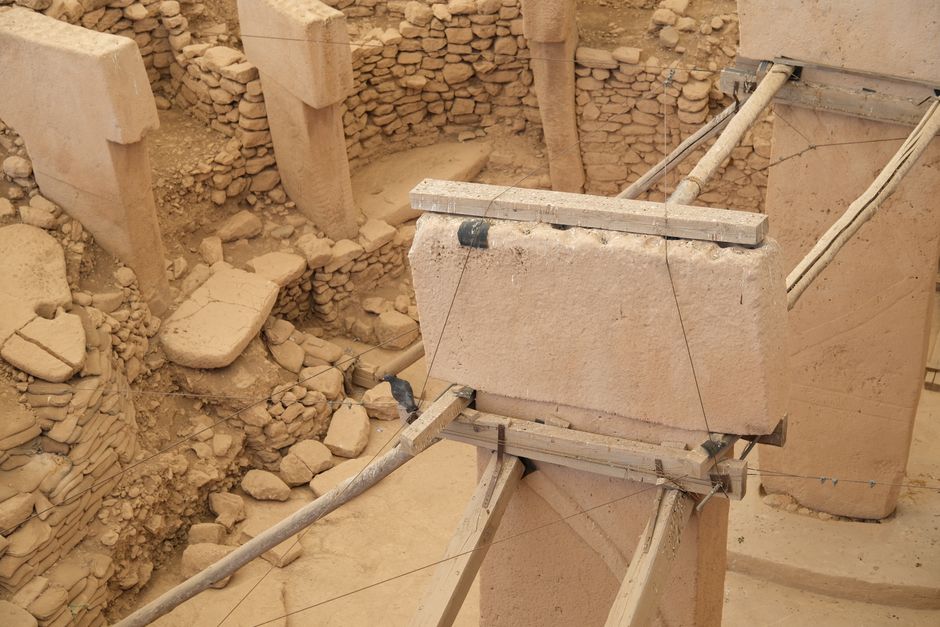
Göbekli Tepe, Turkey
Long before agriculture or pottery, hunter-gatherers engineered massive stone structures that rewrite the story of human civilization.
Perched on a hilltop in southeastern Turkey, Göbekli Tepe stands as the world's oldest known temple, predating Stonehenge by 6,000 years. Its monumental T-shaped pillars, carved with intricate animal reliefs, were erected by people thought to be simple hunter-gatherers. This discovery challenges the long-held belief that complex societies and monumental architecture only emerged after the development of agriculture, suggesting that spiritual needs might have driven settlement and innovation first.
2. A Diamond Ghost Town Swallowed by Sand
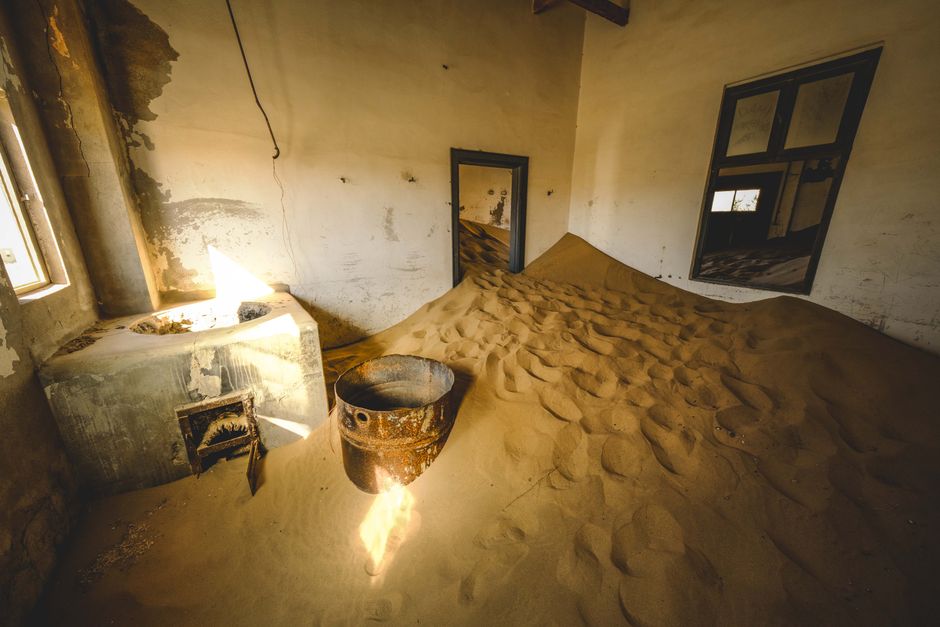
Kolmanskop, Namibia
In the heart of the Namib Desert, a once-opulent German diamond mining town is slowly being reclaimed by towering sand dunes.
Kolmanskop rose from the desert in the early 20th century, a bustling hub for diamond prospectors. It boasted a hospital, ballroom, power station, and even a bowling alley, all constructed with German precision. But after the diamond fields depleted, the town was abandoned in 1954. Today, its elegant buildings stand empty, their rooms filled with drifts of sand, creating an eerie, beautiful spectacle where nature's relentless power silently erases human ambition.
3. The Vanished Literary World of a Remote Isle
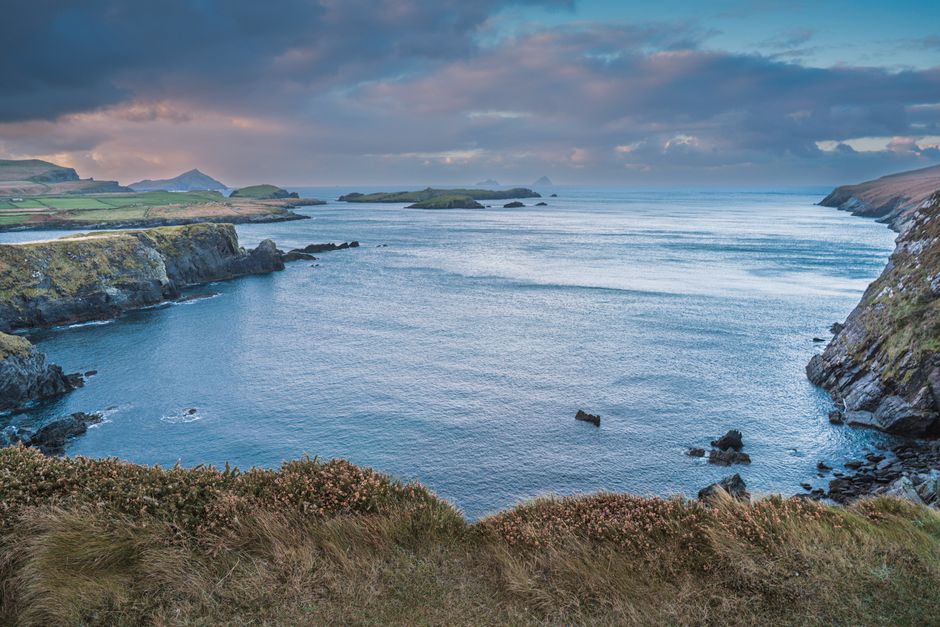
Great Blasket Island, Ireland
This windswept island, abandoned in 1953, was once home to a vibrant community of unlettered storytellers whose memoirs became literary classics.
Off the coast of County Kerry, Great Blasket Island is a starkly beautiful place, now uninhabited but echoing with tales. Its isolated residents, despite lacking formal education, developed a rich oral tradition. In the early 20th century, scholars arrived and encouraged them to write down their lives, resulting in masterpieces like 'Twenty Years A-Growing' and 'The Islandman.' These accounts offer an unparalleled glimpse into a unique way of life, preserved in the very language of the islanders before their community ultimately dwindled and evacuated.
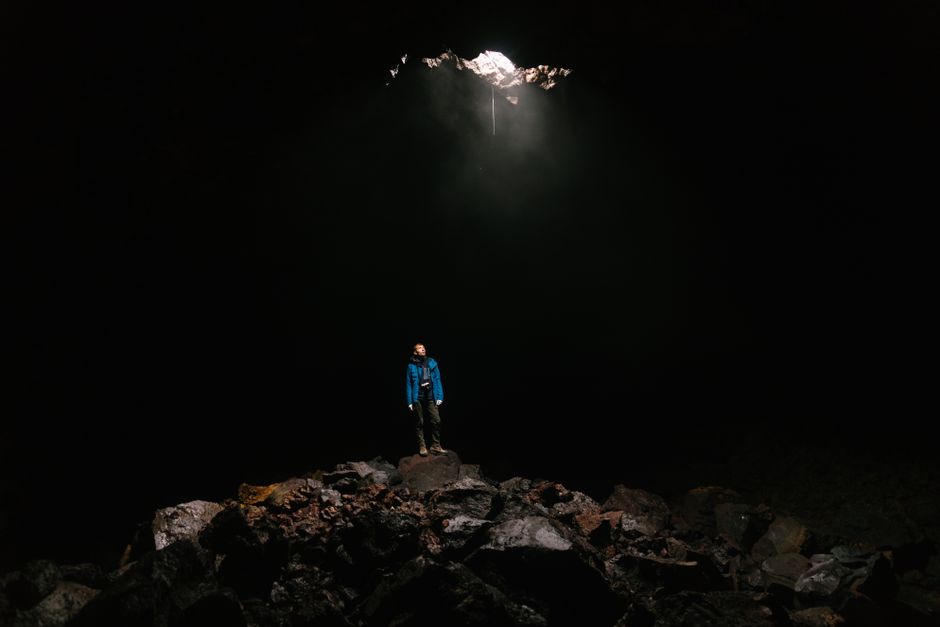
4. Nature's Basalt Cathedral and its Ethereal Music
Isle of Staffa, Scotland
This uninhabited Scottish island harbors Fingal's Cave, a natural wonder of hexagonal basalt columns that inspired Mendelssohn's famous overture.
The Isle of Staffa, part of the Inner Hebrides, is a marvel of geological forces. Its most famous feature, Fingal's Cave, is a sea cavern formed entirely from tessellated basalt columns, resembling a grand cathedral. The unique acoustics inside the cave, where the waves crash and echo, inspired Felix Mendelssohn to compose his 'Hebrides Overture' (also known as 'Fingal's Cave'). Visiting this natural wonder feels like stepping into a mythical realm, where geology and legend intertwine.
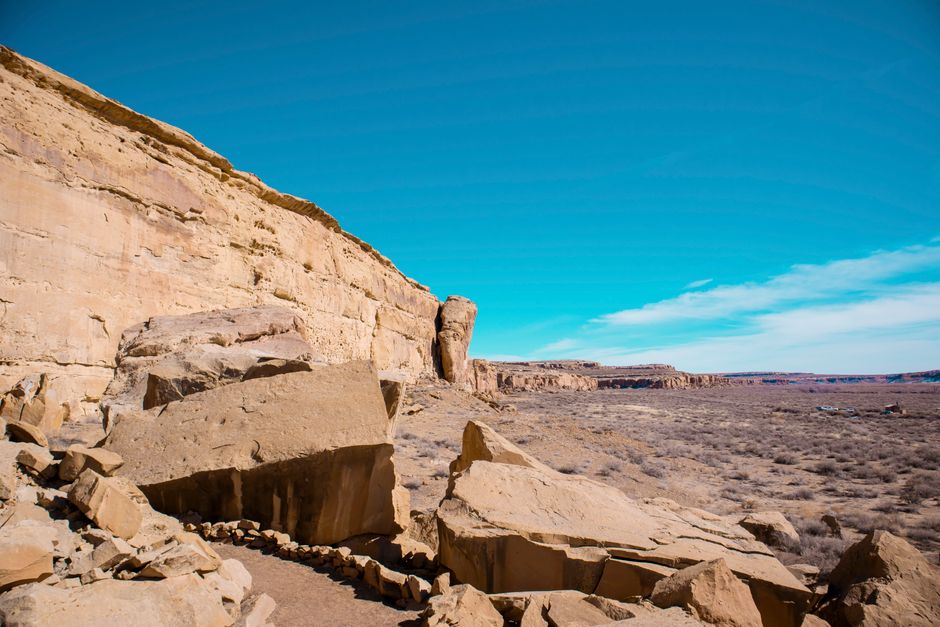
5. Ancient Pueblo Sky-Watchers and Desert Engineers
Chaco Culture National Historical Park, USA
A vast network of ancient stone structures in the New Mexico desert reveals a sophisticated civilization that meticulously tracked celestial events.
Chaco Canyon was the heart of a major Ancestral Puebloan culture between 850 and 1250 AD. Its monumental multi-story 'Great Houses' were not just dwellings but complex ceremonial centers, aligned with astronomical precision to solstices and equinoxes. The Chacoans also engineered an extensive road system across hundreds of miles of desert and developed sophisticated water control systems. The sheer scale and astronomical knowledge embedded in these ruins suggest a society deeply connected to the cosmos, leaving behind a silent testament to their ingenuity.
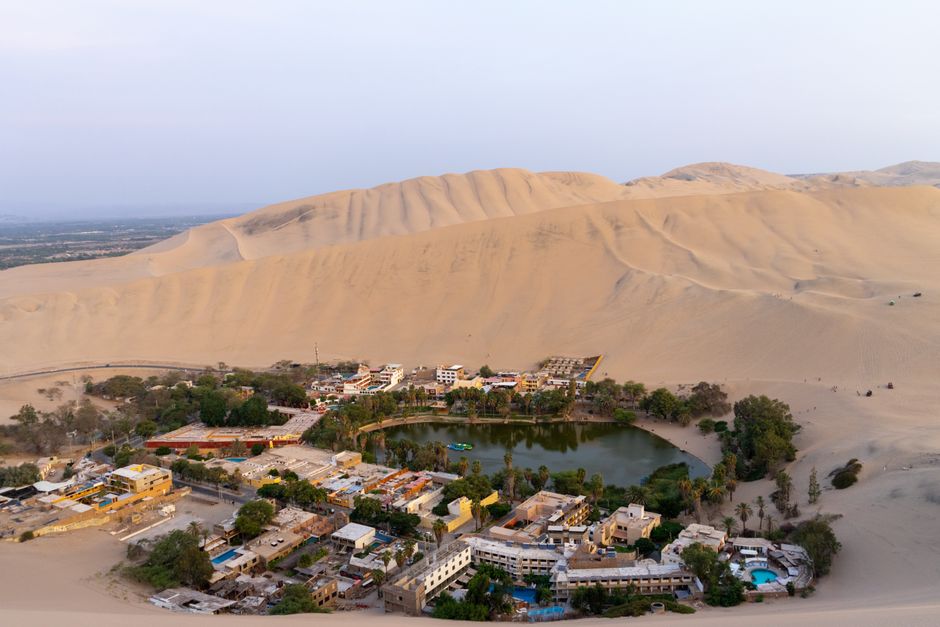
6. The Emerald Oasis with a Healing Mermaid's Tale
Huacachina, Peru
Hidden amidst towering desert dunes, this natural oasis is said to have formed from the tears of a heartbroken mermaid whose tears created the lagoon.
Huacachina is a surreal sight: a vibrant green lagoon fringed with palm trees, surrounded by colossal sand dunes in the Ica Region of Peru. Local legend tells of a beautiful princess named Huacachina who wept after her lover died in battle; her tears formed the lagoon, and she transformed into a mermaid, forever guarding its healing waters. Beyond the folklore, the oasis offers unique experiences like sandboarding down the dunes and buggy rides, making it a living testament to both natural beauty and enduring myth.
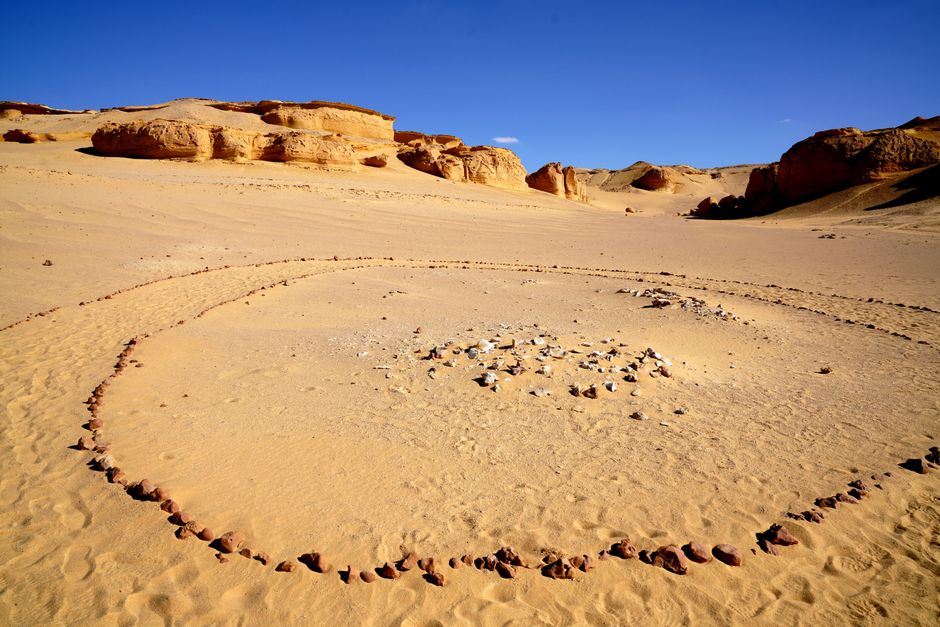
7. The Earth's 'Eye' in the Sahara
The Richat Structure, Mauritania
Visible from space, this enigmatic 30-mile-wide geological formation resembles a bull's-eye, its origin debated by scientists for decades.
Deep within the Sahara Desert lies the Richat Structure, often called the 'Eye of the Sahara.' This massive circular feature, nearly 50 kilometers (30 miles) in diameter, was originally thought to be an impact crater. However, geological studies now suggest it's a deeply eroded dome, an exposed cross-section of Earth's crust. Its concentric rings of rock, varying in color and texture, create a breathtaking natural pattern. The Richat Structure remains a subject of ongoing scientific fascination, a powerful reminder of Earth's dynamic and mysterious geological processes.
Frequently asked questions
What does 'home-cooked travel' truly mean?
It's a metaphor for seeking authentic, deep, and enriching travel experiences that go beyond typical tourist traps. Just as home-cooked food nourishes your body with genuine ingredients, 'home-cooked travel' nourishes your spirit with genuine stories, local culture, and unique insights into a place's history and geology.
How can I find more of these lesser-known, authentic travel spots?
Start by looking beyond the main city guides. Research local history, geology maps, and cultural organizations. Often, asking locals for their favorite hidden gems or exploring smaller towns and national parks can lead to incredible discoveries that offer a truly 'home-cooked' travel experience.
Is it safe to visit very remote or less-traveled places?
Safety is paramount. When venturing to remote locations, thorough research is essential. Always check travel advisories, inform others of your itinerary, and consider hiring local guides who understand the terrain and cultural nuances. Preparation, respect for local customs, and awareness of your surroundings are key.
How does AllTours.ai help me experience these unique places?
AllTours.ai is designed to bring the rich stories of any landscape or landmark directly to you. Simply point your phone camera at a site, and our AI narrates its history, geology, and culture in your language, making every authentic discovery even more profound and accessible.
Related guides
Self-guided audio tours
Walk these places stop by stop — free five-stop story tours you can take at your own pace:
Photography via Pexels. AllTours.ai is an AI audio tour guide — point your camera at any landscape and hear its story.