August 4, 2026 · 4 min read
In a world buzzing with constant connectivity, sometimes what we truly crave is a different kind of connection: one with the ancient, enduring pulse of the earth itself. It's that feeling of awe when standing before a landscape shaped by millennia, or sensing the echoes of cultures deeply interwoven with their surroundings. These moments remind us of our place in the grand tapestry of time and nature.
But finding such places often means looking beyond the well-trodden paths. We've curated a list of 8 truly unique, lesser-known spots around the globe, each with a surprising story hook rooted in its geology, history, or culture. These are not just destinations; they are invitations to feel the profound, quiet power of our planet beneath your feet.
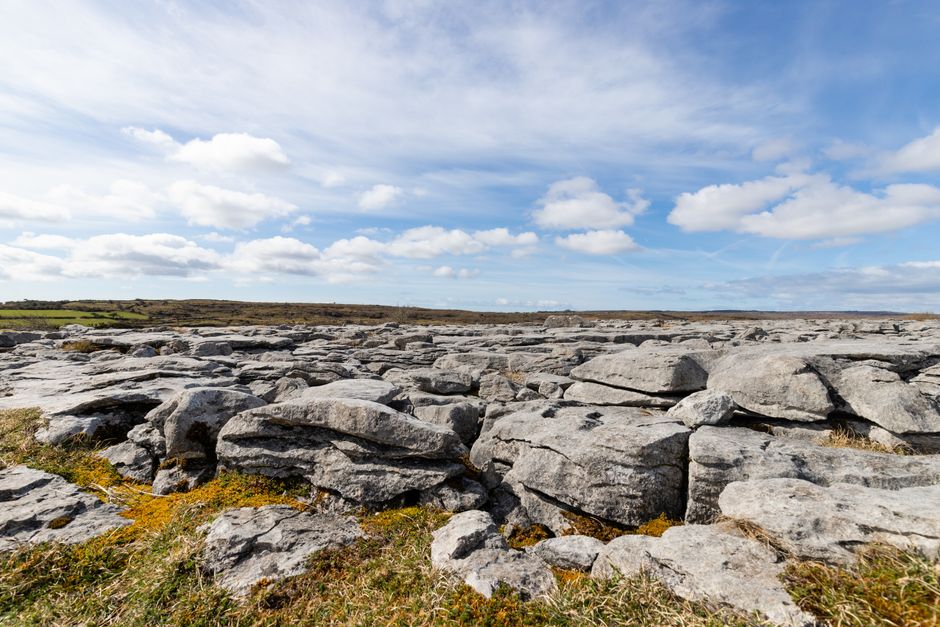
1. The Burren's Botanical Anomaly
The Burren, Ireland
In this stark limestone landscape, Arctic and Mediterranean plants grow side-by-side, a botanical anomaly defying climatic logic.
The Burren is a vast glacio-karst landscape of exposed limestone, appearing barren yet hosting an incredible biodiversity. Its unique microclimates allow species from disparate regions – like mountain avens (Arctic) and dense-flowered orchid (Mediterranean) – to thrive in close proximity. Walking here reveals the surprising resilience and adaptability of life against a backdrop of ancient geological forces.
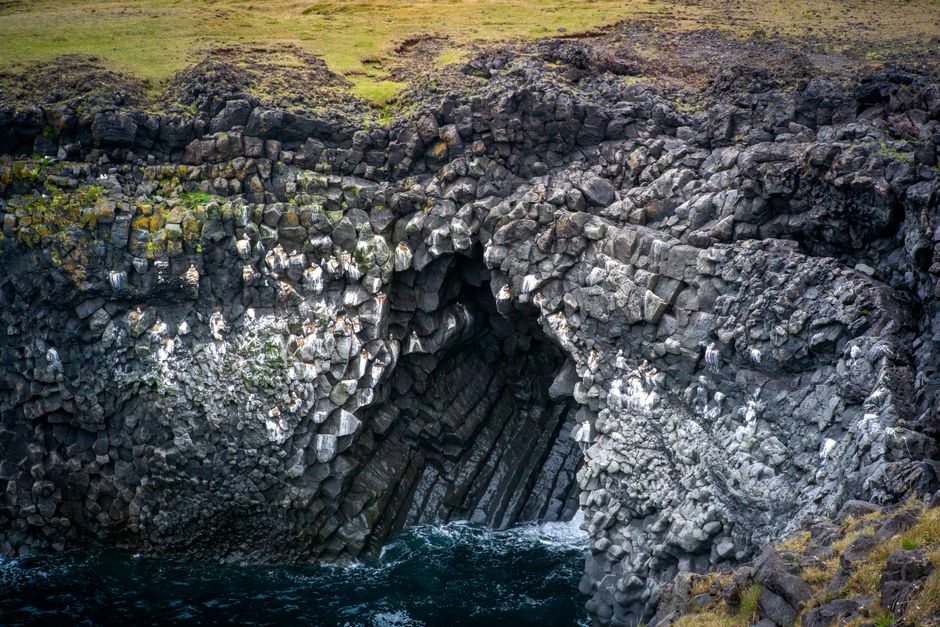
2. Fingal's Cave: Nature's Organ
Isle of Staffa, Scotland
This uninhabited island is home to a sea cave made entirely of hexagonal basalt columns, where waves resonate like a natural pipe organ.
Formed by ancient volcanic eruptions, Staffa's columns are a geological marvel, perfectly hexagonal and reaching skyward. Inside Fingal's Cave, the rhythmic crash of the Atlantic Ocean against these basalt formations creates an eerie, cathedral-like acoustics, inspiring myths of giants and ancient Celtic tales. It's a place where deep time and elemental forces are palpable.
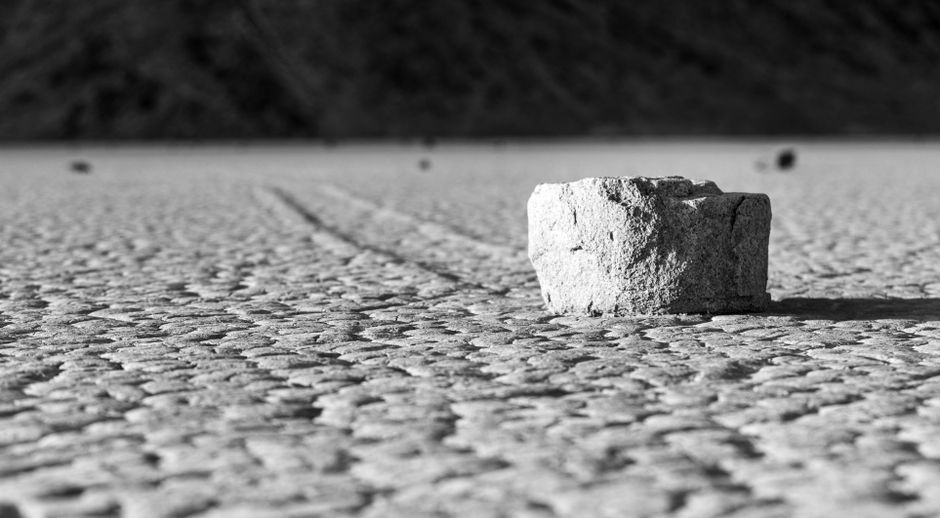
3. The Desert's Sailing Stones
Racetrack Playa, Death Valley National Park, USA
Mysterious rocks weighing hundreds of pounds slide across this flat desert floor, leaving long, visible tracks without any human or animal intervention.
Racetrack Playa is a remote, dry lakebed famous for its "sailing stones." For decades, the mechanism behind their movement baffled scientists. It's now understood that a rare combination of thin ice sheets forming overnight, light winds, and a muddy surface allows the rocks to glide, documenting a silent, ephemeral dance of natural physics on a vast, ancient stage.
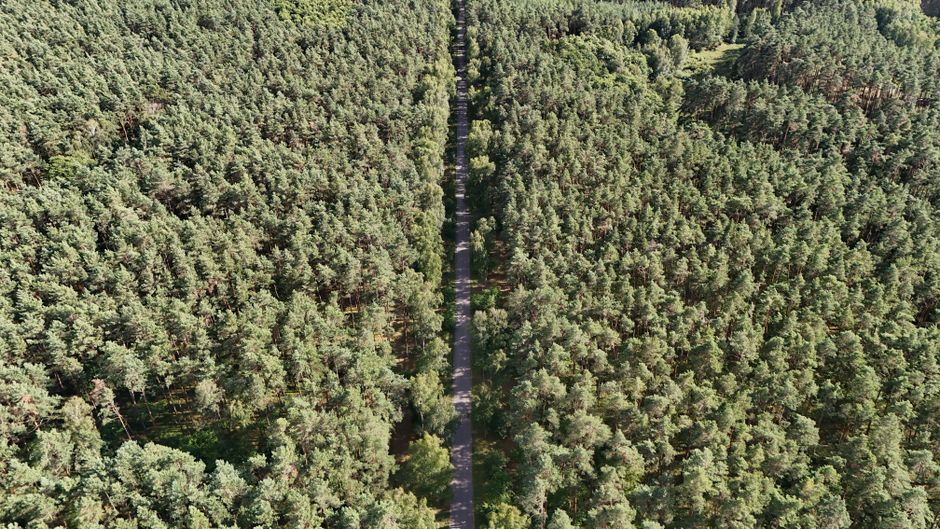
4. Poland's Crooked Forest
Gryfino, Poland
Near the town of Gryfino, hundreds of pine trees grow with a mysterious, sharp 90-degree bend in their trunks just above the ground.
Planted around the 1930s, the "Krzywy Las" or Crooked Forest remains an unsolved natural puzzle. Theories range from specific snow damage to deliberate human intervention, perhaps to create naturally curved timber for furniture or shipbuilding. Walking among these oddly contorted trees feels like stepping into a fairytale, a quiet testament to nature's enigmatic forms.
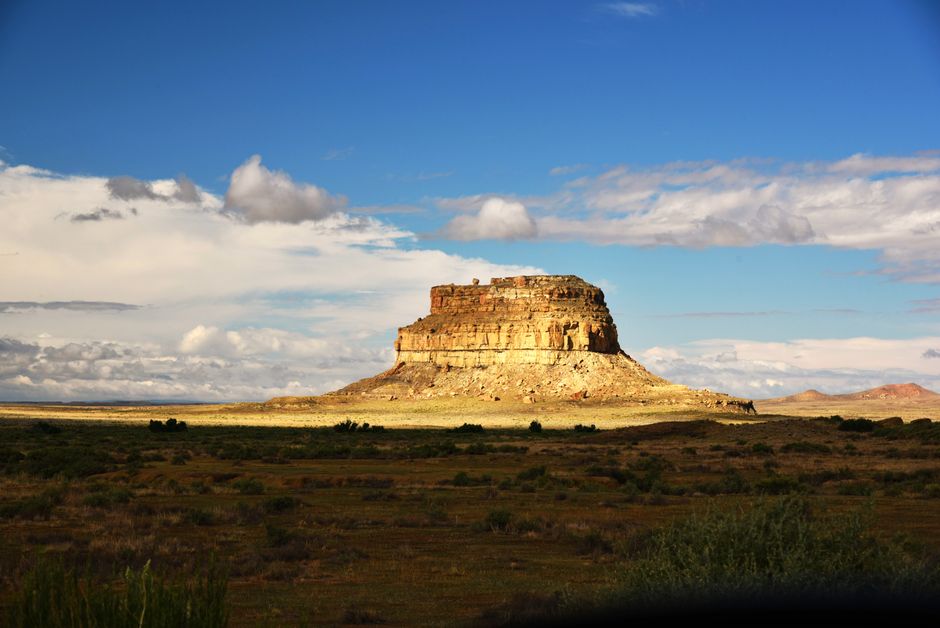
5. Chaco Canyon's Cosmic Alignments
Chaco Culture National Historical Park, USA
Ancient Puebloans built monumental structures here, precisely aligned with the solstices, equinoxes, and lunar cycles, revealing an extraordinary astronomical understanding.
A UNESCO World Heritage site, Chaco Canyon was a major center of Ancestral Puebloan culture over a thousand years ago. The "Great Houses" like Pueblo Bonito are architectural masterpieces, meticulously oriented to celestial events. Walking through these ruins, you sense the profound spiritual and scientific connection the Chacoans had to the cosmos and the desert landscape.
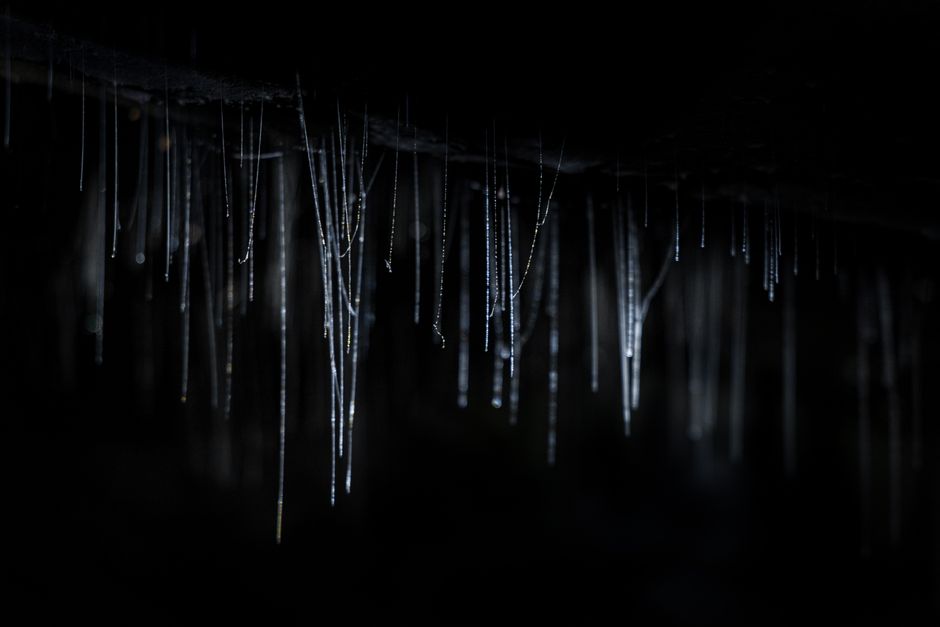
6. Waitomo's Living Starlight
Waitomo Glowworm Caves, New Zealand
Thousands of tiny glowworms illuminate these subterranean caves, creating a mesmerizing, living starfield on the cave ceilings.
Beneath the rolling green hills of New Zealand's North Island lies a labyrinth of limestone caves, home to the Arachnocampa luminosa glowworm. A silent boat ride through the Glowworm Grotto reveals a breathtaking spectacle: millions of bioluminescent larvae clinging to the cave roof, their tiny lights reflecting in the underground river, creating an ethereal, otherworldly sky.
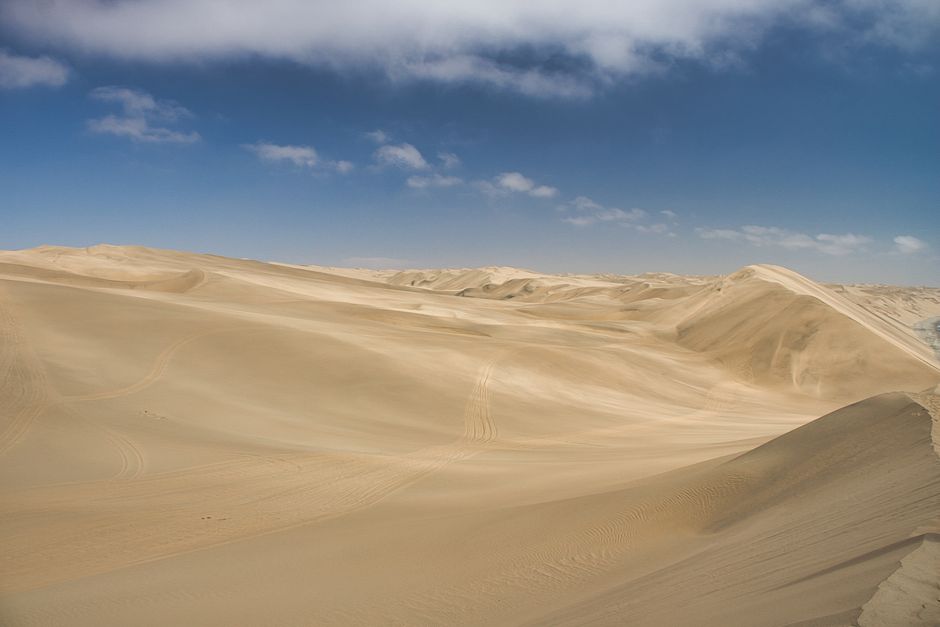
7. Namib's Shifting Sands and Sea
Namib Sand Sea, Namibia
This is the world's only coastal desert where massive, active sand dunes literally meet the crashing waves of the Atlantic Ocean.
A UNESCO World Heritage site, the Namib Sand Sea is a dynamic landscape of towering dunes, some of the highest in the world, sculpted by millennia of wind. Here, the planet's oldest desert collides with the cold Benguela Current, creating a hauntingly beautiful and ecologically unique environment where marine fog sustains desert life. Walking along the shoreline where sand meets sea is an experience of elemental grandeur.
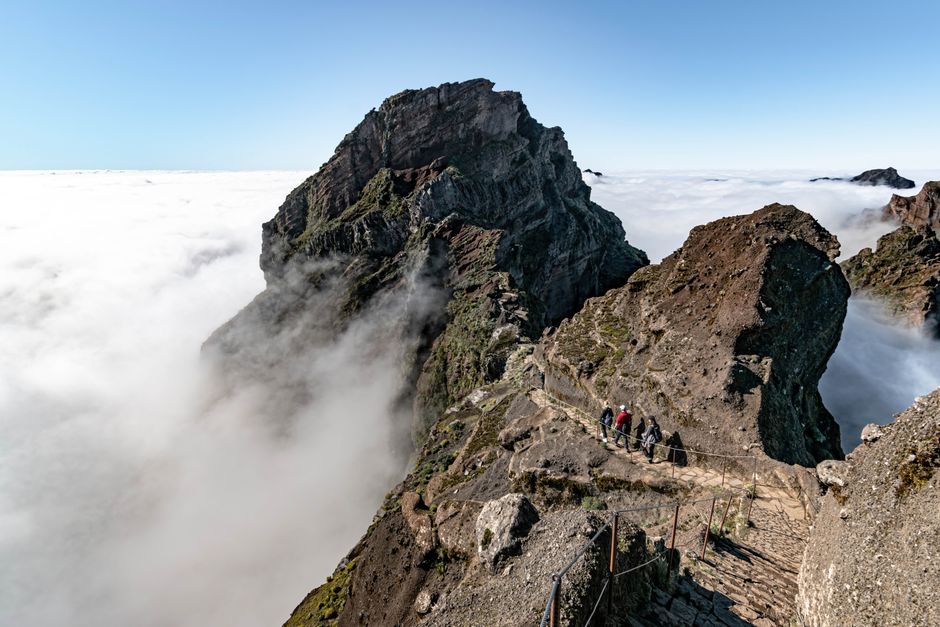
8. Madeira's Volcanic Peaks Above Clouds
Pico Ruivo Trail, Madeira, Portugal
Hiking this trail takes you across ancient volcanic ridges and peaks, often above the cloud line, offering a dramatic sense of walking on the roof of the world.
The demanding but rewarding Pico Ruivo trail connects Madeira's highest peaks, Pico do Arieiro and Pico Ruivo. The path winds through tunnels, over steep ascents, and along narrow ridges, revealing a stark, primordial landscape forged by volcanic activity. On clear days, the views extend to an ocean of clouds, making you feel profoundly connected to the island's geological origins and the vastness of the sky.
Frequently asked questions
What does 'connected to the earth' really mean in a travel context?
It means finding places that evoke a deep sense of belonging, wonder, or understanding of our planet's natural processes and human history. It's about feeling grounded by ancient landscapes, learning from indigenous cultures, or simply being present in a place that feels timeless and vast.
How can I find truly unique travel destinations beyond the usual tourist spots?
Research is key! Look for UNESCO World Heritage sites that are less visited, consult local tourism boards for lesser-known natural parks, or search for geological wonders and cultural traditions specific to a region. Often, focusing on a particular niche like "karst landscapes" or "ancient astronomical sites" can reveal hidden gems.
What are some simple ways to practice mindful walking in nature?
To walk mindfully, engage all your senses: notice the sounds of wind and birds, the scent of earth and plants, the textures underfoot, and the play of light. Focus on your breath and the rhythm of your steps. Leave your phone in your pocket (unless for navigation or photos) and simply observe without judgment, letting the environment speak to you.
How can AllTours.ai help me connect more deeply with these places?
AllTours.ai transforms your phone into an AI audio tour guide. Simply point your camera at any landscape or landmark, and the app instantly narrates its history, geology, and culture in your language. It allows you to uncover the hidden stories and profound significance of any place you visit, turning a walk into a rich, immersive learning experience without needing pre-downloaded tours.
Related guides
Self-guided audio tours
Walk these places stop by stop — free five-stop story tours you can take at your own pace:
Photography via Pexels. AllTours.ai is an AI audio tour guide — point your camera at any landscape and hear its story.