September 20, 2026 · 4 min read
The world is vast, full of breathtaking landscapes and profound histories, but navigating it isn't always straightforward. A common concern for travelers is how past legal troubles, even minor ones like a proven misdemeanor or civil offense, might impact their ability to cross international borders. The truth is, the answer is complex and varies significantly from one nation to another.
While some countries maintain relatively lenient policies, others have strict immigration laws that can indeed lead to denial of entry or even being 'blacklisted' for even seemingly minor infractions. These hidden rules often mirror the hidden histories of the places themselves—stories that lie just beneath the surface, waiting to be discovered by those curious enough to look beyond the obvious.
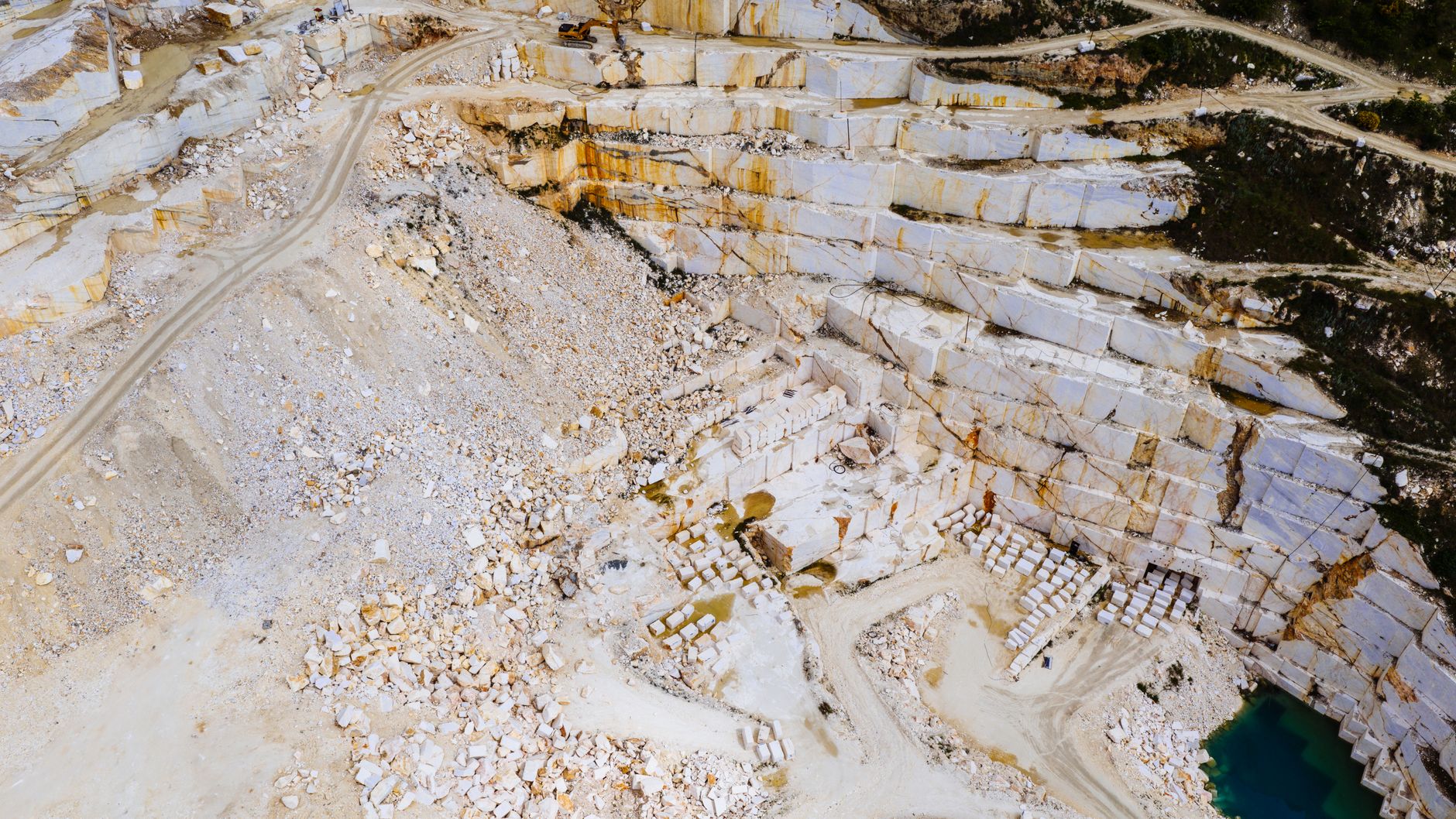
1. The Crystal Giants' Hot Embrace
Naica Mine, Mexico
Beneath a Mexican desert, a scorching cave holds the world's largest natural crystals, almost too hot for humans to explore.
The Cueva de los Cristales, part of the Naica Mine, contains colossal selenite crystals, some over 36 feet long, formed over millennia in extreme geothermal conditions. Discovered by miners, its environment reaches 136°F (58°C) with nearly 100% humidity, making survival without specialized cooling suits impossible for more than a few minutes. This alien landscape remains largely untouched, preserving its unique beauty in a natural crucible.
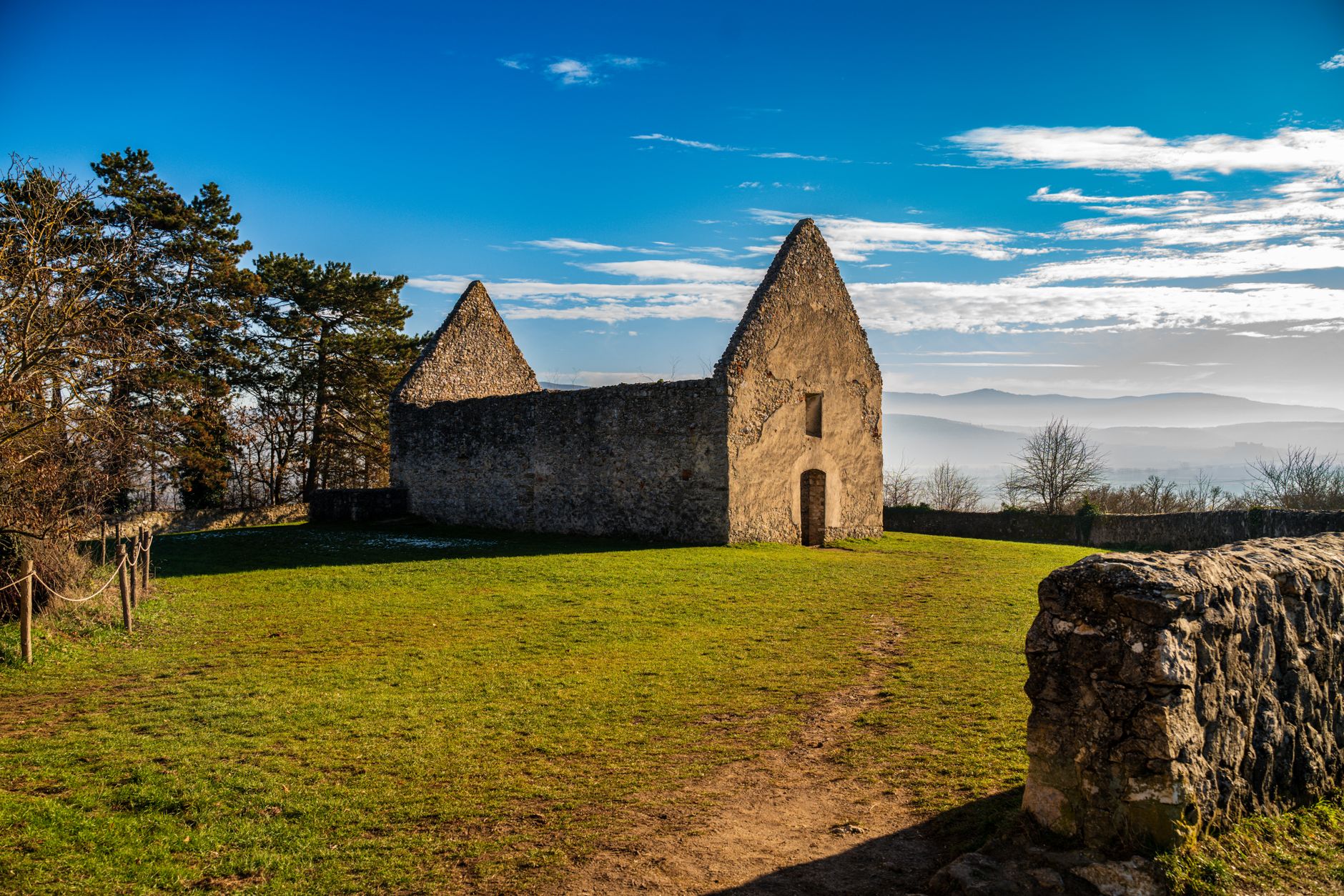
2. A Village Frozen in Time
Oradour-sur-Glane, France
This French village remains a preserved ghost town, exactly as it was left after a devastating WWII massacre.
On June 10, 1944, Oradour-sur-Glane became the site of a horrific massacre by the Waffen-SS, resulting in the deaths of 642 inhabitants and the village's destruction. General Charles de Gaulle decreed that the original site should be preserved as a permanent memorial. Today, its burnt-out cars, abandoned homes, and personal belongings stand as a silent, powerful testament to the atrocities of war, leaving an indelible mark on history.
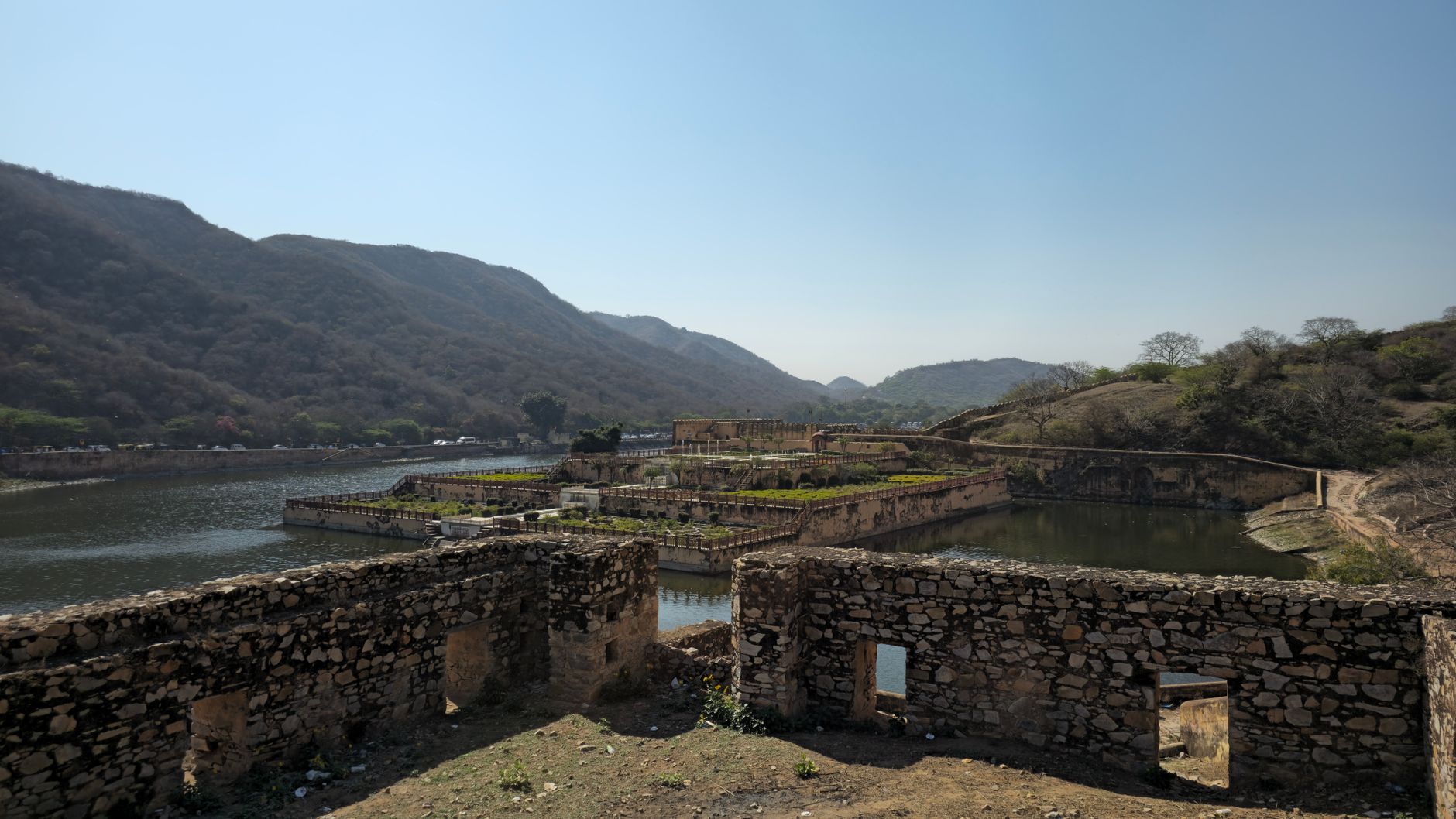
3. The Fort of Forbidden Nights
Bhangarh Fort, India
Locals believe this ancient, abandoned fort is one of India's most haunted places, with official entry prohibited after sunset.
Located in Rajasthan, Bhangarh Fort is an ancient ruin shrouded in an eerie, captivating atmosphere. Local legend attributes its complete desolation to a sorcerer's curse, leading to the sudden and mysterious abandonment of the entire town. So potent are these beliefs that the Archaeological Survey of India has a rare, official prohibition on entering the fort premises between sunset and sunrise, a testament to the deeply ingrained local conviction in its paranormal activity.
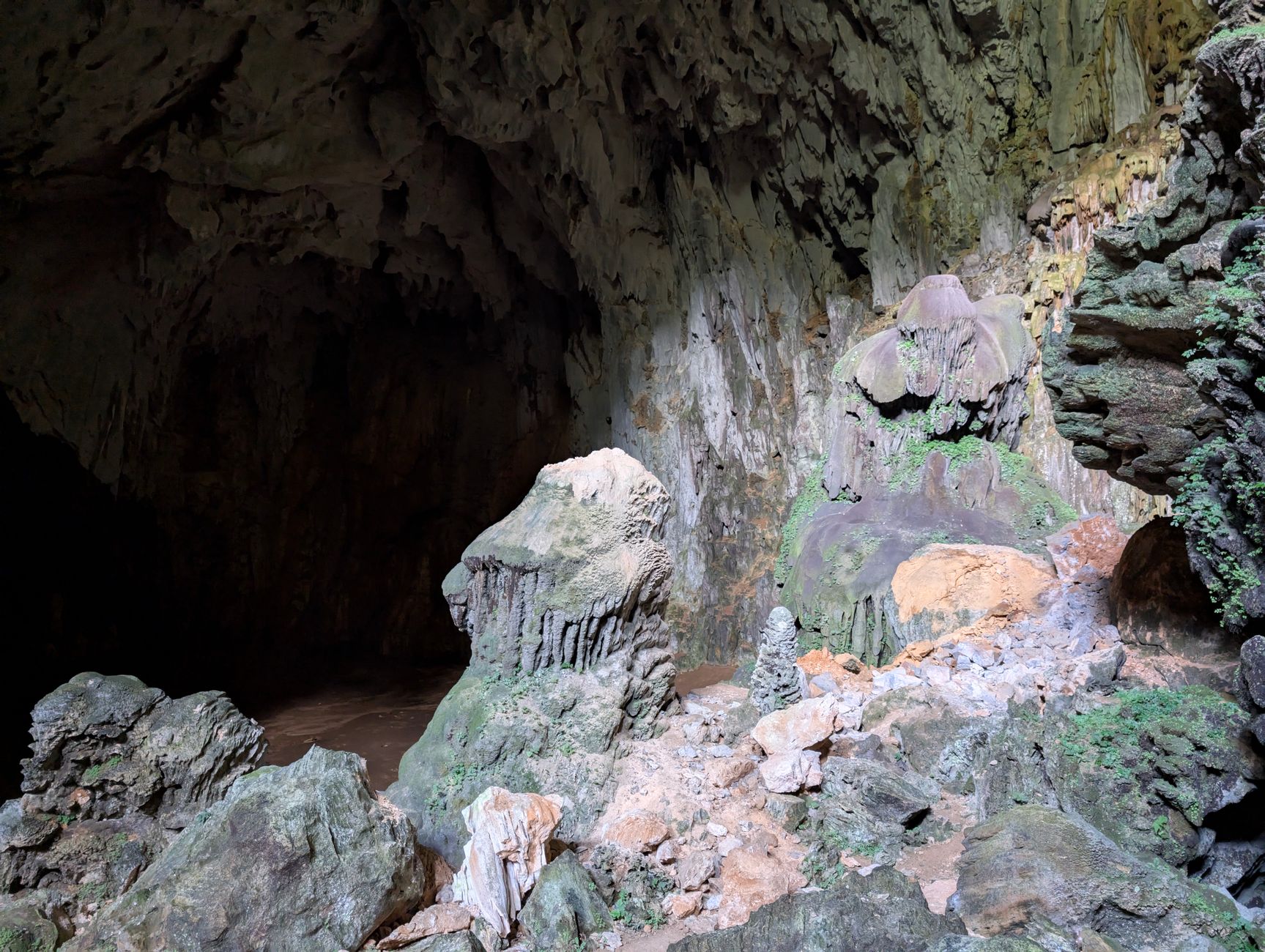
4. The Bat Exodus Caves
Mulu Caves, Borneo, Malaysia
Millions of bats emerge in a spectacular evening exodus from these colossal caves, their presence shaping the very landscape.
Gunung Mulu National Park is home to some of the world's largest cave passages, including Deer Cave, capable of housing many Boeing 747 aircraft. Every evening, millions of bats stream out in a swirling vortex, a natural spectacle that attracts predators and mesmerizes observers. The colossal mounds of guano within the caves sustain a unique, thriving ecosystem of insects and other specialized cave-dwelling creatures, making the caves a living, breathing natural wonder.
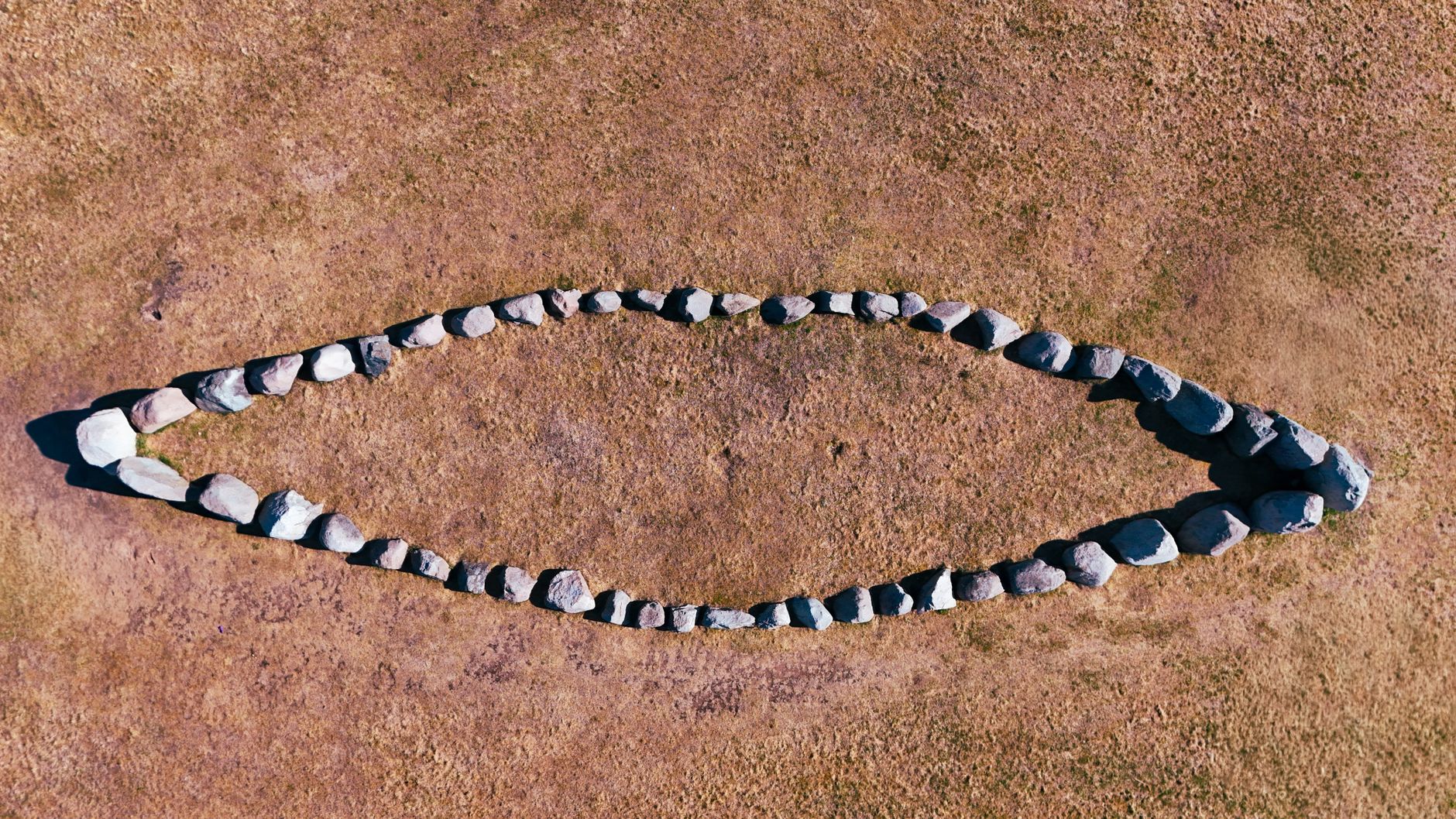
5. The Migrated City
Old Sarum, England
This ancient hillfort was once a bustling cathedral city and royal castle, completely abandoned for a new settlement nearby.
Predating modern Salisbury, Old Sarum began as an Iron Age hillfort, evolving into a Roman settlement, then a significant Norman castle and cathedral city. However, persistent disputes between the military and the clergy, coupled with a lack of reliable water, led to its gradual abandonment from the 13th century onwards. Today, only the impressive earthworks and faint foundations remain, tracing the ghostly outline of a powerful administrative and religious center that simply relocated.
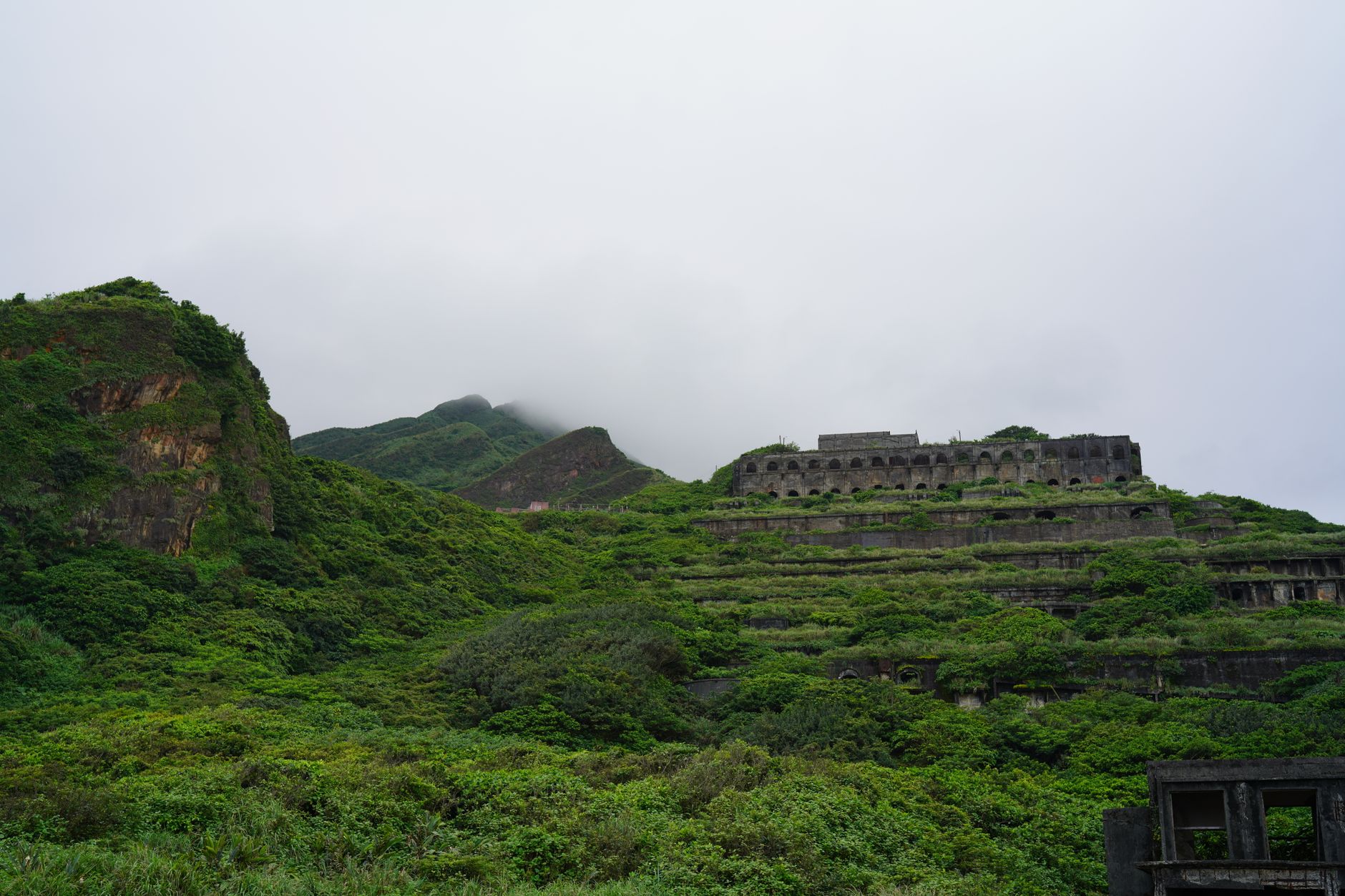
6. Battleship Island's Ghost
Hashima Island, Japan
A once-thriving coal mining island was abruptly abandoned, leaving behind a stark, concrete ghost town.
Hashima Island, off the coast of Nagasaki, was a densely populated coal mining facility from the late 19th century until 1974. Its distinctive silhouette of high-rise concrete buildings, housing thousands of workers, earned it the nickname 'Battleship Island'. When the coal mine closed, the island was evacuated overnight, leaving behind an eerie, perfectly preserved urban ruin that offers a stark glimpse into Japan's rapid industrialization and subsequent decline.
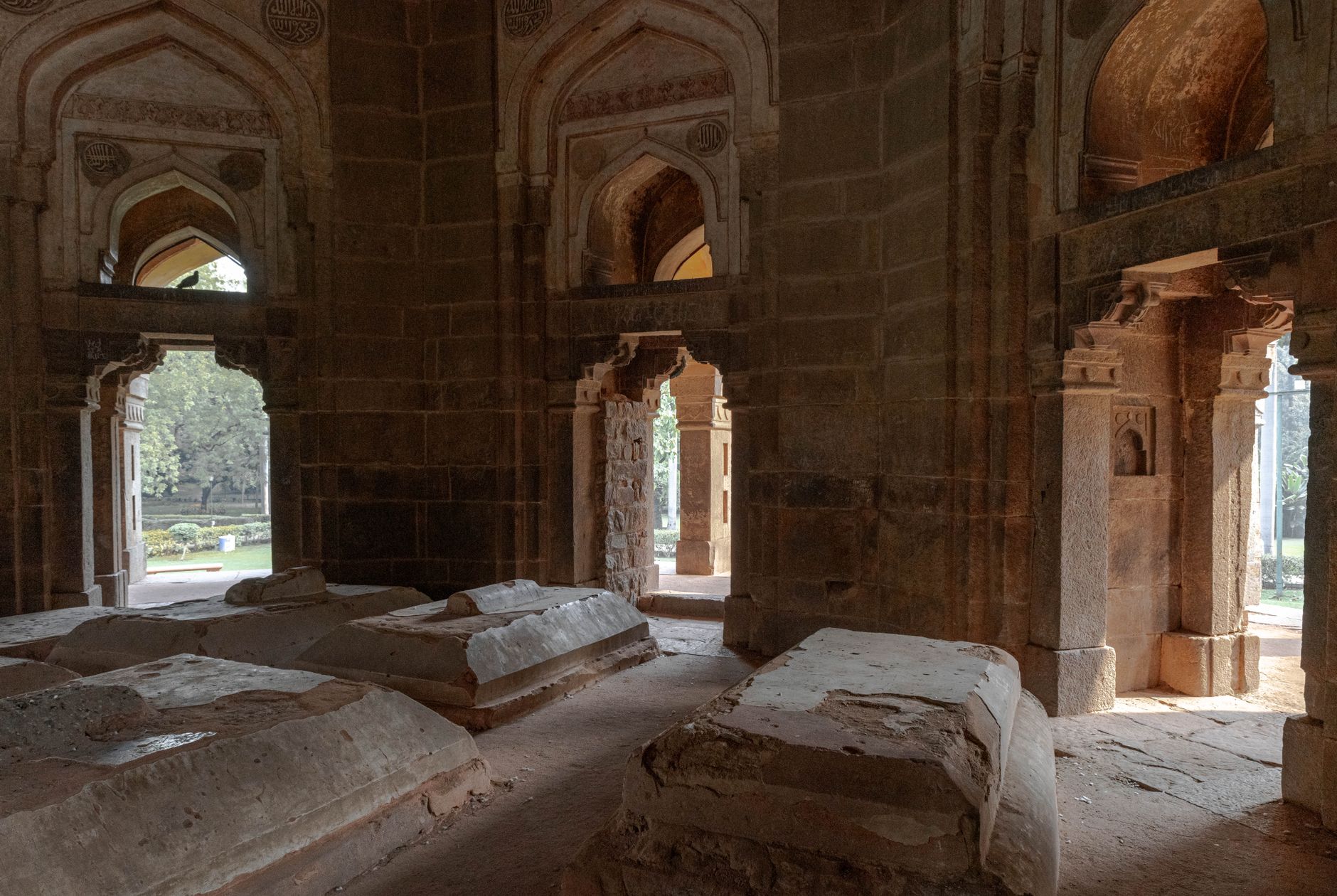
7. The Solitary Nabataean Tomb
Qasr al-Farid, Saudi Arabia
A single, monumental tomb carved directly into a massive rock face stands in isolation, a masterpiece of ancient Nabataean architecture.
Located in the ancient Nabataean city of Hegra (modern Mada'in Salih), Qasr al-Farid is the most iconic of over 100 monumental tombs. Unlike its counterparts, it stands alone, unfinished, and boasts a unique, four-level façade meticulously carved into a single sandstone outcrop. Its solitary grandeur and precise craftsmanship reveal the extraordinary skill of Nabataean architects and illuminate the rich, often-overlooked history of this desert region.
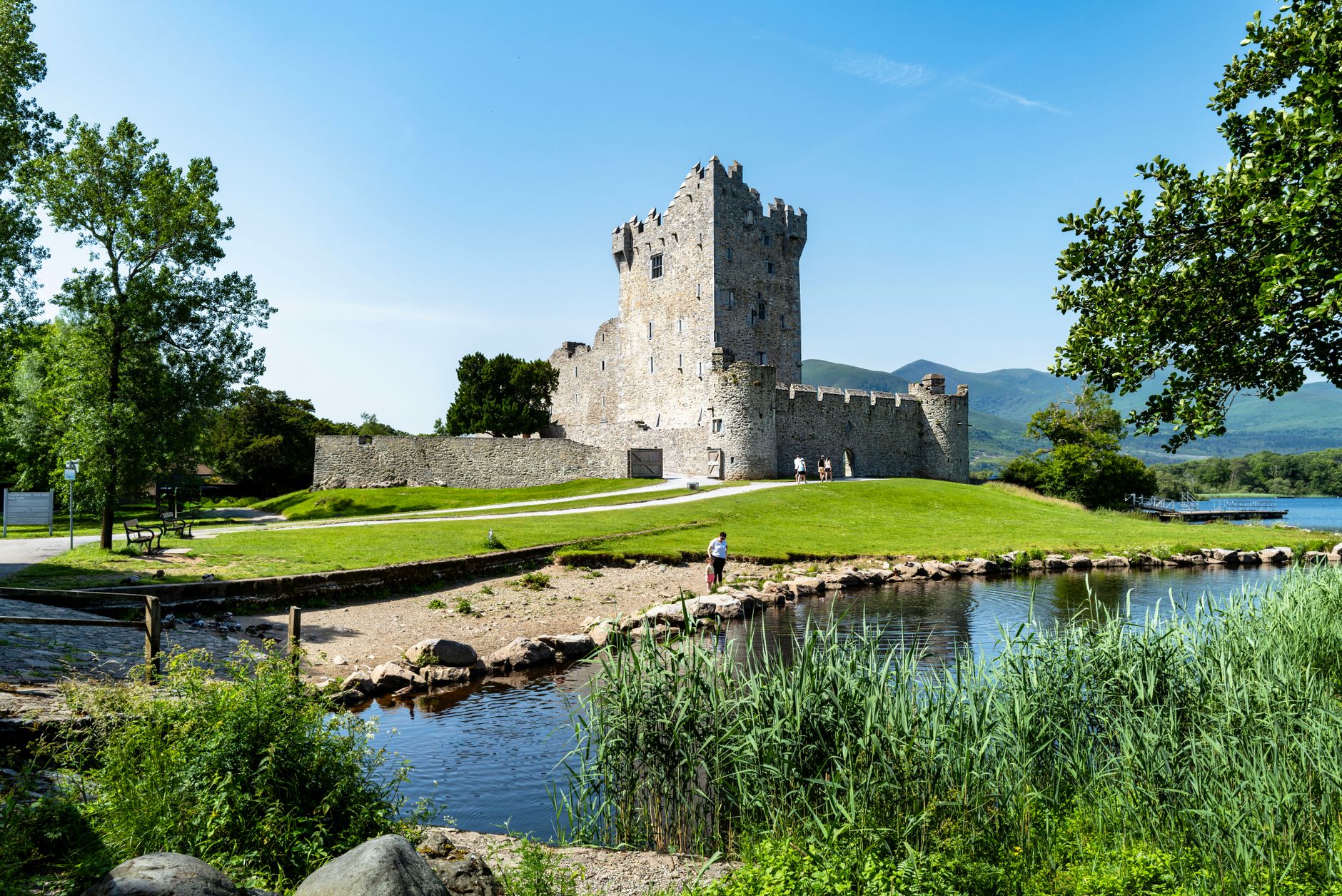
8. Jungle's Colonial Embrace
Ross Island, Andaman and Nicobar Islands, India
Once a bustling British administrative capital, this island is now an overgrown ruin, slowly reclaimed by the tropical jungle.
During the British Raj, Ross Island served as the administrative headquarters for the Andaman and Nicobar Islands, featuring a vibrant church, bazaar, bakery, and hospital. After a significant earthquake in 1941 and subsequent Japanese occupation during WWII, the island was abandoned. Today, the ruins are slowly being swallowed by colossal banyan trees, creating a hauntingly beautiful scene where deer and peacocks wander freely amidst the crumbling colonial structures.
Frequently asked questions
Can a minor criminal offense prevent me from entering a country?
Yes, it can. Many nations have strict immigration policies that consider even minor offenses, such as misdemeanors or civil infractions, as grounds for denial of entry. The specific impact depends on the country's laws, the nature of the offense, and how long ago it occurred.
What kind of civil offenses might affect international travel?
Civil offenses that involve fraud, significant financial crimes, or those deemed to pose a public safety risk, even if not criminal, can sometimes lead to travel restrictions. It's crucial to check the specific entry requirements and potential visa implications for your destination country.
How can I check if a past offense will affect my travel plans?
The most reliable way is to contact the embassy or consulate of your destination country well in advance of your trip. They can provide accurate information regarding their entry requirements and whether your specific history might pose an issue. Legal counsel specializing in immigration law can also offer guidance.
How does the AllTours.ai app enhance my travel experience?
AllTours.ai transforms your phone camera into an AI-powered audio tour guide. Simply point your camera at any landscape or landmark, and the app instantly narrates its rich history, geological formation, and cultural significance in your preferred language, revealing stories you'd otherwise miss.
Related guides
Photography via Pexels. AllTours.ai is an AI audio tour guide — point your camera at any landscape and hear its story.