August 27, 2026 · 4 min read
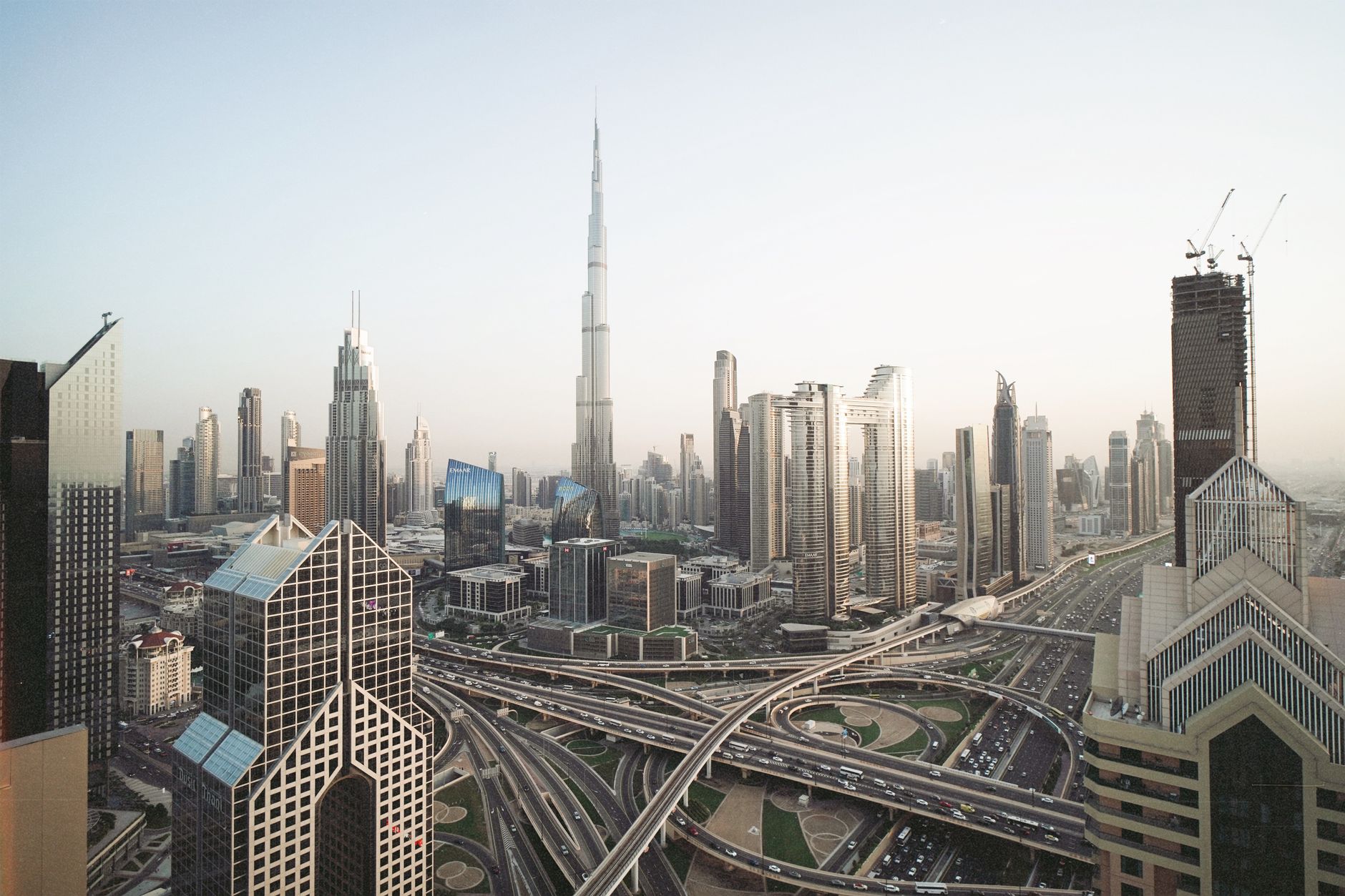
When challenged to name a city ending with the letter 'X', most travelers instinctively think of Phoenix, Arizona. And while the desert metropolis certainly qualifies, the world is full of other, far lesser-known places that share this rare linguistic trait, each with its own captivating history and unique character.
Forget the usual suspects. We've journeyed off the well-worn path to uncover a fascinating collection of cities, towns, and communes whose names conclude with an 'X'. From ancient European spa towns to American prairie settlements and bustling port cities, prepare to spark your curiosity with stories that are as unique as their names.
1. Where Two Nations Meet the Desert
Calexico, California, USA
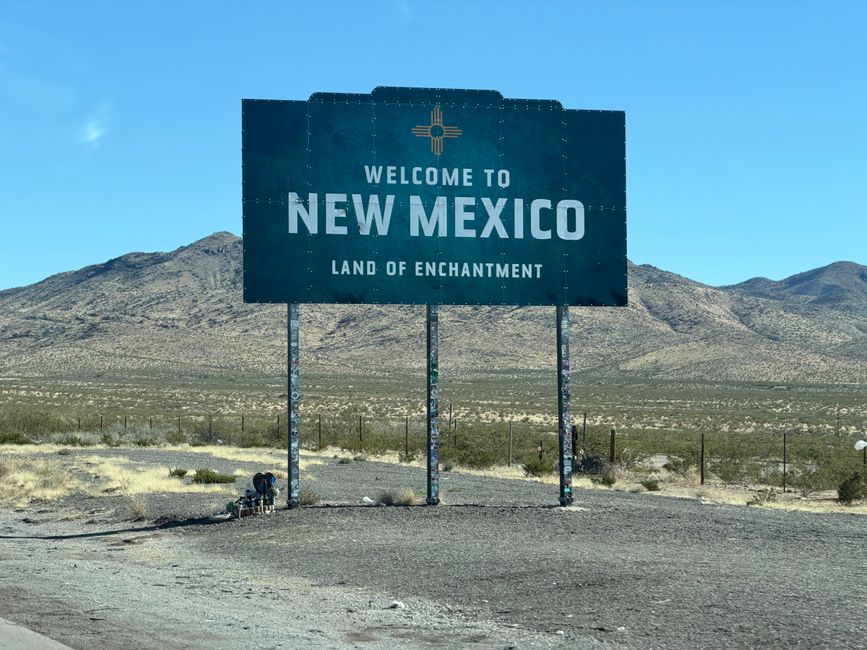
This border city's name is a portmanteau reflecting its unique bicultural identity, born from a desert irrigation miracle.
Calexico, nestled against the Mexican border, literally merges "California" and "Mexico" in its name. It emerged from the barren Sonoran Desert only after engineers diverted water from the Colorado River in the early 20th century, transforming it into an agricultural powerhouse. Its sister city, Mexicali, lies directly across the border, forming a vibrant binational metropolitan area where cultures, languages, and economies intertwine daily.
2. The Welsh City of Seven Wonders
Wrexham, Wales, UK
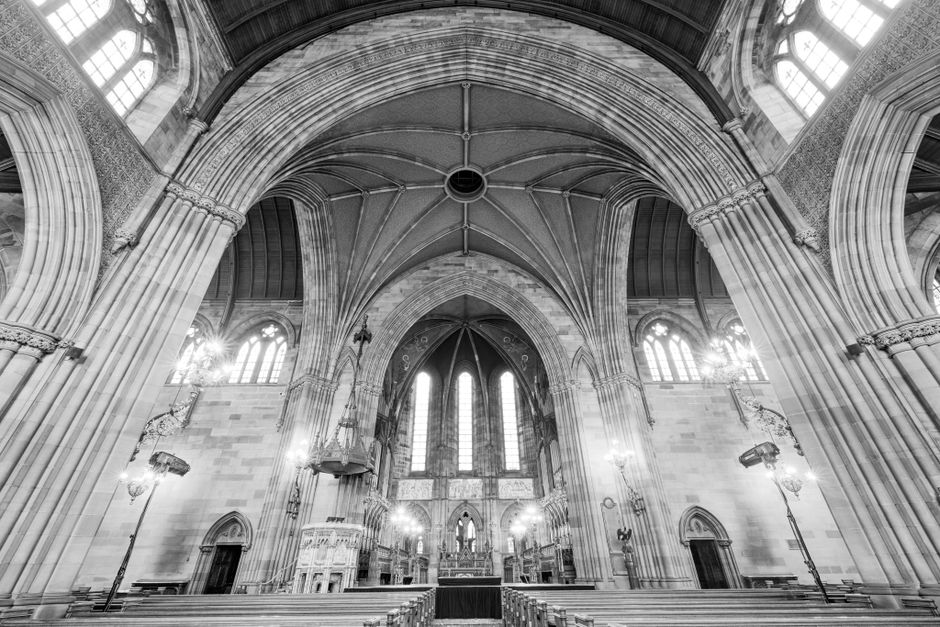
Long before its modern football fame, Wrexham was known for one of Wales' "Seven Wonders" – a medieval church tower.
Wrexham, now a city, boasts a history far predating its recent global recognition. Its magnificent St Giles' Parish Church, dating back to the 15th century, is one of the original "Seven Wonders of Wales," celebrated for its intricate architecture and towering steeple. This ancient market town also played a significant role in the Industrial Revolution, with a rich heritage in brewing, coal mining, and leather production that shaped its unique character.
3. England's Gateway and Napoleonic Outpost
Felixstowe, Suffolk, England
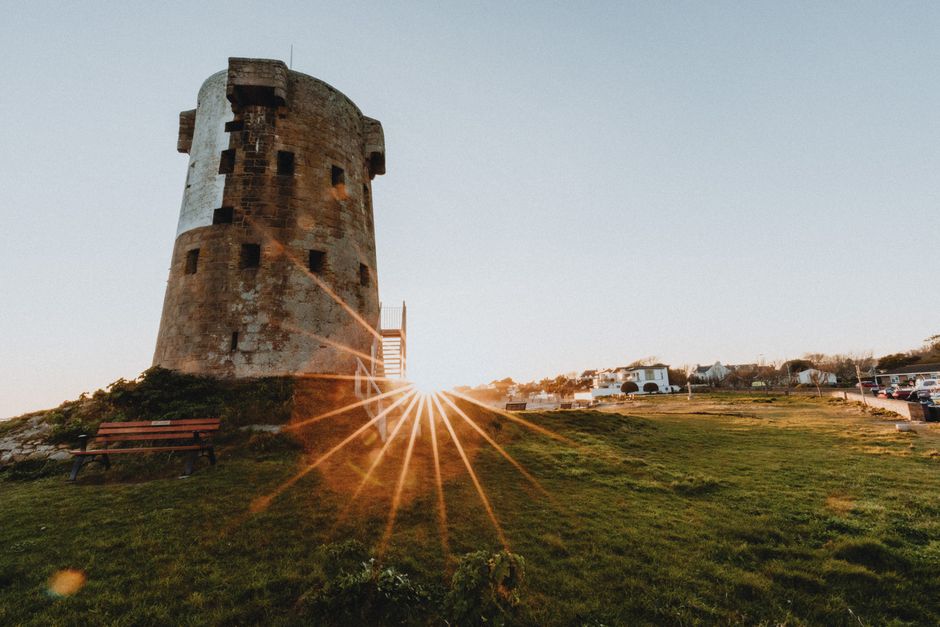
This major port town guards the English coast with Martello towers built to repel Napoleon's invasion.
Felixstowe is not just one of Europe's busiest container ports; its coastline is dotted with Martello towers, squat circular forts constructed in the early 19th century as a defense against Napoleon's feared invasion. Beyond its crucial maritime role, Felixstowe offers sandy beaches, a charming Victorian pier, and a fascinating blend of naval history and modern trade, hinting at centuries of strategic importance.
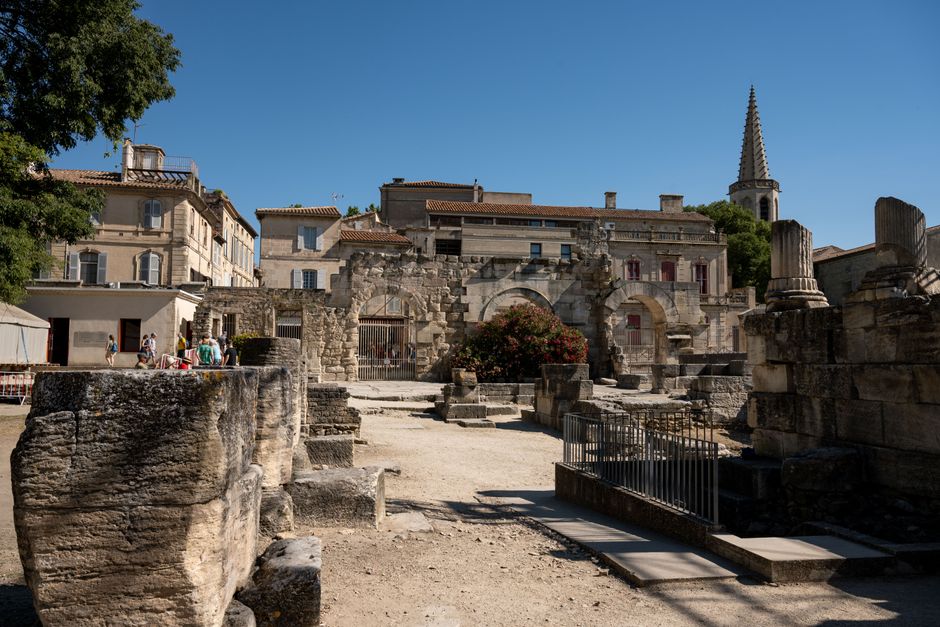
4. The Queen's Spa on Lake Bourget
Aix-les-Bains, Savoie, France
This French city was a Roman spa town that later became a favored retreat for European royalty and high society.
Nestled on the shores of Lac du Bourget, Aix-les-Bains has been celebrated for its therapeutic thermal waters since Roman times, with remnants of ancient baths still visible today. In the Belle Époque, it transformed into a glamorous destination, attracting queens, emperors, and aristocrats seeking wellness and recreation. Its grand hotels and casino still echo this opulent past, making it a blend of ancient history and luxurious lakeside charm.
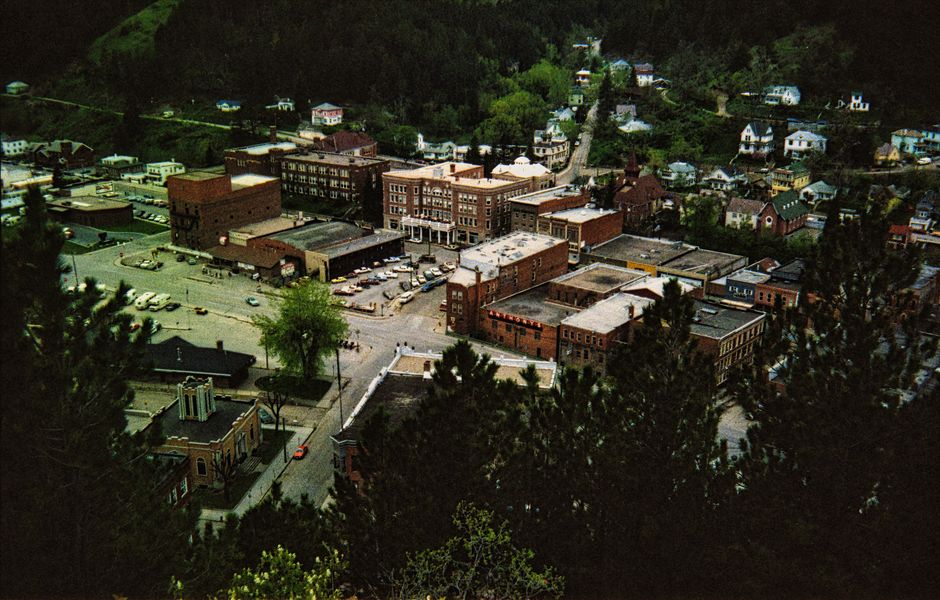
5. A Prairie Town with Dutch Roots
Lennox, South Dakota, USA
Founded by Dutch immigrants, this small prairie city retains a distinct cultural heritage amidst America's heartland.
Lennox, South Dakota, was established by a wave of Dutch settlers in the late 19th century, who brought their traditions and work ethic to the vast American prairies. This small city grew around the railroad, becoming a vital agricultural hub. Today, Lennox proudly preserves its heritage through community events and historic architecture, offering a glimpse into the lives of the pioneers who shaped this unique pocket of the Midwest.
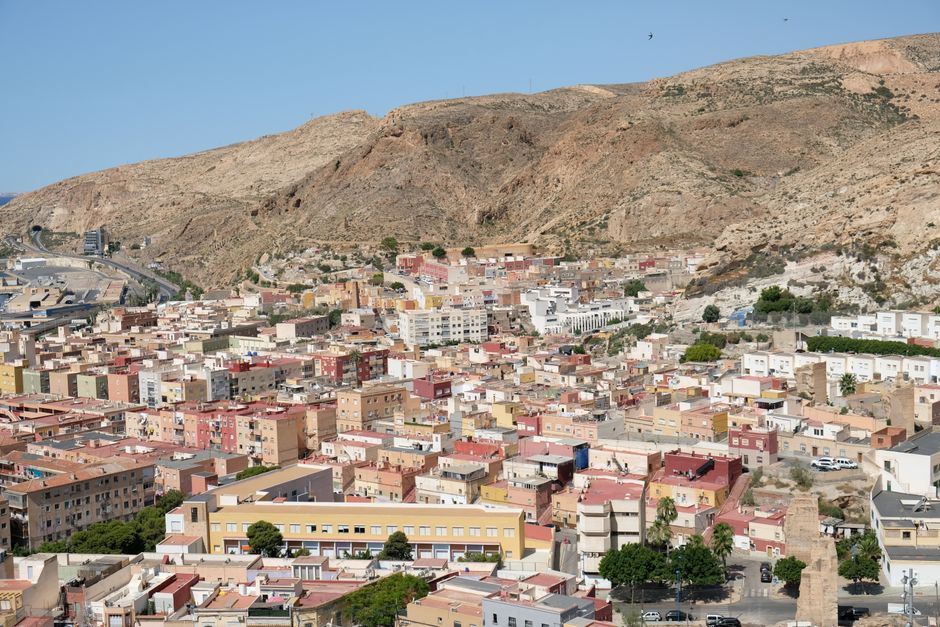
6. Moorish Echoes in a White Spanish Village
Felix, Almería, Spain
This "white village" in Andalusia harbors a deep Moorish past, evidenced by its architecture and agricultural terraces.
Perched dramatically on the slopes of the Sierra de Gádor, Felix is a quintessential Andalusian "pueblo blanco," or white village, whose origins trace back to Moorish rule. Its narrow, winding streets and whitewashed houses speak of centuries of history. The ingenious terraced farming systems visible in the surrounding landscape are a testament to the agricultural knowledge brought by its ancient inhabitants, contrasting with the arid beauty of Almería.
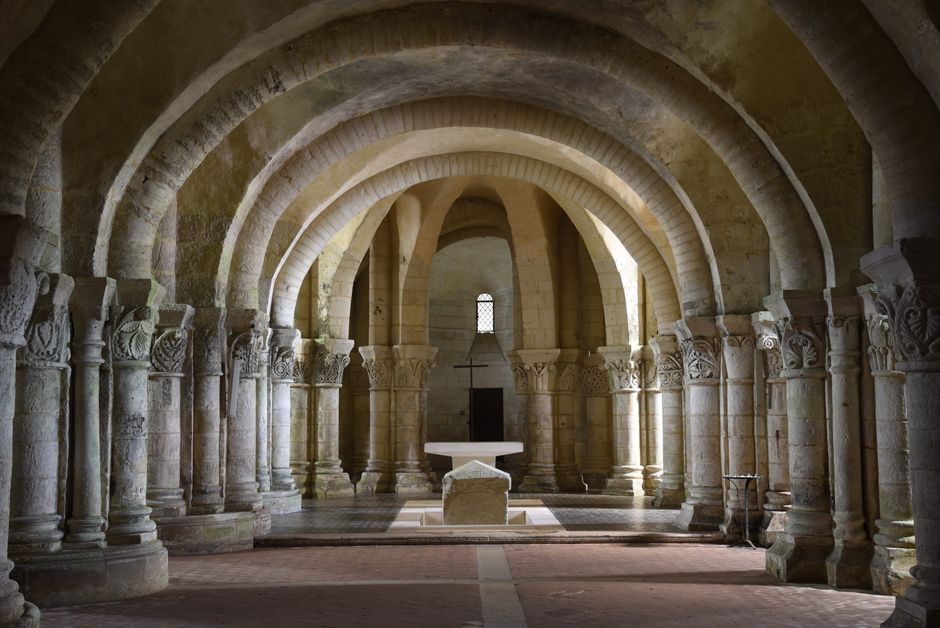
7. Where Roman Roads Meet Burgundian Charm
Lux, Saône-et-Loire, France
A quiet Burgundian commune, Lux is bisected by an ancient Roman road, once a vital artery of the empire.
The unassuming commune of Lux in Burgundy holds a significant historical secret: it lies directly on the ancient Roman road, Via Agrippa, which connected Lyon to the English Channel. This once bustling imperial highway shaped the area's early development. Today, Lux offers tranquil rural beauty, a charming Romanesque church, and a peaceful glimpse into France's deep historical layers, far from the tourist crowds.
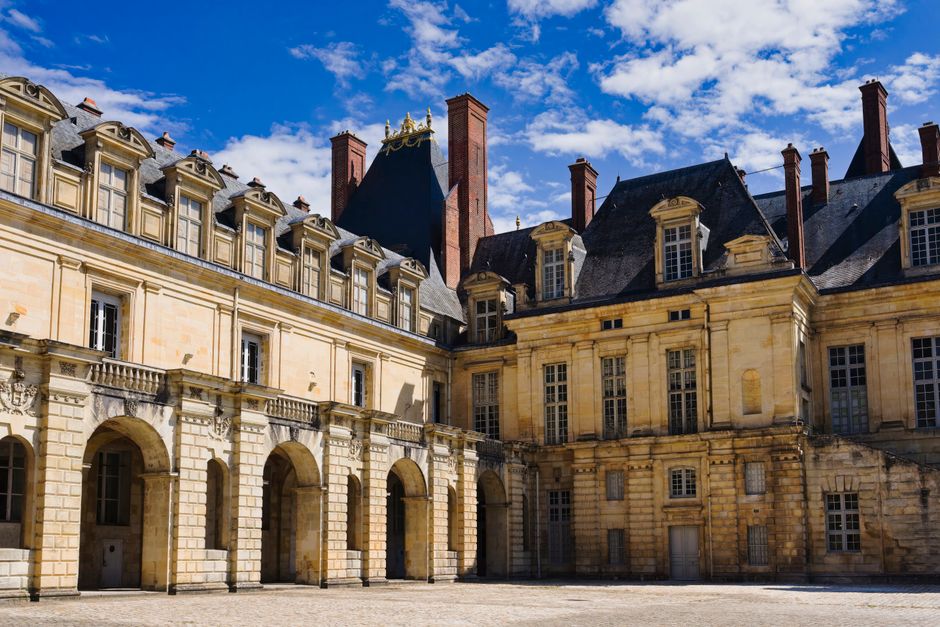
8. Medieval Castle, Silk Secrets
Perreux, Loire, France
This French commune is home to a medieval castle and was once a center for the historic silk weaving industry.
Perreux, a picturesque commune in the Loire department, is dominated by its impressive Château de Perreux, a medieval fortress that has stood for centuries. Beyond its architectural grandeur, the area has a fascinating connection to the region's historical silk weaving industry. The subtle signs of this artisanal past can still be found, adding another layer to the commune's quiet charm and rich, often overlooked, heritage.
Frequently asked questions
What makes a city "underrated" for travelers?
An underrated city is typically one that offers significant historical, cultural, or natural attractions but doesn't receive the same level of tourist attention as more famous destinations. These places often provide a more authentic experience, fewer crowds, and a chance to discover local life away from the well-trodden paths. They're often rich in unique stories waiting to be told.
How can I find unique historical facts about a place before I visit?
Before your trip, delve into local historical societies' websites, university archives, or even community Facebook groups. Look for specific local legends, industrial histories, or geological phenomena. Visiting smaller museums and talking to locals upon arrival can also uncover fascinating, lesser-known stories that guidebooks often miss.
Are there many cities worldwide that end with the letter "X"?
While the letter "X" is uncommon as a final letter in city names, especially for major metropolises, you can find a surprising number of smaller towns, communes, or municipalities ending this way, particularly in France. The examples in this listicle highlight just a few, proving that unique names often hide unique histories and cultures.
How does the AllTours.ai app help me explore places like these?
AllTours.ai transforms your phone into an AI audio tour guide. Simply point your camera at any landscape or landmark, and the app instantly narrates its history, geology, and culture in your preferred language. It's designed to bring the hidden stories of both famous and lesser-known places to life, making every discovery a rich, immersive experience.
Related guides
Photography via Pexels. AllTours.ai is an AI audio tour guide — point your camera at any landscape and hear its story.