September 24, 2026 · 4 min read
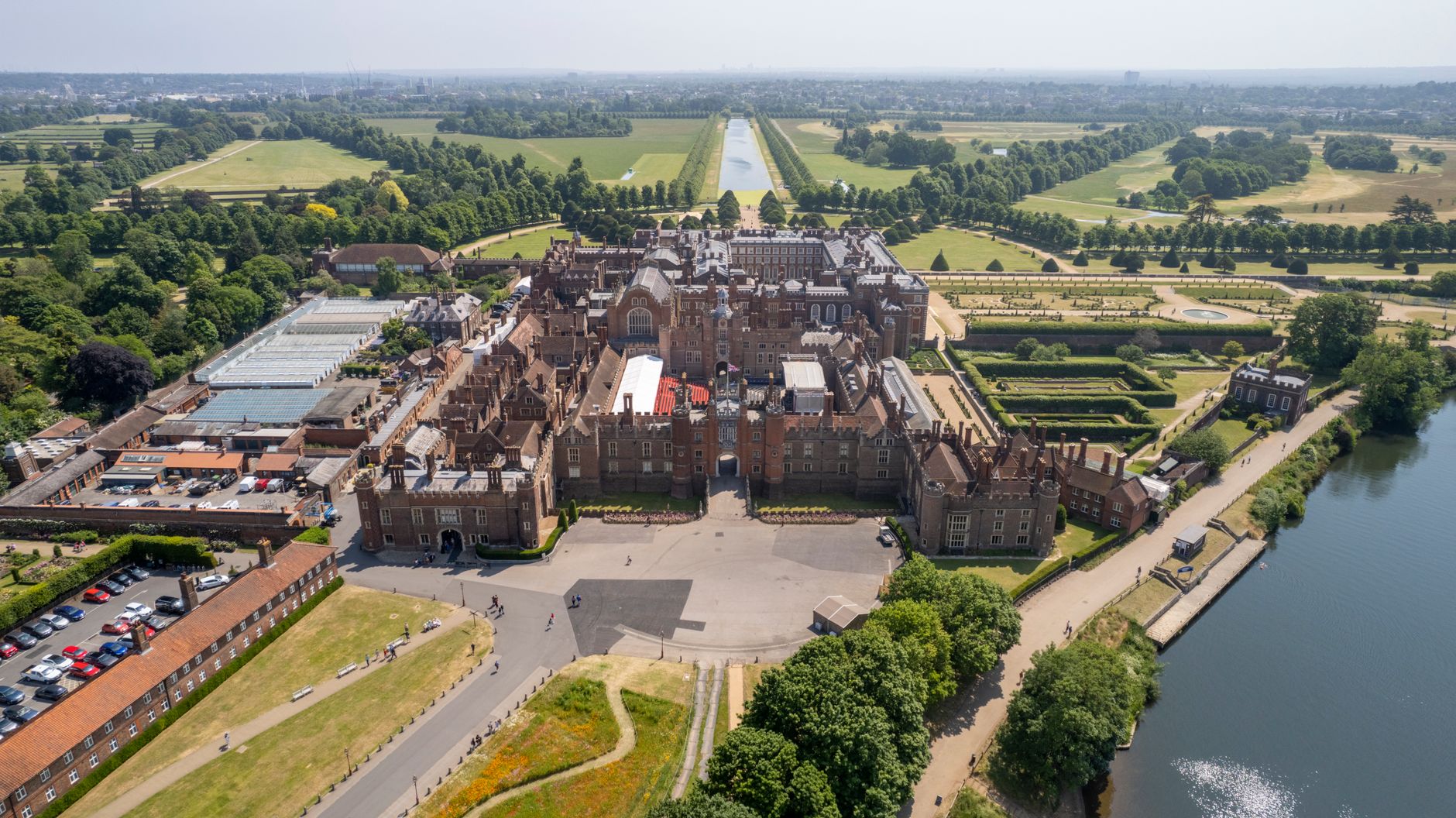
Britain is full of famous landmarks, from the towering castles of Scotland to the ancient stones of Wiltshire. But beyond the well-trodden paths lies a landscape rich with stories that often remain untold, places so unique they almost feel like they belong to another world entirely. These are the spots where history, geology, and culture combine in truly unexpected ways, offering a glimpse into a Britain you might not recognise.
Forget the usual postcards. We're diving deep into the quirky, the mysterious, and the genuinely surprising corners of the UK. From islands that once hosted top-secret experiments to ancient homes older than the pyramids, prepare to uncover places that will challenge your perception of British heritage and spark a profound sense of curiosity.
1. Britain's Nuclear Ghost Island
Orford Ness, Suffolk, England
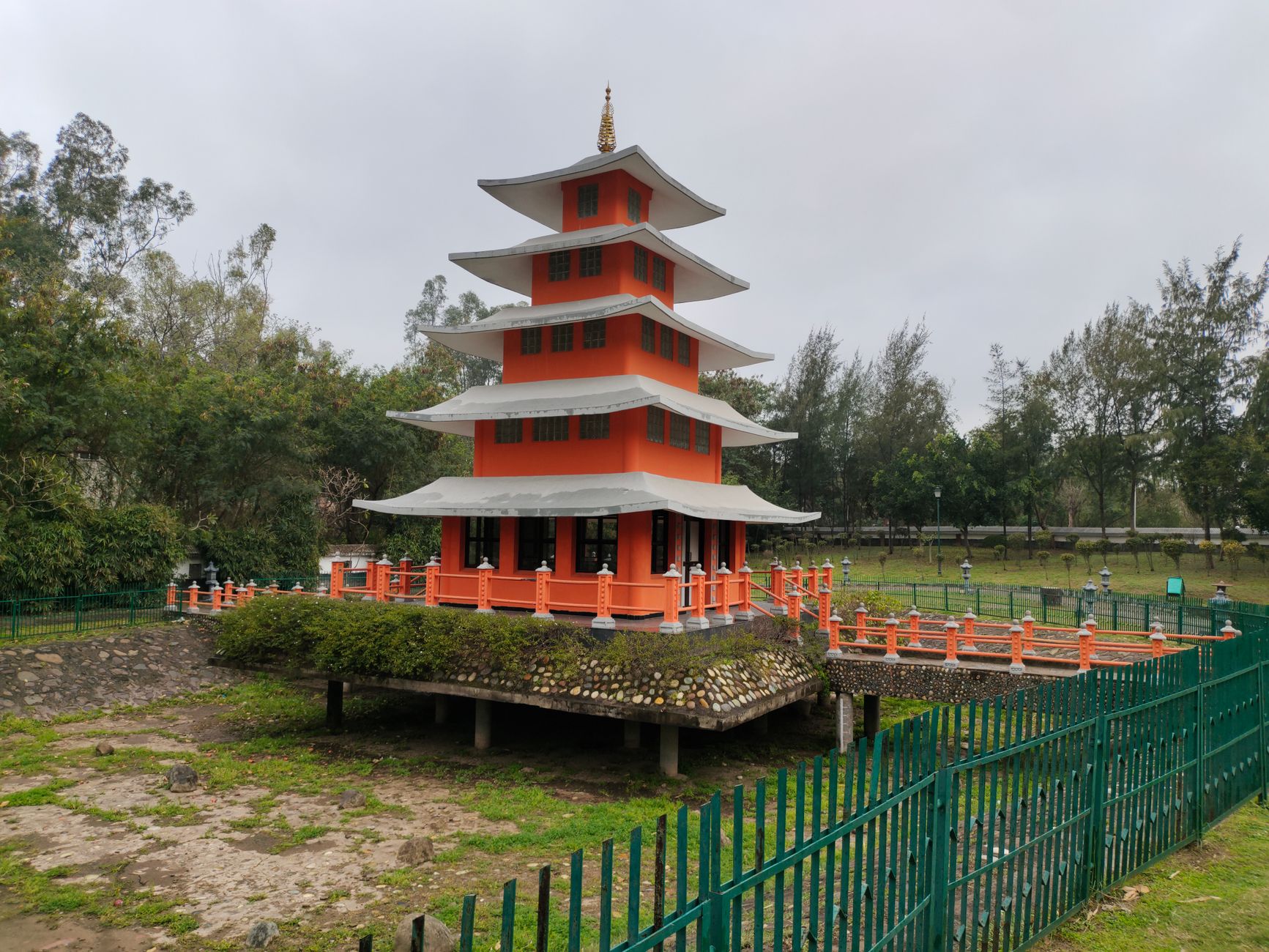
Britain's 'Forbidden Island' once tested top-secret weapons, leaving behind bizarre concrete pagodas on a desolate shingle spit.
Orford Ness, a vast shingle spit on the Suffolk coast, was a highly secretive military testing ground for much of the 20th century. During the Cold War, it hosted experiments on atomic bomb components and radar systems, shrouded in intense secrecy. Today, eerie concrete pagodas, once blast shelters for these tests, stand as stark, silent monuments on the windswept landscape, creating an otherworldly atmosphere. It's now a National Trust site, offering a glimpse into a hidden chapter of British history.
2. Europe's Oldest Stone House
Papa Westray, Orkney, Scotland
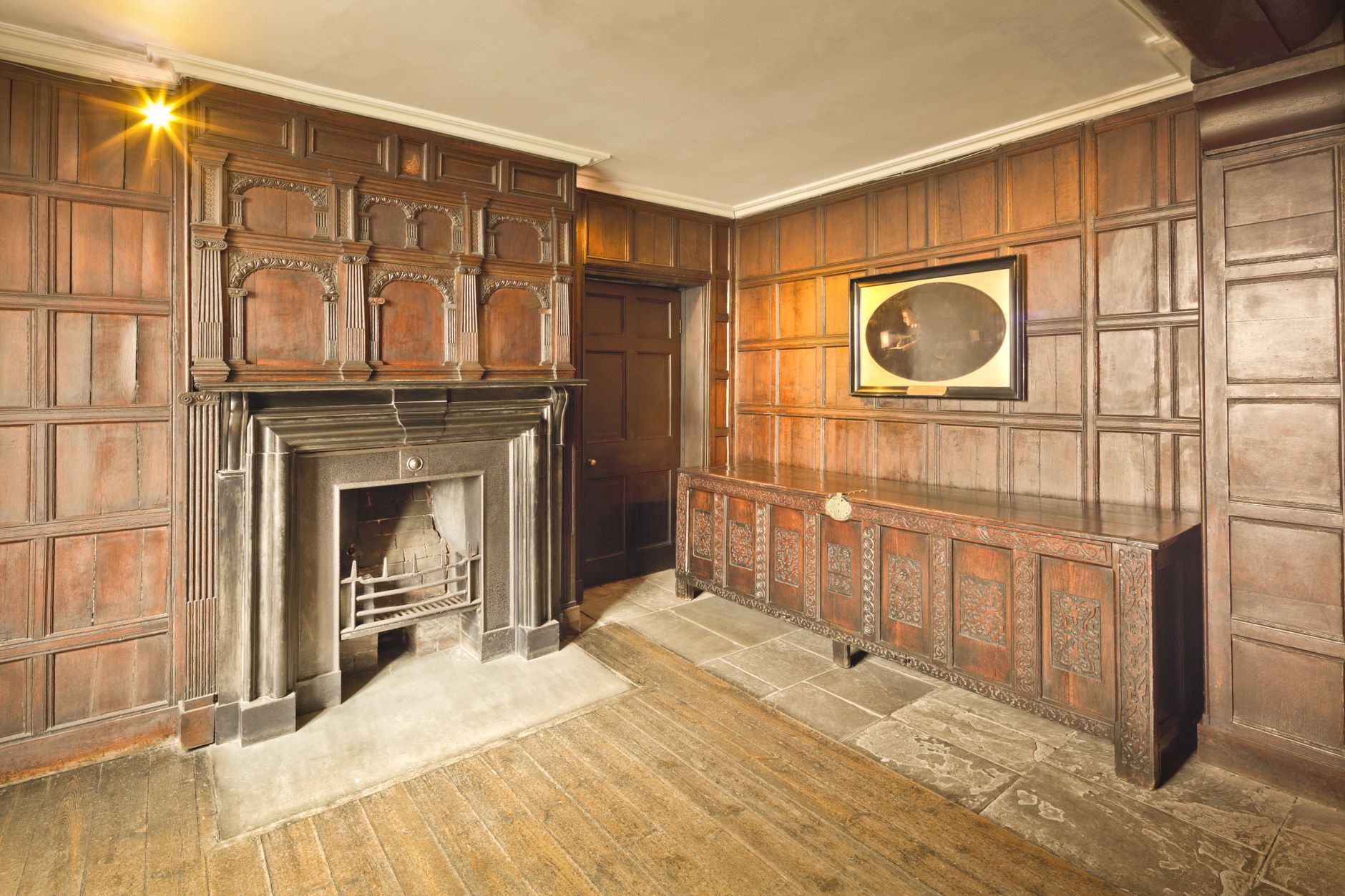
On a remote Orkney island stands the oldest stone house in Northern Europe, predating the pyramids and Stonehenge by centuries.
On the windswept island of Papa Westray, the Knap of Howar is an incredibly preserved Neolithic farmstead, dating back to 3700-3500 BC. It consists of two adjoining oval stone buildings, complete with original stone furniture like beds, dressers, and storage boxes. This remarkable site offers an unparalleled glimpse into the daily lives of early European farmers, revealing a sophisticated domesticity from over 5,000 years ago, long before many famous ancient monuments.
3. Tunnels for Fish, Not Fortune
Porthgwarra, Cornwall, England
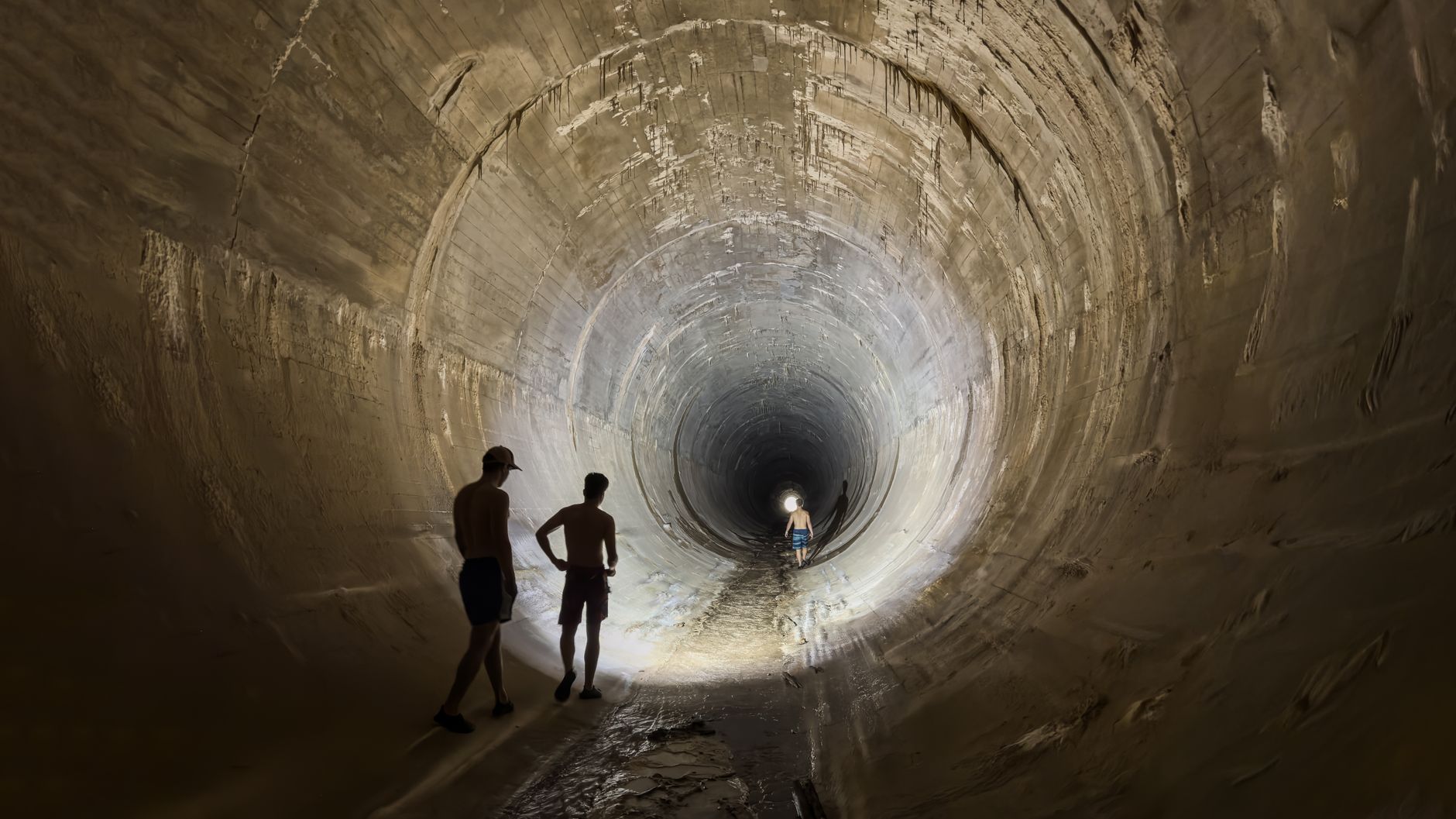
Cornish miners once carved a network of tunnels through the cliffs of Porthgwarra, not for ore, but to launch fishing boats into the Atlantic.
Porthgwarra is a secluded cove on the wild Cornish coast, famous for its hand-hewn tunnels. These passages were painstakingly carved by local miners in the 19th century, not in search of tin or copper, but to provide easier access for launching their fishing boats and hauling up their catches. The tunnels lead directly to a slipway, allowing fishermen to bypass the steep, treacherous cliffs above. Today, it's a tranquil haven, popular for swimming and birdwatching, with its unique history etched into the rock.
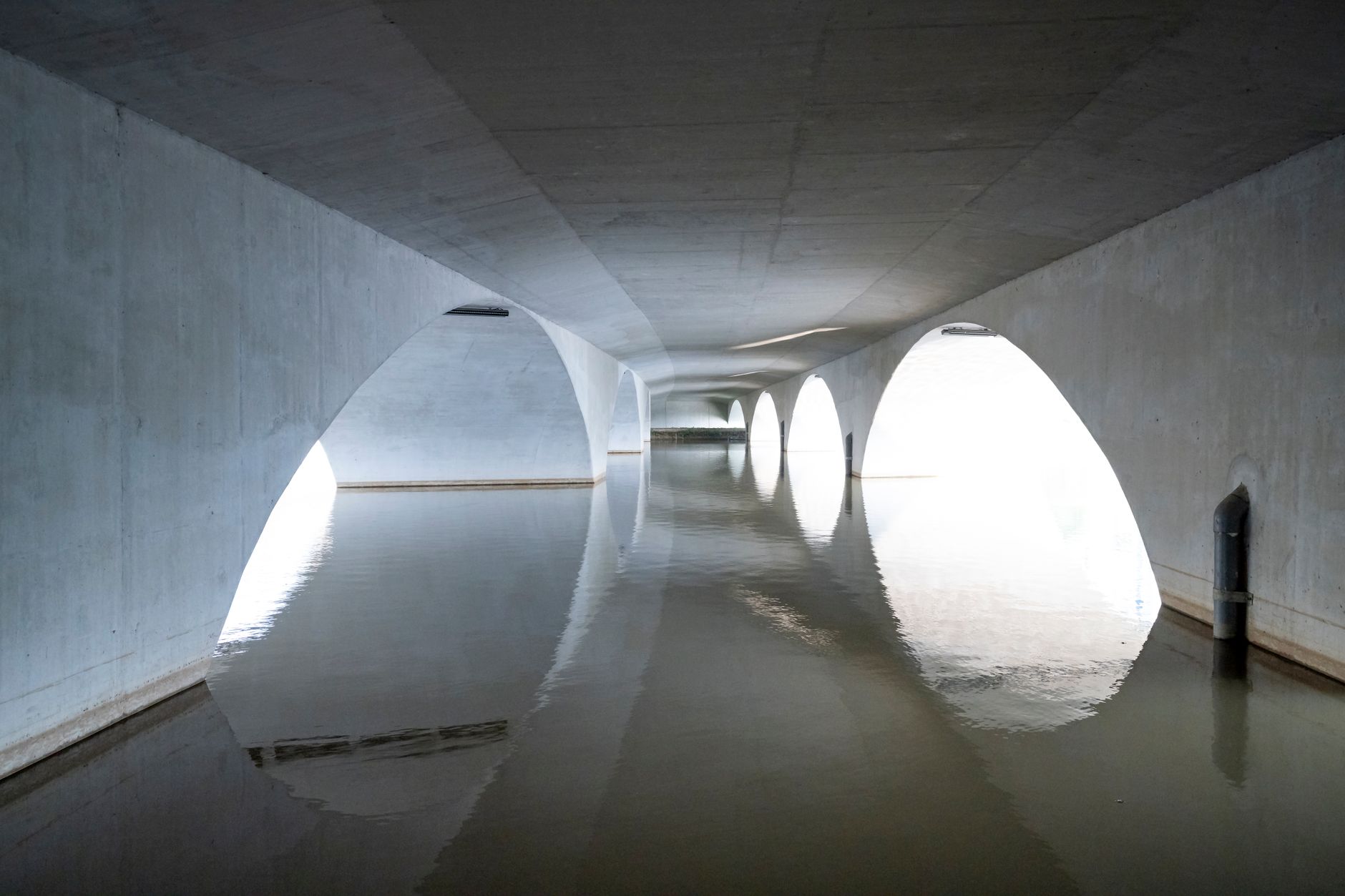
4. Subterranean Canal Labyrinth
Dudley, West Midlands, England
Descend into a subterranean labyrinth where historic canal boats navigate vast, hand-hewn limestone caverns deep beneath the West Midlands.
The Dudley Canal and Tunnel Trust offers a unique journey into the industrial heart of England, but underground. Visitors can take boat trips through an incredible network of 18th-century canal tunnels and vast, cathedral-like limestone caverns, carved by hand over centuries. These tunnels were vital for transporting limestone and coal during the Industrial Revolution. The experience reveals the arduous conditions of the 'leggers' who propelled boats through the dark, and the astonishing scale of these hidden subterranean waterways.
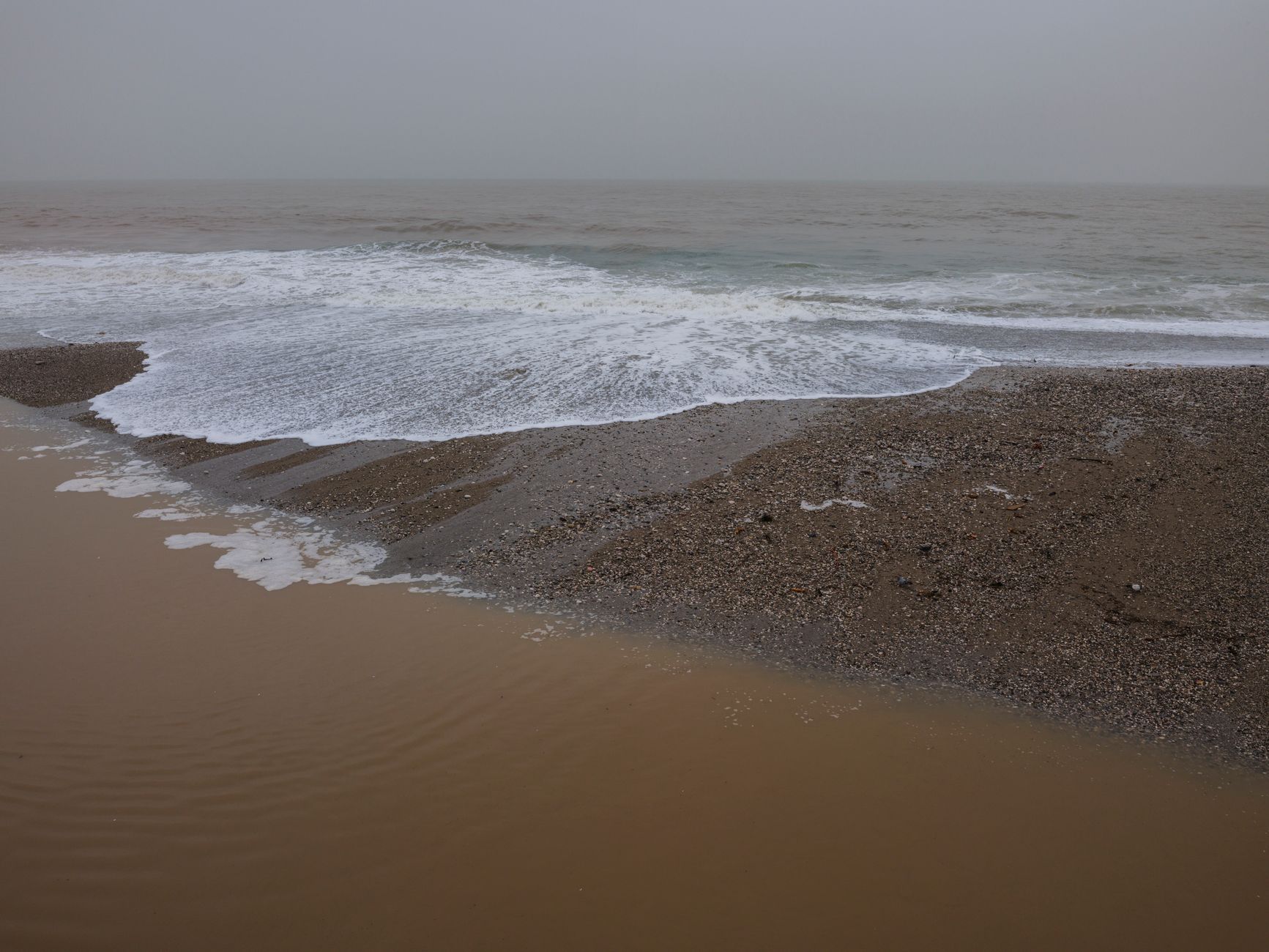
5. England's Lost Medieval City
Dunwich, Suffolk, England
Once a thriving medieval port rivalling London, much of Dunwich now lies beneath the North Sea, its lost streets and churches reclaimed by the waves.
Dunwich, on the Suffolk coast, was once a major medieval port, a bustling hub of trade and shipbuilding with numerous churches, monasteries, and a mint. Over centuries, however, relentless coastal erosion and severe storms have systematically eaten away at the town. Today, what remains is a small village, with most of its medieval glory submerged beneath the waves. Divers can occasionally glimpse the ruins of its lost churches on the seabed, a haunting testament to nature's power and a vanished past.
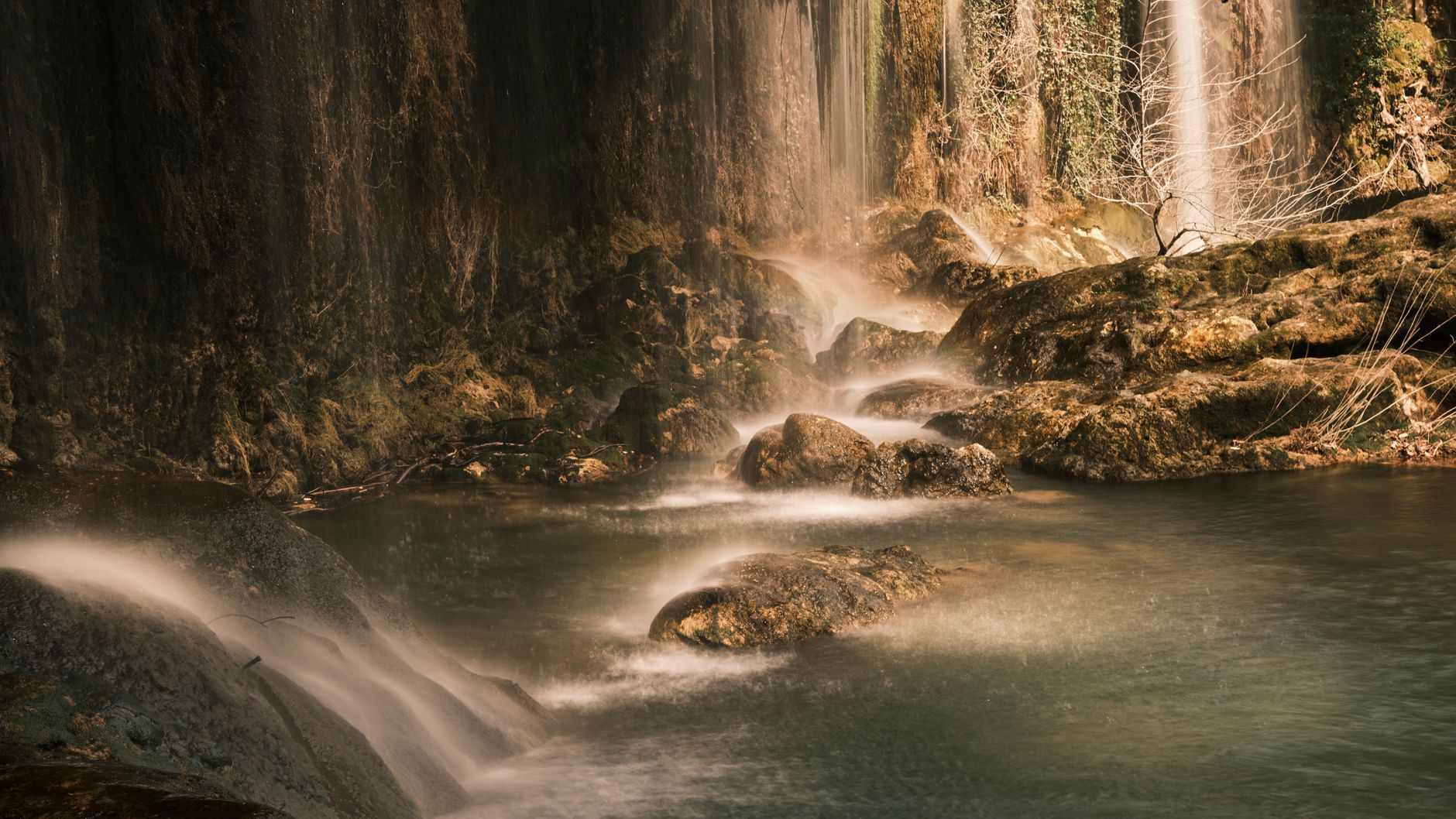
6. The Gorge That Swallows Waterfalls
Malham, North Yorkshire, England
A monumental limestone gorge, Gordale Scar, features two towering waterfalls and sheer cliffs that have inspired artists for centuries, requiring a scramble to pass through.
Gordale Scar is a dramatic natural amphitheatre in the Yorkshire Dales, a colossal limestone gorge with walls hundreds of feet high. It was formed by glacial meltwater and features two spectacular waterfalls tumbling into a narrow chasm. The sheer scale and raw power of the landscape captivated J.M.W. Turner, who painted it in 1816. Adventurous visitors can scramble up (or down) the waterfalls themselves, making for an unforgettable and immersive experience within this geological wonder.
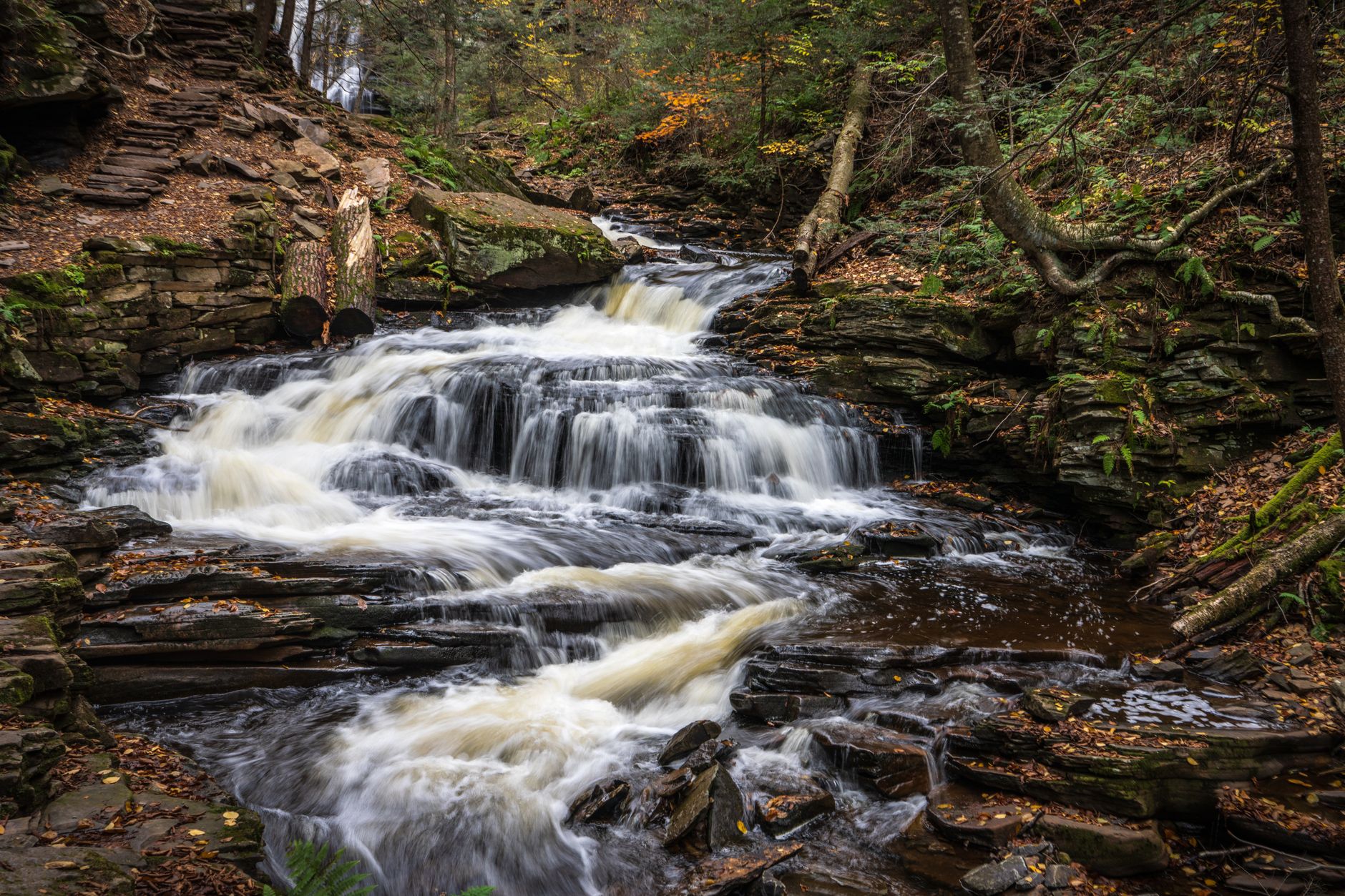
7. The Sacred Waterfall's Secret Kieve
Tintagel, Cornwall, England
A sacred waterfall plunges through a natural hole into a 'kieve' at a hidden Cornish glen, believed to be a place of healing and ancient spirits.
In a secluded valley near Tintagel, St. Nectan's Glen is a magical woodland where a 60-foot waterfall cascades dramatically through a circular hole in the rock, creating a beautiful 'kieve' or basin below. This unique geological feature has long been considered a sacred site, associated with Celtic mythology and spiritual healing. Visitors often leave offerings of ribbons and crystals, drawn to the tranquil, almost otherworldly atmosphere of this ancient natural wonder.
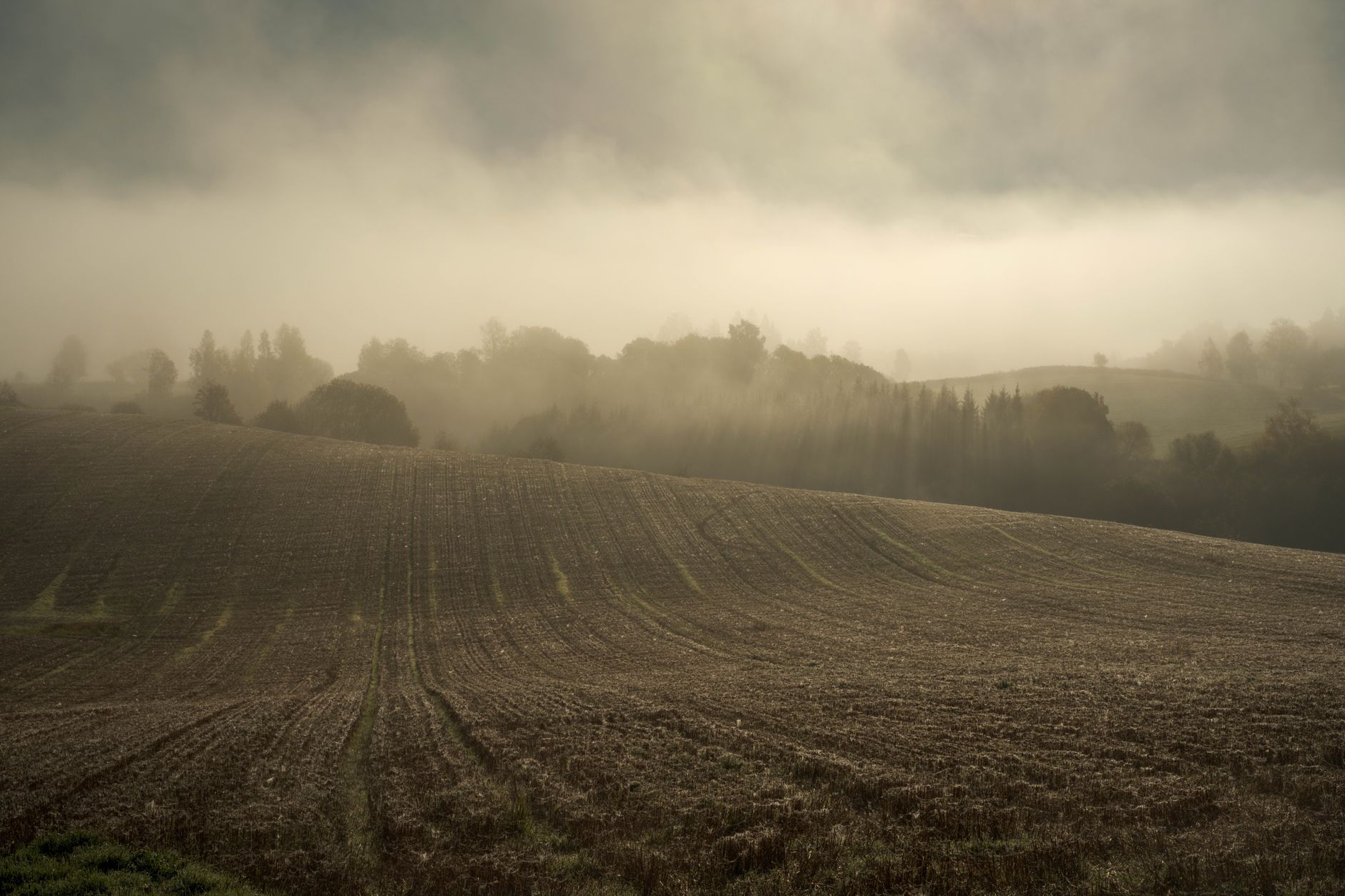
8. Whispers of Witches on a Haunted Hill
Pendle Hill, Lancashire, England
Looming over Lancashire, Pendle Hill is forever scarred by the infamous 17th-century witch trials, where a group of local women faced persecution and execution.
Pendle Hill is an iconic landmark in Lancashire, known primarily for its dark and dramatic history. In 1612, twelve local people were accused of witchcraft, leading to the notorious Pendle Witch Trials, one of the most famous witch hunts in English history. Ten of them were found guilty and hanged. The hill itself, often shrouded in mist, retains an eerie atmosphere, drawing visitors interested in folklore and the tragic stories of those accused, offering a chilling glimpse into a superstitious past.
Frequently asked questions
What makes these British places so unique?
These locations stand out due to their rich, often surprising, historical narratives, unusual geological formations, or deep cultural significance that's not widely known. They offer a perspective on Britain that goes beyond the typical tourist experience, revealing hidden layers of its past and natural beauty.
How can I find these lesser-known spots?
While some might require a bit more effort to reach, many are accessible by car, public transport, or scenic walking trails. It's always a good idea to check local guides or websites for specific directions, opening times (if applicable), and any visitor information before you set out.
Are these locations accessible for visitors?
Accessibility varies greatly by location. Some, like the Dudley Canal, offer guided tours, while others, such as Gordale Scar, involve more rugged terrain and might require a good level of physical fitness. Always research individual site details for specific accessibility information and recommendations.
How does the AllTours.ai app help me explore these places?
The AllTours.ai app transforms your exploration by providing instant, immersive audio tours. Simply point your phone camera at any landscape or landmark mentioned here, and the app will narrate its history, geology, and culture in your preferred language, bringing these unique stories to life as you stand right there.
Related guides
Photography via Pexels. AllTours.ai is an AI audio tour guide — point your camera at any landscape and hear its story.