July 27, 2026 · 4 min read
The question “Do all British people call themselves English?” touches on a fascinating aspect of identity in the United Kingdom. Britain is a complex mosaic of nations – England, Scotland, Wales, and Northern Ireland – each with its own distinct history, language, and cultural nuances. To call a Scot, a Welsh person, or a Northern Irishman 'English' would be a significant misunderstanding of their national identity.
True British identity is a vibrant tapestry woven from these diverse threads. Beyond the well-trodden tourist paths, countless places hold surprising stories that reveal the deep roots of these individual identities. Let's journey to some genuinely lesser-known spots, each with a unique tale that illustrates the rich and varied nature of what it means to be British.
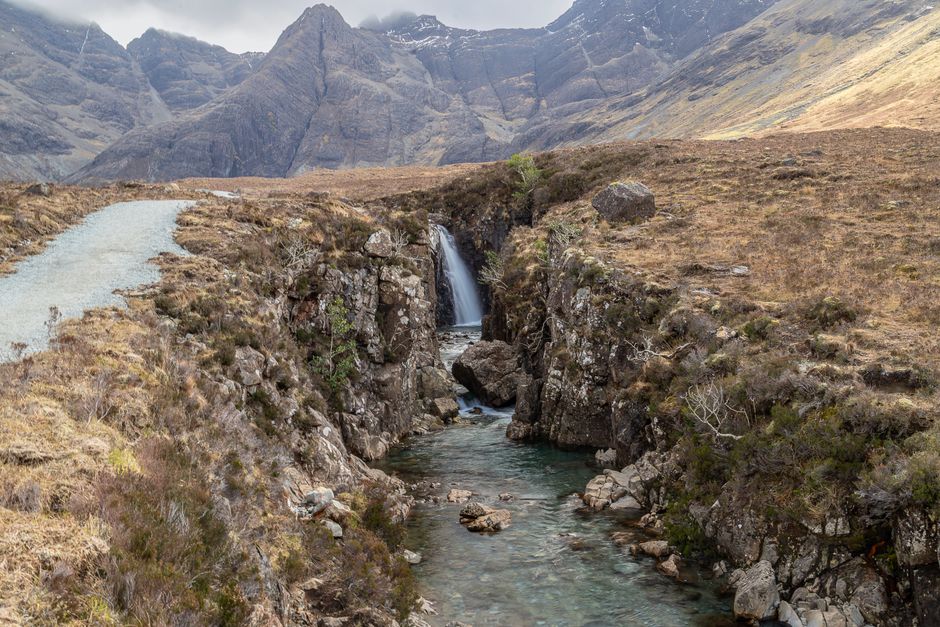
1. The Valley of Hidden Cattle
Coire Gabhail, Glen Coe, Scotland
This seemingly empty valley once perfectly hid stolen cattle from Viking raiders and rival clans for centuries.
Coire Gabhail, often called 'The Hidden Valley' in Glen Coe, holds a surprising history. Its steep, rocky entrance belies a wide, flat basin perfect for concealing livestock. Clan MacDonald would drive their raided cattle here, making them disappear from sight and evade detection by rival clans or law enforcement in centuries past. The valley's natural camouflage was a vital strategic asset, a testament to ancient Highland survival.
2. The Valley of the Old New Year
Gwaun Valley, Pembrokeshire, Wales
This remote Welsh valley still celebrates New Year's Day on January 13th, following the Julian calendar from 1752.
Tucked away in Pembrokeshire, the Gwaun Valley is a place where time moves differently. Its isolated communities, particularly around the tiny village of Pontfaen, cling to ancient traditions. They observe Hen Galan, or Old New Year, on January 13th, a relic from when Britain switched from the Julian to the Gregorian calendar in 1752. Children go door-to-door singing carols for 'calennig' (gifts), a truly unique cultural survival that highlights Welsh distinctiveness.
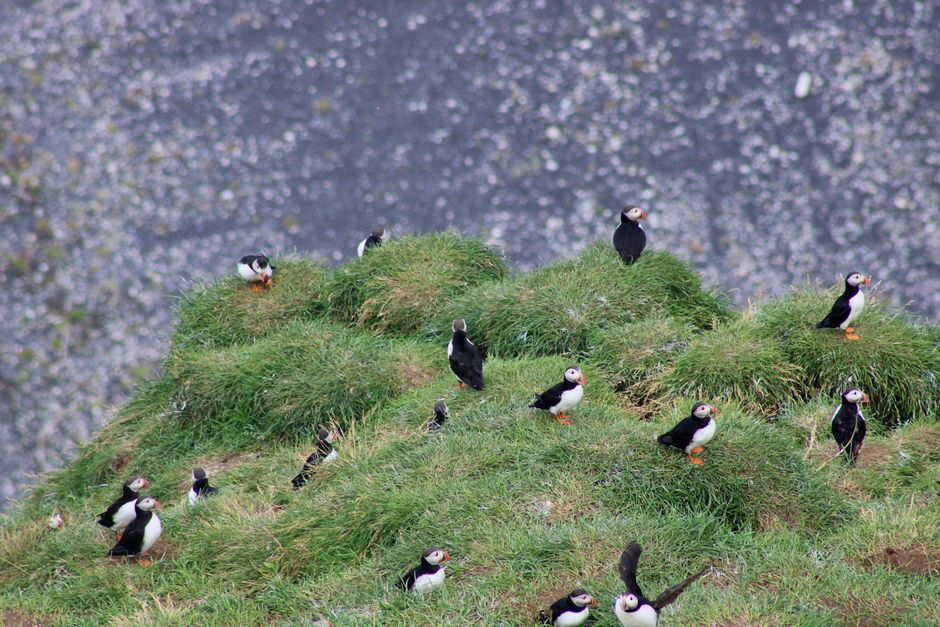
3. The Puffin King's Refuge
Rathlin Island, Northern Ireland
This remote island is Northern Ireland's only puffin breeding ground and was once a desperate refuge for Robert the Bruce.
Rathlin Island, off the Antrim coast, is a rugged basaltic outcrop, a haven for wildlife and a keeper of dramatic history. It's Northern Ireland's only permanently inhabited offshore island and a vital breeding ground for thousands of seabirds, including the charismatic puffin. Famously, Robert the Bruce, King of Scots, found refuge here in the early 14th century, legendarily inspired by a persistent spider to continue his fight for Scottish independence.
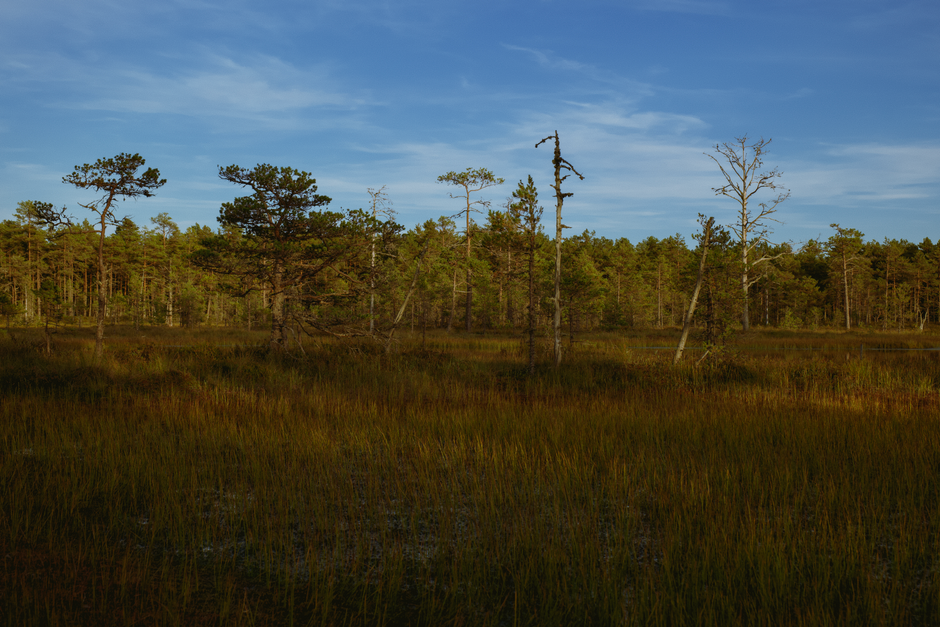
4. England's Ancient Watery Wilderness
Wicken Fen, Cambridgeshire, England
This seemingly flat landscape is England's oldest nature reserve, a relic of a vast, treacherous watery wilderness that once covered eastern England.
Wicken Fen, near Ely, offers a glimpse into England's ancient past before extensive drainage. It's a fragment of the vast, wild wetlands that once dominated this region, a landscape so distinct it fostered its own 'fenmen' culture. For centuries, these watery fens were a dangerous, malarial domain, providing sustenance through fishing and wildfowling, and offering refuge for outlaws. Its unique ecosystem continues to thrive as a vital conservation area.
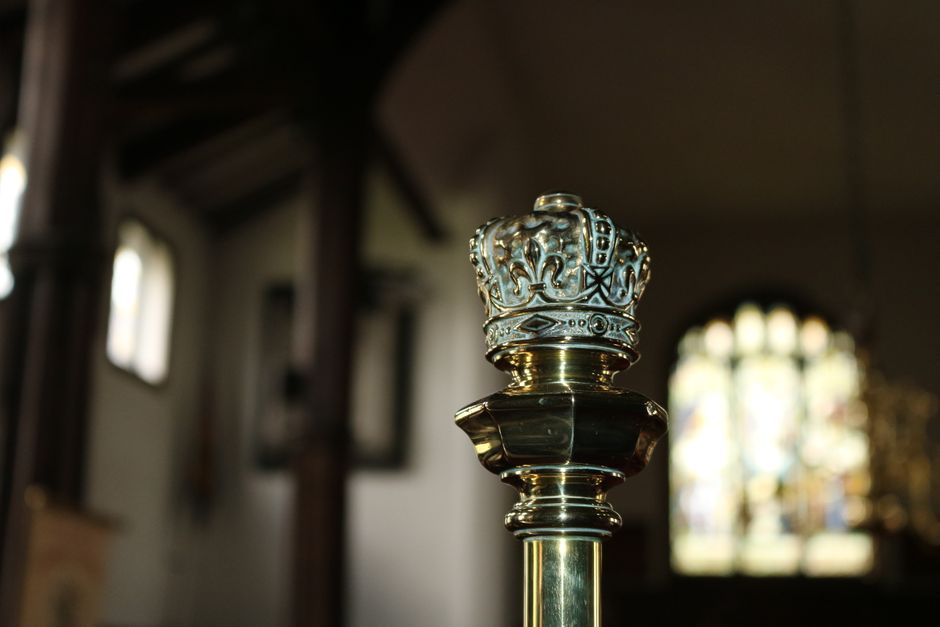
5. The Chapel of Unexpected Beauty
The Italian Chapel, Lamb Holm, Orkney Islands, Scotland
This ornate chapel on a remote Orkney islet was meticulously crafted from scrap materials by Italian prisoners of war during WWII.
On the small, windswept island of Lamb Holm in Orkney, stands an unlikely masterpiece: the Italian Chapel. Built by Italian prisoners of war captured in North Africa during World War II, it was constructed from two Nissen huts and salvaged materials. The artistry is astounding; a humble corrugated iron interior transformed into a breathtaking sanctuary, adorned with painted frescoes and intricate ironwork, a testament to human spirit and devotion in captivity.
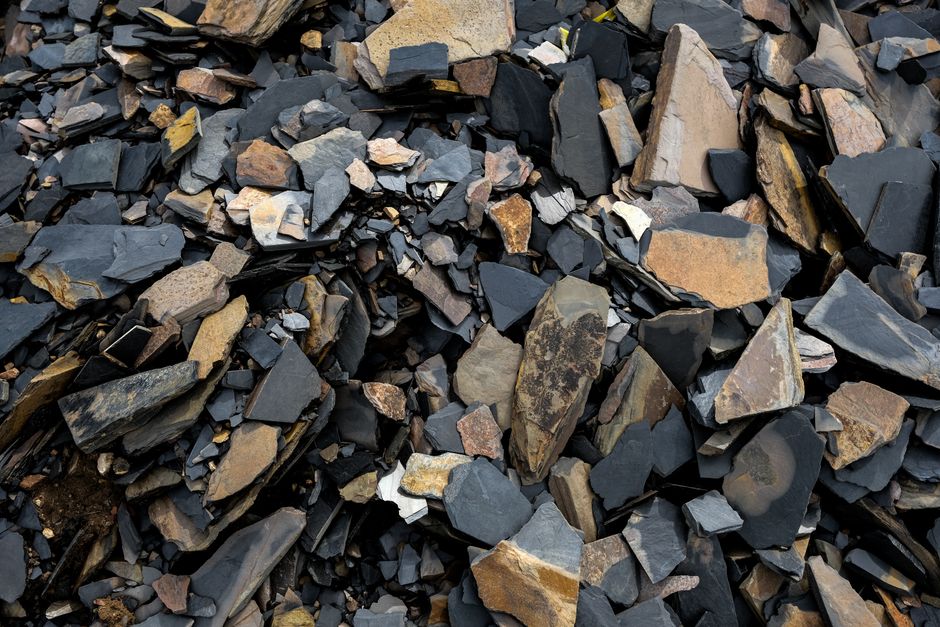
6. The Town Carved from Mountains
Blaenau Ffestiniog, Gwynedd, Wales
This UNESCO World Heritage slate mining town literally saw entire mountains hollowed out, profoundly shaping Welsh identity and landscape.
Blaenau Ffestiniog, nestled in Snowdonia, is a town literally carved from slate. This area was once the heart of the Welsh slate industry, employing thousands and exporting slate across the globe. The dramatic, almost lunar landscape of spoil heaps and vast cavern systems underground, like Llechwedd Slate Caverns, tell a story of immense human endeavor and the challenging lives of the quarrymen. This industry profoundly influenced the Welsh language, culture, and social fabric of the region.
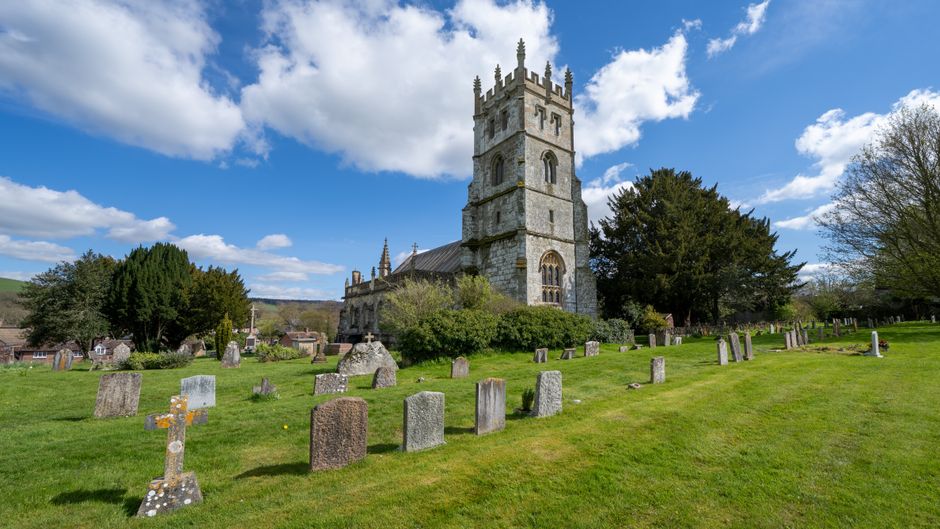
7. Cornwall's Subtropical Sanctuary
St. Just in Roseland Church, Cornwall, England
This subtropical churchyard in Cornwall is so lush and sheltered it feels more Mediterranean than British, with gravestones emerging from exotic foliage.
Tucked away on the Roseland Peninsula, St. Just in Roseland Church boasts one of the most beautiful and unique churchyards in Britain. Thanks to the Gulf Stream and its sheltered position, the churchyard is a subtropical paradise. Palm trees, bamboo, and exotic ferns thrive, creating a verdant, almost jungle-like atmosphere where ancient gravestones are almost swallowed by the lush foliage. It's a surprising microclimate offering a glimpse into Cornwall's unique natural heritage.
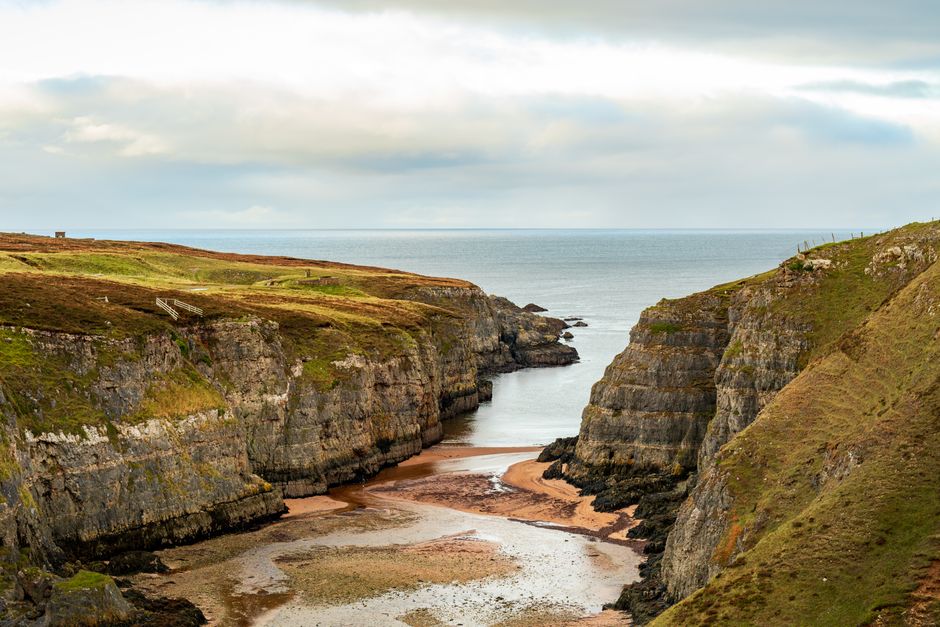
8. The Cave of the Indoor Waterfall
Smoo Cave, Durness, Sutherland, Scotland
This dramatic sea cave on Scotland's north coast features a powerful hidden freshwater waterfall plunging into an inner cavern.
On the rugged north coast of Sutherland, Smoo Cave is a spectacular geological formation, a massive sea cave carved into the limestone cliffs. Its most striking feature is an enormous opening that gives way to a series of chambers, where a powerful freshwater waterfall plunges dramatically into an inner pool. The cave's unique geology, with both sea and freshwater erosion shaping its vast interior, makes it a truly awe-inspiring natural wonder and a site of archaeological interest.
Frequently asked questions
Are people from Scotland English?
No, people from Scotland are Scottish, not English. While both Scotland and England are part of Great Britain and the United Kingdom, they are distinct nations with their own unique cultures, histories, and legal systems.
What is the difference between British and English?
'British' refers to anyone from the United Kingdom (England, Scotland, Wales, and Northern Ireland). 'English' specifically refers to people from England. So, all English people are British, but not all British people are English.
Do people from Wales call themselves English?
No, people from Wales identify as Welsh. Wales is a distinct country within the United Kingdom, proud of its unique language, culture, and heritage, which is separate from that of England.
How can I discover more about the UK's diverse identities?
The AllTours.ai app is designed to help you do just that. Simply point your phone camera at any landmark or landscape, and the app will instantly narrate its history, geology, and culture in your preferred language, revealing the hidden stories of the UK's many identities.
Related guides
Photography via Pexels. AllTours.ai is an AI audio tour guide — point your camera at any landscape and hear its story.